
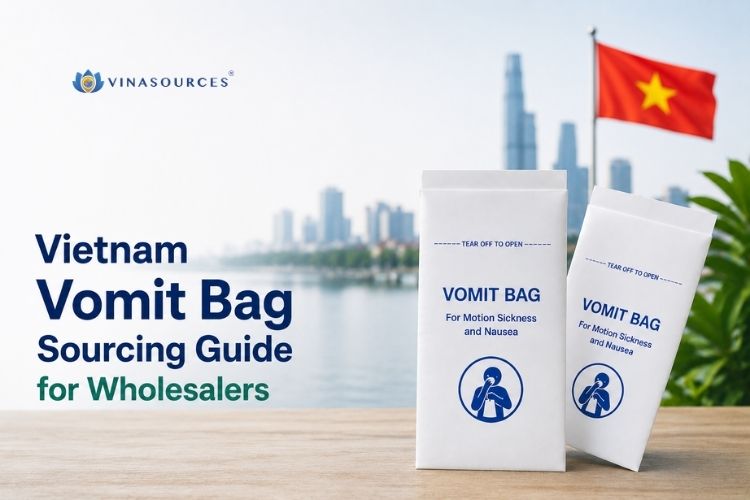
Finding a reliable, high-volume manufacturer for disposal supplies can be challenging for global procurement managers. If you are looking to import vomit bags from Vietnam, this comprehensive guide is tailored just for you. Whether you need medical-grade emesis bags with solidifying gels or standard motion sickness bags for airlines and transport, Vietnam offers a highly competitive and resilient manufacturing alternative.
Why Choose Vietnam for Sourcing Vomit Bags?
Vietnam has rapidly emerged as a premier global destination for sourcing medical disposables, offering a strategic balance of cost-efficiency, high-quality standards, and reliable logistics.
For international buyers, importing vomit bags from Vietnam provides a significant competitive edge through reduced operational risks and access to a modernizing manufacturing sector.
Significant Cost Savings and Competitive Pricing
One of the primary drivers for choosing Vietnam is the substantial reduction in production costs. Manufacturing expenses in Vietnam are estimated to be 10–25% lower than in China, largely due to competitive labor rates and lower operational overhead. This cost advantage allows businesses to maintain higher profit margins while offering competitive pricing to their customers. Additionally, the Vietnamese government provides tax incentives and favorable policies specifically designed to attract foreign investment in the manufacturing sector.
High-Quality Manufacturing and ISO Certifications
Vietnam has built a strong reputation for delivering high-quality products through rigorous quality control measures. Many Vietnamese facilities specialized in medical disposables have implemented internationally recognized systems, including ISO 9001 and ISO 13485 (medical device quality management), ensuring that vomit bags meet the stringent safety standards required by global healthcare markets. This focus on quality is supported by a culture of craftsmanship and attention to detail that has been passed down through generations.
Preferential Access Through Free Trade Agreements (FTAs)
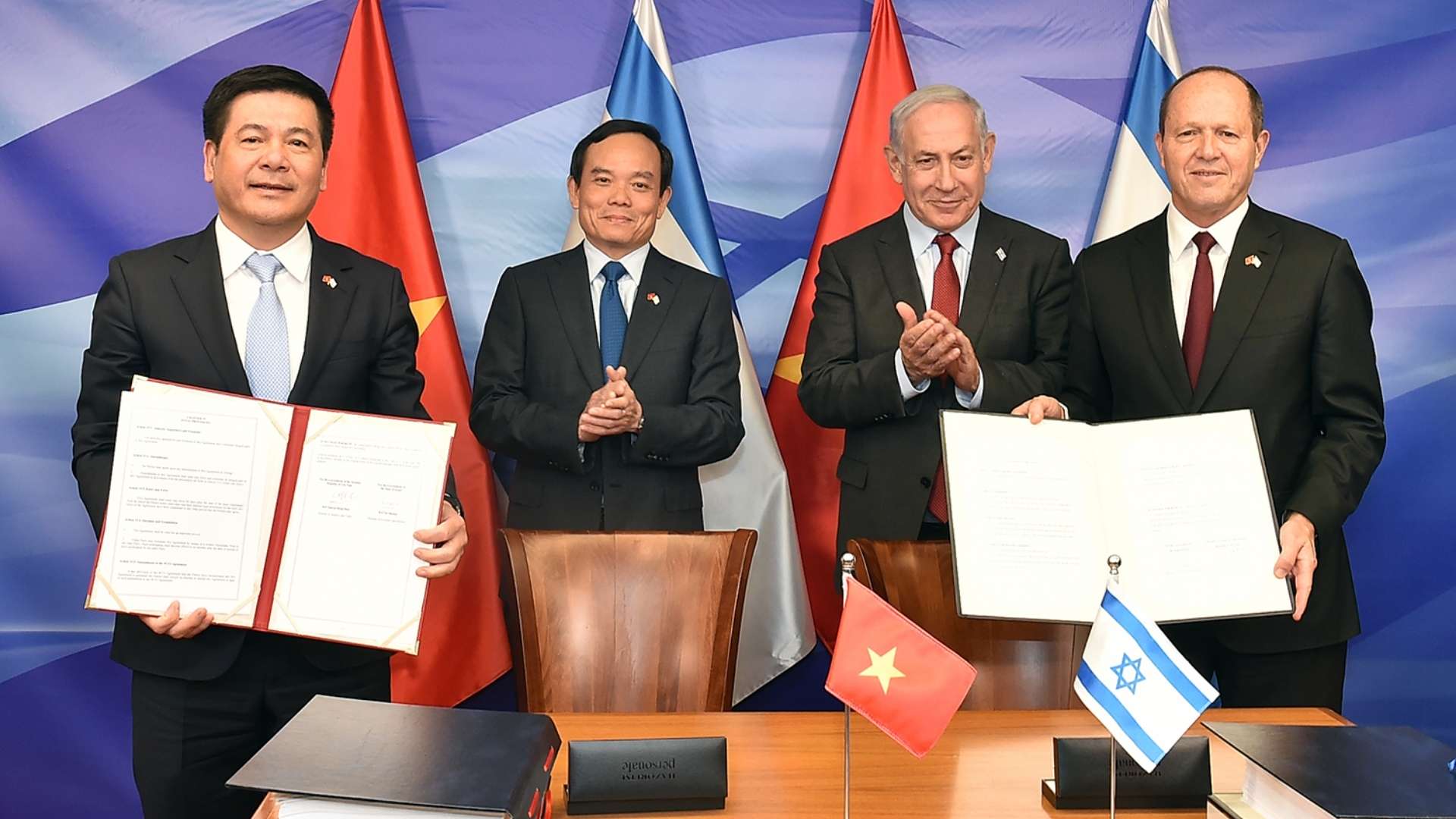
Vietnam’s extensive network of Free Trade Agreements is a major benefit for global importers. Agreements such as the EVFTA (EU-Vietnam), CPTPP, and RCEP provide preferential or even zero tariffs for manufactured goods exported to markets like Europe, Canada, Japan, and Australia. In many cases, manufactured goods can pass through to these regions with 0% import duties, making Vietnamese products considerably more affordable than those from countries facing higher trade barriers.
Strategic Logistics and Infrastructure
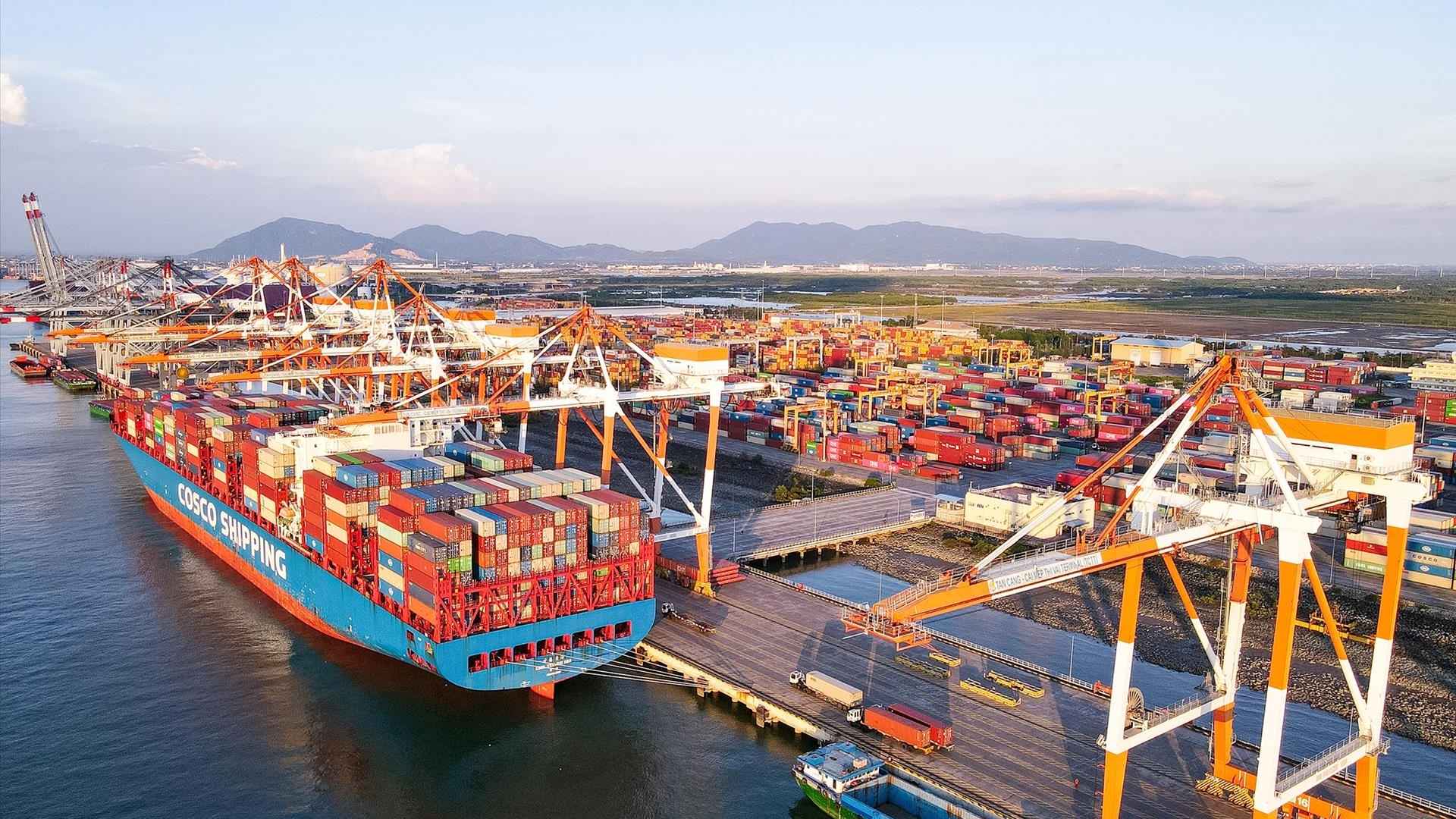
Located strategically in Southeast Asia, Vietnam offers easy access to major international shipping routes, which facilitates faster turnaround times. The country has invested heavily in well-developed ports, airports, and road systems to ensure efficient import and export operations.
Scalability and Flexible Order Quantities (MOQs)
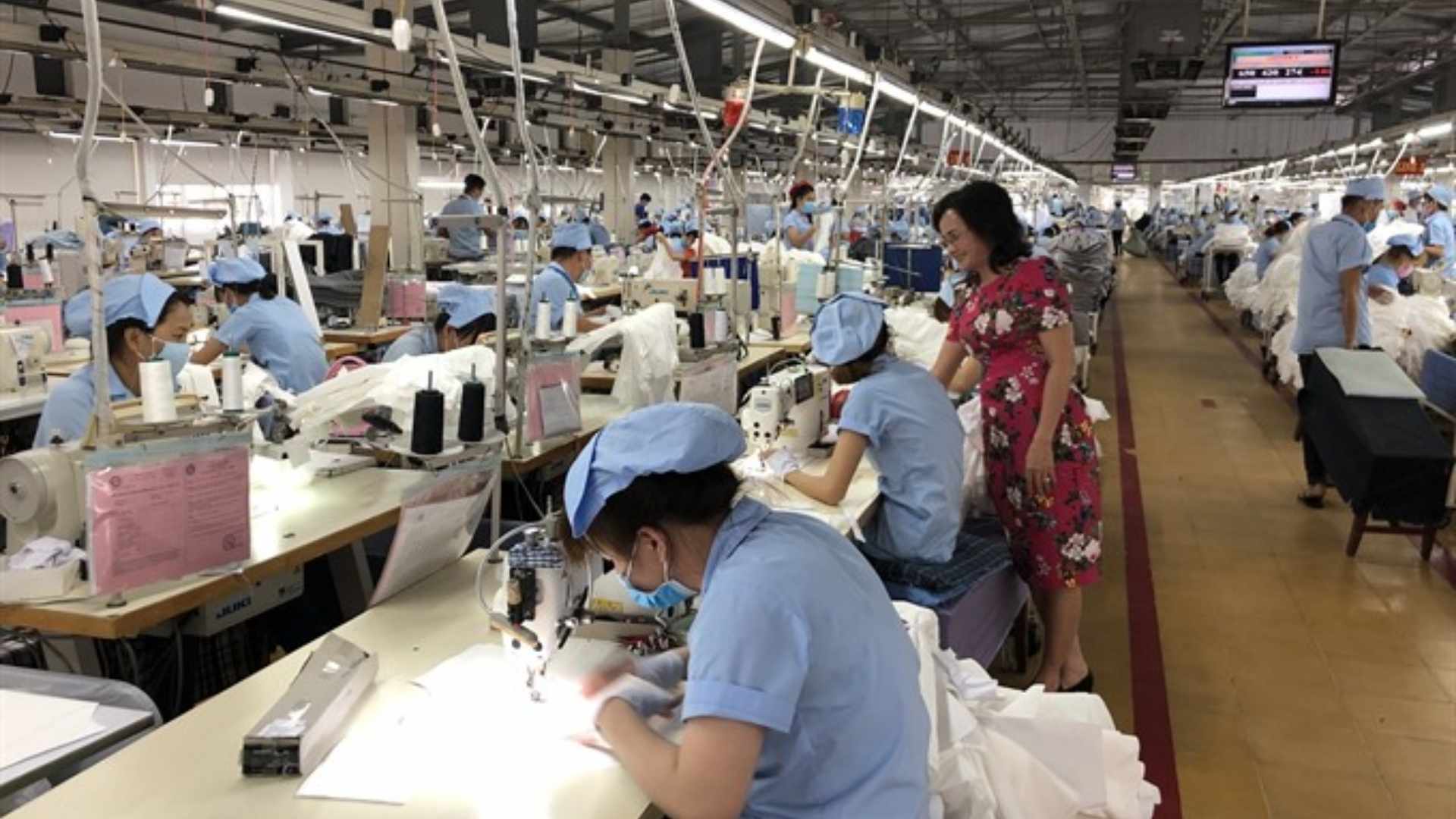
The Vietnamese market is highly accommodating for businesses of all sizes. Unlike other major manufacturing hubs that may require massive orders, many Vietnamese factories are willing to accept lower Minimum Order Quantities (MOQs), often in the hundreds rather than thousands, allowing buyers to test new markets without heavy upfront investment. Simultaneously, the country’s large pool of suppliers ensures that production can be scaled up quickly to meet growing demand.
Finding and Verifying Vietnamese Manufacturers
To find trustworthy manufacturers capable of meeting your specific requirements for technical expertise and production volume. Buyers can utilize several effective channels:
1. Visit Trade Shows
Visiting trade shows is a great way to find reliable partners because you can meet factory owners and suppliers face-to-face. Talking in person helps you build trust and strong relationships more easily than just sending emails. At these events, you can touch the materials and look at product samples closely to check the quality of the vomit bags.
Below are some of the most important trade shows in Vietnam for sourcing medical disposables and packaging.
| Trade show name | Overview | Upcoming date & venue |
| ProPak Vietnam | Premier exhibition focusing on packaging, plastic molding, and processing machinery, ideal for finding bag manufacturers. | March 10 – March 12, 2027, at the Saigon Exhibition and Convention Center (SECC), Ho Chi Minh City. |
| Vietnam International Sourcing | This event is organized to connect international distributors and retailers with high-quality Vietnamese factories. It is a professional event that focuses on many export industries, including medical disposables and healthcare products. | September 3 – September 5, 2026, at the Saigon Exhibition and Convention Center (SECC), Ho Chi Minh City. |
| Pharmedi Vietnam | The leading international medical and healthcare exhibition in Vietnam, featuring medical disposables and plastic healthcare products. | September 2027, at the Saigon Exhibition and Convention Center (SECC), Ho Chi Minh City. |
When attending a sourcing exhibition in Vietnam, wholesalers should prepare a clear RFQ and product specification sheet. Include bag capacity, PE thickness, dimensions, closure or sealing design, neck ring requirements, color, printing, packaging, MOQ, and target quantity. If the vomit bags are sold for medical use, also ask suppliers about relevant product testing, quality systems, and documents required by your destination market.
Do not place a large order only because a supplier has an impressive booth. Ask for the company’s legal name, factory address, business registration, export records, certificates, and product samples. If possible, arrange a factory visit after the exhibition to confirm that the company actually manufactures the product.
2. Online B2B Marketplaces
If you want to find Vietnamese suppliers quickly and easily from your own office, using online B2B marketplaces is the best method. Instead of spending thousands of dollars on plane tickets or waiting months for the next industrial trade show, these digital platforms let you connect with factories instantly.
Some platforms worth checking include:
- Alibaba: One of the world’s largest B2B marketplaces. Buyers can search for terms such as “vomit bag,” “emesis bag,” “sickness bag,” or “disposable vomit bag” and filter suppliers by country. Alibaba already has dedicated listings for vomit and emesis bag suppliers.
- VinaSources: A Vietnam-focused B2B sourcing platform that connects international buyers and importers with Vietnamese manufacturers. It combines supplier sourcing with supply-chain services such as quality management, logistics, warehousing, customs clearance, and trade compliance. For wholesalers specifically looking to diversify their sourcing into Vietnam, this local focus can make supplier discovery more targeted.
- Global Sources: An international B2B sourcing platform that can be used to discover Asian manufacturers and exporters. It can be used as an additional channel when buyers want to compare suppliers across Vietnam and other Asian sourcing markets.3.
3. Partner with Sourcing Agents and Consultants
If you are new to the Vietnamese market or cannot travel to the country for physical inspections, partnering with a local sourcing agency is a smart strategy.
Local sourcing experts speak fluent Vietnamese, understand the business culture, and know how to find real factories instead of expensive trading companies. They act as your on-the-ground eyes and ears, saving you time, reducing production risks, and helping you negotiate better factory-gate prices.
Here are some reputable sourcing agencies in Vietnam you can consider:
Primo Sourcing Agency: Founded in 2018, this agency is based in Ho Chi Minh City and has a team of 10 sourcing experts. They have a network of over 10,000 vetted factories across the country.
- Services: Supplier identification, product development (prototyping), production monitoring, and door-to-door delivery.
- Industry Focus: Textiles, electronics, furniture, handicrafts, and packaging solutions
- Contact Info: Website: https://sourcing-agent-vietnam.com/ or email: [email protected]
Dragon Sourcing: A global procurement firm established in 2004 with more than 20 years of experience. They are ideal for large enterprises that need a very structured sourcing process.
- Services: Procurement intelligence (market surveys), supplier selection, and acting as a localized international procurement office for your business.
- Industry Focus: Healthcare and pharmaceuticals (including medical devices), food and beverage, electronics, and industrial goods.
- Contact Info:Website: https://www.dragonsourcing.com/vietnam-sourcing/
Cosmo Sourcing: Founded in 2012, Cosmo Sourcing helps Western B2B buyers work with manufacturers in Southeast Asia. They have been active in Vietnam since 2014 and have a strong local presence in Ho Chi Minh City.
- Services: Product sourcing, RFQ management, factory audits, quality control, and shipping support.
- Industry Focus: Medical devices (medical disposables), textiles, furniture, and consumer electronics.
- Contact Info:Website: https://www.cosmosourcing.com
5 Steps to Import Vomit Bags from Vietnam
1. Conduct Rigorous Supplier Verification and Quality Checks
Before issuing purchase orders or transferring deposits, wholesalers must thoroughly verify the Vietnamese manufacturer to eliminate financial and operational risks.
Wholesalers should complete the following verification checks:
- Business Registration & Trade License: Verify the official company name, tax ID, and legal status via the Vietnamese National Business Registration Portal. This confirms the supplier is a legally registered corporate entity.
- Factory Ownership & Production Capabilities: Confirm whether the company is a direct manufacturer or a trading middleman. Checking workshop photos, production lines, worker counts, and automated sealing machinery ensures they can handle bulk wholesale orders.
- Export History & References: Request bill of lading (B/L) records or references from past international clients. Suppliers experienced in global trade are familiar with foreign quality expectations and packaging standards.
- Certifications & Compliance: Check quality management system (QMS) certifications such as ISO 9001 or ISO 13485 (for medical supply lines).
- Product Sample Evaluation: Request physical samples to test material thickness (e.g., HDPE/LDPE gauge), seam leak resistance, notch locks, and rigid ring closure strength under real stress conditions.
- Quality Control (QC) Protocols: Ensure the factory conducts in-house leak testing, tensile strength testing, and batch tracking, and that they accept third-party inspections (e.g., V-Trust or SGS).
- Payment Security: Verify that bank details match the corporate legal entity name exactly. Never send funds to individual personal bank accounts.
2. Check Your Country Import Regulations
Understanding destination market regulations before starting production is crucial. Non-compliant shipments can face customs seizures, heavy fines, or forced product destruction at destination ports.
For example, a simple disposable sickness bag and a product marketed specifically as a medical device may face different requirements. Buyers should first determine the product classification in their destination market and then confirm the required labeling, testing, importer registration, and other compliance requirements.
For Canada, Health Canada confirms that medical devices are divided into four risk classes. Class I devices do not require an MDL, but importers generally need an MDEL unless an exemption applies. Class II, III, and IV devices require an MDL and importers generally require an MDEL.
Wholesalers should therefore send the complete product specifications, intended use, packaging, and marketing claims to their customs broker or regulatory consultant before placing a large order. This helps prevent problems such as customs holds, relabeling, extra testing, or rejected shipments.
After confirming that the product can enter your market, you can negotiate the commercial terms with the Vietnamese supplier.
3. Negotiate Contract Terms
Once you have selected a supplier and verified their samples, the next critical step is formalizing the partnership. It is essential to get everything in writing through a signed sales agreement to avoid misunderstandings and protect your business interests.
You should consider including the following terms in your contracts:
- Final Unit Price: Confirm the total cost per bag, ensuring it includes any requested custom packaging, special labeling, or medical certifications.
- Incoterms (Shipping Terms): Clearly define who handles the shipping logistics and when the risk transfers from seller to buyer (e.g., FOB for the supplier to handle export clearance, or EXW for the buyer to pick up from the factory).
- Payment Terms: Specify the deposit percentage (commonly paid before production), the balance payment timing, and the accepted method (such as T/T wire transfer or Letter of Credit).
- Minimum Order Quantity (MOQ): Negotiate a specific MOQ that balances your initial market testing needs with the factory’s production requirements.
- Production Timeline and Delivery Milestones: Set firm deadlines for when manufacturing must be completed and exactly when the goods must be delivered to the port.
- Dispute and Damage Policy: Agree in advance on how the supplier will handle issues if the bags arrive damaged, late, or fail to meet the agreed-upon standards (e.g., refunds, replacements, or credits).
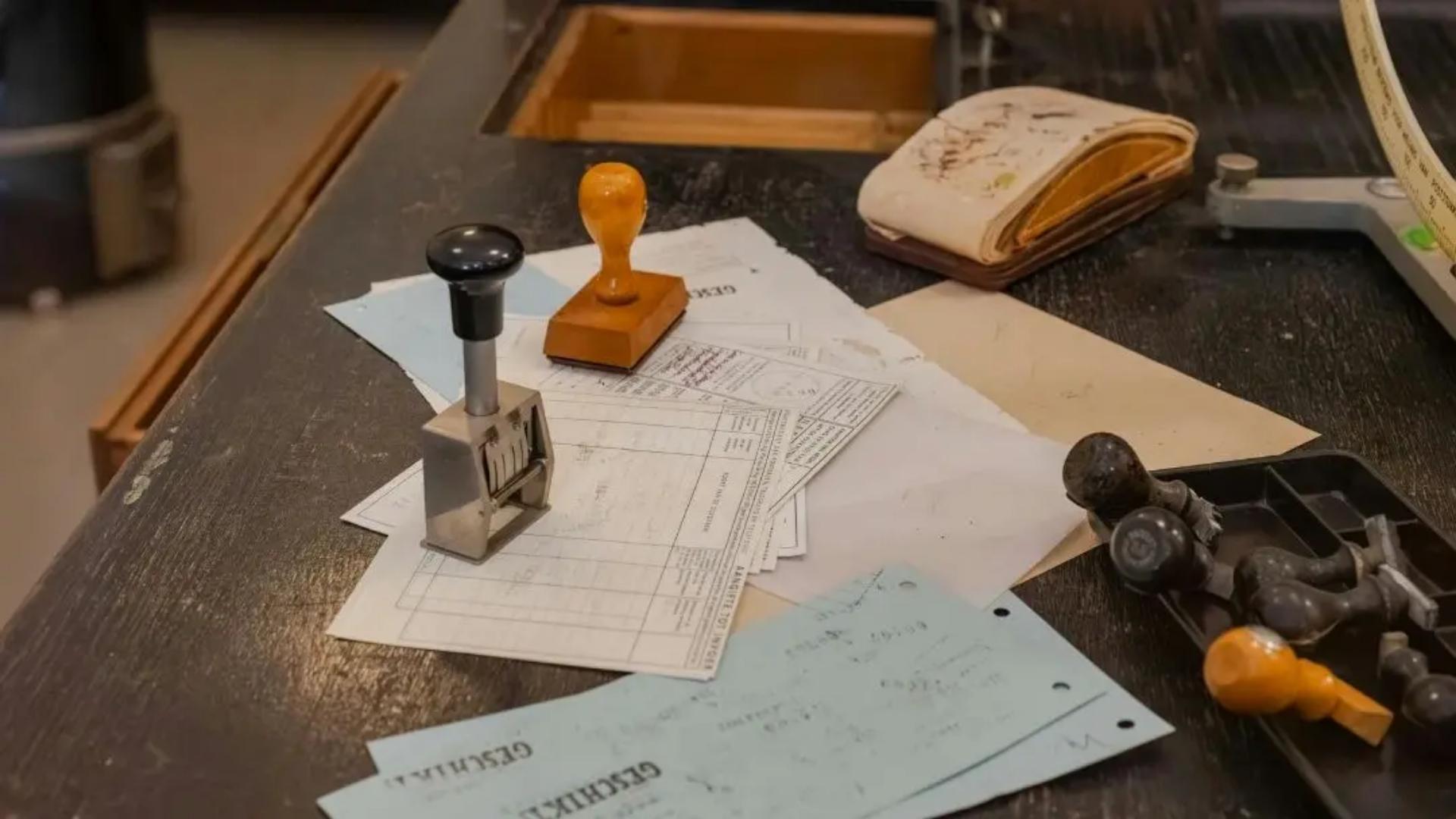
4. Prepare Essential Import Documentation
Accurate shipping documentation is essential for swift customs clearance in both Vietnam and the destination country.
The primary documents required for international trade include:
- Commercial Invoice: Shows the value and description of the goods.
- Packing List: Details the weight, dimensions, and contents of each box.
- Bill of Lading or Airway Bill: Proof of shipment and transportation details.
- Certificate of Origin (C/O): Proves the bags were made in Vietnam. This is essential for getting lower tax rates under Free Trade Agreements.
- Technical Standard/Health Certificate: Since vomit bags are medical-related, you might need certificates like ISO 13485 to prove they meet health standards.
5. Manage Shipping and Logistics
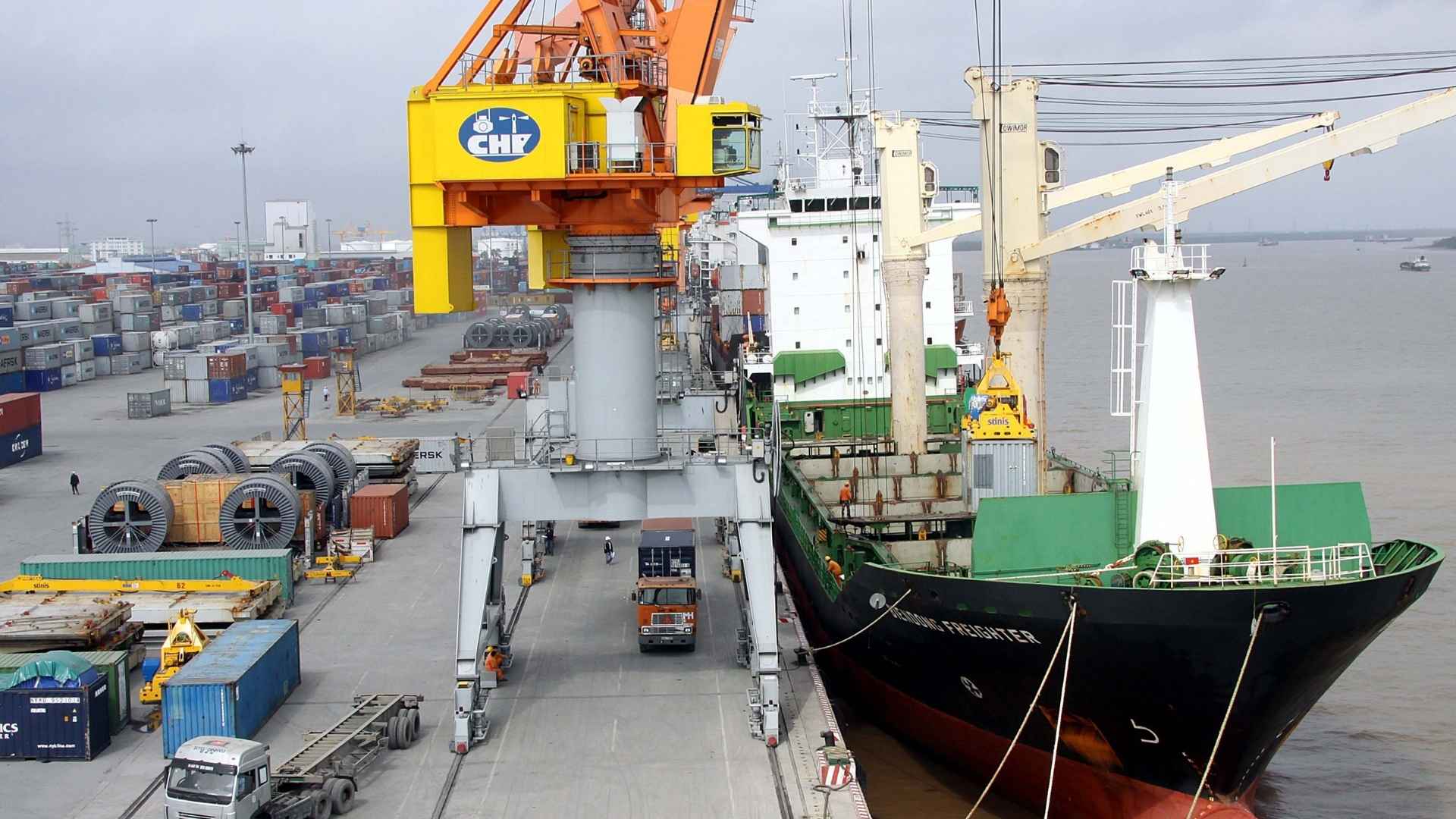
Choosing the right shipping method is a vital step in your procurement strategy to ensure your vomit bags arrive safely and cost-effectively. Vietnam’s strategic location in Southeast Asia provides excellent access to major global shipping routes, but your choice will depend heavily on your budget, order volume, and urgency
Sea Freight
Sea freight handles approximately 80% of Vietnam’s bulk cargo volume.
- FCL vs. LCL: You can choose Full Container Load (FCL) to dedicate an entire 20ft or 40ft container to your goods, or Less than Container Load (LCL) to share space and save money on smaller shipments.
- Major Hubs: Most maritime trade flows through top-tier ports like Saigon (HCMC), Hai Phong, Da Nang, and the Cai Mep–Thi Vai complex. Saigon and Hai Phong are among the world’s 50 busiest container ports.
Air Freight
While expensive, air freight is the fastest way to get your vomit bags from Ho Chi Minh City or Hanoi to global destinations like Los Angeles or London.
- Major Hubs: Air logistics are led by Tan Son Nhat (HCMC), Noi Bai (Hanoi), and Da Nang international airports.
- Weight Limits: This method is best for lightweight cargo, typically between 4kg and 15kg per shipment.
| Shipping Method | Estimated Delivery Time | Cost Level | Best Used For |
| Sea Freight | 20–40 days (USA/EU); 7–21 days (Asia) | 2.500 – 4.500 USD | Bulk orders, heavy cargo, and large-volume medical disposables. |
| Air Freight | 2–8 days | $5-$10 per kilogram | Urgent orders, high-value items, or product samples. |
Simplify Your Vomit Bag Sourcing in Vietnam with VinaSources
Finding trustworthy local suppliers in a new market can be challenging for global wholesalers. That is where VinaSources comes in to streamline your import process. VinaSources is a premier B2B marketplace that connects global buyers directly with genuine, local manufacturers in Vietnam. By bridging the gap between international buyers and certified Vietnamese factories, VinaSources makes importing medical and travel disposables fast, safe, and cost-effective.
Are you ready to grow your wholesale business and import top-quality vomit bags from Vietnam? Let our local sourcing team support you every step of the way!
Contact VinaSources today to get started:
- Submit an RFQ: Fill out our quick RFQ Form to receive competitive quotes directly from verified factories.
- Email Us: Send your detailed product specifications to [email protected]
- Call Our Support Hotline: Contact us directly at 0329725268 for immediate assistance.