
Vietnam has become an important sourcing destination for international buyers, offering competitive manufacturing costs and a wide range of products. However, sourcing from Vietnam also comes with risks, including unreliable suppliers, limited production capacity, inconsistent product quality, and compliance issues.
Vietnam factory inspections, audits, and quality control help buyers reduce these risks and ensure their orders meet the required standards. This guide covers different types of audits and inspections, step-by-step processes, checklists, quality standards, inspection costs, and tips for choosing a reliable inspection partner in Vietnam.
What Are Factory Inspections, Audits, and Quality Control?
Factory audits, product inspections, and quality control are three important activities in international sourcing. They help buyers check suppliers, verify product quality, and reduce risks before goods are shipped.
Although these terms are closely related, each has a different purpose.
What Is a Factory Audit?
A factory audit is a detailed assessment of a manufacturer’s facilities, production capacity, management systems, and business operations. Its main purpose is to determine whether a factory can meet a buyer’s requirements.
During a factory audit, auditors may check business registration documents, production equipment, workforce, quality management systems, and working conditions. They also review whether the factory has enough resources to complete orders on time.
What Is a Factory Inspection?
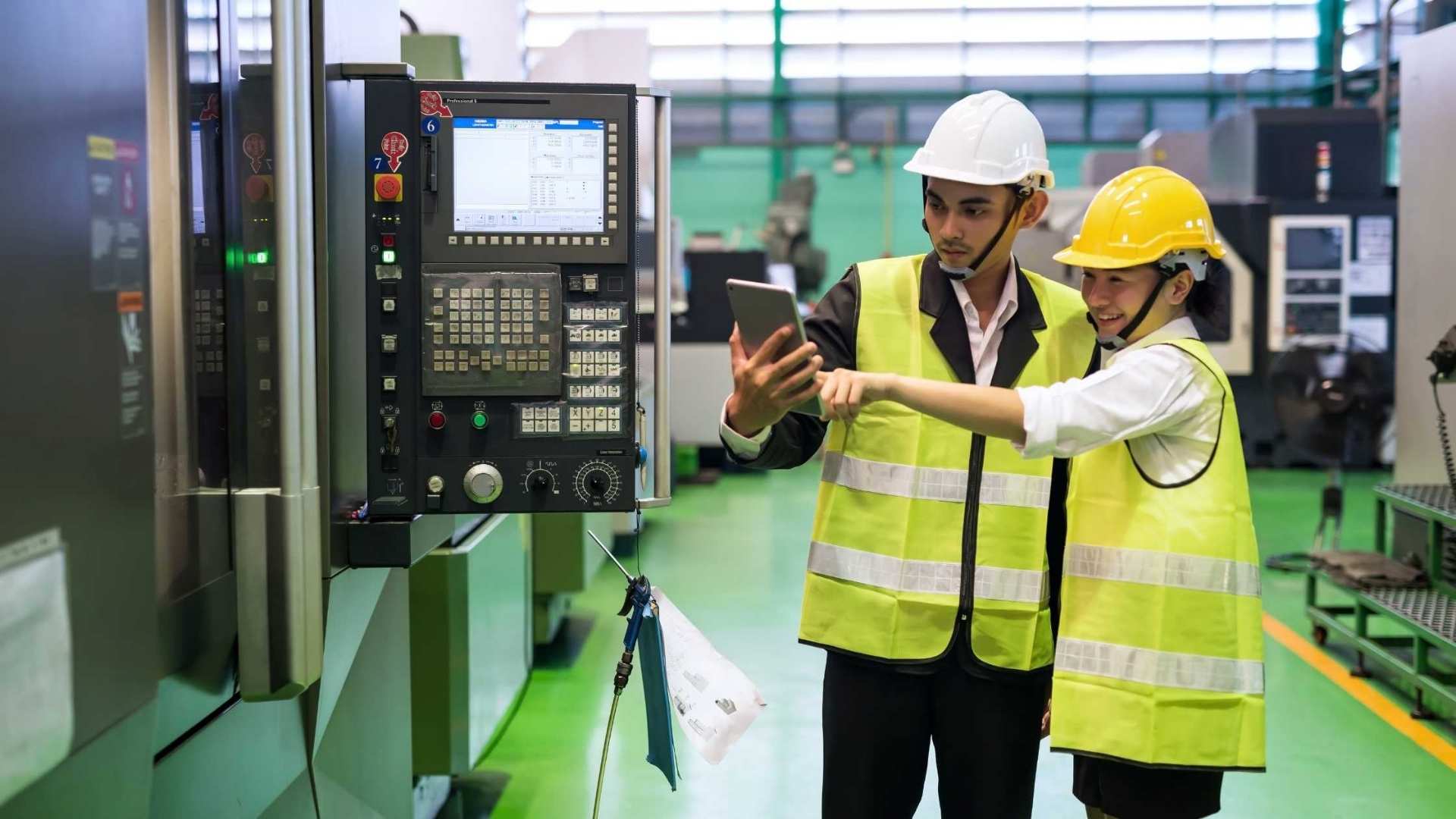
A factory inspection usually refers to checking products or production activities at a manufacturing facility. Inspectors compare products with the buyer’s specifications, approved samples, and quality requirements.
Depending on the inspection type, inspectors may examine raw materials, unfinished products, finished goods, packaging, and shipment quantities.
What Is Quality Control in Manufacturing?
Quality control (QC) includes the activities used to check and maintain product quality during manufacturing. These activities may include material inspections, production checks, product testing, and final inspections.
Unlike a single product inspection, quality control is an ongoing process. It helps manufacturers detect problems early and prevent the same defects from happening again.
Quality control also works closely with quality assurance (QA). While QC focuses on identifying product defects, QA focuses on improving systems and processes to prevent quality problems.
The following table explains the main differences:
| Criteria | Factory Audit | Product Inspection | Quality Control |
| Main purpose | Evaluate supplier capability | Verify product quality | Maintain consistent quality |
| Main focus | Factory and management systems | Specific products or orders | Production processes and products |
| Typical timing | Before supplier approval | During or after production | Throughout production |
| Main output | Audit report | Inspection report | QC records and corrective actions |
| Buyer benefit | Reduce supplier risks | Reduce defective shipments | Prevent recurring quality issues |
Types of Factory Audits in Vietnam
Different factory audits focus on different parts of a manufacturer’s operations. International buyers should choose an audit based on their product requirements, order size, and potential sourcing risks.
Below are four common types of factory audits used when sourcing from Vietnam.
Supplier Qualification Audit
A Supplier Qualification Audit (SQA) checks whether a manufacturer is legitimate and has the basic resources needed to complete an order.
Auditors normally review the company’s business registration, factory address, production facilities, equipment, workforce, and manufacturing capacity. They may also check the supplier’s previous experience with similar products.
This audit is especially useful for international buyers working with a Vietnamese manufacturer for the first time. It helps them confirm that the supplier is suitable before placing an order or paying a deposit.
Manufacturing and Technical Audit
A manufacturing and technical audit examines a factory’s production processes and technical capabilities in greater detail.
Auditors assess production lines, machinery, equipment maintenance, quality management systems, and technical staff. They may also review production records to understand whether the factory can maintain consistent quality and meet delivery schedules.
This audit is recommended for buyers sourcing complex products, custom-made goods, or large OEM/ODM orders.
Social Compliance Audit
A social compliance audit checks whether a factory follows relevant labor, workplace safety, and ethical business requirements.
Auditors may review working hours, employee wages, employment records, workplace conditions, fire safety, and worker protection.
Common social compliance programs and standards include SMETA, amfori BSCI, WRAP, and SA8000. These have different requirements and assessment methods, so buyers should select the one required by their customers or supply chain policies.
Social compliance audits are particularly important for apparel brands, international retailers, and businesses with responsible sourcing requirements.
Environmental Audit
An environmental audit evaluates how a factory manages environmental risks and follows applicable environmental regulations.
Auditors may review waste treatment, chemical storage, wastewater management, emissions, and environmental documentation. They can also assess environmental management systems such as ISO 14001.
Environmental audits are especially relevant to manufacturers involved in textile dyeing, leather processing, chemicals, and other activities with significant environmental impacts.
| Factory audit type | Main purpose | Recommended for |
| Supplier Qualification Audit | Verify supplier legitimacy and basic capabilities | First-time buyers and new suppliers |
| Manufacturing and Technical Audit | Assess production systems and technical capacity | OEM/ODM and complex products |
| Social Compliance Audit | Evaluate labor and workplace conditions | International retailers and brands |
| Environmental Audit | Review environmental management and compliance | High-impact industries and ESG-focused buyers |
Types of Product Inspections in Vietnam
Product inspections help buyers check whether goods meet their requirements at different stages of production. Choosing the right inspection type can prevent defects, reduce delays, and improve shipment quality.
The four common inspection types are Pre-Production Inspection, During Production Inspection, Pre-Shipment Inspection, and Container Loading Inspection.
Pre-Production Inspection (PPI)
A Pre-Production Inspection takes place before mass production begins. Its main purpose is to check whether the factory has prepared the correct materials, components, and production requirements.
Inspectors may examine raw materials, product samples, production instructions, and equipment readiness. They also compare the available materials with the buyer’s approved specifications.
PPI is particularly useful for new products, customized orders, and suppliers producing a product for the first time.
During Production Inspection (DUPRO)
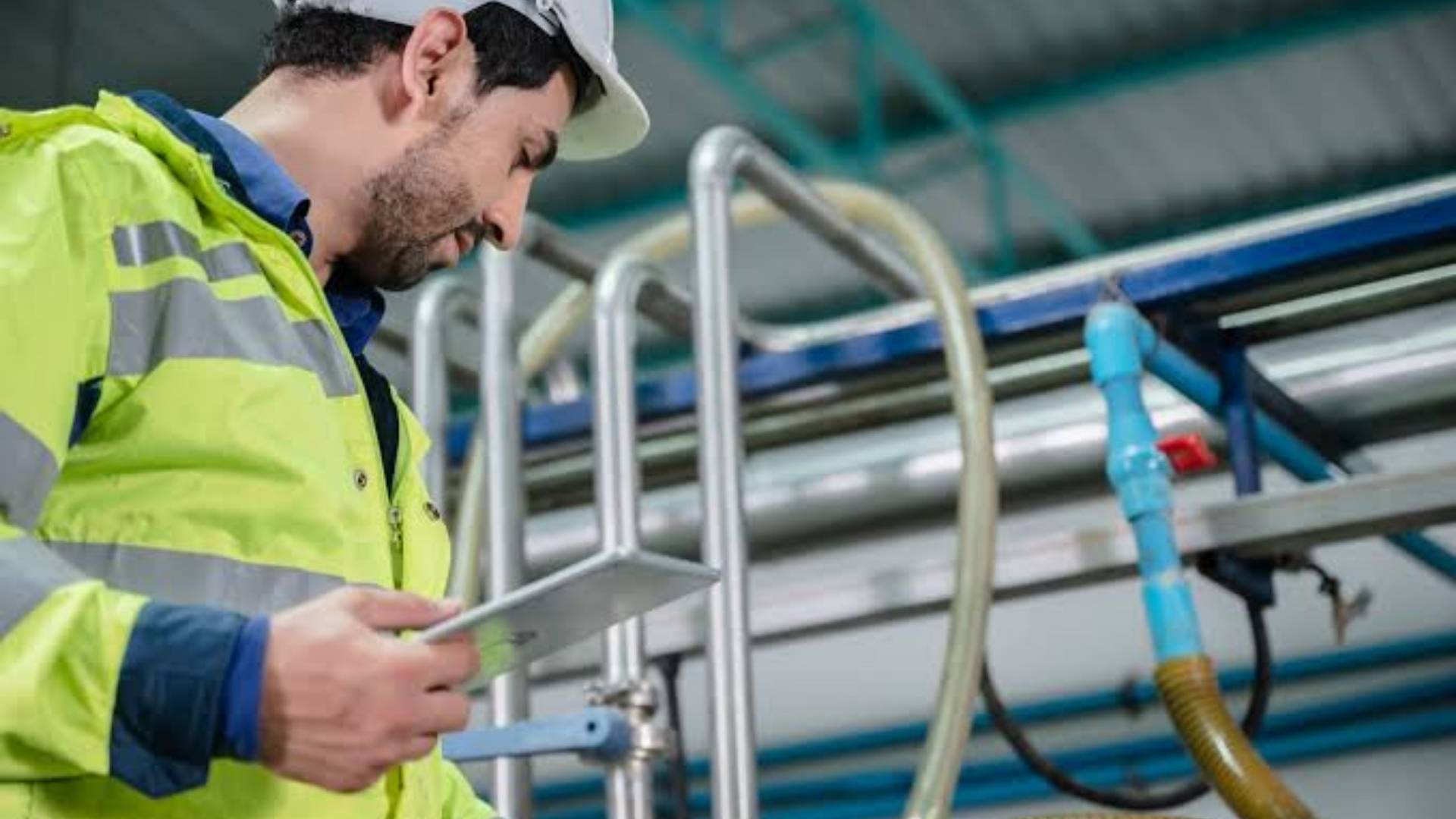
A During Production Inspection is carried out after manufacturing has started but before the entire order is completed.
Inspectors check products that have already been manufactured and review production progress. They look for problems with materials, dimensions, workmanship, functions, and other quality requirements.
If defects are found, the factory can make corrections before completing the remaining products. DUPRO is useful for large orders, complex manufacturing processes, and products with strict quality requirements.
Pre-Shipment Inspection (PSI)
A Pre-Shipment Inspection is performed when products are finished or nearly finished and ready for final inspection before shipping.
Inspectors usually select product samples from the completed order. They check appearance, dimensions, quantity, functions, labeling, and packaging against the buyer’s requirements.
Many inspection companies use Acceptance Quality Limit (AQL) sampling methods to determine the number of products to inspect and the acceptance criteria.
PSI is one of the most important quality control steps for international buyers because it helps identify defective goods before they leave Vietnam.
Container Loading Inspection (CLI)
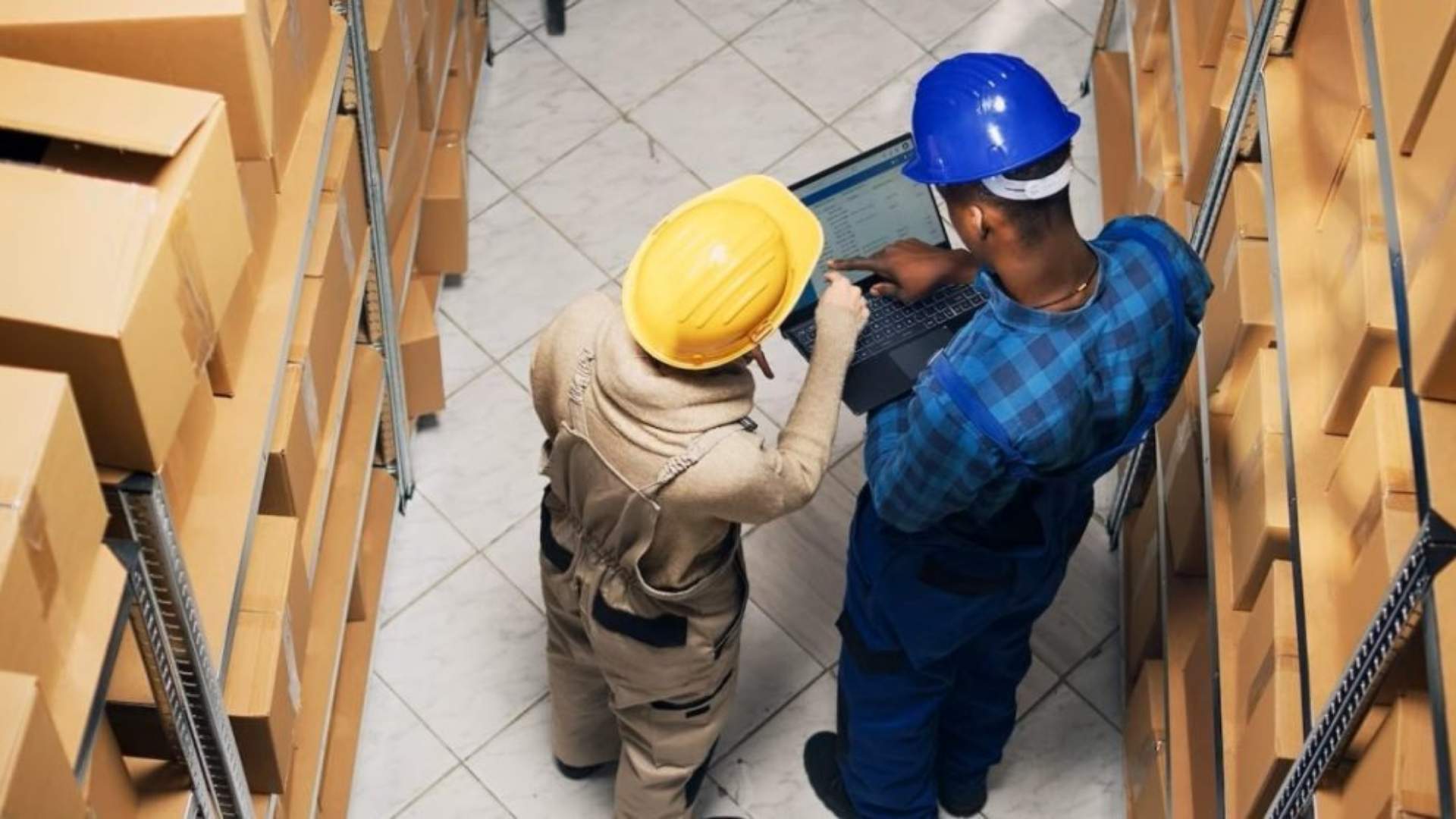
A Container Loading Inspection takes place when finished products are loaded into a shipping container.
Inspectors check the container’s condition, product quantities, carton labels, packaging, and loading process. They may also record the container number and seal number.
CLI helps reduce the risk of incorrect shipments, missing cartons, damaged packaging, and loading mistakes.
It is particularly useful for large export orders, full-container shipments, and high-value goods.
| Inspection type | When to inspect | Main purpose | Best for |
| PPI | Before production | Check materials and production readiness | New and customized products |
| DUPRO | During production | Identify defects early | Large or complex orders |
| PSI | Before shipment | Verify finished product quality | Most export orders |
| CLI | During container loading | Check loading conditions and quantities | Full-container shipments |
Vietnam Factory Audit Checklist for International Buyers
A factory audit checklist helps international buyers assess suppliers in a clear and consistent way. It also makes it easier to compare different manufacturers before choosing a sourcing partner.
The following checklist covers the main areas you should verify when auditing factories in Vietnam.
Business Registration and Legal Verification
The first step is to confirm that the supplier is a legally registered business.
You should request the company’s business registration information and compare the legal name, registration number, and registered address with official records. You should also confirm the actual factory location, the company signing the sales contract, and the ownership of the bank account receiving payment.
A difference between the registered office and factory address does not always indicate a problem. However, suppliers should be able to explain these differences and provide supporting documents.

Production Capacity and Equipment
You should check whether the factory has enough production capacity to complete their orders within the agreed lead time.
Important factors include the number of production lines, available machinery, workforce size, production schedules, and current factory workload.
It is also important to understand whether the supplier outsources any production activities. Subcontracting is not always a problem, but you should know which processes are completed outside the main factory.
Quality Management Systems
A reliable manufacturer should have clear procedures for checking product quality during production.
Auditors should review incoming material inspection records, in-process quality checks, final inspection procedures, and defect reports. They should also check whether the factory has trained QC staff and procedures for handling defective products.
For factories with ISO 9001 certification, you should verify the certificate’s validity and scope rather than relying only on the supplier’s claims.
Workplace Safety and Labor Conditions
Factory safety and working conditions are important factors when selecting long-term manufacturing partners.
Auditors should check emergency exits, fire safety equipment, workplace cleanliness, ventilation, and personal protective equipment.
They may also review employment records, working hours, and relevant labor practices.
Serious safety problems or violations of applicable labor requirements should be addressed before approving a supplier.
Certifications and Export Compliance
Different products and destination markets have different certification and compliance requirements.
For example, certain electronics may be subject to electrical safety and hazardous substance requirements. Children’s products may need specific safety testing, while textiles may be subject to chemical restrictions.
You should verify whether the factory has the necessary certificates, testing reports, and technical documents for the products being sourced.
A valid factory management certificate does not automatically mean that every product meets the legal requirements of the importing country.
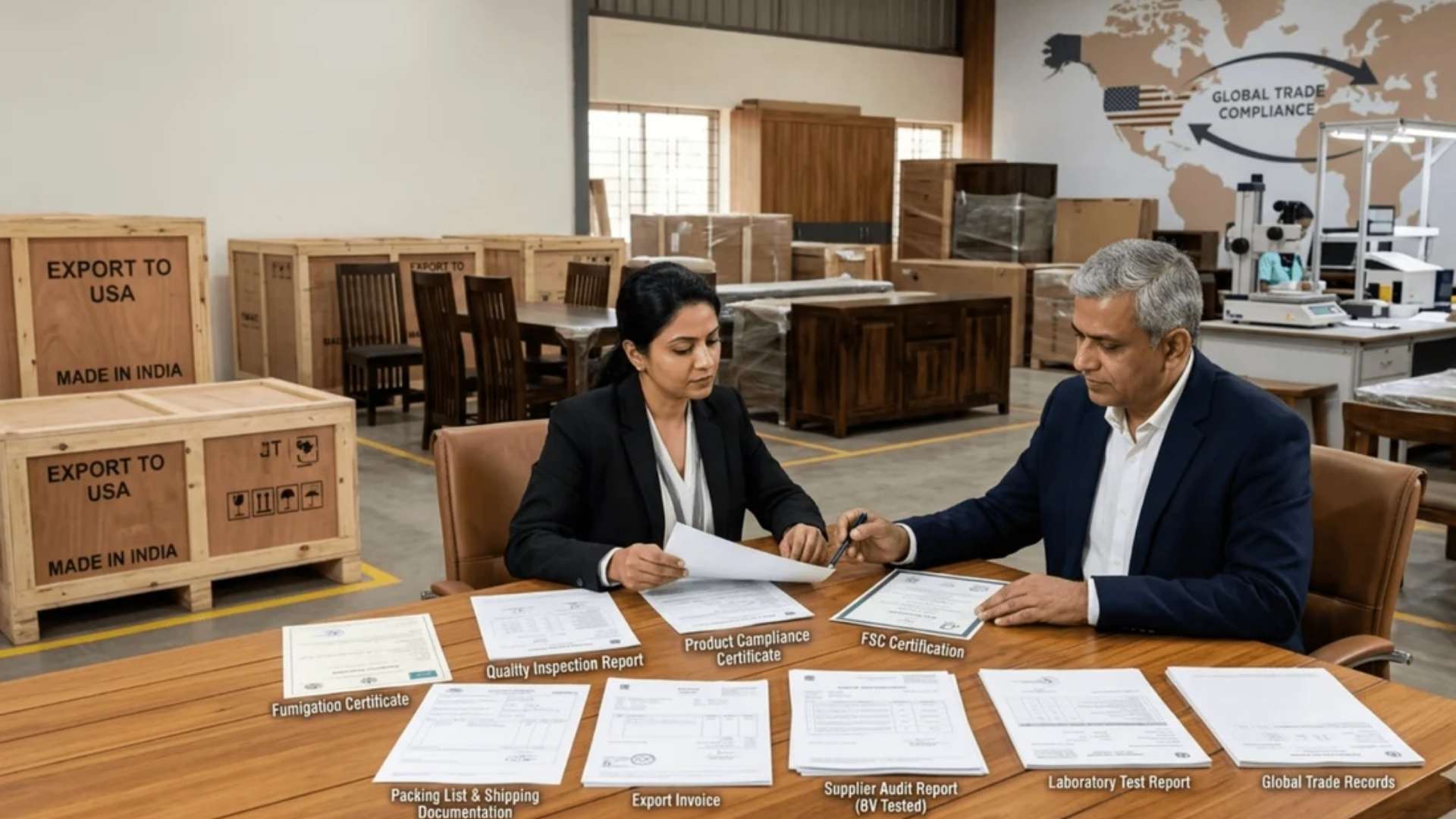
How to Conduct a Factory Audit and Product Inspection in Vietnam
You do not always need to visit Vietnam to arrange factory audits and product inspections. Many independent inspection companies offer on-site services and provide reports electronically.
The following five steps explain how you can organize an effective inspection process.
Step 1: Define Your Audit or Inspection Requirements
Before contacting an inspection provider, you should identify what you need to verify.
For factory audits, this may include business legitimacy, production capacity, quality management systems, or compliance.
For product inspections, you should prepare product specifications, approved samples, order quantities, packaging requirements, and quality acceptance criteria.
Clear requirements help inspectors focus on the most important risks and reduce misunderstandings.

Step 2: Choose an Independent Inspection Provider
You should select an inspection company with relevant experience in your product category.
For example, inspecting furniture requires different technical knowledge from inspecting electronic products or garments.
Before booking, you should ask about inspector qualifications, inspection methods, pricing, report formats, and service availability.
It is also important to confirm that the inspector can provide an independent assessment without conflicts of interest.
Step 3: Schedule the Factory Visit
Once the inspection provider is selected, you should confirm the factory address, inspection date, contact person, and required documents.
The timing should match the inspection purpose. A supplier qualification audit is normally conducted before approving a new manufacturer, while PSI takes place near the end of production.
You should also confirm that the supplier will allow inspectors to access the required production areas, products, and records.
Step 4: Conduct the On-Site Audit or Inspection
During a factory audit, auditors may inspect facilities, review business documents, examine production systems, and interview relevant staff.
For product inspections, inspectors select samples and check them against agreed specifications. Depending on the product, checks may include appearance, dimensions, functions, workmanship, and packaging.
Inspectors should record their findings with photographs, measurements, and clear descriptions of any problems.
Step 5: Review the Report and Take Corrective Actions
After the visit, the inspection provider sends a report describing the findings.
You should review the report carefully, especially any critical or major problems.
If the factory does not meet the agreed requirements, you can request a Corrective Action Plan (CAP). This document should explain the problems, required improvements, responsible persons, and deadlines.
A follow-up inspection or re-audit may be necessary to confirm that the problems have been corrected before production or shipment is approved.
Quality Control Standards and AQL Inspection in Vietnam
International buyers often use recognized standards to evaluate product quality and supplier performance. These standards help buyers and manufacturers follow consistent inspection procedures.
However, the correct standards depend on the product category, inspection purpose, and destination market.
What Is AQL in Product Inspection?
Acceptable Quality Limit (AQL) is a parameter used in statistical sampling plans to evaluate product quality.
Instead of inspecting every item in a shipment, inspectors select a sample based on the lot size, inspection level, and agreed AQL.
The ISO 2859-1 standard provides sampling plans and acceptance or rejection rules for inspection by attributes.
Product defects are commonly divided into three categories:
- Critical defects: Problems that may create serious safety risks or violate essential requirements.
- Major defects: Problems that significantly affect product function, performance, or customer acceptance.
- Minor defects: Small problems that do not significantly affect normal product use.
For some consumer products, buyers may use AQL values such as 0 for critical defects, 2.5 for major defects, and 4.0 for minor defects. However, these values are examples, not universal requirements.
The inspection plan must clearly define the sample size and acceptance or rejection numbers. AQL does not guarantee that every uninspected product is defect-free.
Common Quality and Compliance Standards
Several international standards may be relevant when sourcing products from Vietnam.
| Standard or regulation | Main purpose | Application |
| ISO 9001 | Quality management systems | Factory quality management |
| ISO 14001 | Environmental management systems | Environmental management |
| ISO 2859-1 | Sampling inspection by attributes | Product inspection plans |
| ISO/IEC 17020 | Requirements for inspection bodies | Inspection provider competence |
| ISO/IEC 17025 | Requirements for testing laboratories | Laboratory testing competence |
| EU REACH | Chemical regulation | Relevant products sold in the EU |
| EU RoHS | Restriction of hazardous substances | Covered electrical and electronic equipment |
| US CPSIA | Consumer product safety requirements | Covered children’s products |
Not every standard applies to every manufacturer or product. You should identify the requirements that apply to your specific products before placing an order.
How to Set Product Acceptance Criteria
Clear acceptance criteria are essential for effective quality control.
Buyers should provide detailed product specifications, approved samples, technical drawings, and testing requirements before production begins.
The purchase agreement or quality agreement should also define defect categories, acceptable tolerances, sampling methods, and procedures for handling failed inspections.
When buyers, manufacturers, and inspectors follow the same requirements, it becomes easier to identify defects and resolve quality disputes.
How Much Do Factory Audits and Inspections Cost in Vietnam?
Factory audit and inspection costs in Vietnam depend on the service type, factory location, inspection scope, and technical requirements.
Many providers charge based on the number of auditor-days or inspector-days required to complete the work.
Average Factory Audit and Inspection Costs
The following figures are indicative market examples, not fixed prices. Buyers should request quotations from inspection companies before arranging a service.
| # | Service | Indicative cost (USD) | Notes |
| 1 | Basic supplier qualification audit | $300–400 | Basic supplier verification |
| 2 | Standard factory audit | $300–500 | Scope and auditor-days vary |
| 3 | Social compliance audit | $800–1,000 | Indicative specialist audit cost |
| 4 | Environmental audit | $700–1,000 | Depends on audit scope |
| 5 | Product inspection | Request quotation | Depends on product, location, and inspector-days |
These estimates are based on published sourcing industry guides. Complex audits, recognized social compliance programs, and laboratory testing may cost significantly more.
Factors That Affect Inspection Costs
Several factors influence the final price of an inspection service:
- Factory location: Remote factories may require additional travel expenses.
- Inspection scope: Detailed technical audits usually require more time than basic supplier verification.
- Product complexity: Specialized products may require experienced inspectors or testing equipment.
- Inspection duration: Large facilities or multiple production lines may require several inspector-days.
- Additional services: Laboratory testing, translation, re-inspection, and special reports may increase costs.
Buyers should request an itemized quotation that clearly explains what is included.
Who Pays for Factory Inspections?
There is no single payment rule for all factory audits and inspections.
In many sourcing transactions, buyers pay for independent inspections because they want an objective assessment of the supplier or products.
However, manufacturers may agree to pay for certain inspections or re-inspections, especially when defects are caused by their production processes.
To avoid disputes, the purchase agreement should clearly state who pays for inspections, corrective actions, and additional checks.
How to Choose a Reliable Factory Inspection Company in Vietnam
Choosing a suitable inspection company is an important part of sourcing from Vietnam. A reliable provider should offer relevant technical knowledge, clear inspection procedures, and objective reporting.
Buyers should compare several providers before making a decision.
Key Factors to Consider When Choosing an Inspection Provider
When evaluating inspection companies, international buyers should consider:
- Industry experience: Inspectors should understand the materials, production processes, and quality risks of the products being checked.
- Independence: The inspection provider should have clear policies to manage conflicts of interest.
- Local coverage: The company should be able to visit factories in the required manufacturing regions.
- Inspection methods: The provider should explain its sampling procedures, testing methods, and acceptance criteria.
- Reporting quality: Reports should include photographs, findings, defect classifications, and practical recommendations.
- Transparent pricing: Quotations should explain inspection fees, travel expenses, and additional charges.
Buyers may also request sample inspection reports before booking.
Third-Party Inspection Companies in Vietnam
Several international inspection and quality control companies provide services for businesses sourcing products from Vietnam.
| Company | Main services | Website |
| HQTS | Product inspections, factory audits, testing, production monitoring | https://www.hqts.com |
| QIMA | Product inspections, supplier audits, laboratory testing | https://www.qima.com |
| SGS | Inspection, testing, certification, supplier assessments | https://www.sgs.com |
| Bureau Veritas | Factory audits, quality inspections, testing, certification | https://www.bureauveritas.com |
| Pro QC International | Supplier audits, product inspections, quality engineering | https://proqc.com |
Before choosing a provider, buyers should confirm its current service coverage, industry experience, availability, and quotation for the specific factory location.
Third-Party Inspection vs. Sourcing Agency
Third-party inspection companies and sourcing agencies support different parts of the sourcing process.
A third-party inspection company mainly focuses on independent assessments of factories, products, or manufacturing processes.
A sourcing agency may provide broader support, including supplier searches, quotation comparisons, supplier communication, production follow-up, and coordination of quality inspections.
For buyers who already have a reliable manufacturer, an independent inspection company may be sufficient.
For buyers who need help finding and managing Vietnamese suppliers, working with a sourcing partner can be more practical. Independent inspection services can still be used when additional verification is needed.
Common Factory Audit and Quality Control Mistakes to Avoid
Factory audits and product inspections are valuable, but they are only effective when buyers use them correctly. The following mistakes can increase sourcing risks and create unnecessary costs.
Skipping Factory Verification Before Paying a Deposit
Some buyers place orders based only on supplier websites, online profiles, or product samples.
However, these sources do not always prove that a supplier has the facilities or capacity to complete an order.
Buyers should verify important supplier information before making large payments, especially when working with a new manufacturer.
Relying Only on Supplier-Provided Certificates
A supplier may provide certificates to demonstrate its quality management or compliance capabilities.
However, certificates may be expired, unrelated to the product, or issued for another facility.
Buyers should verify the issuing organization, certificate scope, validity period, and covered products or activities.
Inspecting Products Only After Production
Waiting until production is completed can make quality problems more expensive to correct.
For example, using the wrong materials during the first production stage may affect the entire order.
Pre-production and during-production inspections help identify problems earlier and reduce the need for extensive rework.
Using Unclear Quality Specifications
General requirements such as “good quality” or “export quality” are not enough to guide factory production.
Buyers should provide measurable requirements, including materials, dimensions, tolerances, functions, packaging, and testing methods.
Clear specifications help manufacturers understand expectations and allow inspectors to make objective assessments.
Ignoring Failed Inspection Reports
An inspection report is useful only when buyers take action based on its findings.
If an inspection identifies serious defects, buyers should request corrective actions and supporting evidence.
Depending on the problem, another inspection may be required before approving the shipment.
Frequently Asked Questions About Vietnam Factory Inspections
How Much Does a Factory Inspection Cost in Vietnam?
A standard product inspection may cost approximately $250–400 per inspector-day, depending on the provider, product category, and location. Factory audits may cost more when they require detailed technical, social, or environmental assessments.
How Long Does a Factory Audit Take in Vietnam?
A basic supplier qualification audit may take one working day on-site. More detailed technical or compliance audits can require several days, depending on the size of the factory and the audit requirements.
Can I Audit a Vietnamese Factory Remotely?
Yes. International buyers can hire local third-party auditors to visit factories and provide reports without traveling to Vietnam.
Video-based assessments are also possible, but they may not provide the same level of verification as an independent on-site audit.
Is a Factory Audit Mandatory When Importing From Vietnam?
A commercial factory audit is not a general requirement for every product imported from Vietnam.
However, certain buyers, retailers, and industries may require supplier audits or compliance assessments. Specific products and facilities may also be subject to mandatory legal inspections or testing.
What Happens if a Factory Fails an Inspection?
If a factory or product inspection fails, buyers should review the findings and identify the required corrective actions.
The supplier may need to repair defective products, improve production processes, or provide additional documents.
Buyers can request a follow-up inspection before approving the order, depending on the agreed contract terms.
How Often Should I Audit My Vietnamese Suppliers?
Audit frequency depends on supplier performance, product risks, and buyer requirements.
New suppliers should generally be assessed before major orders. Established suppliers may require periodic reviews, especially when production volumes increase, new products are introduced, or quality problems occur.
Source Quality Products from Vietnam with VinaSources
Factory audits, product inspections, and quality control are essential parts of a reliable sourcing strategy. By verifying suppliers, checking production processes, and inspecting goods before shipment, international buyers can reduce quality risks and make more confident purchasing decisions.
However, successful sourcing involves more than quality inspections. Buyers also need to identify suitable manufacturers, compare production capabilities, manage supplier communication, and coordinate international shipments.
VinaSources is a B2B sourcing platform that connects global buyers with Vietnamese manufacturers across different product categories. Through its sourcing ecosystem, VinaSources helps international importers, wholesalers, and distributors access manufacturing opportunities in Vietnam while supporting supplier connections and supply chain coordination.
Whether you are looking for a new manufacturing partner, planning an OEM/ODM order, or expanding your supplier network, VinaSources can help you explore sourcing options based on your product requirements.
Ready to source products from Vietnam? Submit your Request for Quotation (RFQ) through VinaSources, email [email protected], or call 0329725268 to discuss your sourcing needs.