
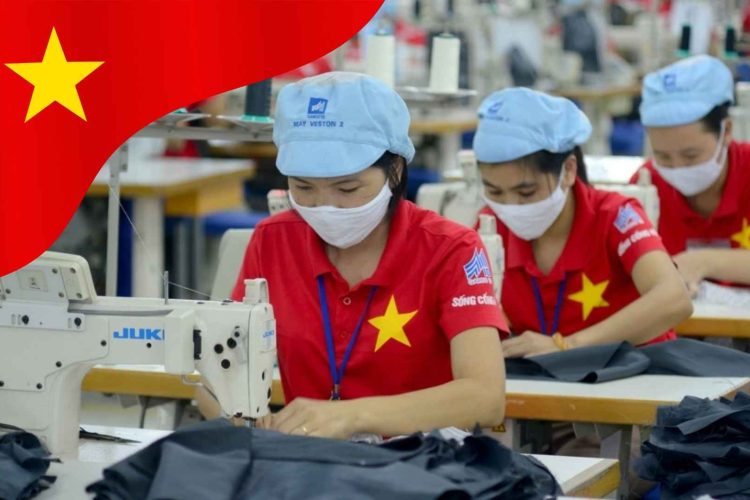
Vietnam’s textile sector remains a key pillar of the country’s manufacturing economy. Supported by a large manufacturing base and strong export orientation, the sector continues to adapt to changing demand conditions.
This guide will provide a clear overview of Vietnam’s textile export performance to help global buyers assess market relevance and sourcing potential.
Vietnam Textiles Export Performance
Vietnam has solidified its position as a critical node in the global garment and textile supply chain. Currently, the country holds the rank of the third-largest textile and garment exporter globally, trailing only China and Bangladesh. The nation captures roughly 9% of the global market share.
Vietnamese manufacturers have successfully expanded their footprint in high-demand regions, with the industry now shipping to 138 different markets worldwide. The United States remains the largest destination, absorbing over USD 18.6 billion in exports in 2025, followed by Japan, South Korea, and the European Union.
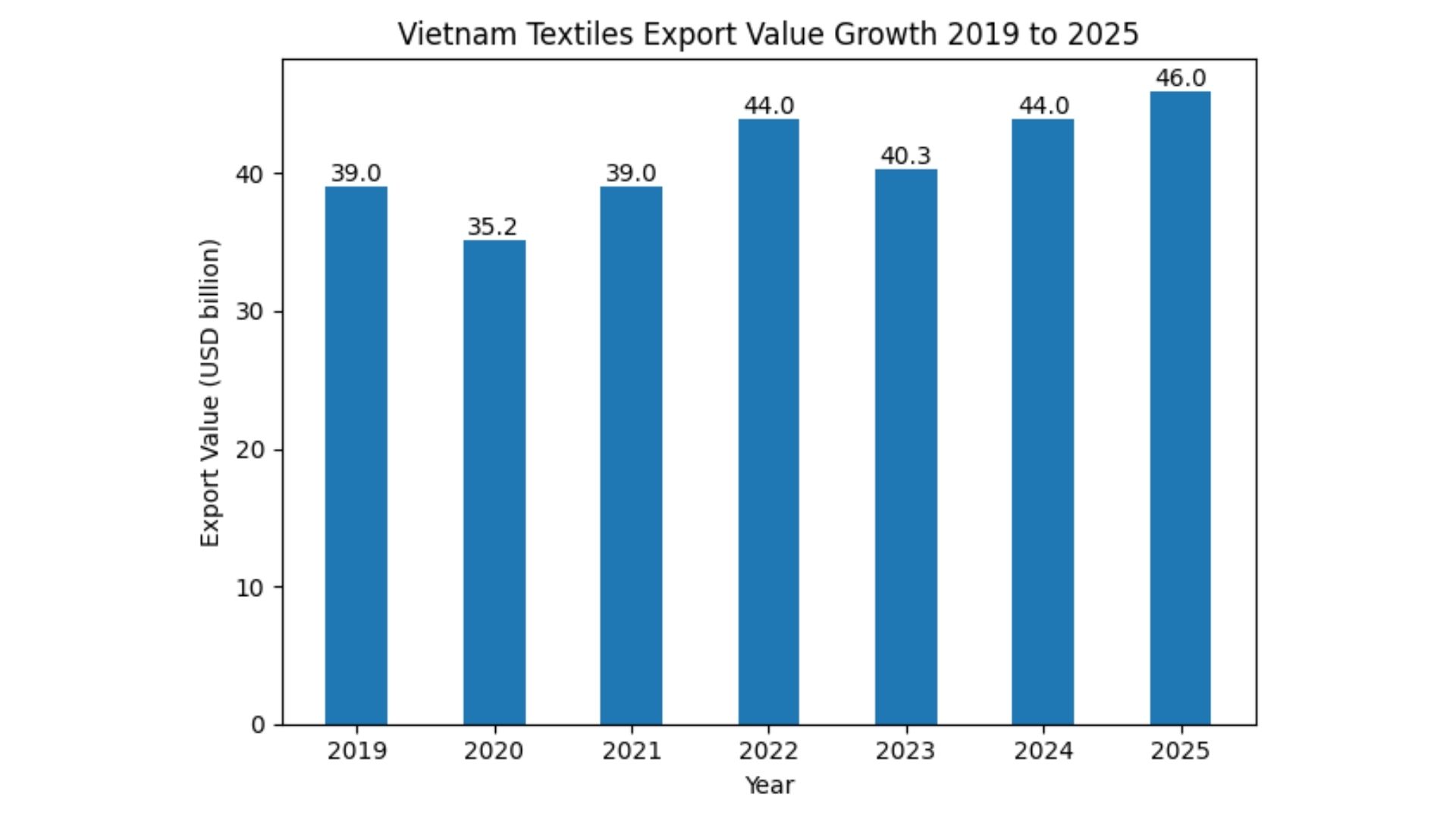
The textile and garment sector remains a pillar of Vietnam’s manufacturing economy, consistently ranking among the country’s top four export categories. In 2025, the industry is expected to generate a trade surplus of $21 billion, a vital component of the national trade balance. According to the Vietnam Textile and Apparel Association (VITAS), textile and garment export turnover reached approximately USD 46 billion in 2025, representing a 5.6% increase compared to 2024. This growth was driven by a recovery in major consumer markets and the strategic utilization of 17 active free trade agreements (FTAs). Furthermore, Vietnam has increased its domestic value-added rate to 52%, reflecting reduced dependence on imported raw materials.
Key Drivers Behind Vietnam Textiles Export Growth
-
Large Labor Workforce
The textile and garment sector is a cornerstone of Vietnamese employment. It provides livelihoods for over 3 million workers across more than 7,000 companies. This workforce supports large-scale production and stable output volumes. High labor availability allows factories to handle peak orders and seasonal demand without major disruptions. For buyers, this reduces capacity risk and supports long-term sourcing contracts.
-
Competitive Costs
Vietnam maintains a “competitive middle tier” position in global labor costs. As of 2025, the average monthly income for textile workers is approximately USD 300-400. This is significantly lower than in China (USD 500-$650) or Thailand (USD 400+).
Beyond labor, factory overhead costs in Vietnam remain competitive with those in other major textile manufacturing hubs. Industrial electricity prices for manufacturing users are typically falling around 0.085 per kWh, which is lower than China’s average industrial rate of around USD 0.114 per kWh.
This balance of cost and skill makes it an attractive destination for high- to mid-tier fashion brands.
-
Free Trade Agreements
Vietnam’s trade network is one of the most comprehensive in Asia, featuring 16 active FTAs. These agreements provide a significant tariff advantage over competitors.
Key trade agreements include:
- CPTPP: Boosted exports to Canada, Australia, and Mexico by over 10% year-on-year.
- EVFTA: Eliminates 99% of import tariffs between Vietnam and the EU over a seven-year roadmap.
- RCEP: Simplifies rules of origin, allowing manufacturers to source materials from across Asia while still qualifying for tariff preferences.
-
Strategic Location
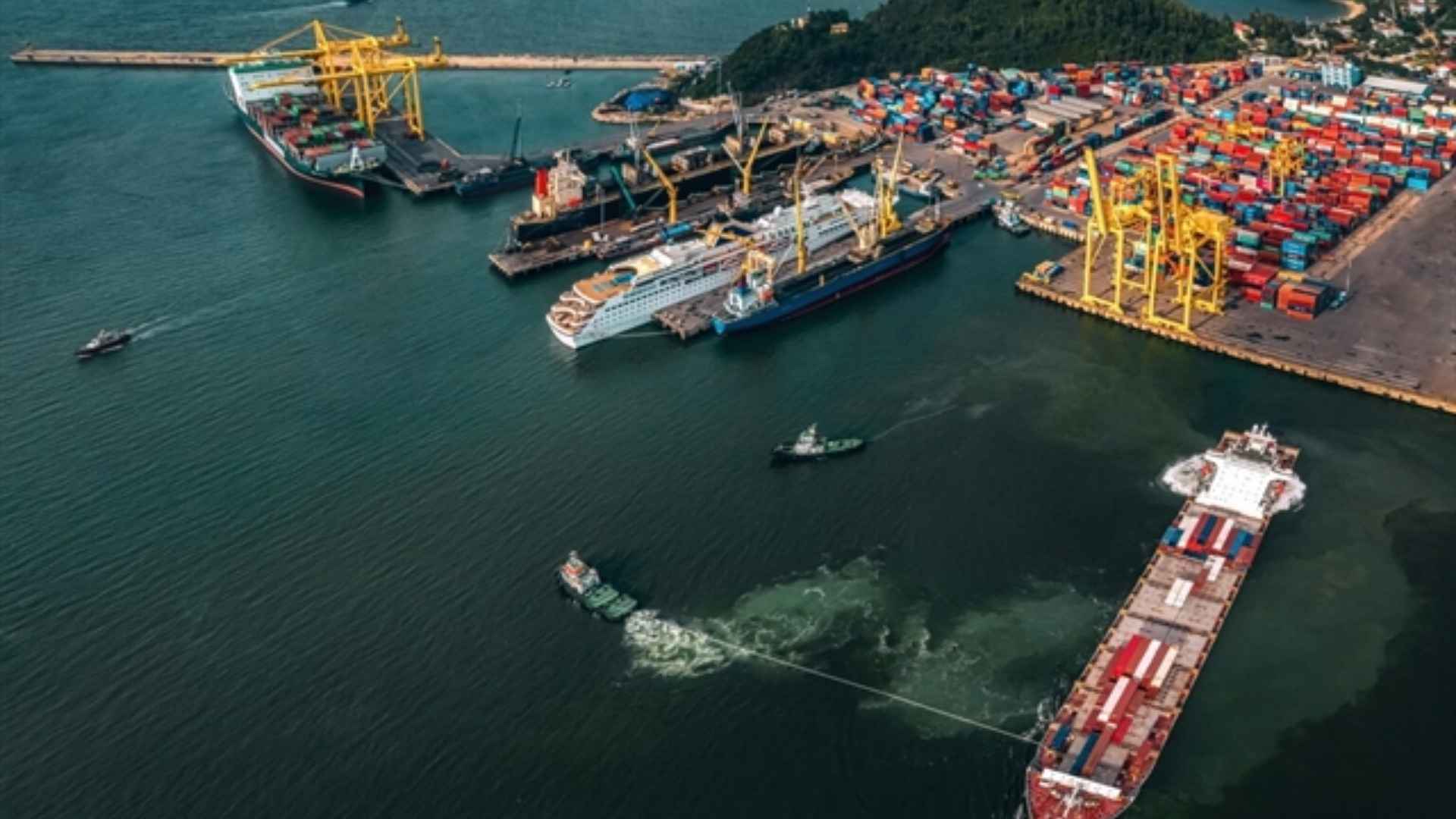
Vietnam’s 3,000km coastline and proximity to major shipping lanes provide a logistical edge. In 2024, Vietnam ranked among the top 10 emerging logistics markets globally. The country’s Logistics Performance Index (LPI) stands at 43rd, with a government target to enter the top 30 by 2050. Port infrastructure, such as the Cai Mep and Lach Huyen deep-water ports, allows direct shipping to the U.S. and Europe, reducing transit times and costs.
-
Government support policies
The Vietnamese government actively supports textile and garment exports through industrial and trade policies. Eligible textile investors can receive four years of full corporate tax exemption, followed by nine years at a 50% rate. Additionally, the state offers 2% subsidized loans specifically for green projects and provides credit support for workforce training.
- Tax Incentives: 4 years exemption + 9 years at 50%.
- Green Subsidies: 2% interest rate subsidies for sustainable upgrades.
- FDI Attraction: Over USD 38 billion in cumulative FDI has been attracted to the sector.
Major Textiles Export Trade Partners
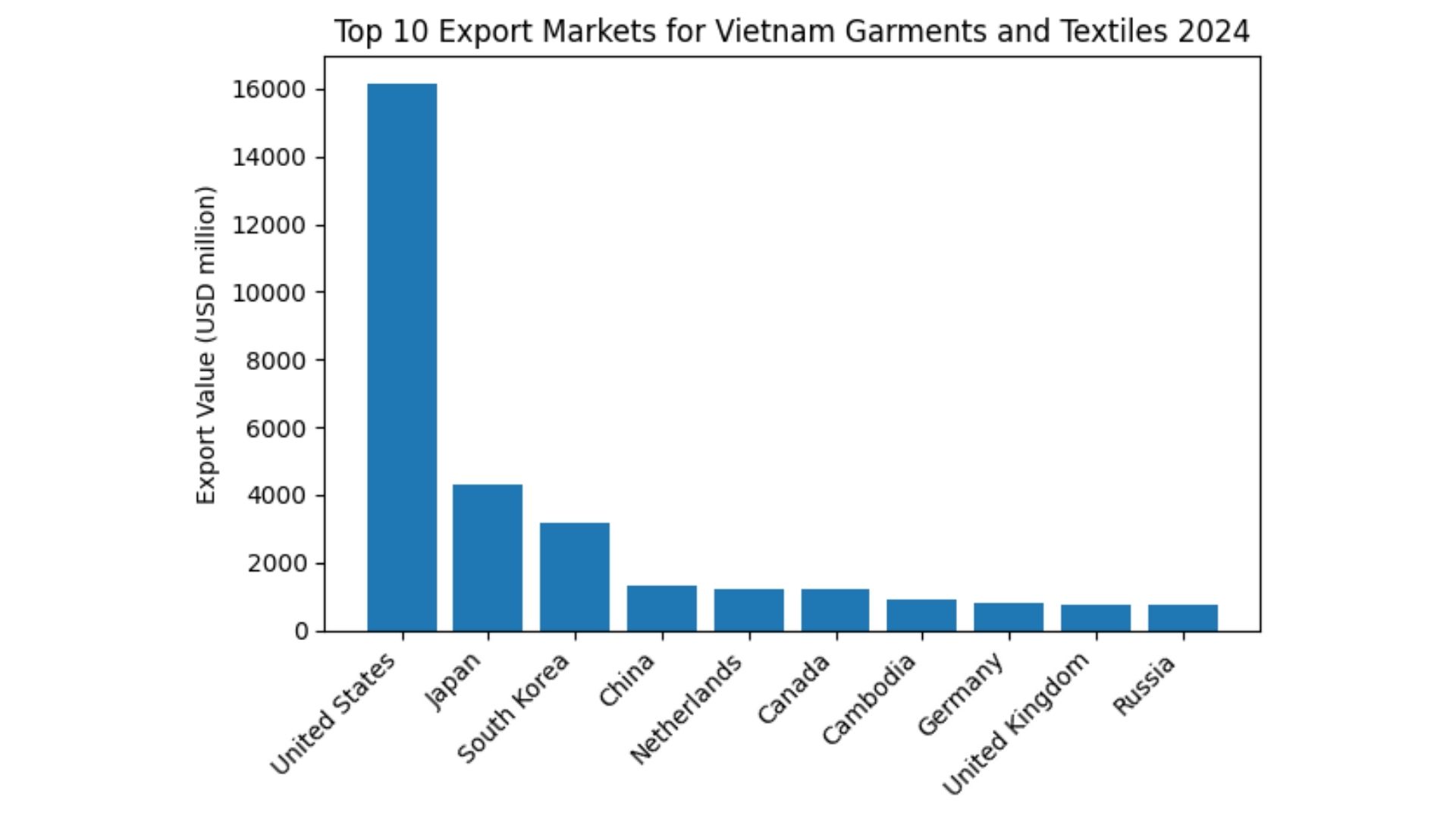
Below are the top ten trade partners importing the largest volumes of textiles from Vietnam in 2024. The United States, the European Union, and South Korea are the primary export destinations.
Other important markets include:
- United States of America: 16,151.8 USD million
- Japan: 4,329.2 USD million
- South Korea: 3,148.6 USD million
- China: 1,326.7 USD million
- Netherlands: 1,224.0 USD million
- Canada: 1,210.8 USD million
- Cambodia: 888.2 USD million
- Germany: 795.2 USD million
- United Kingdom: 765.3 USD million
- Russia: 762.5 USD million
Vietnam’s Textile and Garment Manufacturing Hub
-
Northern Region (Hanoi, Hai Phong, Hung Yen)
The Northern region, centered around the Red River Delta, is a major center for textile and garment manufacturing in Vietnam. This cluster accounts for approximately 30% of the total textile and garment enterprises in the country. Key provinces include Hanoi, Hai Phong, Hung Yen, Bac Ninh, and Nam Dinh.
This hub benefits from immediate proximity to China, facilitating the rapid import of raw materials like yarn and fabric. Besides, infrastructure is a major advantage here, with Hai Phong Port and the Noi Bai International Airport providing rapid export routes to North Asian markets like Japan and South Korea.
-
Central Region (Da Nang, Hue, Quang Nam)
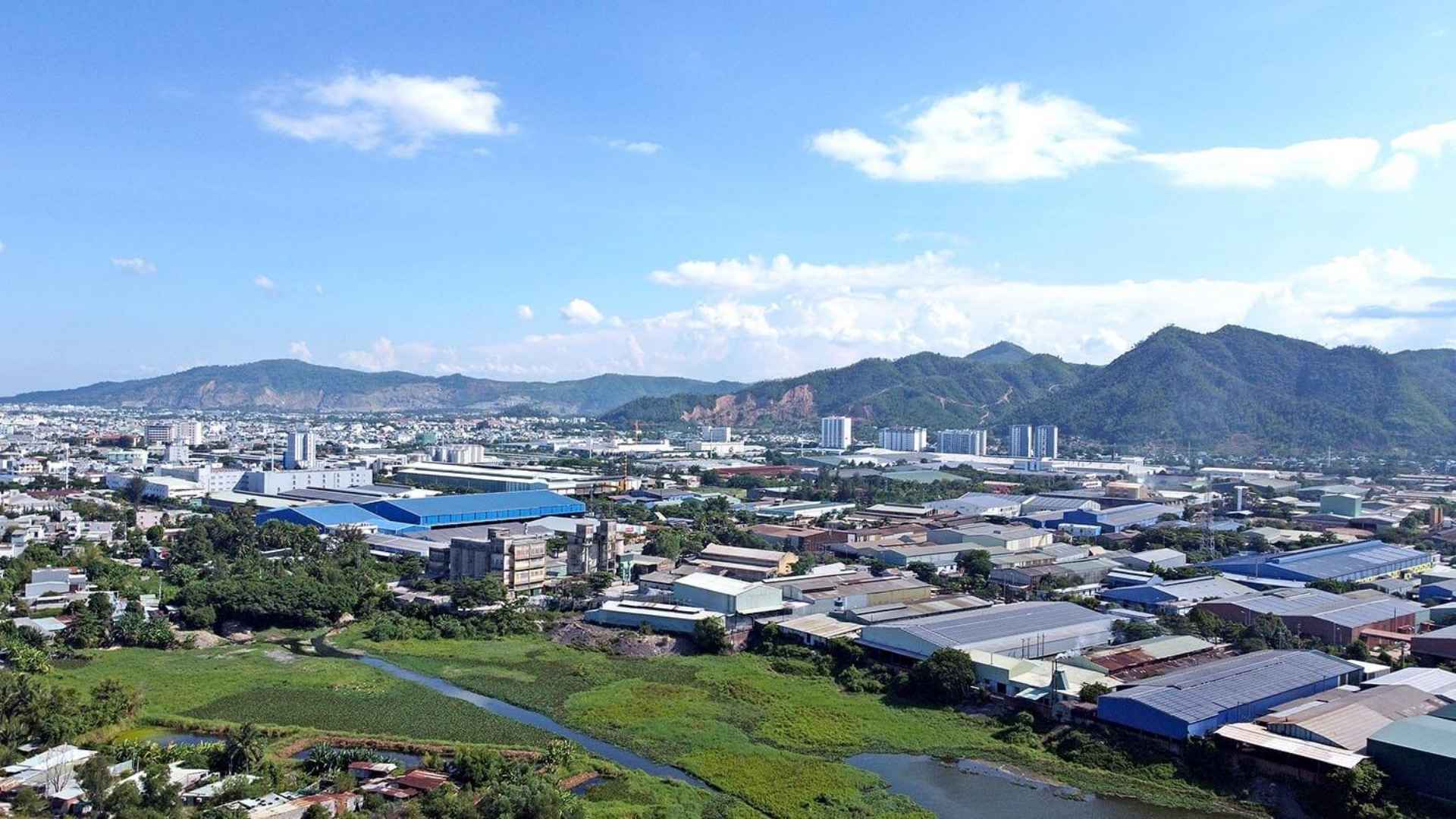
The Central region, including Da Nang, Quang Nam, and Thua Thien Hue, is an emerging hub for the textile sector. It has become a destination for companies seeking to leverage a local workforce with lower labor costs compared to the North or South.
This region focuses heavily on weaving and dyeing operations. The government has prioritized the development of specialized textile industrial zones here to improve environmental management. Major manufacturing activities are concentrated in key zones such as Hoa Khanh Industrial Park (Da Nang) and the Chu Lai Economic Zone (Quang Nam), which export significantly to the U.S. and EU.
This region is the eastern terminus of the East-West Economic Corridor, providing a main gateway to the East Sea for Myanmar, Thailand, and Laos. It also has major deep-sea ports, specifically the Tien Sa terminal (Da Nang), which handles millions of tons of cargo annually.
-
Southern Region (Ho Chi Minh City, Binh Duong, Dong Nai)
The Southern region is the primary engine of the Vietnam textiles export sector. Centered around Ho Chi Minh City, Binh Duong, and Dong Nai, this region accounts for over 43.2% of the market share and nearly 50% of all textile and garment enterprises.
The South is the global hub for garment assembly and finishing. It handles over 40% of all textile projects in the country. Binh Duong province alone hosts over 31 industrial zones, attracting massive foreign direct investment (FDI) from South Korea, Taiwan, and China.
Logistics in the South are the most mature in the country, anchored by the Cat Lai and Cai Mep-Thi Vai port complexes, which handle 60% of the nation’s container traffic, the majority of shipments destined for the United States and Europe.
Foreign brands manufacturing in Vietnam
Vietnam attracts significant investment from global retail giants such as Adidas, Nike, and Zara due to its stable political environment and extensive trade network.
-
Nike
Vietnam is the primary manufacturing hub for Nike footwear and apparel. In fiscal year 2023, Vietnam produced approximately 50% of Nike’s total footwear volume, and about 28% of Nike’s apparel was produced in Vietnam. The brand currently partners with about 98 suppliers across the country. These factories employ over 493,000 Vietnamese workers.
-
Adidas
Adidas has maintained a strong manufacturing footprint in Vietnam for many years. Vietnam is Adidas’s largest sourcing country for footwear and one of its top apparel sourcing locations. In 2023, Vietnam accounted for approximatelym 38% of Adidas footwear production. The brand operates with a workforce of over 104,000 employees across 15 primary contract factories in the country.
-
Uniqlo
Uniqlo, a global fashion retail brand from Japan, is a key driver of Vietnam textiles export in the fast retail segment. Vietnam is one of Uniqlo’s most important production bases outside China, with 240,000 related workers and 80 partner factories.
-
H&M
Vietnam is now regarded as one of H&M’s top production markets alongside China and Bangladesh, moving from simple assembly to higher-value, sustainable production. H&M began sourcing from Vietnam in 2011 and has since grown its supplier base to over 103 local factories that employ over 86.000 workers.
-
Zara
Zara and its parent company, Inditex, source a growing percentage of their collections from Vietnam. Vietnam is among the top five sourcing hubs for Inditex globally. The company utilizes Vietnamese factories for complex items that require precise tailoring and high-quality synthetic fabrics. This relationship is supported by the EVFTA, which facilitates tariff-free exports to Zara’s European distribution centers.
-
Puma
Puma has shifted a substantial portion of its production to Vietnam to diversify away from high-cost regions. Approximately 32% of Puma’s total footwear and apparel is manufactured in Vietnam. The brand works with long-term strategic partners in the country to produce its performance and lifestyle categories.
How to Start Importing Textiles from Vietnam
Below is a comprehensive, step-by-step guide to starting the process. Note that requirements vary significantly depending on your importing country (e.g., USA, EU, Canada, etc.), so always verify with local customs authorities, a customs broker, or a trade lawyer for your specific market.
-
Find and Vet Reliable Suppliers in Vietnam
There are many sourcing methods to find textile suppliers in Vietnam, including:
- Use platforms like VinaSources, Alibaba, or trade directories.
- Attend trade fairs (e.g., VIATT, SaigonTex, or VTG ).
- Contact associations: Vietnam Textile and Apparel Association (VITAS) for recommendations.
- Work with direct factories includes Vinatex, Phong Phu Corporation, Thygesen Textile, and DONY Garment.
-
Verify Factory Capabilities and Compliance
Factory verification is a critical step in importing textiles from Vietnam to minimize risks such as poor quality, delays, ethical issues, or supply chain disruptions.
Many Vietnamese textile and garment factories (especially those exporting to the US, EU, or major brands) invest in compliance to meet international buyer demands, but not all do so consistently. Verifying capabilities and compliance helps confirm the factory can reliably produce your specific products at scale while adhering to legal, social, environmental, and quality standards.
Key areas to verify:
- Production capacity and technical capability: Review daily and monthly output, machinery types, and workforce size. Request a factory profile, machine list, recent production photos or videos, past order references, and capacity charts to confirm actual operating scale.
- Quality management systems: Check whether the factory follows a structured quality management system such as ISO 9001. Ask about in-house quality control procedures, inspection stages, and defect classification methods such as AQL standards.
- Social and ethical compliance: Confirm whether the factory has completed recognized social audits such as Sedex, WRAP, or SA8000. These audits indicate alignment with international labor and workplace standards.
- Environmental and chemical compliance: For buyers with sustainability requirements, verify certifications related to materials and chemical management, such as OEKO TEX Standard 100, GOTS, or GRS, depending on the product category.
-
Sampling and Quotation Review
Sampling allows buyers to evaluate fabric quality, workmanship, and consistency before committing to production. Most Vietnamese textile factories provide development samples, though fees may apply depending on complexity. Sample approval should focus on fabric weight, color accuracy, shrinkage, and finishing quality.
Quotation review should go beyond the unit price. Buyers need to assess cost components such as materials, labor, packaging, and delivery terms. Common Incoterms used in Vietnam textiles export include FOB and CIF. Clear quotation comparison helps buyers avoid hidden costs and supports accurate landed cost planning.
-
Place Trial Orders
It’s important to place a trial order before placing a bulk order. Trial orders are a critical risk control step when importing textiles from Vietnam. Instead of starting with full volume contracts, buyers should place smaller trial orders to test production reliability and delivery performance. This approach is widely recommended in global sourcing best practices.
Final Words
Vietnam has evolved into a reliable and strategic textile sourcing option for global buyers. The industry benefits from a strong manufacturing base, an experienced workforce, and deep integration with international brands and supply chains. Its geographic position and broad network of free trade agreements continue to support competitive access to major markets.
Additionally, Vietnam’s government-led initiatives and industry investment in sustainability and green manufacturing are helping textile suppliers align with international standards. For buyers, this combination makes Vietnam a market worth considering for long-term textile sourcing partnerships.