
Vietnam has become one of the most reliable sourcing hubs for apparel. With a large workforce, established factory network, and favorable trade agreements, it is increasingly preferred by global buyers looking for stable and scalable production. At the same time, Australia presents a high-potential market with steady demand for imported apparel and relatively low trade barriers for Vietnamese goods.
This guide walks you through the exact steps to import apparel from Vietnam to Australia, so you can source it efficiently, reduce risk, and build a scalable supply chain.
Why Import Apparel from Vietnam to Australia?
Vietnam has become a strategic sourcing destination for global apparel buyers targeting the Australian market.
Below are the key reasons for sourcing apparel from Vietnam:
Competitive labor costs
Labor cost in Vietnam remains a key advantage. Minimum wages in Vietnam range from about 132 to 190 USD per month, while many manufacturing regions in China exceed 300 USD per month.
Strong manufacturing capacity
Vietnam’s apparel industry is built on a large and experienced workforce. Vietnam’s textile and Apparel sector employs over 2.5 million workers, making it one of the largest industrial employers in the country. This labor base supports both high-volume production and relatively stable lead times for export orders.
Extensive manufacturing network
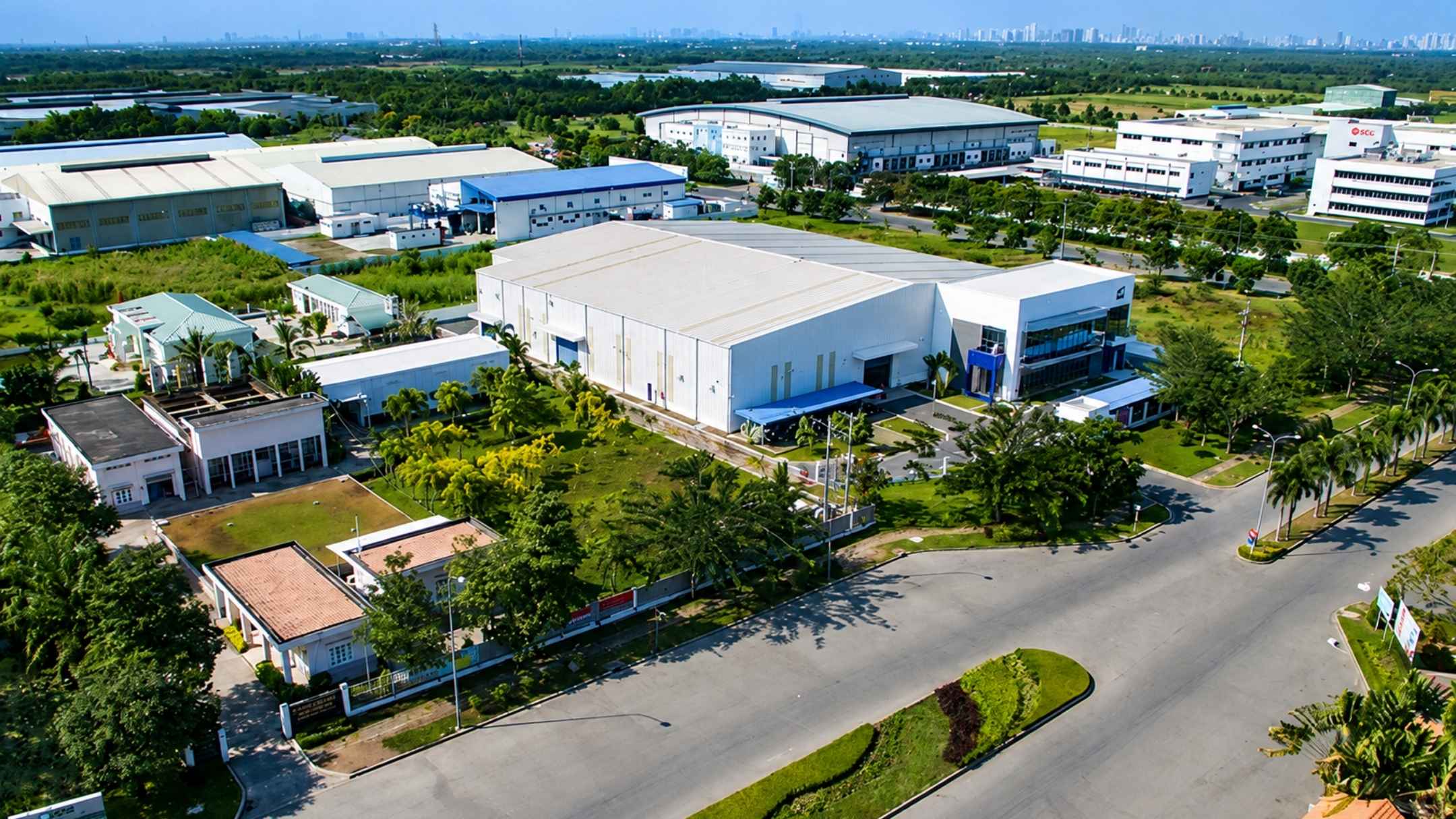
Vietnam has over 6,000 textile and garment enterprises. Production is geographically concentrated in key regions. In the South, Ho Chi Minh City, Binh Duong, and Dong Nai are major hubs with strong export infrastructure. In the North, Hanoi, Hung Yen, Hai Duong, and Bac Ninh host a large number of factories, especially for woven garments and OEM production. Central Vietnam, including Da Nang and Quang Nam, is developing but is still smaller in scale.
Trade advantages with Australia
Vietnam benefits from favorable trade agreements that directly reduce import costs for Australian buyers. Under the ASEAN-Australia-New Zealand Free Trade Area, many apparel products imported from Vietnam into Australia qualify for 0 percent import duty, provided rules of origin are met.
Wide Range of Products
Factories in Vietnam are very versatile. They can produce everything from fast fashion and specialized sportswear to high-quality safety gear for different industries.
Faster Shipping Times
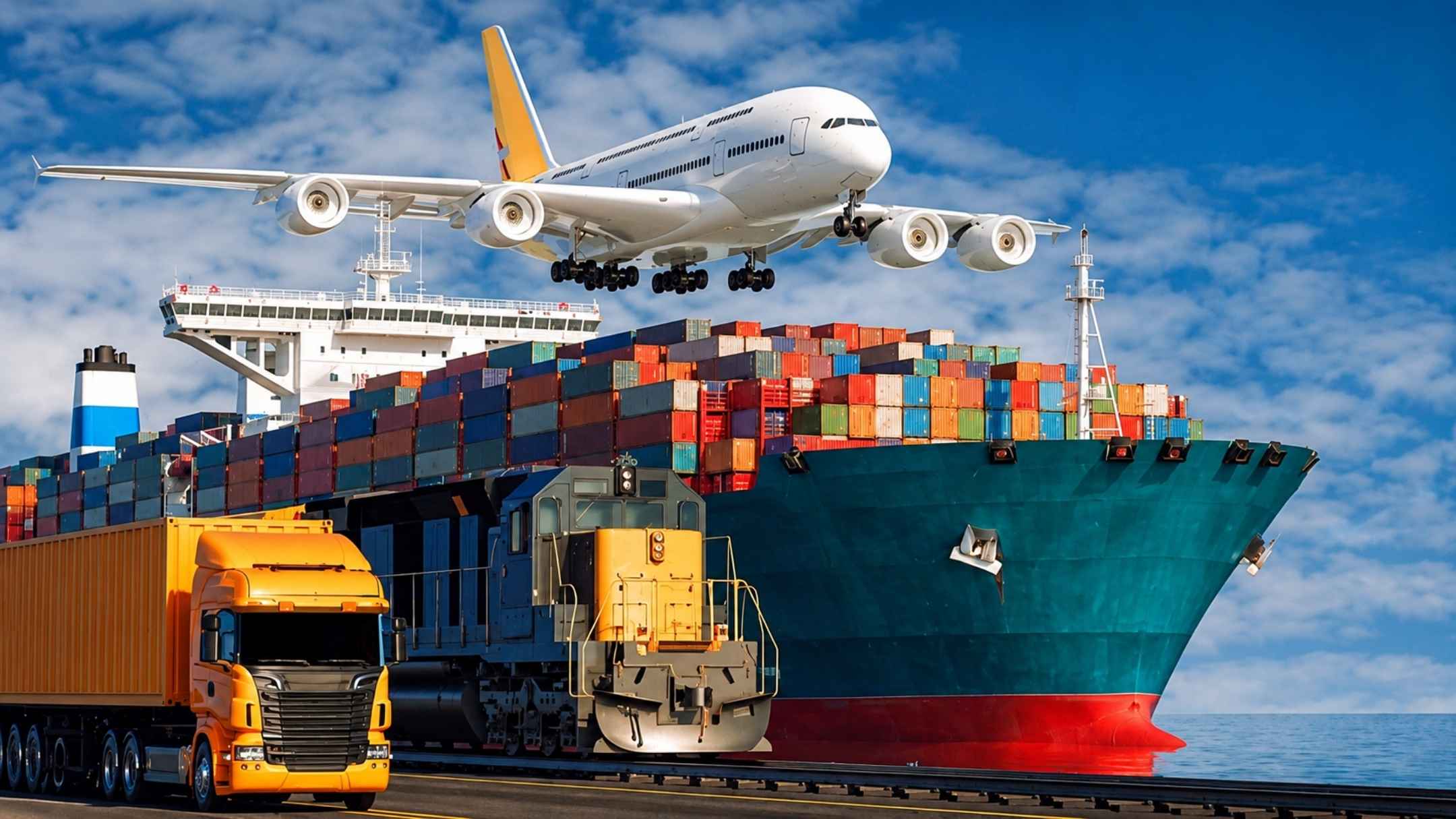
Vietnam has developed a strong export logistics system that supports stable apparel shipments to Australia.
The country operates a network of major deep-sea ports. In the South, Cat Lai Port and Cai Mep Thi Vai Port handle a large share of container exports. In the North, Hai Phong Port serves as the main export gateway for factories in Hanoi and surrounding provinces. This allows flexible routing depending on factory location.
Vietnam is also well integrated with global shipping lines. Carriers such as Maersk, MSC Mediterranean Shipping Company, and CMA CGM operate regular routes connecting Vietnam to major Australian ports like Sydney and Melbourne.
Typical sea freight transit times are:
- Southern Vietnam (Ho Chi Minh City / Vung Tau) to Sydney, around 10 to 18 days.
- Northern Vietnam (Hai Phong)to Sydney, around 18 to 25 days.
Essential Import Regulations for Apparel in Australia
To ensure your apparel imports move smoothly through customs and reach the Australian market without delays, you must strictly comply with local regulations.
Mandatory Labeling Standards
In Australia, all textile products—including clothing, household linens, and furnishings—must meet specific labeling requirements overseen by the Australian Competition and Consumer Commission (ACCC).
-
Care Instructions: You must provide clear care instructions so consumers can maintain the product without damage. As of March 2024, suppliers can choose to use either written English instructions or internationally recognized care symbols (or both).
-
Fiber Content: While fiber content disclosure is not mandatory for all items, it is highly recommended as best practice to list the percentage of each fiber used.
-
Country of Origin: You must clearly and accurately state where the goods were made (e.g., “Made in Vietnam”). Misleading origin claims are strictly penalized under the Australian Consumer Law.
-
Legibility: All information must be permanent, legible, and correctly placed on the garment.
Product Safety Standards
Safety is a top priority for the ACCC. Certain categories of apparel are subject to specific safety standards that must be met before they can be sold:
-
Children’s Nightwear: This category has stringent flammability requirements. You must ensure all garments comply with specific safety standards for sizing and fire-hazard labeling.
-
General Safety: Products must be free from banned substances (like certain hazardous dyes) and physical hazards (like sharp or poorly attached trims on infant clothing).
- Non-Compliance Risks: Selling non-compliant goods can lead to product recalls, which are extremely expensive and damaging to your brand’s reputation.
Tariff Benefits and FTA Compliance
Australia maintains a favorable trade environment with Vietnam, primarily through the ASEAN-Australia-New Zealand Free Trade Area (AANZFTA).
-
Duty Savings: Many apparel products qualify for reduced or 0% import duty rates. To claim these benefits, your goods must meet “Rules of Origin” criteria.
-
Documentation: A valid Certificate of Origin (C/O) is your primary tool for claiming these tax concessions. Ensure your manufacturer in Vietnam is prepared to provide accurate C/O documentation for every shipment.
- Customs Declarations: For goods valued over AUD 1,000, a formal import declaration is required. It is highly advisable to work with a licensed Australian customs broker who can ensure your tariff classifications are correct and that you are maximizing your eligibility for trade agreement concessions.
Key Steps to Import Apparel from Vietnam to Australia
1. Define your product and sourcing requirements clearly
Start by defining your product in detail. This includes fabric type, GSM, composition, color codes, sizing standards, stitching requirements, and packaging.
You should also define your target price, order quantity, and timeline early. In Vietnam, MOQ for apparel factories typically ranges from 300 to 1000 pieces per style, depending on complexity. If your quantity is too low, factories may reject orders or increase the unit price.
It is also important to check whether your product will require specific compliance in Australia, especially labeling and fiber content disclosure. Fixing this later during production will increase cost and delay shipment.
2. Find and evaluate reliable suppliers
Choosing the wrong supplier is one of the most essential steps in apparel sourcing.
One of the most accessible ways is using B2B sourcing platforms. Some notable B2B sourcing platforms, including:
- Alibaba: Alibaba is the largest global B2B sourcing platform with a wide range of Vietnamese apparel suppliers. It is useful for initial supplier discovery and price comparison. However, many listings are trading companies, so you need to verify factory capability carefully before moving forward.
- VinaSources: VinaSources specializes in connecting buyers with Vietnamese manufacturers. Suppliers are typically pre-screened, which helps reduce the risk of working with intermediaries and scams. A key advantage is access to more flexible MOQs. This is useful for startups, test orders, or buyers developing new collections.
- Global Sources: Global Sources focuses more on export-ready suppliers with verified profiles. However, it has limited Vietnamese suppliers. It is more suitable for buyers looking for mid to large-scale production partners.
Beyond online platforms, visiting trade shows is one of the most effective ways to meet Vietnamese apparel suppliers directly. This approach allows you to assess product quality, compare multiple factories in one place, and have detailed discussions without communication gaps.
Below are three major trade shows in Vietnam for the apparel and textile industry scheduled for 2026:
1. SaigonTex – SaigonFabric 2026
This event is the most established international exhibition in Vietnam, focusing on the entire textile and garment industry value chain. It showcases everything from high-tech machinery and spare parts to diverse fabrics, yarns, and garment accessories.
- Sector: Apparel, Textile, Fabrics, and Garment Machinery.
- Exhibitors: Over 1,000 exhibitors.
- Visitors: Expected 32,000+ trade visitors.
- Participating Countries: 22 countries and territories (including Germany, USA, South Korea, Italy, and India).
- Exhibition Area: 30,000 sqm.
- Date: April 8 – 11, 2026.
- Venue: Saigon Exhibition and Convention Center (SECC), Ho Chi Minh City.
2. VVIATT 2026 (Vietnam International Apparel, Textiles and Textile Technologies Exhibition)
VVIATT focuses on textile machinery, fabrics, and garment manufacturing solutions. It attracts manufacturers, material suppliers, and technology providers across the apparel supply chain. It serves as a sourcing event for global manufacturers and sourcing professionals to connect within the ASEAN market.
- Sector: Apparel Fabrics, Fashion, Home Textiles, and Technical Textiles.
- Exhibitors: Over 450 international exhibitors.
- Visitors: Expected 15,000+ trade visitors (based on previous editions’ growth).
- Participating Countries: 15+ countries.
- Exhibition Area: Approximately 15,000 – 18,000 sqm.
- Date: February 26 – 28, 2026.
- Venue: Saigon Exhibition and Convention Center (SECC), Ho Chi Minh City.
3. Global Sourcing Fair Vietnam 2026
This specialized B2B sourcing show focuses on export-ready products and connects international buyers directly with verified suppliers from Vietnam and Asia. The apparel section features designer fashion, footwear, leather goods, and bags, specifically catering to the needs of global importers and retailers.
- Sector: Apparel & Fashion Accessories, Home & Gifts, Textiles.
- Exhibitors: 500+ verified suppliers (occupying 700+ booths).
- Visitors: Expected 10,000+ trade visitors.
- Participating Countries: 120+ countries and regions for visitors; exhibitors from 10+ countries/territories.
- Exhibition Area: 16,800 sqm.
- Date: April 22 – 24, 2026.
- Venue: Saigon Exhibition and Convention Center (SECC), Ho Chi Minh City.
3. Request samples and confirm specifications
Sampling is the stage where you can validate whether the factory truly understands your requirements before committing to bulk production.
You should request a development sample based on your requirements. It includes measurements, fabric details, trims, labels, and construction instructions.
During sampling, check key elements such as fabric feel, color accuracy, stitching quality, and fit.
Expect sampling to take around 7 to 14 days in Vietnam. Some factories charge a sample fee, which is often refundable after bulk order confirmation.
Only move forward when the sample is fully approved.

4. Negotiate price, MOQ, and payment terms
Before you begin production, it is essential to establish a formal agreement that protects your interests and clearly outlines the responsibilities of both sides. Taking time to negotiate these terms carefully will help you avoid costly mistakes and ensure your business runs smoothly.
To protect your business when importing from Vietnam, you must focus on these core contract terms. Do not rely on verbal agreements or messages on apps like WhatsApp or Zalo. Always use an official written contract signed by both parties to ensure legal protection.
- Clear Product Specifications: You must confirm every detail of the product in writing, including materials, sizes, colors, and technical requirements. This document serves as your primary proof if the final goods do not match your order.
- Payment Terms: Clearly define when and how to pay. A common, safe structure is a 30% deposit to start production, and the remaining 70% paid only after you have verified the final quality of the goods.
- Incoterms (Shipping Terms): Always specify the Incoterms (e.g., FOB or CIF) in your contract. This defines exactly where the factory’s responsibility ends, and yours begins, helping you avoid unexpected shipping or insurance costs.
- Minimum Order Quantities (MOQ): If the factory’s MOQ is too high, negotiate a smaller “trial order”. Make sure the agreed MOQ is officially recorded to avoid any later disputes about order volume.
- Lead Time: Agree on a clear deadline for production and delivery. A formal contract should state the penalty or the action to be taken if the factory fails to deliver the goods on time.
- Quality Claim Policy: Before signing, establish a clear policy for defective goods. The contract must state that the factory is responsible for refunds or replacements if the number of faulty items is higher than the agreed-upon limit.
5. Manage production and quality control
Once production starts, to ensure everything happen correct and avoid faults and delays, you should monitor production through regular updates, including photos, videos, or production reports. For larger orders, it is recommended to schedule at least one inline inspection when 20 to 30% of the goods are completed. This helps you monitor the timeline and identify potential delays before they become serious problems.
If possible, hire a professional, independent inspection company to visit the factory before the goods are shipped. They will check a sample of your products against your requirements and provide an objective report.
If defects exceed acceptable quality limits, you can request rework before shipment.
6. Arrange shipping and documentation
Before your goods leave the factory, you must ensure that all paperwork is accurate. Having the right documents not only helps you clear customs quickly at Australian ports but also allows you to benefit from lower taxes through Free Trade Agreements (FTAs) like AANZFTA or CPTPP.
The key documents include
- Commercial Invoice, which clearly states product description, quantity, unit price, total value, and HS code.
- Packing List, which details carton count, weight, and dimensions.
- Bill of Lading: Issued by the shipping line, this is your legal proof of ownership. You need this to collect your goods once they arrive at the Australian port.
- Certificate of Origin (C/O): This is vital for trade between Vietnam and Australia. With a valid C/O, you can claim preferential tax rates (often 0% duty), which saves you a significant amount of money.
Make sure product descriptions are consistent across all documents. Any mismatch can trigger customs inspection or delays in Australia.
Air Freight vs. Sea Freight
Sea Freight (The Best Choice for Bulk Orders)
Most apparel businesses prefer sea freight because it is the most cost-effective way to move large quantities of clothing.
-
When to use: Use this for large, heavy orders (Full Container Load – FCL) or smaller shipments that you can combine with other buyers’ goods (Less than Container Load – LCL).
-
Estimated Time: Generally, it takes about 18 to 25 days from a major Vietnamese port (like Cat Lai) to a major Australian port (like Sydney, Melbourne, or Brisbane).
Air Freight (The Best Choice for Speed)
While more expensive, air freight is the perfect solution when you need your products to hit the shelves as soon as possible.
-
When to use: Use this for urgent re-stocking, high-value fashion items, or initial samples where getting the product to the market quickly is more important than saving on shipping costs.
-
Estimated Time: Air freight is very fast. Your goods can arrive in Australia in just 3 to 7 days.
The cost of air freight is significantly higher than sea freight. Costs are calculated based on the weight and size of your boxes, so it is usually too expensive for large, heavy bulk orders.
Common Challenges and How to Avoid Them
For many Australian buyers, importing apparel from Vietnam can present several challenges, including inconsistent product quality, unclear communication with suppliers, and unexpected compliance issues at Australian customs.
Quality inconsistency between the sample and the bulk
One of the most frequent issues is that bulk production does not match the approved sample. This often happens when specifications are not documented clearly or when factories substitute materials without confirmation.
How to avoid it:
-
Lock your specifications: Before production, create a complete “tech pack” including fabric composition, GSM, color codes, stitching details, and measurement tolerances.
-
Approve a pre-production sample: Never rely on development samples. Ensure you approve a sample made with the actual mass-production fabric.
-
Implement inspections: Do not rely only on factory updates. Schedule an inline inspection and a final quality check before shipment. Using a third-party inspector (e.g., SGS or Intertek) ensures your goods meet the exact standards you paid for.
Incorrect labeling and compliance issues
Australia has strict requirements for textile labeling. Non-compliant products can face severe delays at customs or even be rejected for sale.
How to avoid it:
- Define requirements early: Include full labeling details (fiber composition, country of origin, care instructions) directly in your tech pack.
- Verify labels before mass production: Request photos or physical samples of the actual labels from the factory. Ensure they are legible, permanent, and formatted according to Australian Competition and Consumer Commission (ACCC) guidelines.
- Double-check during final inspection: Confirm that the final labels are correctly sewn onto the garments before the shipment leaves the factory.
Supplier reliability and lack of transparency
Working with hidden intermediaries or factories that lack international experience can lead to communication breakdowns and missed deadlines.
How to avoid it:
- Verify credentials: Request key documents such as Business Licenses and certifications like ISO, WRAP, or BSCI to prove the factory’s professionalism.
- Validate experience: Ask for export records to confirm the factory has successfully worked with international markets (specifically Australia, US, or EU).
- Start with a trial: Conduct a factory audit if possible, and always start with a small “trial order.” This allows you to evaluate their communication, product quality, and delivery performance before placing larger, high-value orders.
- Build personal relationships: Whenever possible, schedule video calls or face-to-face visits. Establishing a personal connection creates better transparency and trust, which helps resolve issues much faster than via email or messaging apps alone.
VinaSources: A Practical Partner for Vietnam Apparel Sourcing
Importing from a new market like Vietnam can be complex, and working alone increases the risk of communication breakdowns, quality issues, or compliance errors.
VinaSources acts as your dedicated bridge to the Vietnamese market. As a B2B sourcing and supplier discovery platform that connects international buyers with verified Vietnamese apparel manufacturers. Suppliers on the platform are pre-screened based on production capability, export experience, and compliance standards. This helps buyers reduce the time spent on supplier validation and focus on selecting partners that match their specific requirements.
If you’re looking to connect with reliable apparel suppliers in Vietnam, consider reaching out to VinaSources for direct support.
- Phone: 19004356
- Email: [email protected]
Or submit your request for quotation to receive supplier recommendations based on your sourcing needs.