
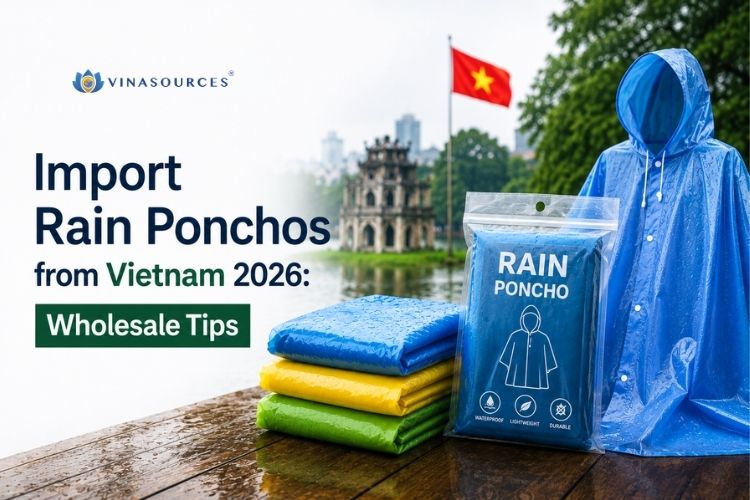
Are you looking to import rain ponchos from Vietnam for your wholesale business? Vietnam is now one of the best countries for garment manufacturing, offering low costs and high quality. In this article, we will show you why you should source from Vietnam, how to find reliable suppliers, and the step-by-step process to import efficiently. Read on to discover everything you need to grow your business today!
Why Vietnam is the Top Global Hub for Sourcing Rain Ponchos?
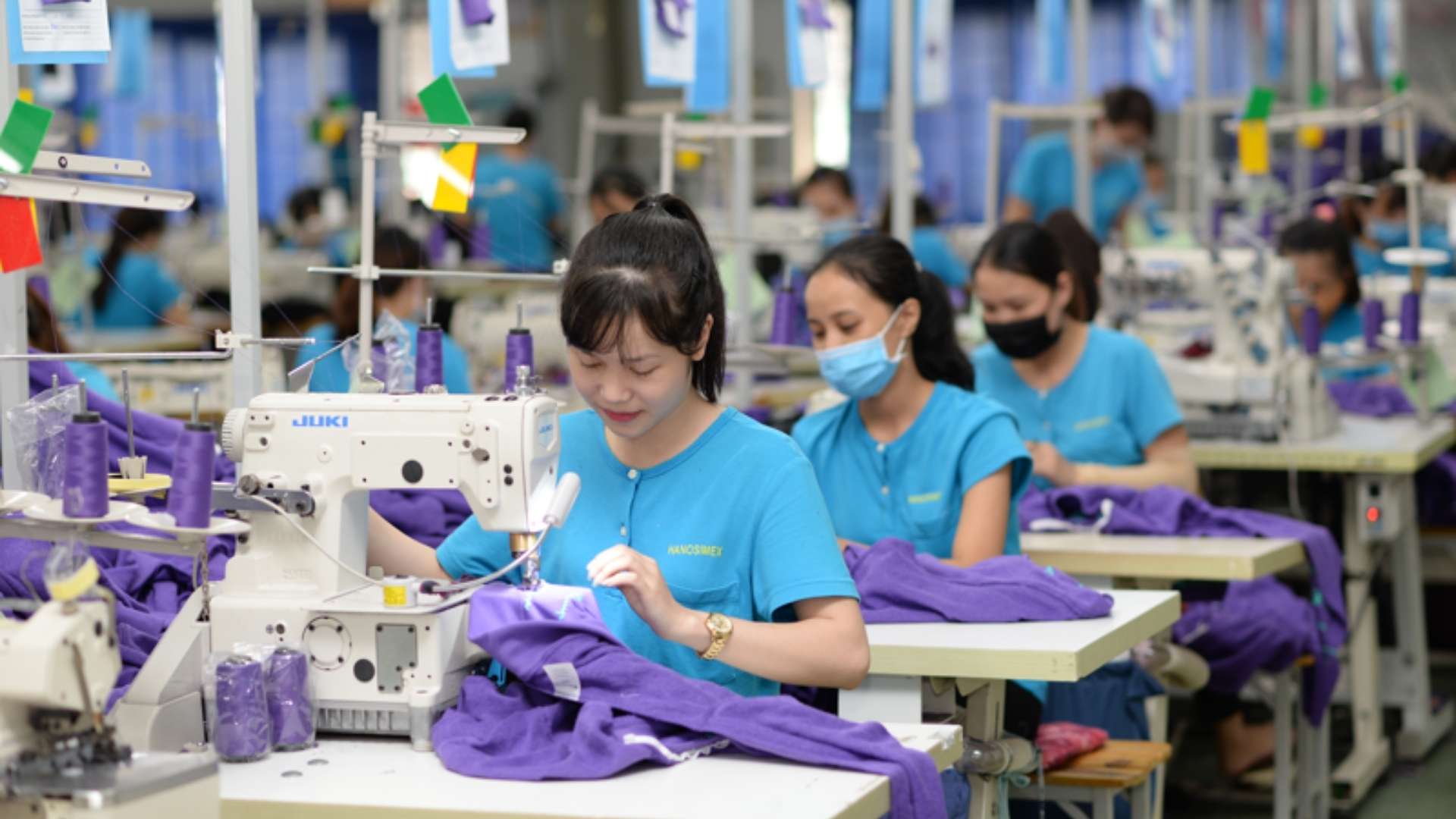
Vietnam has become a leading global destination for making rain ponchos and other waterproof clothing. With nearly 6,000 garment factories and a workforce of over 2.4 million people, the country can handle very large orders for global markets. Many famous international brands, such as The North Face, Nike, and Patagonia, choose Vietnam to manufacture their technical outdoor gear because the quality is very high.
High-Quality Skills at a Competitive Price
Vietnam offers a great balance between skilled craftsmanship and affordability. Garment workers in Vietnam are highly trained in advanced sewing techniques and quality control, which leads to fewer mistakes during production.
Even with these high skills, labor costs remain low, with average monthly wages between $250 and $350. This makes Vietnam much cheaper than manufacturing in coastal China while providing better quality and infrastructure than other low-cost countries.
Tax Advantages Through Free Trade Deals
Importing from Vietnam is very cost-effective because the country has over 15 active Free Trade Agreements (FTAs). These deals, like the CPTPP and the EVFTA, allow buyers in many countries, including Canada, Australia, and the European Union, to import Vietnamese-made clothing with 0% or significantly reduced taxes. These agreements make rain ponchos from Vietnam much cheaper for global buyers compared to sourcing from countries that do not have these trade benefits.
Strategic Location
Vietnam is located near major fabric suppliers in China, South Korea, and Taiwan, so it is easy to get raw materials quickly.
Additionally, Vietnam’s long coastline has many modern seaports, like those in Ho Chi Minh City and Hai Phong, which makes shipping to the US, Europe, and Asia fast and efficient.
How to Find and Verify Reliable Rain Poncho Suppliers in Vietnam
Finding trustworthy suppliers in Vietnam requires a clear strategy to ensure production quality, competitive pricing, and reliable delivery times. Here are the three most effective methods to locate and evaluate rain poncho manufacturers:
1. Visit Trade Shows
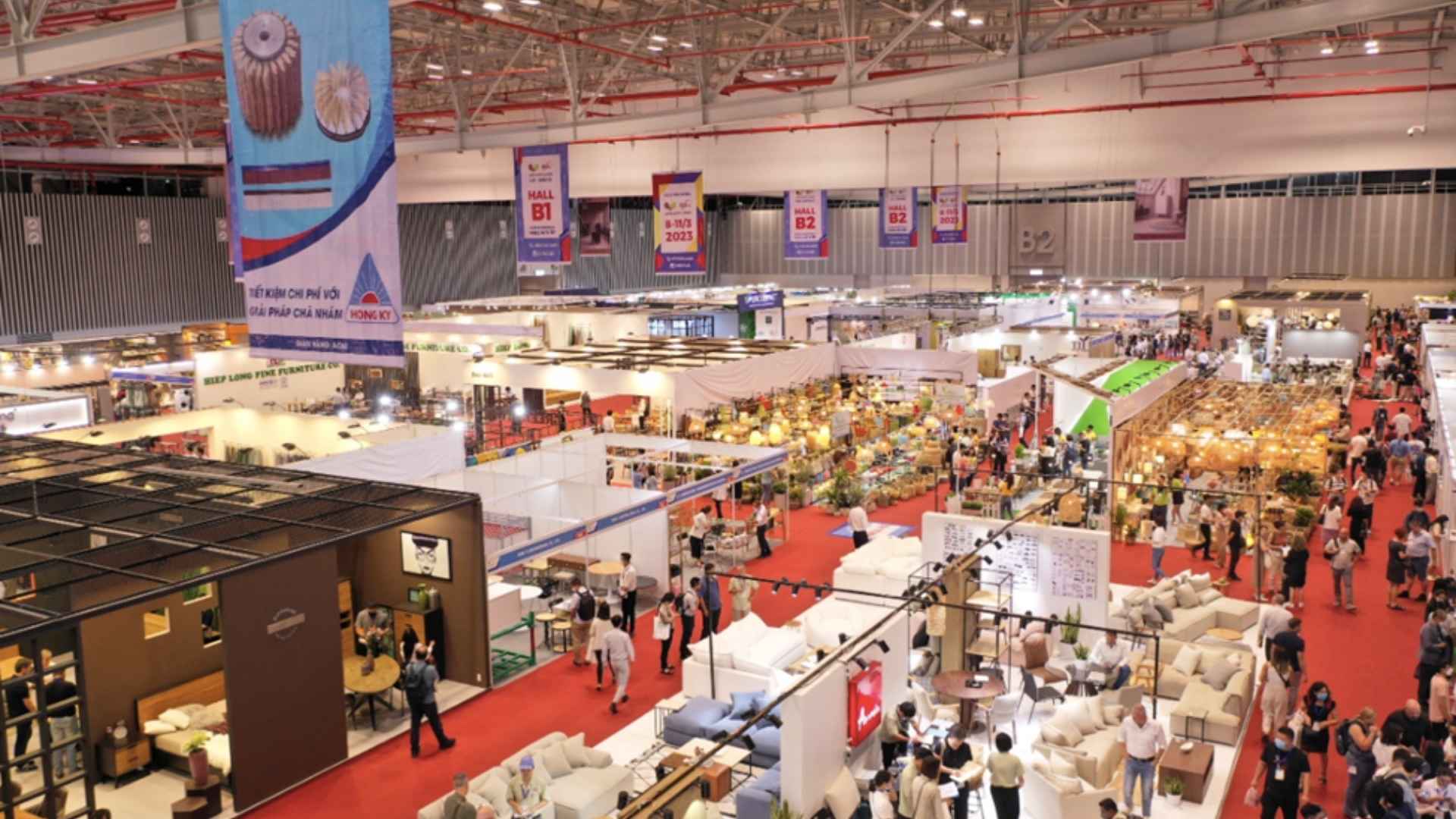
Attending international trade shows in Vietnam allows wholesalers to meet manufacturers face-to-face, inspect sample materials, and negotiate preliminary terms directly.
Below are prominent sourcing events suitable for rain poncho procurement.
| # | Event Name | Overview | Date & Location |
| 1 | Global Sourcing Fair Vietnam | Focuses on export-ready consumer goods, apparel, outdoor gear, and home accessories, connecting global buyers with regional factories. | April 22-24, 2027 at SECC, Ho Chi Minh City |
| 2 | Vietnam International Sourcing Expo (VIS) | Organized by the Ministry of Industry and Trade to showcase Vietnamese exporters across textiles, garments, and outdoor products. | September 3-5, 2026 at SECC, Ho Chi Minh City |
| 3 | VTG (Vietnam Int’l Textile & Garment Industry Exhibition) | Premier trade show for textile machinery, synthetic waterproof fabrics, protective clothing, and garment manufacturing solutions. | October 14–17, 2026 at SECC, Ho Chi Minh City |
2. Utilize B2B Sourcing Platforms
Online B2B platforms provide a convenient way to browse supplier directories, compare prices, and request quotes (RFQs) without immediate travel.
Some useful platforms include:
- Alibaba: Alibaba has a large international supplier database and allows buyers to filter suppliers by country. Its Vietnam listings currently include disposable ponchos, reusable rainwear, nylon waterproof products, and other raincoat products. It is useful for price comparison and building a first supplier list.
- VinaSources: VinaSources focuses on products manufactured in Vietnam and connects international buyers with Vietnamese suppliers. Its sourcing services also support supplier selection, quality control, logistics, warehousing, customs clearance, and trade compliance. For wholesalers specifically looking to diversify sourcing into Vietnam, this local focus can make supplier discovery easier.
- Global Sources: Global Sources connects professional buyers with suppliers across Asia. It is especially useful when buyers want to combine online supplier research with physical sourcing because the company also organizes Global Sourcing Fair Vietnam.
3. Partner with Vietnam Sourcing Agents
A sourcing agent can be useful when the buyer does not have a local purchasing team in Vietnam. The agent can communicate with factories, compare quotations, arrange factory visits, check samples, follow production, and perform or coordinate quality inspections.
This approach can be especially useful for custom rain ponchos because buyers may need to control material thickness, waterproof performance, seam quality, printing, packaging, and production consistency.
| # | Sourcing Agent | Main Fields | Services | Contact Information |
| 1 | MoveToAsia | General products, manufacturing and sourcing in Vietnam and Southeast Asia | Supplier search, supplier management, factory tours, product development, quality control, production follow-up, warehousing and consolidation | Website: MoveToAsia; Email: [email protected]; Phone/WhatsApp: +84 707 527 789 |
| 2 | Cosmo Sourcing | Apparel, textiles, activewear, outdoor goods, footwear, furniture, packaging and other manufactured products | Factory identification, supplier vetting, quotation comparison, sampling, price negotiation, production support and quality control | Website: Cosmo Sourcing; Email: [email protected] |
| 3 | Primo Agency – Vietnam Sourcing Agent | General sourcing, including apparel, textiles and consumer products | Product sourcing, supplier vetting, product development, production monitoring and logistics management | Website: PRIMO Sourcing; Email: [email protected] |
Step-by-Step to Import Rain Ponchos from Vietnam
Importing rain ponchos from Vietnam involves more than finding a factory and arranging shipping. Wholesalers should verify the supplier, understand import rules in the destination market, agree on clear contract terms, and prepare the correct customs documents.
The following six steps can help buyers control quality, cost, and import risks from the first supplier check to final shipment.
Step 1: Verify the Supplier
Before discussing a large order, check whether the supplier is a real and reliable business. Start by asking for the company’s legal name, business registration number, factory address, website, company email, and contact person. These details should match across business documents, quotations, invoices, and bank information.
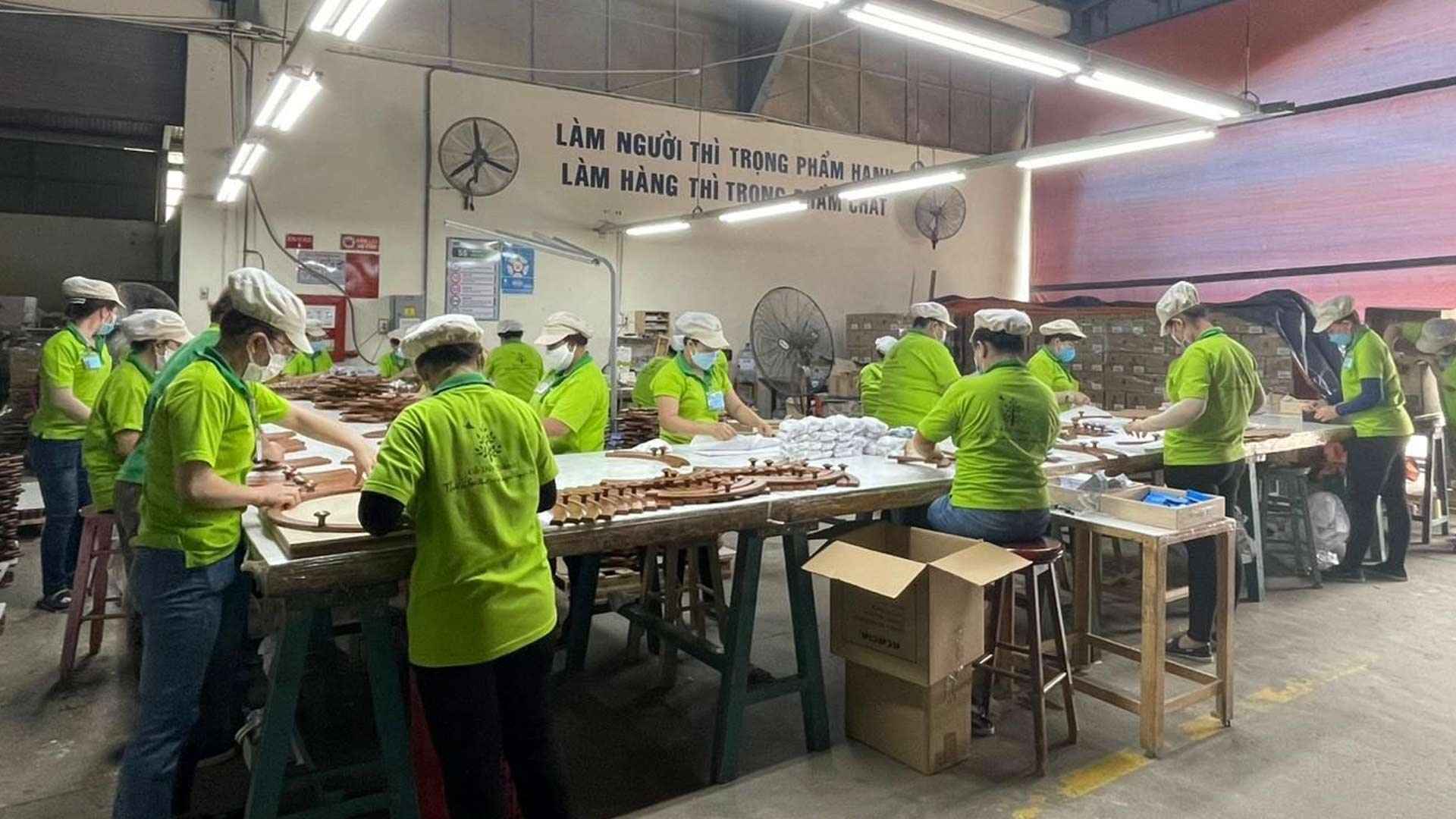
Next, check whether the supplier is a manufacturer or trading company. Ask for factory photos, production videos, production capacity, main export markets, and examples of similar rainwear products. For a large order, arrange a factory video tour, physical visit, or independent third-party audit. This can help confirm that the production site and equipment really exist.
Product verification is also important. Request samples before placing the main order and check the material, thickness, size, weight, waterproof performance, seams, hood, snap buttons, printing, and packaging. For PE, EVA, PVC, or coated textile ponchos, make sure the sample uses the same material and specifications that will be used for mass production.
Once the supplier passes these checks, the next question is whether the product can legally enter and be sold in your target market.
Step 2: Check Your Country Import Regulations
Import requirements should be checked before confirming the final product specifications. This is especially important for rain ponchos because customs classification may change based on material and construction.
For example, a disposable plastic poncho and a polyester poncho with a waterproof coating may not use the same HS classification. U.S. Customs rulings show that some plastic rain ponchos can fall under heading 3926, while textile garments may fall under apparel chapters such as Chapter 61 or 62. Therefore, buyers should not automatically use one HS code for every type of rain poncho.
The table below outlines key import requirements for rain ponchos across main markets:
| Market | Key Import Regulations & Standards | Main Focus Areas |
| United States | CPSIA compliance, FTC Textile and Wool Acts, California Prop 65 | HTS classification, duty rate, country-of-origin marking, textile/apparel requirements and applicable product safety rules |
| European Union | REACH Regulation, CE Marking (if sold as protective equipment) | Check whether the poncho is plastic film or a textile product. Textile products containing at least 80% textile fibres generally need fibre-composition labelling. Labels for consumer sales must also meet language requirements in the countries where the product is sold. |
| European Union | Consumer Products Containing Lead Regulations, Textile Labelling Act | For textile ponchos, check fibre-content and dealer identification rules. The responsible dealer generally needs to provide its company name and mailing address or CA Identification Number where the textile rules apply. |
Wholesalers should therefore send the customs broker a detailed product specification, including material composition, coating, construction, intended use, gender if relevant, and product photos. Confirming classification before production can reduce the risk of unexpected duties, incorrect labels, or customs delays.
Step 3: Negotiate the Contract and Incoterms
Once you choose a verified factory and know your local regulations, you must lock in clear trade terms to prevent misunderstandings. A solid international contract should specify product details, payment terms, and delivery obligations.
- Product specifications should cover material weight, poncho thickness, color codes, and packaging details.
- Payment terms like 30% deposit and 70% balance upon presentation of the Bill of Lading are standard and keep risk low for buyers.
- For Incoterms, FOB (Free on Board) from major Vietnamese ports like Haiphong or Ho Chi Minh City is usually best, as it gives you total control over freight rates and transit times.
To minimize risk, always include strict penalty clauses for late delivery, set clear quality tolerance levels, and name an independent third-party inspection agency to approve the goods before final payment.
For large orders, buyers should consider having the contract reviewed by a trade or legal professional familiar with Vietnam and the destination market.
After both parties agree on these commercial terms, they can prepare the documents needed to move the shipment across borders.
Step 4: Prepare Import and Export Documents
Correct documents help the Vietnamese exporter, freight forwarder, importer, and customs authorities identify the shipment and calculate duties correctly. The exact document set depends on the destination, product material, Incoterm, and shipping method.
Common documents include:
- Commercial Invoice: Details the transaction amount, unit prices, and payment details.
- Packing List: Describes the weight, volume, number of cartons, and contents of each box.
- Bill of Lading (B/L) or Air Waybill (AWB): Serves as the main contract of carriage and proof of ownership.
- Certificate of Origin (C/O): Proves the rain ponchos were made in Vietnam to access lower tariff rates under free trade agreements (such as Form E, Form EUR.1, or Form CPTPP).
- Test Reports: Documents showing compliance with waterproof or safety standards required by your country.
Step 5: Choose a Shipping Method
Rain ponchos are generally lightweight, but large wholesale orders can take up considerable carton space. The best shipping method therefore depends on order volume, delivery deadline, destination, and the value of the goods.
| Shipping Method | Typical Transit Time | Cost | Best For | Key Considerations |
| Sea Freight | About 2-6+ weeks depending on destination and service | Low per unit for large shipments | Bulk wholesale orders | Choose between LCL and FCL. Check carton volume, port charges, destination fees and sailing schedules. |
| Air Freight | About 3–10 days | High | Urgent orders, samples and medium-size shipments | Fast but usually much more expensive than sea freight. Chargeable weight may be based on actual or volumetric weight. |
| Land Freight (Cross-Border Road Transport) | Varies by destination | Low to medium | Nearby regional markets, especially mainland Southeast Asia and China | Suitable only for destinations connected by practical cross-border road routes. Customs procedures are required at border checkpoints. |
Before selecting a method, ask the freight forwarder for a total landed shipping estimate, not only the basic freight rate. The calculation should consider pickup, export handling, freight, insurance, terminal charges, customs brokerage, import duty, taxes, and final delivery where applicable. This gives wholesalers a more realistic cost per poncho and makes it easier to compare different suppliers and shipping options.
Find Reliable Rain Poncho Suppliers with VinaSources
Finding the right rain poncho manufacturer in Vietnam can take time, especially for overseas wholesalers who cannot visit and check every factory themselves. VinaSources is a premier B2B sourcing marketplace that connects global buyers directly with genuine, local manufacturers in Vietnam. The platform focuses on Made-in-Vietnam products across different industries and supports international buyers throughout the sourcing process.
Instead of contacting many unknown suppliers one by one, wholesalers can use VinaSources to make their sourcing process easier and reduce common purchasing risks. Key advantages include:
- Direct Access to Verified Factories: We partner with thoroughly vetted Vietnamese manufacturers, ensuring you work only with legitimate, experienced suppliers.
- Cost Efficiency: Work directly with primary factories to negotiate competitive wholesale pricing and flexible minimum order quantities (MOQ).
- Transparent Communication: Our platform simplifies buyer-supplier interactions, making negotiations smooth and clear from start to finish.
- End-to-End Support: From supplier matching to contract guidance, VinaSources helps you navigate the local manufacturing landscape with confidence.
Looking for a rain poncho manufacturer in Vietnam? Send your requirements to VinaSources and start comparing suitable sourcing options.
Submit an RFQ: Fill out the RFQ formwith your product specifications, order quantity, target price, and delivery requirements. For rain poncho sourcing, buyers can provide details such as poncho type, PE/EVA/PVC or textile material, thickness, dimensions, colors, custom printing, packaging, target quantity, destination country, and required delivery date. Clear specifications make it easier to identify suitable suppliers and request accurate quotations.
Email: [email protected]
Hotline: 0329725268
Contact VinaSources today to find suitable Vietnamese rain poncho suppliers and make your sourcing process simpler, safer, and more efficient.