
For global fresh fruit importers and wholesalers, sourcing lychee from Vietnam offers a high-yield opportunity. Vietnam ranks as one of the world’s largest lychee producers, driven by massive cultivation zones in northern provinces like Bac Giang and Hai Duong. The fruit is highly regarded for its intense sweetness, high pulp-to-seed ratio, and vibrant skin color, commanding premium positioning in strict markets like the US, Japan, Australia, and the EU, alongside high-volume trade with China.
This guide is a simple step-by-step handbook for fresh fruit buyers. Inside, you will find all the important information about export laws, shipping temperatures, and safety tips you need to avoid supplier scams. By reading this guide, you will learn exactly how to find, check, and buy high-quality fresh lychees from Vietnam safely.
Vietnam’s Lychee Export Market Overview
Vietnam is one of Asia’s leading lychee producers and exporters, with annual production typically ranging from 300,000 to 400,000 tons depending on seasonal weather conditions. The country currently cultivates lychee across more than 55,000 hectares, with major growing regions concentrated in Bac Giang and Hai Duong provinces in Northern Vietnam.
Vietnamese lychee is widely known for its bright red skin, high sugar content, small seed ratio, and fragrant sweetness. Premium varieties from Bac Giang and Hai Duong are increasingly exported to high-standard markets because of their flavor quality and relatively strong consumer recognition in Asian retail channels.
Vietnam now has 469 approved farm codes covering more than 19,300 hectares of land. Additionally, 55 packing factories have received official certificates to export fruit. China remains Vietnam’s largest lychee export market due to strong regional demand and short transportation distance. However, Vietnamese lychee exports have expanded significantly in recent years into markets such as Japan, Australia, the United States, the EU, Singapore, and the Middle East.
Why Importers Source Lychee from Vietnam
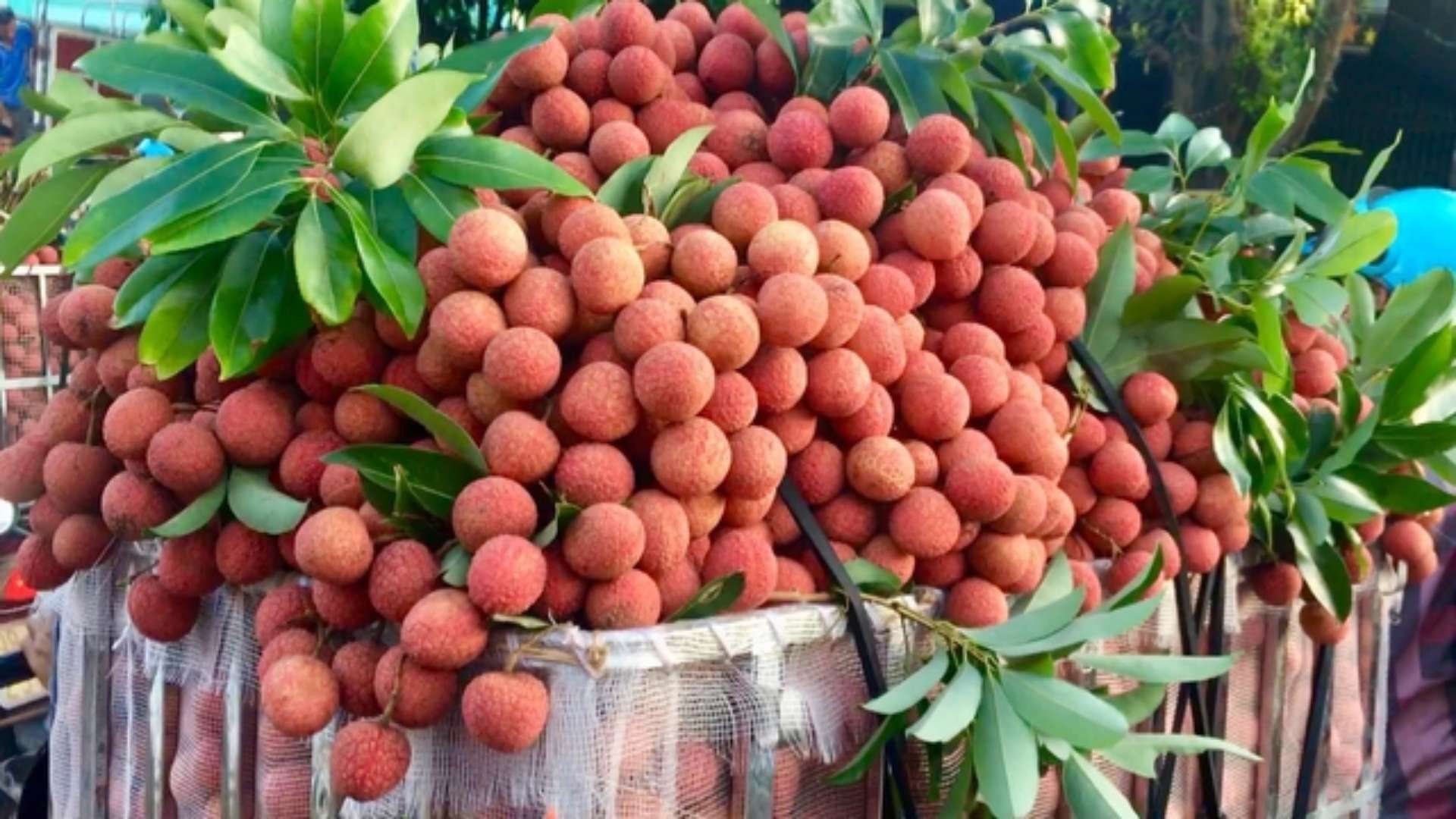
Sourcing fresh lychees from Vietnam offers distinct commercial advantages for international buyers.
The table below outlines the core drivers that make the Vietnamese lychee sector highly competitive in global fresh produce procurement.
| # | Factor | Brief analysis |
| 1 | Premium Flavor Profile | Vietnamese lychee is widely recognized for its high sweetness, floral aroma, juicy flesh, and relatively small seed ratio. |
| 2 | Competitive Pricing | Vietnam benefits from relatively competitive farming and labor costs compared to several other premium lychee-producing countries. This helps exporters offer attractive pricing for both fresh and processed lychee products. |
| 3 | Strong Export Production Base | Vietnam cultivates lychee across more than 55,000 hectares, with annual output reaching approximately 300,000–400,000 tons. Large-scale production helps exporters support bulk orders during peak harvest season. |
| 4 | Strategic Geographic Location | Vietnam’s proximity to major Asian markets such as China, Singapore, and Thailand helps reduce transit time and transportation costs for fresh lychee exports. Shorter shipping routes also help maintain fruit freshness during delivery. |
| 5 | Growing Compliance With International Standards | More Vietnamese lychee exporters are adopting GlobalG.A.P., VietGAP, and international food safety standards to meet stricter import requirements. This is especially important for exports to premium markets with high phytosanitary controls. |
| 6 | Broad FTA Network | Vietnam participates in major trade agreements such as RCEP, CPTPP, and EVFTA. These agreements can help improve tariff competitiveness and market access for Vietnamese agricultural exports in multiple international markets. |
Key Export Lychee Varieties from Vietnam
Vietnam exports several commercial lychee varieties serving different retail, wholesale, and premium fruit markets. Each variety offers different characteristics in terms of sweetness, harvest timing, shelf life, and export suitability.
Among them, Thanh Ha lychee, Luc Ngan lychee, and U Hong lychee are the three most commercially important varieties in Vietnam’s export industry.
| Variety | Main Growing Regions | Key Characteristics | Harvest Season | Main Export Markets |
| Thanh Ha Lychee | Hai Duong Province | Bright red skin, thin peel, small seed, high sweetness, fragrant aroma, juicy flesh | Late May to mid-June | China, Japan, Australia, EU |
| Luc Ngan Lychee | Bac Giang Province | Large fruit size, thick flesh, balanced sweetness, and relatively good shelf life | June to July | China, Japan, the United States, the Middle East |
| U Hong Lychee | Bac Giang and Hai Duong | Early-season variety, bright pink-red skin, sweet taste, crisp texture | Early May to early June | China, domestic premium retail, regional Asian markets |
Step-by-Step Guide to Importing Lychee from Vietnam
Step 1: Find and Verify Vietnamese Lychee Suppliers
Below are the most popular channels you can use to locate and audit Vietnamese suppliers.
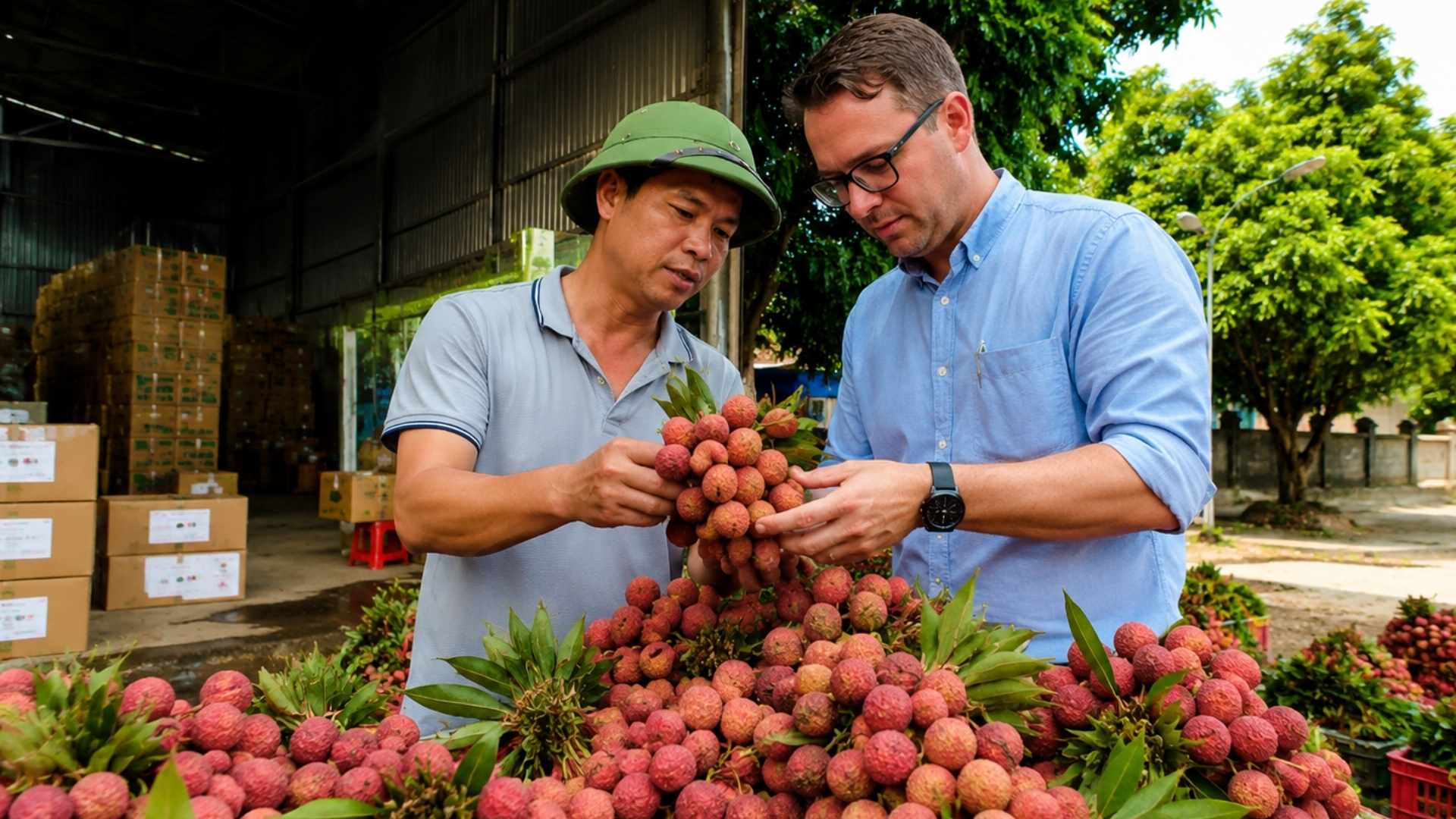
- Agriculture Local Trade Shows: Attending industry events like Horti & Agri Vietnam (20-22 May 2026, SECC, Ho Chi Minh City), Vietnam Foodexpo (11-14 November 2026, SECC, Ho Chi Minh City), or AgroViet (12-15 November 2026, Economic and Trade Transaction Center, Ha Noi) allows buyers to meet company executives face-to-face. This is the most efficient channel for evaluating real supply capacity, reviewing historical shipment records, and establishing high-trust commercial relationships before the season begins. Nevertheless, going to these events costs a lot of money and time because you have to travel to Vietnam.
- B2B Sourcing Platforms (Alibaba, VinaSources, GlobalSources): These websites have large networks of Vietnamese exporters. They are free, easy to use, and let you message many suppliers quickly. You can also read reviews from past buyers. However, you might accidentally deal with fake trading companies or middleman brokers. Sometimes, the photos and videos of the factories on these sites are copied from other companies.
- Professional Sourcing Agencies and In-Country Consultants: Hiring a local sourcing company or an in-country consultant in Vietnam is a smart choice. These experts speak the local language and act as your eyes on the ground. They can verify the supplier, negotiate contracts, and handle customs clearances and shipping. This helps you avoid scams, saves you time, and protects your money. However, you have to pay a service fee or a commission to these agencies, which increases your total buying cost.
- LinkedIn and Professional Networks: Searching for export managers at large Vietnamese fruit companies on LinkedIn is a good way to avoid middle traders. You can look at the manager’s job history, see company updates, and talk directly to them for free. However, many Vietnamese exporters do not use LinkedIn regularly, so it can take a long time to get a reply, and you cannot check their real factories through a computer screen.
- Trade Associations: You can contact regional fruit associations or trade offices under the Vietnam Chamber of Commerce and Industry (VCCI). They can give you a list of pre-vetted suppliers who already have a good reputation.
Step 2: Confirm Import Requirements in Your Target Market
Lychee import regulations vary significantly depending on the destination market. Before confirming shipments, buyers should carefully review phytosanitary requirements, cold treatment protocols, pesticide residue limits, and labeling standards in their target country.
China Market
- Lychees must be sourced exclusively from orchards and packing houses that hold active registration codes approved by the General Administration of Customs of China (GACC).
- Shipments are heavily inspected at border gates for quarantine pests. Detection results in immediate cargo rejection.
- Every master carton must display printed labels in Chinese or English showing the product name, country of origin, and the exact GACC-registered grower and packer codes.
- Importers must present a valid ASEAN-China Free Trade Agreement (ACFTA) Certificate of Origin (Form E) to claim a 0% preferential import tariff.
- All fruit must be thoroughly cleaned. The presence of leaves, soil, or twigs will cause customs authorities to reject the entire truck or container.
United States Market
- All fresh lychees bound for the US must undergo a minimum irradiation dosage of 400 Gy at an APHIS-approved facility in Vietnam (such as Son Son or An Phu) to eliminate tropical pests.
- Both the Vietnamese exporter and the US importer must maintain active food facility registrations with the US Food and Drug Administration (FDA).
- A formal Prior Notice Confirmation must be submitted online and approved by the FDA before the aircraft or ocean vessel arrives at the US port of entry.
- Cartons must be securely sealed with specialized biosecurity tape after irradiation treatment to prevent pest re-contamination during transit.
- Chemical residues must fully comply with US EPA and FDA Maximum Residue Limits (MRLs).
European Union Market
- The EU does not mandate harsh quarantine treatments like irradiation or VHT, but it enforces some of the lowest pesticide MRL thresholds in the world. Independent ISO 17025 lab reports are highly recommended.
- European supermarket chains generally require GlobalG.A.P. Certification, which is a mandatory commercial requirement for all fresh produce suppliers.
- Importers must secure a Certificate of Origin (Form EUR.1) from Vietnamese authorities to benefit from the 0% import tariff rate provided under the EU-Vietnam Free Trade Agreement.
- Packaging should feature digital traceability markers (such as QR codes) that link the individual retail punnet directly back to the specific registered cultivation block in Vietnam.
Step 3: Contract Term Negotiation
Lychee prices in Vietnam can change a lot. The price usually depends on the harvest time, the quality of the fruit, how many buyers want them, and how you ship the fruit.
Before you confirm your order, you should always discuss the price and terms clearly with your supplier to avoid unexpected risks.
Core Negotiation and Trade Terms
| Trade Terms | Key Points to Discuss |
| Product Specifications | Confirm the lychee variety, fruit size range, skin color consistency, sweetness level, stem freshness, and acceptable defect tolerance. Clarify whether the shipment uses premium retail-grade or wholesale-grade fruit. |
| Pricing Terms | Confirm whether pricing is quoted per kilogram, carton, pallet, or container. Clarify whether costs include inland trucking, packaging, irradiation treatment, palletization, or export documentation fees. |
| Incoterms and Logistics Responsibility | Confirm whether the shipment uses EXW, FOB, CIF, or DDP terms. Clarify which party handles reefer booking, export customs clearance, air freight coordination, and destination delivery. |
| Payment Terms | Confirm deposit percentage, balance payment timing, and payment method, such as T/T or Letter of Credit (L/C). Verify bank account information carefully before transferring deposits. |
| Order Quantity and Harvest Scheduling | Confirm MOQ, estimated loading volume, production lead time, and harvest window availability. Because lychee is highly seasonal, shipment timing should be finalized early during peak season. |
| Cold Chain Requirements | Clarify pre-cooling procedures, reefer temperature settings, humidity management, and temperature monitoring during transportation. Confirm responsibility if cold chain failure affects product quality. |
| Packaging Requirements | Confirm carton dimensions, ventilation hole design, packaging materials, pallet configuration, and retail labeling requirements for the destination market. |
| Shipment Schedule | Confirm estimated loading date, flight or vessel schedule, transit time expectations, and contingency handling for logistics delays during peak export season. |
Important Contract Precautions
- Avoid broad terms like “high quality” or “export standard” in the text. Use precise, measurable agricultural metrics such as exact millimeter sizing, target Brix percentages, and numerical defect counts per carton.
- Embed physical color photographs of acceptable and unacceptable skin coloration, blemishes, and packaging designs directly into the contract annex. These visual benchmarks remove language barriers and eliminate translation misunderstandings.
- Clearly state who pays for transit and handles product damage at centralized irradiation or VHT facilities. Make the exporter financially liable if the fruit degrades due to excessive wait times at the treatment plant before sealing.
- Never agree to 100% upfront wire transfers via T/T for fresh, seasonal produce. Use performance-tied, staged payment structures to keep financial leverage and ensure the packer prioritizes your harvest schedule.
- Lock in all agreements, price adjustments, and volume changes via official corporate email or signed contractual amendments instead of relying only on messaging apps.

Step 4: Conduct Pre-shipment Inspection and Quality Control
Checking the fruit before it leaves Vietnam is very important because fresh lychees are easily damaged. Small mistakes during harvesting or packing can ruin the whole shipment before it reaches your stores.
For this reason, many buyers hire independent inspection companies in Vietnam to check the lychees before they go on the ship or plane. These companies make sure the fruit quality matches your contract exactly.
The most common inspection providers in Vietnam are: SGS Vietnam, Bureau Veritas, and QIMA.
Step 5: Prepare Export Documentation
Accurate export documentation is essential when importing fresh lychee from Vietnam because customs authorities and quarantine agencies closely inspect agricultural shipments.
Core Export Documents Commonly Required:
- Commercial Invoice
- Packing List
- Bill of Lading or Air Waybill
- Phytosanitary Certificate
- Certificate of Origin (CO)
- Irradiation Certificate
- Pesticide Residue Testing Reports
Step 6: Plan Shipping & Logistics
Shipping fresh lychees is a race against time because the fruit loses its red color and sweet taste quickly.
There are two main ways to ship lychees from Vietnam:
- By Plane (Air Freight): This is the fastest and safest shipping method for fresh lychee. The fruit can arrive in your market within just 1–2 days, helping preserve freshness, color, and sweetness. Most air shipments depart from Noi Bai International Airport (Hanoi) because it is located close to the major lychee growing regions in Bac Giang and Hai Duong. However, air freight costs are several times higher than sea freight.
- Sea Freight (By Ship): This way is much cheaper, but it takes more time—usually 10 to 20 days. Trucks will take the fruit from the farms to Hai Phong Port to put them on ships. If you choose this way, you must use reefer containers. You need to keep the temperature steady between 2°C and 4°C so the fruit does not rot.
Always book transport space with the shipping company at least 2–3 weeks before the harvest season begins. Lychee season is very short (only from May to July), so exporters often compete for limited shipping capacity during peak periods. Late bookings can make it difficult to secure reefer container space or favorable freight rates.
Practical Tips to Verify the Legitimacy of Vietnamese Suppliers
Below are the most practical tips you can use to verify a Vietnamese lychee exporter quickly and safely.
- Audit Plant Protection Department (PPD) Codes: Request and verify the exporter’s official Growing Area Codes and Packing House Codes issued by Vietnam’s PPD. Ensure these codes are active and explicitly approved for your specific destination market (e.g., US, Australia, Japan, or the EU) to avoid rejection at export customs.
- Validate International Agricultural Certifications: Check that the supplier holds current, third-party audited certifications such as GlobalG.A.P. or HACCP. Always cross-reference the certificate registration numbers directly on official international registry databases to confirm they are valid and have not expired.
- Confirm Irradiation and Quarantine Facility Partnerships: Verify that the supplier has contractually secured processing slots at authorized facilities (such as Son Son or An Phu for US/Australia-bound cargo, or approved regional VHT plants for Japan). Fresh lychees cannot ship to these markets without these pre-booked treatments.
- Inspect Integrated Cold Chain Infrastructure: Demand a live video walkthrough or documented technical proof of the supplier’s on-site cooling systems.
- Review Historical Export Records and Shipment History: Request copies of historic Bills of Lading (B/L) or phytosanitary certificates from the past two seasons. Prioritize partners with a proven track record of shipping delicate fresh produce to highly regulated markets, as this is the best indicator of operational competence.
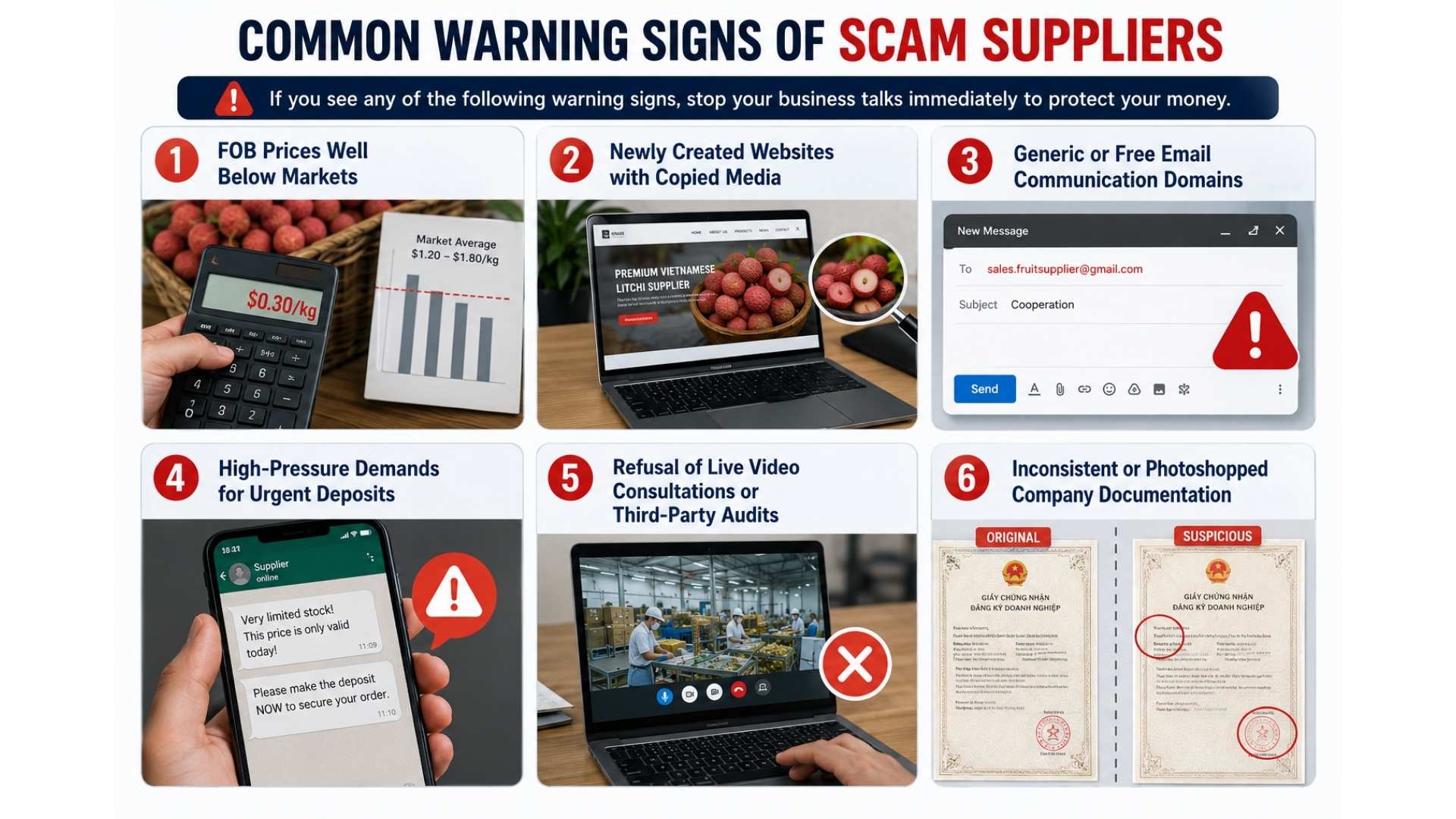
Common Warning Signs of Scam Suppliers
If you see any of the following warning signs, stop your business talks immediately to protect your money.
- FOB Prices Well Below Markets: If a supplier quotes a price significantly lower than current farm-gate averages, they are likely planning to source substandard, uncertified fruit, or it is a straightforward deposit scam.
- Newly Created Websites with Copied Media: Run reverse-image searches on orchard photographs, packing house machinery, and corporate certificates displayed on the supplier’s website. Scammers frequently clone the digital assets of legitimate fruit conglomerates and host them in cheap, newly registered domains.
- Generic or Free Email Communication Domains: Professional Vietnamese exporters communicate using dedicated corporate email domains (e.g., [email protected]). Be highly suspicious of sales representatives operating out of free services like @gmail.com or @outlook.com.
- High-Pressure Demands for Urgent Deposits: Fraudulent entities frequently invent artificial scarcity, claiming that harvest volumes are selling out immediately to coerce buyers into wiring large upfront deposits before any physical or legal verification has taken place.
- Refusal of Live Video Consultations or Third-Party Audits: Legitimate exporters gladly showcase their packing lines, cold storage units, and corporate offices via live video calls. Any hesitation or excuse to avoid a live walkthrough or a professional third-party inspection is an immediate red flag.
- Inconsistent or Photoshopped Company Documentation: Carefully inspect business registrations, tax licenses, and quality certificates for signs of digital alteration. Mismatched corporate names, altered dates, or blurry government stamps indicate a high probability of fraud.
Sourcing Risks When Importing Lychee from Vietnam
Importing fresh lychees from Vietnam can be highly profitable, but it also comes with significant operational risks.
Lychee is a highly perishable fruit with a very short harvest season, so even small mistakes in sourcing, logistics, or cold chain management can lead to serious losses.
Understanding these risks helps buyers plan more effectively and reduce potential supply chain disruptions.
Short Shelf Life
- The Risk: Fresh lychees turn brown and rot very quickly. If the fruit stays in warm weather for just a few hours after harvest, it will lose its sweet taste and beautiful red color. Small mistakes during packing can ruin your whole shipment.
- The Solution: Only buy from exporters who own professional cold storage rooms and know how to ship globally. You should also hire an independent inspection company to check the quality and temperature of the fruit at the factory before it goes to the airport or port.
Price Volatility and Limited Seasonal Supply
- The Risk: The Vietnamese lychee season is very short, lasting only from May to July. Because everyone buys at the same time, transport space becomes limited. Also, if there is bad weather like heavy rain, the amount of good fruit drops fast, and prices can jump up overnight.
- The Solution: Do not wait until the harvest starts to find a partner. You should contact suppliers 2 or 3 months early and sign a contract. This agreement helps you lock in a fair price and ensures the supplier keeps enough high-quality fruit for your order.
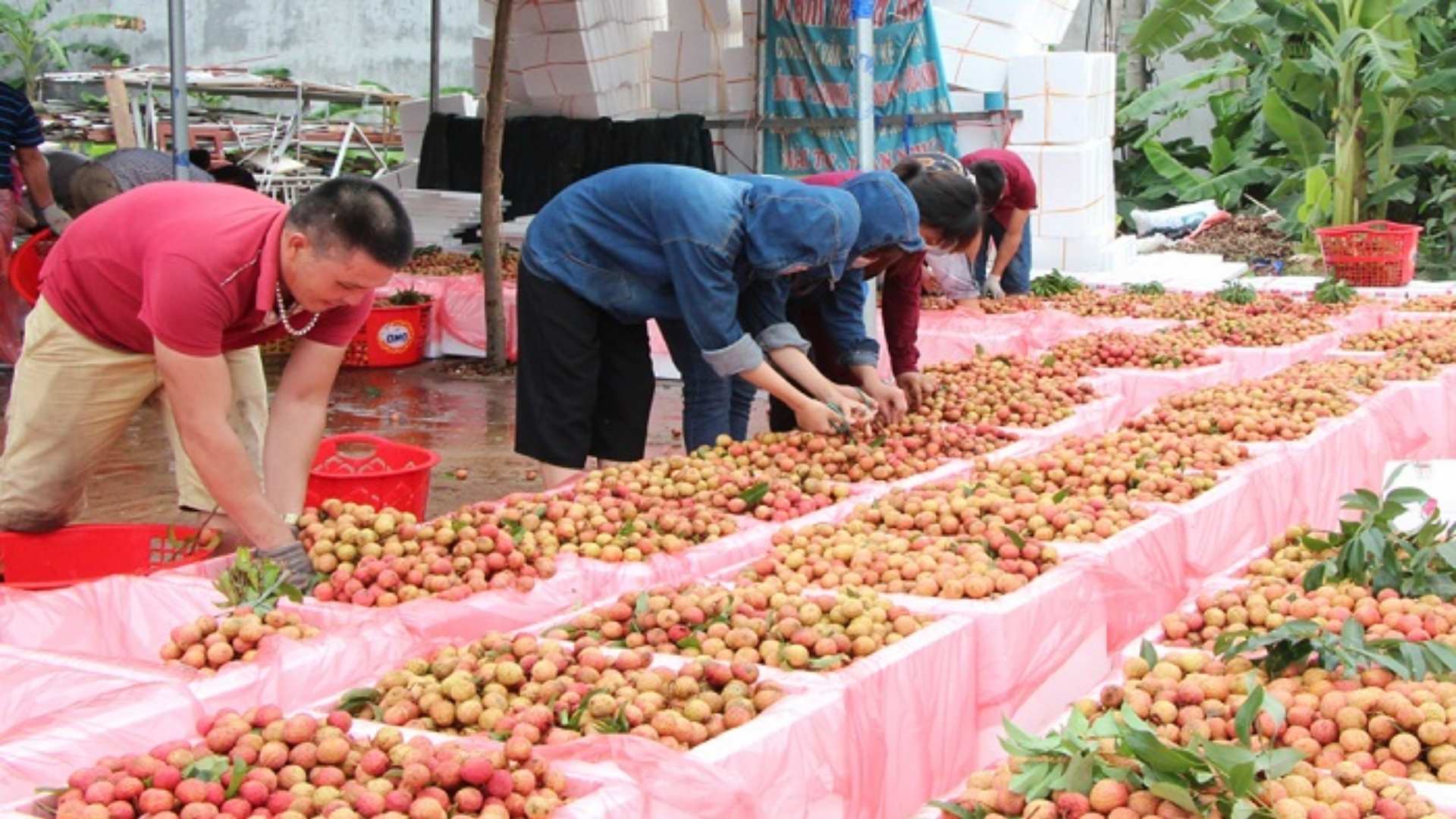
Shipping Delays at the Ports
- The Risk: During the busy season, thousands of tons of fruit move to ports and airports at the exact same time. This creates big traffic jams. If your container gets stuck or misses its plane, the temperature will change and the fruit will spoil completely.
- The Solution: Always book your transport space with shipping lines or airlines 2 or 3 weeks in advance. If you ship by sea, make sure the shipping company uses good cold containers (Reefers) and keeps the temperature steady between 2°C and 4°C during the whole journey.
How VinaSources Can Help You Import Lychees Safely
Importing fresh lychees from Vietnam can bring great profits to your business, but managing the quality, checking suppliers, and planning fast logistics on your own can be very stressful. You do not have to do it alone, VinaSources is here to support you every step of the way.
We are your trusted local partner in Vietnam. Our team helps international buyers find real, legal lychee farms and factories that match your country’s export standards. We check the fruit quality directly at the packaging house, handle the local paperwork, and make sure your cold chain shipping runs smoothly without any delays. With VinaSources, you can save time, avoid middle traders, and protect your money from scams.
- Call our Hotline: 19004356
- Email us at: [email protected]
Let VinaSources help you bring the freshest Vietnamese lychees to your customers safely and easily!