
Raw pineapple fiber is becoming an interesting material for textiles, footwear, nonwoven products, packaging, and other sustainable applications. Vietnam is developing its commercial pineapple leaf fiber supply chain by turning agricultural waste into useful industrial materials.
For wholesalers, however, finding a supplier is only the first step. This guide explains where to source raw pineapple fiber in Vietnam, how to verify suppliers, manage import requirements, prepare documents, and ship bulk orders safely.
Why Source Raw Pineapple Fiber from Vietnam?
Vietnam already has a strong agricultural and textile base, creating useful conditions for developing pineapple leaf fiber, or PALF. For global buyers, the main opportunity comes from combining available agricultural raw material with Vietnam’s growing fiber processing and export capacity.
- Abundant and Stable Year-Round Supply: Vietnam possesses an immense domestic agricultural footprint with extensive pineapple farms spread across provinces like Dien Bien, Ninh Binh, Thanh Hoa, Nghe An, and Tien Giang. By recycling agricultural waste from these vast farms, local suppliers can guarantee an uninterrupted, year-round supply of raw materials to keep global manufacturing operations running seamlessly.
- Highly Competitive Pricing: Because production facilities are located right at the agricultural source, Vietnamese suppliers minimize logistics overheads and leverage optimized processing technologies. This allows them to offer premium, export-grade raw pineapple fiber at highly competitive prices, ensuring excellent profit margins for international import partners.
- Favorable International Trade Agreements and Export Incentives: Vietnam benefits from numerous active Free Trade Agreements (FTAs), including the Comprehensive and Progressive Agreement for Trans-Pacific Partnership (CPTPP) and the EU-Vietnam Free Trade Agreement (EVFTA). These trade frameworks substantially reduce or completely eliminate import tariffs on raw agricultural and textile fibers entering major destination markets. In addition, the Vietnamese government actively supports green, circular-economy exports, ensuring streamlined customs documentation and export procedures.
Where to Source Raw Pineapple Fiber in Vietnam?
Finding reliable manufacturers requires using the right channels. Foreign buyers can source raw pineapple fiber through trade fairs, online B2B platforms, or local sourcing agencies.
1. Leverage Vietnam’s Premier Textile and Sourcing Trade Shows
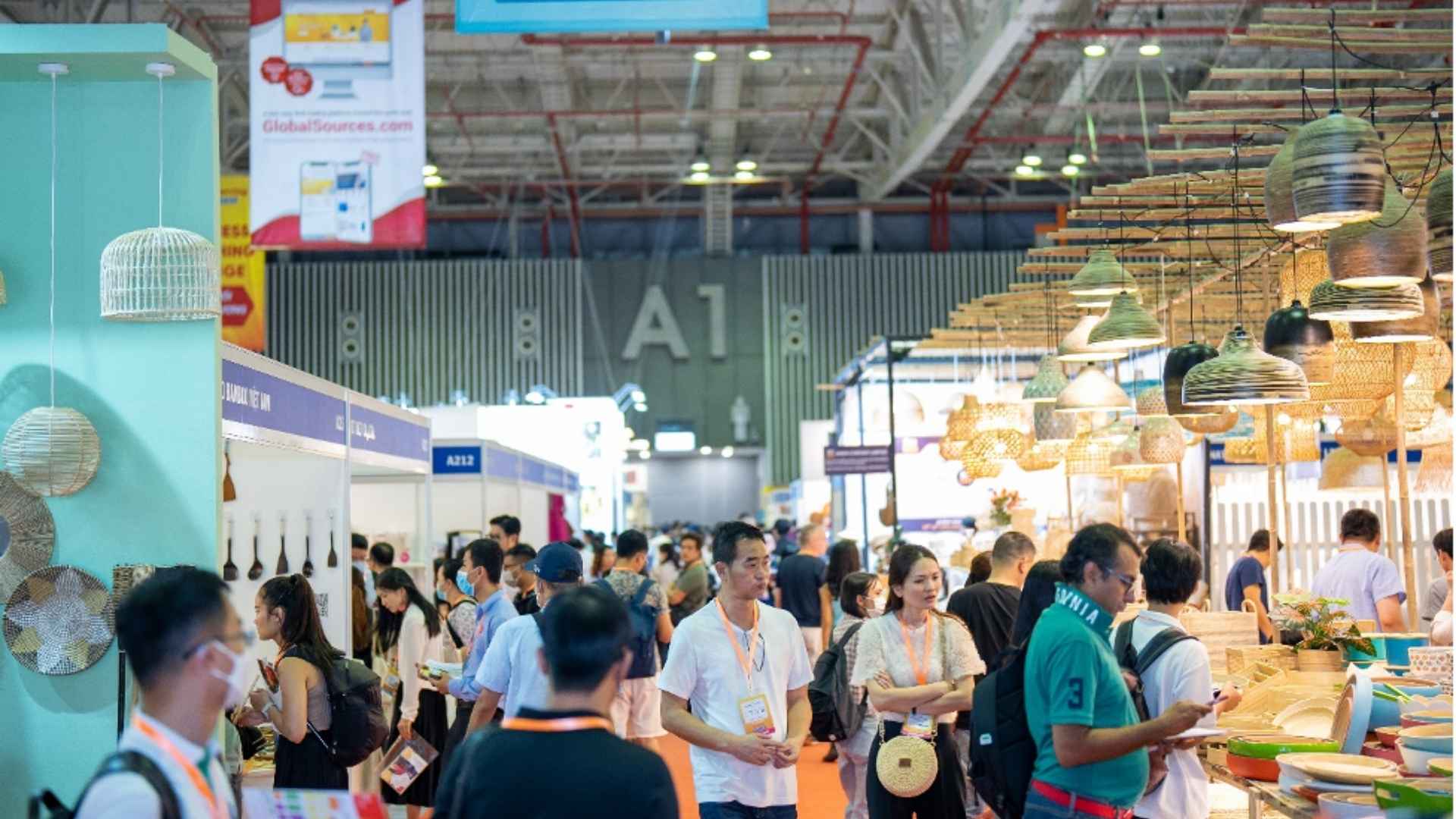
One of the most effective ways to source raw pineapple fiber, meet verified manufacturers face-to-face, and inspect material quality firsthand is to attend major international trade shows hosted in Vietnam. These exhibitions bring together local fabric mills, agricultural fiber processing companies, and international buyers under one roof.
Below are the premier upcoming trade shows where you can connect with fiber and textile suppliers in Vietnam:
- Vietnam International Sourcing Expo (VIS): The Vietnam International Sourcing Expo 2026 (VIS 2026) will take place from September 3–5, 2026, at the Saigon Exhibition and Convention Center (SECC), 799 Nguyen Van Linh, District 7, Ho Chi Minh City. Held annually, the event brings together hundreds of foreign buyers and Vietnamese exporters across agriculture, eco-textiles, consumer goods, and other industries. It focuses on connecting international sourcing managers with Vietnamese manufacturers and export-ready suppliers.
- VTG – Vietnam International Textile & Garment Industry Exhibition: The 24th Vietnam International Textile & Garment Industry Exhibition (VTG 2026) will take place from October 14–17, 2026, at the Saigon Exhibition and Convention Center (SECC), Ho Chi Minh City. The event gathers suppliers and manufacturers across textiles, yarns, fibers, machinery, and garment production. It is especially relevant for buyers looking for textile applications of natural fibers, including pineapple leaf fiber and other plant-based materials.
2. Utilize Premier Online B2B Sourcing Platforms
If you cannot travel to trade shows in person, digital B2B marketplaces offer a highly efficient, data-driven way to discover, vet, and negotiate with top-tier natural fiber producers in Vietnam from anywhere in the world.
| Platform Name | Strengths | Weaknesses | Best For |
| Alibaba | Massive global user base, wide variety of suppliers, built-in buyer protection programs. | High risk of middleman traders, inconsistent product quality filtering. | Quick market research and broad supplier price comparison. |
| VinaSources | Local expertise in Vietnam, verified manufacturer listings, dedicated customer support, streamlined RFQ service. | Smaller global brand awareness compared to giant global platforms. | Wholesalers seeking reliable, vetted Vietnamese suppliers and end-to-end local support. |
| Global Sources | Focuses heavily on qualified international trade manufacturers with detailed factory profiles. | Higher supplier price points and stricter minimum order quantities (MOQ). | Medium to large wholesale enterprises seeking established export factories. |
3. Partner with Top Sourcing Agencies in Vietnam
If your business lacks a dedicated local presence or specialized knowledge of Vietnam’s complex agricultural and textile landscapes, hiring a local sourcing agency is highly recommended.
Below are the leading agencies that can assist in procuring raw pineapple fibers and textiles from Vietnam:
| Sourcing Agency | Fields and Services | Contact information |
| Cosmo Sourcing | Multi-industry sourcing; supplier search, factory vetting, quotations, samples, audits, QC, and shipping support | Email: [email protected] |
| MoveToAsia | Vietnam and Southeast Asia sourcing; supplier identification, qualification, QC, supply-chain support, and market entry. | Email: [email protected]; Hotline: +84 707 527 789 |
| Sourcing Agent Vietnam (SAV) | Provides supplier and manufacturer search, due diligence, factory checks, factory tours, negotiation, and production follow-up. Its sourcing categories include textiles and garments, furniture, home décor, handicrafts, and agricultural products. | Email: [email protected]; Hotline: +84 707 527 789 |
| AGS Vietnam (Almenide Global Sourcing) | An independent sourcing office in Ho Chi Minh City focuses on textiles, food products, furniture, and home products. Services include vendor sourcing, factory and product qualification, price negotiation, production monitoring, quality control, factory audits, and final inspection. | Email: [email protected]; Hotline 1: +84 28 2253 2371 / Hotline 2: +84 28 2253 2391 |
Essential Steps to Import Raw Pineapple Fiber from Vietnam
Importing raw pineapple fiber requires systematic planning to avoid shipment delays and ensure consistent material quality. Following a structured procedure ensures a smooth procurement lifecycle from contract signing to final delivery.
Step 1: Define Product Requirements
Before you contact a supplier, you must know exactly what you need. Pineapple fiber in Vietnam comes in different forms and qualities.
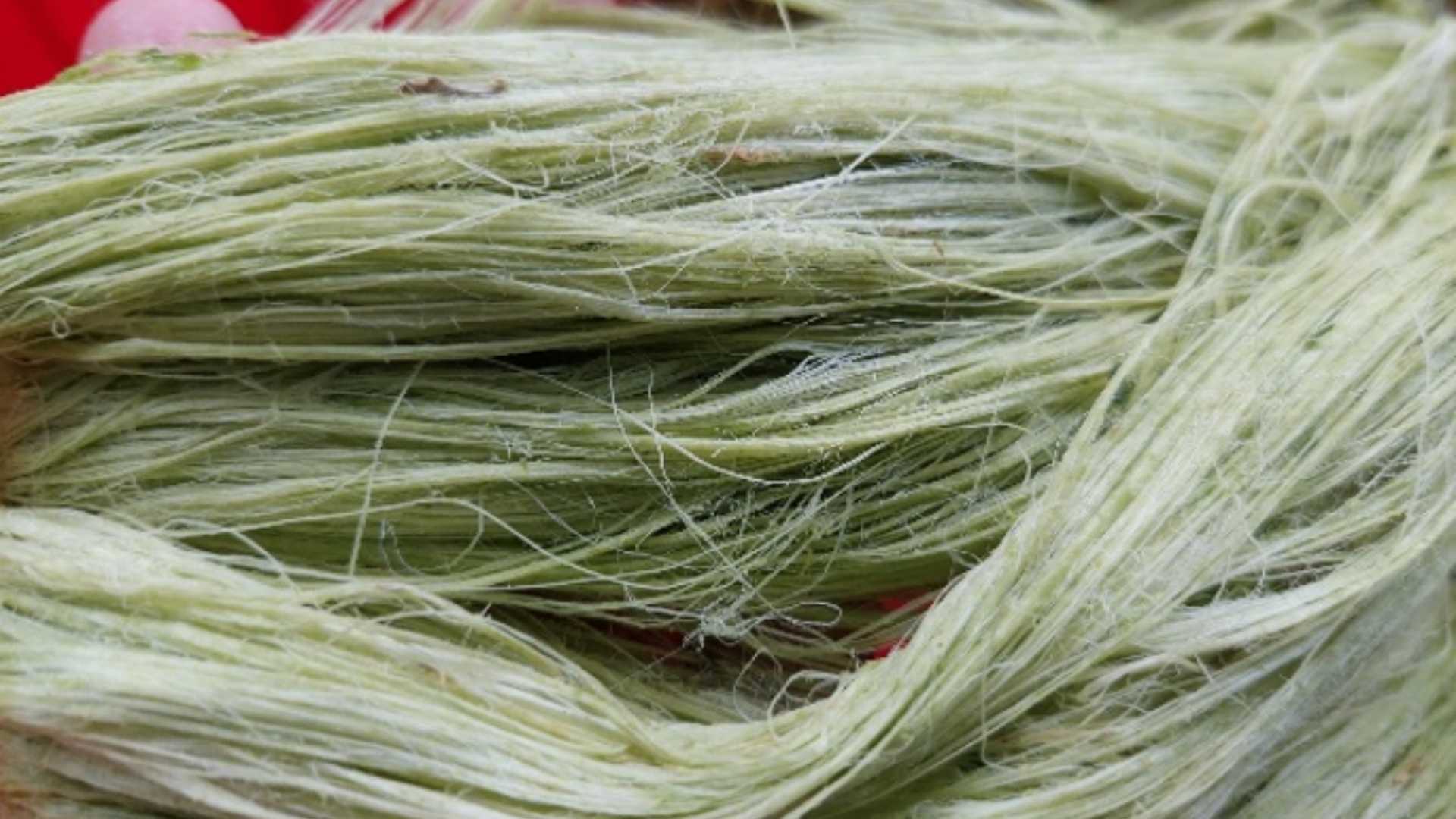
- Specify the Fiber Type: Decide if you need raw fiber (harvested from leaves) or cottonized fiber. Cottonized fiber is soft and uniform, making it ready for spinning into yarn.
- Technical Standards: List your requirements for fiber length, strength, fineness, and moisture content.
- Composition: Do you want 100% pineapple fiber, or a blend? Many Vietnamese suppliers can mix pineapple fiber (from 10% to 100%) with cotton, silk, or recycled polyester.
- Quantity: Vietnam’s production capacity is growing. Leading suppliers can offer between 100 and 200 tons of fiber per month. Make sure your order matches the supplier’s capacity.
Step 2: Check Country Import Regulations
Understanding your destination market’s regulatory frameworks is essential to avoid border rejections or unexpected duties. Raw natural fibers often require specific biosecurity and plant health clearances.
| Country / Region | Key Import Regulations & Documentation | Critical Compliance Focus |
| United States | USDA-APHIS phytosanitary approval, entry summary (CBP Form 7501), commercial invoice. | Free from soil, pests, and prohibited organic contamination. |
| European Union (EU) | EU Plant Health Regulation compliance, Certificate of Origin (EUR.1 for FTA rates), phytosanitary cert. | Chemical residue limits and natural fiber pest-free status. |
| Canada | CFIA plant protection requirements, automated import reference system (AIRS) documentation. | Inspection for agricultural pests and bio-safety threats. |
Step 3: Vet Certified Suppliers
First, verify the supplier’s Vietnamese business registration, legal company name, registered address, tax information, and bank account.
Next, confirm whether the supplier actually extracts or processes pineapple leaves. Request factory videos, machinery lists, monthly capacity, production flow, raw-material sources, and recent export records where available. Vietnam
For product verification, request a certificate of analysis or independent test report covering the specifications important to your application. These include:
- OTS (Global Organic Textile Standard) / OCS (Organic Content Standard)
- GRS (Global Recycled Standard) or RCS (Recycled Claim Standard)
- OEKO-TEX® Standard 100
Finally, order samples and arrange a factory audit for large contracts. A third-party inspection before shipment can compare the bulk fiber against your approved sample.
Step 4: Finalize the Sales Contract
Once you are satisfied with the sample quality, transition to contract negotiations. Use these leverage points to secure favorable terms:
- Incoterms: For international shipping, FOB (Free on Board) is the most common standard for Vietnamese exports. This means the supplier handles all local customs clearance, domestic trucking, and port loading fees, while you manage the ocean freight and destination customs.
- Payment Terms: For new buyers, the standard practice in Vietnam is a T/T (Telegraphic Transfer) structure of 30% deposit and 70% balance payment paid against a scan of the Bill of Lading (B/L). For very large orders, an irrevocable Letter of Credit (L/C) at sight is also widely accepted and highly secure.
- Lead Times: Confirm production timelines. Keep in mind that fiber processing speeds can fluctuate based on the local agricultural harvesting seasons. Be sure to write a guaranteed delivery window directly into your purchasing agreement.

Step 5: Prepare Import and Export Documents
Document requirements can change by country, but a normal commercial shipment may need:
- Commercial invoice
- Packing list
- Bill of lading or air waybill
- Sales contract or purchase order
- Certificate of origin when required
- Customs declaration
- Product specification sheet
- Certificate of analysis or test report
- Insurance certificate under relevant shipping terms
- Phytosanitary, treatment, or fumigation documents if required by the destination authority
- Other certificates requested by the buyer or customs authority
Check the product name, HS code, quantities, weights, company details, and country of origin across all documents. Even a small difference between the invoice, packing list, and transport document can delay customs clearance.
Step 6: Choose a Shipping Method
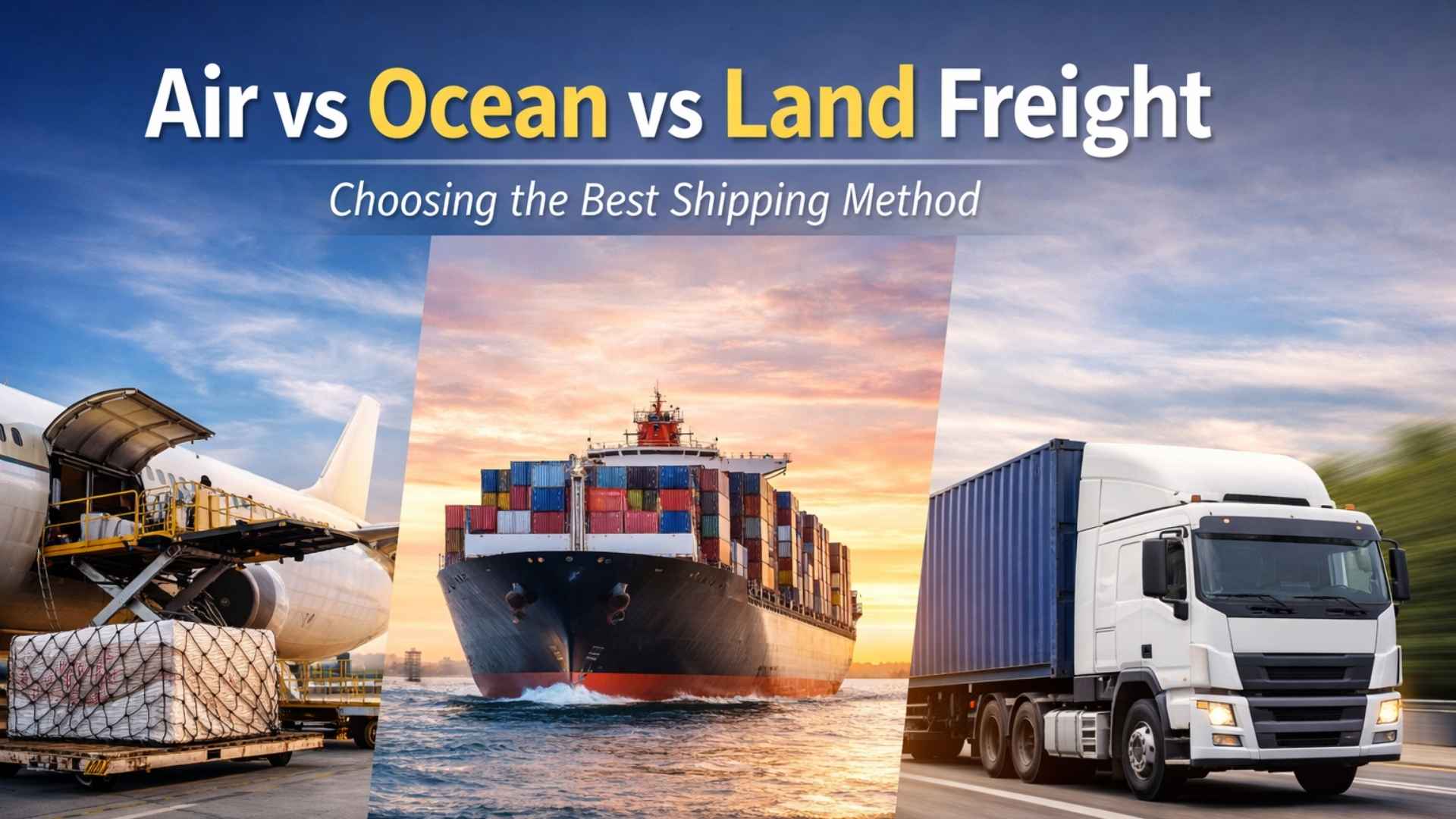
Selecting the right logistics route depends on your budget, urgency, and volume.
- Sea Freight (FCL/LCL): This is the most common and cost-effective method for shipping bulk raw pineapple fiber. Shipping full container loads (20ft or 40ft) takes approximately 15 to 35 days depending on the destination port, offering low freight costs per kilogram.
- Air Freight: Suitable for urgent sample testing or smaller high-value trial batches. While transit takes only 3 to 7 days, air transport costs are significantly higher.
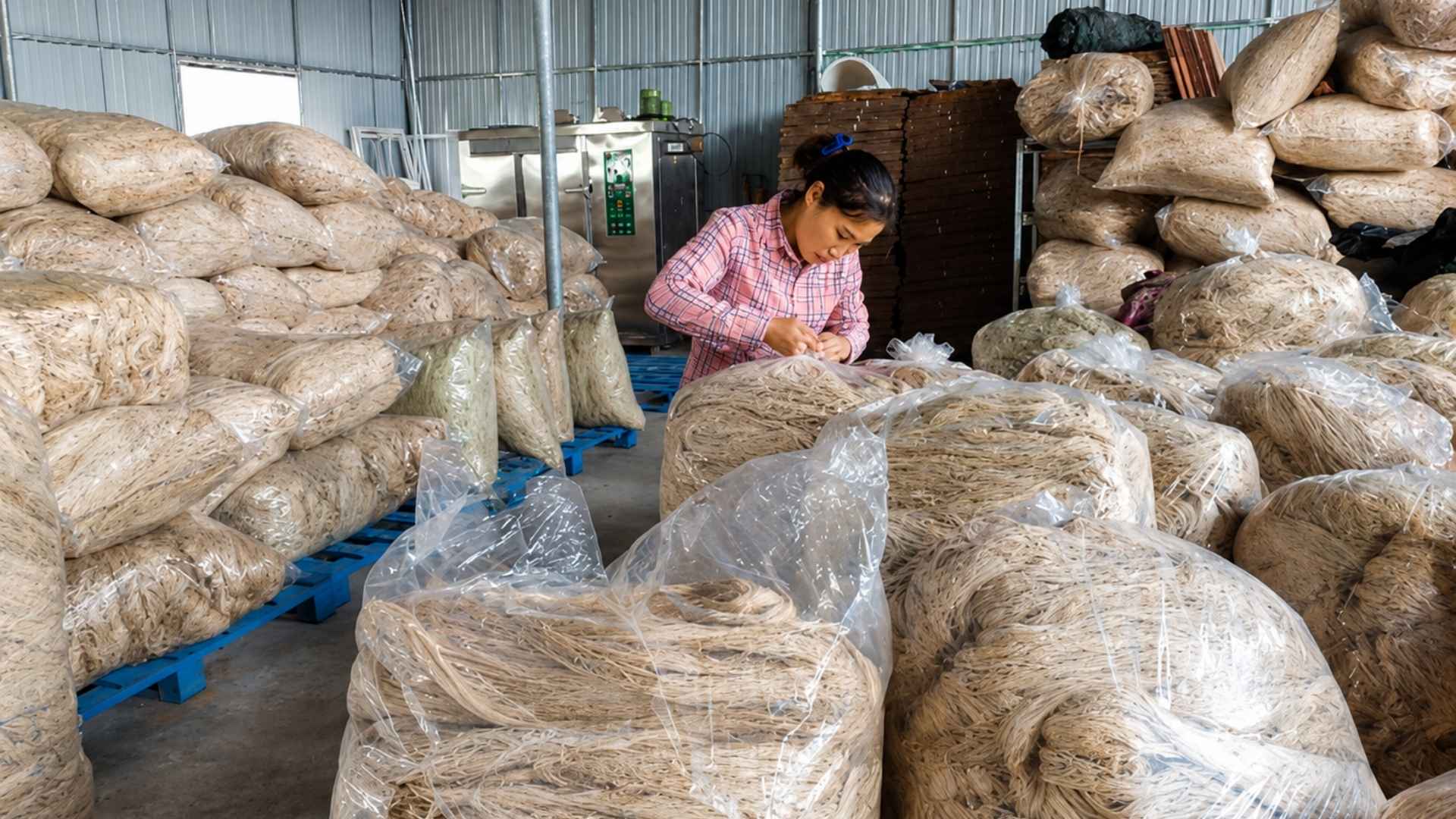
- Important Shipping Note: Raw pineapple fiber must be compressed into tight bales and packed in moisture-proof polypropylene (PP) bags or protective film. Ensure container humidity absorbers are used to prevent mold development during transit across tropical seas.
Common Signs of a Scam Pineapple Fiber Supplier
Vietnam’s pineapple fiber industry is still relatively young. This makes supplier verification especially important because some traders may present themselves as direct manufacturers.
- Refusal to Accept Secure Payment Methods: The supplier insists on 100% upfront wire transfers to personal bank accounts or unverified third-party entities.
- Prices Unreasonably Below Market Rates: Offering prices 40% to 50% lower than standard market averages is often a sign of fraudulent or non-existent suppliers.
- Lack of Physical Address or Verification: The company cannot provide a verifiable factory address, registration number, or official business license in Vietnam.
- Reluctance to Provide Samples or Video Proof: The supplier refuses to send physical sample swatches or avoids live video calls showing their production facility.
- Inconsistent Communication and Contractual Pushback: They use generic free email accounts (e.g., Gmail/Hotmail) instead of domain emails and refuse to sign formal written sales contracts containing quality penalty clauses.
Import High-Quality Raw Pineapple Fiber Effortlessly via VinaSources
Finding a pineapple fiber supplier online is easy. Finding one that can meet your exact fiber specifications, quantity, quality requirements, and export schedule requires much more work.
VinaSources is a Vietnam-focused B2B sourcing and exporting platform connecting international buyers with Vietnamese manufacturers. Its sourcing model can support buyers across supplier matching, RFQs, samples, quality control, and shipping.
For wholesalers sourcing niche products such as raw pineapple leaf fiber, this approach can reduce the time spent searching through unrelated suppliers. Buyers can submit their product requirements and use the sourcing process to identify Vietnamese manufacturers that better match their target specifications.
VinaSources is also supported by a wider ecosystem covering manufacturing, logistics, warehousing, customs, trade compliance, and other export services. Its company profile highlights supplier selection, quality management, logistics connectivity, order tracking, and buyer protection as important parts of the platform.
Ready to source raw pineapple fiber from Vietnam? Fill in an RFQ on VinaSources, contact [email protected], or call the sourcing team at 0329725268 to discuss your requirements.