
Faced with skyrocketing Chinese manufacturing costs and escalating US-China trade tensions, global players are aggressively diversifying their production hubs. As companies move away from a China-centric model, Vietnam is emerging as the leading “China +1” destination.
Leveraging its proximity to China, competitive labor costs, and an extensive network of free trade agreements, Vietnam has become a pivotal link in this global shift. This guide explores the key drivers behind this manufacturing migration, providing the insights needed to make informed investment and sourcing decisions.
Why China’s Manufacturing Is Moving to Vietnam?
1. Rising labor costs in China
Labor cost is one of the main drivers behind the manufacturing shift.
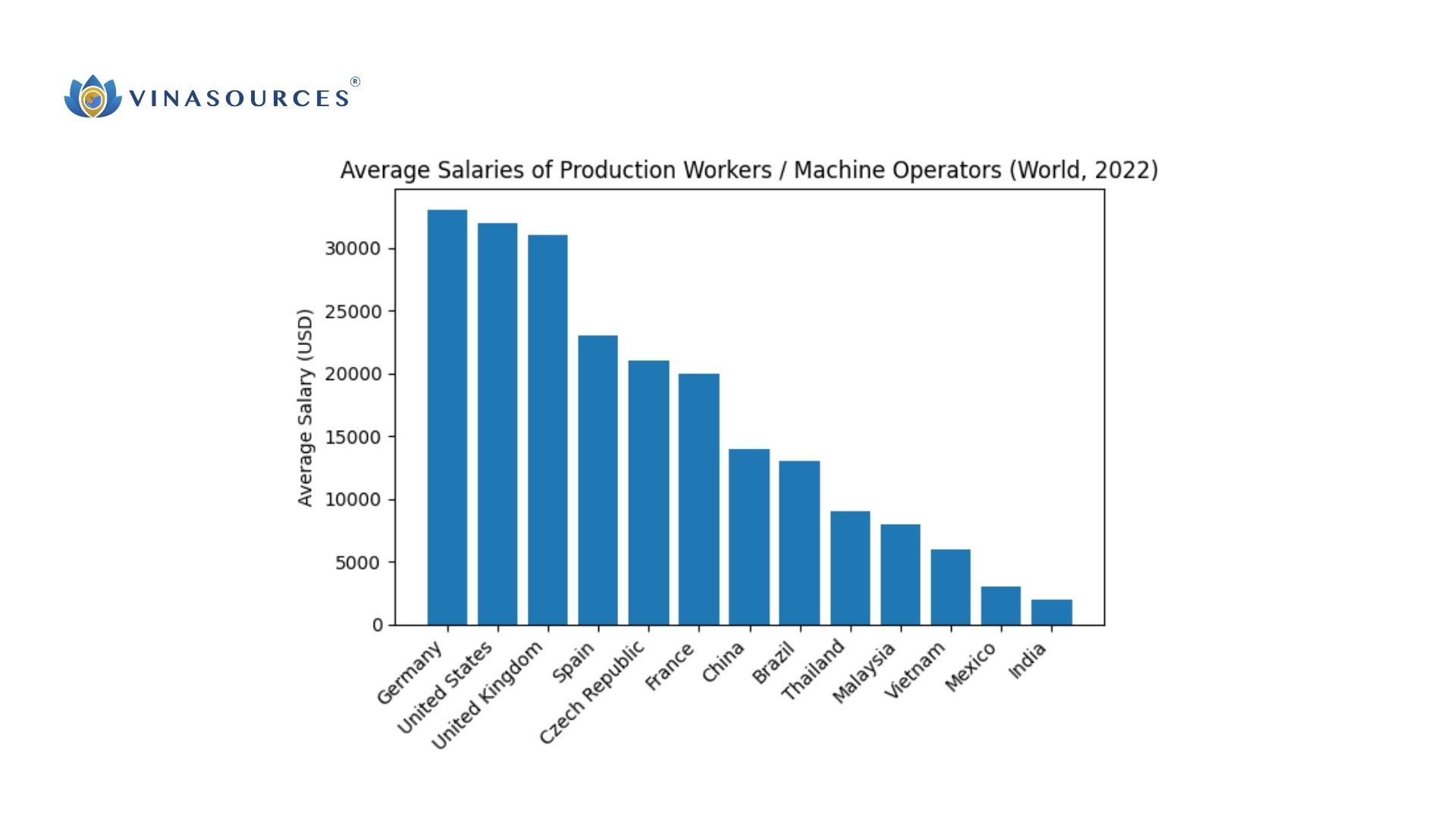
The average annual wage in urban manufacturing in China reached over 103,932 CNY in 2023, equivalent to about $1250 per month. This level is several times higher than that of many Southeast Asian countries, including Vietnam.
According to the General Statistics Office (GSO), Vietnam’s monthly minimum wage in 2023 ranged from approximately $271 to $330, depending on the region.
In other words, monthly wages in China are 4–5 times higher than those in Vietnam.
2. Tariff Avoidance
The trade conflict between the United States and China has led to sharply increased tariffs on Chinese exports. As of early 2025, recent escalations have pushed effective baseline tariffs on many goods to over 100%.
These higher tariffs have significantly raised the landed costs for US importers, prompting many companies to relocate production to Southeast Asia, particularly Vietnam, in order to avoid the steep tariff burden.
3. Supply Chain Resilience
Shifting production to Vietnam, rather than relying solely on China, enhances supply chain resilience by diversifying manufacturing away from China, thus mitigating risks from geopolitical tensions, tariffs, and rising labor costs.
For example, in 2020–2021, several major electronics companies, including Apple suppliers like Foxconn, moved part of their production of iPhones and AirPods to Vietnam to reduce dependency on China amid U.S.-China trade tensions and rising wages in Chinese factories.
Why Vietnam Is the Top Alternative?
1. Lower Production Costs
Cost remains the most influential factor for relocating from China to Vietnam. As of early 2026, Vietnam maintains a significant cost advantage across labor and utilities.
Here’s the manufacturing cost comparison table between Vietnam and China:
| # | Cost factors | Vietnam | China |
| 1 | Labor cost | Lower ($271 to $330/month) | Higher ($700-$1250/month) |
| 2 | Raw material costs | Competitive in some sectors, such as agricultural products, food, wood, and handicrafts. | Lower due to strong domestic production and integrated supply chains |
| 3 | Overhead costs | Lower | Higher |
| 4 | Transportation & Logistics | Higher | Lower |
| 5 | Taxes & Trade Incentives | Competitive costs through various FTAs | Trade war China-US |
| 6 | Total Manufacturing Cost | Lower overall, especially for labor-intensive sectors like garments, footwear | Higher overall, though more efficient for large-scale, high-tech production |
2. Geographic Proximity
Vietnam’s proximity to China allows firms to move manufacturing while maintaining easy access to Chinese components and suppliers.
Vietnam shares a 1,281 km land border with China, facilitating easy, low-cost transportation of raw materials and intermediate components from China to Vietnamese factories.
This proximity minimizes supply chain “whiplash.” Raw materials and intermediate goods can be transported via land routes through border gates like Lang Son and Mong Cai, often arriving at Northern Vietnamese factories within 24 to 48 hours.
3. Extensive FTA Network
Vietnam is one of the most globally integrated economies. As of March 2026, the country is party to 17 active Free Trade Agreements (FTAs), connecting it to more than 60 economies and major global markets.
Key agreements include the CPTPP, EVFTA (EU-Vietnam), and RCEP. The EVFTA eliminates 99 % of tariffs on Vietnamese exports to the European Union, while the CPTPP provides duty-free access to markets such as Canada, Mexico, and Japan, giving Vietnamese exporters a significant competitive advantage.
4. Logistic Access
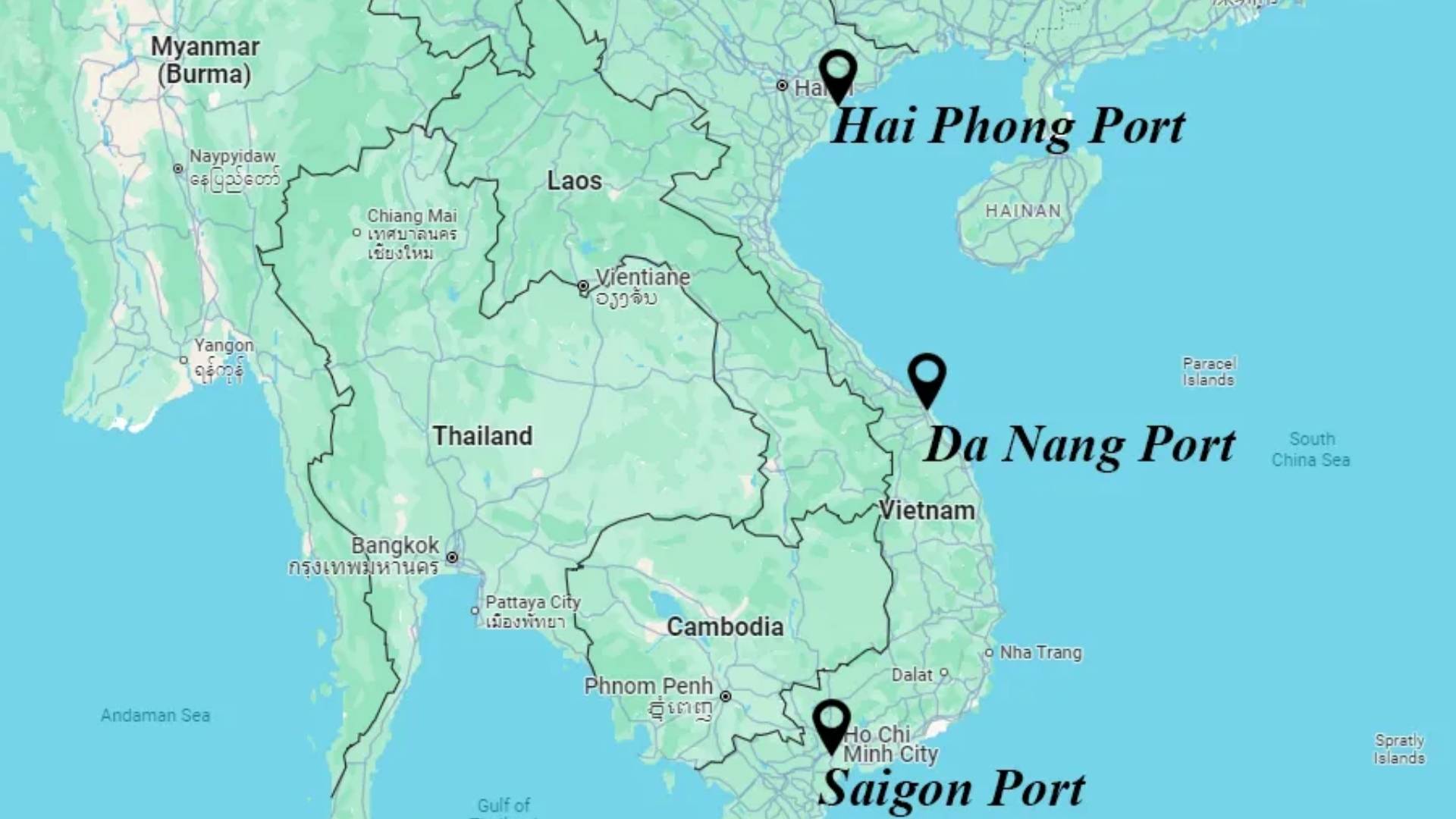
Vietnam’s long coastline, combined with numerous deep-sea ports, provides efficient access to international shipping routes.
The North-South Expressway and expanded deep-sea ports, such as Lach Huyen in Haiphong (north) and Cai Mep-Thi Vai in Ba Ria-Vung Tau (south), combined with the development of the North-South Expressway, have significantly enhanced the country’s logistics capabilities.
These advancements enable major shipping lines to utilize ultra-large container vessels for direct, non-stop shipping to the US and Europe, bypassing stopovers, significantly reducing transit time and costs.
Ocean freight transit times from Vietnam to the US have been significantly reduced, now taking only 18 to 30 days, compared to the previous 30 to 45 days.
5. Government Incentives
The Vietnamese government offers a wide range of incentives to attract foreign investors, high-tech and SME manufacturers, including:
- Corporate Income Tax (CIT): While the standard rate is 20 %, new SMEs can benefit from a three-year CIT exemption. High-tech and green projects may qualify for a preferential rate of 10 % for up to 30 years.
- R&D Deductions: Companies can deduct 200 % of actual R&D expenses from their taxable income.
- Import Duties: Manufacturers operating in Export Processing Zones (EPZs) are exempt from import duties on raw materials used for export production.
- Land Rent: Projects in encouraged industries or disadvantaged regions may receive reductions or exemptions on land-lease fees.
These incentives make Vietnam an increasingly attractive destination for foreign investment, particularly in technology-driven and export-oriented manufacturing.
6. Skilled & Young Labor Workforce
Vietnam has a young and growing labor force of 53.3 million people as of the third quarter of 2025, with roughly 58 % under the age of 35. This skilled labor pool has positioned Vietnam as an increasingly important hub for manufacturing, attracting major companies such as Foxconn, Luxshare, and Samsung.
What Industries Are Moving from China to Vietnam?
The shift of manufacturing from China to Vietnam is not uniform across all sectors. It is concentrated in industries that depend on labor, export access, and cost efficiency.
Key sectors include electronics and components, textiles and apparel, footwear, and furniture and wood products.
Electronics and Electrical Equipment
Vietnam’s electronics, computers, and components exports reached nearly $107.75 billion in 2025, placing the country among the world’s top 10 exporters in this sector.
Global technology leaders, including Samsung, Apple, Foxconn, and Intel, have established large-scale production clusters in northern provinces such as Bac Ninh and Thai Nguyen. Samsung continues to be the largest contributor, with annual exports exceeding $65 billion.
Textiles and Apparel
Vietnam is currently the third-largest apparel exporter globally, trailing only China and Bangladesh. In 2025, the industry reached $46 billion in export revenue.
Vietnam became the top U.S. apparel supplier in early 2025. Between January and July 2025, U.S. Imports from Vietnam jumped 17% to $9.5 billion, while imports from China fell 21% to $6.9 billion.
Footwear Manufacturing
Vietnam is the world’s second-largest footwear exporter, holding over 10% of global export volume, second only to China. Vietnam’s total footwear exports reached $29 billion in 2025, shipping primarily to the US ($11-$12 billion) and the EU ($6.88 billion).
Vietnam now produces 51 % of Nike’s global footwear, far surpassing China’s 17 %, while Adidas relies on Vietnam for approximately 39–43 % of its worldwide footwear production.
Furniture and Wood Products
Vietnam has surpassed China as the leading supplier of wooden furniture to the United States. In 2025, wood and wood product exports hit a record of $17.2 billion. This represents a 5.7% year-on-year increase.
Vietnam’s share of the US wooden furniture market increased from 40.5 % in the first eight months of 2024 to 45.3 % during the same period in 2025. Over the same timeframe, China’s share declined from 15.7 % to 10.4 %, highlighting Vietnam’s growing prominence as a key supplier to the US market.
Challenges When Shifting Production to Vietnam
Vietnam offers clear advantages, but the transition is not without risk. These challenges often relate to scale, supplier ecosystems, and regulatory processes.
Limited Production Scale Compared to China
Vietnam provides growing manufacturing capacity, but it cannot yet match China’s scale for high-volume or complex production. Vietnam’s workforce totals around 55-57 million people, while China’s exceeds 770 million in manufacturing-related labor.
China remains the world’s largest manufacturing base. China accounted for roughly 28.8% to 31% of global manufacturing output in 2022. In comparison, Vietnam’s share remains approximately 0.6% to 0.7%, reflecting a much smaller industrial base.
This difference affects production volume and flexibility. Chinese factories can handle large orders with shorter lead times due to integrated supply chains and automation. In Vietnam, capacity constraints may appear during peak seasons, especially in textiles and electronics assembly.
Supply Chain Gaps
Vietnam’s manufacturing ecosystem is still dependent on imported inputs. Supporting industries such as raw materials, components, and machinery are less developed than in China.
Vietnam imports a large share of intermediate goods, especially for electronics and textiles. For example, in the textiles and garments sector, the country must import nearly all cotton and synthetic yarns – roughly 95–100% of fibers come from abroad
This dependency creates supply chain risks. Delays in upstream supply can affect production schedules in Vietnam.
Quality Consistency Issues
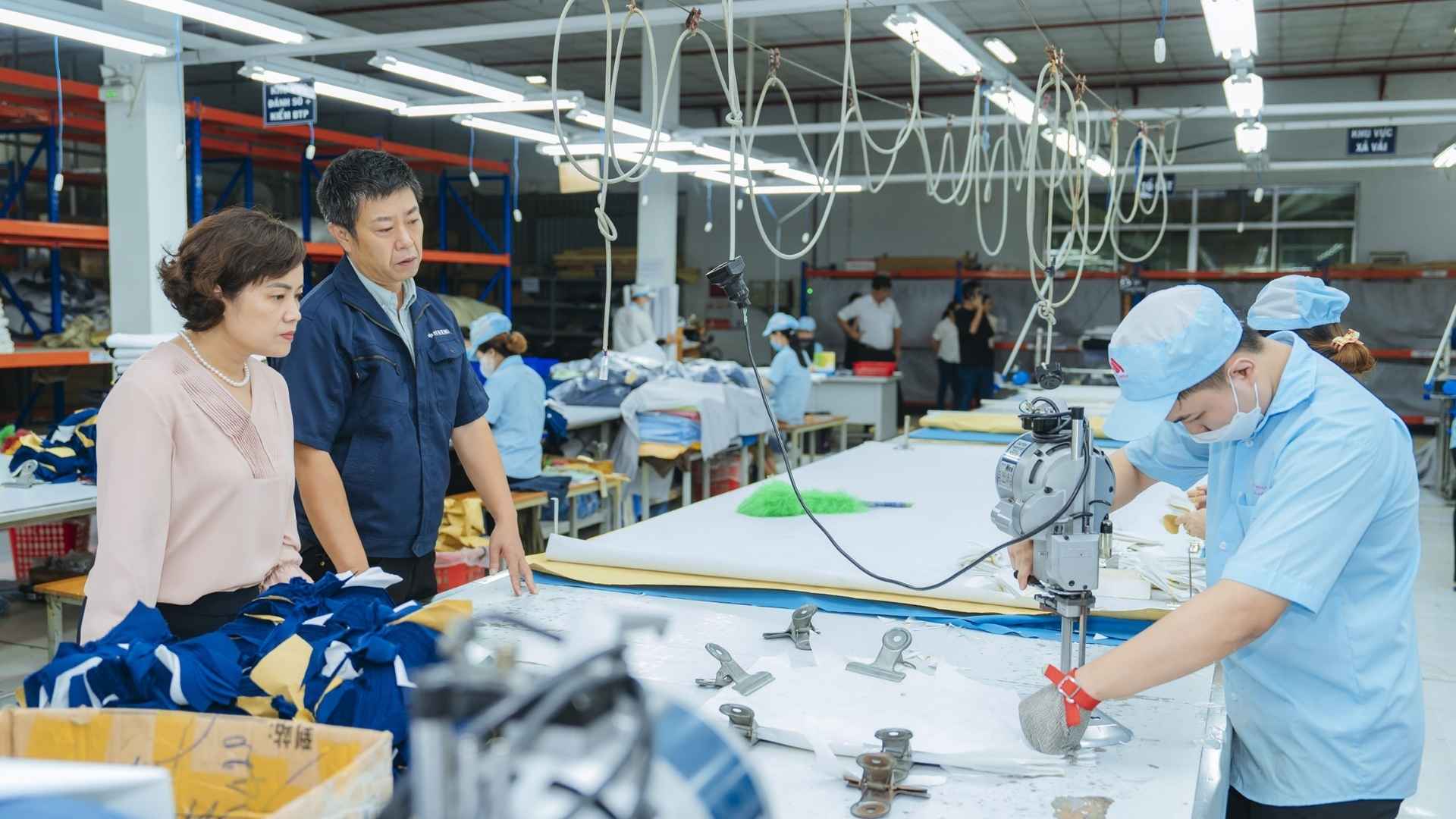
Quality management is another key challenge when shifting production. While many Vietnamese factories meet international standards, consistency can vary between suppliers. In contrast, China’s decades of manufacturing experience have established highly standardized processes across most sectors.
Although Vietnam has made significant improvements in compliance and quality control, skill gaps and variations in process management remain in certain industries.
Compliance and Documentation Barriers
Export, import, and incentive-related documentation in Vietnam can be complex and time-consuming. So, foreign firms often face complex, long-duration licensing processes and administrative bottlenecks.
How to Source from Vietnam Effectively
Work with Verified Suppliers
Supplier verification is the first step in reducing sourcing risk. It helps ensure compliance with international standards and reduces transaction risk.
Verified suppliers typically provide business licenses, certifications, and production records.
In Vietnam, many export-oriented factories comply with standards such as ISO, BSCI, or SEDEX. These certifications help confirm production capability and social compliance.
Use Local Sourcing Platforms
While global platforms like Alibaba maintain a presence, local and regional platforms offer deeper, Vietnam-focused sourcing opportunities.
Vietnam-focused platforms such as VinaSources have become essential tools for discovering niche manufacturers. It is designed to connect global buyers with export-ready manufacturers in various industries.
Local sourcing platforms help buyers access pre-screened suppliers and reduce search time. These platforms provide structured product listings, supplier profiles, and communication tools.
Conduct Quality Inspections
Quality inspection is essential when sourcing from Vietnam. While many factories meet international standards, consistency can vary.
Inspection types include pre-production checks, during production inspections, and final random inspections. These comprehensive inspections help detect defects early and reduce the risk of shipment rejection.
You can hire a third-party supplier audit service provider, such as SGS and QIMA, to help you verify the product quality before shipment.
Plan Logistics and Lead Time Carefully
Buyers should anticipate longer or more volatile lead times due to raw material import reliance, port congestion, and production capacity constraints.
Port congestion at Cat Lai or Lach Huyen can add 3 to 5 days during peak seasons like the Lunar New Year.
Ocean freight from major ports such as Ho Chi Minh City or Hai Phong to the United States typically takes 22 to 36 days port-to-port, with door-to-door times ranging from 35 to 50 days depending on the route and shipment type (FCL or LCL).
Air freight offers faster options at 3 to 8 days port-to-port.
Wrap it Up
Vietnam has become a central player in the “China + 1” strategy, driven by its cost advantages, favorable trade access, and rapidly expanding industrial capacity.
For B2B buyers, this creates both opportunity and complexity. Vietnam offers competitive pricing and strong export potential, but it requires careful supplier selection, quality control, and logistics planning.
If you are planning to source from Vietnam, start with a structured process. Focus on verified suppliers, clear specifications, and reliable logistics partners. With the right approach, Vietnam can become a strong and sustainable part of your global sourcing strategy.
For more in-depth insights and to begin building your local supplier network in Vietnam, contact VinaSources at [email protected] or call 1900 4356.