
The global manufacturing landscape has shifted significantly, and the assumption that China is always the cheapest option is no longer a given. Rising labor wages, evolving trade tariffs, and complex supply chain realignments are narrowing the price gap between China and its emerging competitors.
This guide breaks down the current cost structures of Chinese manufacturing and what factors you need to weigh before making a sourcing decision.
Cost Comparison Between China and Other Countries
Below is a comparative overview of manufacturing cost factors across China and other key manufacturing hubs
| Cost Factor | China | USA | Germany | Vietnam |
| Labor Cost (USD/h) | $6.50 | $18.09 – $18.42 | $16.41 | $0.67-$1.00 |
| Raw Material Cost | Competitive | High | High | Competitive |
| Shipping Cost | Low to Moderate | High | High | Moderate |
| Overhead costs (land, energy…) | Low | High | High | Low |
| Total Cost Level | Low to moderate | High | High | Moderate |
Why is Manufacturing in China Cheaper?
China remains the world’s dominant manufacturing superpower, accounting for over 30% of global manufacturing output. In 2024, China’s total manufacturing value-added output reached approximately $5.65 trillion.
Manufacturing in China is widely considered cheap due to some key factors:
Low Labor Costs
China’s labor costs have increased significantly in recent years, with average manufacturing wages in China estimated at around $6 to $8 per hour. Mandatory social contributions, including five insurances and a housing fund, add roughly 30-40% or more to the base wage in employer overhead.
However, they are still lower than in many Western economies. Manufacturing wages in China are still only 20% of those in the United States.
Integrated Supply Chain and Raw Materials
One of the main reasons manufacturing in China remains cost-effective is its integrated supply chain and low-cost raw materials.
China hosts dense industrial clusters that bring raw material suppliers, component manufacturers, and final assemblers into close proximity. For instance, a smartphone manufacturer can source chips, screens, batteries, and camera modules all within the same city. This integrated ecosystem minimizes transportation costs and shortens lead times, allowing manufacturers to reduce operational expenses while scaling production rapidly.
China is a dominant producer of essential raw materials, including steel, resins, chemical feedstocks, and rare earths. This in-country availability reduces dependency on imports and lowers costs.
China’s textiles sector clearly demonstrates this advantage. As a leading global producer of cotton (20–30 % of world output) with about 90% of its domestic production, Chinese manufacturers can source key inputs locally, reducing both costs and lead times. This enables Chinese textile manufacturers to bulk apparel production at attractive prices compared with countries that depend heavily on imported materials.
Strong Government Support
Chinese manufacturers benefit from robust government support, including subsidies, low-interest loans, and access to low-cost land and energy, all of which help significantly reduce manufacturing costs.
This support makes Chinese products, such as electric vehicles and solar panels, highly competitive in global markets, creating a notable price advantage that can reach up to 20 % in government procurement.
Efficient Infrastructure and Ports
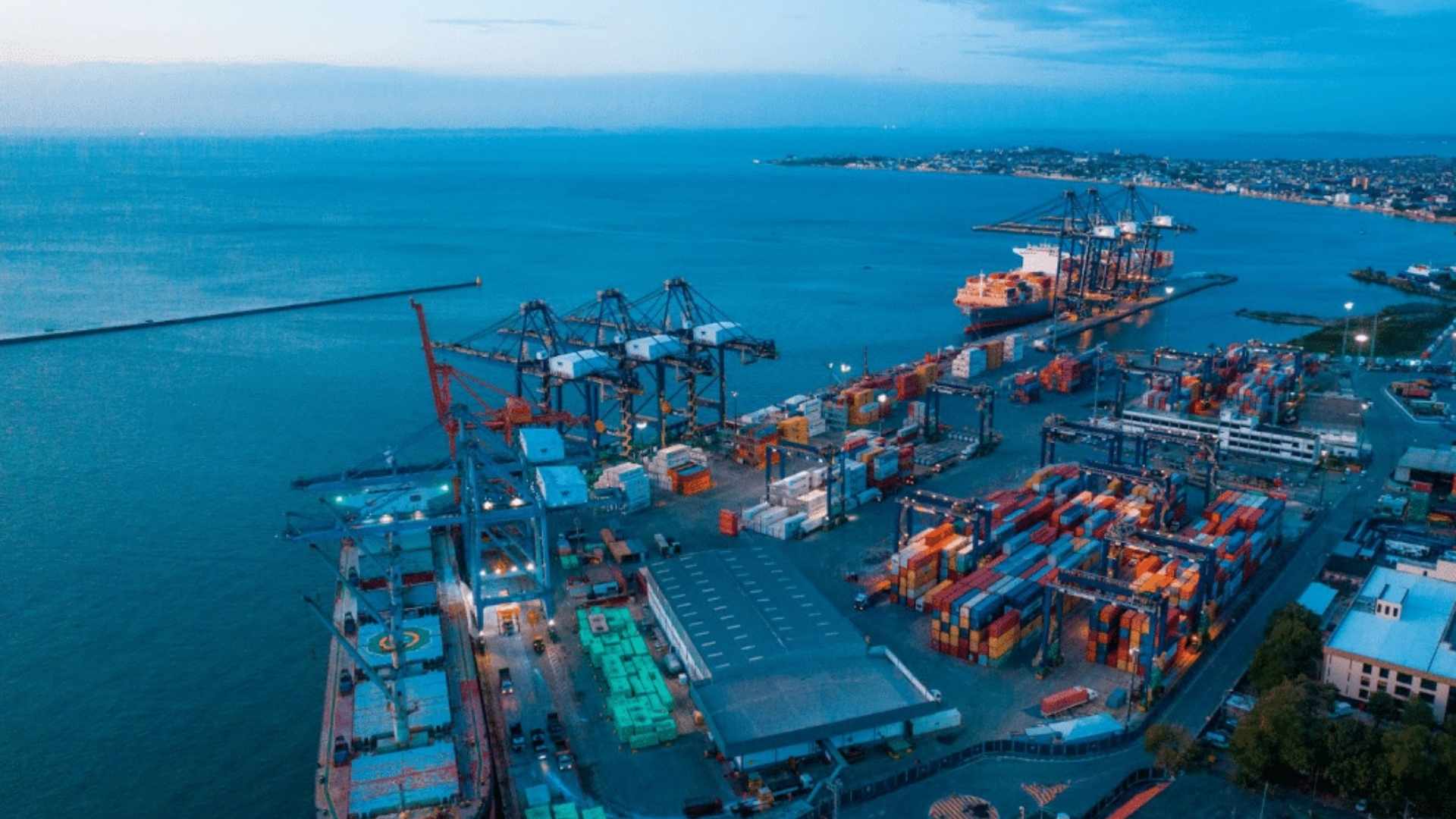
China’s world-class infrastructure and ports play a crucial role in keeping manufacturing costs low. China operates the world’s most efficient and connected port infrastructure, featuring 11 of the top 100 ports globally and a high density of automated, low-carbon container terminals.
Shanghai Port, the busiest container port in the world, handled over 50 million TEUs in 2024. Along with Ningbo‑Zhoushan, Shenzhen, and Qingdao, these ports ensure fast and efficient shipping from factories to global markets.
In addition, integrated with high-speed rail and extensive expressway networks, this logistics system reduces transportation and inventory costs, enabling manufacturers to move goods quickly and cost-effectively.
Economies of Scale
Chinese factories frequently operate on a massive scale, producing goods in huge volumes. This high-volume production significantly reduces the cost per unit, making mass production cheaper than in many other countries.
For example, industrial clusters in Guangdong and Zhejiang produce hundreds of thousands of garments each month. This allows manufacturers to spread fixed costs, such as machinery and R&D, over a high volume of units, reducing the production cost of a standard T‑shirt by 5–10 % compared with Vietnam or Bangladesh, and giving Chinese manufacturers a clear advantage in mass production
Hidden Costs That Reduce China’s Price Advantage
Manufacturing in China is often cheaper at the factory level, but the total cost can increase when hidden factors are included. These costs affect the final landed price and can reduce or eliminate the initial savings.
Below are some hidden costs that you should consider when manufacturing in China:
Tariffs and Trade Barriers
Tariffs are one of the most significant hidden costs when sourcing from China. Since 2018, the United States has imposed tariffs on a wide range of Chinese goods under Section 301, and it has significantly increased in 2024-2026. A series of increasing tariffs led to the U.S imposing a 145% tariff on Chinese goods, depending on product category. For instance, a product with a $10.00 unit price in China may effectively cost $12.5 to $14.5 once duties are applied at the port of entry.
These hidden costs can add 10% to 30% to the total cost, depending on the market and product category. For many importers, this directly increases the landed cost and reduces profit margins.
Shipping and Lead Time Costs
Ocean freight rates continue to show high volatility, with the World Container Index (WCI) reflecting spot rates for China-U.S. routes reaching as high as above $4,000–$5,000/FEU during 2025-2026 disruptions—triple the historical baseline. These spikes are often driven by increased fuel costs, blank sailings (cancelled voyages), and rerouting due to geopolitical tensions, which artificially constrain vessel capacity.
Beyond freight, long lead times of 35 to 45 days for Trans-Pacific routes impose a heavy “time tax” on importers. This delay mandates a 20-30% increase in safety stock levels, significantly raising Inventory Carrying Costs, which typically account for nearly 25% of total product value annually.
Quality Control and Compliance Costs
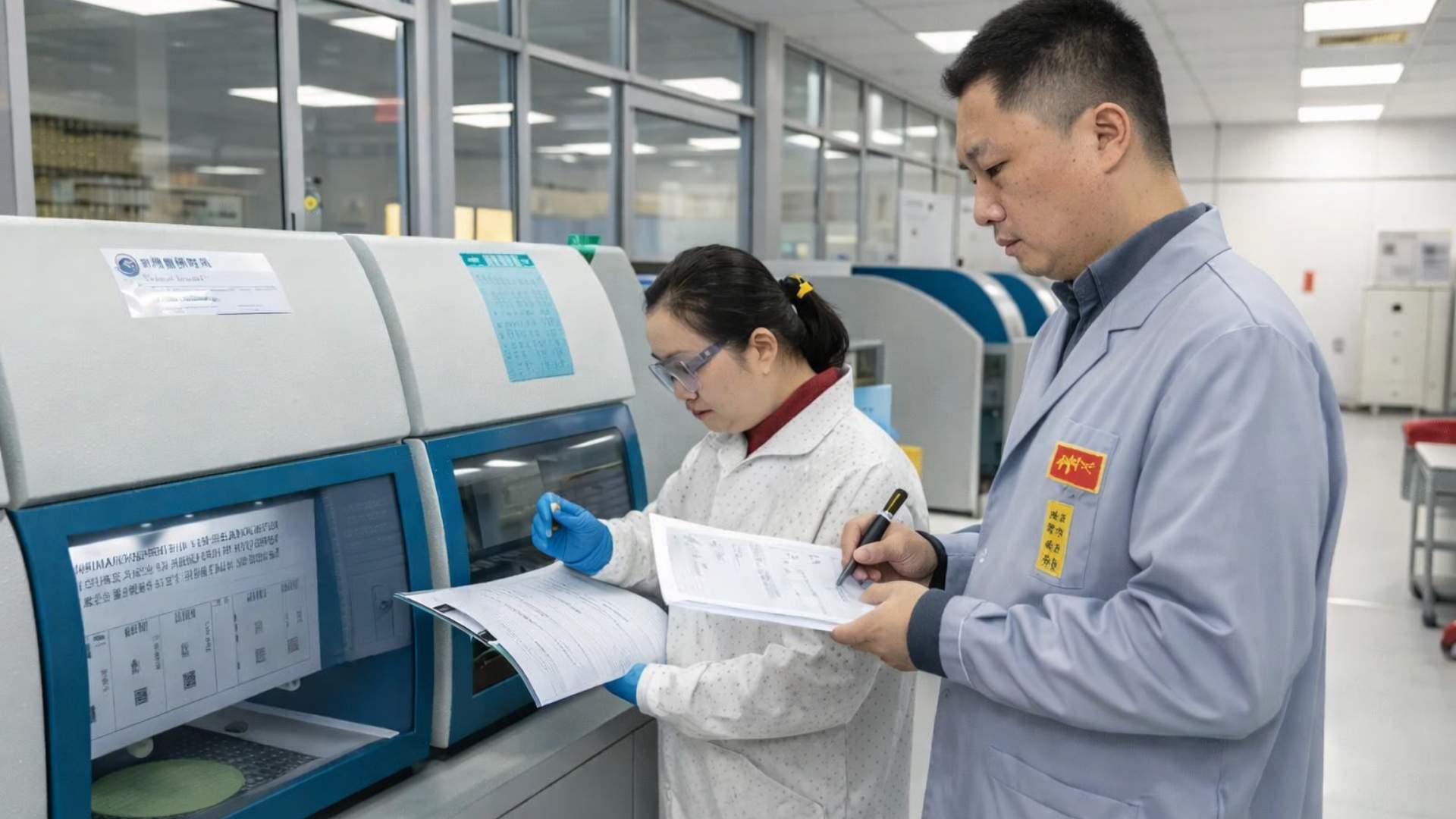
Third-party inspections typically cost between $200 and $400 per inspection, depending on the product and location. For large orders, multiple inspections may be required, increasing the total cost.
Compliance requirements such as product testing, certification, and labeling also add expenses. For example, products entering the United States or the European Union must meet strict safety and regulatory standards. These processes require documentation, testing fees, and sometimes factory audits.
Is China Still the Cheapest Option?
China is generally no longer the cheapest option for low-cost, labor-intensive manufacturing. However, it remains a “best value” option for high-efficiency manufacturing, large-scale production, and superior logistics.
| # | Criteria | When China Is Cheaper | When China Is Not Cheapest |
| 1 | Production volume | High-volume production reduces unit cost through economies of scale | Small orders increase unit cost due to fixed cost allocation |
| 2 | Product complexity | Strong advantage for complex products with many components due to the integrated supply chain | Simpler products can be sourced elsewhere at similar or lower cost |
| 3 | Lead time flexibility | Suitable for stable demand and long production planning | Not suitable for fast-changing markets that require quick turnaround |
| 4 | Best use case | Mass production, global distribution, complex manufacturing | Small batch production, fast delivery markets, tariff-sensitive regions |
Alternatives to China for Cost-Efficient Manufacturing
3. India
India is rapidly positioning itself as a primary alternative to China, offering significant labor savings and aggressive government incentives, albeit with some infrastructural trade-offs.
- Labor Cost Advantage: Manufacturing wages in India typically range from $1.00 to $2.00 per hour, nearly 70–80% lower than China’s average ($6.00+). This makes India highly competitive for manual-labor-heavy industries like textiles and basic assembly.
- Government Incentives: The Production Linked Incentive (PLI) schemes across electronics, pharma, and automotive sectors provide direct financial rewards based on output, effectively padding profit margins for large-scale manufacturers.
- Sector Strengths: Globally dominant in pharmaceuticals and textiles, with a massive push into electronics manufacturing to reduce import dependency.
However, infrastructure remains a challenge. Weak last-mile connectivity and fragmented transportation networks reduce logistics efficiency. Port operations are also slower. The average port turnaround time in India is about 3.5 days, compared to around 1.5 days in China. This gap increases delays and reduces supply chain reliability.
2. Mexico
Mexico is the premier alternative for companies serving the North American market, where higher factory-level costs are often offset by drastic savings in logistics and tariffs.
- Labor Cost Dynamics: Manufacturing wages average $4.00–$6.00 per hour, placing Mexico on par with or slightly below China’s industrial regions. While not a “low-cost” leader like Vietnam, Mexico remains highly competitive for skilled labor.
- Mature Logistics: Shipping to the U.S. takes 2–7 days via truck or rail, compared to 20–40 days via ocean freight from China. Shorter lead times significantly reduce inventory holding costs and improve cash flow, allowing businesses to pivot quickly to market shifts.
- Trade Advantages: Most goods enter the U.S. with zero or reduced tariffs, bypassing the 25%–145% Section 301/122 duties currently hitting Chinese exports.
- Industry Strengths: Deeply integrated into North American supply chains for Automotive, Aerospace, Electronics, and Home Appliances.
For B2B buyers, Mexico is best suited for nearshoring strategies. It is a strong choice when speed, flexibility, and tariff reduction are more important than the lowest factory price.
1. Vietnam
Vietnam has emerged as a strong alternative for cost-sensitive manufacturing, offering a strategic balance of low labor costs and favorable trade terms.
- Labor Cost Advantage: Manufacturing wages in Vietnam range from $0.70 to $1.00 per hour. This is significantly lower than China’s average, which now often exceeds $6.00 per hour.
- Tariff Benefits: Vietnam leverages major trade agreements like EVFTA (removing up to 99% of duties with the EU) and CPTPP. These pacts drastically reduce landed costs compared to the high tariffs currently facing Chinese goods.
- Buyer Flexibility: Vietnamese suppliers often accept lower Minimum Order Quantities (MOQs) than Chinese mega-factories, making it ideal for SMEs or mid-market product testing.
- Industry Strengths: Proven excellence in textiles, footwear, furniture, and electronics assembly. In 2024, Vietnam’s total exports reached over 405 billion USD, showing consistent growth and increasing global integration.
Despite these advantages, Vietnam still has limitations. The supplier base is smaller than in China, which can limit sourcing options for highly specialized or complex products.
For B2B buyers, Vietnam is a strong sourcing option when the goal is to reduce labor costs, benefit from trade agreements, and build a more diversified supply chain.
Conclusion
Manufacturing in China is still cheaper in many cases, but the gap is no longer as large as it used to be. The cost advantage comes from a combination of factors. Lower labor costs, economies of scale, government support, and a highly integrated supplier network all contribute to competitive pricing. These strengths allow China to deliver consistent production at scale, especially for complex or high-volume products.
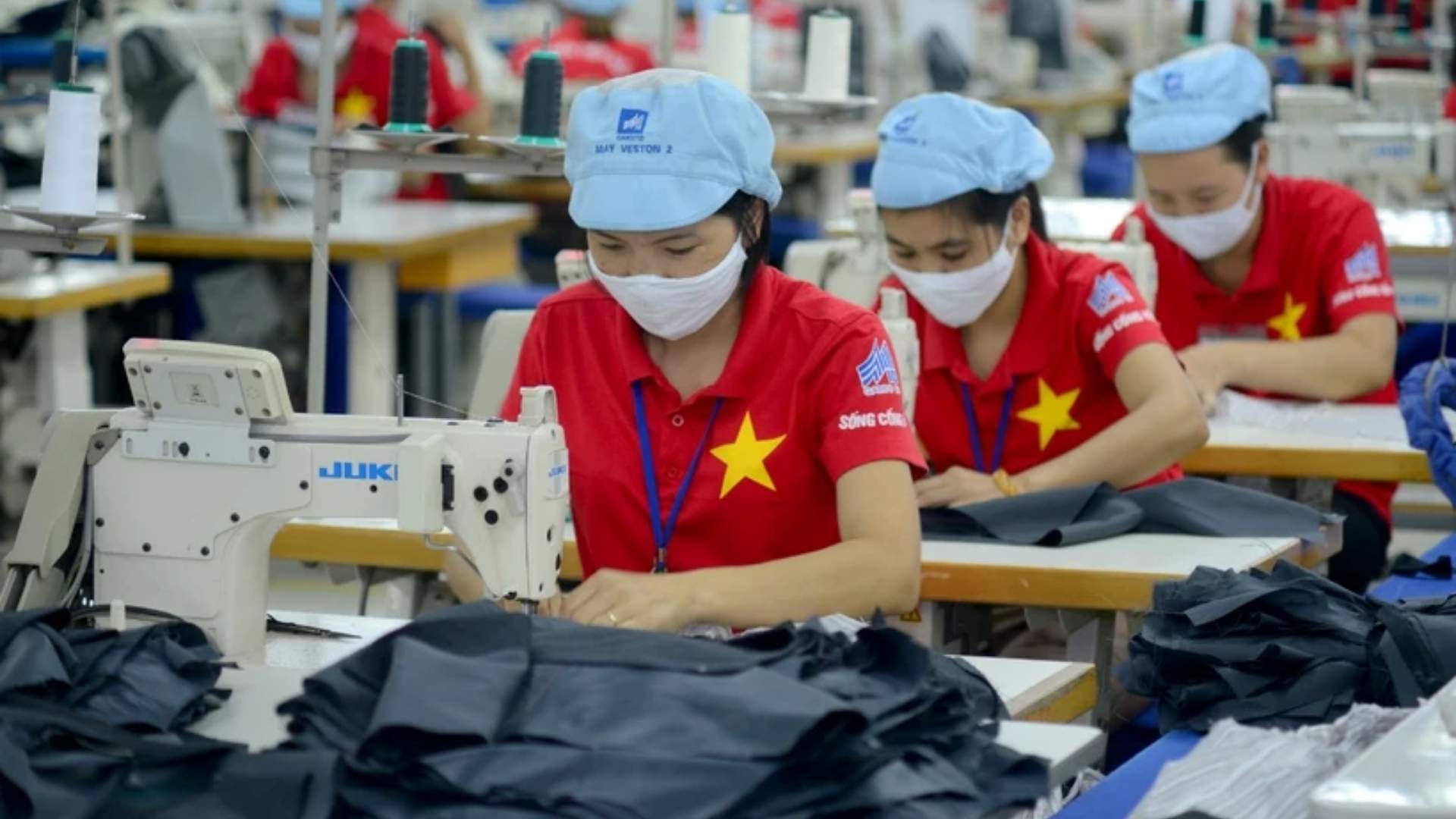
As global businesses shift their supply chains to reduce tariff exposure and geopolitical risk, Vietnam has become a leading “China Plus One” destination for manufacturing diversification. This is driven by its proximity to China, competitive labor costs, and a strong network of trade agreements.
Partnering with a local expert can simplify the complexity of cross-border sourcing. VinaSources connects global buyers with pre-vetted, high-quality Vietnamese manufacturers, helping you navigate everything from supplier selection to quality control.
Get in touch with our sourcing experts today:
- Email: [email protected]
- Phone: 19004356