
Importing slippers from Vietnam has become a practical choice for global buyers seeking competitive prices and reliable quality. However, many buyers struggle with finding trustworthy manufacturers and managing the import process efficiently.
This guide provides a clear overview of how to find reliable Vietnamese suppliers and import slippers efficiently, including handling customs clearance and managing shipping. Following these steps will help ensure that your products arrive in the destination country smoothly and on schedule.
Overviews of the global slippers market
Slippers are becoming increasingly popular because of their comfortable and lightweight design. Today, people of all ages choose them as a versatile option for home, leisure, and casual outings. In addition, their growing availability in different colors, patterns, and designs allows consumers to choose slippers that reflect personal style while maintaining practicality and comfort.
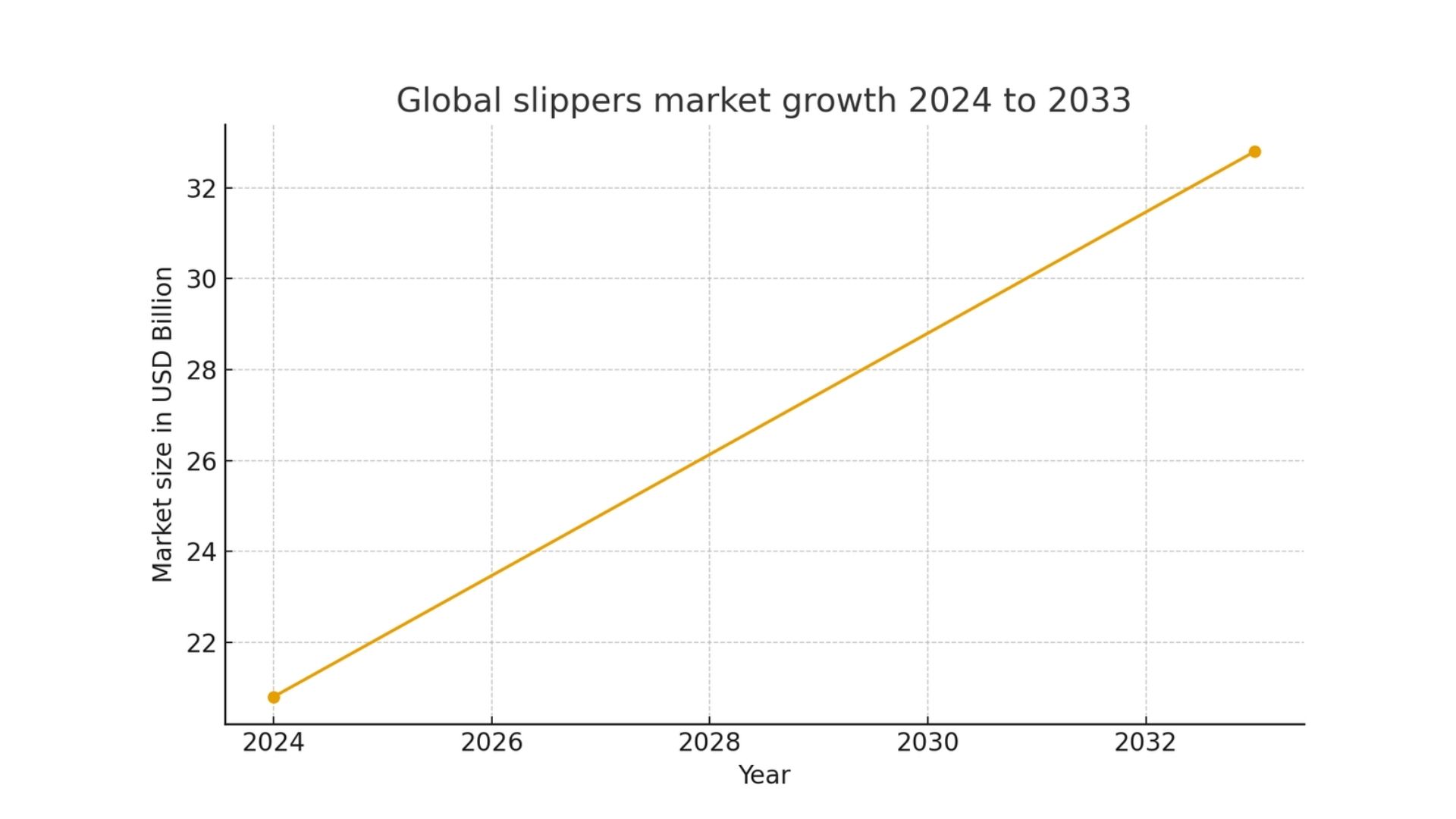
The global slippers market was valued at USD 20.8 billion in 2024 and is expected to grow steadily. With a Compound Annual Growth Rate (CAGR) of 5.2% from 2025 to 2033, the market is projected to reach USD 32.8 billion by 2033.
Why is Vietnam a strong supplier of slippers
Over the past few decades, Vietnam has developed into a major hub for footwear manufacturing. Today, it ranks as the world’s third-largest footwear producer and the second-largest exporter, second only to China.
Below are some key factors that explain why Vietnam has become a preferred supplier of slippers and why global buyers are increasingly sourcing from the country.
-
Low labor cost
One of the core competitive advantages of Vietnam’s footwear industry is its labor cost. Compared with many major manufacturing countries, Vietnam offers substantially lower wages while maintaining acceptable productivity and quality. Labor expenses in Vietnam are currently less than 25% of the global median wage, giving slipper buyers a significant cost advantage. With production costs kept low while still maintaining consistent quality, Vietnam has become an ideal sourcing destination for importers looking to increase margins without sacrificing reliability.
-
A plentiful, skilled workforce
Vietnam benefits from a large and experienced labor pool engaged in footwear production. According to industry data, the footwear sector in Vietnam employs 52.4 million people, with approximately 1,000 established shoe manufacturers.
Besides, Vietnamese workers are also known for their technical expertise, attention to detail, and years of hands-on experience in export-oriented factories. This makes it easier for buyers to source slippers that consistently meet international quality standards.
The strong combination of scale and craftsmanship allows factories to handle complex designs and high-volume orders with consistent quality.
-
Free trade agreements
Vietnam joins major trade agreements, which significantly boost its attractiveness for export-oriented footwear manufacturing. Some key agreements include EVFTA, CPTPP, and RCEP. Participation in trade frameworks gives global importers access to lower tariffs in major markets.
This means slippers made in Vietnam can reach key markets with reduced import duties and favorable export conditions. For importers, this means that better landed costs and fewer trade barriers.

What types of slippers can you import from Vietnam
There are many types of slippers that you can import from Vietnam, but the most common ones are:
-
House slippers
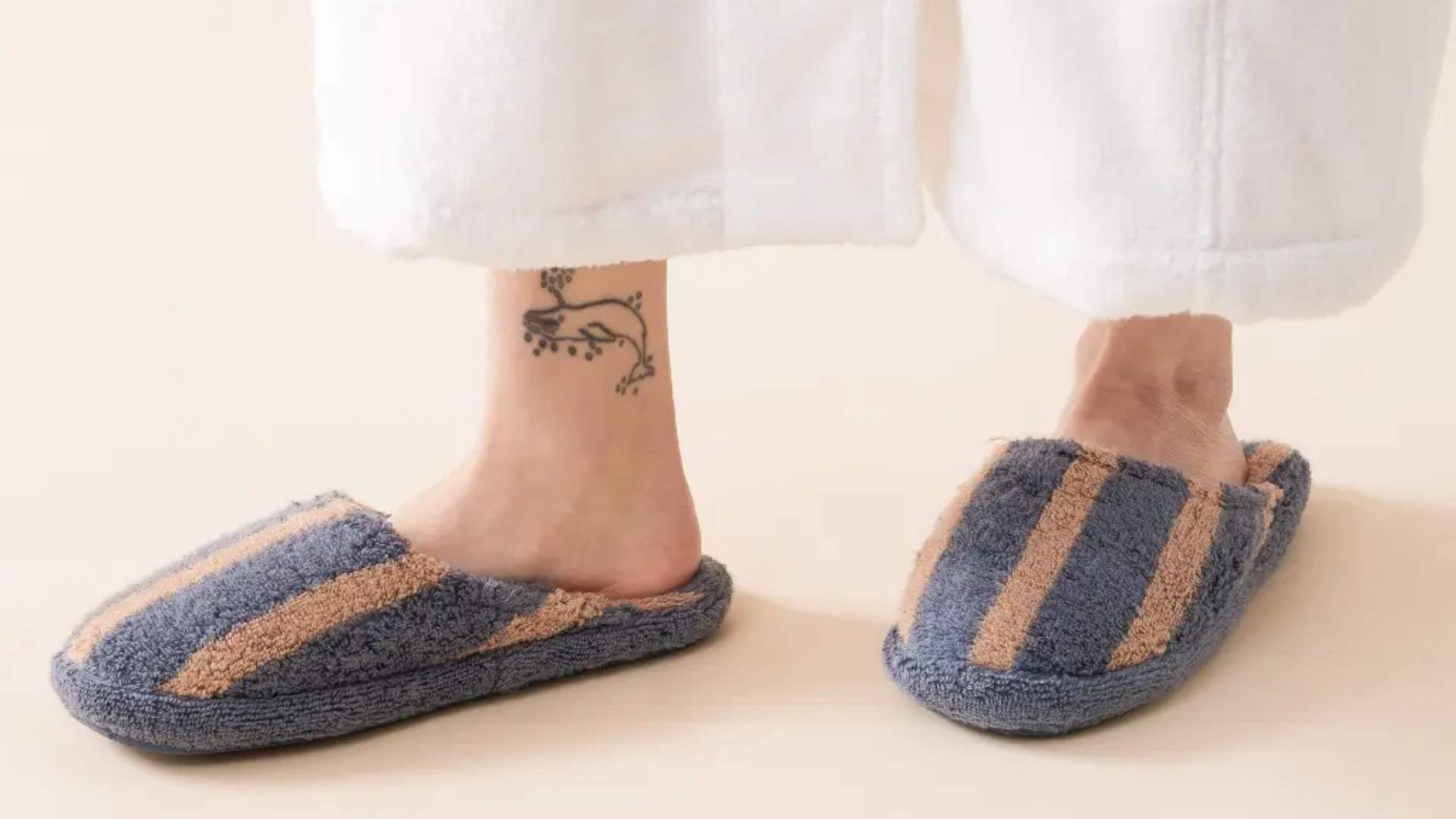
House slippers are designed specifically for indoor wear. They are usually made from soft materials such as cotton, fleece, wool, or microfiber, which keeps them lightweight and comfortable for daily use.
-
Flip flops
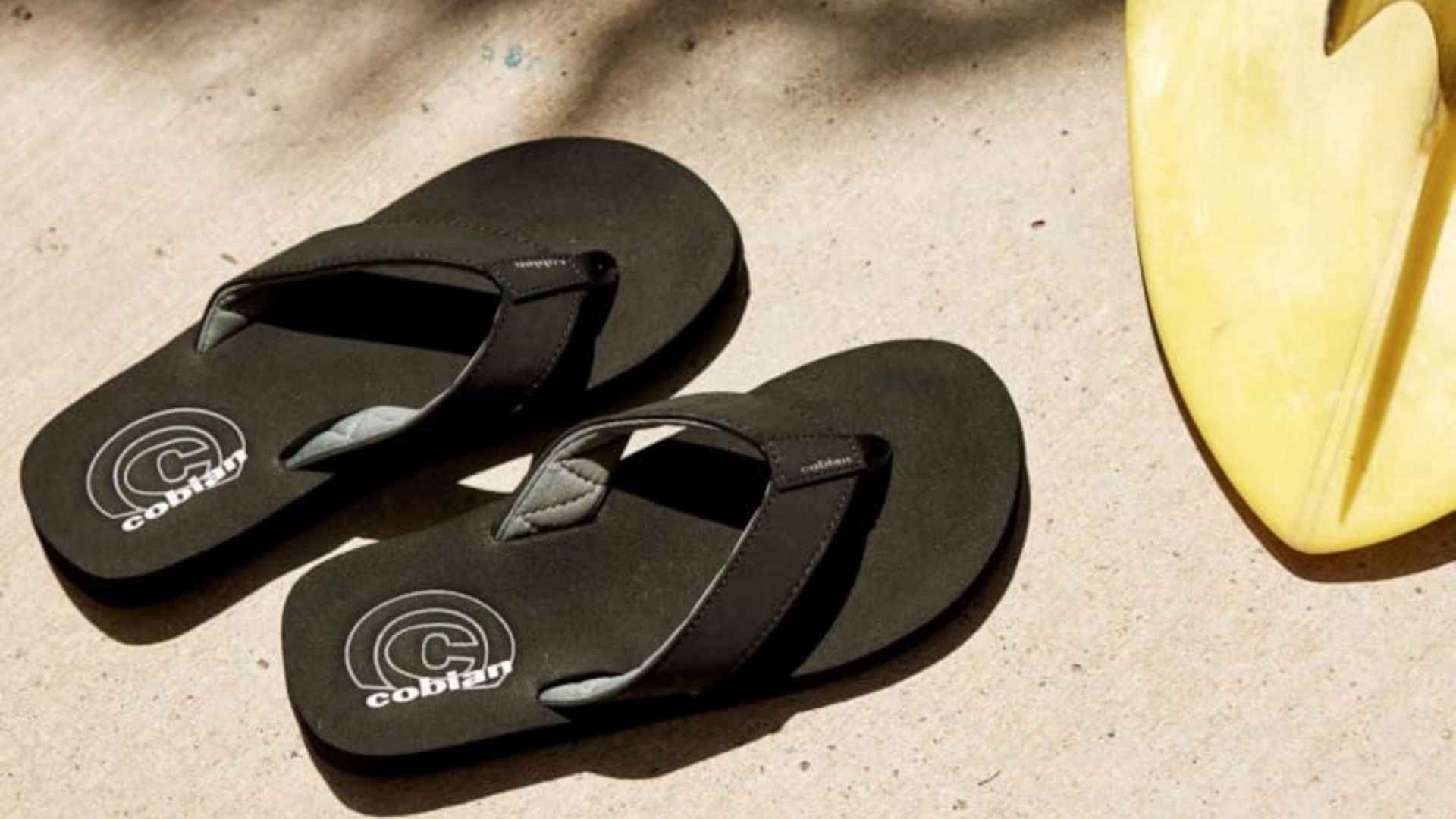
Flip flops are known for their simple Y-shaped strap and open-toe design. They are lightweight, easy to clean, and often made from rubber or ethylene-vinyl acetate (EVA). Their breathable structure makes them widely used for casual outings, beaches, pools, and quick everyday errands.
-
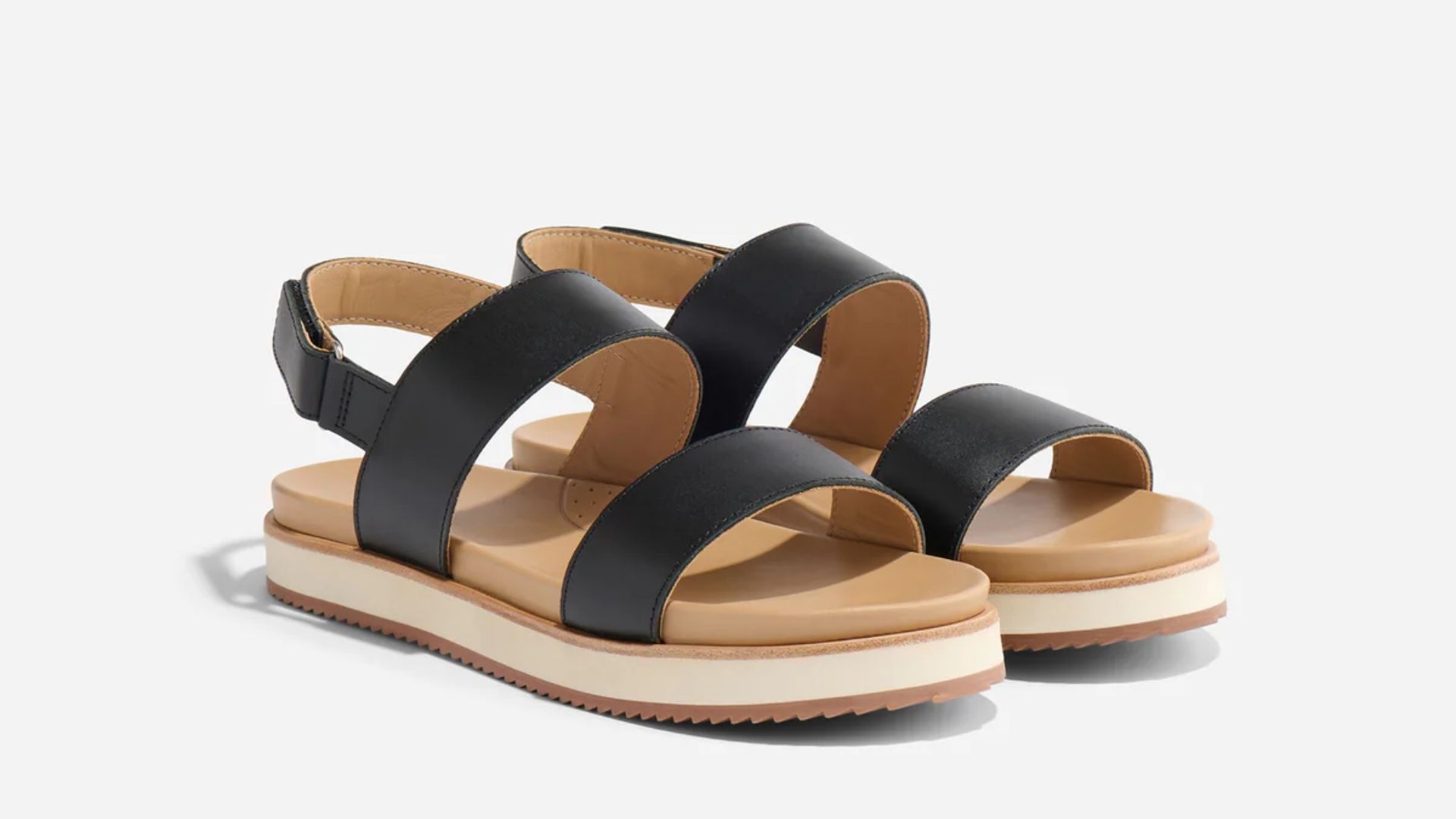
Sandals
Sandals are open-toed footwear that often include adjustable straps and durable soles. They expose most or all of the feet, creating a cool and comfortable feeling that is especially suitable for hot and humid weather.
The soles of sandals can be made from materials such as rubber, leather, or wood. The straps are commonly made from fabric, leather, or plastic, allowing for a wide range of styles and colors. This variety makes sandals suitable for both casual outfits and active daily use.
-
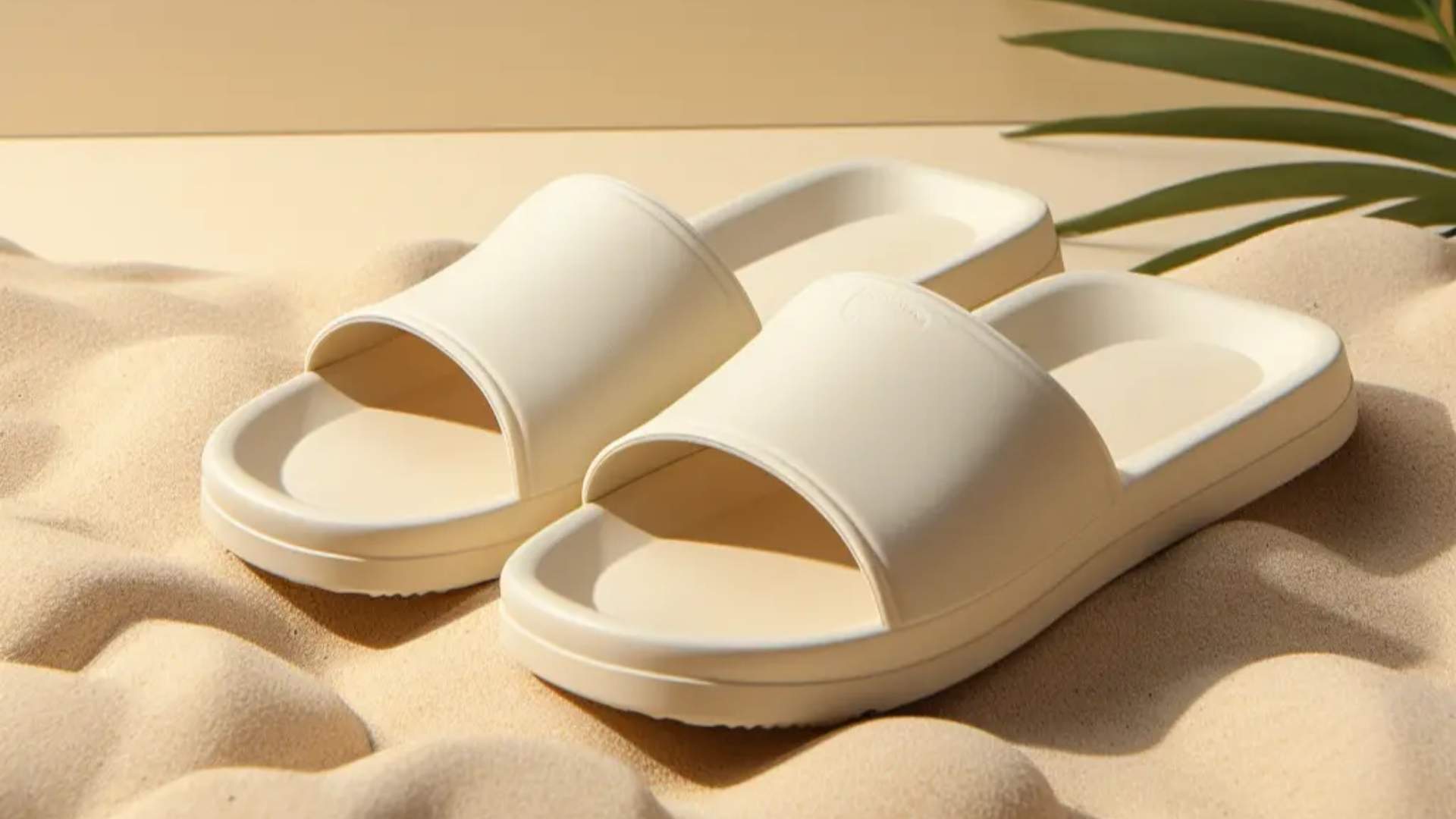
Slides
Slides are similar to flip flops, but they feature a single wide strap across the foot and an open back for easy slip-on convenience. They are commonly made from EVA, rubber, or synthetic materials, offering quick comfort and effortless wear. Slides are easy to wear and available in many designs and colors, making them suitable for both indoor and outdoor use.
How to import slippers from Vietnam
If you want to import slippers from Vietnam, following a structured process will help you reduce risk, control costs, and ensure timely delivery. Below is a step-by-step guide from initial supplier research through to customs clearance and shipping.
-
Research suppliers
The first step in importing slippers from Vietnam is to identify reliable and export-ready manufacturers. You can start your search through multiple sourcing channels, such as international trade shows, online B2B platforms, and local sourcing agents.
When evaluating potential suppliers, make sure to review essential criteria such as:
- Factory size and production capacity: confirming whether the manufacturer can meet your required order volume, even in peak seasons.
- Past export experience: suppliers with established export records are typically more familiar with documentation, compliance standards, and international product requirements.
- Certifications: look for essential compliance documents such as ISO 9001:2015 for quality management, OEKO-TEX® Standard 100 for chemical safety, GOTS for organic material sourcing, and other certificates depending on the destination country regulations. These certifications help verify product safety, sustainability, and consistent manufacturing systems.
-
Evaluate samples
After shortlisting suppliers, requesting samples before placing bulk orders is essential. Samples help you assess materials, workmanship, sizing accuracy, comfort, and overall finish.
When the slippers arrive, check the quality of the soles, cushioning, stitching, and general durability. Examine every detail carefully to ensure the product matches your expectations and the specifications you discussed.
If you notice any issues, provide clear feedback to the supplier, such as adjusting the sole thickness, improving the material quality, or correcting the sizing.
Keep in mind that not all suppliers offer free samples. Some will charge a sample fee, and others may require shipping costs. Therefore, you should confirm sample pricing and lead time before making a request.
Once the sample quality meets your standards, you can continue to the negotiation stage.
-
Negotiate terms
Once you have reviewed samples and confirmed that a supplier can meet your slipper specifications, the next step is to negotiate clear, measurable, and enforceable terms. This phase is essential because it directly affects cost control, delivery reliability, and long-term supplier performance.
Your negotiation should cover all critical aspects of the order, including:
- Product specifications: Confirm materials, outsole type, weight, stitching quality, packaging, labeling requirements, and any testing standards required by your target market.
- MOQ: Verify the minimum production volume.
- Pricing: Request a complete price breakdown, including materials, labor, packaging, and FOB cost.
- Payment terms: Specify accepted payment methods and currency.
- Production timeline: Define production stages and expected completion dates.
- Lead time: Confirm the supplier’s estimated lead time.
- Shipping terms (FOB, CIF, EXW): Clarify responsibilities for freight, insurance, and documentation.
- Penalties for delays or defective products: Include compensation terms, rework obligations, or refund conditions.
After both parties reach an agreement, you must sign a Purchase Order (PO), which serves as a legally binding document. This contract must outline all negotiated points with measurable criteria and deadlines.
In most cases, suppliers will request a 30-50% upfront deposit, with the remaining amount paid before loading or after quality inspection results are confirmed.

-
Control production quality
Quality control is one of the most important steps when importing slippers from Vietnam. Even though Vietnam is a major footwear exporter with strong production capabilities, you still need a clear system to ensure consistent quality and catch issues early.
You should schedule an on-site check when around 20-30% of production is completed. This allows you to verify whether the factory is adhering to your approved samples and specification sheet before full-scale production continues.
You should request real-time photos and videos from the supplier to monitor the production. If you import slippers remotely, you can hire a third-party inspection company to conduct a factory visit on your behalf. This additional layer of control reduces the risk of receiving defective products and is especially useful for large orders or high-value backpack models.
-
Handle customs clearance
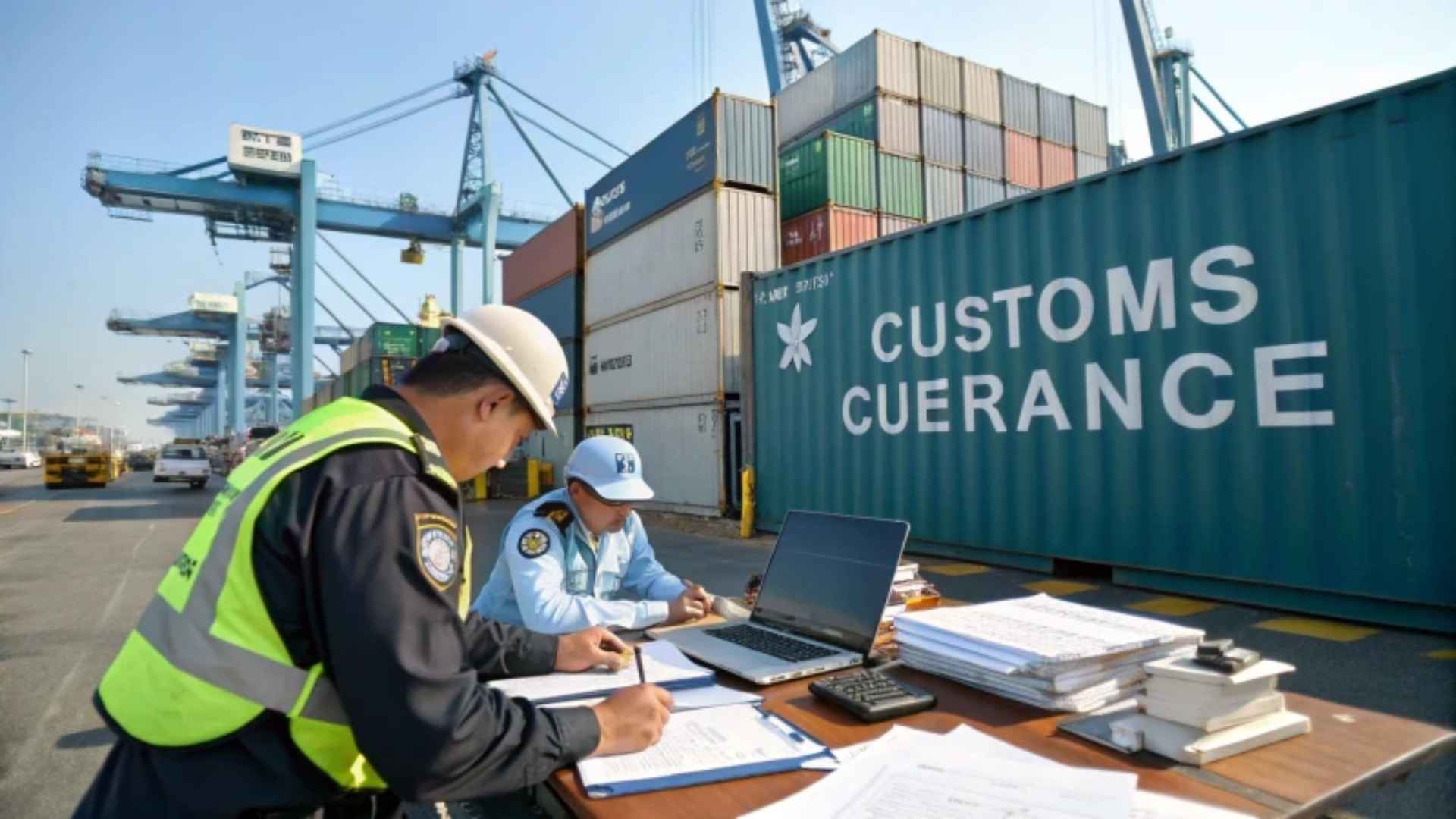
Slippers exported from Vietnam must comply with Vietnamese export regulations as well as the import requirements of the destination country. To avoid customs delays, penalties, or shipment holds, you need to prepare all documents accurately.
Key documents you must prepare include:
- Bill of lading
- Certificates of Origin (C/O)
- Packing list
- Commercial Invoices
- Packing Declaration
You can hire a freight forwarder or customs broker to ensure all paperwork is prepared correctly and submitted on time.
-
Taxes and import tariffs
Slippers are subject to various taxes, and tariff rates differ depending on the importing country.
One major advantage when importing slippers from Vietnam is access to free trade agreements such as EVFTA, CPTPP, and RCEP. These agreements often grant preferential tariff rates for eligible footwear. This can significantly reduce overall import costs compared to sourcing from countries without such trade treaties.
To benefit from these agreements, ensure your slippers are classified under the correct HS code and obtain a Certificate of Origin (C/O) from your supplier.
Additionally, be sure to check for other taxes applicable in your destination market, such as VAT, GST, or sales tax in your destination country.
-
Manage shipping
Finally, organize your shipping logistics. For large orders of slippers, sea freight is usually the most cost-effective method. For smaller or urgent shipments, air freight may be an alternative, although the cost will be significantly higher.
Selecting the right method will help you balance cost and speed of your orders.
Where to find reliable Vietnamese slipper suppliers
Below are the three most common and effective ways to locate reliable slipper manufacturers in Vietnam.
-
Trade shows
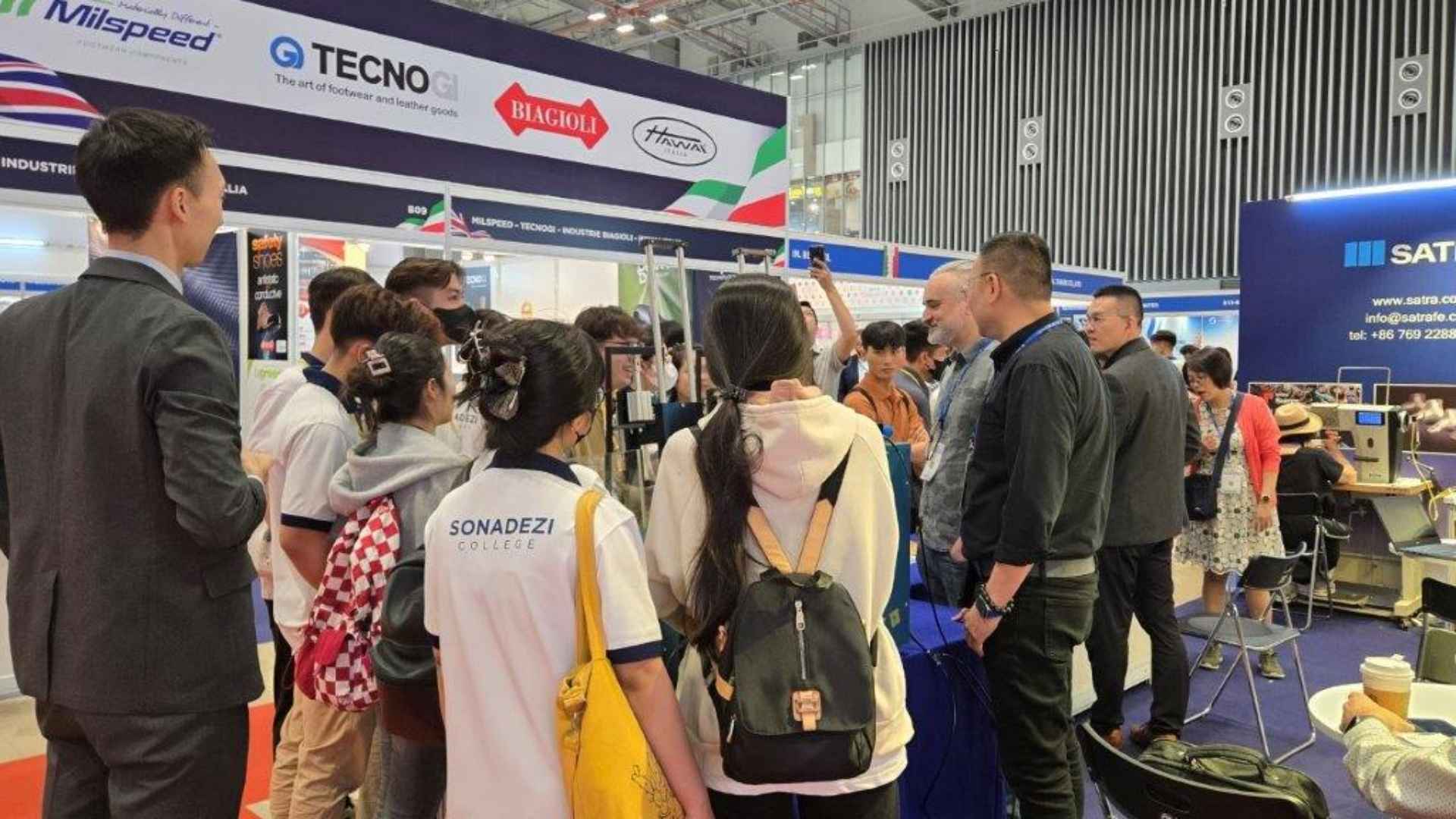
Attending trade shows is one of the most effective ways to meet suppliers face-to-face and review slipper samples directly. Trade fairs allow buyers to compare materials, examine craftsmanship, negotiate pricing, and understand a factory’s production capability.
Below are some major trade events relevant to footwear importers:
Shoes & Leather – Vietnam: This exhibition is one of the key promotional events for the footwear and leather industry in Vietnam. It allows international buyers to meet manufacturers, discuss cooperation, and explore new product lines, including slippers. The 2026 edition will take place from 8 to 10 July 2026 at SECC, Ho Chi Minh City.
Vietnam EXPO: It is the country’s oldest and largest trade fair. It features dedicated exhibition areas for electronics, textiles, fashion, and consumer goods. Many footwear manufacturers, including suppliers of slippers and canvas shoes, participate in expanding their export presence. In 2025, the fair featured more than 600 booths and welcomed over 400 businesses from 16 countries.
Most major trade fairs publish full details on their official websites, including dates, exhibitor lists, registration steps, and venue information. You should also check industry news portals or subscribe to event newsletters to get the latest updates about upcoming footwear and sourcing exhibitions.
-
Online B2B platforms
Online sourcing platforms are one of the fastest ways to find Vietnamese suppliers. They allow you to compare several manufacturers at once and explore multiple slipper styles.
Several well-known B2B platforms provide access to verified factories:
- Alibaba: Alibaba hosts a large database of footwear suppliers, covering slippers, canvas shoes, fabric shoes, and other categories. Buyers can use filters, trade assurance, and supplier verification features to evaluate manufacturers.
- VinaSources: VinaSources serves as a bridge that connects global buyers with verified, export-ready footwear suppliers in Vietnam. The platform is especially useful and saves time for users because it allows them to filter manufacturers by product type and material.
- Global Sources: Global Sources is widely used and well-regarded because of its strict supplier evaluation process. The platform features curated and verified listings, allowing buyers to connect with reputable slipper factories.
-
Sourcing agents
Sourcing agents is an effective option, especially for global buyers who prefer hands-on support or lack experience in the Vietnamese market. These professionals will help identify reliable suppliers, negotiate prices, and manage shipping and logistics.
In Vietnam, there are several reputable sourcing companies serving diverse product categories such as footwear, textiles, apparel, etc.
Cosmo Sourcing
Cosmo Sourcing was established in 2012 in Hong Kong and expanded its operations to Vietnam in 2014. The company provides full sourcing services, including supplier vetting, sample coordination, factory visits, quality control oversight, and full logistics support.
- Headquarters: Lot C17, Hung Vuong Boulevard, Hoa Phu Ward, Thu Dau Mot City, Binh Duong Province.
- Website: www.cosmosourcing.com
Vietnam B2B Direct
Vietnam B2B Direct is based in Ho Chi Minh City and has more than 21 years of experience sourcing products across Vietnam. The company works with a wide network of reliable factories and provides end-to-end support for international buyers. Their services include product sourcing, pricing negotiations, production oversight, and document management. They cover multiple product categories such as shoes, apparel, electronics, backpacks, and machinery.
- Headquarters: 2A / 20 Bach Dang Street, Ward 2, Tan Binh District, Ho Chi Minh City, Vietnam.
- Website: www.vietnamb2bdirect.com
Typical MOQ, lead time for importing slippers from Vietnam
When sourcing slippers from Vietnam, minimum order quantities (MOQs) and lead times are important factors you should consider. They vary between suppliers and depend on the style, design complexity, and level of customization.
Typical MOQs for slippers range from 200 to 1,000 pairs per style, and standard lead times are 25 to 45 days, though they may be longer during peak seasons or for more complex designs.
Below is a table showing typical MOQ and lead times for common slipper types:
| # | Type of slippers | MOQ (pairs) | Lead time (days) |
| 1 | Slides | 200 | 15-20 |
| 2 | Flip flops | 300 | 25-35 |
| 3 | House slippers | 500 | 30-45 |
| 4 | Sandals | 300 | 30-35 |
Why choose VinaSources to find the best slipper suppliers in Vietnam
VinaSources is a Vietnam-focused B2B platform designed to help global buyers connect with verified, export-ready manufacturers. With more than a decade of hands-on experience in cross-border eCommerce and supply chain operations, the platform provides global buyers a structured, trustworthy environment to source slippers and other footwear products with confidence.
Every supplier on VinaSources is carefully vetted to ensure they meet strict requirements for production capability, transparency, and export readiness. Each factory profile includes essential information such as product specifications, production images, certifications, capacity details, and contact data, giving buyers everything they need to evaluate suppliers before placing an order.
On VinaSources, you can explore a wide range of footwear designs, from house slippers and canvas flip-flops to leather sandals. The platform also provides easy-to-use filtering tools that allow buyers to search for manufacturers based on product type, materials, and design details.
Thanks to its curated supplier network and detailed factory data, VinaSources helps buyers shorten their sourcing timeline significantly. Instead of vetting hundreds of suppliers, buyers can use the platform to compare verified slipper manufacturers, review production capabilities and certifications, and request quotations directly.
Buyers who want to import slippers can contact the VinaSources team directly at 1900.4356 or email [email protected] for personalized assistance.