

Are you ready to start importing sandals from Vietnam? For first-time buyers, sourcing directly from Vietnamese manufacturers can seem challenging due to the many steps involved, from selecting reliable suppliers to handling logistics and customs.
This complete guide will walk you through every stage of the process, providing practical tips and insights to help you confidently import high-quality sandals from Vietnam and streamline your sourcing journey.
Overview of the global market for sandals
Sandals are one of the most common types of footwear, typically featuring a narrow thong that passes between the first and second toes and an arch strap or ankle strap for support. Their simple design, combined with evolving trends, has made them highly popular, especially in tropical and urban regions where consumers seek both fashion and ergonomic comfort.
The sandals market is currently undergoing a rapid transformation, driven by changing consumer preferences and sustainability trends. There is a growing demand for lightweight, comfortable, and eco-friendly materials, reflecting a shift toward more sustainable and functional footwear.
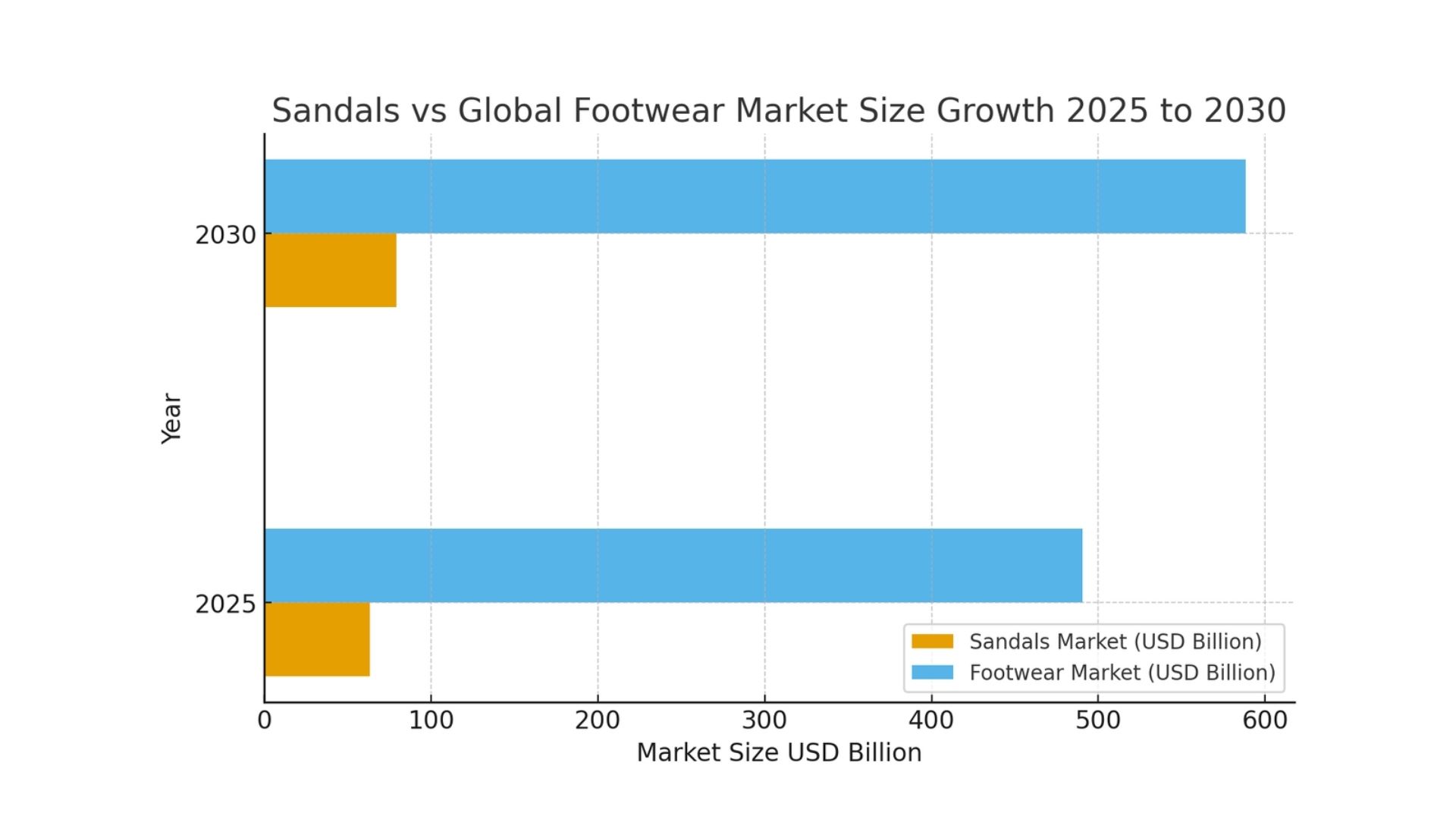
The sandals market is projected to grow from USD 63.17 billion in 2025 to USD 79.22 billion by 2030, representing a compound annual growth rate (CAGR) of 4.63%.
Why Vietnam is a Strong Source for Sandals
Vietnam is a strong source of sandals for several reasons.
-
Strong manufacturing base
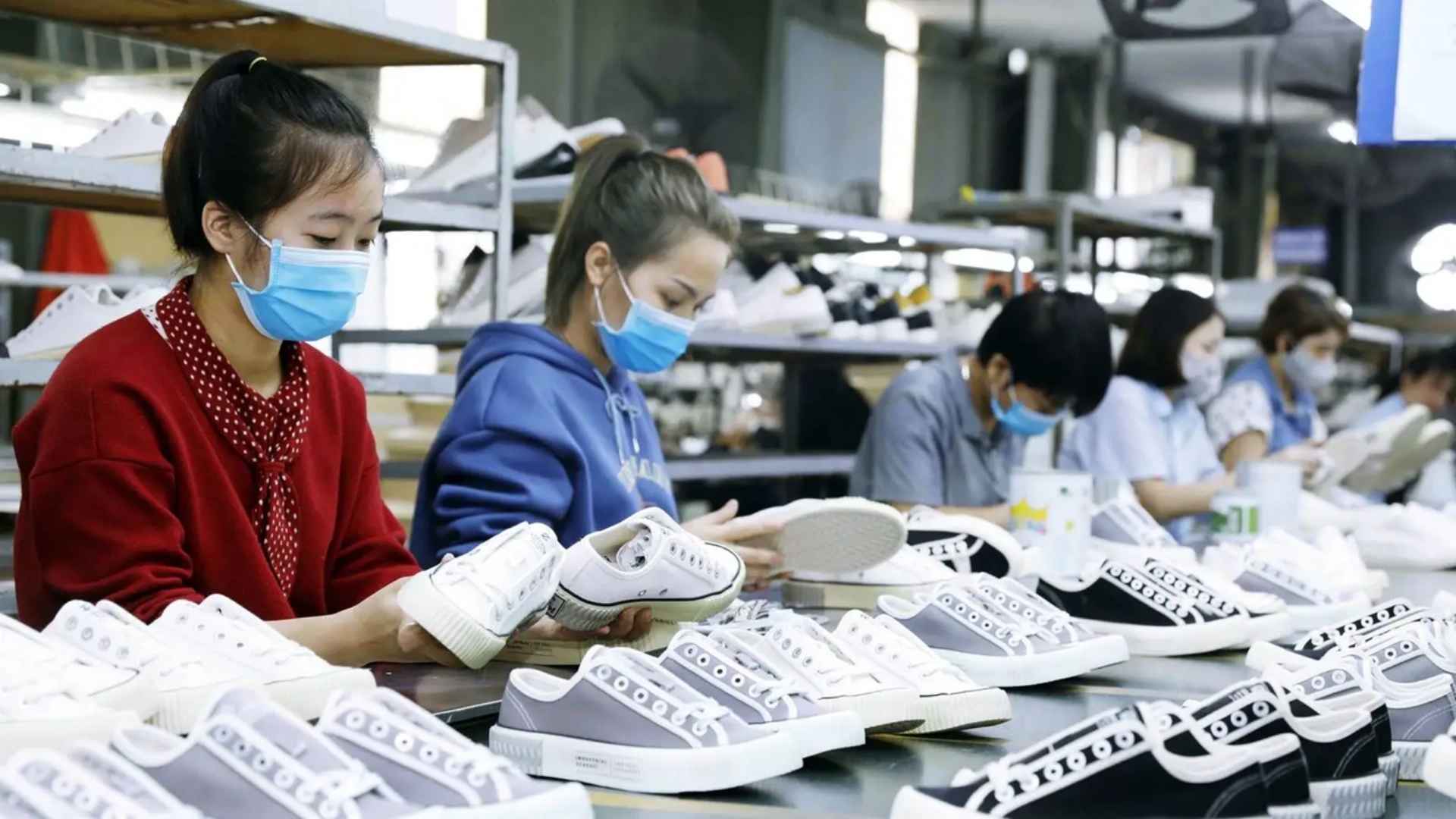
Vietnam has built a large and reliable footwear industry, producing a wide range of categories, including loafers, canvas shoes, fabric shoes, and rubber footwear. The country currently hosts around 1,000 footwear factories, many of which regularly fulfill high-volume orders for major markets such as the United States and the European Union.
With approximately 52.4 million footwear workers (according to the General Statistics Office of Vietnam) and an annual production of around 1.4 billion pairs of shoes, Vietnam ranks among the top three footwear producers and exporters globally.
Its skilled and abundant workforce plays a key role in sustaining Vietnam’s position as a leading global footwear exporter.
-
Competitive manufacturing cost
Vietnam’s cost structure is one of its strongest advantages. Labor cost in Vietnam is significantly lower than in many production countries. Vietnam’s current labor cost is approximately 3 USD per hour. Compared to China and Thailand, Vietnam’s average labor cost is approximately two times lower, which helps factories produce sandals at more competitive prices. This cost efficiency helps suppliers offer competitive pricing while maintaining stable quality control.
-
Transport networks
Vietnam’s geographic position strengthens its role as a sourcing hub. The country is located close to major Asian manufacturing centers, including China, South Korea, and Japan. This makes it easy for supply chain diversification and faster regional distribution for global buyers.
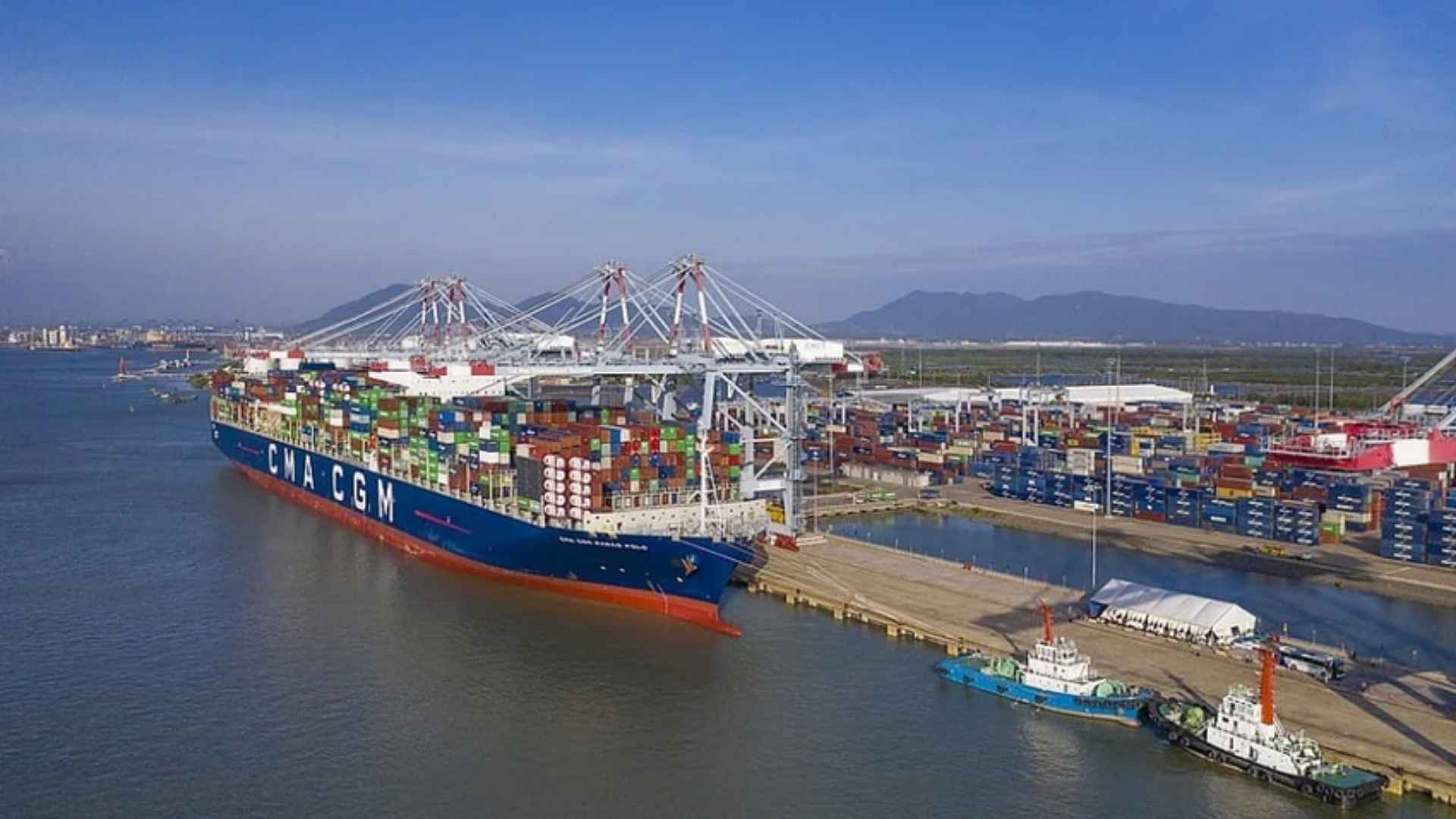
Besides, Vietnam also lies along important sea routes used for global trade, enabling efficient export operations to the United States, Europe, and other Asia Pacific markets.
This combination of strategic location and mature logistics infrastructure helps shorten transit times and ensures stable delivery schedules for sandal importers.
-
Favorable trade conditions
Vietnam benefits from major international trade agreements such as the EVFTA, CPTPP, and RCEP, providing significant advantages for global footwear buyers. These agreements help lower or even eliminate tariffs on many product categories and simplify customs procedures. For sandal importers, this translates into smoother cross-border processes and more competitive landed costs in key markets.
How to import sandals from Vietnam
-
Find a good supplier
Choosing the right supplier is the foundation of a successful sandal sourcing process. A reliable supplier can deliver consistent product quality, reasonable pricing, competitive lead times, and dependable overall results.
There are many ways and channels that you can find reliable suppliers, such as visiting trade shows, searching online through e-commerce platforms, or working with sourcing agents.
When you have a list of potential suppliers, you should conduct some factory audits to discover their capabilities, market strength, processes, and quality standards they follow.
Once you narrow down your list to at least 3 qualified suppliers, request official quotations from each of them. After receiving the quotes, compare their pricing, lead times, product specifications, and service terms. This will help you determine which supplier offers the best balance of cost, quality, and reliability. Choose the supplier that most closely meets your expectations and aligns with your sourcing goals.
-
Request samples
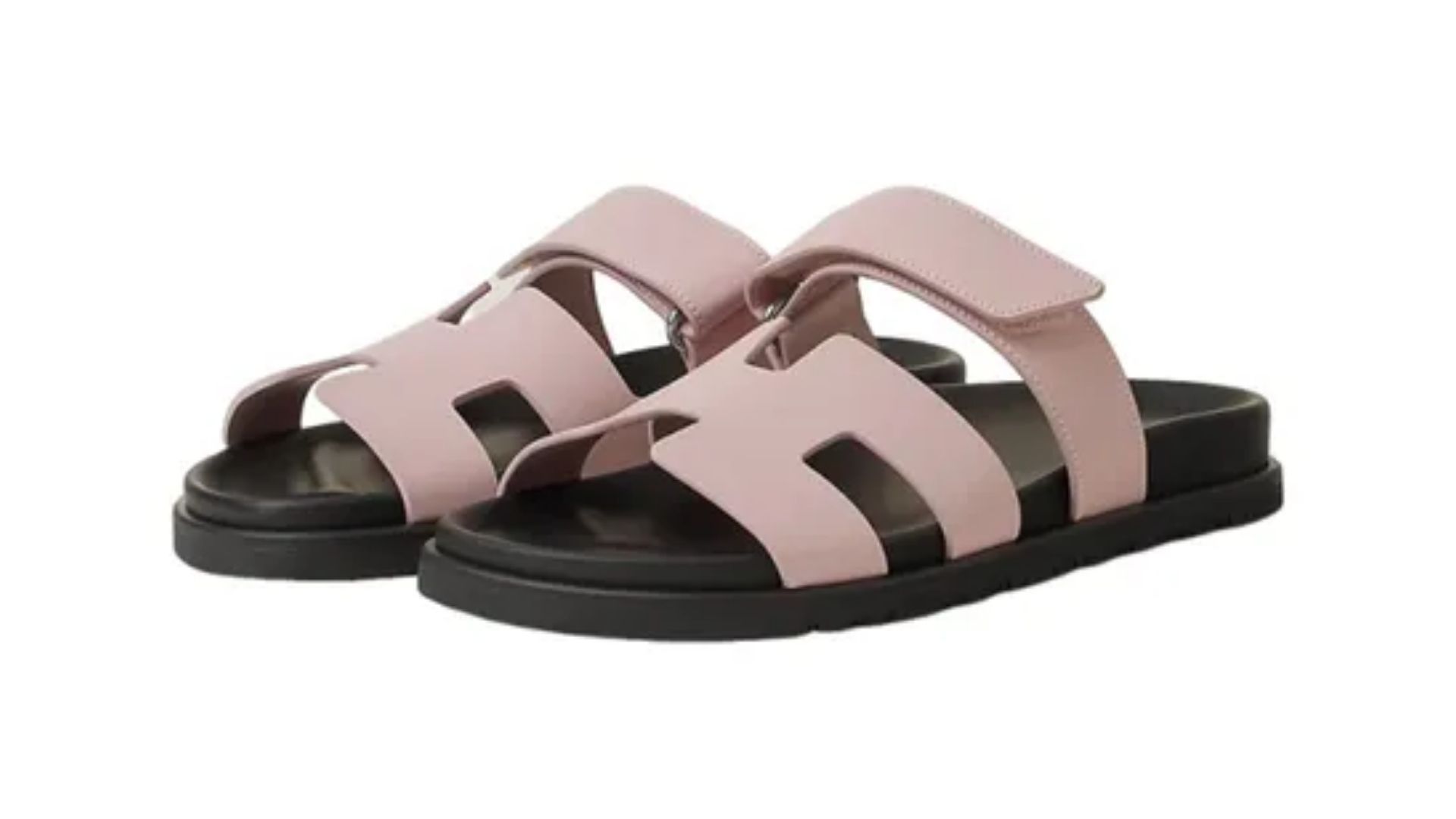
Ordering samples is a crucial step when sourcing sandals from Vietnam, as it allows you to verify the actual product quality before committing to bulk production.
When the samples arrive, you should carefully check several key aspects:
- The material of sandals
- Stitching accuracy
- Glue lines
- Sole bonding strength
- Durability under normal use conditions.
- Fit across different sizes, since shoe sizing standards vary by country; always test sizes for your target market.
- Packaging quality
After evaluating the samples, provide clear and detailed feedback to the supplier. If the samples meet your expectations, you can proceed with bulk production. If any adjustments are required, share specific revision notes and request an updated sample before finalizing the manufacturing contract.
-
Finalize contract terms
A contract is essential when importing sandals from Vietnam because it creates a legally binding agreement that defines responsibilities, protects both parties (the global buyer and the supplier), and ensures clarity during production and shipment
Key terms that should be included in the contract:
- Product specifications
- Production timeline, including start date, completion date, and penalties for late delivery
- Minimum order quantity (MOQs)
- Pricing terms, including price per pair, payment methods, and currency
- Trade terms (e.g, FOB, CIF, DDP), which will determine who is responsible for costs and risks during shipping
-
Pre shipment inspection
Pre-shipment inspection is a critical step to ensure the products meet your quality requirements before they leave the factory. Detecting defects at this stage helps you avoid costly returns, shipment delays, or disputes with the supplier once the goods arrive in your country.
A few crucial checkpoints for inspection include:
- Dimensions
- Visual inspection
- Color comparison
- Labels
- Material comparison
- Packaging materials
Conducting a professional third-party inspection or sending your own QC team significantly reduces risks and ensures the final shipment meets your expectations.

-
Prepare imported documents
To ensure your shipment clears customs smoothly, you must always prepare the proper customs paperwork in advance.
The key documents include:
- Packing list
- Commercial invoices
- Bill of lading
- Certificate of origin
- Purchase contract
You can hire a local customs clearance agent to handle the paperwork and ensure compliance with all regulations, helping to minimize delays and avoid unexpected costs.
-
Manage shipping
Shipping sandals from Vietnam can be arranged through several methods, depending on your budget, order size, and delivery timeline:
- Sea freight: A cost-effective method ideal for large shipments or bulk orders.
- Air freight: Faster than sea freight, making it suitable for smaller or urgent shipments.
- Land freight: Applicable when shipping to neighboring countries or via cross-border routes. It offers moderate cost and transit time depending on distance and infrastructure.
In addition to choosing the transport method, it is crucial to understand shipping terms (Incoterms), which define the responsibilities of buyers and sellers:
- EXW (Ex-works): The buyer is responsible for all transportation, export clearance, and shipping costs from the supplier’s factory.
- FOB (Free on board): The supplier delivers the goods to the port of shipment, and the buyer takes responsibility for freight, insurance, and import clearance.
- CIF (Cost, Insurance, and Freight): The supplier covers the cost, insurance, and freight to the destination port, while the buyer handles import clearance.
- DDP (Delivery Duty Paid): The supplier manages the entire shipping process, including duties, taxes, and delivery to the buyer’s location, offering maximum convenience for the importer.
Where to find Reliable sandals Suppliers
Finding trustworthy suppliers is a critical step in importing sandals from Vietnam. There are several methods to source suppliers, each with its own advantages and limitations. Below is a comparison to help you choose the most suitable approach for your business:
| Methods | Benefits | Drawbacks | Examples |
| Visit trade shows |
|
|
|
| Use online B2B e-commerce platforms |
|
|
|
| Partner with sourcing agencies |
|
|
|
Factors to consider while importing sandals from Vietnam
-
Supplier reliability
Unreliable suppliers can cause significant risks, including production delays, missed delivery timelines, unexpected costs, and quality issues. To minimize these risks, it is essential to conduct a comprehensive assessment of each supplier. This should include reviewing their company background, export history, certifications, production capabilities, and feedback from past customers.
Whenever possible, performing an on-site or third-party factory audit will give you a more accurate understanding of their operations, quality control processes, and overall reliability.
-
Customization
Most global buyers expect products that can match their brand identity. This relates to materials, colors, patterns, packaging, or logo placement. So, you need to find suppliers offering customization options. Choose a supplier offering ODM and OEM services.
-
Quality standard certificate
Quality standard certifications demonstrate to your target customers that your products meet internationally recognized safety and performance requirements.
Here are the key certificates and compliance standards you should request from Vietnamese sandal suppliers:
- ISO 9001 (quality management): Ensures the manufacturer maintains consistent quality processes throughout production.
- ISO 140001 (environment management): Minimizes environmental footprint and ensures regulatory compliance.
- OEKO-TEX: Ensure materials of sandals are free from harmful substances and produced sustainably.
- REACH (EU): Ensure that chemicals used in footwear are safe for both humans and the environment.
- CPSIA (US): Ensures sandals meet safety rules for lead content, phthalates, labeling, and testing.
-
MOQ and lead time
MOQ refers to the minimum number of units a supplier requires per production run. For Vietnamese sandal manufacturers, typical MOQs range from 300 to 1,000 pairs, depending on the design complexity, material type, and factory size. Large manufacturers that focus on wholesale often set higher MOQs but offer lower unit prices.
One advantage of sourcing from Vietnam is supplier flexibility. Many sandal factories are open to negotiation, especially for new buyers, sampling orders, or simple designs. You can often request a lower MOQ during the first order before scaling up.
Lead time is the total duration needed to produce your order-from sourcing raw materials to assembly, finishing, and final packaging. For standard sandal orders, the typical lead time ranges from 30 to 45 days, although custom designs or special materials may require additional time.
You should discuss clearly with the supplier about the MOQ and lead time to avoid misunderstandings, unexpected costs, production delays, or any disruptions that could affect your delivery schedule and business plan.
-
Cost estimation
When importing sandals from Vietnam, you need a clear understanding of all cost components involved in the sourcing and logistics process.
Below is a list of the main costs you must calculate:
- Production cost: The unit price of the sandals is based on materials, design complexity, and order quantity.
- Sample cost (if needed): Some suppliers offer free samples, while others charge a fee to cover material and labor costs. Always confirm the sample price, shipping fee, and whether the supplier will refund the cost once a bulk order is placed.
- Packing cost: Cost for boxes, labels, and any custom branding requirements
- Quality inspection cost: Fees for third-party or in-house inspections to verify quality before shipment.
- Shipping cost: Freight charges for sea or air shipping, depending on shipping method and volume.
- Customs duties and taxes: Import duties, VAT, or GST, depending on your destination country’s regulations.
- Customs brokerage fees: Professional fees for handling import paperwork and clearance at the destination port.
- Port handling and terminal fees: Charges for loading, unloading, and storage at the origin and destination ports.
- Local transportation cost: Domestic delivery within your country from the port to your warehouse or fulfillment center.
Why VinaSources Helps You Source Sandals More Easily
Finding reliable Vietnamese sandal suppliers can be challenging and time-consuming. That’s where VinaSources comes in.
VinaSources is a B2B e-commerce platform designed to connect global buyers with verified Vietnamese footwear manufacturers. Our professional team, with extensive experience in cross-border e-commerce, supply chain management, and manufacturer sourcing, helps simplify every step of the sourcing process.
On the platform, you will find a wide selection of footwear categories and suppliers, giving you plenty of options to identify the right partner for your business. All suppliers are carefully vetted for quality, export readiness, and compliance with international standards, allowing you to make faster and more confident sourcing decisions.
Ready to streamline your sourcing journey? Contact us at 1900 4356 or fill out the quotation form to get full support from our experienced team and connect with reliable Vietnamese sandals manufacturers.