
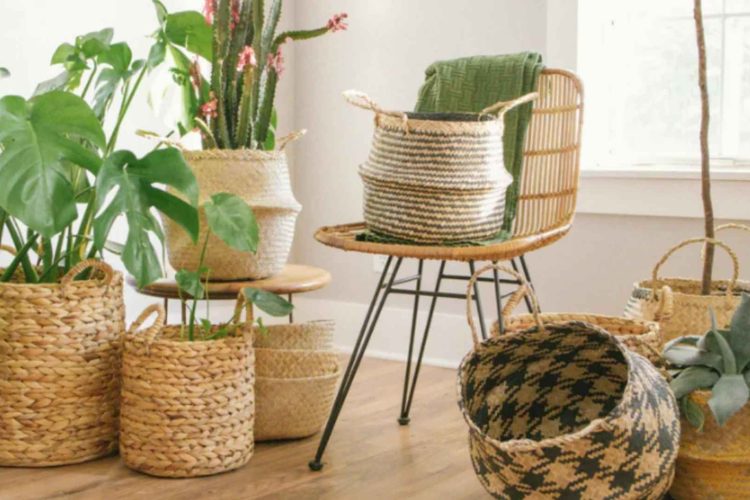
Sourcing woven baskets at scale requires dependable suppliers, stable production capacity, and clear quality control processes. Vietnam is a well-established sourcing destination for natural fiber baskets, with experienced manufacturers and proven export capabilities.
This guide walks buyers through the key steps to import woven baskets from Vietnam while ensuring consistency and reducing sourcing risks.
Overview of Vietnam’s export of handicraft products
Vietnam is one of the world’s leading exporters of handicraft products. The country is among the top three global exporters, alongside China and India, particularly in the bamboo, rattan, seagrass, and home decor segments.
Vietnamese handicraft products are currently exported to more than 160 countries and territories, indicating broad market penetration rather than dependence on a single destination.
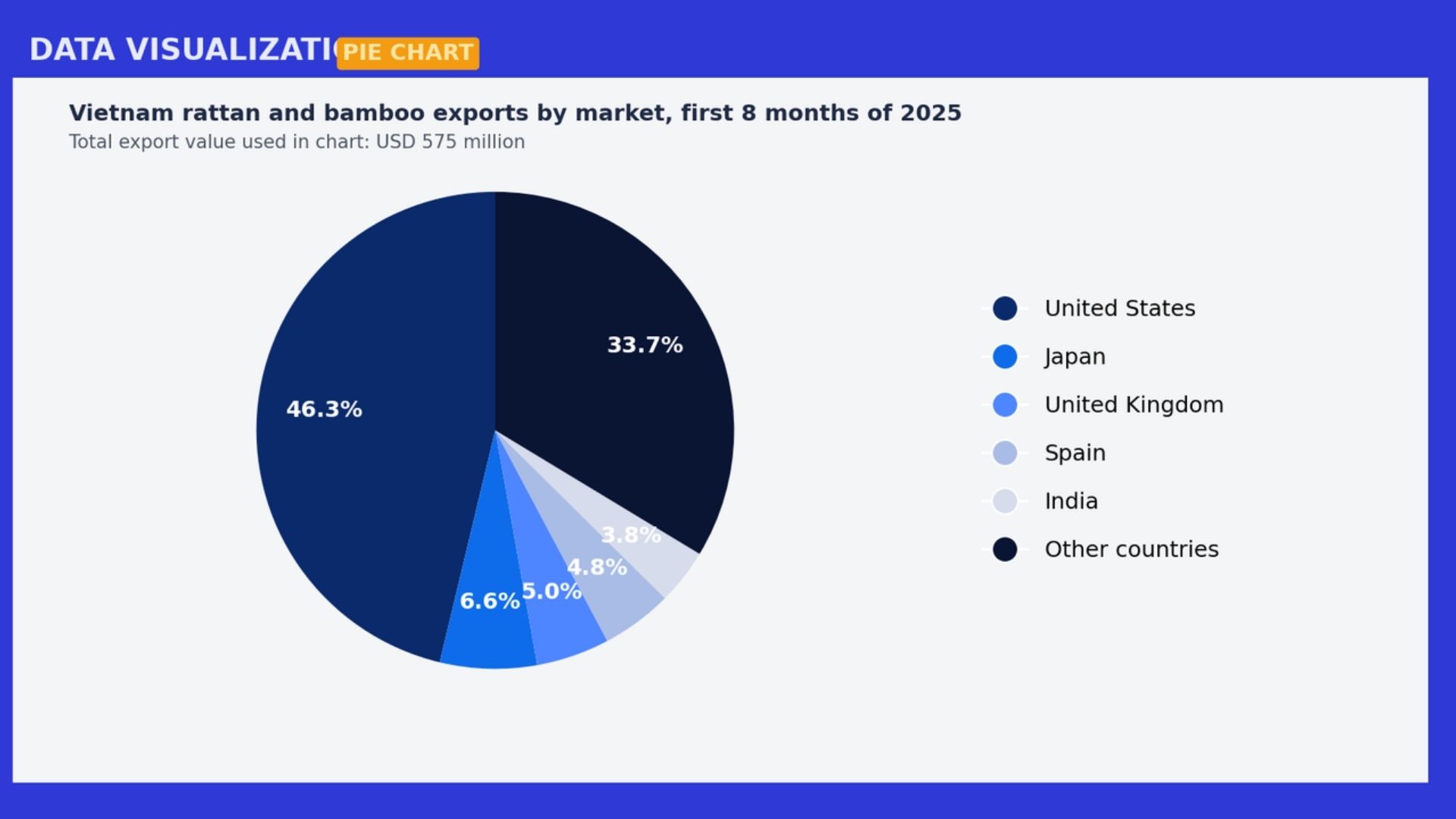
Rattan and bamboo products form one of the most important subcategories. According to Vietnam Customs data, in the first eight months of 2025, Vietnam exported USD 575 million of rattan and bamboo products, a 5.4% rise from 2024.
The United States remains the dominant importer, accounting for 46.3% of total woven product export turnover in the first eight months of 2025. During this period, the U.S. market alone imported approximately USD 266 million worth of woven goods.
Japan ranked as the second-largest destination, followed by the United Kingdom with USD 28.5 million, Spain with USD 27.6 million, and India with USD 21.6 million in import value.
Why Vietnam is a key sourcing hub for woven baskets
Vietnam has emerged as a dominant global sourcing hub for woven baskets and other natural fiber products due to a powerful combination of traditional craftsmanship, strategic advantages, and modern economic drivers.
Here’s a breakdown of the key reasons:
-
Supply stability
Vietnam possesses approximately 1.5 million hectares of bamboo forests, distributed across 37 out of 63 provinces. The sustainable harvest of about 500-600 million bamboo culms
annually supports a steady production rhythm, even during peak global demand periods. Additionally, the country utilizes its extensive coastal and river networks for the cultivation of seagrass and water hyacinth.
This massive area provides a reliable source of raw material for woven products. By sourcing locally, the supply chain is insulated from global price shocks and international logistics delays.
-
High-quality craftsmanship
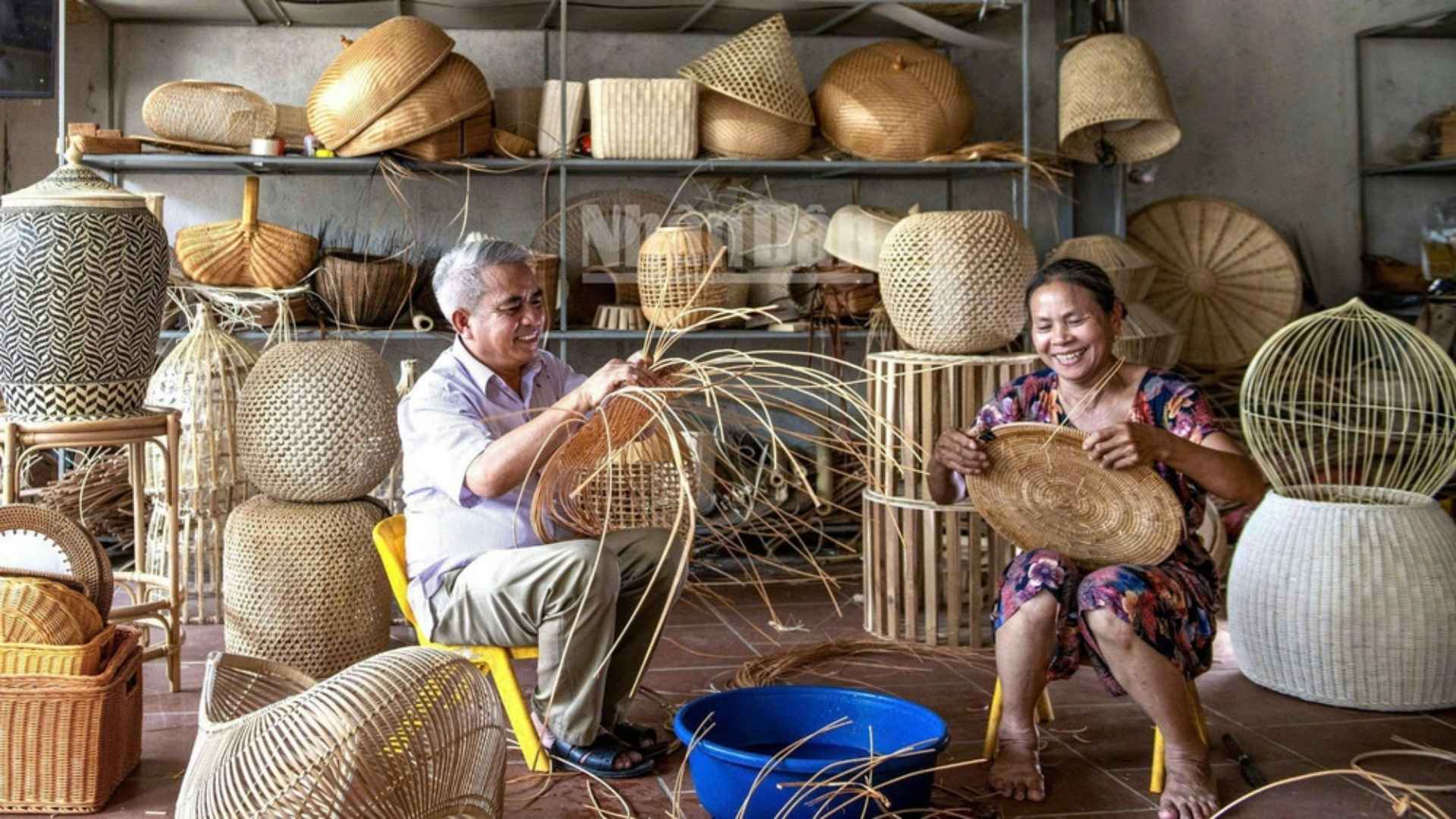
The quality of Vietnamese woven baskets is maintained by more than 5,400 craft villages nationwide. These villages are the primary employment hubs for approximately 342,000 artisans. This decentralized but highly specialized workforce allows manufacturers to scale production quickly to meet seasonal demands without sacrificing the detail that defines hand-woven goods.
Several villages have gained global recognition for their specific material expertise:
- Kim Son Village (Ninh Binh): Known for water hyacinth and seagrass weaving for over 100 years.
- Phu Vinh Village (Hanoi): Famous for intricate rattan and wicker weaving techniques.
- Que Phong District (Nghe An): Often called the “kingdom” of lung bamboo due to its high-quality endemic species.
Artisans in these regions often have decades of experience, with skills passed down through generations. This experience allows them to produce high-quality woven baskets with consistent structure and finishing. These products can meet the strict quality requirements of demanding markets such as Japan and the European Union.
-
Cost-effectiveness
Vietnam offers a significant cost advantage for B2B buyers, particularly through lower labor costs and preferential trade terms. Labor costs in Vietnam remain highly competitive, currently estimated at less than 25% of the global median wage. These savings directly reduce the total landed cost for the importer.
Furthermore, Vietnam’s extensive network of Free Trade Agreements (FTAs), including the EVFTA and CPTPP, provides a critical financial edge. Many woven products qualify for 0% or significantly reduced tariffs when imported into the EU, UK, Canada, and Australia. In contrast, similar goods from non-FTA countries often face duties of 20% to 30%, making Vietnamese sourcing the more financially sustainable long-term decision.
Types of Woven Baskets You Can Import from Vietnam
-
Bamboo baskets
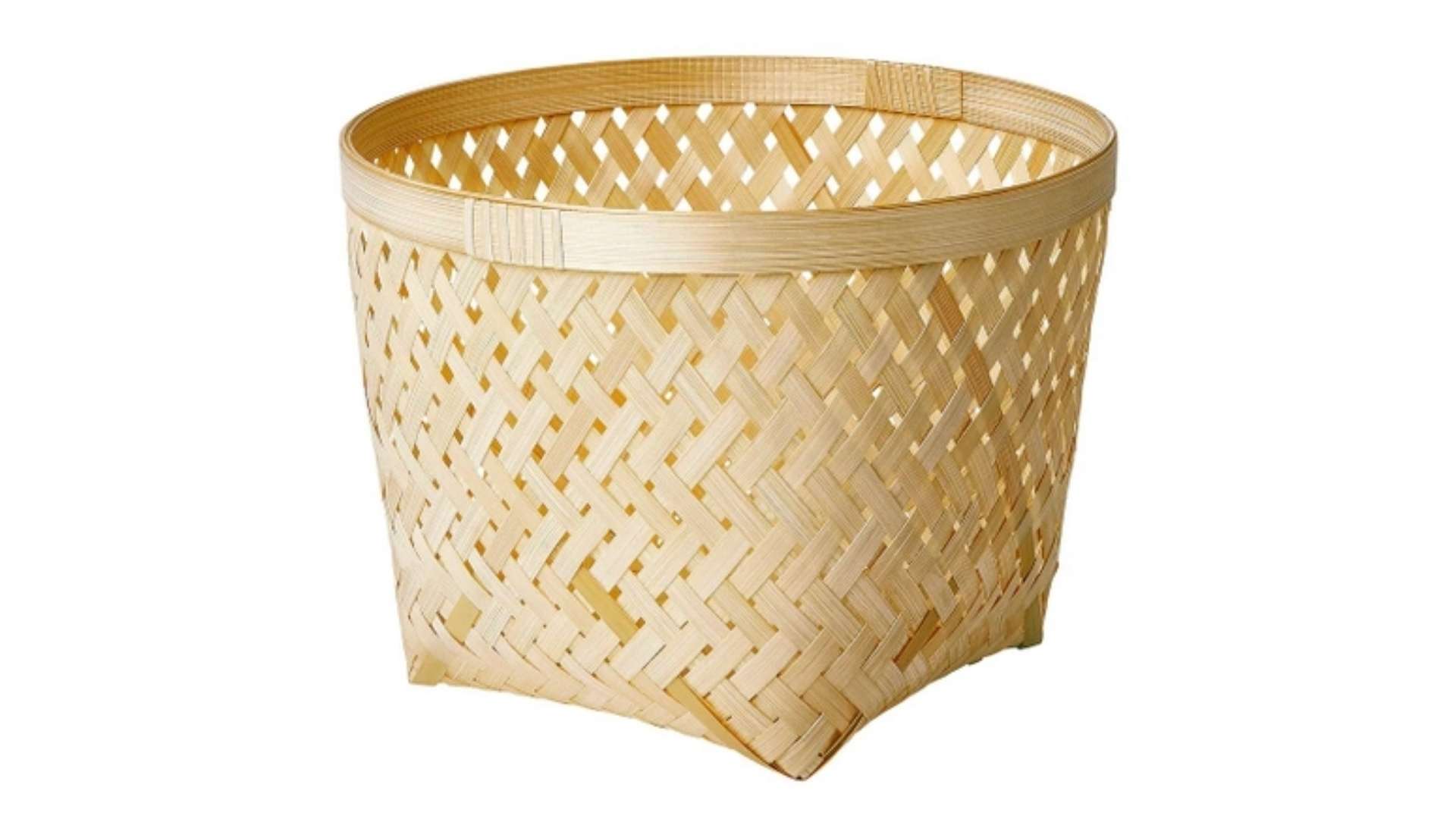
Bamboo baskets are among the most common woven products exported from Vietnam. Bamboo is strong, lightweight, and widely available domestically. These baskets are suitable for storage, laundry, and retail display. Bamboo baskets hold their shape well and work for high-volume orders. They are often used by mass market retailers and home organization brands.
-
Rattan baskets
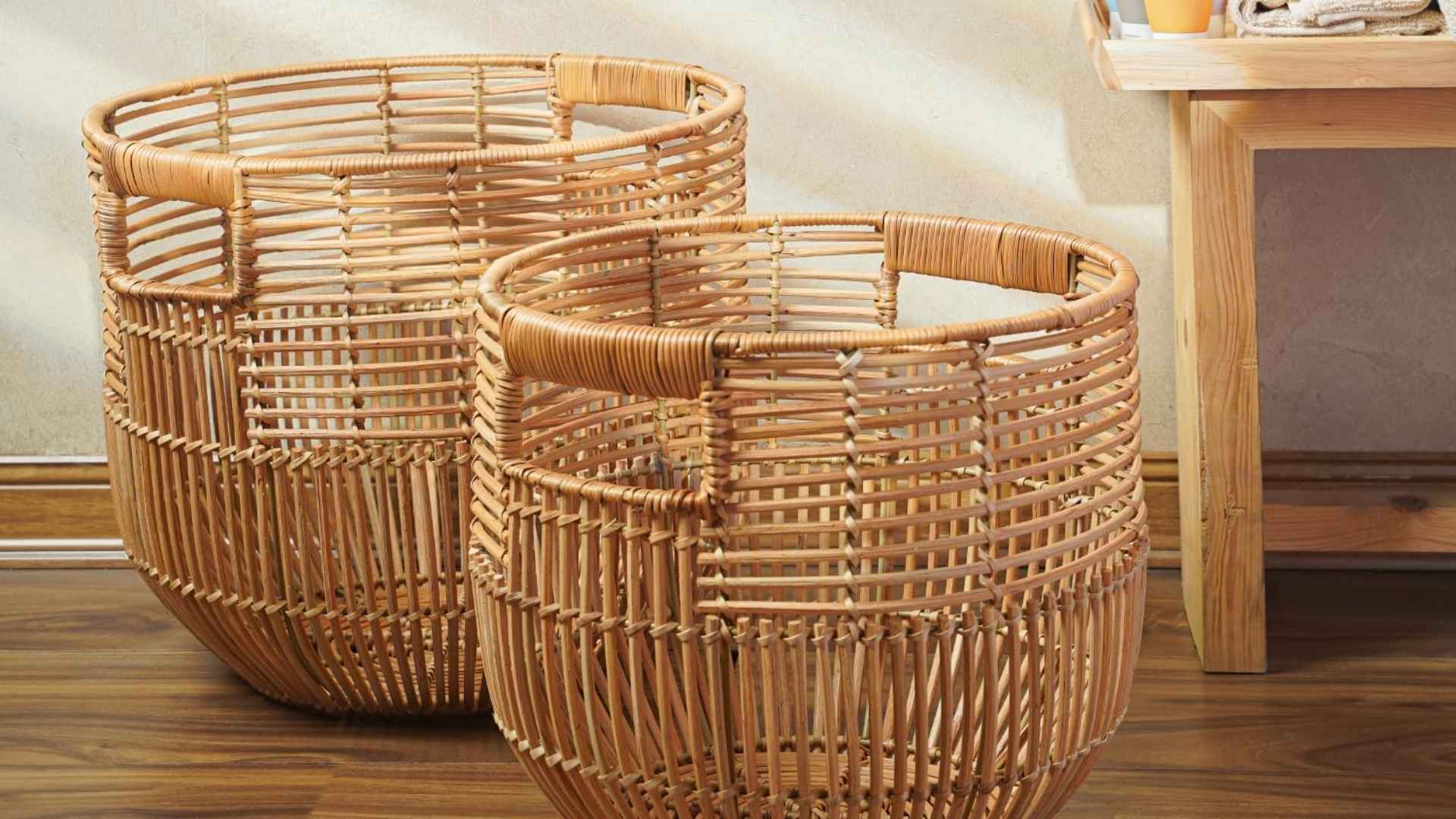
Rattan baskets are valued for flexibility and durability. Rattan fibers allow tighter weaving and smoother curves compared with bamboo. These baskets are popular in home decor and furniture accessory segments. They are often positioned in mid to premium markets where design and finish matter. Rattan baskets are also suitable for custom shapes and private label collections.
-
Seagrass baskets
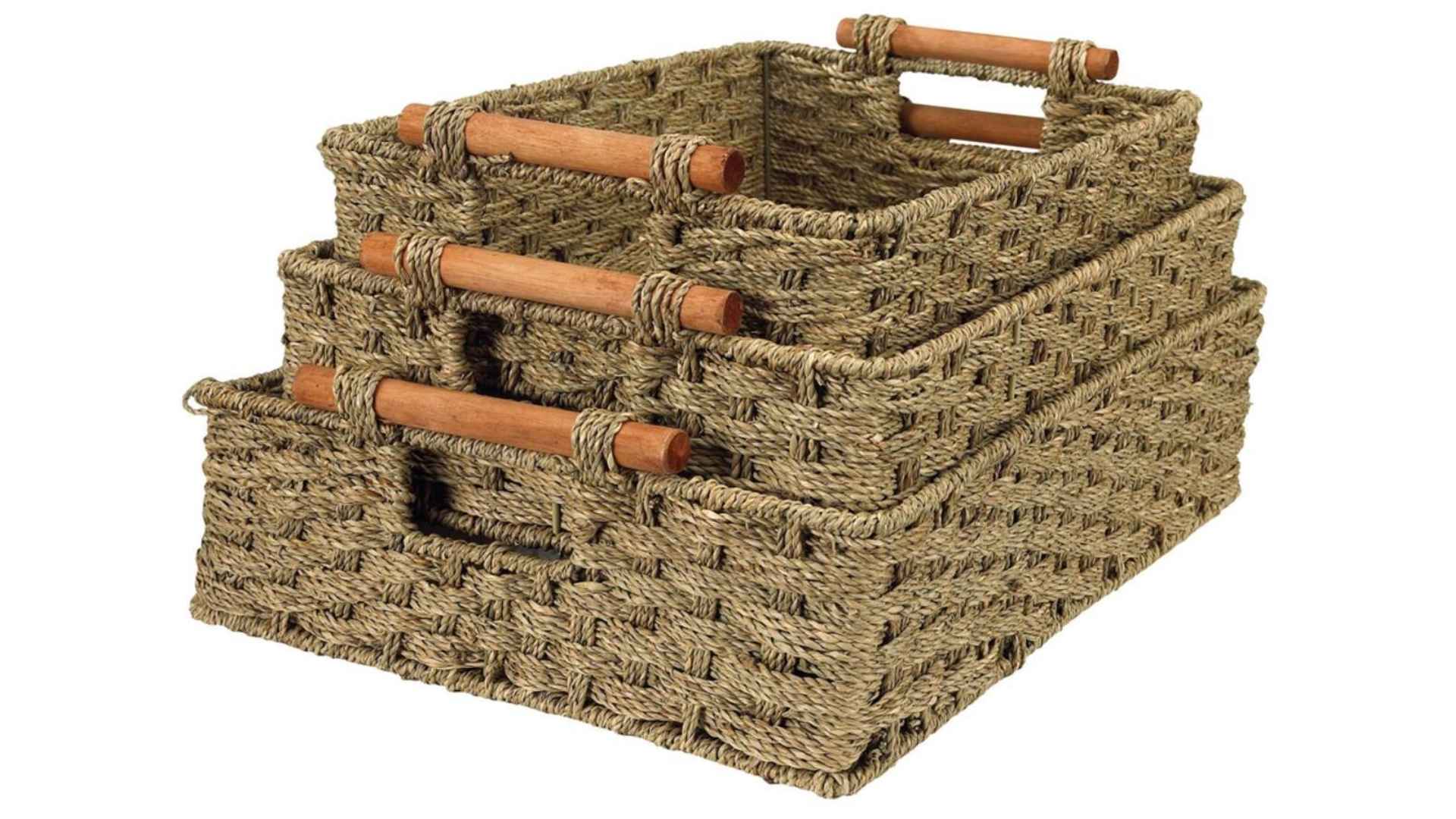
Seagrass baskets are made from natural grass harvested in coastal and delta areas. They have a soft texture and natural color tone. Seagrass baskets are commonly used for decorative storage, planters, and lifestyle products. Buyers in the European Union often prefer seagrass baskets due to their natural appearance and eco-friendly image.
-
Water hyacinth baskets
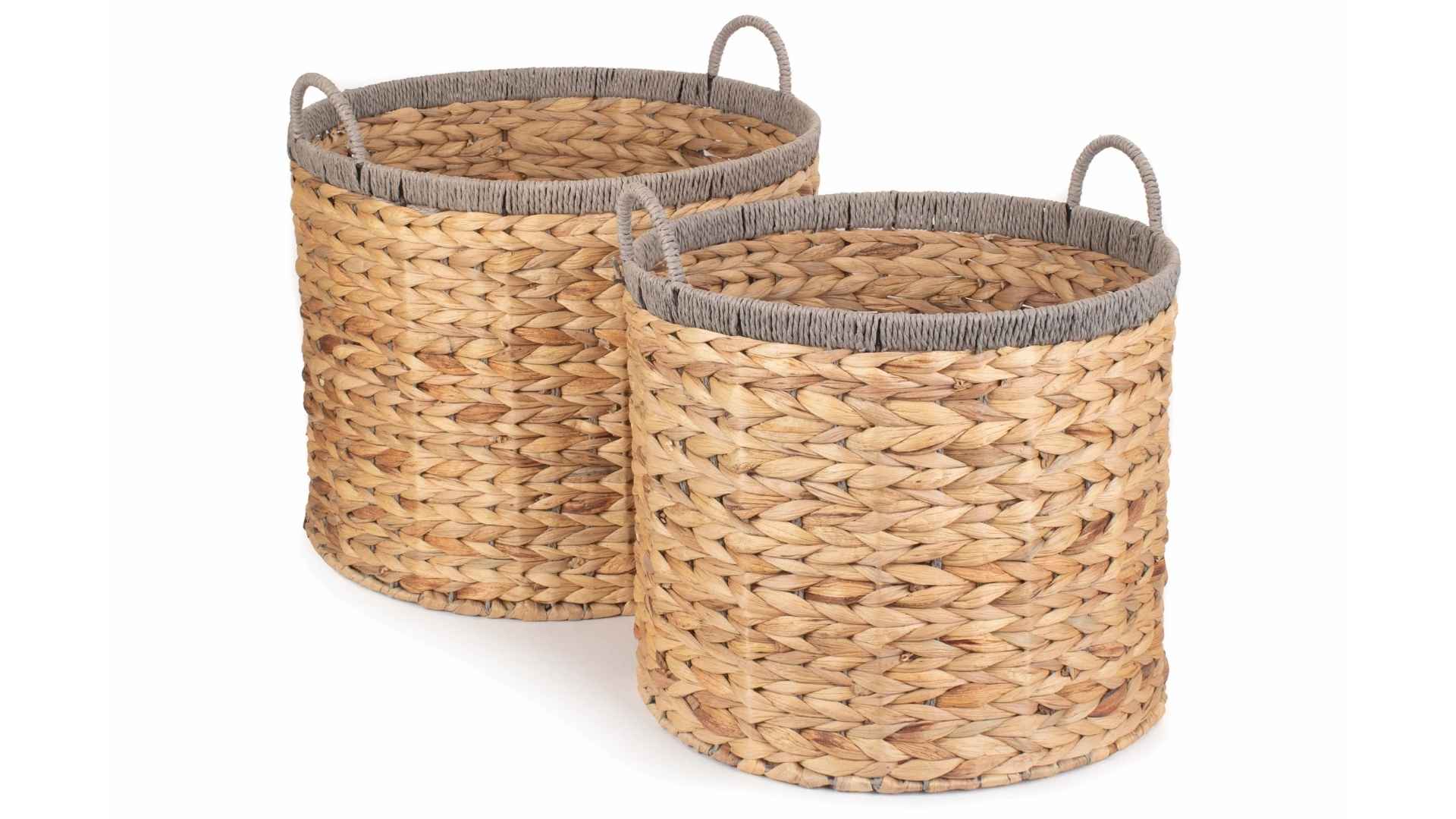
Water hyacinth baskets are woven from dried aquatic plants. The material creates a thicker and more textured surface. These baskets are popular for rustic and eco-focused collections. Water hyacinth baskets are widely used in home decor and gift markets. They are often marketed as sustainable products since water hyacinth is a fast-growing plant.
How to Import Woven Baskets from Vietnam
Below is a comprehensive, step-by-step guide on how to import woven baskets from Vietnam efficiently.
-
Identify the supplier
Finding a credible supplier is the foundational step. Vietnam has a long tradition of handicraft production, with many woven basket manufacturers originating from established craft villages. These villages specialize in materials such as rattan, bamboo, seagrass, water hyacinth, and palm leaf, and often supply both domestic and export markets.
Well-known handicraft clusters are typically located in northern provinces and parts of central and southern Vietnam, such as Phu Vinh Craft Village and Nga Son in the North, Kim Son in the Red River Delta, Hoi An in Central Vietnam, and Tan Thanh in the Mekong Delta.
In addition to streamlining sourcing and identifying reliable suppliers, buyers may attend trade shows, leverage B2B online platforms, or engage directly with established local manufacturers in Vietnam.
When evaluating potential suppliers, consider these core pillars:
- Business Legality: Verify the company’s business license and tax code via the Vietnam National Business Registration Portal.
- Export History: Choose manufacturers with at least 3-5 years of experience in your target market (US, EU, or Japan) to ensure they understand specific safety and quality standards.
- Production Capacity: Confirm the factory can handle your volume. Ask for monthly output figures and workforce size.
- Quality Standards: Look for certifications like BSCI (Business Social Compliance Initiative) for ethical labor and ISO 9001 for quality management.
-
Evaluate the sample
Ordering samples is essential before placing bulk production orders. You should request 2-3 sample units per design to evaluate product consistency.
Sample prices are usually higher per unit because of manual setup and low-volume handling. You should confirm the sample price, sample lead time, shipping method, and total shipping cost with the supplier in advance. Clarify whether the sample fee can be deducted from the first bulk order.
When inspecting samples, focus on material thickness, weaving density, shape consistency, and surface finish. Check edges and joints for loose fibers or uneven weaving.
Packaging should also be reviewed carefully. Verify moisture levels, smell, and dryness of the product and packaging to reduce mold risk during international transit.

-
Negotiate terms
A written contract is essential in international trade. It protects both buyer and seller by clearly defining responsibilities and expectations. The contract should clarify some key terms, including:
- Material types such as bamboo, rattan, or seagrass
- Order quantity
- Production timeline
- Packaging and labeling requirements
- Payment terms
- Claims and dispute resolution
-
Handle customs clearances
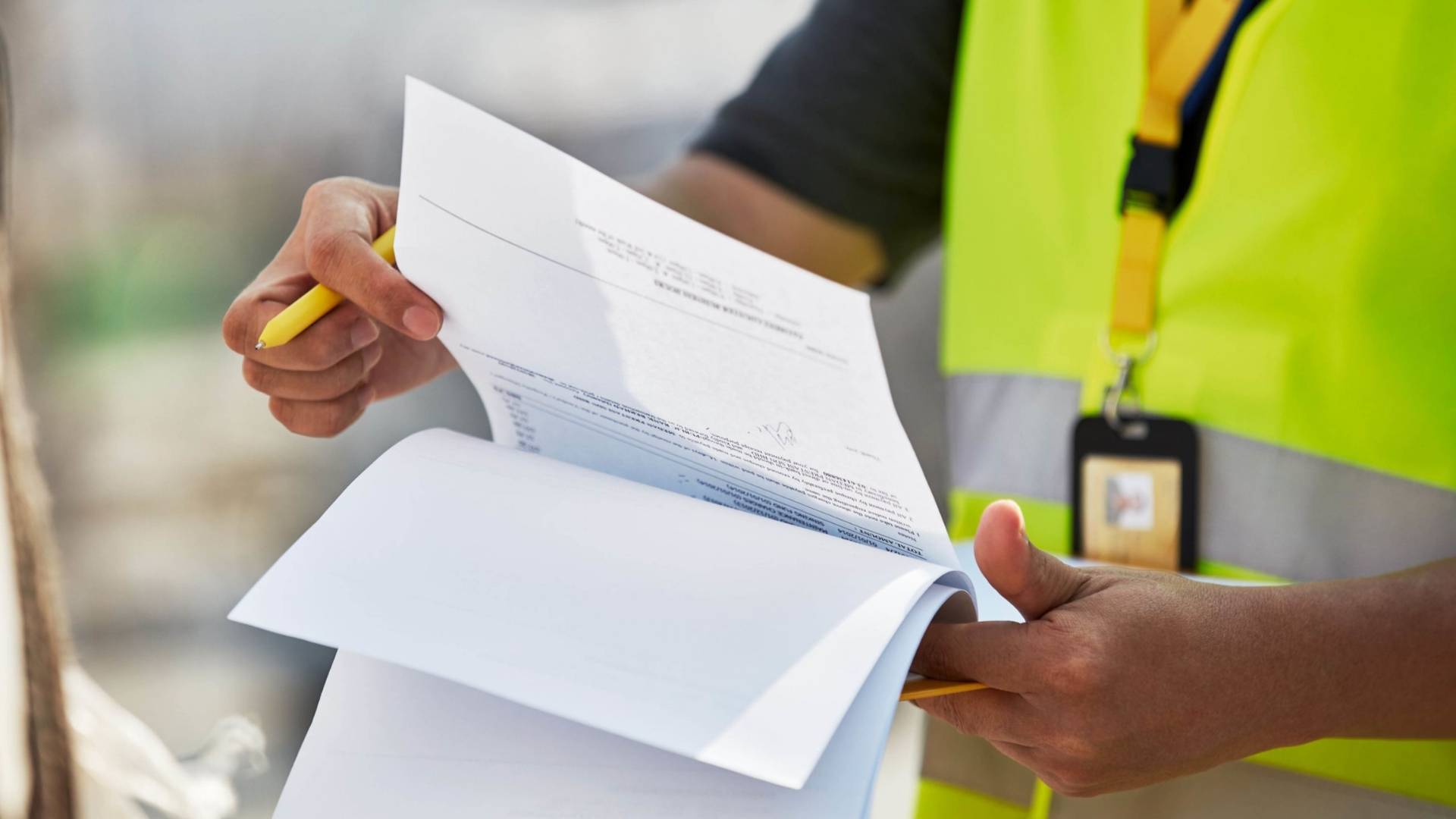
Customs clearance is a mandatory step when importing woven baskets from Vietnam. Importers must prepare a complete and accurate set of documents to avoid delays or penalties. The core documents include a commercial invoice, packing list, and bill of lading or airway bill. A certificate of origin is required if the buyer wants to claim preferential tariffs under free trade agreements.
Woven baskets are classified under specific HS codes depending on the material, such as bamboo, rattan, seagrass, or water hyacinth. Correct HS classification determines the applicable duty rate and import controls.
In some markets, additional requirements may apply, such as phytosanitary declarations or fumigation statements for natural fiber products. Importers should confirm destination country regulations in advance to ensure smooth clearance.
-
Manage shipping & logistics
Shipping method selection depends on order volume, delivery urgency, and cost sensitivity. Woven baskets are lightweight but bulky, which affects freight planning and container utilization.
- Sea freight is the most common option for bulk orders. It offers a lower cost per unit and is suitable for large volume orders. Transit time typically ranges from 25 to 40 days, depending on the destination.
- Air freight is used mainly for samples or urgent replenishment orders. It has a much shorter transit time, usually 5 to 10 days, but a significantly higher cost.
Buyers should also consider moisture protection, palletization, and container loading plans to protect woven baskets during transit. Clear agreement on Incoterms helps define responsibility for freight costs and risk transfer.
How to source woven basket suppliers in Vietnam
Sourcing woven baskets requires a multi-channel approach. Buyers must distinguish between large-scale industrial factories and specialized artisanal workshops.
-
Trade fairs and exhibitions
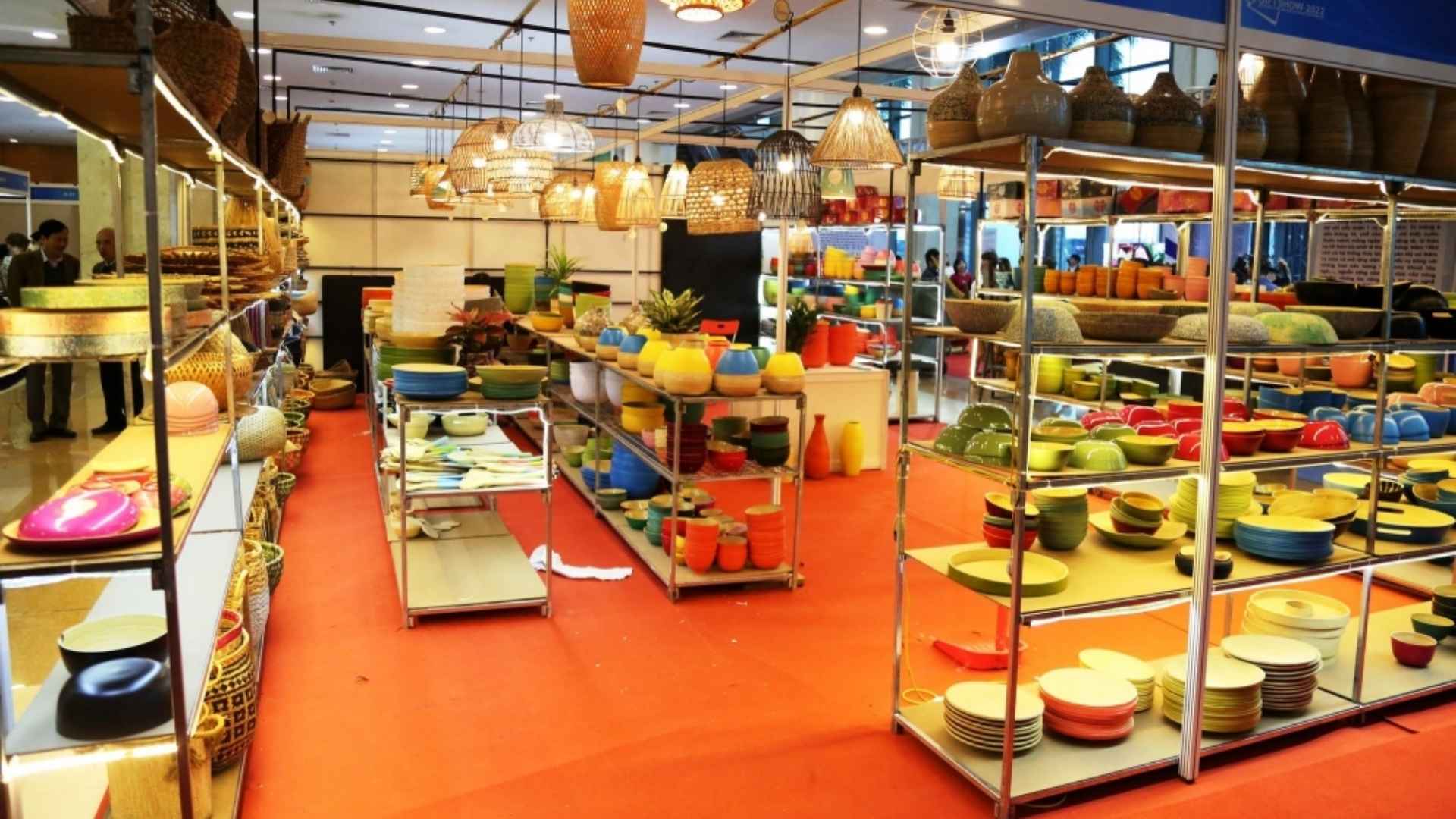
Trade exhibitions represent the most efficient channel for verifying supplier capabilities and inspecting product quality. In 2026, Vietnam will host three major events that serve as critical sourcing hubs for the natural fiber and home decor industries.
Lifestyle Vietnam 2026
Lifestyle Vietnam 2026 is Asia’s premier destination for high-end home decor and sustainable handicrafts. Organized by Vietcraft, this event serves as a strategic bridge between prestigious regional suppliers and international importers seeking innovative designs. The exhibition showcases a diverse range of products, including seagrass baskets, rattan furniture, home textiles, and artisanal housewares.
This large-scale event features approximately 1,600 booths hosted by 600 exhibitors. It consistently attracts over 3,000 international buyers from more than 30 countries, making it a high-traffic hub for global trade.
2026 Schedule:
- Date: Expected October 2026
- Location: Sky Expo Center, Ho Chi Minh City
VIFA ASEAN 2026
VIFA ASEAN 2026 functions as a specialized trade ecosystem for the furniture and home accessories industry within the Southeast Asian region. The fair aims to establish Vietnam as a central sourcing hub for global brands looking to diversify their supply chains. Importers can explore a wide array of indoor and outdoor furniture, woven decor items, and sophisticated interior design components.
The exhibition spans over 600 booths from approximately 200 companies. It welcomes a diverse audience of over 11,000 visitors, including nearly 4,000 international buyers from more than 60 territories.
2026 Schedule:
- Date: September 02 – 05, 2026
- Location: Saigon Exhibition and Convention Center (SECC), Ho Chi Minh City
Hanoi Giftshow 2026
Hanoi Giftshow 2026 is the largest specialized handicraft exhibition in Northern Vietnam. The event promotes the manufacturing heritage of over 1,350 craft villages surrounding the capital city. It provides a dedicated platform for B2B traders to secure export contracts for high-value handicrafts, fine art, rattan baskets, and traditional lacquerware.
The fair hosts between 450 and 500 booths representing domestic and international enterprises. It attracts a total of 18,000 visitors through both onsite and digital platforms, providing extensive networking opportunities for professional importers.
2026 Schedule:
- Date: Expected October 2026
-
Direct factories
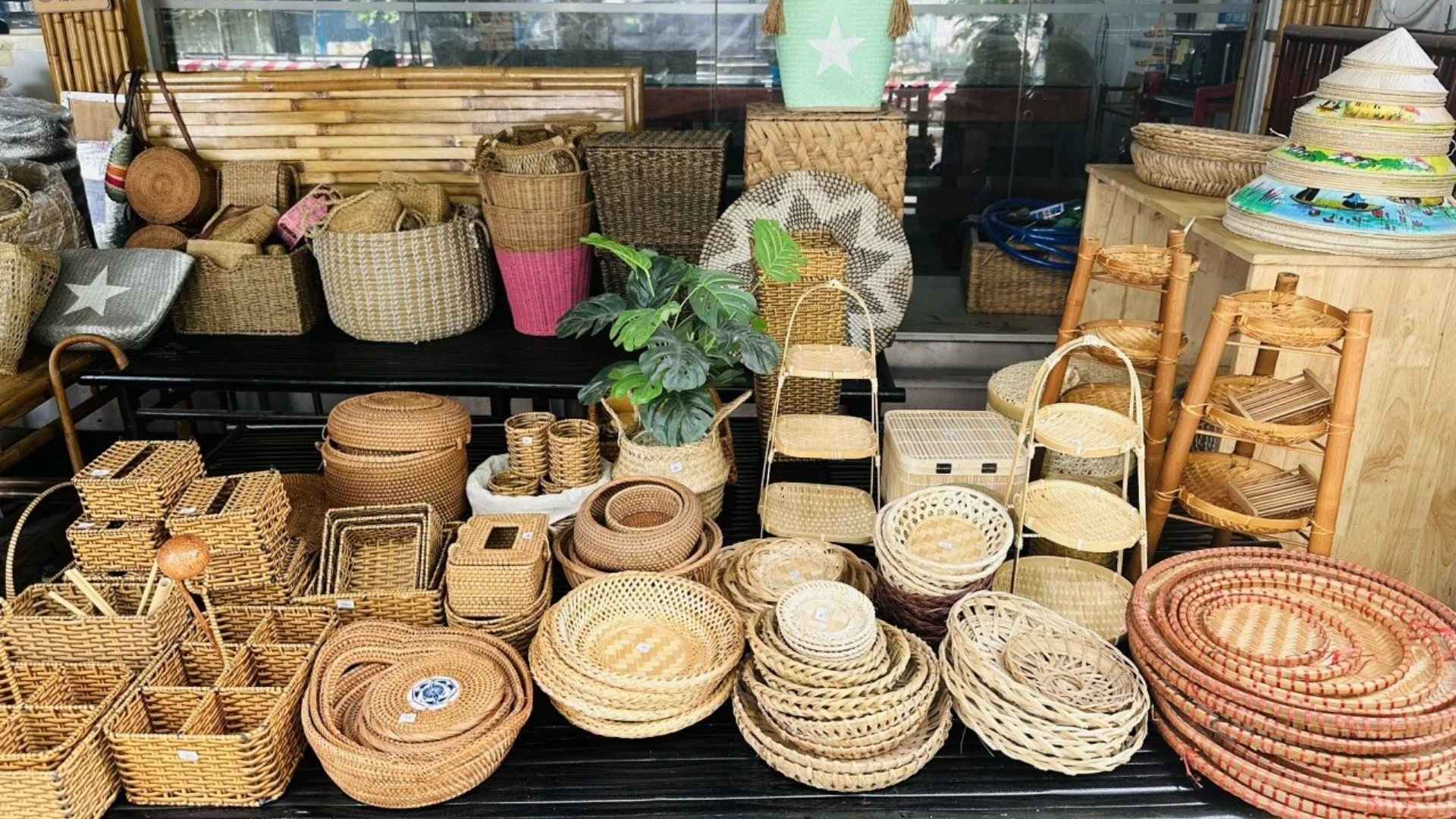
For large-volume B2B orders, working directly with established manufacturers ensures the most competitive pricing and rigorous quality control.
Below are three leading companies in the Vietnamese bamboo and rattan handicraft sector.
Ngoc Dong Ha Nam Handicraft Export Co., Ltd
Established in 2004, Ngoc Dong Ha Nam is one of the most prestigious names in the handicraft industry. Based in Hoang Dong Industrial Park, the company specializes in manufacturing and exporting bamboo and rattan products, including storage baskets, trays, and kitchenware. The company earned multiple national awards, including the “Vietnam Gold Star” in 2008. Their primary export markets include the USA, Canada, Japan, and the EU.
- Address: Hoang Dong Industrial Zone, Duy Ha ward, Ninh Binh province, Vietnam
- Website: https://ngocdonghandicrafts.com/
- Email: [email protected]
Haprosimex JSC
Haprosimex JSC (Hanoi Production Services Import-Export Joint Stock Company) is a veteran exporter with decades of experience in the international market. The company operates multiple factories and branches across Vietnam, producing a diverse portfolio that includes handicraft baskets made from rattan, seagrass, and water hyacinth. Known for its high management standards, Haprosimex has achieved ISO 9001 certification and is recognized as a “Reliable Exporter” by the Ministry of Trade. They serve high-end retail markets in Europe, North America, and Australia.
- Head Office: V4, 5th Floor, Khahomex Bldg, 360A Ben Van Don Street, Vinh Hoi Ward, Ho Chi Minh City, Vietnam.
- Website: http://www.haprosimexjsc.com/
- Email: [email protected]
Artex Nam An Joint Stock Company
Founded in 2013, Artex Nam An has quickly become a leading manufacturer and exporter of innovative home decor and storage solutions. The company focuses on distinctive designs for baskets and planters, utilizing natural materials like bamboo and water hyacinth. Their key markets include the USA, Australia, and Western Europe, where they are recognized for short lead times and competitive pricing.
- Address: No. 6 BT 1A, My Dinh 2 Urban Area, Nam Tu Liem District, Hanoi, Vietnam
- Website: https://artexnaman.com/
- Email: [email protected]
-
Online B2B platforms
Digital platforms have become the primary entry point for B2B buyers. These sites offer a variety of tools to compare quotes, verify certifications, and manage logistics.
Alibaba
Alibaba is the largest global B2B sourcing platform. It connects buyers with manufacturers and exporters from Vietnam and other sourcing countries. Buyers can search for woven basket suppliers, review product catalogs, and check supplier credentials such as years of operation and export markets.
Made-in-China
Made-in-China is an Asia-focused B2B platform that includes suppliers from China and Vietnam. Buyers can search for products, browse categories, or post sourcing requests to receive multiple quotes. They can then filter suppliers by location and certifications, and connect via real-time TradeMessenger chat.
VinaSources
VinaSources specializes in Vietnam-made products and connects global buyers with export-ready suppliers in handicrafts and home décor, including woven baskets. The platform also provides end-to-end import support, from quality inspections and price negotiation to logistics and delivery, helping buyers streamline the entire importing process.
Common Risks When Importing Woven Baskets from Vietnam
Importing woven baskets from Vietnam offers clear advantages, but B2B buyers still face several operational and commercial risks. Understanding these risks early helps you put control measures in place before scaling orders.
The table below summarizes the most common risks, their causes, and practical mitigation actions.
| Risk Category | Specific Issue | Consequences | Mitigation strategy |
| Quality inconsistency | Variations in weaving density, shape, or finish between batches | Higher rejection rates, customer complaints | Define detailed specifications, approve samples, and conduct pre-shipment inspections |
| Product damage | Improper packaging, inadequate carton strength, and poor loading | Transit damage, insurance claims | Specify carton strength, approve packaging sample |
| Compliance and documentation errors | Incorrect or incomplete export documents | Customs delays, fines, and storage costs | Work with experienced exporters, use licensed customs brokers |
| Pricing volatility | Seasonal raw materials, labor cost changes | Margin erosion | Lock prices in the contract, define the validity period |
| Communication gaps | Language and cultural differences | Rework, disputes | Use written specs, drawings, and confirmations |
Why Choose VinaSources to Import Woven Baskets from Vietnam
VinaSources is a Vietnam-based B2B sourcing platform designed specifically to address these challenges. The platform connects international buyers with verified Vietnamese manufacturers across key sectors, including handicrafts, furniture, textiles, and home décor.
For buyers sourcing woven baskets, VinaSources provides access to a curated network of export-oriented handicraft suppliers. Manufacturers are clearly categorized by product type, materials used, and production capacity, allowing buyers to quickly identify partners that match their sourcing requirements without time-consuming trial and error.
VinaSources also offers practical sourcing tools that support informed decision-making. Buyers can submit detailed RFQs, then review verified supplier profiles, and access essential export information such as lead times, minimum order quantities, and available certifications.
Our dedicated team also handles comprehensive sourcing and import support, from supplier validation and price negotiation to quality control coordination, warehousing, and shipment management to the destination market.
To streamline the sourcing process further, buyers looking to import woven baskets from Vietnam can contact the VinaSources team directly by phone at 1900 4356 or via email at [email protected]. The team provides tailored supplier matching based on product specifications, order volume, and target market requirements, helping buyers move from sourcing to shipment with greater confidence.