
Vietnam has become a major global hub for manufacturing outdoor gear, including tents, backpacks, camping equipment, and technical apparel. Many global brands choose Vietnam for its skilled labor, competitive production costs, and favorable trade agreements. However, finding reliable outdoor gear factories in Vietnam can be challenging for international buyers due to language barriers, unverified suppliers, and strict quality requirements.
This step-by-step guide explains how to find trusted manufacturers, verify factory capabilities, manage minimum order quantities (MOQs), and negotiate safe contract terms. Follow these practical steps to build a secure and profitable supply chain in Vietnam.
Why Source Outdoor Gear from Vietnam?
Vietnam has quickly become one of the top destinations for manufacturing outdoor equipment and activewear. Global companies are moving their supply chains here to reduce business risks and build long-term manufacturing partnerships.
Below are the key advantages of sourcing outdoor gear from Vietnamese factories.
Strong Manufacturing Expertise and Skilled Labor
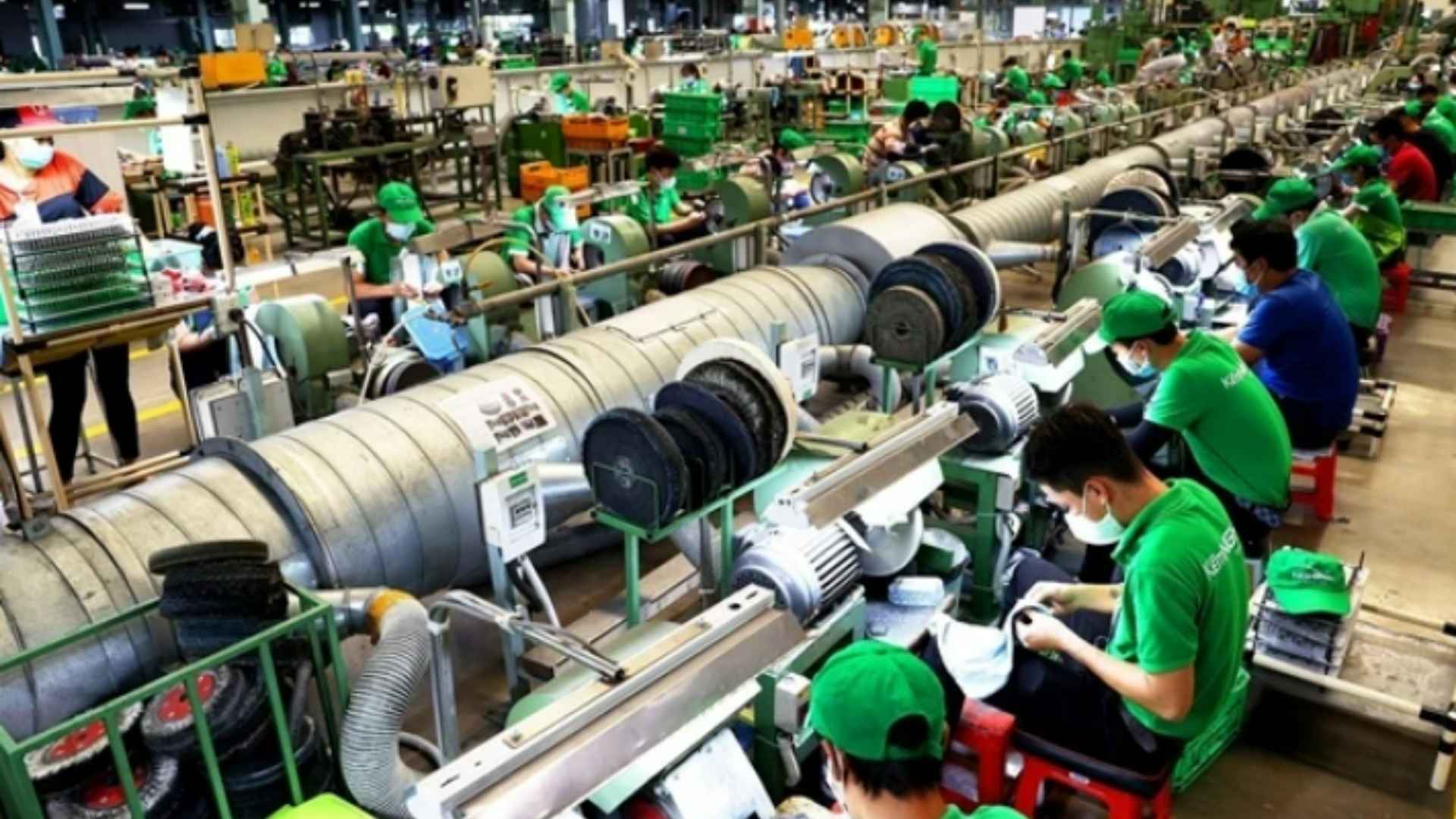
Vietnamese workers are well-known for high craftsmanship in technical textile manufacturing. Outdoor products require complex assembly, such as seam-sealing, laser cutting, and heavy-duty stitching for backpacks and tents. Local factories have decades of experience serving major global brands like Decathlon, Columbia, and The North Face. This ensures high-quality production that meets strict international safety and durability standards.
Furthermore, Vietnam’s textile and garment sector employs around 2.6 million workers, creating a reliable and highly productive workforce. Factories maintain strong internal quality control (QC) systems, which significantly reduce product defect rates compared to other regional markets.
Competitive Production Costs and Trade Advantages
One of the biggest reasons to source from Vietnam is cost efficiency. The average manufacturing wage in Vietnam is around $300 to $400 per month, which is nearly 40% lower than in China. This labor cost advantage helps international buyers lower their unit prices without sacrificing product standards or worker safety.
In addition, Vietnam benefits from free trade agreements (FTAs) like the EU-Vietnam Free Trade Agreement (EVFTA) and the CPTPP. For instance, under the EVFTA, import tariffs on many garment and textile items to the EU are reduced gradually to 0%. These trade benefits help importers cut landed costs and increase their overall profit margins.
Main Outdoor Product Categories Manufactured in Vietnam
Vietnamese factories can produce a broad range of outdoor and adventure equipment under OEM and ODM models. Camping and hiking gear, such as multi-person tents, sleeping bags, camping chairs, and internal-frame backpacks, are among the largest export categories.
Another major category is technical outerwear and travel accessories. Local factories produce waterproof rain jackets, thermal windbreakers, dry bags, and tactical duffels. With flexible production capacity, Vietnamese suppliers can support both large wholesale buyers and growing e-commerce brands.
How to Find Outdoor Gear Suppliers in Vietnam
Below are the most effective sourcing channels and screening procedures.
1. Attend Trade Fairs in Vietnam
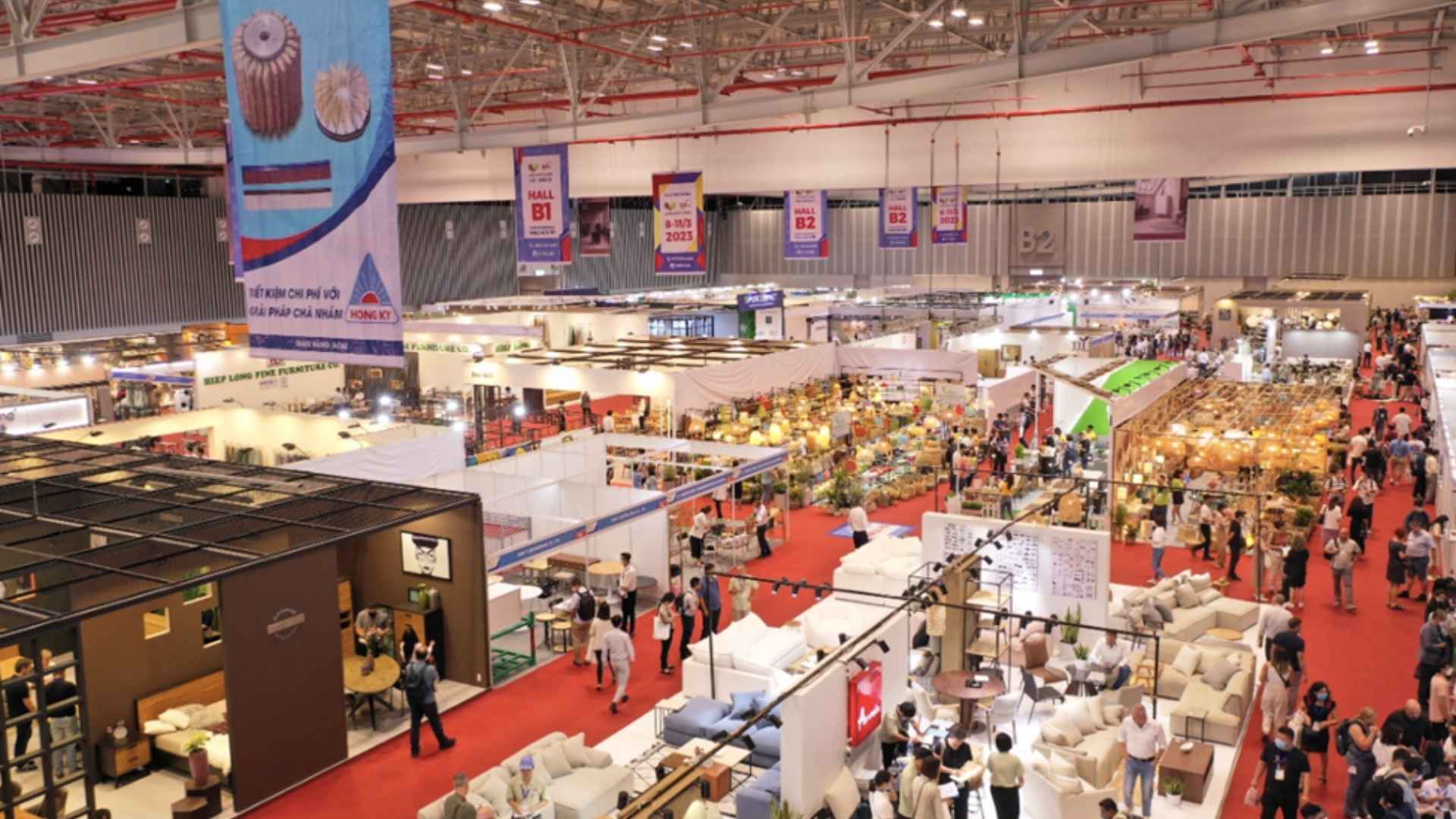
Meeting factory representatives face-to-face allows you to inspect product samples directly, evaluate craftsmanship, and build strong business trust.
| # | Trade Show Name | Primary Focus / Products | Location & Schedule |
| 1 | SaigonTex / SaigonFabric | Technical textiles, waterproof fabrics, heavy-duty zippers, webbing, and garment machinery. | April 7-10, 2027 at Saigon Exhibition & Convention Center (SECC), Ho Chi Minh City |
| 2 | Vietnam Sport Show | Outdoor gear, camping equipment, technical sportswear, hiking footwear, and sports accessories. | August 13-15, 2026 at Saigon Exhibition & Convention Center (SECC), Ho Chi Minh City |
| 3 | VIATT | Apparel end-products, technical outdoor fabrics, functional yarns, and sustainable textile solutions. | February 24-26, 2027 at Saigon Exhibition & Convention Center (SECC), Ho Chi Minh City |
2. Utilize Verified B2B Sourcing Platforms
Digital B2B platforms are the fastest way to start your supplier search.
- Alibaba: As the largest global B2B marketplace, Alibaba hosts a growing database of Vietnamese outdoor gear manufacturers, making it ideal for quick supplier discovery, product comparison, and small to medium sample orders.
- VinaSources:VinaSources is a specialized B2B sourcing portal focused strictly on pre-vetted Vietnamese manufacturers. It is designed specifically for international buyers looking to source directly from verified Vietnamese factories without dealing with Chinese trading middlemen. The platform provides direct access to factory profiles, verified business registrations, technical capacity reports, and contact details for local sales executives.
- Global Sources: Global Sources is a trusted B2B platform known for connecting high-volume buyers with experienced, export-oriented manufacturers across Asia. It is best suited for mid-to-large brands seeking established OEM/ODM outdoor gear factories with strong international compliance standards.
3. Partner with Local Vietnamese Sourcing Agents
Working with an on-the-ground sourcing agency bridges language barriers, speeds up sample creation, and ensures strict quality control during production.
- Cosmo Sourcing: Cosmo Sourcing specializes in outdoor gear, backpacks, technical apparel, consumer goods, and home products. They offer comprehensive services including supplier identification, price negotiation, factory audits, sample management, and complete quality control inspections. International buyers can reach their team at [email protected] or visit cosmosourcing.com to discuss their manufacturing needs.
- Seditex Vietnam: With a strong focus on garments, backpacks, bags, outdoor accessories, and footwear, Seditex Vietnam helps buyers navigate the local supply chain smoothly. Their core services include factory introductions, product development support, technical specification checks, in-line quality control, and business setup assistance. You can contact them via email at [email protected] or through their official website at https://seditexvn.com/.
Before sending deposits or signing production contracts, verify every factory using this essential B2B checklist:
- Legal Verification: Request a copy of the Business Registration Certificate and verify their Tax Identification Number on official government portals.
- Factory Certifications: Ensure the factory holds relevant international standards for outdoor equipment, such as ISO 9001 (Quality Management) or BSCI/WRAP (Social Compliance for fair labor).
- Physical Verification: Order a third-party factory audit or conduct a live video walk-through to confirm factory equipment, worker numbers, and actual assembly lines.
- Red Flags to Avoid: Watch out for suppliers offering prices 30–50% below market average, demanding 100% upfront payment, or refusing to sign bilingual contracts and allow third-party quality control inspections.
Red Flags and Risk Mitigation When Sourcing in Vietnam
Vietnam presents vast opportunities for international procurement, but navigating an unfamiliar market comes with risks. Unverified trading companies, quality misrepresentations, and financial scams can cost buyers thousands of dollars in losses and lost sales seasons.
Common B2B Red Flags When Screening Factories
Spotting warning signs during the initial supplier evaluation phase saves time and prevents costly mistakes. Watch out for these common red flags:
- Unrealistically Low Pricing: If a factory offers unit prices 30% to 50% lower than competing quotes, exercise extreme caution. Unusually low prices often indicate lower-grade fabrics, missing hardware components, or hidden post-production fees.
- Informal Communication & Generic Contacts: Legitimate export factories maintain professional websites, official business domain emails, and fixed office landlines. Be cautious of representatives who communicate solely through free personal email accounts (like @gmail.com or @yahoo.com) or refuse to share company registration numbers.
- Unwillingness to Sign Bilingual Contracts: Professional Vietnamese suppliers are accustomed to international trade contracts. Be wary of sales managers who make excuses to avoid signing legally binding agreements drafted in both English and Vietnamese.
- Refusal of Third-Party Factory Audits: Honest manufacturers welcome independent inspections. If a supplier refuses to allow third-party quality control agencies (such as SGS, Intertek, or TÜV Rheinland) onto their factory floor, cancel negotiations immediately.
Financial Security & Payment Scam Prevention
Protecting your financial assets requires strict adherence to international banking standards and secure payment workflows:
- Avoid High Upfront Payment Demands: Never agree to pay 100% upfront before production begins. Standard B2B terms in Vietnam require a 30% deposit to purchase raw materials, with the remaining 70% balance due only after passing a Pre-Shipment Inspection (PSI).
- Verify Account Names: Ensure that all payment instructions match the official business registration name of the factory. Never transfer funds to personal bank accounts, third-party individuals, or offshore shell company accounts.
- Confirm Banking Changes via Direct Calls: Cybercriminals frequently hijack supplier email accounts to send fake payment updates. If a supplier requests a change in bank details via email, always verify the request by calling the factory management directly over the phone or video before releasing funds.
Step-by-Step Guide: How to Source and Import Goods from Vietnam Efficiently
Sourcing goods from Vietnam offers huge cost benefits and high product quality, but navigating a foreign supply chain can be complex.
Following a structured procurement workflow ensures a smooth transaction from product development to final container delivery.
1. Define Product Specifications
Before contacting potential factories, you must clearly outline your exact product requirements.
Prepare a comprehensive Tech Pack, including precise dimensions, material grades, color codes, tolerance levels, custom logo placements, and packaging guidelines. You should also determine your target unit price and understand your batch size requirements.
Additionally, specify any international safety or regulatory certifications needed for your target market, such as ISO, CE, BSCI, or OEKO-TEX for textiles.
2. Request Samples
Once you receive competitive factory quotes, order physical samples to evaluate craftsmanship, material strength, and overall finish.
If your product requires strict regulatory compliance, send sample units to accredited third-party testing labs (like SGS, Intertek, or TÜV Rheinland) for performance testing.
Once the sample meets all your technical standards, formally sign and approve it as the official physical quality benchmark for mass production.
3. Negotiate Contracts
Protecting your business investment requires a legally binding, detailed commercial agreement before starting mass production.
International buyers must negotiate and include the following essential contract terms in their factory agreements:
- Incoterms (Shipping Terms): Prioritize FOB (Free on Board) terms at major Vietnamese shipping ports like Cat Lai (Ho Chi Minh City) or Hai Phong Port. FOB gives you total control over international freight selection, shipping costs, transit times, and marine cargo insurance.
- Payment Structure & Milestones: Adopt safe B2B payment standards, typically a 30% T/T (Telegraphic Transfer) deposit to initiate raw material purchasing, with the remaining 70% balance paid after passing Pre-Shipment Inspection (PSI) and upon presentation of the Bill of Lading (B/L). For large-scale orders (over $50,000 USD), use an irrevocable Letter of Credit (L/C) for maximum protection.
- Delivery Schedule & Delay Penalty Clause: State strict production deadlines and shipping dates. Include a clear Late Delivery Penalty Clause (e.g., a 0.5% to 1% discount off the total invoice value for every week of unexcused delay) to keep the factory accountable.
- Defective Product Claims & Remedies: Outline a clear claim process specifying how the manufacturer must compensate for non-conforming or damaged goods. Require the factory to either reproduce defective units at their expense, provide a credit note for the next order, or refund the unit cost.
- Intellectual Property (IP) Protection & Non-Disclosure: Include robust IP protection clauses and non-disclosure agreements (NDA) preventing the manufacturer from selling your proprietary designs, molds, or branding to third parties or local market distributors.
4. Manage Logistics, Customs Clearance & Delivery
The final step is moving your goods safely from the factory floor to your destination warehouse. Work with an experienced freight forwarder to choose the right shipping mode: Ocean Freight for cost-effective bulk delivery, or Air Freight for urgent restocks.
| Feature | Ocean Freight | Air Freight |
| Transit Time |
|
|
| Typical Cost |
|
$4.50 – $8.00+ per kg (Calculated based on actual weight or volumetric weight). |
| Cost Efficiency | Extremely economical for large shipments (lowest shipping cost per unit). | High cost; typically 4x to 6x more expensive than sea freight for bulk cargo. |
| Best For | High-volume bulk orders, heavy equipment, camping gear (tents, chairs). | Urgent product launches, high-value technical gear, sample units, fast restocks. |
Ensure the factory provides complete export documentation, including the Commercial Invoice, Packing List, Bill of Lading (B/L), and Certificate of Origin (Form E or Form EUR.1) to take advantage of preferential tariff rates under trade agreements like EVFTA or CPTPP.
Ready to Source Verified Outdoor Gear Manufacturers in Vietnam?
VinaSources is designed specifically to simplify the procurement process for international buyers, retail brands, and wholesalers seeking high-quality products directly from verified Vietnamese factories.
- 100% Pre-Vetted Factory Network: We eliminate the risk of unverified middlemen and trading scams by auditing every supplier’s business license, production capacity, and export history before listing them on our platform.
- End-to-End Sourcing Support: From initial RFQ matching and sample development to on-site factory audits and pre-shipment inspections (PSI), our local team manages your entire procurement workflow.
- On-the-Ground Local Presence: Headquartered in Vietnam, our experienced trade specialists speak the local language, understand local business culture, and actively resolve operational bottlenecks on your behalf.
Ready to build a secure, cost-effective, and scalable supply chain in Vietnam? Let our local procurement experts handle the complexity while you focus on growing your business.
Submit your RFQ to get verified factory quotes within 48 hours or contact our B2B trade specialists directly at [email protected] to launch your manufacturing project with total confidence!