
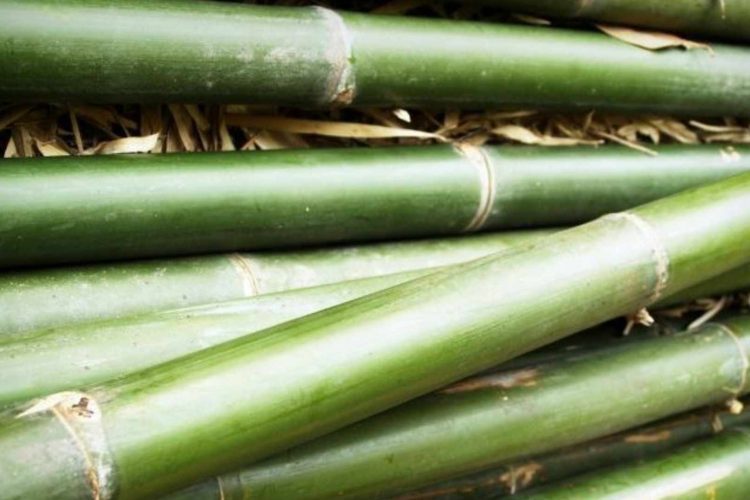
To make informed decisions when sourcing bamboo, it’s important to understand how Vietnam’s bamboo factory works. Fortunately, this guide lays it all out for you. Here, we’ll walk you through everything you need to know about the sourcing process from manufacturers and sourcing strategies to the pros and cons of sourcing from Vietnam.
So keep reading to explore the full picture of Vietnam bamboo sourcing in 2025.
Vietnam’s Bamboo Industry: An Overview
In recent years, Vietnam has become among the top four global destinations for sourcing bamboo products. With rich natural resources, skilled artisans, and a growing commitment to eco-friendly production, the country now exports millions worth of bamboo furniture, homeware, kitchen items, and more every year.
These days, Vietnamese bamboo is showing up as furniture, flooring, packaging, and reusable straws. It is also doing well on the export front. At the moment, Vietnam holds about 3.37% of the global market share for bamboo and rattan products, based on figures from the International Trade Centre (ITC). A large portion of these exports, around 70%, go to the EU and the US.
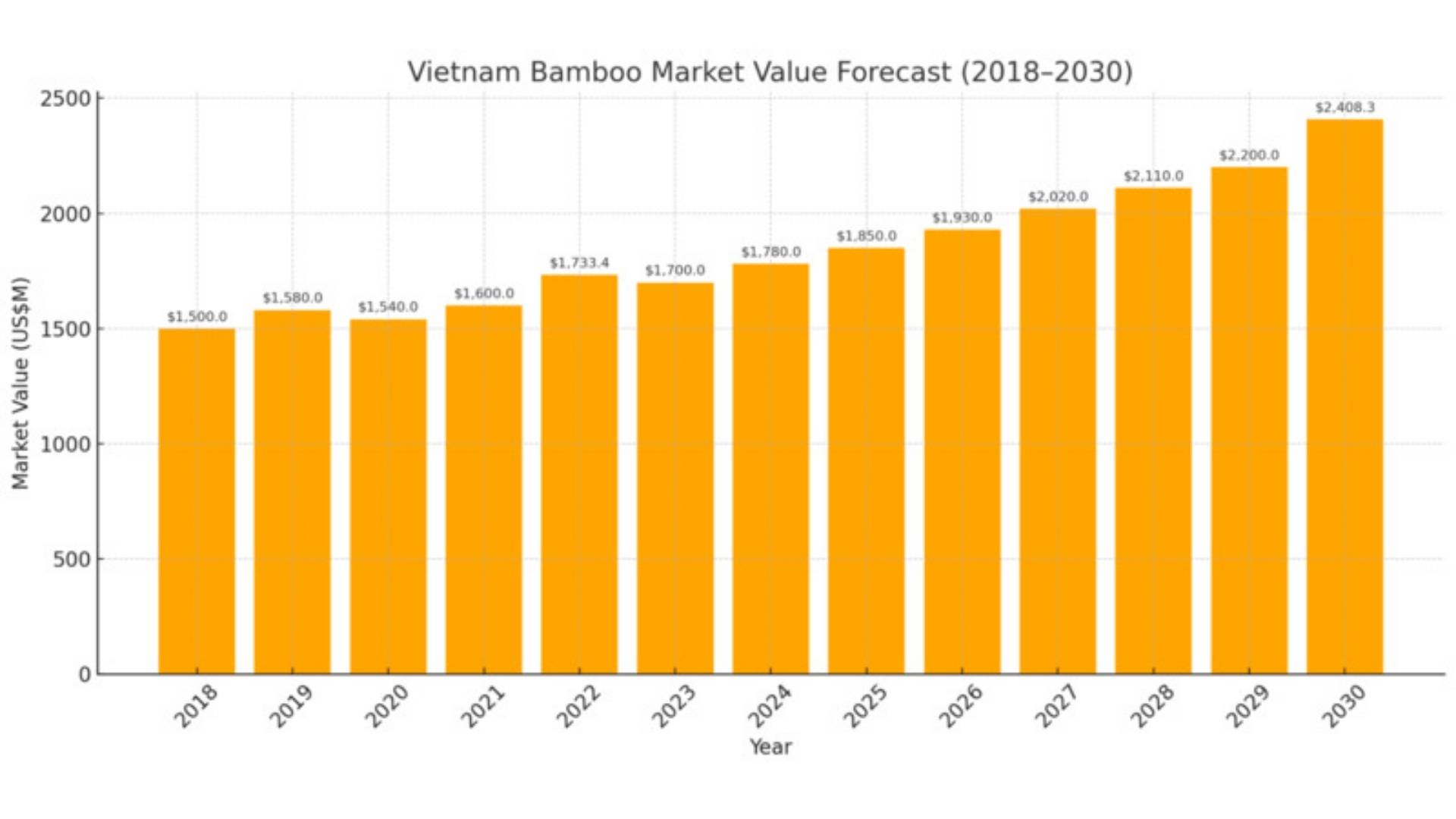
Looking ahead, Vietnam’s bamboo industry is in a strong position to grow. As the world moves towards greener, sustainable materials, bamboo is becoming more popular than ever.
Values for Suppliers When Importing Vietnamese Bamboo
When it comes to bamboo sourcing, Vietnam stands out for its balance of quality and value. Here’s why more international buyers are choosing Vietnam for their bamboo product needs.
- Strong manufacturing capacity: As of 2024, Vietnam hosts approximately 6,000 enterprises engaged in the production and processing of wood and forest products. Together, they handle about 40 million cubic meters of timber each year.
- Sustainability commitment: Over 410,000 hectares of forests are FSC-certified, and more than 730 businesses have an FSC Chain of Custody to show their sourcing is legit and traceable. They’ve also rolled out VNTLAS with the EU.
- Skilled workforce: Vietnam’s bamboo industry is built on generations of craftsmanship, particularly in rural hubs where hand-weaving and shaping are deeply embedded skills.
- Wide product range: The country’s bamboo sector produces goods in six key categories, including furniture, kitchenware, home décor, textiles, construction materials, and eco-packaging. Alongside are more than 50 distinct product types available for export.
Types of Bamboo Plants in Vietnam
Vietnam is home to about 1.4 million hectares of natural bamboo forests, along with 150,000 hectares of cultivated bamboo plantations. That’s a lot of bamboo, and it fuels the work of over 1,000 craft villages, with nearly 100,000 people in the Hanoi area making a living from it. The following are the main types commonly used for manufacturing:
Dendrocalamus membranaceus
This is one of the biggest and strongest types of Vietnamese bamboo. It grows tall and thick and can handle a lot of pressure, which is why it’s perfect for jobs that need strong, long-lasting materials.
Bambusa balcooa
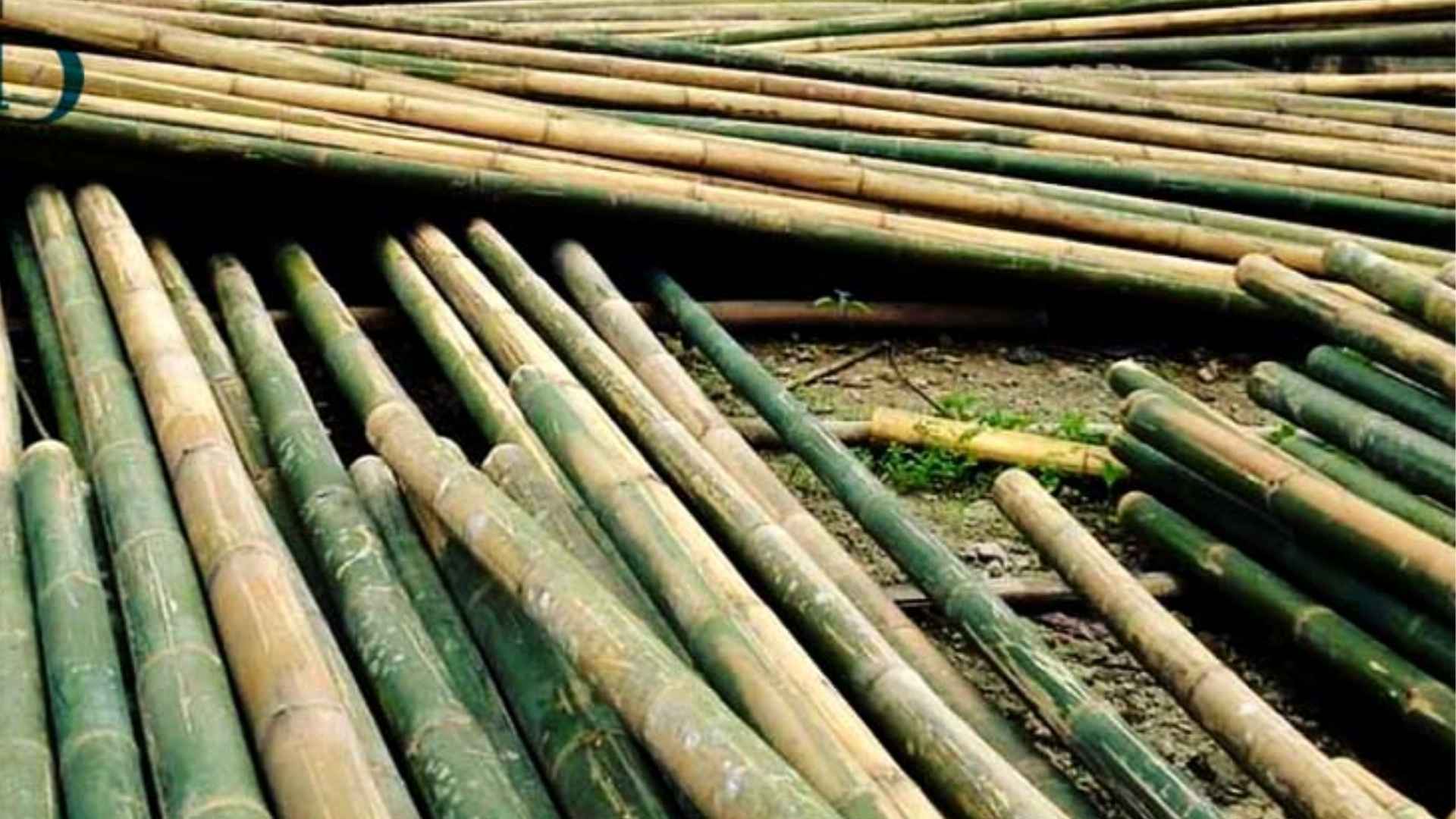
Bambusa balcooa is not as big as Dendrocalamus membranaceus, but it is still strong and very useful. Its smooth surface and clean look make it a great fit for household items (trays, chopsticks, bowls, kitchen utensils, and small furniture). Additionally, it’s easy to clean, holds up well with everyday use, and has a nice finish. This makes it popular in both local markets and for exporting goods.
Gigantochloa levis
Gigantochloa levis saves time during production and handles well in skilled hands. Soft, flexible, and light, it is a top pick in many traditional craft villages. Craftspeople can cut and shape it quickly to make baskets, trays, mats, and small home decor using just simple tools. Often, you’ll find it in rural markets and shops selling handcrafted souvenirs.
Rattan
Compared to other types, rattan is thinner and more flexible. Similar to rattan in use, people use it to craft items that require flexibility and precision, which include baskets, serving trays, lampshades, handbags, and small home items. These materials also contribute to the making of bamboo fabric in Vietnam for the textile industry.
Common Bamboo Products in Vietnam
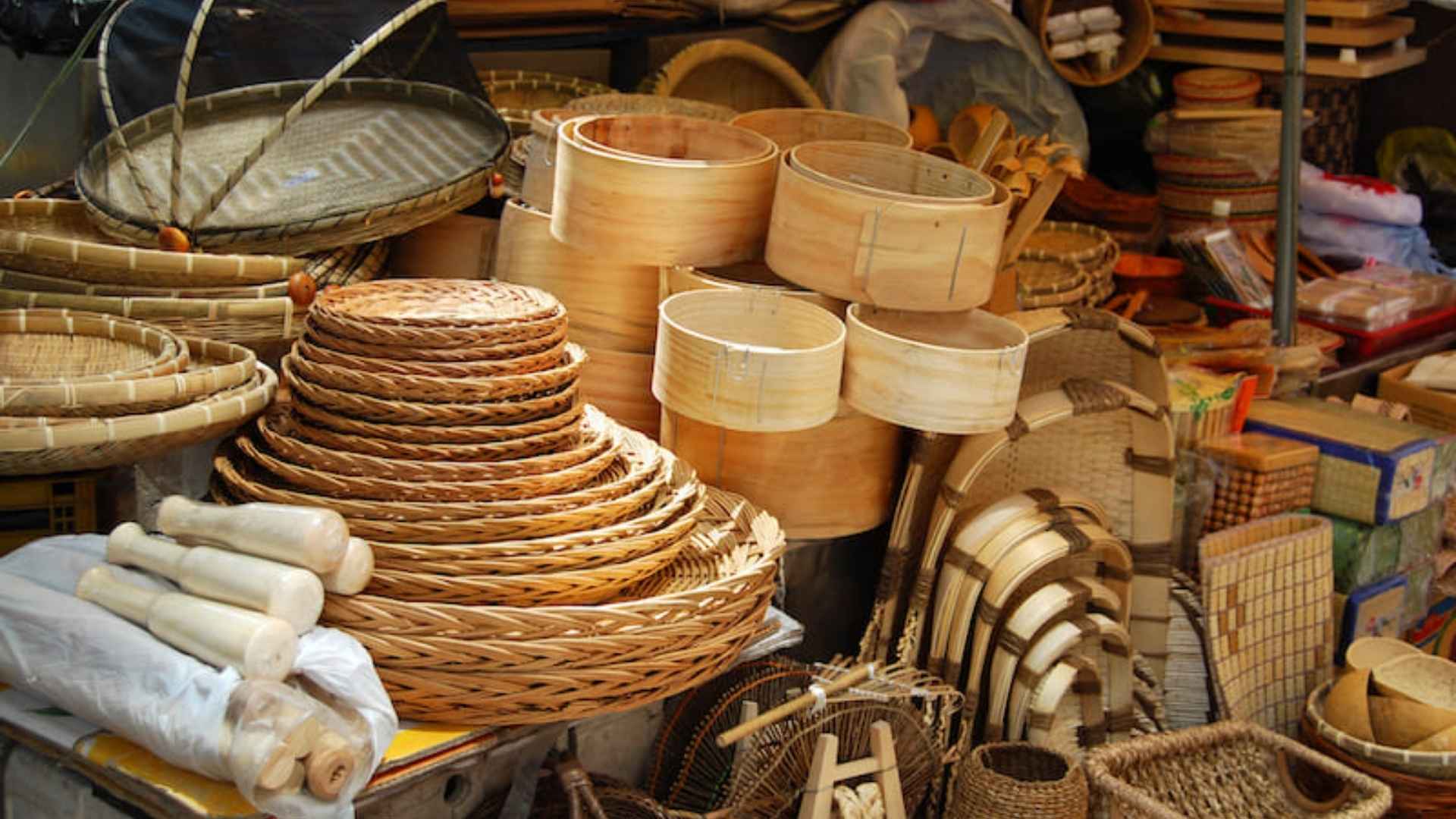
Here are a couple of common categories you might want to explore for your own sourcing.
Bamboo Fabric
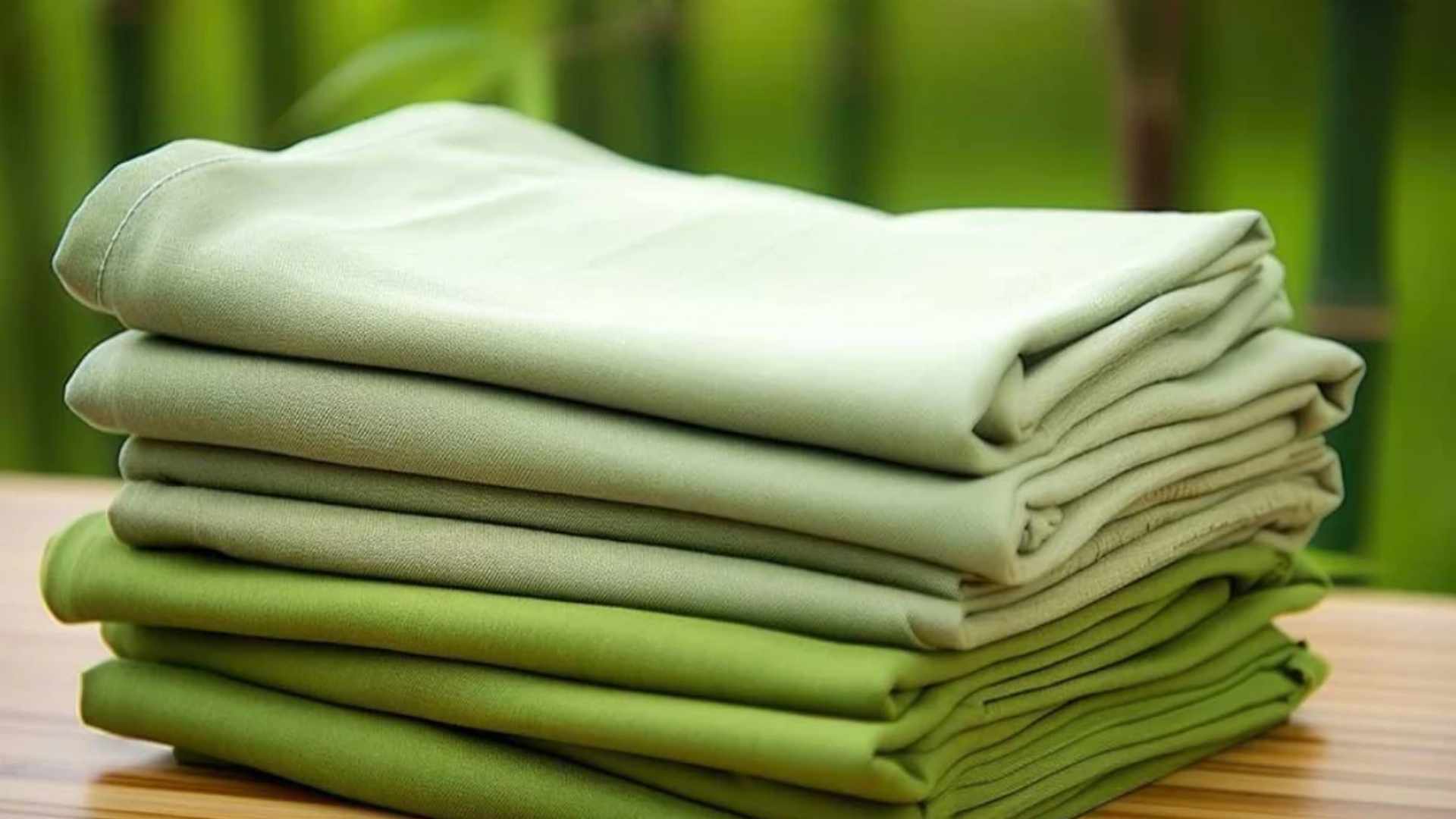
Vietnamese bamboo fabric is the top choice in fashion, apparel, and home textiles thanks to its exceptional qualities. Bamboo fabric is naturally smooth and often compared to silk or fine cotton. Besides, its breathability and antibacterial properties provide superior comfort for users.
Bamboo Furniture
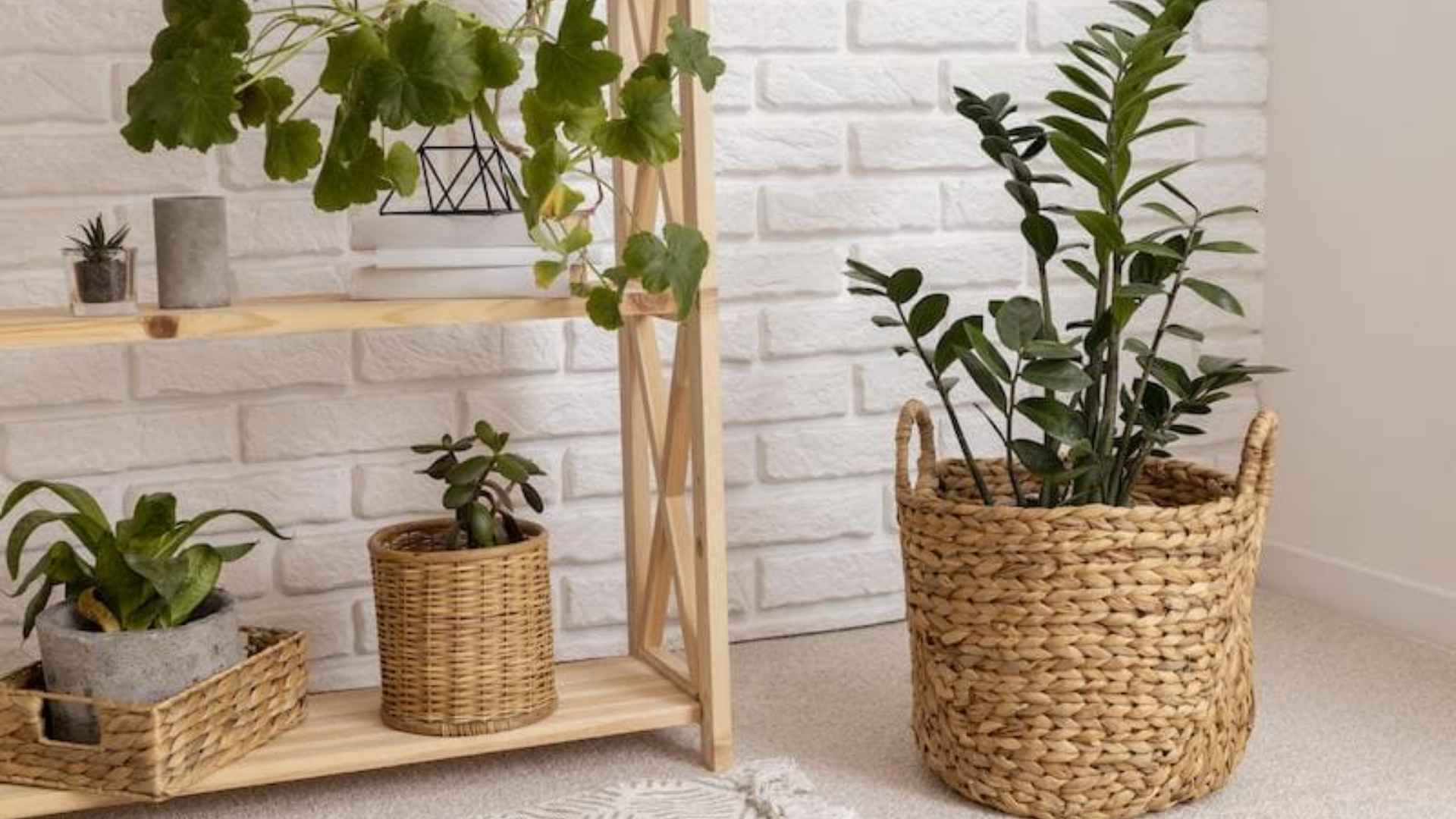
In Vietnam, bamboo furniture makers produce a wide range of items: chairs, tables, shelves, storage units, and decorative home accents. Among these, bamboo chairs and storage baskets are the most exported, commonly shipped to the EU, Japan, and the United States.
Bamboo Handicrafts
In 2024, Vietnam’s total export value for handicrafts (including bamboo) reached approximately 804 million USD. Within this group, bamboo handicrafts often refer to handmade decorative products such as bamboo figurines, foldable fans, gift boxes, and ornamental craft pieces used for gifting, souvenirs, and cultural displays.
Woven Bamboo/Rattan Household Items
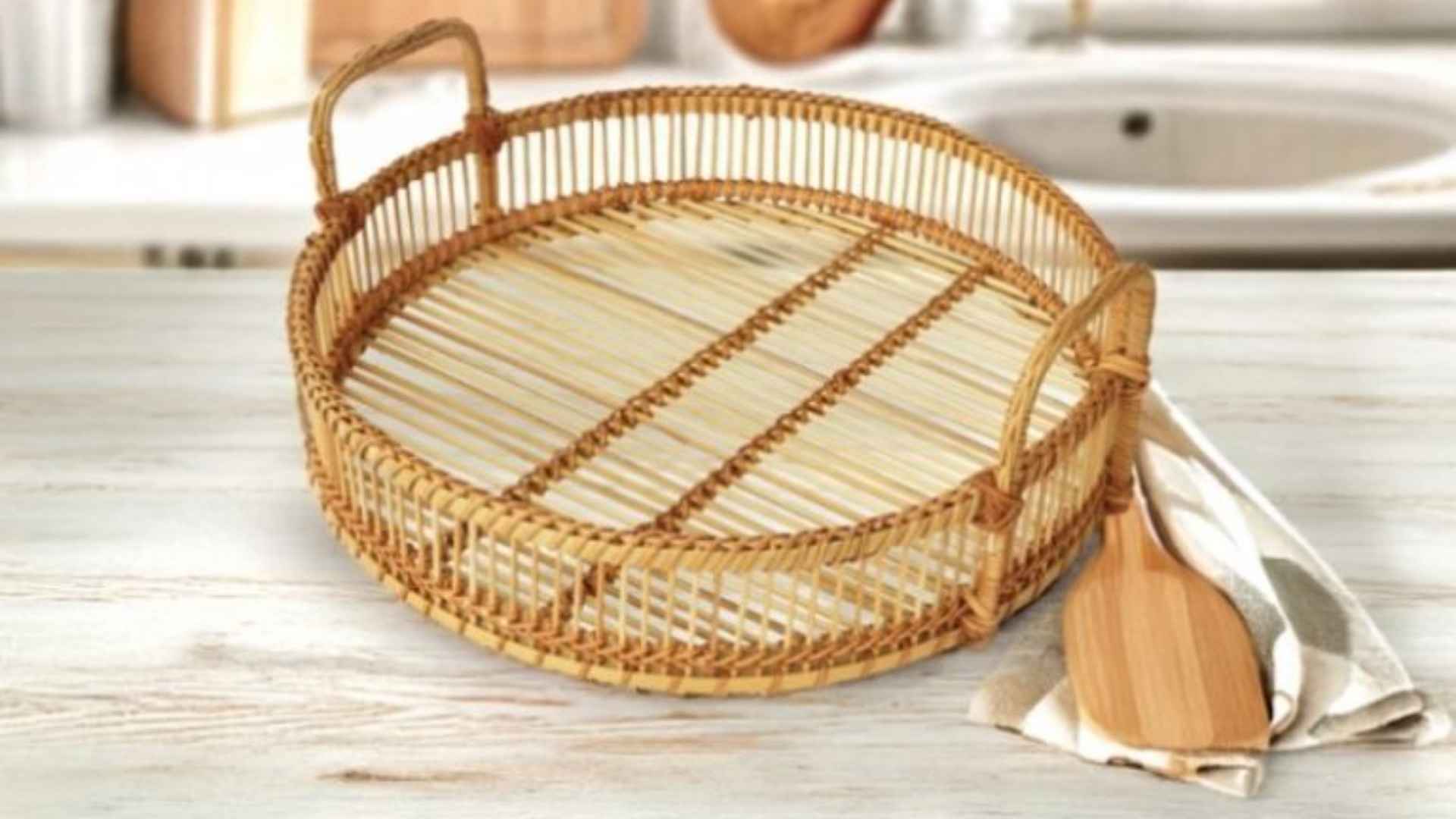
Demand for woven bamboo and rattan household items is also strong. In April 2025 alone, Vietnam exported 79.05 million USD worth of bamboo/rattan goods. Key products in this category include woven laundry hampers, rattan trays, storage cubes, and tissue boxes.
Bamboo Mats & Carpets
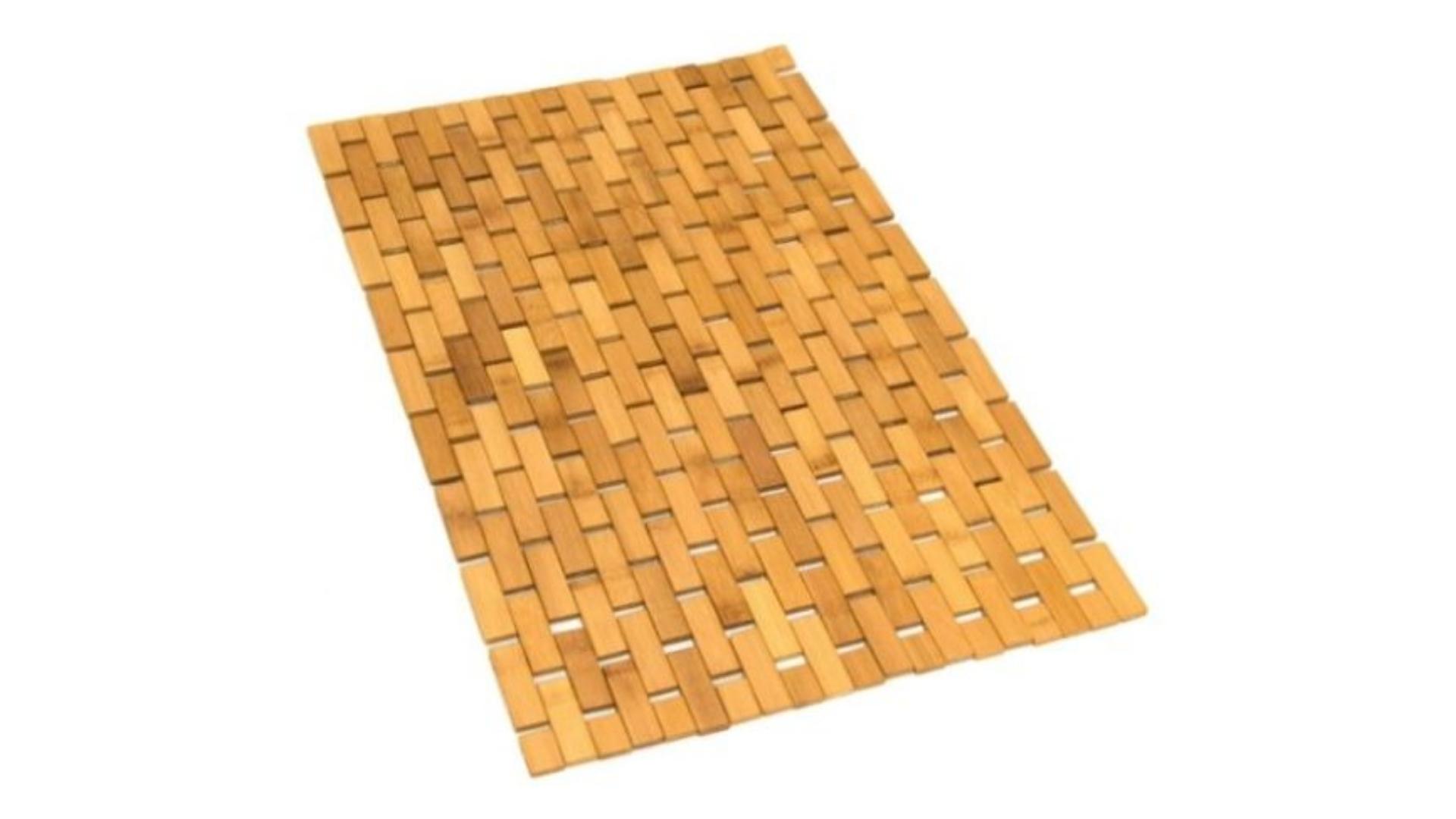
The most popular product in this category is the traditional bamboo sleeping mat. In 2023, the global export value for carpets and textile floor coverings was around 340 million USD. The sub-category of bamboo mats includes bamboo sleeping mats, foldable floor mats, and natural bamboo blinds used as floor covers.
Top Vietnam Bamboo Factories
A few manufacturers clearly rise above the rest due to their expertise and reliability. Below are four companies that deserve your attention.
- Oceans Republic: Based in Hanoi, Oceans Republic runs a large factory that produces bamboo goods for hotels, kitchens, and custom orders. They’re SGS certified and ship their products to customers around the world.
- BambooVision: Buyers looking for variety will find over 400 bamboo product options at BambooVision. On top of that, the company delivers private labeling and ships orders through dropshipping for online sellers.
- Pefso Company Limited: Pefso ranks among Vietnam’s leading exporters of bamboo handicrafts. They work mainly with natural materials and send their products to more than 20 countries. Their production process emphasizes quality checks.
- Eco Bamboo Vietnam: This brand builds Vietnamese bamboo products every day using materials from nearby farms. They care about the environment and use methods that are safe and gentle in nature.
Where to Find Vietnam Bamboo Manufacturers?
Key Regions
Bamboo production in Vietnam isn’t spread evenly across the country. Instead, it centers around three main regions:
- Ho Chi Minh City and Southern Provinces: A large number of Vietnam bamboo and wood factories are based around Ho Chi Minh City. Nearby provinces like Binh Duong, Dong Nai, and Binh Dinh are important centers for processing and production. These areas have good roads, access to ports, and strong supply networks, which allow goods to move smoothly in and out.
- Hanoi and Northern Vietnam: Northern Vietnam is known for its traditional craft villages and small, skilled workshops. Many factories in this region focus on handmade and custom bamboo products. They preserve old techniques while also meeting modern demands.
- Central Vietnam (Quang Nam, Hue, Binh Dinh): This region supports both handmade work and factory production. In Quảng Nam and Huế, many families still make bamboo items by hand. Further south, Bình Định is developing a stronger manufacturing base, with factories focused on processing raw bamboo and filling bulk orders. Located between the North and South, and with nearby port access, these areas offer a good balance for both making and shipping bamboo goods.
Online Sourcing Platforms
If you want a quick overview, online platforms are the most convenient option. They allow you to filter by product type, supplier location, or certifications to find verified bamboo manufacturers.
Top platforms for sourcing bamboo items:
- Alibaba: global B2B sourcing with thousands of Vietnamese bamboo listings
- Global Sources: an international directory for verified factories
- Made-in-China: includes Vietnam-based bamboo exporters
- Vietnam B2B Marketplace: local supplier discovery tool
- VinaSources: sourcing site focused on Vietnamese manufacturers
How to Work with Vietnamese Bamboo Suppliers
Once you’ve picked a supplier that looks like a good fit, the next step is to make sure you really understand how they work and what you can expect.
Request Product Samples and Inspect Quality
Before placing a big order, always start small with samples. Share a simple product brief with your supplier that includes photos, dimensions, any extra materials, and, if it’s for your own brand, details like packaging design or logo placement. Also, be clear about how many samples you want, so you have a backup in case one gets damaged during shipping.
When the samples arrive, take a close look. Items made from good bamboo should:
- Feel smooth
- Have an even color
- Be free from black spots or leftover moisture
If it’s something functional, like a folding chair, test it out: does it feel sturdy? Does it open and close easily? A hands-on check like this will give you confidence before moving forward with a larger order.
Confirm MOQ, Production Time, and Payment Terms
Most bamboo suppliers in Vietnam already set a minimum order quantity for each product. For your first order, it’s always worth asking if they can be flexible.
Production time usually starts at around 20 days, but it can vary a lot depending on the design and the season. During peak times like the New Year and Lunar New Year, production can slow down, so it’s smart to add some buffer time or avoid placing big custom orders right before the holidays. Here’s a quick idea of what to expect:
| # | Main Category | Common MOQ | Typical Lead Time |
| 1 | Bamboo fabric | 1,000 meters per color/style | 35 to 60 days |
| 2 | Bamboo furniture (chairs, tables, shelves) | About 100 to 500 pcs | 20 to 40 days |
| 3 | Bamboo handicrafts | 50 to 100 pcs | 20 days or more |
| 4 | Woven bamboo/rattan household items | Normally 100 pcs | 15 to 20 days |
| 5 | Bamboo Mats & Carpets | 200 to 1000 sheets | Around 30 days |
As far as payment is concerned, most suppliers are very reasonable. The usual practice is to pay about thirty percent upfront by bank transfer, with the balance due before shipping.
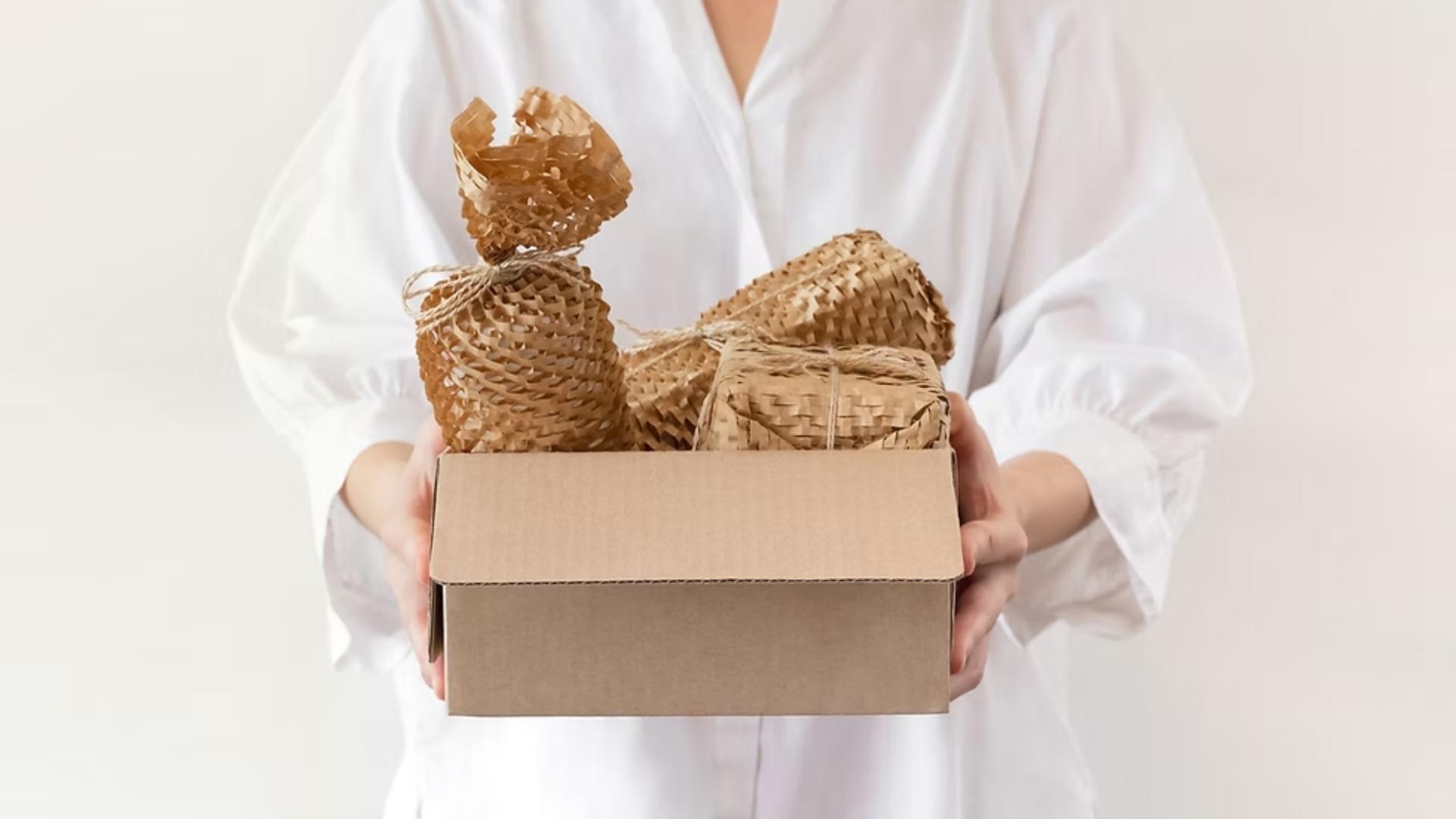
Agree on Customizations and Packaging Requirements
If you’re planning to sell under your own brand, this part really matters. You can start by:
- Listing the key measurements you need and mentioning the tolerance range you’re comfortable with.
- Describing the finish you’d like, whether that’s smooth sanding, a polished surface, or an oil coat.
- Specifying the type of bamboo to use and whether it should go through any pre-treatment, such as mold or insect protection.
- Sharing your branding requests, like logos, laser engraving, or other design details, along with clear notes on placement and size.
Collect All Required Export Documents from Supplier
Good products are important, but without the right paperwork, they won’t make it past customs. That’s why it helps to double-check with your supplier that everything is in place before shipping.
The basics usually include:
- Commercial Invoice
- Packing List
- Bill of Lading or Airway Bill
- Certificate of Origin
- Phytosanitary Certificate
- Fumigation Certificate
How to Import Bamboo from Vietnam to the USA
-
Classify Your Bamboo Product into the Right HS Code
Making sure that your bamboo products are classified under the right Harmonized Tariff Schedule code to specify exactly what duties to expect. Since bamboo can be used in so many ways, there are dozens of possible codes.
Here are some common ones for Vietnamese bamboo products in the US and their normal duty rates:
| # | Product Type | HTSUS Code | General Duty Rate |
| 1 | Woven mats, panels, or folding screens (bamboo) | 4601.21.40.00 | Free |
| 2 | Bamboo baskets, handwoven trays, and containers | 4602.11.09.00 | 10% |
| 3 | Laminated bamboo trays, boxes, holders, bins | 4420.90.8000 / 4500 | 3.2% – 4.3% |
| 4 | Flat bamboo panels, laminated boards | 4412.10.9000 | Free |
| 5 | Kitchenware & tableware (e.g., plates, cutting boards) | 4419.11.90.00 | ~3.2% |
| 6 | Bamboo plaits and strips (crafts, weaving materials) | 4602.11.07.00 | Varies, up to 8–10% |
-
Check If Your Product Requires FDA, USDA, or CPSC Approval
Bamboo can be turned into thousands of different products. Depending on the final use, these products must comply with specific standards to ensure safety and quality. Regulatory bodies such as the FDA, USDA, and CPSC are the main organizations overseeing food contact materials, plant health, and general product safety.
Most finished bamboo products, like furniture or decorative items, do not require a USDA import permit. But some other bamboo products exported to the U.S. definitely require approval.
- FDA (Food and Drug Administration): Oversees bamboo products that come into contact with food, like bowls, plates, cutting boards, or chopsticks.
- USDA (U.S. Department of Agriculture): Oversees raw or semi-processed bamboo materials that may pose agricultural risks, such as untreated poles or plant-based crafts.
- CPSC (Consumer Product Safety Commission): Oversees bamboo goods intended for children, such as toys, baby furniture, or learning tools. These products must meet U.S. child safety standards.
-
Prepare and File the Correct Import Documentation
Most bamboo products coming into the U.S. need a Lacey Act Declaration, and that applies to shipments from Vietnam as well. The declaration usually asks for:
- The scientific name of the bamboo (genus and species)
- The quantity and value of your shipment
- The country where bamboo was grown (Vietnam, in this case)
- The type of bamboo used
- The percentage of recycled content, if any
Certain supporting documents may be required depending on the type of bamboo product being imported:
- For bamboo panels, flooring, or wall fixtures used in commercial or public spaces (e.g., retail stores, restaurants, hotels): Certificate of compliance with flame spread standards (e.g, NFPA 255 or ASTM E84) for building materials.
- Bamboo goods with adhesives, resins, or surface coatings (e.g., laminated boards, treated furniture): Formaldehyde emission test report or third-party certification showing compliance with EPA TSCA Title VI standards.

-
Ensure Your Product Labeling Meets US Requirements
Product labels need to be in place before your goods leave Vietnam and must stay on the packaging until they reach the point of sale in the U.S. For packaging made from wood, it’s important to include the mark approved by the International Plant Protection Convention.
There are also a few details that must appear on the label and packaging, such as:
- The country of origin, clearly marked as MADE IN VIETNAM
- The exact product name
- An identification number that matches what’s listed on the commercial invoice
There are also category-specific rules. Below are some labeling requirements for certain bamboo product types:
| # | Product Type | Labeling Requirement |
| 1 | Bamboo textiles (T-shirts, socks, towels, etc.) | If made from regenerated cellulose (e.g., rayon/viscose), the label must state “rayon made from bamboo”, not just “bamboo.” Unproven eco-claims like “naturally antibacterial” are prohibited. |
| 2 | Bamboo kitchenware/tableware (plates, chopsticks, etc.) | If made from bamboo powder + melamine, it must not be labeled “100% bamboo.” Required to state “bamboo and melamine blend” or equivalent. |
| 3 | Disposable bamboo tableware (spoons, cups, straws, etc.) | If in contact with food, labeling must include usage purpose (e.g., “safe for food use”). Products must comply with FDA food-contact rules. |
| 4 | Bamboo cutting boards/kitchen utensils | Must reflect actual construction: e.g., bamboo veneer ≠ “solid bamboo.” Avoid misleading material claims. |
| 5 | Bamboo furniture/home décor | Must include country of origin and correct material description. If surface-treated or chemically coated, labeling must reflect any relevant consumer impact. |
-
Book Shipment and Choose the Right Incoterm
Once you’ve chosen a freight forwarder and decided whether to ship by sea or air, it’s time to lock in your order. Double-check the details with your forwarder about things like delivery dates, costs, and who’s responsible for what. After that, they’ll arrange pickup from your supplier in Vietnam and take care of moving the goods to the port or airport.
Incoterms are simply the rules that spell out who handles which part of the shipping:
- If you’ve shipped by sea before, FOB is often a good fit. Your supplier will handle everything until the goods are loaded on the vessel in Vietnam, and then the responsibility shifts to you.
- If you’d prefer less hassle, DDP is the simplest. The supplier takes care of almost everything, including insurance, until the shipment shows up at your warehouse.
-
Book Shipment and Choose the Right Incoterm
It’s worth noting that duties are not the final total costs. There are also insurance, freight, and customs fees, which reduce your profit if not calculated correctly. For bamboo or other products imported to the USA, here is how duties are calculated:
Import Duty = CIF value × Duty Rate + Additional Tariffs
In which:
- CIF value: Cost of goods + Insurance + Freight. This is the declared value of your shipment used by the U.S. Customs to determine how much duty is owed.
- Duty Rate: The rate based on the product’s HTSUS code, origin country, and any special tariffs applying.
- Additional Tariffs: Any extra duties imposed. Currently, the U.S. applies a 20% reciprocal tariff on many goods imported from Vietnam, including bamboo products.
Say you’re importing bamboo baskets with a CIF value of 20,000 dollars. The HTSUS code for bamboo basketwork is 4602.11, and the general duty is about 5 percent. With the extra 20 percent tariff, the calculation would look like this:
- General duty: 20,000 x 5% = 1,000 dollars
- Extra tariff: 20,000 x 20% = 4,000 dollars
- Total duties: 5,000 dollars
Since this can feel like a lot to manage, many importers work with a licensed customs broker to ensure everything is filed correctly. Keep in mind that CBP and the USDA often inspect shipments upon arrival in the U.S., so having a quality control team in Vietnam check your goods before shipping can help avoid delays or unexpected fines.
Sourcing Vietnam Bamboo Products with Vinasources
Finding reliable Vietnam bamboo suppliers can be frustrating. The information isn’t always clear, while suppliers can be hard to reach, too. It’s also tough to tell who’s reliable and who’s not.
VinaSources changes how this works. We bring together verified Vietnam bamboo sourcing companies that are fully prepared for international trade. Each supplier complies with Vietnamese export regulations, including Circular 38/2015/TT-BTC and Decree 69/2018/ND-CP, which govern customs procedures, trade documentation, and conditional business licensing. Many are also certified under international standards like FSC and PEFC, which meet requirements under the EU Deforestation Regulation (EUDR) and the U.S. Lacey Act.
You can browse real factory profiles, check product info, see certifications, and view photos or videos before reaching out. Everything is in one place, easy to follow, and made for serious sourcing.
Better yet, support services are built into the process, so you don’t have to look elsewhere for logistics or compliance help. Be it shipping, customs, or quality checks, everything can be handled through trusted connections inside the platform, without extra steps or unnecessary back-and-forth.
Request a quote today. Contact us at 1900.4356 or email [email protected].