
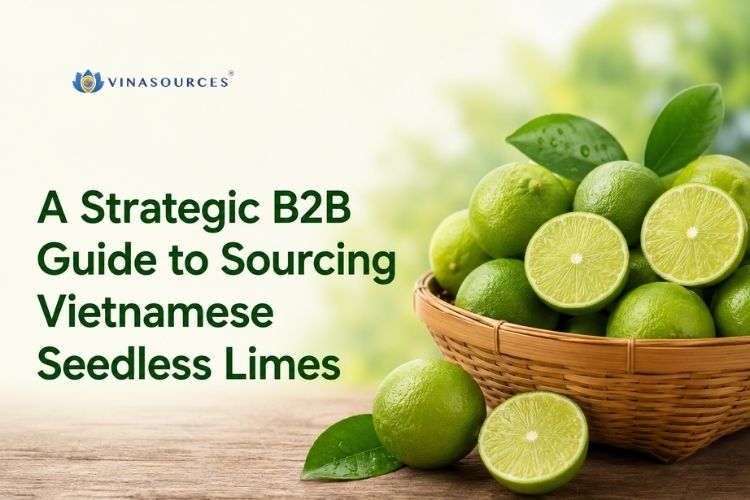
The global demand for fresh produce is growing fast, and seedless limes have become a highly profitable product for international traders. Vietnam, with its fertile soil and warm tropical climate, has emerged as a leading power in the global citrus market. Today, the country is a strategic sourcing hub for importers who require high juice yield, premium fruit quality, and a reliable year-round supply.
If you are a wholesaler, procurement manager, or sourcing agent, this guide is designed for you. We provide a complete roadmap on how to import seedless lime from Vietnam successfully.
Strategic Advantages of Vietnamese Seedless Limes
Vietnam has rapidly established itself as a premier sourcing hub for seedless limes, offering unique benefits that cater specifically to the rigorous demands of the global B2B market.
1. Superior Fruit Quality and High Juice Content
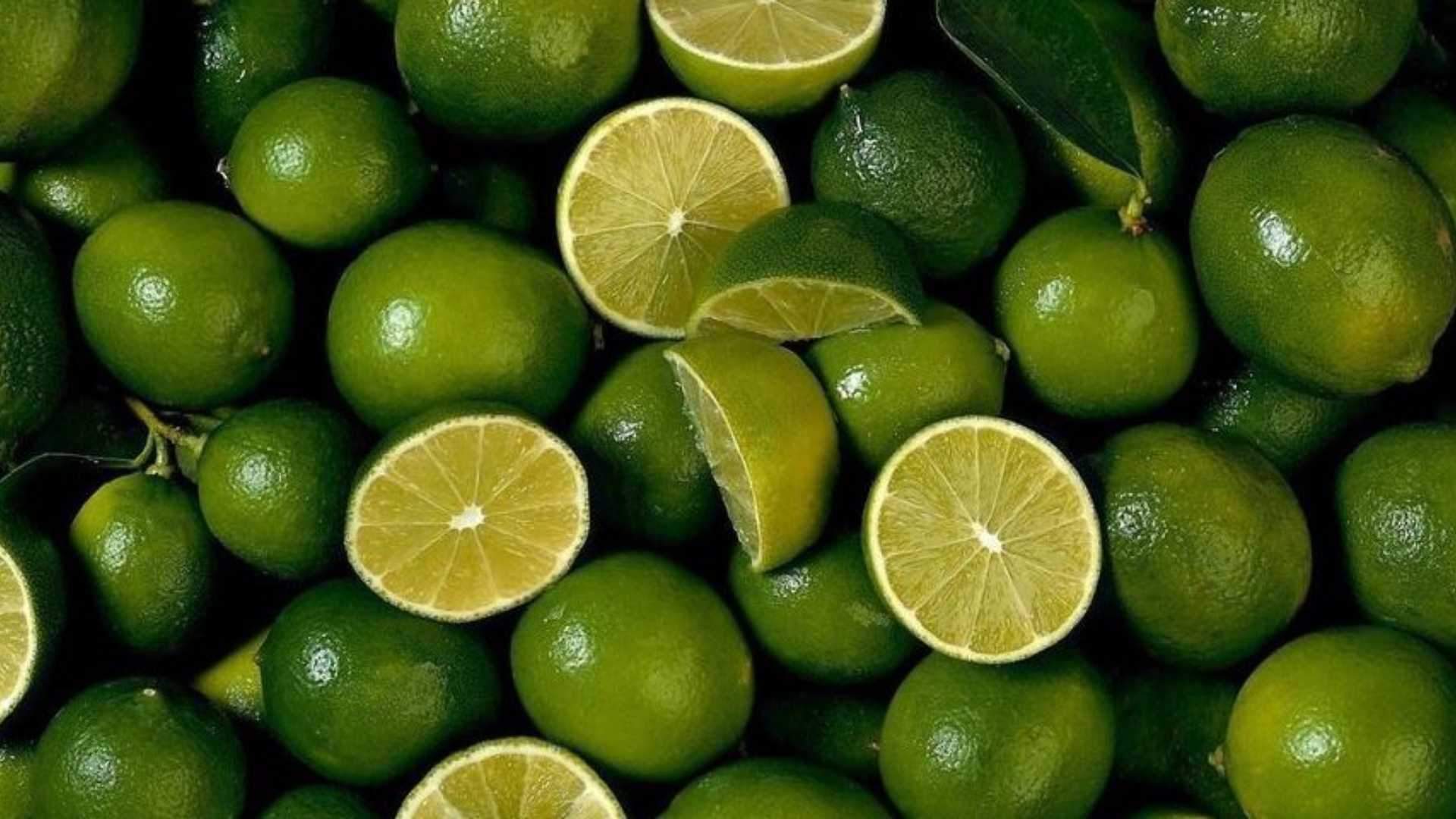
Vietnamese seedless limes are famous for being very juicy. The juice content typically accounts for more than 40% to 45% of the fruit’s volume. Physically, the fruit has a thin, smooth, and glossy green skin. Because they have no seeds, these limes save preparation time for chefs and bartenders while eliminating the bitterness often found in seeded varieties.
2. Reliable Year-Round Harvest and Supply
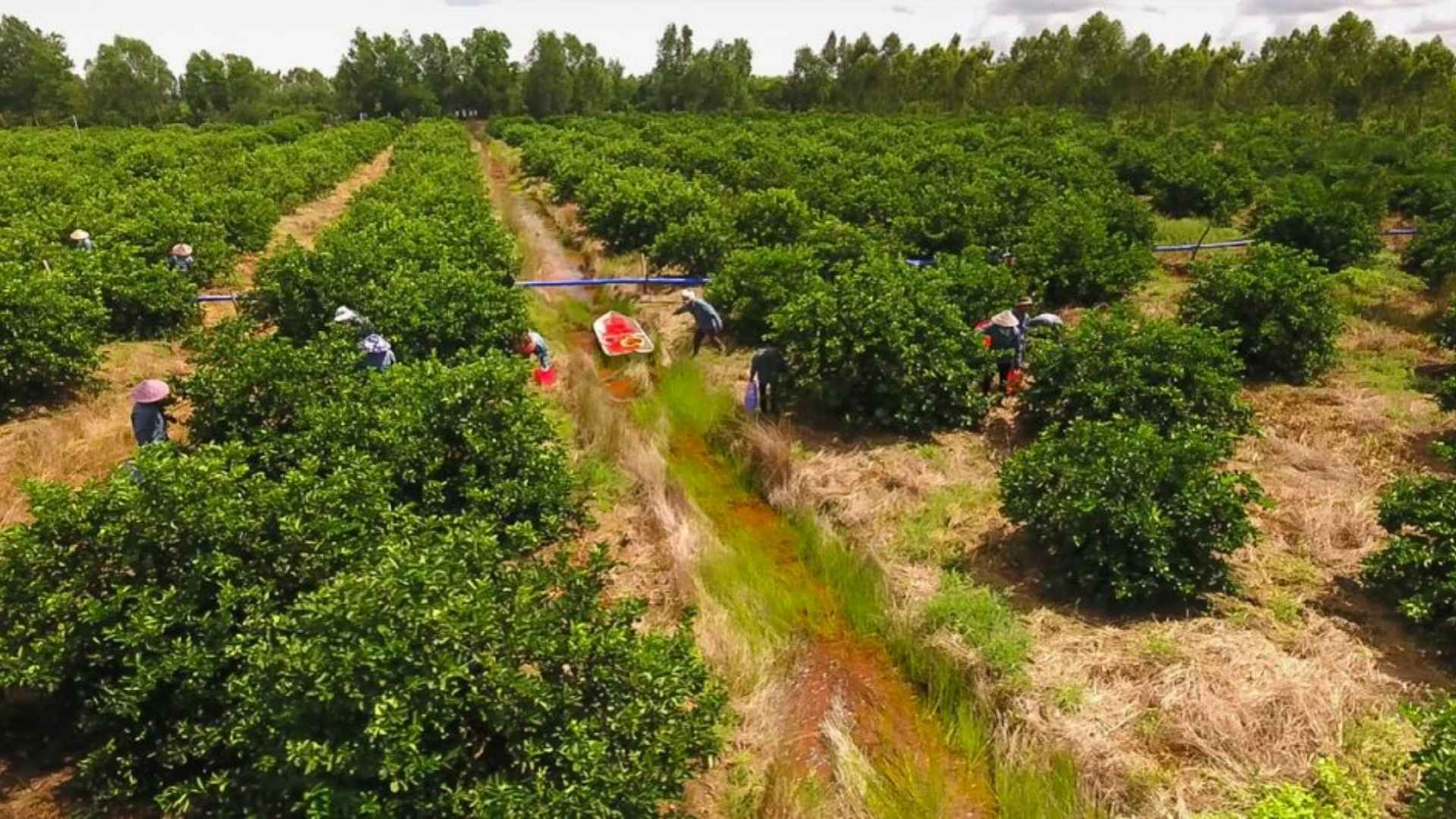
One of Vietnam’s biggest advantages is its climate. The tropical monsoon weather allows for a 12-month harvesting cycle. By sourcing from different regions like the Mekong Delta and the Southern Highlands, Vietnamese exporters can guarantee a stable and uninterrupted supply chain throughout the year.
3. Reliable Year-Round Harvest and Supply
One of Vietnam’s biggest advantages is its climate. The tropical monsoon weather allows for a 12-month harvesting cycle. By sourcing from different regions like the Mekong Delta and the Southern Highlands, Vietnamese exporters can guarantee a stable and uninterrupted supply chain throughout the year.
4. Reliable Year-Round Harvest and Supply
One of Vietnam’s biggest advantages is its climate. The tropical monsoon weather allows for a 12-month harvesting cycle. By sourcing from different regions like the Mekong Delta and the Southern Highlands, Vietnamese exporters can guarantee a stable and uninterrupted supply chain throughout the year.
5. Extended Shelf Life for Long-Distance Shipping
Vietnamese Persian Limes have a firm rind that handles long-distance transport very well. When kept in a professional cold chain (typically 5°C to 8°C), they have a shelf life of 3 to 5 weeks, and sometimes up to 60 days. This allows the fruit to arrive at distant ports like Dubai (15–18 days) or Europe (20–28 days) in excellent condition.
6. Compliance with Global Safety Certifications
The Vietnamese lime industry is heavily focused on international food safety. Many farms and processing plants are certified by GlobalG.A.P., VietGAP, and HACCP. This ensures the limes meet strict Maximum Residue Limits (MRLs) for pesticides, making them safe for consumers in demanding markets like the GCC and the European Union.
Main Export Markets for Vietnamese Limes
Vietnamese exporters currently ship seedless limes to more than 30 countries and territories. The global demand is divided as follows:
- The Middle East (60–70% of total volume): This is the largest market for Vietnamese limes. Dubai is the most important buyer in this region because of its large Jebel Ali seaport and preferred tax policies, which make it a central point for distribution to neighboring countries.
- Singapore (15–20% of total volume): This is a traditional market that requires very high quality and specific fruit sizes.
- Thailand (10–15% of total volume): Thailand is a large producer itself but often buys limes from Vietnam during its dry season to meet local demand.
- Other Markets (5–10% of total volume): This includes the European Union, USA, Canada, and Russia.
How to Find Reliable Vietnamese Seedless Lime Suppliers
Importing seedless limes from Vietnam is a smart way to grow your fresh produce business. Finding the right partner is the most important step to ensure your fruit is high-quality and arrives on time.
Visit Trade Shows
Attending a trade exhibition is one of the best ways to meet suppliers face-to-face. You can see the fruit quality, check packaging samples, and build trust with company owners.
| Trade Show | Main Industry Focus | Date & Venue |
| Vietnam Foodexpo | Processed food, beverages, and agricultural products | November 11-14, 2026, Saigon Exhibition and Convention Center (SECC), located at 799 Nguyen Van Linh Street, District 7, Ho Chi Minh City, Vietnam. |
| Vietnam International Sourcing Expo | Multi-industry, including food, beverages, and supply chain solutions | September 3-5, 2026, at the Saigon Exhibition and Convention Centre (SECC) in Ho Chi Minh City. |
Use B2B Sourcing Platforms
Online marketplaces allow you to search, filter, and contact suppliers from your own office. These platforms help you compare prices and review company profiles quickly.
- Alibaba: It is the largest global B2B marketplace and features many Vietnamese lime exporters. It is excellent for initial market research and price benchmarking, especially if you are a first-time importer.
- VinaSources: This is a specialized platform that connects international buyers directly with reliable Vietnamese manufacturers. Its main strength is that all listed suppliers go through a strict verification process. It also helps you find supporting services like customs brokers, inspection companies, and logistics providers to make importing easier.
- Tradewheel
: This platform focuses on bulk trading and has an extensive category for agricultural products. It is a good choice for exporters looking for a user-friendly interface to manage large-scale transactions.
Work with Sourcing Agents
If you have limited experience in Vietnam or need a high-volume supply, a sourcing agent can handle the work for you. They act on your behalf to visit factories, negotiate prices, and check the quality of your seedless limes before they are shipped.
Here are some leading sourcing companies in Vietnam
Dragon Sourcing: A global procurement company established in 2004 with over 20 years of experience. They offer market research, supplier selection, and end-to-end operations like logistics coordination. Dragon Sourcing focuses on manufacturing, food and beverages (F&B), healthcare, and consumer goods.
Contact information:
- Website: https://www.dragonsourcing.com/
- Email: [email protected]
- Tel: +84 923 068 538
MoveToAsia: A Vietnam-based agent provides various services such as supplier matching, quality inspections, and market entry consulting. They have strengths in agriculture, food products, furniture, and textiles.
Contact information:
- Website: https://movetoasia.com/
- Email: [email protected]
- Tel: +84 707 527 789
Sourcing Agent Vietnam (SAV): A local partner based in Ho Chi Minh City with over 6 years of experience. SAV organizes factory tours for buyers, checks product quality, and helps with price negotiations. They focus on agricultural products, handicrafts, furniture, and electronics.
Contact information:
- Website: https://sourcingagentvietnam.com/
- Email: [email protected]
7 Steps to Successfully Import Seedless Limes from Vietnam
1. Verify Suppliers
Verifying your supplier is the most important step to avoid scams and ensure your goods meet international standards. When sourcing from Vietnam, follow these simple steps to check if a manufacturer is legal and ready to export.
- Check business registration and tax code
- Verify quality certifications such as GlobalG.A.P., VietGAP, or HACCP, and export documents, including a Phytosanitary Certificate and a Certificate of Origin (C/O).
- Confirm corporate bank accounts
- Review their export track record by asking them for copies of past Bills of Lading (B/L)
If you cannot travel to Vietnam to see the factory yourself, you can hire international firms like SGS or Bureau Veritas to visit the farm or factory. They will check the production scale and quality systems for you. In addition, you can use online platforms like VinaSources, which specialize in connecting global buyers with verified Vietnamese manufacturers who have already been checked for legitimacy.
2. Request Samples and Quotations
After you shortlist a few potential partners, the next step is to ask for physical samples and detailed price offers. This stage is vital because it allows you to check the fruit quality and compare costs before making a financial commitment.
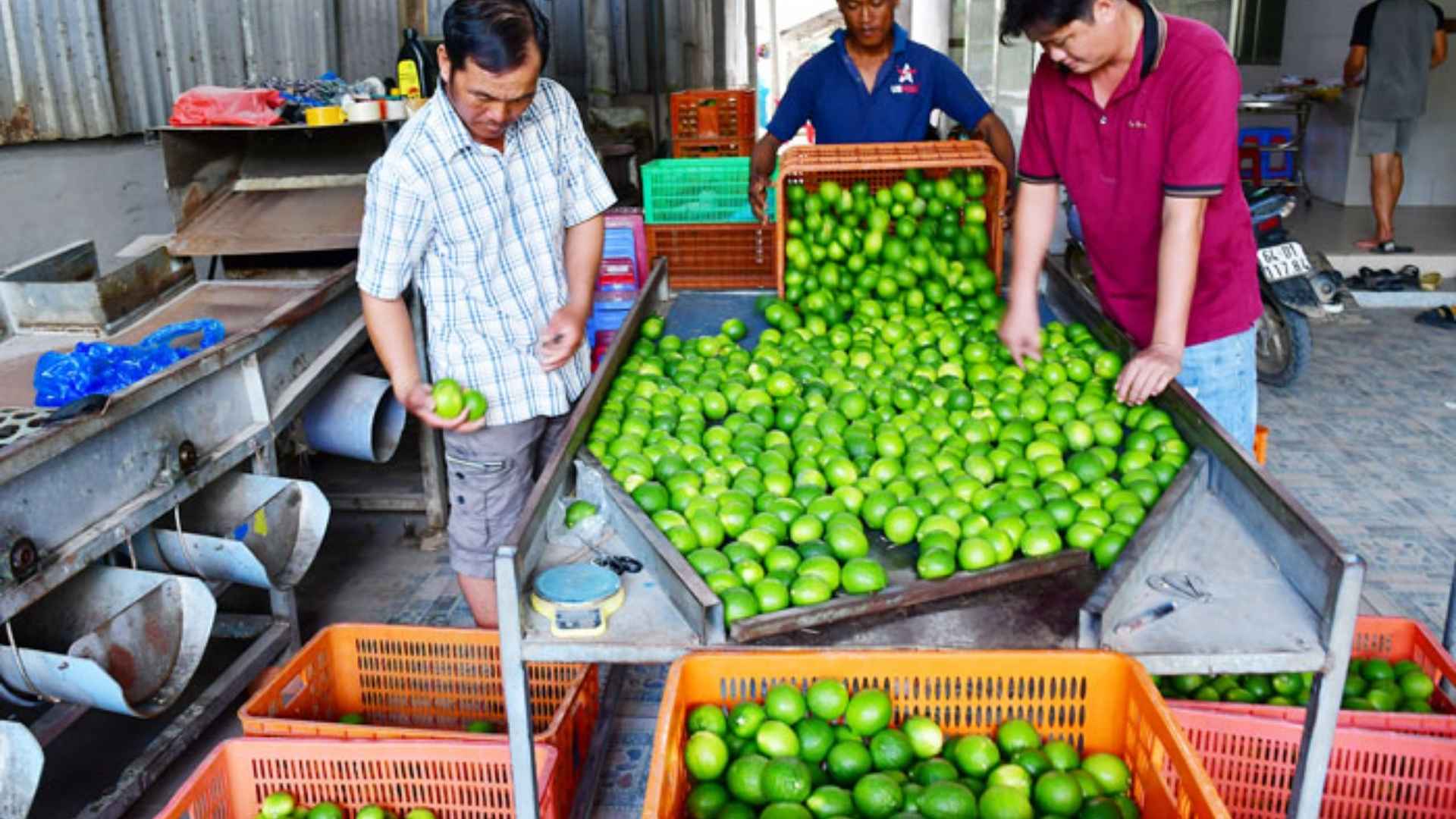
Most Vietnamese seedless lime exporters offer quality samples that typically weigh between 2 kg and 5 kg. These samples are usually sent via express air freight or international courier services to ensure they arrive quickly while the fruit is still fresh.
When the samples arrive, you should carefully assess several factors:
- Physical Appearance: Check for a uniform green color and a smooth, thin rind.
- Internal Quality: Measure the juice content (it should be over 40%) and confirm the fruit is truly seedless.
- Aroma and Taste: Ensure the limes have the fresh, acidic scent and balanced flavor required for your market.
In addition to physical samples, you should request recent photos of the current lot in the warehouse and copies of recent quality reports.
To receive an accurate and professional price offer, you must provide the supplier with a clear Request for Quotation (RFQ).
Your RFQ should include the following details:
- Product Specifications: Define the required size (e.g., 45-65 mm), grade, and variety.
- Quantity and Packaging: State your total order volume and whether you need bulk 10 kg cartons or retail-ready mesh bags.
- Trade Terms: Specify your preferred HS Code and Incoterms, such as FOB Ho Chi Minh City or CIF your destination port.
- Compliance Needs: Mention if you require specific certifications like GlobalG.A.P. or if the shipment needs a Phytosanitary Certificate.
3. Negotiate Pricing and Trade Terms
Once you have assessed your samples, the next step is to negotiate the final price and the legal terms of your deal.
Selecting the Right Incoterms: Incoterms decide who pays for shipping and who takes the risk during the journey.
- FOB (Free on Board): This is the standard for experienced buyers. You choose your own shipping company, which gives you more control over freight costs and arrival times.
- CIF (Cost, Insurance, and Freight): This is often better for first-time buyers. The supplier manages the shipping and insurance until the goods reach your destination port.
- EXW (Ex Works): New importers should avoid this term. It gives the buyer full responsibility for transport and export rules inside Vietnam.
Securing Your Payment Terms:
To protect your business, always choose a payment method that matches your trust in the supplier.
- T/T (Telegraphic Transfer): Most buyers pay a 30% advance deposit. The remaining 70% balance is paid after receiving a scan of the Bill of Lading (B/L).
- Irrevocable L/C at Sight (Letter of Credit): This is the safest method for large orders. The banks manage the documents and payment, which reduces risk for both sides.
Mandatory Terms for Your Sales Contract
Do not rely on emails or chat messages. A professional sales contract must include these mandatory terms to protect your interests:
- Detailed Product Specifications: Clearly state the variety, size (e.g., 45-65 mm), and required juice content (>40%).
- Packaging Specs: Define the weight and type of carton (e.g., 5-layer moisture-resistant 10kg cartons).
- Claim and Tolerance Clause: Fresh limes can lose weight or get damaged during transit. Agree on a “tolerance limit” (usually 3% to 5%) and define what evidence (like photos or third-party reports) is needed to file a claim.
- Shipment Window & Penalties: Set a clear “Latest Shipment Date” and agree on penalties if the supplier is late.
- Inspection Rules: State who will inspect the goods (e.g., SGS or Intertek) before they are loaded into the container.
4. Confirm Import Requirements in Your Country
Every country has its own safety rules to protect consumers and the environment from pests or dangerous chemicals. Before you pay for your seedless limes, you must know the exact rules for your home market. If your shipment does not meet these rules, customs authorities have the right to confiscate, destroy, or return the goods to Vietnam at your expense.
| # | Market | Key Documents |
| 1 | European Union (EU) | Form EUR.1 (for 0% tariff), Phytosanitary Certificate, Commercial Invoice |
| 2 | USA | APHIS Import Permit, Phytosanitary Certificate, Bill of Lading |
| 3 | Middle East (GCC) | Certificate of Origin, Halal Certificate (if requested), Phytosanitary Certificate |
| 4 | Japan / South Korea | Phytosanitary Certificate, Certificate of Origin, GAP Certifications |
| 5 | China | PUC (Planting Area Code) and PHC (Packing House Code) |
Tips for buyers: Always consult a licensed broker in your own country before the cargo departs Vietnam to check for any sudden changes in tax rates or entry laws.
5. Conduct Quality Inspection
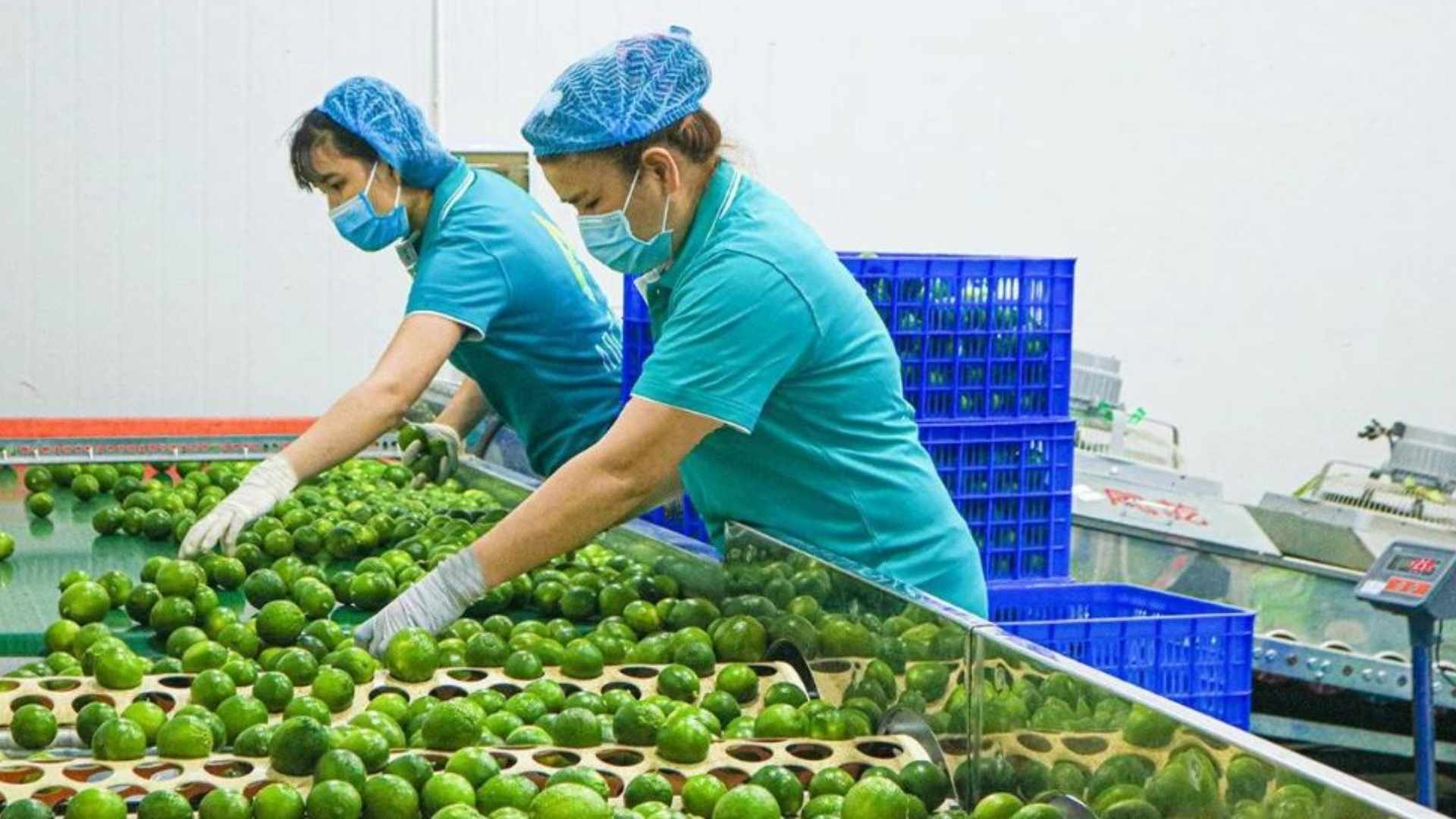
For large-scale or first-time orders, it is best practice to hire an independent testing company. These experts will visit the packing house to verify the quantity, quality, and packaging before the goods leave Vietnam.
Some trusted inspection names in Vietnam include:
- International firms: SGS, Bureau Veritas, Eurofins, and Intertek.
- Local experts: Vinacontrol.
The inspection is not finished until the limes are safely inside the container. Pre-shipment Inspection (PSI) involves checking the final packed cartons and ensuring the container is clean and pre-cooled to the correct temperature (usually +5°C to +8°C). Many buyers request the inspector to seal the container with a unique numbered bolt to prevent tampering during transit.
6. Prepare Export Documentation
Most delays at the border are caused by missing or incorrect documents, not by the ship itself. Your Vietnamese partner must provide a complete “document set” before the vessel arrives at your port to ensure you can clear customs without extra fees.
- Commercial Invoice: This shows the seller and buyer names, the product description (Seedless Lime), the HS Code (08055020), unit price, and total value.
- Packing List: A detailed list showing the number of cartons, net weight, gross weight, and the marks on the boxes.
- Sales Contract or Purchase Order: The signed agreement between you and the supplier that lists all terms and conditions.
- Bill of Lading (B/L): The main transport document issued by the shipping line. It acts as a receipt for the cargo and a document of title to the goods.
- Electronic Export Customs Declaration: In Vietnam, exporters must file an electronic declaration (E-Form HQ/2015/XK) to get permission to ship the goods.
Because seedless limes are fresh plants, they must meet strict biological and safety rules. Without these specific certificates, customs authorities may confiscate or destroy your shipment.
- Phytosanitary Certificate: This is mandatory for all plant products. It is issued by the Plant Protection Department (PPD) of Vietnam to certify that the limes are free from quarantine pests and diseases.
- Certificate of Origin (C/O): This document proves the limes were grown in Vietnam. Using specific forms like Form EUR.1 (for the EU) or Form CPTPP can help you get 0% import taxes in your home country.
- Health Certificate (HC): This certifies that the fruit meets food safety standards and is safe for human consumption.
- Certificate of Fumigation: This may be required if the limes are packed in wooden crates or if your country has specific rules for bulk agricultural goods.
7. Arrange Shipping and Logistics
The shipping method you choose depends on your budget, order volume, and how quickly you need the fruit.
Air Freight: This is best for small, urgent orders or premium supermarket chains that require maximum freshness. While more expensive, it reduces transit time to just 1–2 days.
Sea Freight: This is the industry standard for bulk orders. Limes are shipped in refrigerated (reefer) containers to keep them fresh during long journeys.
Most seedless limes are grown in the south, so Ho Chi Minh City is the primary logistics hub.
- Cat Lai Port (Ho Chi Minh City): This port handles more than 80% of agricultural exports from southern Vietnam.
- Hai Phong Port: The main hub for shipments originating from northern production regions.
- Da Nang Port: A key gateway for suppliers in Central Vietnam.
Below are indicative transit times from Cat Lai Port to major global destinations:
- Dubai (Jebel Ali Port): 15–18 days.
- Saudi Arabia (Jeddah/Dammam): 18–22 days.
- Europe (Main Hubs): 20–28 days.
- Singapore: 3–5 days (traditional regional market).
To prevent the limes from turning yellow or getting brown spots, you must ensure the shipping company follows these technical settings inside the container:
| Parameter | Required Setting | Purpose |
| Temperature | +5°C to +7°C | Prevents yellowing (above 8°C) and chilling injury (below 4°C). |
| Humidity | 85% to 90% | Prevents the fruit from drying out and losing weight. |
| Ventilation | 15 to 25 CBM/hour | Removes ethylene gas to stop the fruit from ripening too fast. |
It is best practice to work with experienced freight forwarders who specialize in agricultural exports. They understand how to handle reefer containers and can provide electronic data loggers. These devices record the temperature throughout the journey, allowing you to verify that the fruit stayed at the correct temperature.
Why Work with VinaSources to Source Seedless Lime from Vietnam?
Sourcing fresh produce from a new country can be difficult due to language barriers, complex regulations, and the risk of unverified suppliers. VinaSources is designed to solve these problems by acting as a specialized bridge between international buyers and the best manufacturers in Vietnam.
VinaSources is a specialized platform that connects you directly with verified Vietnamese manufacturers and agricultural suppliers. Every supplier listed on our platform undergoes a structured verification and review process before they are allowed to join. This means you can source seedless limes from legitimate, export-ready farms and factories with confidence.
Furthermore, to simplify your operations, VinaSources connects buyers with supporting services, including:
- Logistics and warehousing partners.
- Customs brokers handle paperwork.
- Professional inspection services to check fruit quality before shipping.
By integrating these services into one platform, we help you streamline the entire export process transparently and efficiently.
Are you ready to optimize your citrus supply chain with high-quality Vietnamese seedless limes? VinaSources is your trusted partner to help you find the right supplier and manage every step of the import journey.
Leave a Request for Quotation or contact us
- Switchboard: 19004356
- Hotline: 0329725268
- Email: [email protected]