
Finding the right leather manufacturer in Vietnam starts with a clear understanding of what you need to buy. Tanneries turn hides into leather for footwear, bags and accessories, while finished-goods factories cut, stitch and assemble that material into market-ready products. Choosing the right type of partner from the outset makes sampling, quotations and production planning more straightforward.
Vietnam offers both large-scale leather-processing facilities and specialist manufacturers of finished goods. The following list brings together 10 options across these two areas, with details on their products, manufacturing strengths, and business experience.
TOP 10 Trusted Leather Manufacturers in Vietnam
1. LADODA
Founded in 1992, LADODA manufactures briefcases, handbags, backpacks, school bags, suitcases and accessories from leather and synthetic materials. Its two production sites in Hanoi and Hung Yen combine technical design with industrial sewing, supporting collections that range from business bags to everyday travel products.
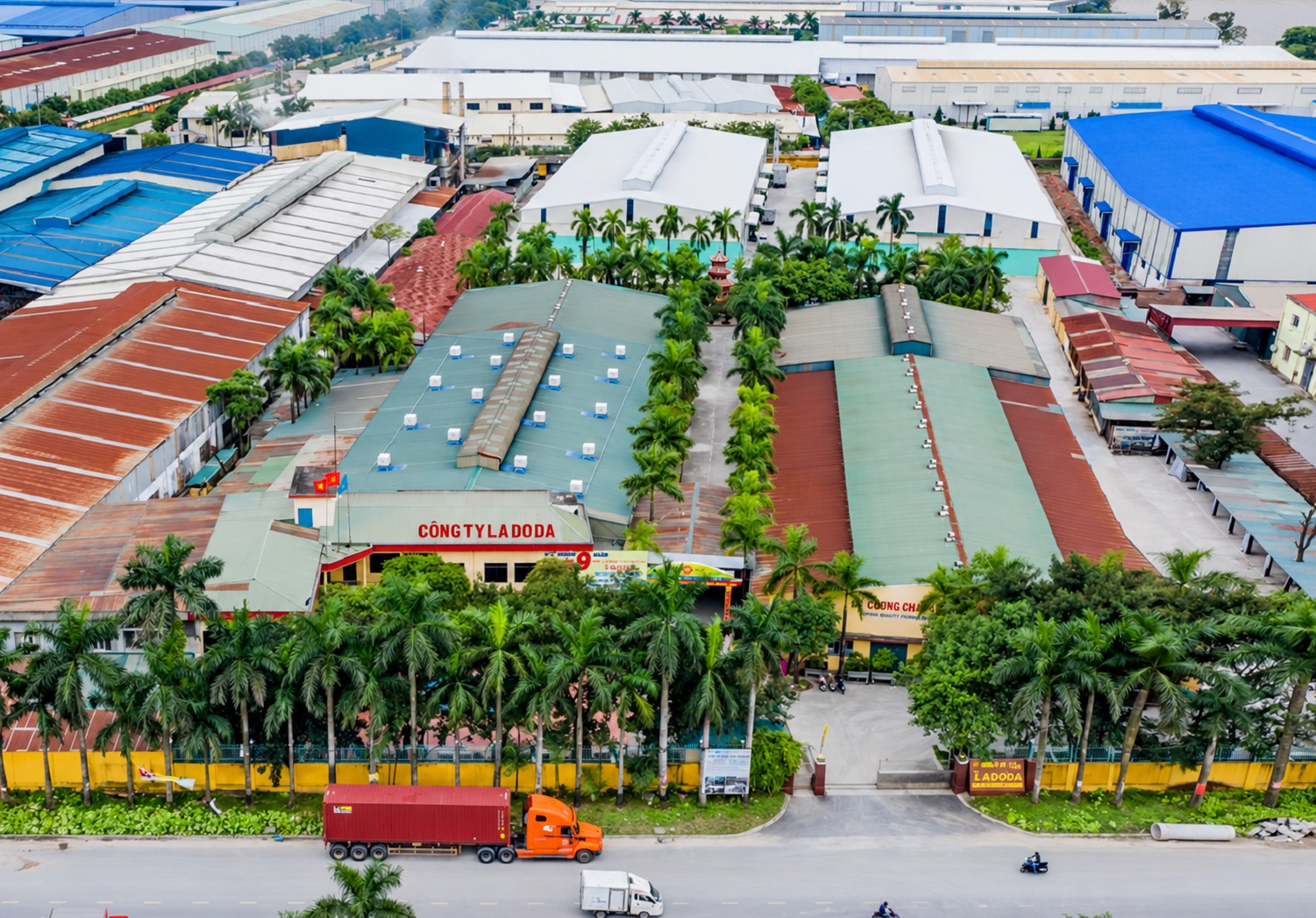
LADODA’s products have reached Japan, France, Taiwan, the Czech Republic, the United States and Guatemala. Alongside this international experience, the company has earned 20 gold medals at Vietnam industrial goods fairs and recognition under the High-Quality Vietnamese Goods program. It has also supplied products for Vietnam’s National Assembly, national Party congresses and international events, including ASEM and ASEAN meetings.
Contact Information
- Factory address: Tan Quang Industrial Park, Nhu Quynh Commune, Hung Yen, Vietnam.
- Phone: +84 243 826 5285.
- Hotline: +84 913 258 686.
- Email: [email protected].
- Website: https://ladoda.com.vn/
2. Phuoc Hai Leather Box and Handbag
Phuoc Hai began manufacturing in 1997 and develops leather goods, textile bags and presentation packaging. Its portfolio includes handbags, wallets, belts, backpacks, totes, camera bags, tool bags, shopping bags and presentation boxes, giving buyers several ways to build a coordinated collection around shared materials and design details.
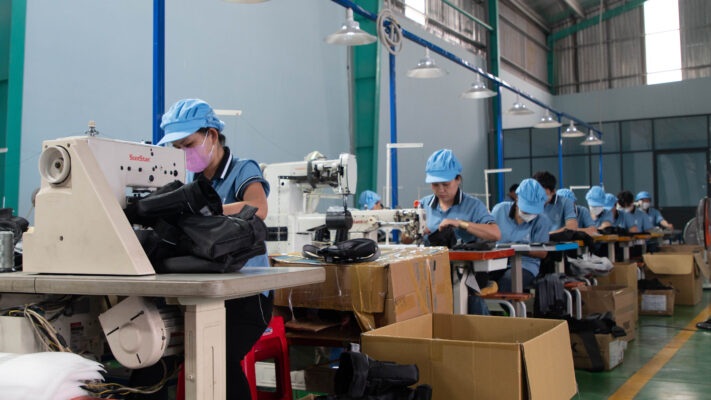
Phuoc Hai offers OEM, ODM, and custom prototyping services, with material sourcing integrated into the manufacturing process. This combination suits brands developing leather accessories alongside textile bags and promotional products for domestic and international markets.
Contact Information
- Factory address: 24/8A Hamlet 3, Xuan Thoi Son, Ho Chi Minh City, Vietnam.
- Phone: +84 931 360 360.
- Email: [email protected].
- Website: https://phuochaibags.vn/
3. LECAS Leather
LECAS began making leather goods in 2013 and established the business in 2015. It produces handbags, backpacks, duffle bags, laptop bags and totes, complemented by wallets, purses, cardholders, belts, keychains and luggage tags.
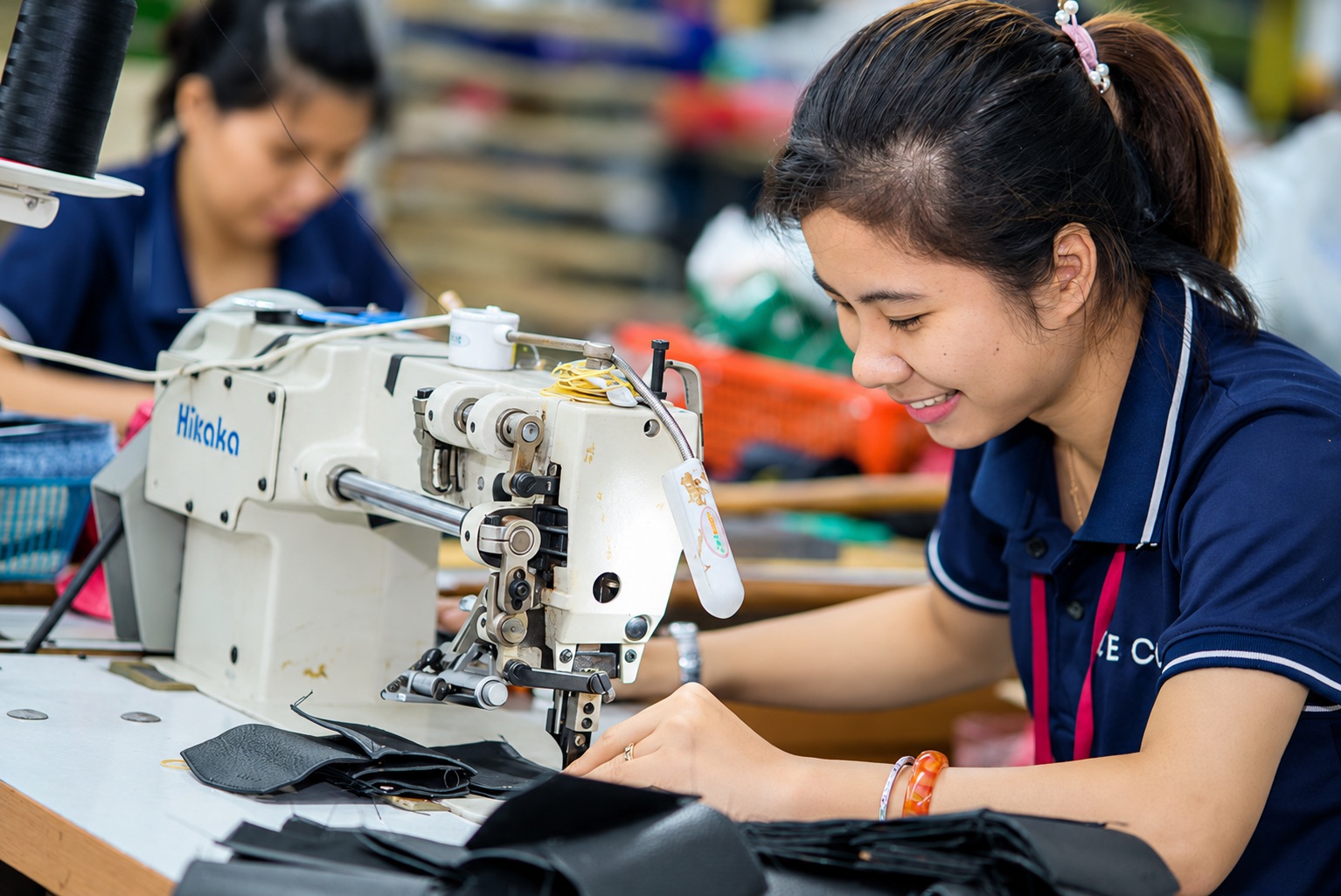
The company combines artisan leatherwork with a roughly 4,000 m² factory organized around Kaizen practices. Its range of bags and small accessories allows brands to develop coordinated private-label collections, while customization and wholesale services also support corporate gifts and branded merchandise.
Contact Information
- Factory address: Lot CN10, Phu Nghia Industrial Park, Chuong My, Hanoi, Vietnam.
- Phone: +84 912 070 313.
- Email: [email protected].
- Website: https://lecasleather.com/
4. TBS Group — Handbag Manufacturing
Founded in 1989, TBS Group expanded into handbag manufacturing with its first dedicated factory in 2011. Today, its bag business produces handbags, wallets and backpacks, combining industrial sewing expertise with trained production teams and large-scale manufacturing infrastructure.
The handbag business works with Coach, Decathlon, Vera Bradley, Tory Burch and Titleist, giving TBS an established position in international brand supply chains. The group received the Second-Class Labor Medal in 2005 and the First-Class Labor Medal in 2014. For buyers planning substantial production programs, TBS offers a combination of manufacturing scale and experience with global brands.
Contact Information
- Handbags office: 2/434 Binh Dang Quarter, Binh Hoa, Thuan An area, Vietnam.
- Email: [email protected].
- Website: https://www.tbsgroup.vn/
- Contact form: https://www.tbsgroup.vn/en/contact-us/
5. Levina JSC
Founded in 2019, Levina JSC manufactures finished leather goods at production sites in Hanoi and northern Vietnam. Its range includes handbags, clutches, wallets and belts, as well as corporate gifts such as passport covers, luggage tags and card holders.
Levina makes private-label products to order, with an integrated production line and an in-house design team that develops new models. The company works with both genuine and synthetic leather, giving buyers material options for fashion accessories, corporate gifts, and branded packaging.
Contact Information
- Production sites: 63 Van Phuc Road, Ha Dong, Hanoi, and Thanh Loi, Vu Ban (listed by Levina as Nam Dinh), Vietnam.
- Phone: +84 903 431 323.
- Email: [email protected].
- Website: https://levina.vn/en/trang-chu-2/
6. PrimeAsia Vietnam
PrimeAsia established its Vietnam tannery in 2004 to produce casual, athletic, and suede leathers. With a capacity of up to 8 million square feet per month, the facility supports footwear programs that require consistent material performance, repeatable finishes, and dependable production at scale.
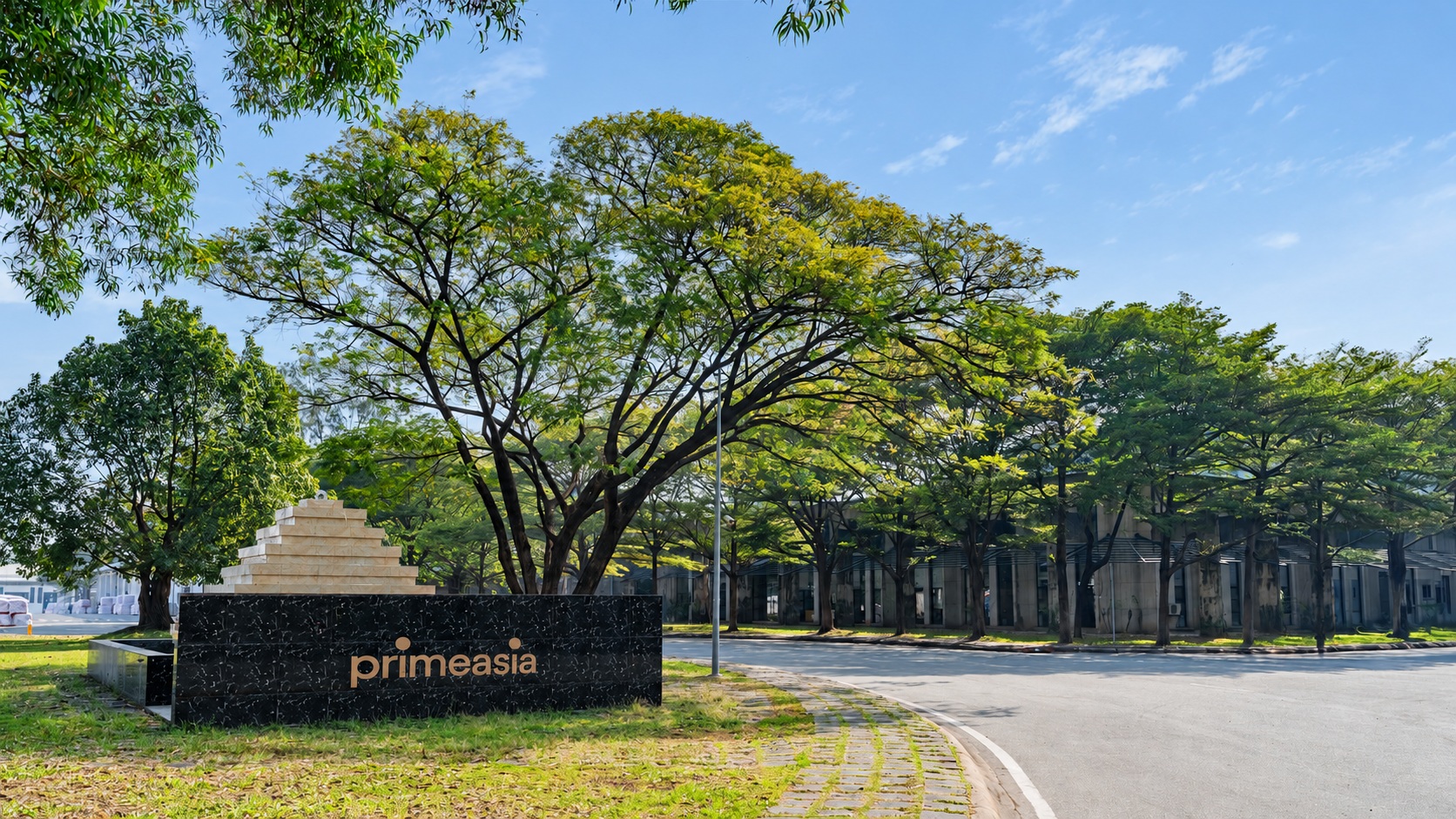
The Vietnam tannery holds an LWG Gold rating, complementing its industrial capacity and leather-development capabilities. PrimeAsia works with brands including Nike, Adidas, Puma, New Balance, Vans, Reebok, and Clarks. This international customer network gives the business experience with varied technical specifications, seasonal collections and material-development requirements.
Contact Information
- Factory address: Lot V-2, My Xuan A2 Industrial Zone, Phu My Ward, Ho Chi Minh City, Vietnam.
- Phone: +84 254 3899 177.
- Email: [email protected].
- Website: https://www.primeasialeather.com/
7. Saigon TanTec Leather
Saigon TanTec began production in January 2010 at Viet Huong 2 Industrial Park. As part of ISA’s Vietnam manufacturing network, it operates within a group serving the footwear, handbag, apparel, and accessories industries.
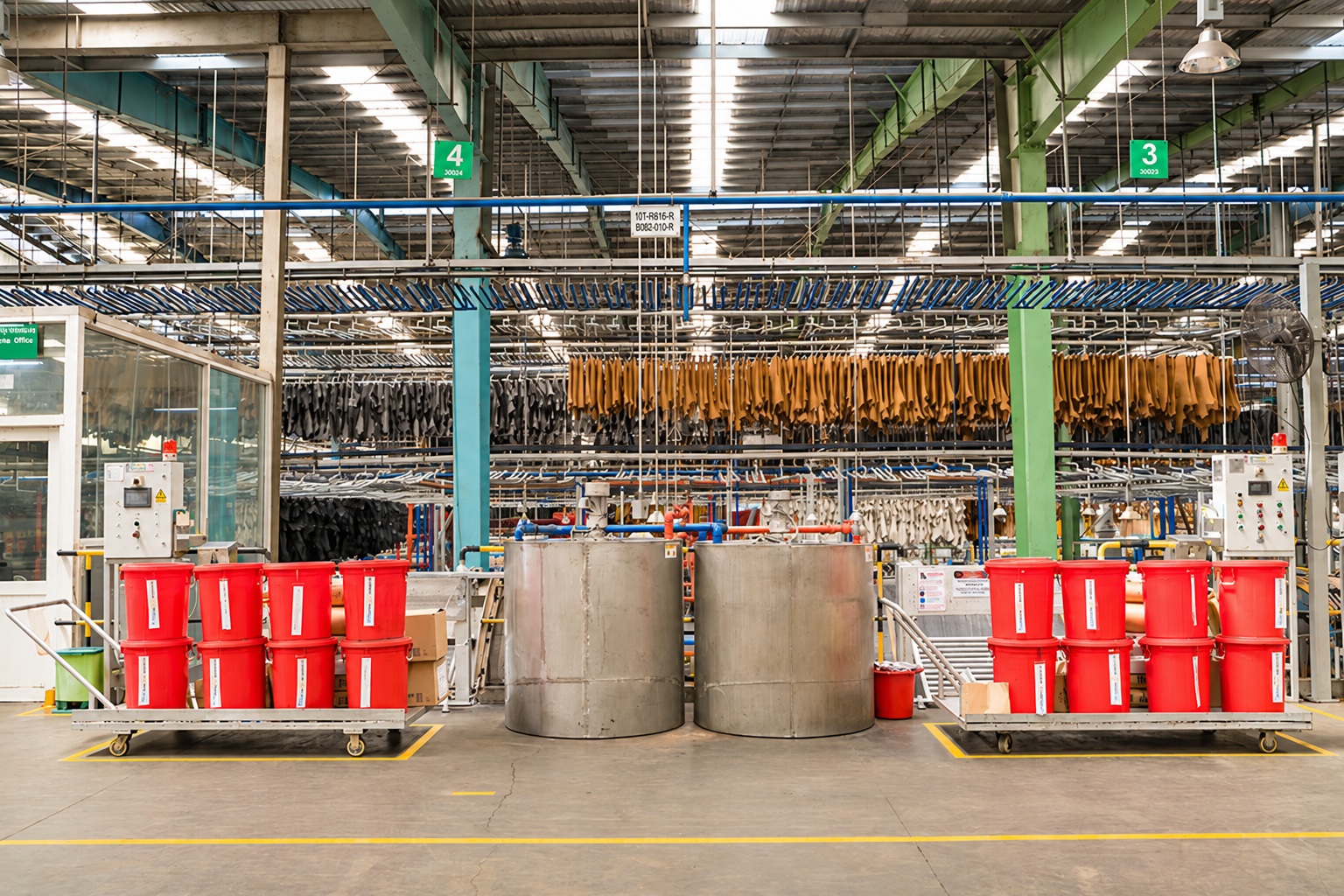
The facility combines a monthly capacity of 6 million square feet with approximately 15,000 m² of production space. Its industrial scale and proximity to downstream manufacturers make it a practical option for buyers developing ongoing leather supply programs.
Contact Information
- Factory address: Lots M2-M3, Street 5, Viet Huong 2 Industrial Park, Tay Nam Ward, Ho Chi Minh City, Vietnam.
- Phone: +84 274 357 9101.
- Email: [email protected].
- Website: https://isanextgenmaterials.com/
8. Wei Tai Leather Vietnam
Wei Tai Leather was founded in Taichung, Taiwan, in 1992 and moved its manufacturing operations to Vietnam in 2006. Since 2013, its Vietnam business has served as the group’s main production company. Based in Nhon Trach III Industrial Zone in Dong Nai, the manufacturer specializes in leather materials for footwear.
Its product range includes suede, cracked suede, embossed leather, pig nubuck, hairy suede and transfer-paper finishes. This variety gives footwear developers flexibility when selecting textures and surface treatments for different collections.
Contact Information
- Factory address: Nhon Trach III Industrial Zone, Dong Nai Province, Vietnam.
- Phone: +84 251 356 0886.
- Email: [email protected].
- Website: https://www.weitai-leather.com/index.php
9. Kuo Yuen Vietnam
Kuo Yuen expanded into Vietnam in July 2003 and added a Tay Ninh facility in January 2010. The group specializes in cowhide split leather, producing PU-coated split leather, split suede and a range of functional and fashion finishes. Water-based coatings, abrasion-resistant surfaces, waterproof options and printed or transfer-finished suede give buyers flexibility across different product applications.
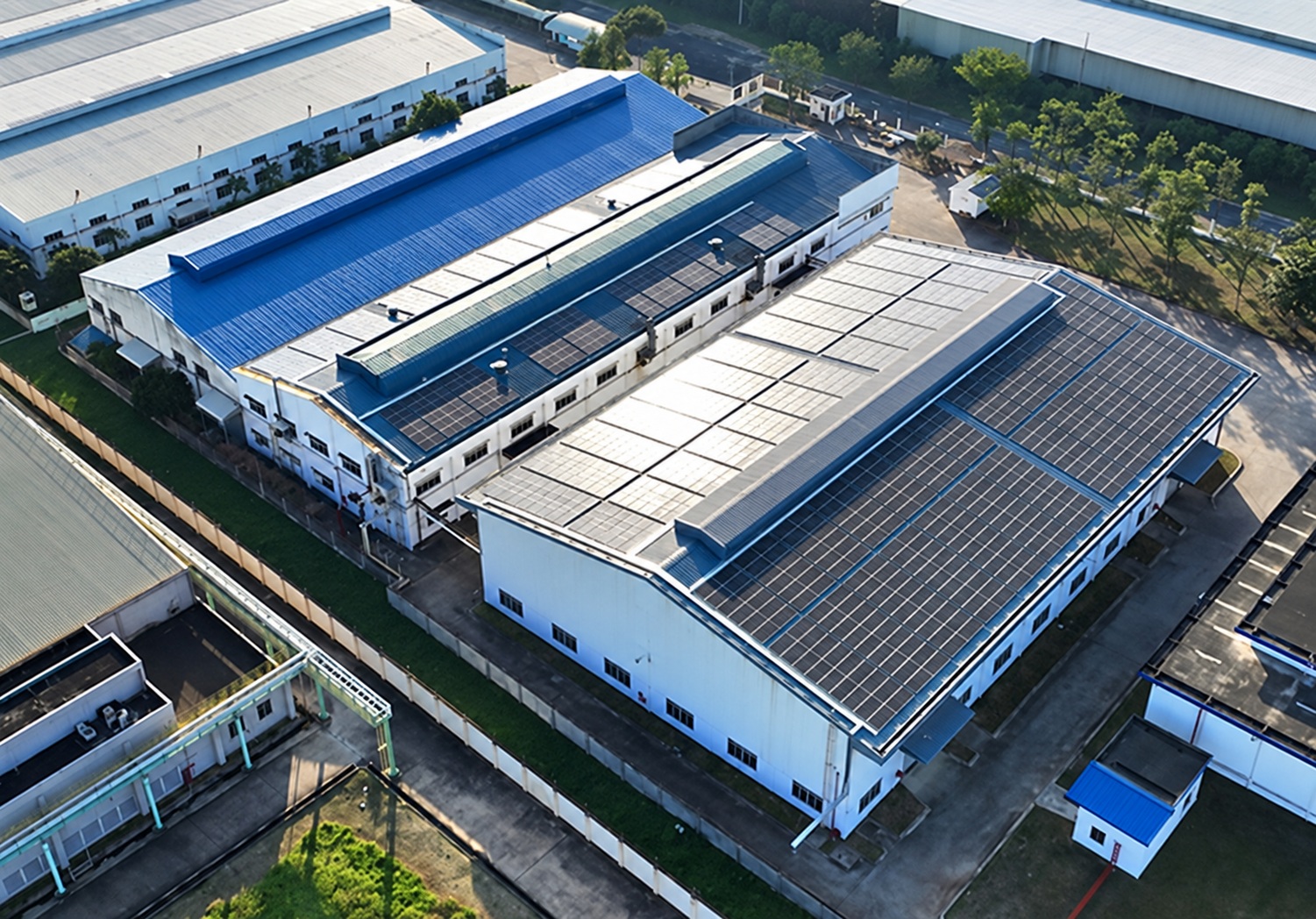
The group’s approved-vendor network includes Nike, Adidas, Under Armour, New Balance, Reebok, Vans, Columbia and The North Face. Within its Vietnam operations, the Dong Nai facility holds an LWG Silver rating valid until March 13, 2028. Kuo Yuen’s strength in surface engineering makes it particularly relevant when a product requires a defined coating, texture or performance characteristic.
Contact Information
- Dong Nai site: Nhon Trach III Industrial Park, Nhon Trach Ward, Dong Nai, Vietnam.
- Phone: +84 251 356 0146.
- Email: [email protected].
- Website: https://www.kuoyuen.com/
10. Ricco Leather
Ricco Leather specializes in finished crocodile and alligator belly skins for leather-goods brands and workshops. Its Vietnam tannery supplies materials for handbags, small leather goods and watch straps, with a choice of species, belly widths and grades to suit different cutting requirements.
The product range combines semi-matte, Millennium, Garment, Nubuck and Himalayas finishes with standard and custom colors. Custom-color development starts at 20 skins per color, while standard colors are available without a minimum order, subject to stock. Ricco exports to Europe, Russia, China, and Turkey. Its focused material offering makes it a useful option for brands developing exotic-leather collections.
Contact Information
- Office address: C3.1 Picity, Thanh Xuan 13, Thoi An Ward, District 12, Ho Chi Minh City, Vietnam.
- Phone: +84 906 662 696.
- Website: https://riccoleather.com/
- Contact form: https://riccoleather.com/contact/
How to Choose a Leather Manufacturing Partner
Match the Factory to Your Product and Order Size
Begin with the product you intend to manufacture, then narrow the list to factories with relevant experience. A structured handbag calls for expertise in reinforcement, lining, edge paint and hardware, while a belt requires attention to strap construction, buckle attachment and repeated flexing. For leather materials, focus on the article specification and consistency between batches.
Once you have a shortlist, request quotations for both your pilot order and likely reorder volume. Compare minimums by style, color and leather article so you can see how material purchasing, tooling and production setup affect the overall cost. This also helps identify whether shared components across a collection can make the order more efficient.
Approve Materials and Workmanship Separately
Approve the leather, lining, thread, hardware and logo treatment before signing off the finished sample. Use representative swatches to agree on acceptable natural markings and color variation, then assess those materials in the assembled product. For bags and wallets, pay particular attention to corners, seams, edge paint, zipper movement and hardware attachment.
Keep a signed reference sample alongside a written defect standard so both teams can judge bulk production against the same requirements. If the design changes, update the specification and secure factory confirmation before production continues.
Verify the Site and Relevant Documentation
Before placing an order, check that the supplier’s registered name, factory address and banking beneficiary match the contracting entity. Establish which processes take place in-house and which are subcontracted, then review the production flow through a factory walkthrough or on-site assessment.
Review certificates for the specific manufacturing site and the scope relevant to your order. Combine this with the material and finished-product tests required by your buyer or destination market. Together, these checks give you a clearer picture of both the factory’s operating standards and the product’s suitability for sale.
What to Include in Your Leather RFQ
Send the same brief to every shortlisted supplier. Include:
- Product type, drawings, dimensions and reference photographs.
- Leather construction, thickness range, color and finish.
- Lining, reinforcement, thread, hardware and logo requirements.
- Quantity by style and color, plus expected reorder volume.
- Sample stages, performance tests and inspection requirements.
- Packaging, destination, delivery target and requested quotation basis.
Ask suppliers to separate sample fees, tooling, material minimums, unit prices and packaging costs. Then establish when the lead time begins and which approvals or material deliveries affect the schedule. With these details aligned, you can compare the full commercial offer and its delivery implications.
Find the Right Leather Manufacturer with VinaSources
A useful supplier list becomes a sourcing plan when each manufacturer is matched to a clear product brief. Material specifications, order quantities and delivery expectations give prospective partners the detail they need to assess your project and prepare comparable quotations.
VinaSources helps international buyers explore Vietnam’s manufacturing capabilities and connect with suppliers suited to their requirements. Whether you need leather materials, OEM handbags or private-label accessories, start with your product design, target quantity and delivery destination.
Explore supplier capabilities on VinaSources or submit an RFQ with your drawings, material specifications and packaging brief. A detailed inquiry creates a stronger starting point for sampling, pricing and production discussions.
Contact Information
- Email: [email protected].
- Hotline: +84 329 725 268.