
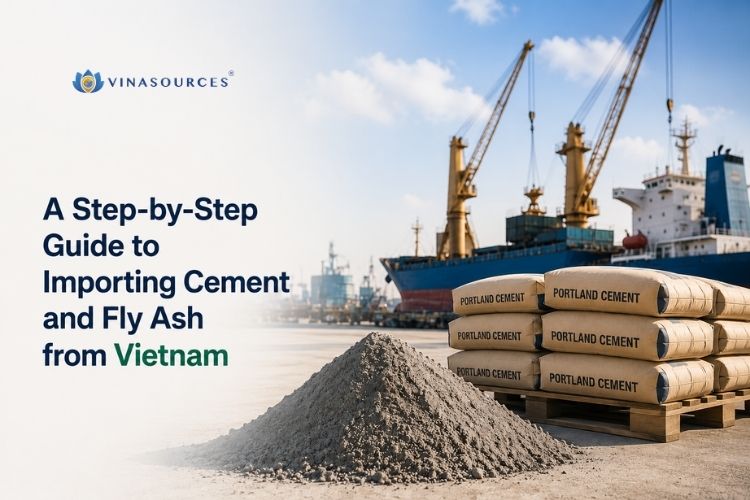
Vietnam has emerged as a global powerhouse for construction materials, offering high-grade cement and fly ash at competitive prices. However, navigating international logistics, quality standards, and export regulations can be daunting for global buyers.
Whether you are scaling infrastructure projects or expanding your supply chain, this step-by-step guide walks you through every stage, from finding reliable Vietnamese suppliers and verifying product specifications to handling shipping and customs clearance smoothly. Let’s dive in.
Overview of Vietnam Export Cement and Fly Ash
Vietnam has transformed itself into a global powerhouse for the fundamental building blocks of construction. The country is currently a top global exporter of cement and clinker, fueled by rich limestone quarries and massive industrial investment. With an annual installed capacity exceeding 110 million tons, Vietnam’s production far outpaces its domestic demand, making it a highly reliable partner for international bulk orders. In 2025, the industry even hit record sales, driven by a strong rebound in both domestic and overseas demand.
The fly ash market in Vietnam is seeing rapid growth, with a projected increase of over 13% by 2027. As a byproduct of coal combustion, fly ash is increasingly exported as a vital mineral additive for high-strength, waterproof concrete. Whether you are looking for Portland cement or specialized pozzolanic additives, Vietnam’s export infrastructure is now fully mature and ready to serve global markets.
Why You Should Source Cement and Fly Ash from Vietnam?
Vietnam has emerged as a premier destination for construction material procurement due to its robust production capacity, favorable logistics, and commitment to sustainable building standards.
Partnering with Vietnamese suppliers offers significant strategic advantages for international buyers looking to optimize their supply chains.
- Strategic Logistics Infrastructure: Vietnam’s long coastline is dotted with deep-water ports designed for heavy, bulk exports. Large-scale producers like Nghi Son Cement even operate dedicated ports capable of receiving ships of up to 37,000 tons, ensuring your orders reach global markets efficiently.
- Sustainability and Innovation: If your projects prioritize a lower carbon footprint, Vietnam’s fly ash is a perfect “green” substitute for traditional cement. Using fly ash can reduce CO2 emissions by approximately 20% while significantly improving the long-term compressive strength and durability of concrete.
- Proven Export Experience: Vietnamese manufacturers aren’t newcomers; they have spent the last 25 years building the country’s own skyscrapers and bridges. Major players like VICEM and Vissai already have established trade routes to the US, Philippines, and Europe, meaning they understand the demands of modern international procurement.
How to Find Reliable Cement and Fly Ash Suppliers in Vietnam
Finding the right partner is the most important step for your business success. When you want to import cement and fly ash from Vietnam, you need to know where professional manufacturers are hiding.
Below are four practical ways to find and vet the best suppliers.
1. Attend Major Trade Shows
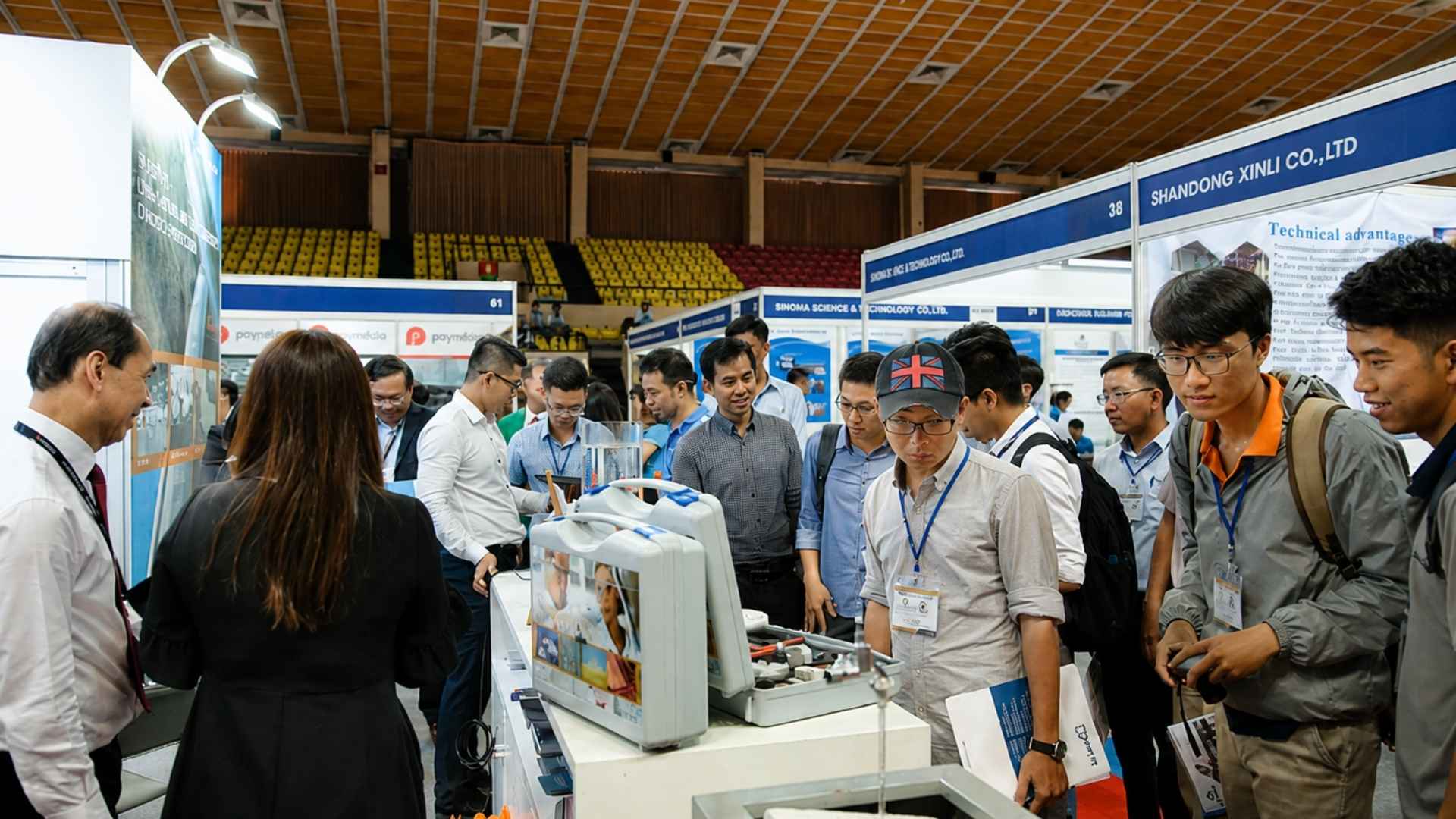
To help you find the best partners, attending industry trade shows is a fantastic strategy. You can see products in person and talk directly to factory owners.
Top 3 Trade Shows for Sourcing Cement and Fly Ash in Vietnam
| Event Name | Brief Introduction | Scale of Event | 2027 Time & Location |
| Cement & Concrete Expo Vietnam | Asia’s premier exhibition for cement and concrete manufacturing technology, machinery, and sustainable materials. | A premier hub for global industry leaders, the 2026 event had over 200 senior managers at its conference | May 26 to May 27, 2027, at The ADORA Center, Ho Chi Minh City. |
| Vietbuild | The largest exhibition for construction materials, building supplies, and architecture. | 10,000 visitors, including architects, contractors, engineers, developers, and the general public | Typically held at the Sky Expo Vietnam Exhibition & Convention Center (Ho Chi Minh City) and the Vietnam Exhibition Center (VEC) (Hanoi). |
| Vietnam Expo | A famous trade fair for industrial machinery, electronics, hardware, and digital technology. | Expected 420+ companies from 20 countries with over 500 booths. | May 13 – 15, 2027, at Vietnam Exhibition Center (VEC), Hanoi. |
Why you should attend these shows:
- Meet hundreds of suppliers face-to-face and compare them quickly
- Build long-term business partnerships with Vietnamese manufacturers
2. Leverage B2B Sourcing Platforms
If you cannot travel to Vietnam immediately, using online B2B platforms is a fast and effective way to find pre-vetted, export-ready Vietnamese manufacturers. These websites allow you to browse thousands of products and contact manufacturers from your office.
- Alibaba: This is the world’s leading B2B marketplace and a great place to identify Vietnamese businesses directly. It hosts a significant number of manufacturers of various construction materials.
- VinaSources: Unlike general global directories, VinaSources is a specialized platform that focuses on connecting global buyers with verified Vietnamese manufacturers. Because they are based locally, they help you skip the “middleman” and find factories that have already passed a quality check. This makes it much easier to find a “rock-solid” partner for heavy construction materials.
- Made-in-China: While it serves as a massive hub for suppliers across Asia, this platform is highly relevant for finding professional exporters of construction products. It focuses on providing extensive documentation for its users, including detailed supplier profiles and technical certifications.
3. Contact Industry Associations
Reaching out to professional groups can give you very reliable leads. For construction materials, the Vietnam Cement Associationand theVietnam Association for Building Materials (VABM) are excellent resources. These organizations can provide lists of dependable factories that follow high standards.
4. Work with a Local Sourcing Partner
If you cannot travel to Vietnam, a local sourcing company can have your “eyes and ears” on the ground. These partners use their local networks to match you with a qualified, pre-vetted factory. They can handle the hard work of checking certificates, visiting the factory for you, and even helping with logistics.
Below are some sourcing partners in Vietnam to consider
- Sourcing Agent Vietnam
- Seditex
- Dragon Sourcing
- Vietnam B2B Direct
Methods to Vet Import Cement and Fly Ash Suppliers in Vietnam
Vetting a supplier means checking every detail before you spend money. In the construction industry, where orders are large, you must be careful to avoid scam companies or traders who do not own a factory.
Follow these steps to verify your Vietnamese partners.
1. Check the Factory Address and Legal Papers
A real Vietnamese exporter must have a Business Registration Certificate and an Import/Export Business Code. If they cannot show you these papers, they might not be a legal business.
2. Looking for Quality and Technical Certificates
Reliable manufacturers will have documents that prove their products meet international and local rules.
- ISO 9001 Certification: This proves the factory has a professional system to manage quality.
- Vietnam Quality Conformity (QCVN 16:2019/BXD): In Vietnam, all building materials must follow the QCVN 16:2019 standard. Always ask for the “Notice of State Inspection Results” to be sure the government has approved their products.
- Mill Test Reports (MTR): Request an MTR for a recent batch. This report shows the exact chemical and physical details of cement or fly ash, such as its strength.
3. Review Their Real Export History
Some factories only sell to local builders and do not know how to handle international shipping or customs documents.
- Check Customs Data: Use online tools to see their real shipping history. This helps you see if they really ship to other countries.
- Look for Global Experience: Top Vietnamese exporters already send materials to the USA, Germany, and China. If they have experience with these markets, they are likely to meet high technical standards like ASTM (American) or BS EN (European).
4. Conduct a Targeted Factory Audit
If you are placing a high-volume order, seeing the factory in person, or hiring a local partner to do so, is essential.
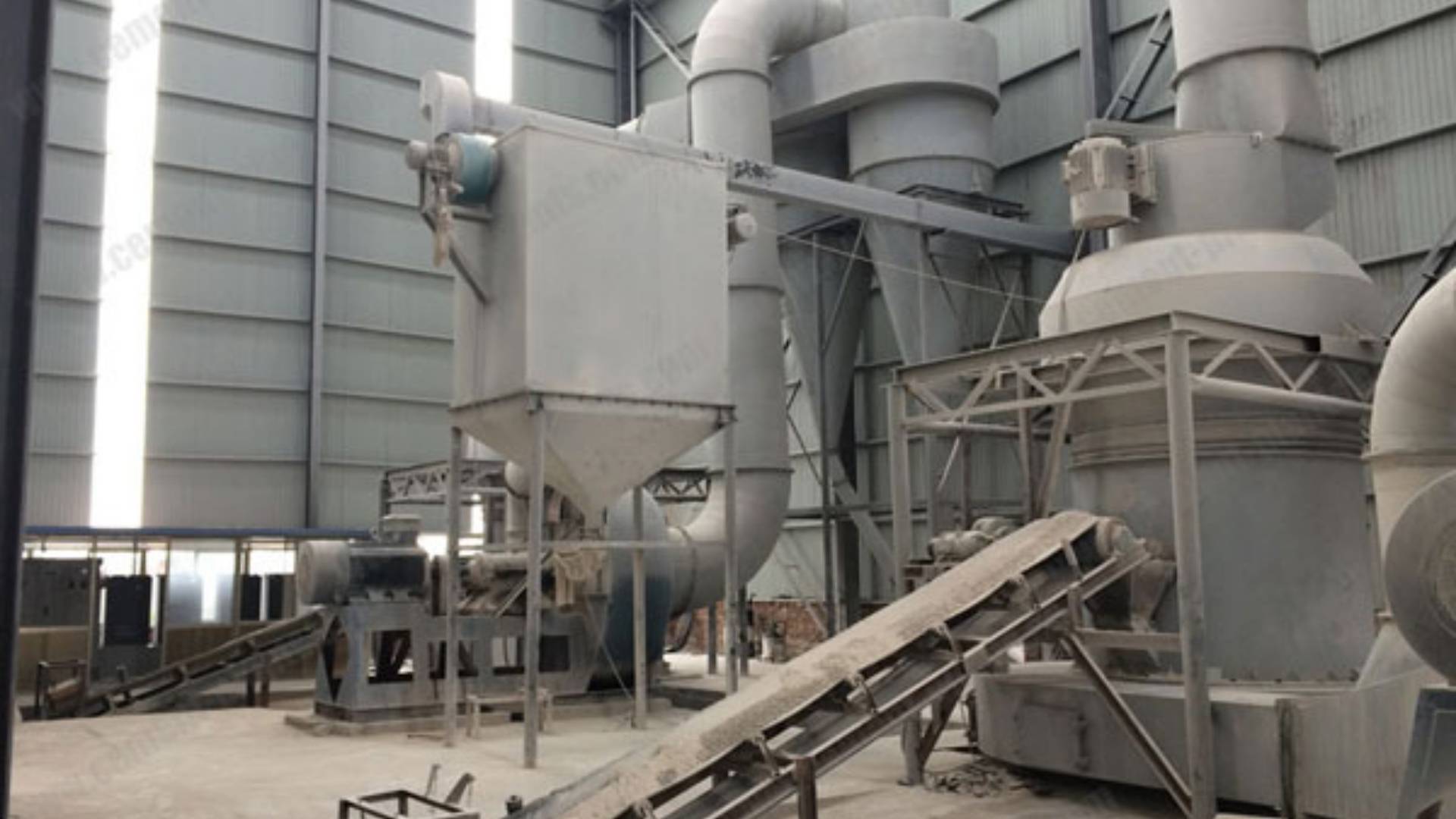
- In-House Labs: Most reputable Vietnamese factories, such as Nghi Son Cement, have sophisticated production and quality control stages. Check if the factory has its own testing equipment to monitor batches in real-time.
- Storage and Handling: For fly ash and cement, moisture is the enemy. Inspect their raw material storage and their capability for export packing, as these materials are prone to damage if handled poorly.
- Production Consistency: Look for evidence of consistency across different production runs to ensure the last container is as strong as the first.
Step-by-step to Import Cement and Fly Ash Suppliers in Vietnam
1. Negotiate contract terms
Negotiating a clear and comprehensive contract is the foundation of a successful international partnership, protecting both buyer and seller from costly misunderstandings. Taking the time to iron out these details upfront ensures that both parties are aligned on quality, timeline, and liability expectations.
Key Terms to Include in Your Commercial Contract
- Incoterms: Clearly define responsibility for shipping, insurance, and risk transfer (e.g., FOB, CIF, DDP) to avoid confusion about who pays for what.
- Payment Terms: Specify secure methods like Letters of Credit (L/C) for bulk orders, alongside payment milestones tied to production and shipping stages.
- Quality Specifications: Detail the exact standards required, including chemical and physical properties, and mandate verification through independent testing.
- Delivery Schedule & Penalties: Establish concrete dates for production and shipping, and clearly outline penalties that apply if the supplier fails to meet these deadlines.
- MOQ and Pricing: Explicitly state your Minimum Order Quantities and how price adjustments are handled in response to raw material market fluctuations.
Important Notes for Contract Development
- Inspection Rights: Always reserve the right to conduct independent quality inspections at the factory or port of loading before the final release of payment.
- Dispute Resolution: Define which jurisdiction’s laws will apply and where arbitration will occur if a legal disagreement arises (e.g., Vietnam International Arbitration Center).
- Force Majeure: Include clauses that clearly define responsibility in the event of unforeseen disruptions like natural disasters, port closures, or major supply chain crises.
- Confidentiality: Protect your sensitive information, such as proprietary designs or unique mix formulations, by including a strong non-disclosure clause.
2. Prepare the document
Missing or vague paperwork is the most common cause of customs delays.
Standard Commercial Documents
- Commercial Invoice: This must include detailed product descriptions (material and finish), the currency, and the correct HS Codes,typically 2523 for Portland cement and 2621 for fly ash.
- Bill of Lading (B/L): Your proof of shipment and ownership, provided by the carrier.
- Packing List: A detailed breakdown of the shipment’s weight, dimensions, and the number of pallets or containers.
- Certificate of Origin (C/O): This document is vital for determining if your shipment qualifies for lower tax rates under trade agreements.
3. Calculate the “landed cost”
The total landed cost represents the absolute final price of the product once it arrives at your destination warehouse, including the purchase price, freight, logistics, duties, and handling fees.
To determine the landed cost for importing cement and fly ash from Vietnam, utilize the following comprehensive breakdown:
Landed Cost = Factory Price (FOB) + Ocean Freight + Insurance + Import Duties + Inland Transport & Handling
4. Packaging and Moisture Protection
When transporting cement and fly ash overseas, protecting the product from moisture, contamination, and dusting is critical.
You should pack in Jumbo bags (FIBC) equipped with a specialized internal Polyethylene (PE) liner to block moisture and sea air. If you need 40kg or 50kg bags, make sure they have multiple layers of Kraft paper and a plastic film layer.
Tips to protect the product
- Ask your supplier to use thick plastic liners inside the bags to protect from humidity.
- Put industrial desiccant bags inside the container. This prevents water drops from forming on the roof and walls (container rain).
- Ensure the goods stay under a roof or waterproof cover at the port while waiting for the ship.
- Buy an insurance policy that covers damage from rain, fresh water, and condensation during the long trip.
5. Manage shipping and logistics
Cement and fly ash are dense and low-value-to-weight; sea freight is the standard choice.
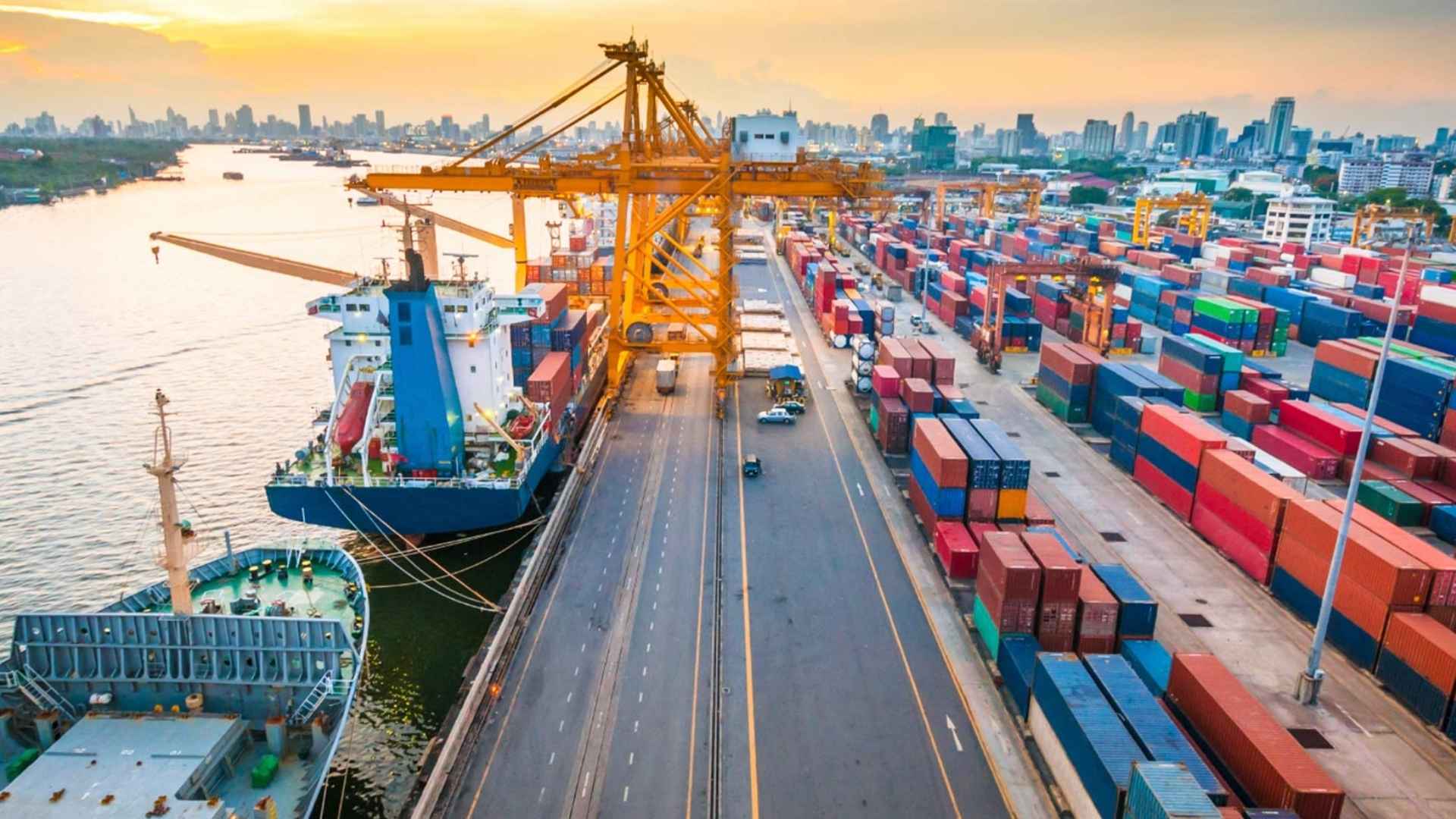
Vietnam has great infrastructure for heavy exports. Most shipments leave from Hai Phong in the North or Cat Lai in the South.
Full Container Load (FCL)is the most common method for most buyers. A standard 20-foot container can weigh about 25 tons. Ocean freight for a 20-foot container from Vietnam can range from $2,000 to $3,500, depending on the destination and current market rates. The time varies by route (for example, shipping to Europe takes about 15–20 days by sea).
Other shipping options:
- Rail Freight: This is a “middle-ground” option, especially for shipping to Europe. It is faster than sea (15–20 days) and has a lower carbon footprint than air freight.
- Air Freight: This is very expensive and only used for urgent samples or small, high-value tools. Delivery usually takes 5 to 8 days.
Partner with VinaSources: Your Specialized Gateway to Verified Vietnamese Suppliers
Finding a reliable partner in a foreign market can be difficult, but VinaSources makes the process simple and secure. As a specialized B2B platform, VinaSources focuses specifically on the Vietnamese industrial landscape to connect global buyers directly with verified manufacturers.
VinaSources acts as a digital “bridge” to local factories that are already “export-ready” and have passed strict quality checks [Previous conversation history]. This allows you to skip unreliable middlemen and find professional producers who have the infrastructure to handle high-volume orders for materials like cement and fly ash.
By choosing VinaSources, you gain access to a dedicated hub for Vietnamese building materials, ensuring your supply chain is built on a foundation of transparency and trust.
Contact us today to find a “rock-solid” partner for your next construction project:
- Switchboard: 19004356
- Hotline: 0329725268
- Email: [email protected]