
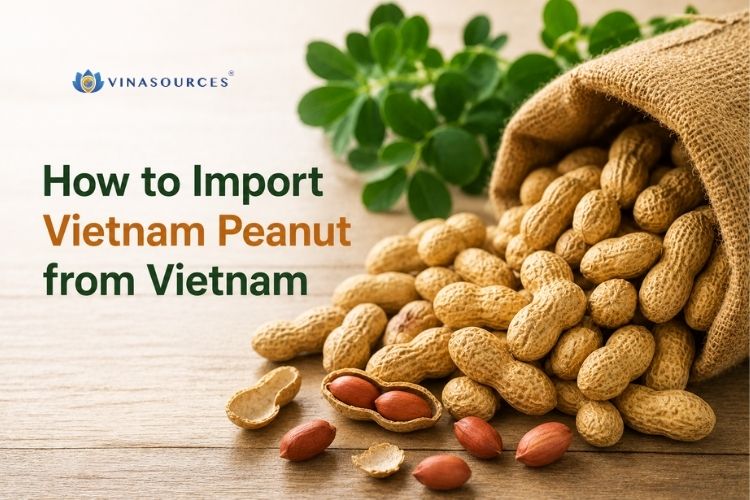
Vietnam is becoming a top global destination for wholesale peanuts due to competitive prices and rich flavor. However, foreign buyers often struggle with local export regulations, strict food safety laws, and unverified suppliers.
Follow our easy step-by-step sourcing checklist to find trusted partners, avoid digital scams, and streamline your entire import operation with complete confidence.
Why Are Global Buyers Sourcing Peanuts from Vietnam?
Vietnam is becoming a popular destination for global buyers sourcing wholesale peanuts.
International procurement teams choose Vietnamese peanuts for several important commercial reasons:
High Oil Content and Rich Flavor Profile
Vietnamese peanuts, especially from famous growing regions like Nghia An or the Central Highlands, have a high natural oil content (often above 45% – 48%). They offer a very rich, sweet, and nutty flavor. This premium quality makes them perfect for food factories to produce high-quality peanut butter, snacks, and cooking oil.
Multiple Harvest Windows Per Year
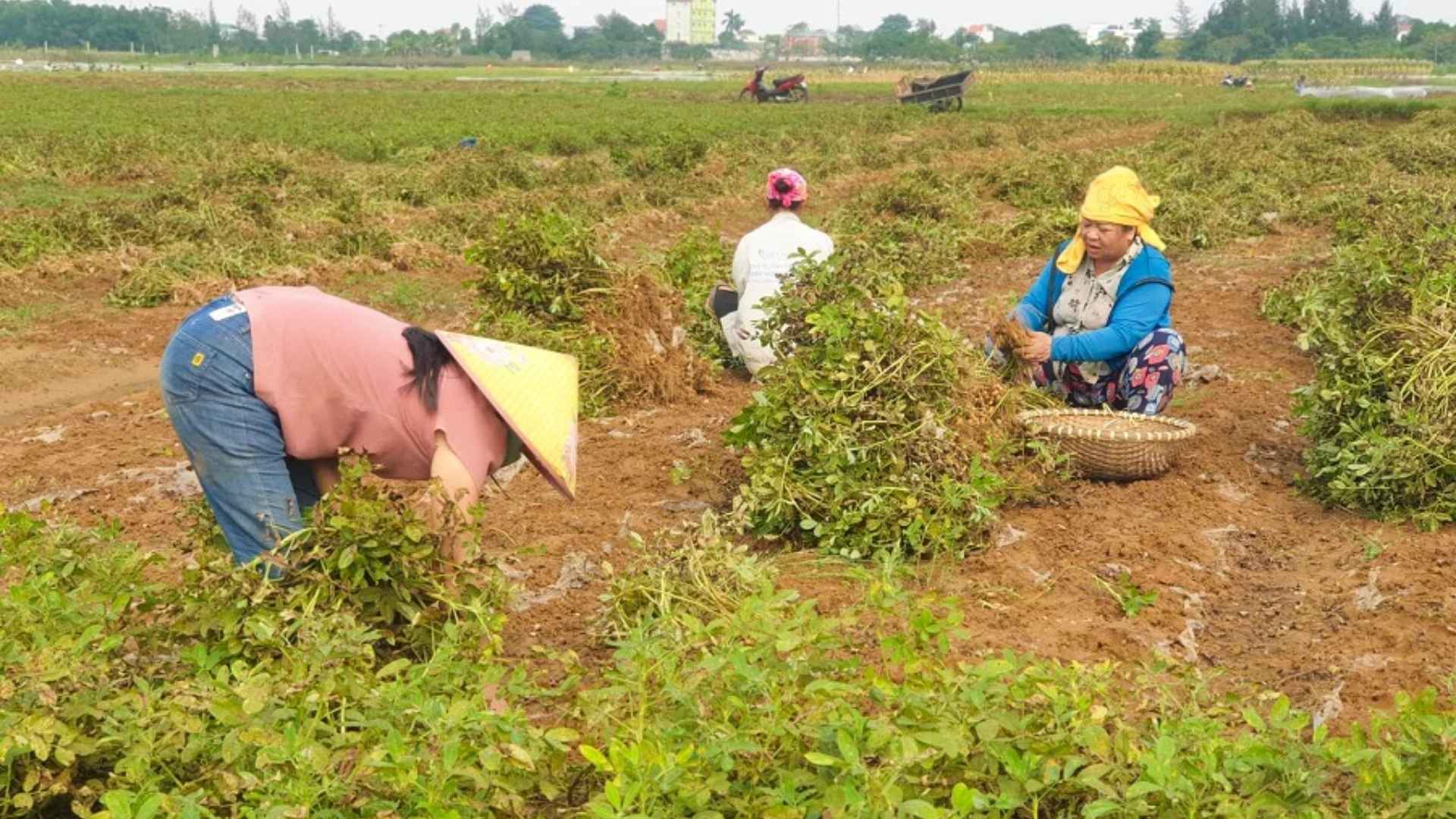
Unlike many countries that only have one peanut harvest per year, Vietnam’s warm climate allows farmers to grow and harvest multiple crops. The two main seasons are the Winter-Spring crop (harvested around April – May) and the Summer-Autumn crop (harvested around August – September). This helps global buyers secure a stable, fresh supply throughout the year without relying on old warehouse stocks.
Zero or Low Import Taxes via Mega-FTAs
Vietnam has a massive network of Free Trade Agreements (FTAs) with major global markets. Buyers from Europe can enjoy tax reductions through the EVFTA, while buyers in the Asia-Pacific region can use the CPTPP and RCEP agreements. These trade deals help importers lower their import duties to 0% or very low rates, increasing their profit margins.
Strategic Geographical Location
Vietnam has a long coastline with major international ports like Cat Lai Port (Ho Chi Minh City) and Hai Phong Port. This geography guarantees fast sea freight loading and shorter transit times to major Asian, European, and American markets.
Popular Export Vietnamese Peanut Varieties
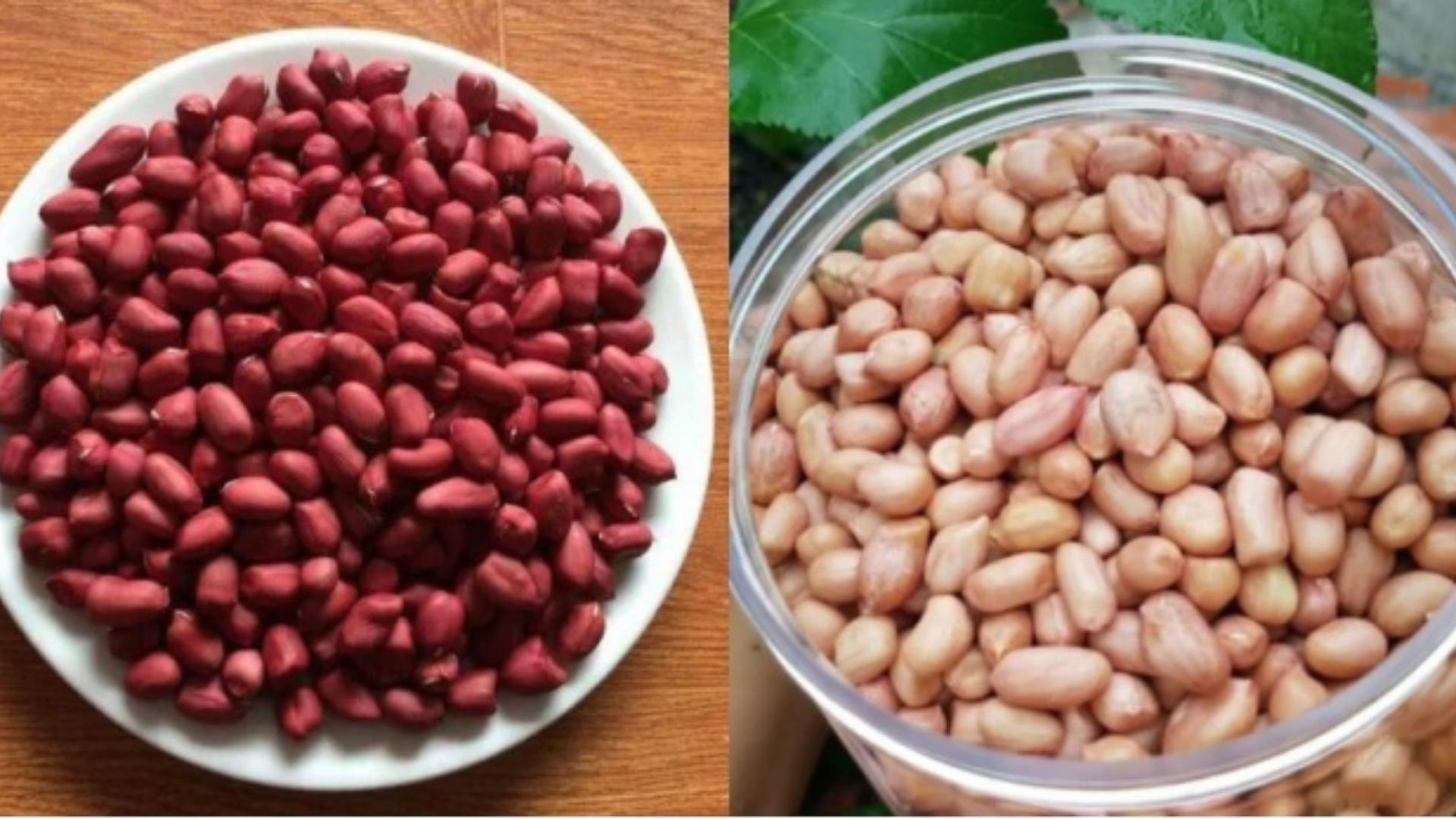
Vietnamese suppliers generally export two main types of peanut kernels:
- White Peanuts: These kernels have light, creamy-tan skin. They are large, uniform, and very popular for making snack products, roasted peanuts, or blanched wholesale ingredients.
- Red Peanuts: These kernels have distinct reddish-brown skin. They are slightly smaller but carry a higher natural oil concentration and a stronger, sweeter flavor. They are perfect for oil extraction or premium peanut butter production.
Processing Options
Depending on your target market, Vietnamese agricultural factories can prepare cargo in three common commercial formats:
- Raw In-Shell Peanuts: Cleaned and dried whole peanut pods, mostly used for traditional boiling or wholesale roasting markets.
- Blanched Peanut Kernels: Peanuts with the outer skin completely removed via mechanical heat sorting. This option is ready for immediate industrial food manufacturing.
- Split Kernels: Half-sized peanut pieces, which offer a cheaper price point and are ideal for crushing into confectionery toppings, pastes, or animal feed components.
Best Ways to Source Reliable Peanut Exporters in Vietnam
Finding trusted peanut factories in a foreign country can be difficult. To help you build a safe supply chain, here are 4 practical sourcing methods you can use to connect with verified exporters in Vietnam.
1. Leverage Online B2B Sourcing Platforms
Using digital trade platforms is the fastest way to discover peanut wholesale suppliers and check their initial prices.
- Alibaba: A massive global B2B platform with many Vietnamese peanut suppliers. It is useful for initial price checks, but buyers must filter carefully because there are many unverified trading companies and middlemen.
- VinaSources (Recommended): This is a specialized, local online B2B sourcing platform in Vietnam. Unlike massive global directories, VinaSources focuses deeply on verified Vietnamese agricultural manufacturers. It helps international buyers find direct factories, check export certifications, and manage end-to-end procurement easily.
- Global Sources: A trusted international trade directory. It has fewer agricultural listings than Alibaba, but the registered suppliers are usually large, experienced tier-1 manufacturers with international food safety certificates.
2. Attend International Food & Agriculture Trade Shows
Meeting suppliers face-to-face at trade exhibitions is the best way to check product samples and verify factory legitimacy.
In 2026, you can visit these major events in Vietnam:
| # | Exhibition Name | 2026 Date & Location | Event Scale & Specialization |
| 1 | Vietnam International Agriculture Fair 2026 | July 8 – 12, 2026 Can Tho City |
Covers 6,000 sqm with 300+ exhibitors from over 15 countries, attracting over 5,000 trade visitors. This fair is located in the heart of the Mekong Delta, perfect for finding direct farming cooperatives. |
| 2 | Vietnam Foodexpo 2026 | November 11 – 14, 2026 SECC, District 7, Ho Chi Minh City |
The largest official food industry event hosted by the Ministry of Industry and Trade. It has over 600 booths, with businesses hailing from Vietnam and 23+ other countries and regions |
| 3 | AgroViet 2026 (The 26th International Agriculture Trade Fair) | November 12 – 15, 2026 Economic & Trade Transaction Center, 489 Hoang Quoc Viet St, Hanoi |
Major state-backed fair; hundreds of regional cooperatives, raw agricultural nuts, and seeds. |
| 4 | Agri Vietnam 2026 | June 10 – 12, 2026 Saigon Exhibition and Convention Center (SECC), 799 Nguyen Van Linh Street, Ho Chi Minh City |
Over 300 exhibitors from 15+ countries, cutting-edge agri-tech displays, and ESG-focused industry workshops. |
3. Use Official Government Directories and Trade Associations
For the safest verification, buyers should look at official lists managed by the Vietnamese government. These organizations only list legitimate, licensed factories that meet international law:
- VINAFRUIT (Vietnam Fruit and Vegetables Association): While they focus on fruits, many member co-ops also handle major oilseeds and peanuts. Their directory lists active companies approved for international export.
- VCCI (Vietnam Chamber of Commerce and Industry): The official government national trade registry. You can request their verified business directories or look up specific peanut suppliers to confirm their legal corporate status before sending a deposit.
4. Hire Professional Local Sourcing Agents
If you cannot travel to Vietnam, hiring a local sourcing agent is a smart choice. These companies act as your extended team on the ground. They physically visit peanut factories, check hygiene, and monitor container loading. Some popular and professional sourcing agencies in Vietnam include:
- Cosmo Sourcing: A popular local agency that helps Western buyers navigate the Vietnamese market. They handle factory identification, price negotiations, and quality control audits.
- Dragon Sourcing: A large international procurement company with a strong regional office in Vietnam. They specialize in high-volume agricultural sourcing and supplier background checks.
- Seditex: An established local inspection and sourcing firm. They are well-known for conducting strict on-site factory audits and monitoring loading protocols at the ports.
5 Steps to Import Peanuts from Vietnam
1. Identify the Market Requirements
Before you buy peanuts from Vietnam, you must learn the rules of your own country. Every market has strict standards to protect public health. If your cargo does not meet these requirements, customs will reject it.
Here are the most important market requirements you need to check:
- Phytosanitary Certificate: This is an official document from the Vietnamese government. It proves that the peanuts are clean, healthy, and free from dangerous pests or diseases.
- Aflatoxin Limits: Aflatoxin is a harmful mold that can grow on peanuts if they are stored in wet conditions. Big markets like the EU, the US, and Japan test for this very strictly. You must tell your Vietnamese supplier the exact maximum aflatoxin level allowed in your country.
- Quality Grading: Peanuts are usually graded by size, such as the number of kernels per ounce (for example: 38/42, 42/46, or 60/70). Choose the grade that fits your local buyers, whether they want large peanuts for snacking or smaller ones for making peanut butter.
- Packaging Rules: For long sea journeys, peanuts are normally packed in 25kg or 50kg PP (polypropylene) bags or jute bags. The bags must be strong, clean, and well-ventilated to prevent moisture buildup inside the container.
2. Verify the Supplier
Once you find potential peanut suppliers, you must verify them. Checking their business background protects your money and ensures you get high-quality peanuts. Many online profiles look professional, but you need to see real legal proof.
Here are the most important factors you need to look at to evaluate a Vietnamese peanut supplier:
- Official Business License
- International Food Safety Certifications such as ISO 22000, HACCP, or BRC
- Planting Unit Code (PUC) & Packing House Code (PHC)
- Export History and Experience
- On-Site Factory Audits
3. Negotiate the Contract and Payment Terms
Signing a formal contract is the most important way to protect your money and your cargo. Never rely on verbal promises or simple emails.
Core Contract Terms You Must Check
When drafting your contract for importing peanuts, make sure these key terms are clearly written:
- Incoterms (International Commercial Terms): You must state the exact delivery point and who pays for the shipping. For example, FOB Cat Lai Port means the seller pays to put the cargo onto the ship in Vietnam, and you pay for the ocean freight to your country.
- Payment Terms: Avoid paying 100% upfront. The safest standard in agricultural trade is a 30% deposit via T/T (Telegraphic Transfer) and the remaining 70% paid after the seller shows you the Bill of Lading (B/L), or using a Letter of Credit (L/C).
- Quality and Defect Allowances: Do not just write “high quality.” You must list the exact numbers from your market research, such as: Moisture maximum 9.0%, Admixture maximum 0.5%, and Aflatoxin negative.
- Claim Procedures: This section explains what you will do if the cargo arrives at your port with bad quality, mold, or the wrong weight. It must state how many days you have to check the goods (for example, within 14 days after arrival) and what official evidence (like photos or video) you need to submit to request a refund.
- Force Majeure: These terms protect both sides if a natural disaster happens, like a severe flood in the Mekong Delta or a storm that stops the ships. It explains how the supplier must give you official government proof if they cannot deliver the peanuts on time due to weather anomalies.
Here are some tips to remember when signing your peanut contract:
- Never Rely on Chat Messages: Do not confirm prices, delivery dates, or quality promises through messaging apps like WhatsApp, WeChat, or Zalo. Text messages have no legal power. Every agreement must be written within the official contract.
- Add a Delay Penalty Clause: Peanuts are seasonal, and prices change fast. You should add a penalty clause stating that the seller must pay a fine (for example, 1% to 2% of the total order value per week) if they delay the shipment without a certified emergency reason.
- Use Dual-Language Formats: Write your contract in both English and Vietnamese. This helps prevent misunderstandings caused by language barriers, and it makes the document much easier to use if local authorities or courts need to review it.
4. Prepare the Required Export Documents
The next critical phase is gathering your shipping paperwork. You must make sure your Vietnamese supplier prepares every document perfectly before the ship leaves the port. If any document has an error, your home customs department will stop the cargo, and you will have to pay expensive fines.
Below are key export documents:
- Commercial Invoice
- Detailed Packing List
- Bill of Lading (B/L)
- Phytosanitary Certificate
- Fumigation Certificate
- Certificate of Origin (C/O): Depending on your country, you can use a specific C/O form to get zero or very low import taxes. For example, use Form EUR.1 for Europe (EVFTA) or Form JAEPA for Japan.
- Certificate of Analysis (CoA)
5. Arrange Shipping & Logistics
Once you have prepared a full package of documents, you need to choose how to move your peanuts from Vietnam to your warehouse. Because peanuts are heavy and sensitive to weather, your logistics plan is very important.
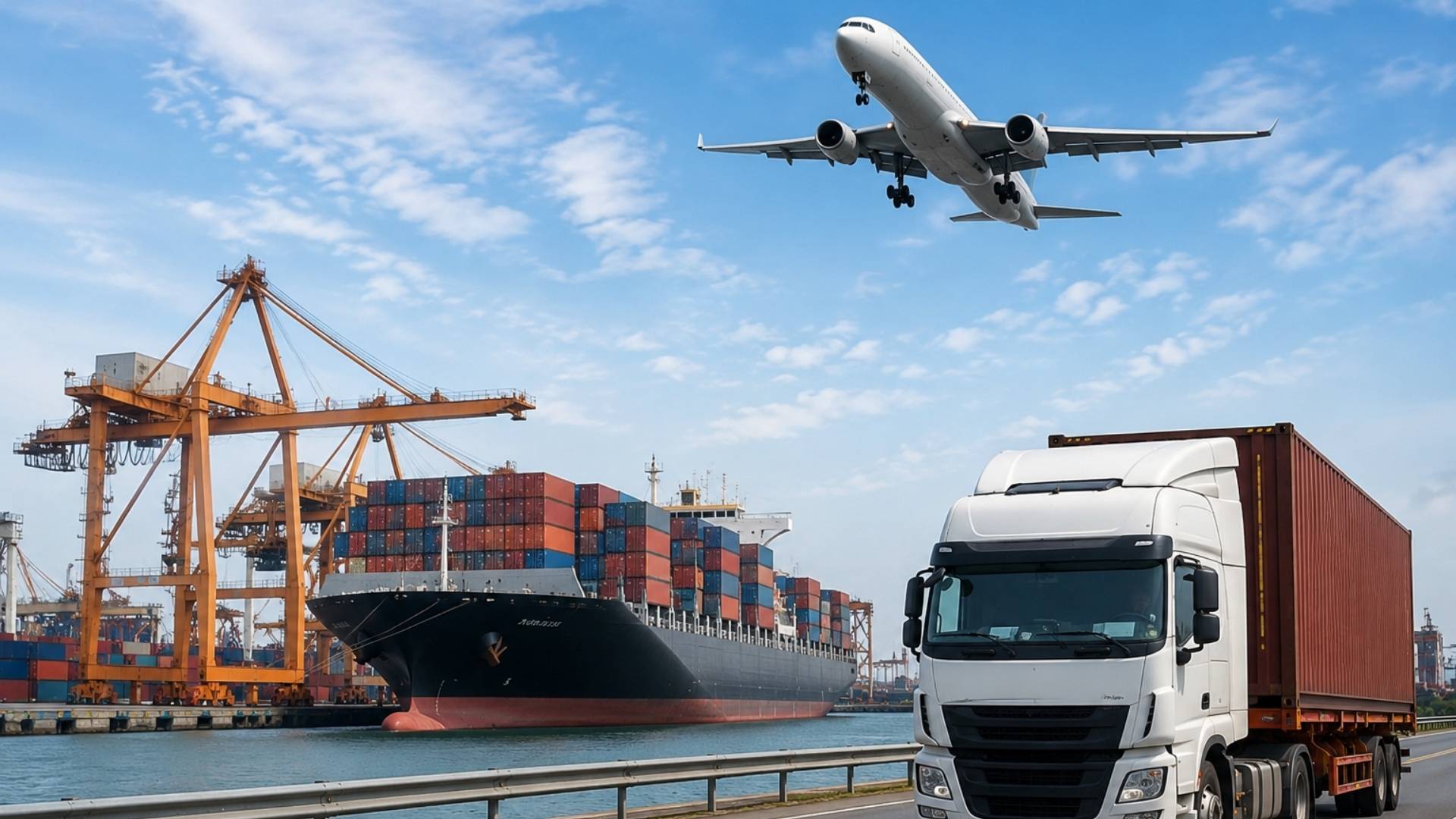
Here are the 3 main shipping methods used for exporting Vietnamese peanuts:
1. Sea Freight
This is the most popular and economical method for bulk peanut orders. Peanuts are packed into 20ft or 40ft dry containers.
- Transit Time: 3 to 7 days for Asian ports (like China or Singapore), and 25 to 35 days for long-distance routes to Europe or the US.
- Estimated Cost: $400 to $800 per container for short Asian routes, and $2,500 to $4,500 per container for Western markets (prices change depending on the destination).
- Best Suited For: Large wholesale orders (above 15 metric tons).
2. Cross-Border Land Freight
Vietnam shares borders with China, Laos, and Cambodia. Trucks carry peanuts directly from central Vietnamese processing plants across international border gates (like Lang Son or Mong Cai).
- Transit Time: Land trucking rates fluctuate based on border congestion but generally range from $1,500 to $2,800 per full truckload.
- Estimated Cost: Land trucking rates fluctuate based on border congestion but generally range from $1,500 to $2,800 per full truckload.
- Best Suited For: Importers based in Southern China or neighboring ASEAN countries who need fast, door-to-door delivery without loading goods onto ships.
3. Air Freight
This method uses cargo planes flying out of Noi Bai Airport (Hanoi) or Tan Son Nhat Airport (Ho Chi Minh City).
- Transit Time: 24 to 48 hours to almost any international airport worldwide.
- Estimated Cost: Very expensive, usually ranging from $2.50 to $5.00 per kilogram.
- Best Suited For: High-value product samples, emergency orders to fix an unexpected factory shortage, or premium, ready-to-eat roasted peanut snacks with small order volumes.
Peanuts contain high amounts of oil and protein, making them highly vulnerable to moisture and heat damage during their journey.
To prevent your cargo from spoiling, ensure your logistics team follows these core quality control rules:
- Prevent Container Sweat: During long sea transits, temperature changes create moisture on the metal ceiling of the container. Always line the container walls and floors with protective Kraft paper and hang heavy-duty industrial silica gel bags to absorb excess moisture.
- Use Well-Ventilated Bags: Pack the peanuts in breathable woven PP (polypropylene) bags or traditional jute bags. Never use airtight plastic wrap for raw peanuts, as it traps humidity and causes the seeds to rot.
- Enforce Proper Airflow: When loading a dry container, leave a clear gap at the top of the cargo stack. This allows fresh air to circulate evenly and prevents heat from building up in the center of the container.
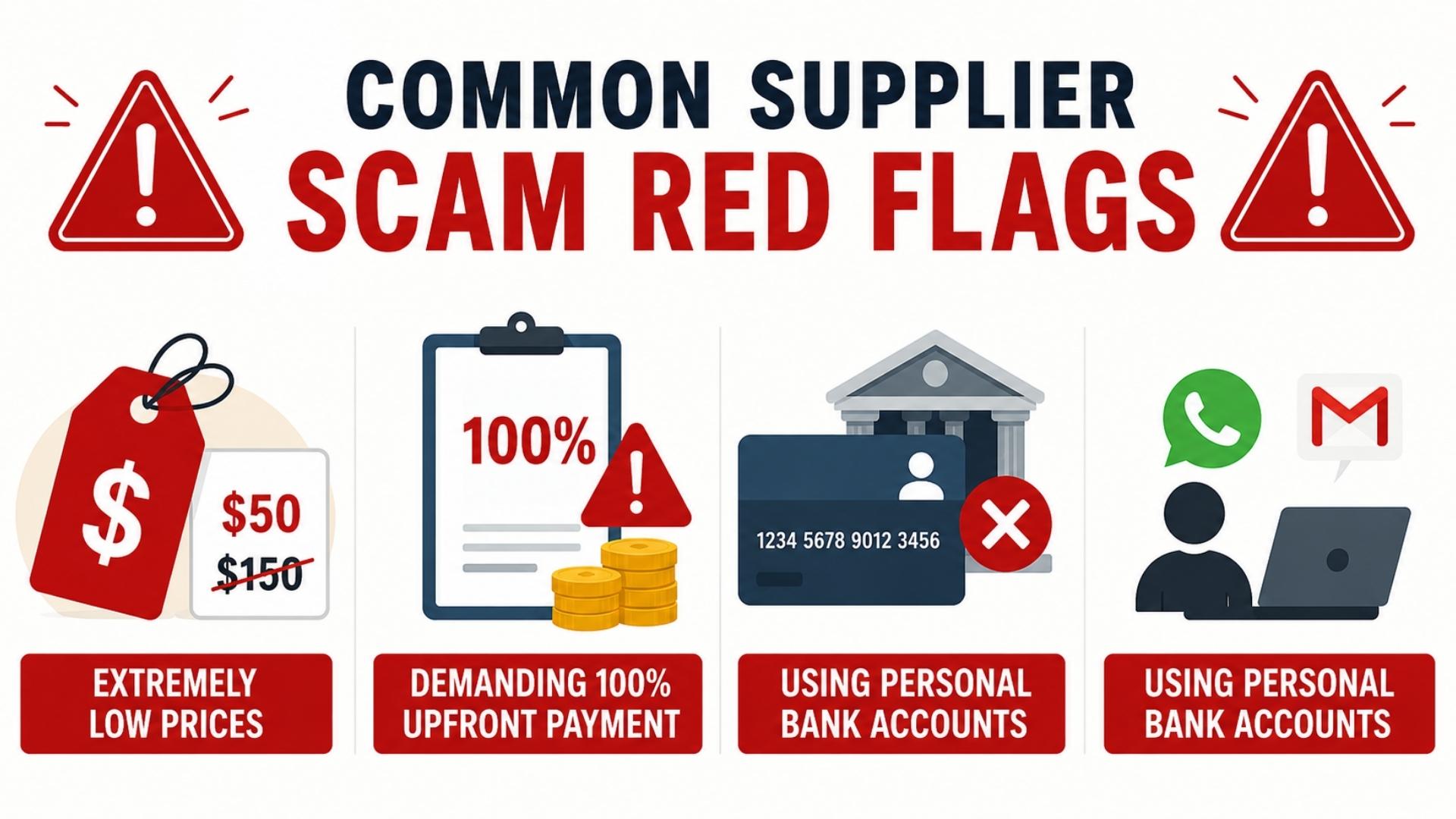
Common Supplier Scam Red Flags
When you search for peanut suppliers in Vietnam online, you must protect your business capital from fraudulent companies.
If you see any of the following 5 red flags during your negotiations, you should stop working with that supplier immediately:
- Extremely Low Prices: If a company offers you peanut kernels at a price that is 30% to 50% cheaper than the current market average, it is almost certainly a scam. They will either disappear completely after you send the deposit, or they will ship you low-quality, moldy nuts that fail customs inspection.
- Demanding 100% Upfront Payment: Be very careful if a seller insists on a 100% advance payment before production starts. True commercial factories in Vietnam understand standard B2B trade structures and will gladly accept a 30% deposit with the remaining 70% paid for shipping documents.
- Using Personal Bank Accounts: Professional export businesses use registered corporate bank accounts that match their official business license name. If a supplier asks you to send a deposit to a private, personal bank account or a different company name in another country, cancel the deal.
- Free Generic Email Addresses: Real peanut processing factories have professional business structures. If your contact person communicates using a free generic email (such as @gmail.com or @yahoo.com) instead of an official company domain name (like @factoryname.com), you are likely dealing with an unverified middleman or a scammer.
Streamline Your Peanut Sourcing with VinaSources
Importing bulk peanuts from a foreign country can feel difficult and risky. However, you do not have to manage this long supply chain alone. VinaSources is your trusted, all-in-one online B2B sourcing platform in Vietnam. With 12 years of deep experience in cross-border e-commerce and international trade logistics, we help international buyers find the best peanut factories and protect your business from operational risks.
Our local trade experts support your procurement journey from the farms directly to your port:
- Direct Access to Verified Suppliers: We connect you exclusively with government-approved peanut factories. Every supplier in our network holds valid international safety certificates like ISO 22000, HACCP, and official Planting Unit Codes (PUC).
- Full End-to-End Export Logistics: We handle the complex local paperwork for you. We double-check all mandatory documents to guarantee a smooth customs clearance.
Contact Us Today for Expert Sourcing Support!
- Phone: 19004356
- Email: [email protected]
- Action: Fill out our online RFQ form to submit your specific peanut requirements, and our trade specialists will send you a free quote within 24 hours.
FAQ
When is the best time of the year to buy peanuts from Vietnam?
Vietnam has multiple harvest seasons, but the two largest ones are the spring crop (April to May) and the autumn crop (August to September). Buying during these months gives you the freshest quality and the most competitive wholesale prices.
Can I get a 0% import tax when buying peanuts from Vietnam?
Vietnam participates in many major trade agreements like the EVFTA (for Europe), CPTPP (for Pacific countries), and RCEP (for Asia). You must ask your supplier for the correct Certificate of Origin (C/O) to claim your tax discount.