
Vietnam is one of the world’s best sources for high-quality durian. But what is the best way to import it efficiently and keep costs low?
In this article, we explain the 6 essential steps to import durian from Vietnam safely and professionally.
Overview of Vietnam’s Export of Durian
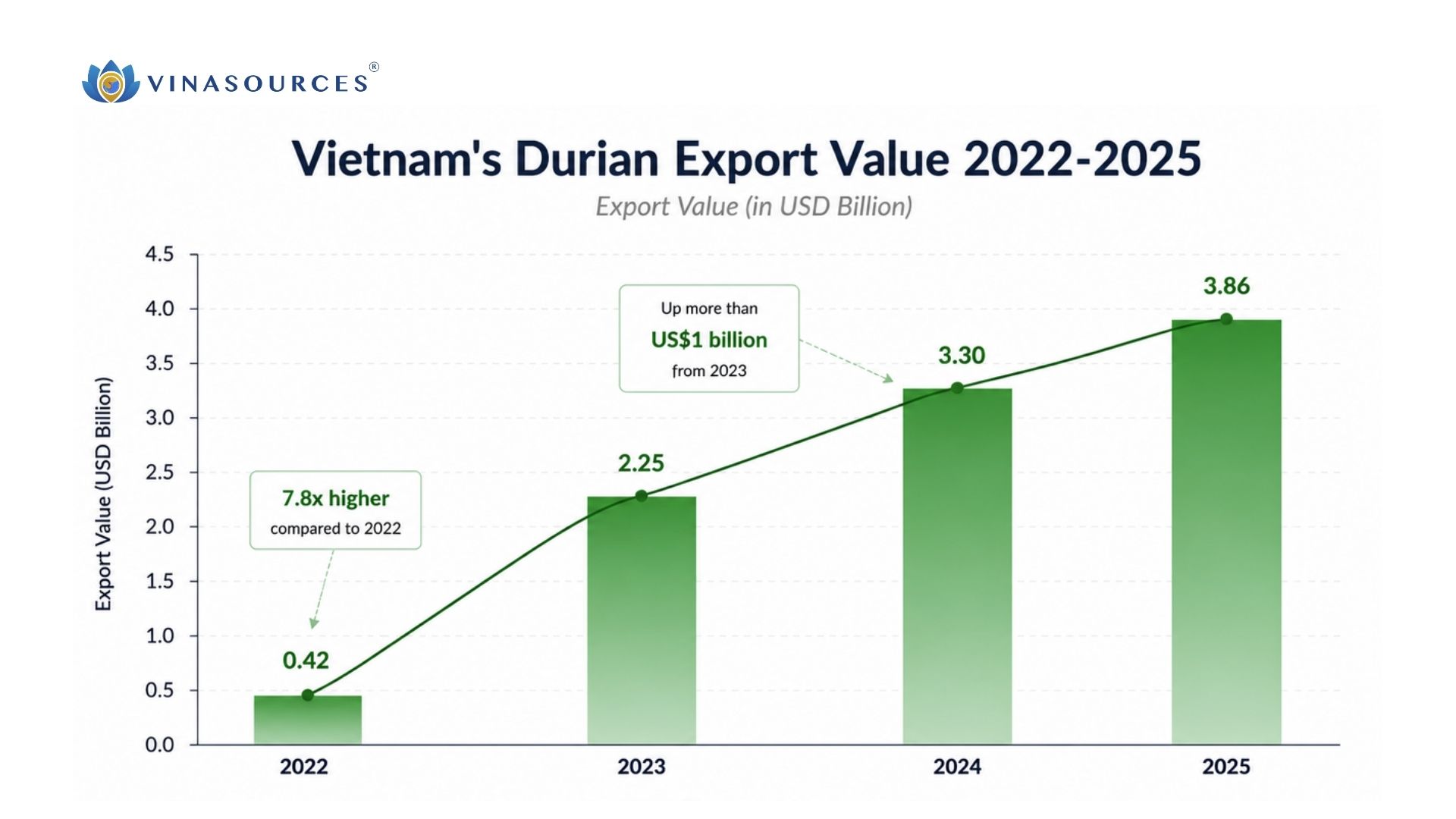
Over the last few years, Vietnam has moved from being a regional durian producer to becoming one of the fastest-growing suppliers in the global market. Durian exports reached approximately
$3.3 billion in 2024, up more than $1 billion from 2023 and 7.8 times higher than in 2022. By 2025, exports hit a record of nearly US$3.86 billion. This sharp rise has also strengthened Vietnam’s position alongside established suppliers such as Thailand and Malaysia, particularly in the fresh durian segment.
Part of Vietnam’s growing appeal comes from its supply advantages. Key cultivation areas such as Dak Lak, Lam Dong, Dong Nai, and the Mekong Delta benefit from fertile basalt soil, tropical growing conditions, and favorable rainfall patterns that support high-yield durian farming. At the same time, staggered harvest periods help extend supply availability throughout the year.
Varieties such as Ri6 and Dona (often known as Monthong) remain the most widely exported, accounting for approximately 90-95% of the country’s export acreage. Their market dominance is due to a combination of high-quality flavor profiles, superior flesh-to-seed ratios, and good transport durability for long-distance export markets.
While China continues to dominate import demand, Vietnamese durian is gradually expanding into markets including Hong Kong, South Korea, Europe, and parts of the Middle East.
Why Vietnam is a Top Choice for Durian Imports?
Vietnam has rapidly transformed into a global durian powerhouse, leveraging year-round harvesting cycles, large production scale, mature logistics, competitive pricing, and favorable trade access.
Below are 6 key advantages of importing durian from Vietnam, including;
Year-Round Harvests
Unlike Thailand, that rely on a single peak season, Vietnam’s staggered harvests across regions enable a near-continuous supply, with Mekong Delta off-season production from November to March complementing the main seasons in the Central Highlands from April to October. This helps importers benefit from stable pricing and reduced off-season premiums.
Massive Production Scale
Vietnam’s durian output hit over 1.3 million tons in 2024, up 23-25% year-over-year from expanded plantations exceeding 155,000 hectares with yields of 25-30 tons per hectare. This volume meets bulk demands for importers without supply shortages.
Logistics and Cost Efficiencies
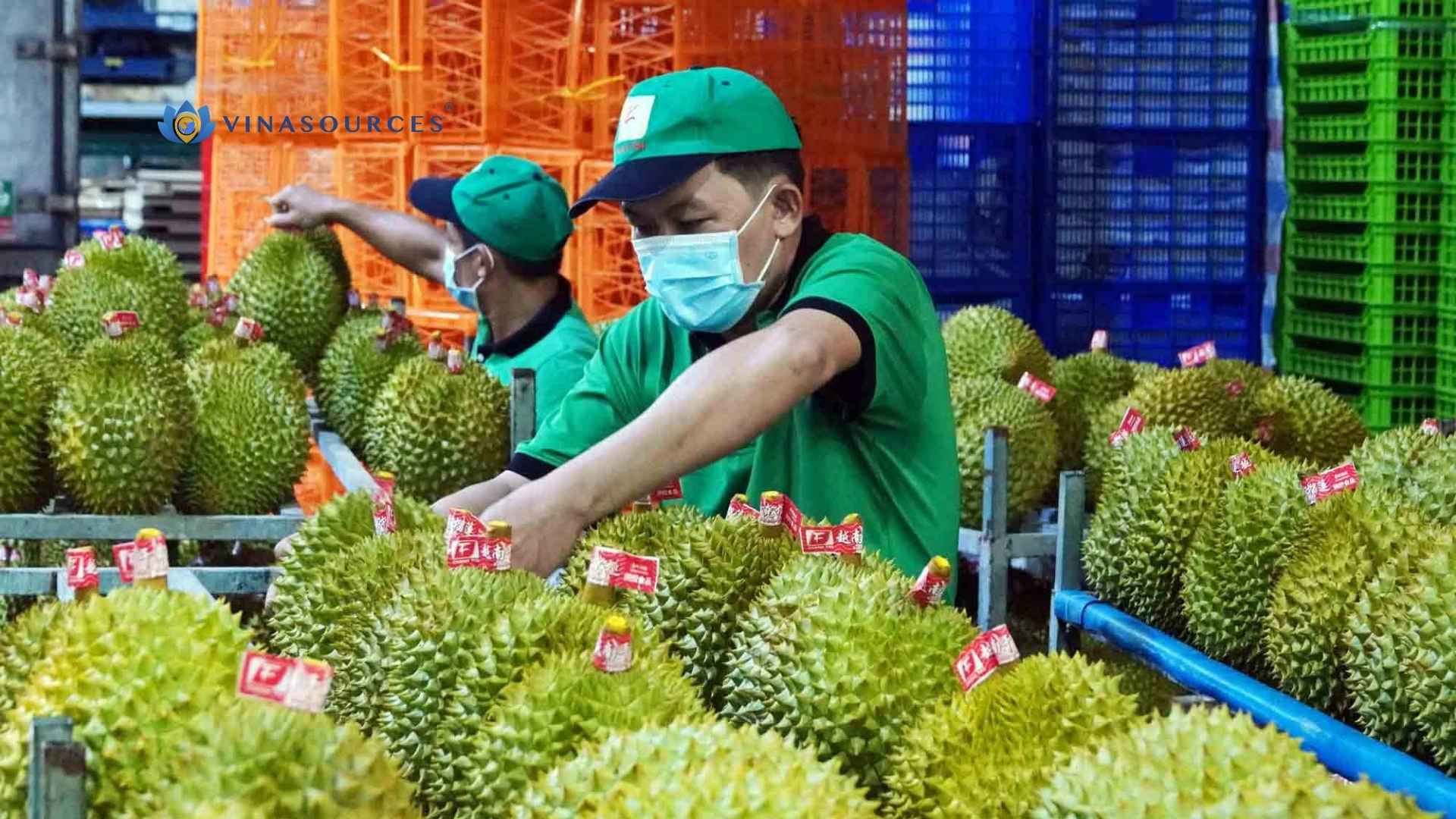
Vietnam’s proximity to major Asian markets such as China, Singapore, and South Korea helps reduce shipping time and transportation costs for durian exports. Shorter transit routes also help maintain product freshness while improving cost efficiency for importers.
Premium Export Varieties
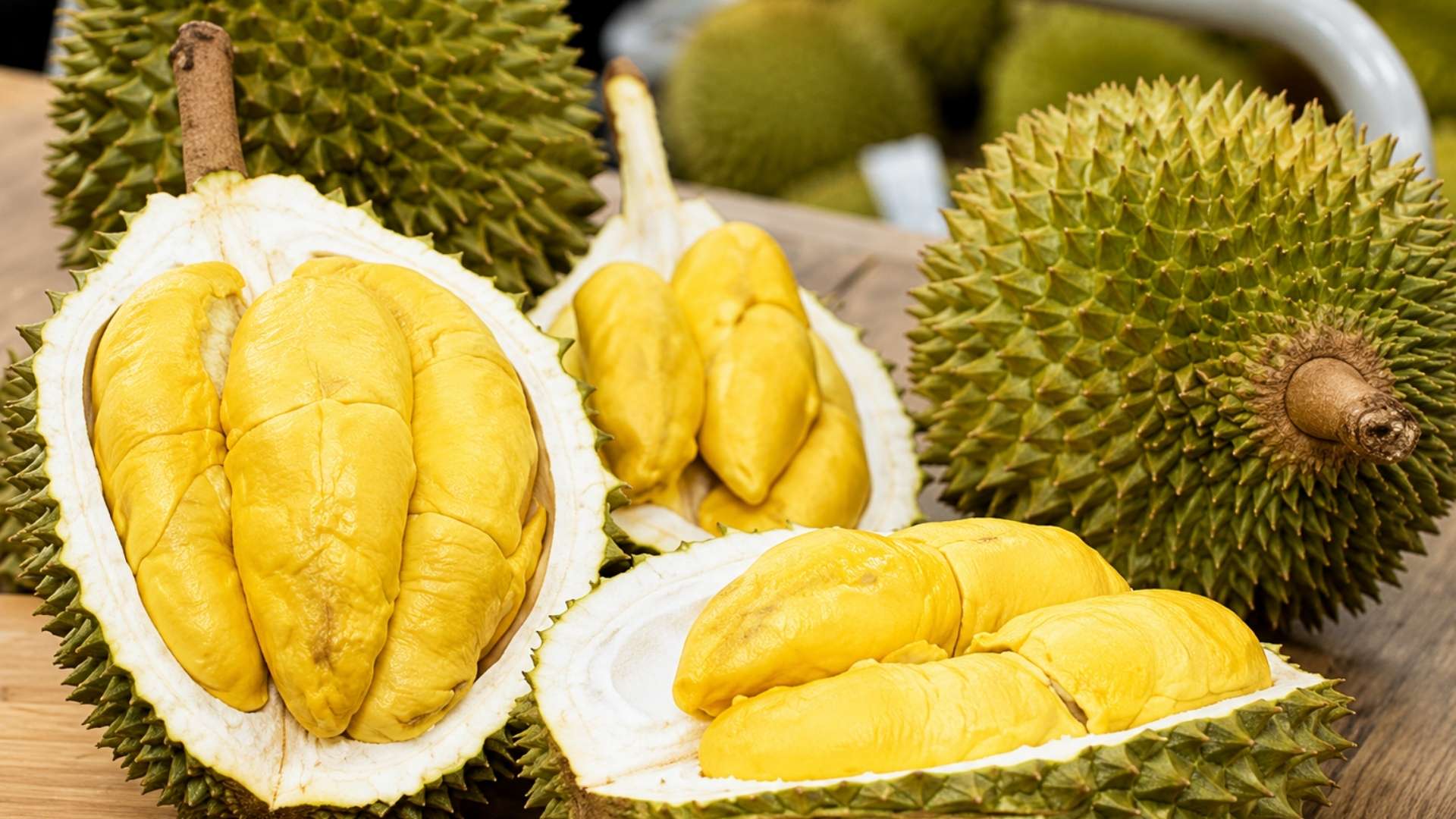
Vietnam offers a world-class durian portfolio dominated by high-value varieties like Ri6 and Monthong (Dona), which are highly prized for their thick, golden flesh, small seeds, and rich, creamy texture. These varieties are cultivated under strict GlobalGAP standards in specialized export zones, ensuring a perfectly rich, sweet flavor and uniform quality that meet the premium requirements of international markets.
Expanding Farming Scale
Vietnam’s durian cultivation area reached approximately 150,000 hectares in 2024, a significant jump from 37,000 hectares in 2015, with annual output now exceeding 1.2 million tons.
Broad FTA Network
Vietnam participates in 16 Free Trade Agreements (FTAs), including RCEP, CPTPP, and EVFTA. These agreements can help significantly reduce tariff barriers and import tariffs for buyers in the EU, UK, and CPTPP member countries.
Key Export Durian Varieties in Vietnam
Vietnam exports several commercial durian varieties, each with different flavor profiles, market positioning, and export characteristics.
The table below compares some of the most common durian varieties supplied by Vietnamese exporters to international markets.
| Variety | Ri6 | Monthong | Musang King |
| Main Growing Regions | Tien Giang, Vinh Long, Can Tho, Ben Tre, Dak Lak, Lam Dong | Dak Lak, Lam Dong, Dong Nai, Dak Nong | Lam Dong, Dak Lak, Tien Giang, Ben Tre, Dong Nai, Tay Ninh |
| Key Characteristics | Oval/rhombus shape, thin green rind with large, sparse thorns; 3kg – 5kg; very thick, dry, vibrant yellow flesh; deeply sweet, rich flavor with intense aroma; up to 40% flat seeds. | Oval, rectangular, or egg-shaped (tapering at the stem); 2kg – 4kg (up to 6kg); light green/grey rind with large, sparse, blunt thorns; thick, very dry, fiberless pale/creamy yellow flesh; mild aroma with a light, sweet, and rich flavor; mostly flat seeds. | Oval shape; 2kg – 4kg; dark green rind with very large, widely spaced thorns; base clearly shows 5 large, thick sections; large sections with abundant, smooth, pasty, deep yellow (or red) flesh; flat seeds; mildly sweet. |
| Commercial Advantages | Strong tree growth, early harvest cycle (3–4 years), easy to cultivate, and excellent flesh-to-weight ratio. | Longer shelf life and better transport tolerance, highly suitable for bulk export and supermarket distribution | Premium market positioning with high retail value, growing interest in high-end durian segments |
| Popular Export Markets | China, Hong Kong, Taiwan, and Singapore. | China, South Korea, Australia, the US, Japan | China, Singapore, Taiwan, Hong Kong, the US, Canada, France |
6 Steps to Import Durian from Vietnam
Below is a practical step-by-step overview of businesses planning to source durian from Vietnam.
1. Research and Verify Vietnamese Suppliers
Choosing the right supplier affects everything in the importing process, from product quality and cold chain stability to customs clearance and shipment reliability.
Below are some ways to find Vietnamese durian suppliers:
- Use Google search
- Use B2B sourcing platforms like Alibaba, VinaSources, Global Sources, etc.
- Visit trade shows and exhibitions such as Vietnam FoodExpo and HortEx Vietnam.
- Work with local sourcing agencies, especially useful for buyers unfamiliar with Vietnam’s agricultural export market.
- Use referrals and online communities like LinkedIn, Reddit, and WhatsApp.
Before moving to contact negotiation, you should verify whether the supplier has real export capability and legal business operations.
- Verify company information through office addresses, factories, warehouses, Google Maps, LinkedIn, and Vietnam business databases.
- Verify the legal entity status, registered capital, business scope, and check that they possess a valid, active license to export fresh agricultural products.
- Ensure the supplier owns or holds an exclusive contract with an active Planting Area Code authorized by Vietnam’s Plant Protection Department.
- Verify that the packaging facility where your durian will be processed holds a valid PHC and post-harvest pest control infrastructure.
- Request GlobalGAP, HACCP, and ISO 22000 certifications for food safety compliance verification.
- Review previous Bills of Lading and phytosanitary certificates to confirm export experience and cold chain capability.
However, in some circumstances, you can encounter scam suppliers that fake company profiles to attract foreign buyers.
These are common warning signs of scam suppliers:
- Unclear company information: Be cautious if the supplier has no clear office address, factory information, or company registration details.
- Recently created websites: Very basic websites with little company information, no export history, or copied product images may indicate an unreliable supplier.
- Using free email domains: Serious exporters usually use company email domains instead of Gmail or Outlook addresses.
- Pressure to pay quickly: You should be careful if a supplier urgently pushes for deposits by claiming limited stock or “special discounts” available for a short time only.
- Prices far below market level: Extremely cheap pricing is one of the biggest warning signs, especially during peak durian export seasons when prices are highly competitive.
2. Request Samples and Product Specifications
Before placing a bulk order, you should request product samples and detailed specifications from the supplier. This step helps evaluate actual product quality, consistency, and packaging standards before committing to large-volume shipments.
Sampling is especially important in the durian trade because quality can vary significantly between varieties, harvest seasons, and growing regions.
When evaluating durian samples, you should focus on some factors, including:
- Fresh color and texture
- Sweetness and aroma level
- Seed ratio and flesh thickness
- Fruit size and grading
In addition to samples, buyers should ask suppliers for clear product specifications and export standards
- Packing information: Confirm carton dimensions, net weight, pallet configuration, and packaging materials used for export shipments.
- Storage temperature requirements: Frozen durian products are typically stored at around -18°C or lower to maintain quality during transportation.
- Shelf life details: Buyers should verify shelf life for fresh, frozen whole fruit, and frozen pulp products before arranging logistics plans.
- Pesticide residue and compliance standards: Some markets require testing reports or compliance with maximum residue limits (MRLs), particularly for fresh fruit imports.
You should compare samples from multiple suppliers before making sourcing decisions.
3. Confirm Import Requirements in Your Country
Durian import regulations vary significantly across markets. Before confirming shipments, buyers should review product eligibility, quarantine requirements, labeling standards, and food safety regulations in their destination country.
The table below summarizes key import requirements for major markets importing Vietnamese durian.
| Market | China | European Union (EU) | United States |
| Product Formats |
|
|
|
| Import Requirements |
|
|
|
4. Negotiate Contract Terms
Since durian is a high-value product, your contract terms must be clear and specific.
Here are the most important points to discuss during your negotiation:
- Choosing Shipping Terms (Incoterms): Decide who pays for shipping and insurance. FOB: You take control once the durian is on the ship or plane in Vietnam. You pay for the freight. CIF: The supplier pays for shipping and insurance to your port. This is often simpler for new importers.
- Payment Security: Never pay 100% of the money up front. Standard practice is to pay a 30% deposit to start the order and pay the remaining 70% after you receive the shipping documents (Bill of Lading) and proof of quality.
- Quality Standards: Durian is fragile. Your contract should clearly state the quality you expect. Mention the sweetness level (Brix) and confirm that the fruit will be picked at the right time (usually 70-80% ripe) so it does not rot during the journey.
- Quality Claim Rule: If more than 5% or 10% of the durians arrive rotten, the supplier must refund your money or give you a discount on your next order. To do this, you must send proof—like photos or an inspection report—within 24 to 48 hours after the shipment arrives.
5. Prepare Export Documentation
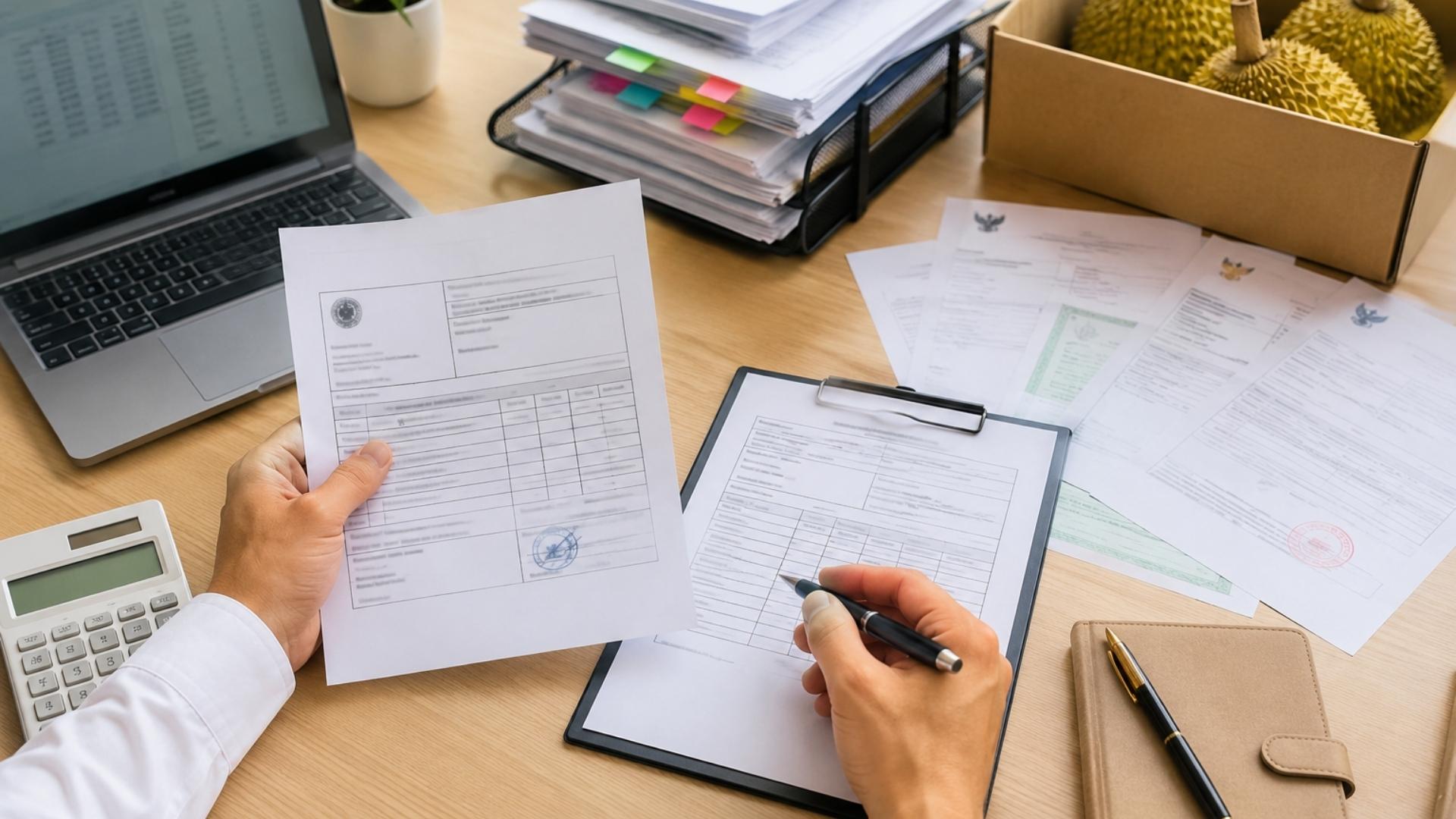
Before shipment departure, buyers should confirm all required export and import documents with both the supplier and the customs broker.
Common export documents include:
- Commercial Invoice
- Packing List
- Bill of Lading (B/L) or Air Waybill (AWB)
- Phytosanitary Certificate
- Certificate of Origin (CO)
- Food Safety or Health Certificate
- Growing Area Code and Packing Facility Code: Commonly required for exports to China
- Testing reports may include pesticide residue analysis, microbiological testing, or heavy metal testing
- FDA Prior Notice and Facility Registration: Required for many food shipments entering the United States
Depending on the destination market, buyers may also require additional inspection or quarantine-related paperwork before customs clearance.
6. Arrange Shipping and Logistics
Durian is a premium, high-value product that requires expert handling to ensure the flavor, texture, and quality are preserved during transportation.
Air Freight vs. Sea Freight
- By Plane (Air Freight): This is the fastest way to get your durian to the market. Durians are moved from farms directly to Tan Son Nhat Airport (SGN) in Ho Chi Minh City. The flight carries the fruit to your country in only 1 to 2 days, ensuring it arrives in the freshest possible condition. This method is ideal for high-end retail, luxury gift markets, or when you need urgent delivery.
- By Ship (Sea Freight): This is the most popular method for large wholesalers because it is significantly cheaper. Durians are loaded into Reefers Containers at major ports like Cat Lai or Cai Mep. While it takes longer (from 3 to 40 days, depending on the destination), it is the most cost-effective way to move large volumes of fruit.
The table below shows the estimated reefer shipping costs and transit time from Vietnam to some main markets:
| Destination Market | Estimated 20ft Reefer Cost | Estimated 40ft Reefer Cost | Estimated transit time |
| China | $1,500 to $3,000 | $2,500 to $4,500 | 3 to 7 days |
| South Korea | $2,500 to $4,000 | $3,500 to $5,500 | 7 to 12 days |
| Japan | $3,500 to $5,500 | $4,000 to $6,500 | 8 to 14 days |
| Middle East | $3,500 to $5,500 | $5,500 to $8,000 | 8 to 14 days |
| EU | $4,500 to $7,000 | $7,000 to $11,000 | 25 to 40 days |
| US West Coast | $5,000 to $8,000 | $8,000 to $13,000 | 20 to 30 days |
Note: Shipping costs and transit times vary based on the destination market, container demand, and seasonal traffic.
Important Tips for Cold Chain Management
Durian needs strict temperature control during transport to ensure it stays in top condition:
- Temperature Control: Frozen durian must be kept at a stable temperature of -18°C or lower. Fresh durian requires precise, stable cooling to prevent over-ripening.
- Blast Freezing: Some export markets require “blast freezing” at -35°C before the durian is loaded. This ensures the fruit stays solid and fresh until it reaches the final destination.
- Pre-cool Containers: Always ask the carrier to cool the container to the correct temperature before the durian is loaded.
- Monitor the Cargo: Ask for a temperature data logger report. This allows you to check and prove that the temperature remained stable throughout the entire journey.
- Airflow is Key: Ensure the pallets are loaded properly so that cold air can circulate around the durian. Good airflow is essential to prevent hot spots inside the container.
How to Find Vietnamese Durian Suppliers?
1. Visit trade shows
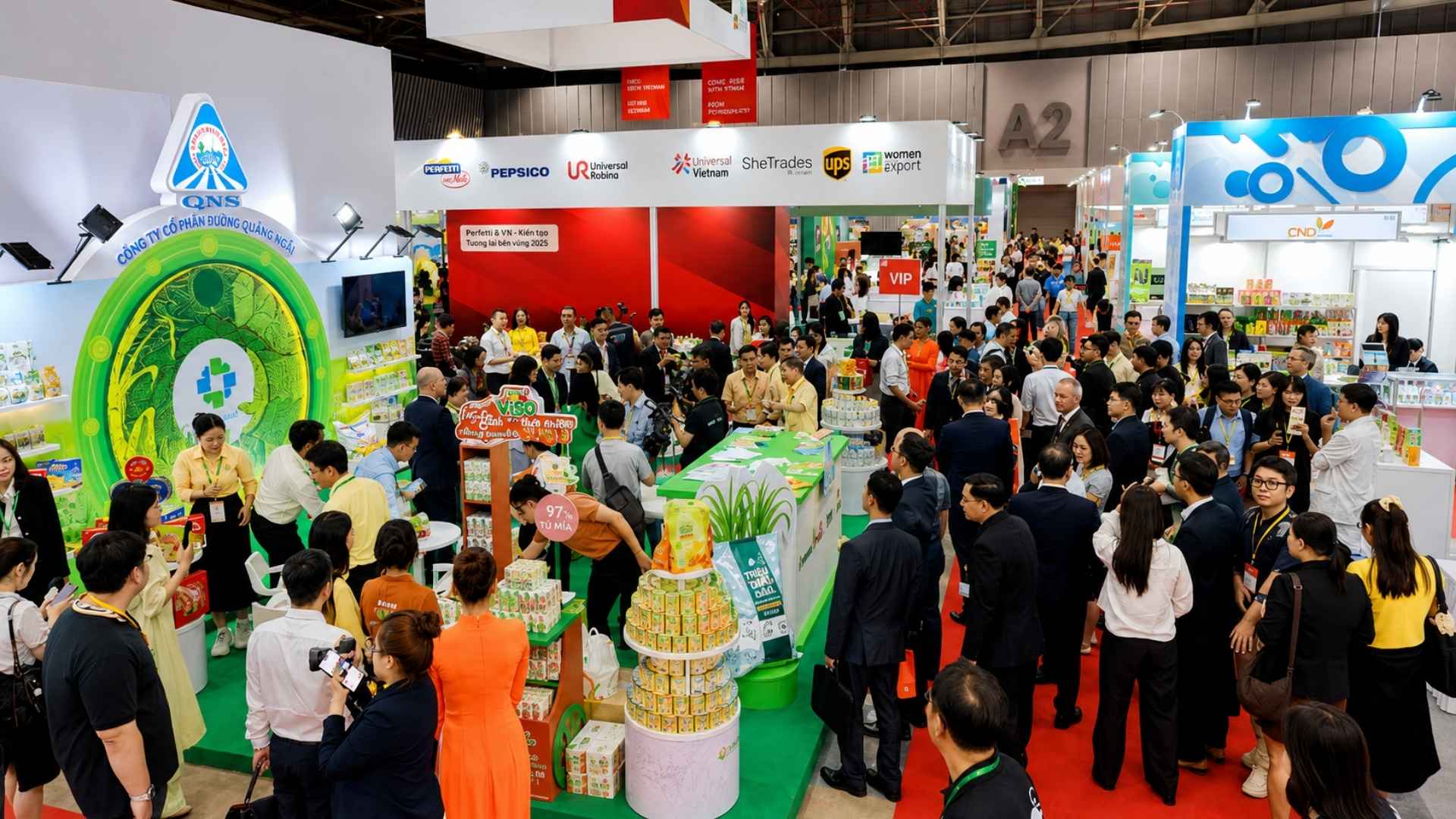
Trade shows are one of the most effective ways to find real Vietnamese durian exporters because you can meet suppliers face to face, inspect product samples directly, and verify whether the company actually has export capability.
Pros of visiting trade shows
- Easier to evaluate supplier professionalism, product quality, and export capability
- Inspect real durian samples directly
- Easier to build long-term business relationships
Cons of visiting trade shows
- Costs significant time and money for flights, accommodation, transportation, and exhibition entry expenses
- Limited opportunities to meet smaller suppliers
Major trade shows for durian sourcing in Vietnam
1. Vietnam Foodexpo
Vietnam Foodexpo is one of Vietnam’s largest food and agricultural export exhibitions. The event attracts many export-focused fruit suppliers, frozen durian processors, food manufacturers, and international sourcing companies looking for Vietnam-based suppliers.
Event information
| Information | Details |
| Event Name | Vietnam Foodexpo 2026 |
| Venue | Saigon Exhibition and Convention Center (SECC), Ho Chi Minh City, Vietnam |
| Date | November 11-14, 2026 |
2. Agri Vietnam
Agri Vietnam is one of the largest international trade exhibitions and conferences in Vietnam, focused on agricultural machinery, chemicals, technologies, and agricultural products. In 2026, the event is expected to attract more than 4,000 visitors and over 120 exhibitors from 15+ countries, including businesses, researchers, distributors, and agricultural industry professionals.
Event information
| Information | Details |
| Event Name | Agri Vietnam 2026 |
| Venue | Saigon Exhibition and Convention Center (SECC), Ho Chi Minh City, Vietnam |
| Date | June 10-12, 2026 |
2. Use B2B Sourcing Platforms
Online B2B sourcing platforms are one of the fastest ways for international buyers to find Vietnamese durian exporters and compare multiple suppliers in a short period of time.
Different B2B sourcing platforms offer different advantages depending on the buyer’s sourcing needs.
The comparison table below highlights some of the most commonly used platforms for finding Vietnamese durian exporters and agricultural suppliers.
| Factor | Alibaba | VinaSources | Tridge |
| Main focus | Multi-industry global sourcing | Vietnam manufacturers and exporters | Agricultural products and food supply chains |
| Best for | Large-scale discovery | Vietnam sourcing and supplier connection | Agriculture commodity sourcing and market insights |
| Product categories | Extremely broad across all industries | Multi-industry Vietnam exports include agriculture, apparel, furniture, and handicrafts. | Mainly food and agriculture, such as fruits, vegetables, grains, meat, etc |
| Advantages |
|
|
|
| Limitations |
|
|
|
3. Partner with Sourcing Agents
For first-time durian importers, working with sourcing agents can significantly reduce procurement risks and simplify supplier management.
Sourcing agents act as local representatives supporting buyers throughout the procurement process. Depending on the service scope, they may assist with supplier identification, factory audits, contract negotiation, quality inspection, loading supervision, and export coordination before cargo departure.
Below are some leading sourcing agencies in Vietnam
- Dragon Sourcing Vietnam
- Seditex
- Cosmo Sourcing
- MovetoAsia
Top 3 Durian Exporters in Vietnam
Below are the top 3 notable durian exporters in Vietnam that international buyers may consider when sourcing fresh or processed durian products.
1. Vinagrin Import Export Co. Ltd
Vinagrin focuses on exporting Vietnamese agricultural products with strong sourcing connections across the Mekong Delta region. The company supplies fresh tropical fruits and emphasizes quality control, packaging standards, and export-oriented processing. Its product sourcing network includes major durian-producing provinces such as Tien Giang and Ben Tre, which are known for Ri6 durian cultivation.
- Product Categories: Durian, Coconut, Dragon Fruit, Mango, etc.
- Website: www.vinagrin.com.vn
- Email: [email protected]
- Phone Number: (+84) 869 745 678
2. Viet Thien Phu Industrial Production Company Limited
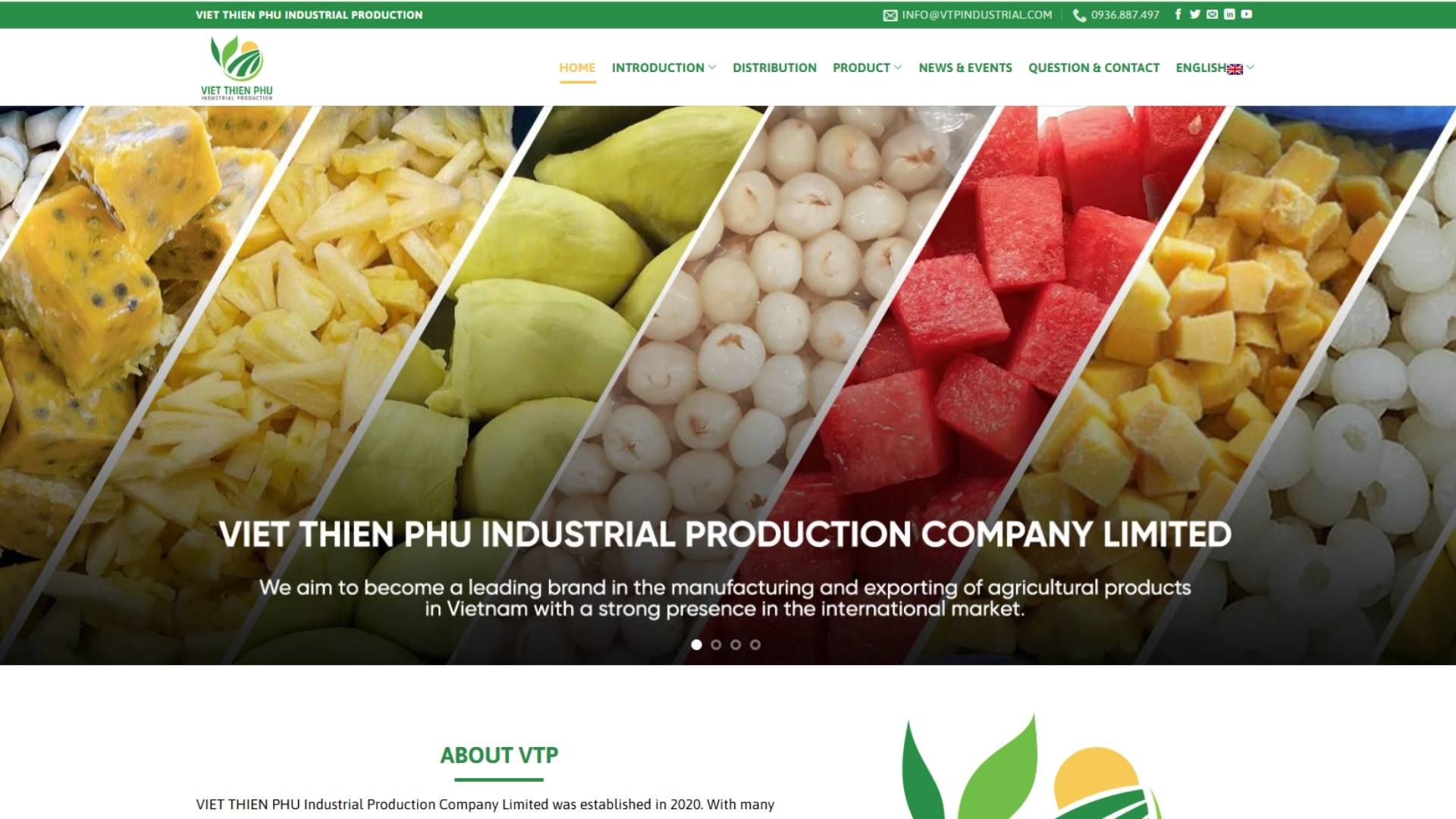
Viet Thien Phu, located in Ho Chi Minh City, is involved in the processing and export of Vietnamese agricultural products to multiple overseas markets. The company has experience handling export packaging and OEM production for international buyers, particularly in the processed fruit segment.
- Product Categories: Frozen fruit, fresh fruit, spices etc.
- Website: www.vtpindustrial.com
- Email: [email protected]
- Phone Number: +84 936 887 497
3. Gold-Agri (Vietnam)
HungHau Foods, a key member of HungHau Holdings (HHH), is one of Vietnam’s leading manufacturers and exporters of high-nutrition agricultural products, frozen fruits, vegetables, and specialty noodles. The company’s diverse agricultural portfolio is distributed throughout major domestic supermarket chains, including Lotte Mart, Co.op Mart, and Big C.
- Product Categories: Fresh durian, frozen durian products, fresh banana, coconut, etc.
- Website: www.hfoods.vn
- Email: [email protected]
- Phone Number: (+84)79 721 3333
Why Global Buyers Use VinaSources for Sourcing Durian from Vietnam?
Finding reliable durian exporters in Vietnam can be challenging, especially for buyers unfamiliar with the local supply chain.
With over 12 years of hands-on experience in cross-border eCommerce, supply chain management, and technology operations tailored to international markets. VinaSources is a digital platform that simplifies the import process by connecting international buyers with verified Vietnamese exporters across agricultural and fresh produce categories, including durian exports.
Key benefits of using VinSources:
- Access verified Vietnamese durian exporters with validated operational capability and export readiness.
- Simplify sourcing workflows through integrated logistics and export support services.
Contact VinaSources
- Hotline: 19004356
- Email: [email protected]