
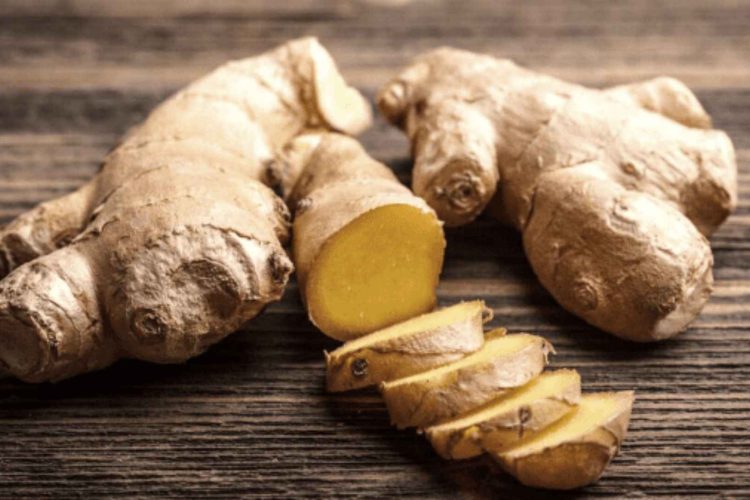
Vietnam is among the world’s leading ginger exporters, ranking around 11th globally in recent trade statistics, with shipments covering fresh, dried, and sliced ginger. Importing ginger from Vietnam can offer clear cost and supply advantages, particularly for buyers seeking competitive pricing and diversified sourcing outside traditional origins. However, first-time importers often face challenges related to supplier verification, quality consistency, phytosanitary compliance, and export documentation.
This guide outlines 7 essential steps to importing ginger from Vietnam, helping you ensure a smooth and efficient import process.
Overview of Vietnam Ginger Production & Export
Vietnam has emerged as a top-tier supplier in the global spice market. The country currently ranks as the third-largest spice exporter globally, trailing only India and China.
Vietnam produces approximately 300,000 tons of ginger annually. Key production provinces include Ha Giang, Lao Cai, Yen Bai, and Son La. In the south, regions like the Central Highlands and the Mekong Delta (specifically Hau Giang).
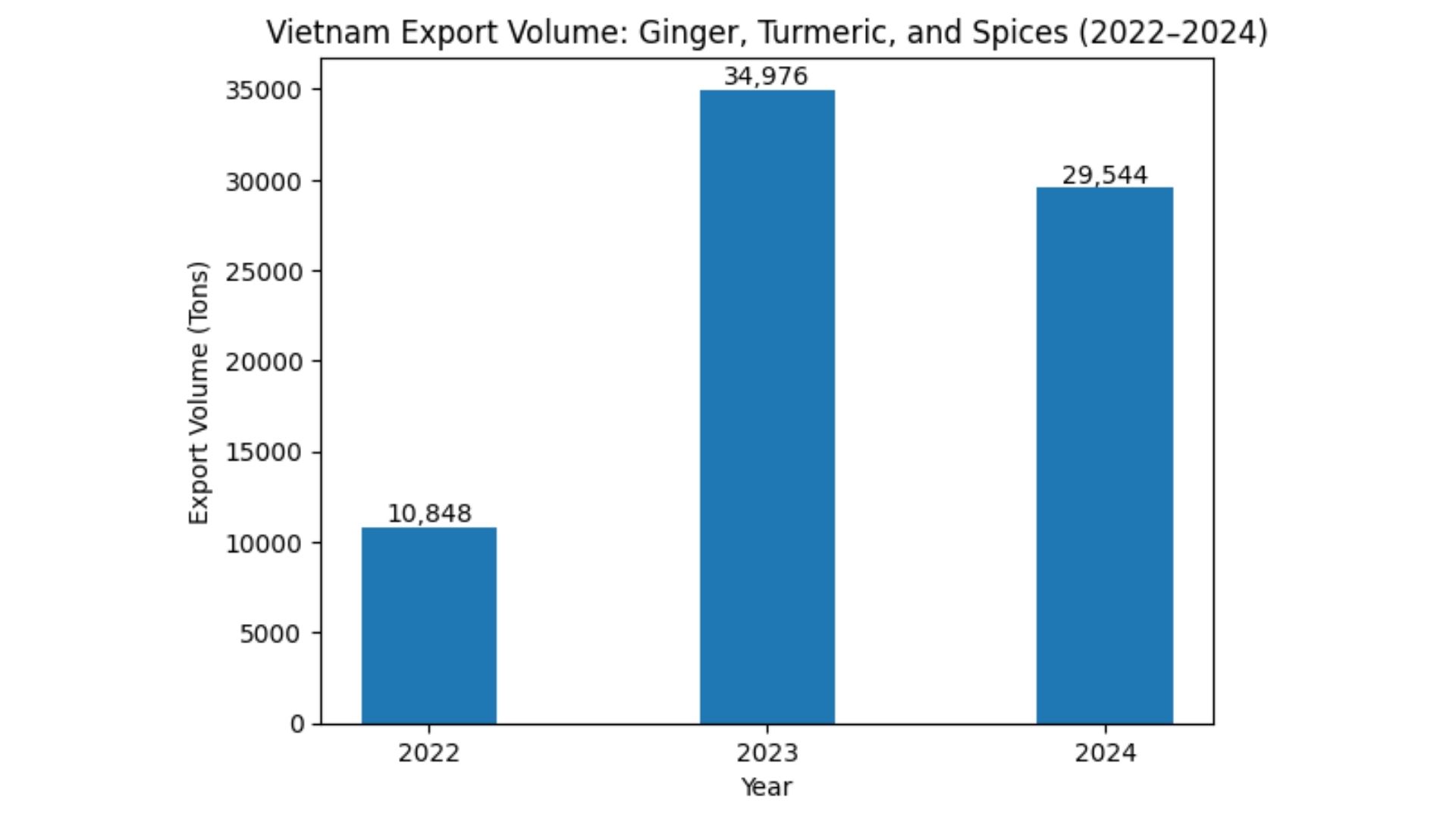
In 2024, Vietnam exported 29,544 tons of ginger, turmeric, and spices, generating USD 59.5 million in revenue. This represented a 20.7% increase in export value compared to 2023, reflecting a global shift toward premium, processed, and organic Vietnamese ginger.
The main export markets for Vietnam’s ginger, turmeric, and spices are India, Bangladesh, and Indonesia. India was the largest buyer, accounting for more than 38% of the total export volume. Bangladesh ranked second, followed by Indonesia as the third-largest market.
Why Vietnam is a Leading Source of Ginger?
-
Competitive production costs
Compared with many other ginger-producing origins, Vietnam benefits from a cost-efficient labor and farming structure.
Average monthly manufacturing wages range from USD 280 to USD 350, which is lower than in China and several ASEAN peers. This low labor cost helps reduce harvesting, processing, and packing costs.
In addition, favorable growing conditions keep input costs low, with ginger typically harvested 1-2 times per year and limited reliance on mechanization.
This allows Vietnamese exporters to offer competitive FOB prices while maintaining sustainable margins for B2B importers.
-
Supply stability
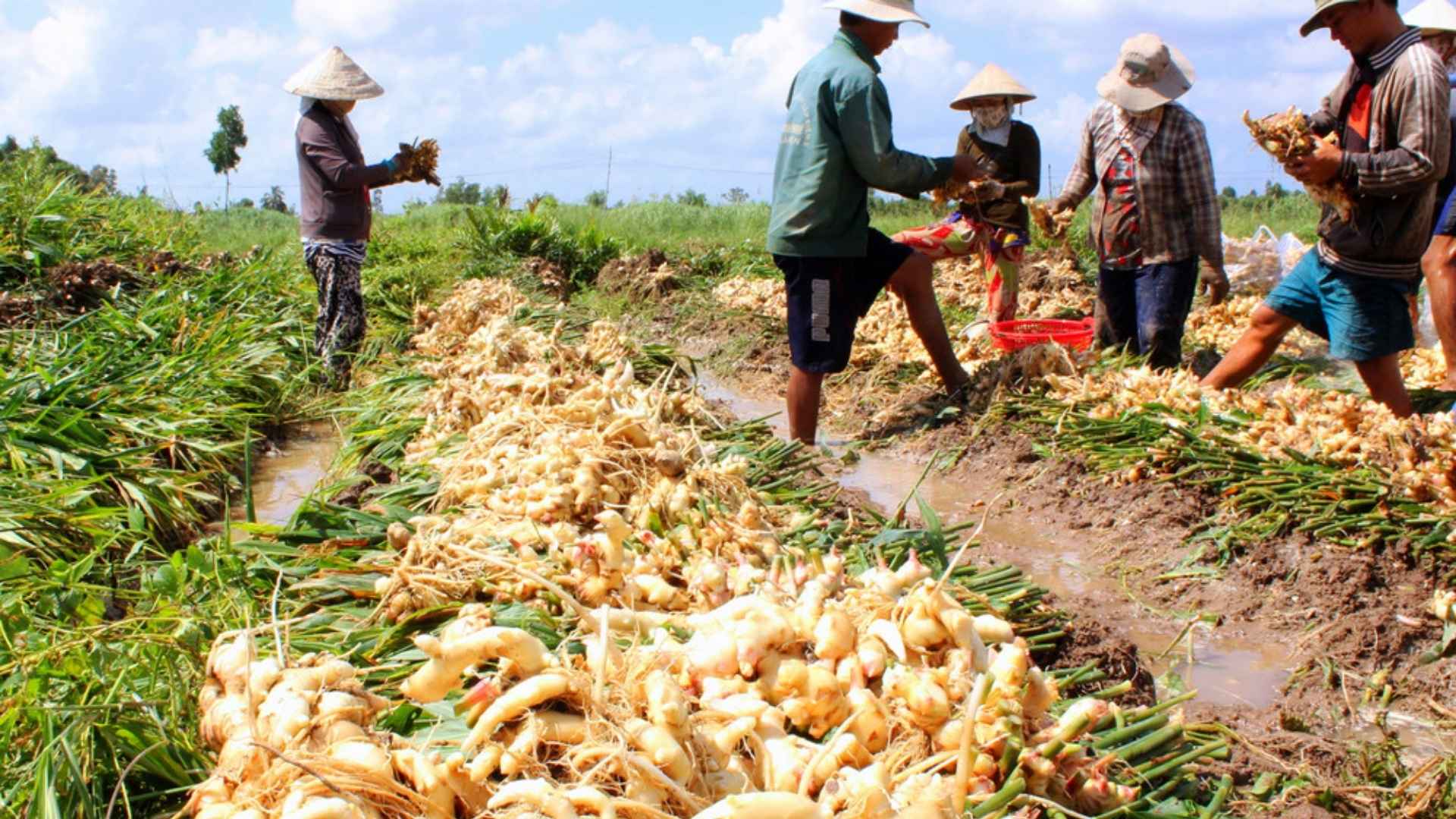
Vietnam’s tropical and subtropical climate supports ginger cultivation across multiple regions, including the Northern Highlands, Central Highlands, and parts of the Mekong Delta. Warm temperatures, adequate rainfall, and fertile soil enable stable yields and consistent rhizome quality across growing seasons.
Ginger is cultivated in the nation, with major production concentrated in provinces such as Yen Bai, Son La, Dak Lak, Gia Lai, and Nghe An. Annually, Vietnam produces approximately 300,000 tons of ginger, positioning it among the leading ginger producers in Southeast Asia.
-
Tariff incentives
Vietnam benefits from an extensive network of Free Trade Agreements, such as EVFTA, CPTPP, and RCEP, that help international buyers significantly reduce landed costs when importing ginger. Thanks to these agreements, Vietnamese ginger often enjoys tariff advantages compared with products sourced from countries that do not have preferential trade arrangements.
For example, under the EVFTA, tariffs on most agricultural products traded between Vietnam and the European Union are being progressively eliminated, with up to 99% of tariff lines eventually reduced to 0. This agreement improves market access for Vietnamese ginger into high-value EU destinations such as Germany and the Netherlands.
How to Import Ginger From Vietnam
Navigating the import process requires careful planning. So, let’s break down the key steps you should follow when importing ginger from Vietnam.
-
Verify supplier credentials
Your first task is to find and vet a reliable supplier. Begin by sourcing potential partners through B2B marketplaces like Alibaba, industry trade shows, or referrals from trade associations. Once you have a list, a thorough verification process is essential.
Key factors to consider include:
- Business Legality: Confirm the company is properly registered with a business license. You can request this documentation directly.
- Export History: Ask for references or case studies from past international clients, particularly in your target market.
- Production Capacity: Ensure they can handle your required volume consistently, especially during peak seasons.
- Quality Standards: Verify if they hold any relevant certifications, such as HACCP, ISO 22000, or GlobalG.A.P., which indicate a commitment to systematic quality control.
-
Inspect samples
Never place a bulk order without evaluating product samples first. When the samples arrive, inspect them carefully under normal handling conditions.
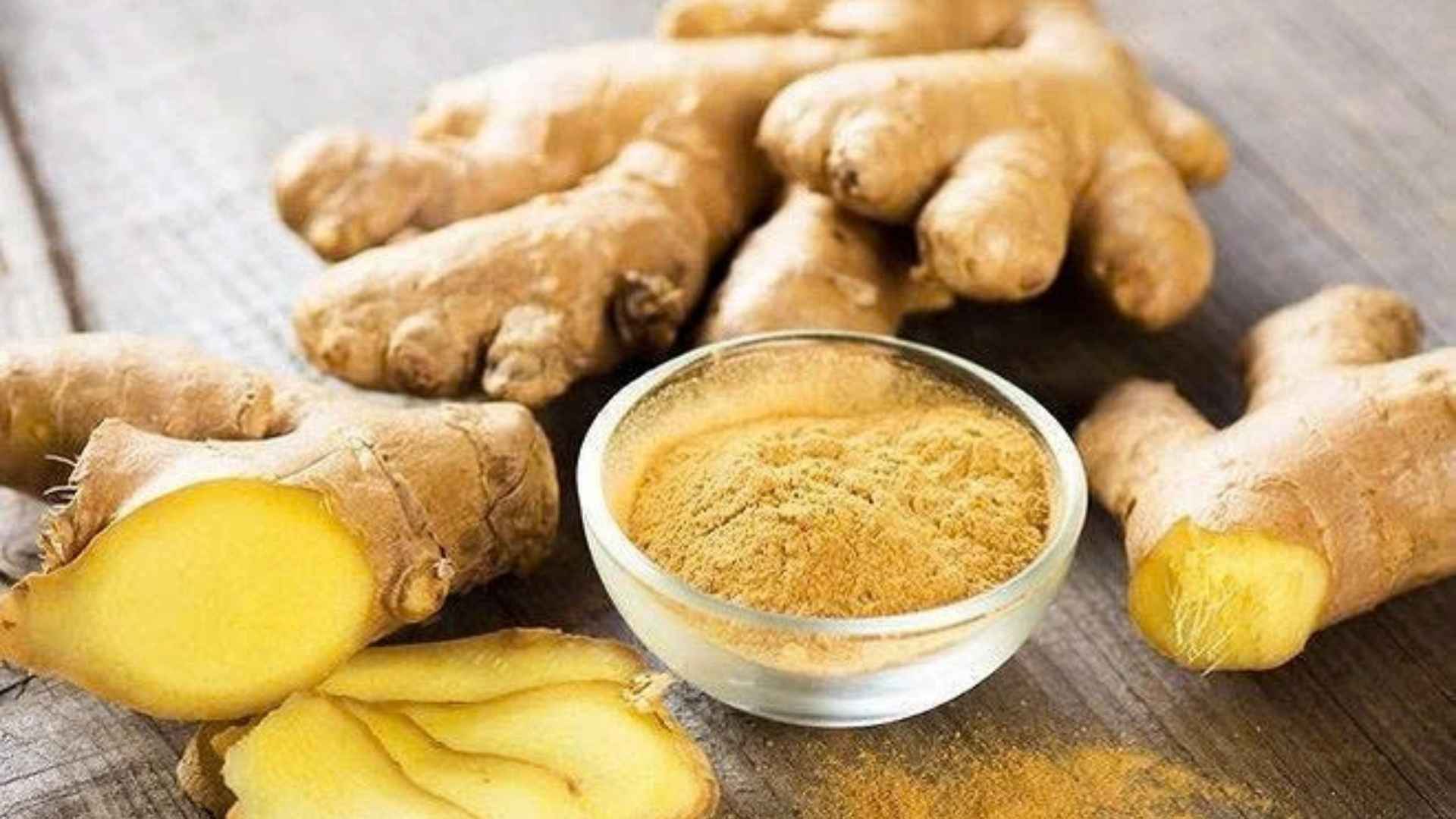
Check the skin for smoothness and cleanliness, press the ginger to confirm firm texture, and cut a small piece to assess internal color and aroma. Also, review how the samples were packed and stored during transit.
-
Make a contract
A formal contract protects both you and the supplier. It clearly defines expectations and responsibilities, reducing the potential for disputes. This document is your primary recourse if any issues arise with the shipment.
Essential clauses to include are: Product Specifications, Price and Payment Terms, Incoterms, Delivery Schedule, and Dispute Resolution.
-
Quality control and certification
To avoid rejection at your local port, you need specific certifications from the Vietnamese side. Most countries require a Phytosanitary Certificate issued by the Vietnamese Ministry of Agriculture and Rural Development. This document proves that ginger is free from pests and diseases.
Furthermore, if you are shipping to the US, ensure the facility is FDA registered. For European markets, strictly monitor Maximum Residue Levels (MRL) for pesticides.
-
Handle customs clearance
Preparing the correct documentation is critical for smooth customs clearance in your country. Your freight forwarder or customs broker will typically manage this process using the papers you provide.
The core documents you must prepare include:
- Commercial Invoice
- Packing List
- Bill of Lading or Air Waybill
- Phytosanitary Certificate
- Certificate of Origin
- Any required import permits or licenses
Failure to provide accurate documents can result in seizures, fines, or the destruction of your cargo.
-
Packaging & Labeling
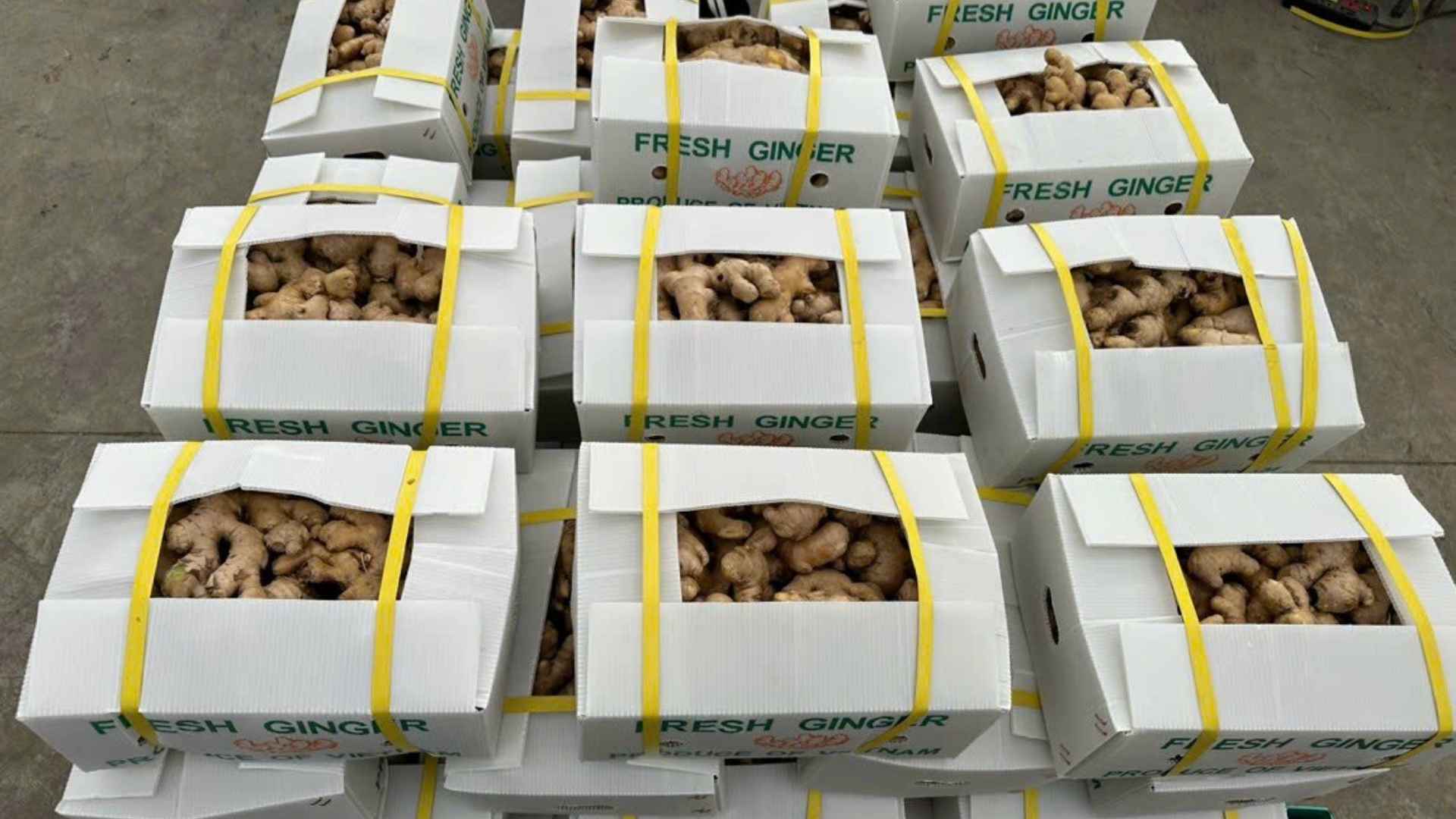
Proper packaging preserves product quality during transit. Ginger should be packed in clean, food-grade, moisture-resistant inner packaging, such as polyethylene bags. These are then placed in strong, double-walled cartons or woven sacks suitable for ocean freight.
Labeling must comply with the regulations of your destination country. Generally, each package should be clearly labeled with: Product name and grade, Net weight, Batch/Lot number, Harvest/production date, Supplier information, and any special handling instructions (e.g., “Keep Dry”).
-
Shipping & logistics
Choosing the right shipping method depends on order size, urgency, and budget. Let’s compare the most common options.
| Shipping method | Benefits | Limitations | Transit time | Best used when |
| Air freight | Fast delivery | High cost | 3-7 days | Samples or urgent orders |
| LCL sea freight | Lower cost for small volumes | Longer transit | 25-40 days | Small or trial orders |
| FCL sea freight | Lowest unit cost | Requires volume | 20-35 days | Large and regular shipments |
You should work closely with a reputable freight forwarder. They can handle complex logistics, recommend the best method, and ensure all documentation aligns with your chosen Incoterms.
How to Find Reliable Vietnamese Ginger Suppliers
-
Direct factories
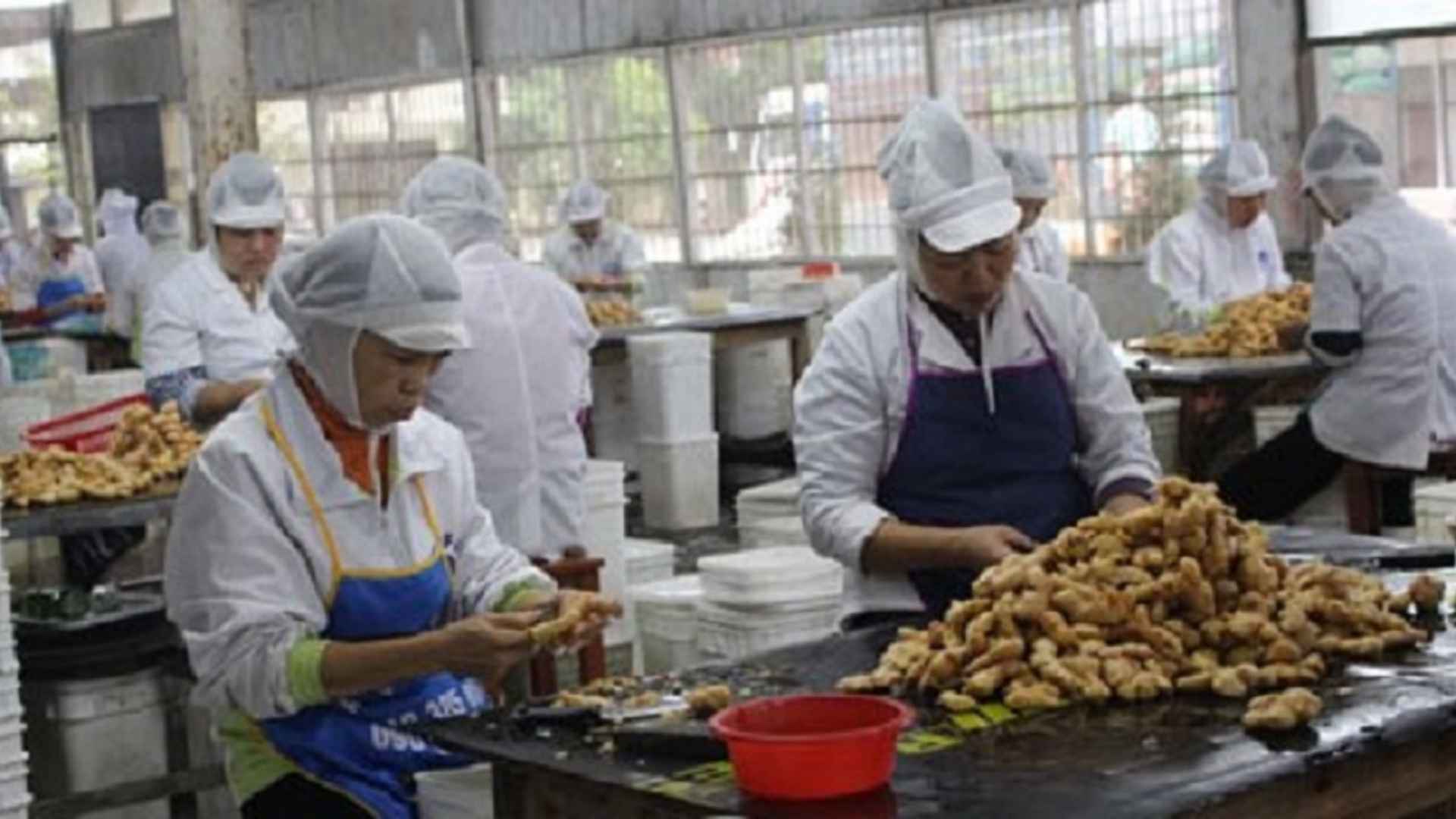
When you import ginger from Vietnam, partnering directly with factories can drive better pricing, quality control, and long-term supply security.
HAVIGO Vietnam (HAVIGO Company Limited)
With more than 12 years of experience, HAVIGO has established itself as a key player in Vietnam’s spice and agricultural export sector. The company specializes in fresh ginger, whole dried ginger, and sliced dried ginger, with a strong emphasis on organic cultivation practices. HAVIGO exports to over 30 international markets and operates with an annual production capacity of approximately 5,000 tons.
- Address: 2nd Floor, C-land Tower, No. 81, Le Duc Tho Street, My Dinh 2 Ward, Nam Tu Liem District, Hanoi City, Vietnam
- Website: https://havigo.vn/
- Email: [email protected]
Vilaconic Group
Vilaconic Group is a long-established player in Vietnam’s agricultural export sector, with operations dating back to 1980. The company specializes in exporting Vietnam’s key agricultural commodities to major global markets, including China, the Middle East, Africa, Europe, and other parts of Asia.
Vilaconic’s core product portfolio includes rice, black pepper, cinnamon, and a range of other agricultural products such as fresh ginger, cinnamon powder, and coffee. In 2024, the company was recognized as a high-quality supplier.
- Address: KM 700 Nghe An Street – Xieng Khoang, Vinh Phu Ward, Nghe An Province, Vietnam
- Website: https://rice-spices.com/
- Email: [email protected]
-
Online B2B platforms
Online B2B marketplaces play an important role in helping international buyers identify Vietnamese ginger suppliers.
Global Industry Platforms (Alibaba, TradeWheel, Made-in-China)
Platforms like Alibaba, TradeWheel, and Made-in-China also feature Vietnamese agricultural exporters.
For example, Alibaba is a global wholesale marketplace. It hosts a large number of Vietnamese ginger exporters and processors. Supplier pages typically include company profiles, product catalogs, transaction history, and verification badges, which can help buyers assess credibility at an early stage.
Vietnam B2B Directories (VinaSources)
VinaSources and other similar platforms are a Vietnam-focused B2B sourcing platform that specializes in connecting overseas buyers with verified Vietnamese manufacturers and exporters. This platform is designed for buyers who want deeper local insight and reduced sourcing risk.
-
Visit trade shows
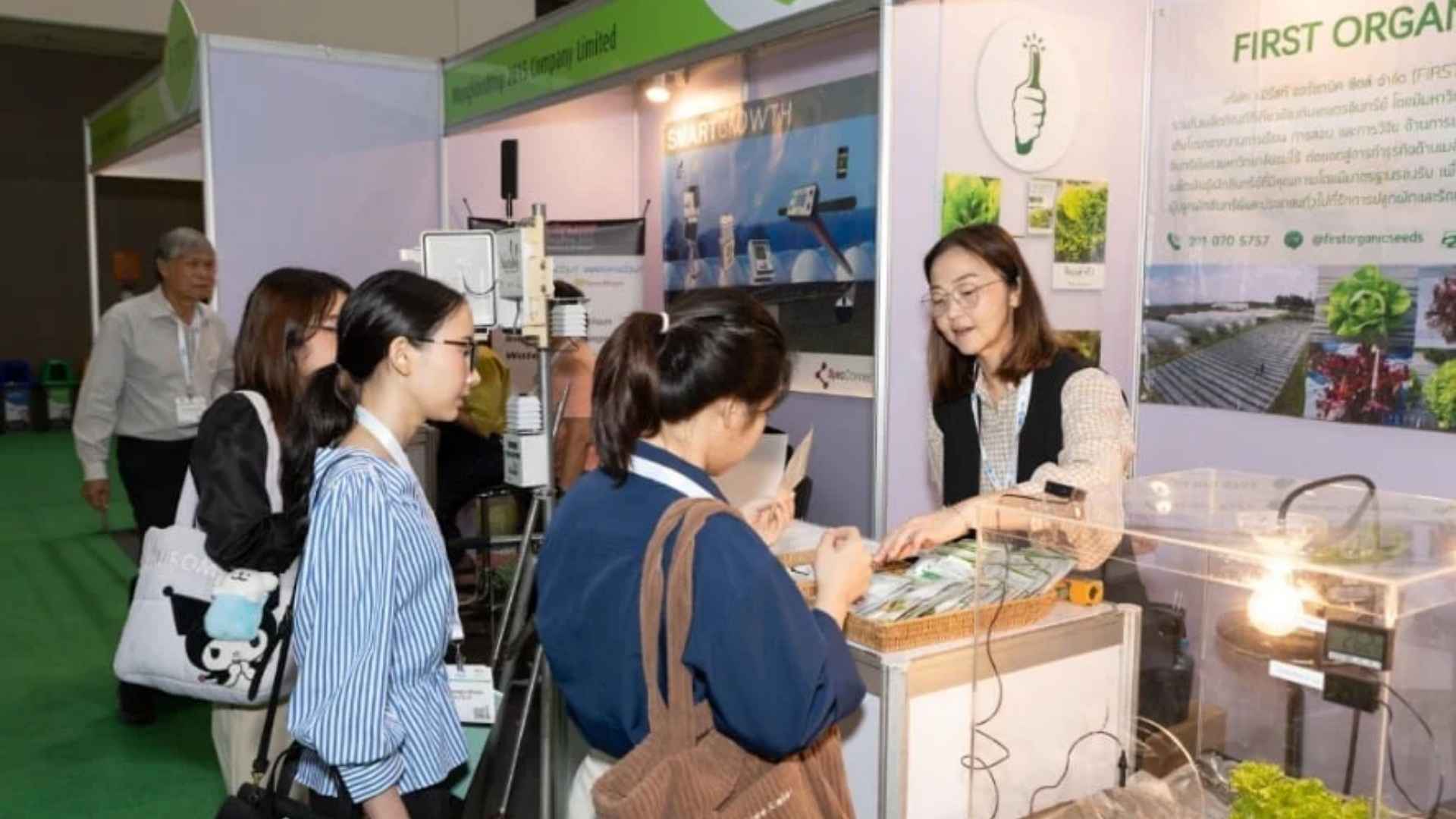
Attending trade shows in Vietnam provides direct access to a concentrated pool of suppliers. These events allow you to inspect product samples, assess company credibility, and negotiate terms face-to-face. You can evaluate the quality of ginger firsthand and build stronger relationships with the Vietnamese suppliers.
Vietnam Expo 2026 (Hanoi)
As Vietnam’s longest-standing annual trade event, the 35th Vietnam International Trade Fair (Vietnam Expo) serves as a multi-sector platform with a dedicated pavilion for agricultural products and food. Organized by VINEXAD and directed by VIETRADE, it attracts high-caliber enterprises showcasing everything from raw spices to machinery. It is an ideal venue for finding ginger exporters who also invest in modern processing technology.
- Scale: Over 500 businesses and approximately 600 booths.
- Dates: April 8 – 11, 2026.
- Location: Vietnam Exposition Center (VEC), Dong Anh, Hanoi.
Agri Vietnam 2026
This specialized exhibition focuses specifically on the agricultural supply chain, including machinery, chemicals, and raw agricultural products. The 6th International Exhibition returns on a grander scale in 2026, serving as a hub for manufacturers and importers to connect with. For ginger buyers, this is a prime opportunity to meet producers who control their own farms and fertilizer supply chains.
- Scale: 300+ exhibitors from 15+ countries; 5,000+ expected trade visitors.
- Dates: June 10 – 12, 2026.
- Location: Saigon Exhibition and Convention Center (SECC), Ho Chi Minh City.
Vietnam Foodexpo 2026
Vietnam Foodexpo is the nation’s premier international food exhibition. It provides the most comprehensive range of food products under one roof, with a strong emphasis on “National Brand” enterprises. This event is critical for B2B buyers seeking high-value ginger derivatives, such as ginger powder, frozen ginger, and organic certified rhizomes for the retail sector.
- Scale: 300+ exhibitors from 36 Vietnamese provinces and 20+ countries.
- Dates: November 11 – 14, 2026.
- Location: Saigon Exhibition and Convention Center (SECC), Ho Chi Minh City.
Partner with VinaSources for Importing Ginger
Sourcing reliable suppliers is often the most time-consuming step when you plan to import ginger from Vietnam. This is where VinaSources can make the process more efficient. The platform is designed to connect international buyers directly with a verified network of Vietnamese ginger suppliers, helping reduce common sourcing risks at an early stage.
So, how does VinaSources support B2B buyers in practice? With 12 years of experience in cross-border e-commerce and international sourcing, the platform has supported thousands of overseas buyers in identifying export-ready Vietnamese manufacturers. All listed suppliers are screened based on business legality, export capability, and product focus, which helps buyers avoid unqualified or non-exporting sellers.
Let’s take a closer look at how buyers typically work with VinaSources:
- Browse the Agricultural Commodities Catalog to compare available ginger products and supplier profiles
- Submit detailed sourcing requirements, including ginger type, quantity, and specifications
- Receive matched introductions to suppliers that best fit your purchasing needs
To get started, you can reach out to the VinaSources team via the quotation form or contact customer support through the hotline 1900 4356.