
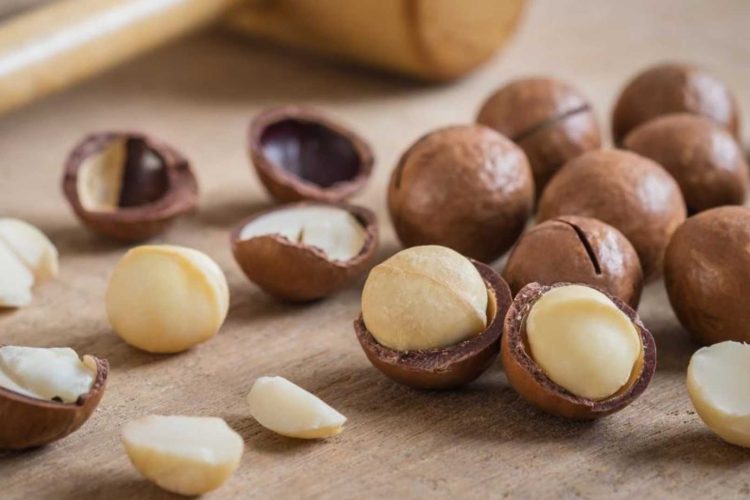
Vietnam is emerging as a competitive global supplier of high-quality macadamia. For new importers, however, sourcing macadamia internationally can present several challenges, including supplier verification, quality consistency, and compliance with import regulations.
This comprehensive guide outlines a clear, step-by-step framework to help buyers import macadamia from Vietnam efficiently and with greater confidence.
Overview of Vietnam’s export macadamia market
In recent years, global demand for maca has continued to rise as consumers increasingly prioritize natural, health-oriented products. Thanks to its high nutritional value, rich in vitamins, minerals, and beneficial bioactive compounds, maca has become a popular ingredient in the functional food and dietary supplement industries.
In Vietnam, as of the end of 2022, maca was cultivated in 29 provinces, with a total planted area exceeding 20,000 hectares. Maca products from Vietnam are primarily exported in the form of dried nuts and kernels.
According to the Ministry of Agriculture and Rural Development, in the first nine months of 2023, Vietnamese maca is now shipped to 23 countries and territories worldwide, with key traditional export markets including China, Thailand, Australia, and the United States.
China is Vietnam’s largest importer of fresh maca nuts, with export turnover reaching USD 4.85 million. Thailand follows as the second largest market, with maca exports from Vietnam totaling approximately USD 3.62 million during the first nine months of 2023.
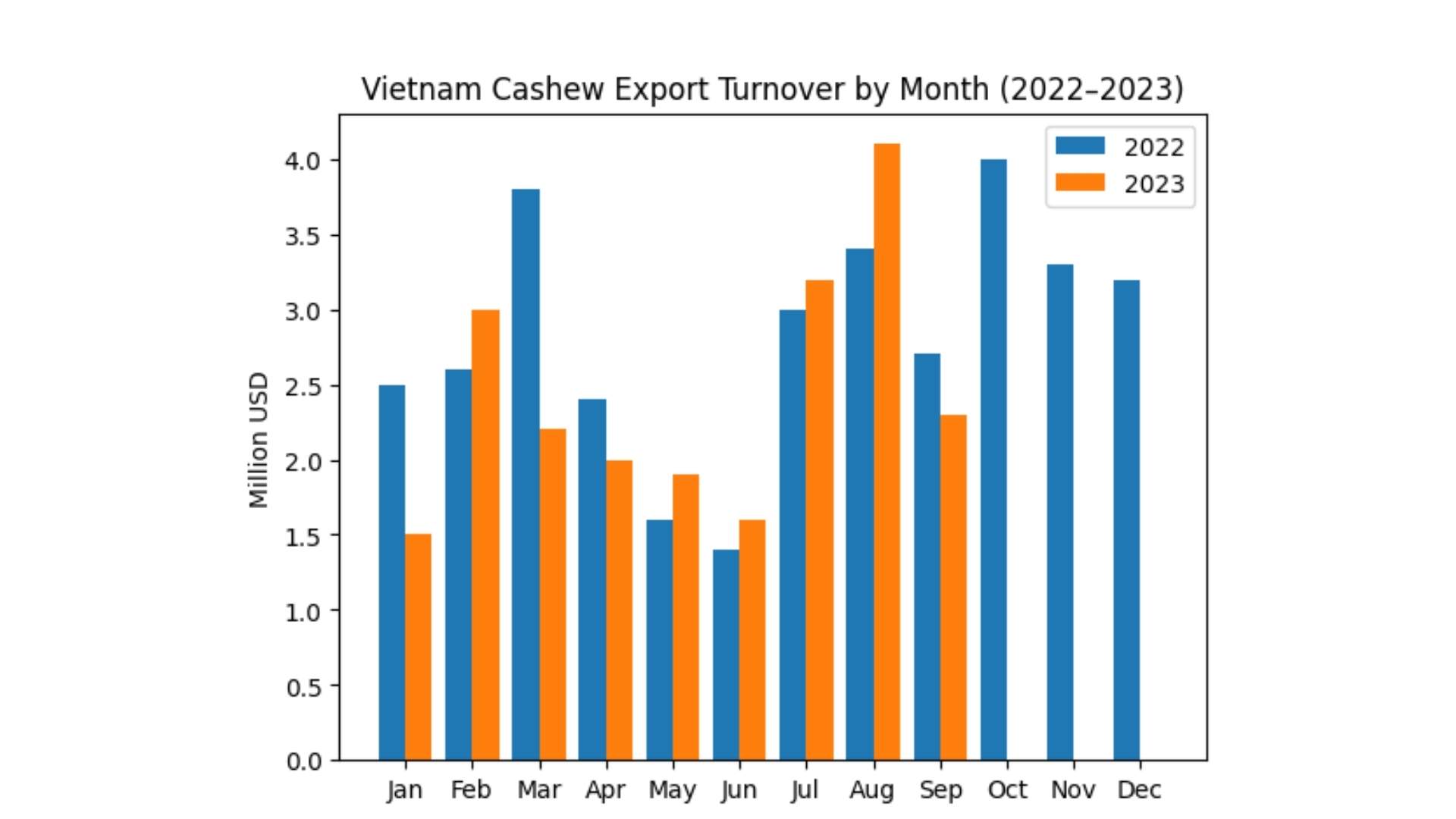
According to INC, global consumption of macadamia kernels is expected to remain on a strong growth trajectory over the next 5-6 years.
Why Vietnam is a key source for importing madacamia
Vietnam has rapidly emerged as an important supplier of macadamia nuts for global buyers.
-
Distinctive Flavor
Vietnamese macadamia nuts are known for their mild, buttery taste and high natural oil content, supported by favorable growing conditions.
Notably, many Vietnamese macadamia products are processed using handcrafted, small-batch methods, which help preserve the nut’s original, natural flavor and aroma.
This artisanal processing approach helps Vietnamese macadamia maintain an authentic taste profile that many large-scale producers struggle to match.
-
Supply Stability
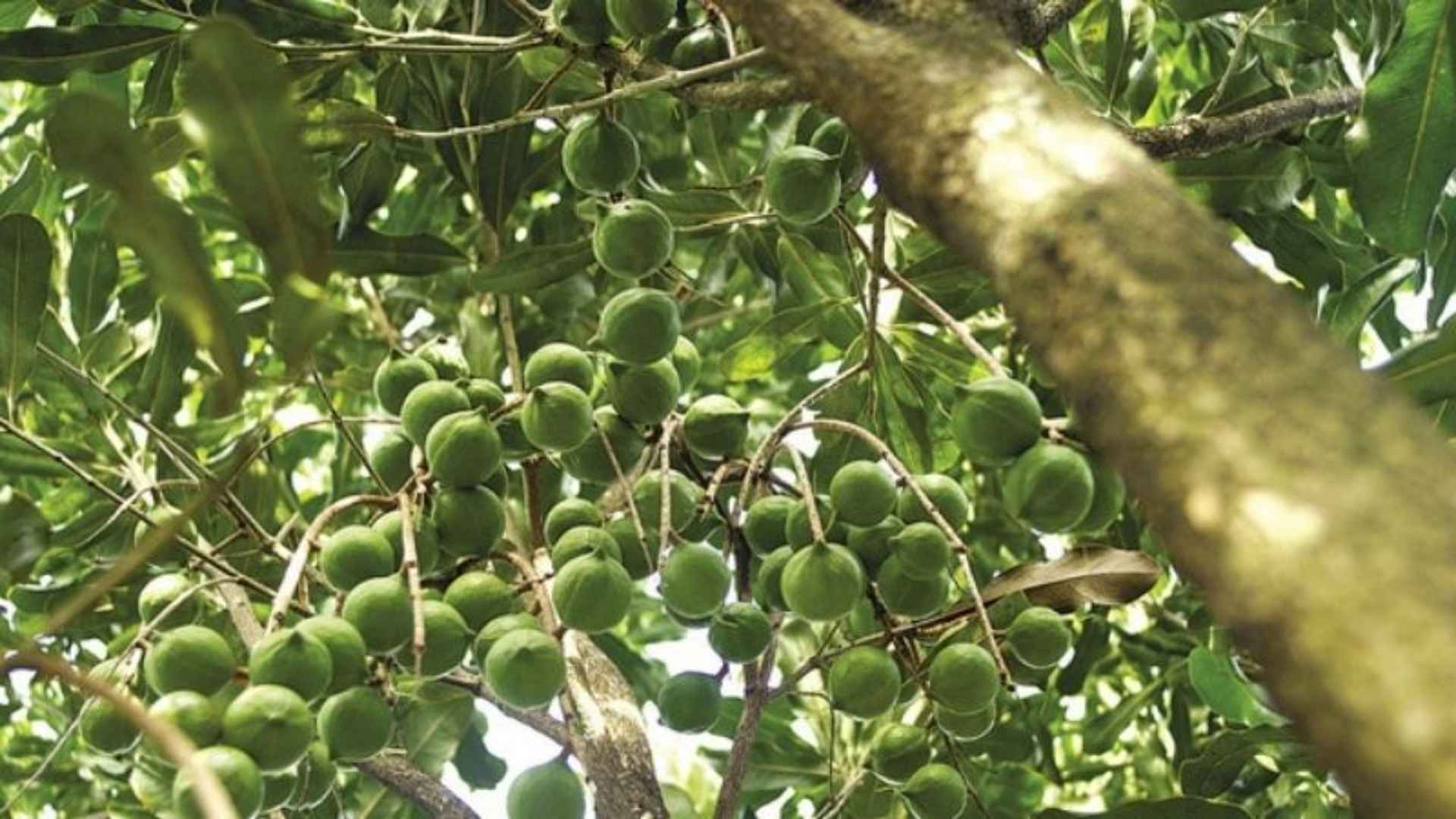
Vietnam currently grows macadamia in 29 provinces. The total cultivated area is about 20,000 hectares. Production is concentrated in the Northwest and Central Highlands regions. Annual output is estimated at nearly 9,000 tons of fresh macadamia nuts.
Macadamia trees begin to produce stable yields after around ten years. According to the Vietnam Macadamia Association, orchards aged ten years and older yield about 3 tons of fresh nuts per hectare in the Northwest. In the Central Highlands, yields reach around 4 tons per hectare under monocropping conditions.
Vietnam also benefits from strong government support. The national development plan aims to expand macadamia cultivation to 130,000-150,000 hectares by 2030. This policy strengthens long-term supply stability for export-oriented buyers.
-
Competitive Cost Structure
Importing macadamia from Vietnam is financially advantageous due to favorable trade agreements and lower production costs.
Vietnam is a member of multiple free trade agreements. Under the EVFTA, most agricultural tariffs are being gradually eliminated. By 2027, the European Union is expected to remove duties on nearly all eligible Vietnamese imports. In addition, the RCEP reduces tariffs on close to 90% of traded goods among 15 Asia Pacific economies.
Vietnam also benefits from lower labor and land costs compared with major regional producers such as China, Thailand, and India. The average hourly labor cost in Vietnam is around USD 3.00, which is more than 50 percent lower than China’s average of approximately USD 6.50.
These structural cost advantages allow Vietnamese exporters to offer competitive wholesale pricing while maintaining compliance with international quality standards.
How to import macadamia from Vietnam
The following framework offers a structured approach to help global buyers navigate the macadamia import process effectively.
-
Identify the supplier
Finding a trustworthy supplier is the foundational step that will influence every subsequent stage of your import operation.
You can begin your search through several channels, such as trade platforms, industry associations, trade fairs, and outreach factories.
Once you have a shortlist, you should consider key factors thoroughly, including:
- Business Legality: Always request and verify the company’s business registration and export license.
- Export History: Prioritize suppliers with a proven track record of shipping to your target market or similar regions. Request references or case studies.
- Production Capacity: Assess whether their farm or processing facility can consistently meet your volume requirements, especially during peak seasons.
- Quality Standards: Confirm their adherence to international certifications. Relevant certifications for macadamia might include HACCP, ISO 22000, or USDA Organic, depending on your needs.
-
Place a sample order
Before moving to bulk orders, placing a sample order is a necessary step. Sampling helps you confirm quality and avoid misunderstandings later.
When placing a sample order, it is important to confirm key details in advance. Clearly agree on the sample quantity, pricing, shipping method, and delivery timeline to avoid misunderstandings. In many cases, buyers may choose air freight for faster delivery.
Upon receiving the samples, you should evaluate the macadamias across multiple dimensions:
- Physical Quality: Check for consistency in size, color, and shape. Assess the kernel integrity, moisture content, and overall appearance.
- Flavor consistency: Conduct taste tests for freshness, flavor profile, and the absence of rancidity.
- Laboratory Testing: This is non-negotiable. Send samples to an independent lab to verify safety standards. Critical tests often cover:
- Microbiological contaminants
- Pesticide residue levels
- Aflatoxin and mycotoxin levels
- Heavy metal content
- Packaging Assessment: Observe the sample’s packaging for durability and its effectiveness in preserving product quality during transit.

-
Make a contract
A formal, detailed contract transforms verbal agreements into enforceable obligations, protecting both you and the supplier. It serves as the definitive reference for product specifications, commercial terms, and dispute resolution, significantly reducing financial and operational risk.
-
Customs duties, taxes & tariffs
Customs duties and taxes are determined by your country’s specific trade regulations. You will need to identify the correct Harmonized System (HS) code for macadamia nuts in your destination country, as this code dictates the applicable duty rate. Additional taxes, such as Value-Added Tax (VAT) or Goods and Services Tax (GST), will also apply in most jurisdictions.
Tariff rates may be reduced or eliminated if the shipment qualifies under a free trade agreement. It is important to confirm eligibility before shipment to avoid paying full duties.
To clear customs smoothly, you should prepare a complete and accurate document set, which typically includes:
- Commercial invoice with product details and declared value
- Packing list showing quantity and packaging method
- Bill of lading or airway bill
- Certificate of origin if claiming preferential tariffs
- Phytosanitary certificate or food safety documents if required
- Import permit, depending on local regulations
A quick tip you can try is to review all documents with your customs broker before shipment to ensure alignment with local import rules.
-
Packaging & Labeling
Because macadamias are rich in oils, they are sensitive to light and air. Macadamias require packaging that protects against moisture, oxygen, and physical damage during a potentially long sea voyage. You should specify the use of food-grade, vacuum-sealed, or gas-flushed bags inside strong, corrugated master cartons.
Regarding labeling, requirements are dictated by the food safety authorities in your target market. Labels typically must include information in the local language, covering: Product name and description, Net weight, Origin country (Vietnam), Lot/batch number, Nutritional information if required.
-
Manage shipping
Selecting the optimal shipping method involves balancing cost, speed, and the nature of your goods.
There are two common shipping options for transporting macadamia, including:
Sea Freight (FCL/LCL): This is the most cost-effective method for large volumes. A Full Container Load (FCL) is suitable for orders of 10 metric tons or more. For smaller orders, Less than Container Load (LCL) allows you to share container space with other shipments. Transit times from Vietnam to major markets like the US or Europe can range from 20-40 days.
Air Freight: This method is significantly faster, with delivery in 5-10 days, but it is also substantially more expensive. Air freight may be justified for high-value products, urgent sample deliveries, or to fulfill a critical stock shortage.
You should also agree on Incoterms such as FOB or CIF. These terms define responsibility for transport, insurance, and risk transfer.
By planning logistics carefully and maintaining clear communication with your supplier, shipping can be managed smoothly and predictably.

Where to find reliable Vietnamese macadamia suppliers?
Below are three practical channels B2B buyers commonly use to find and assess Vietnamese macadamia suppliers.
-
Work with direct factories
Working with direct factories allows buyers to deal directly with the production entity rather than intermediaries.
The key advantage is greater transparency. Buyers can verify production capacity, processing standards, and quality control systems more easily.
Here are some industry-leading companies that have established a formidable reputation in the global market.
Golden Star Macca Trading and Service Company Limited
Golden Star Macca is a recognized macadamia exporter based in Lam Dong province, one of Vietnam’s key growing regions. The company was established in July 2017 and specializes in the production, processing, and export of high-quality macadamia products, including whole nuts, cracked nuts, roasted kernels, and macadamia oil. Its products are sold domestically and exported to international markets, notably South Korea, Singapore, Japan, and EU countries.
- Address: Vinh Quang Hamlet, Hoai Duc Commune, Lam Ha District, Lam Dong Province, Vietnam.
- Website: https://maccasaovang.vn/
- Email: [email protected]
Nong San Tay Nguyen Joint Stock Company
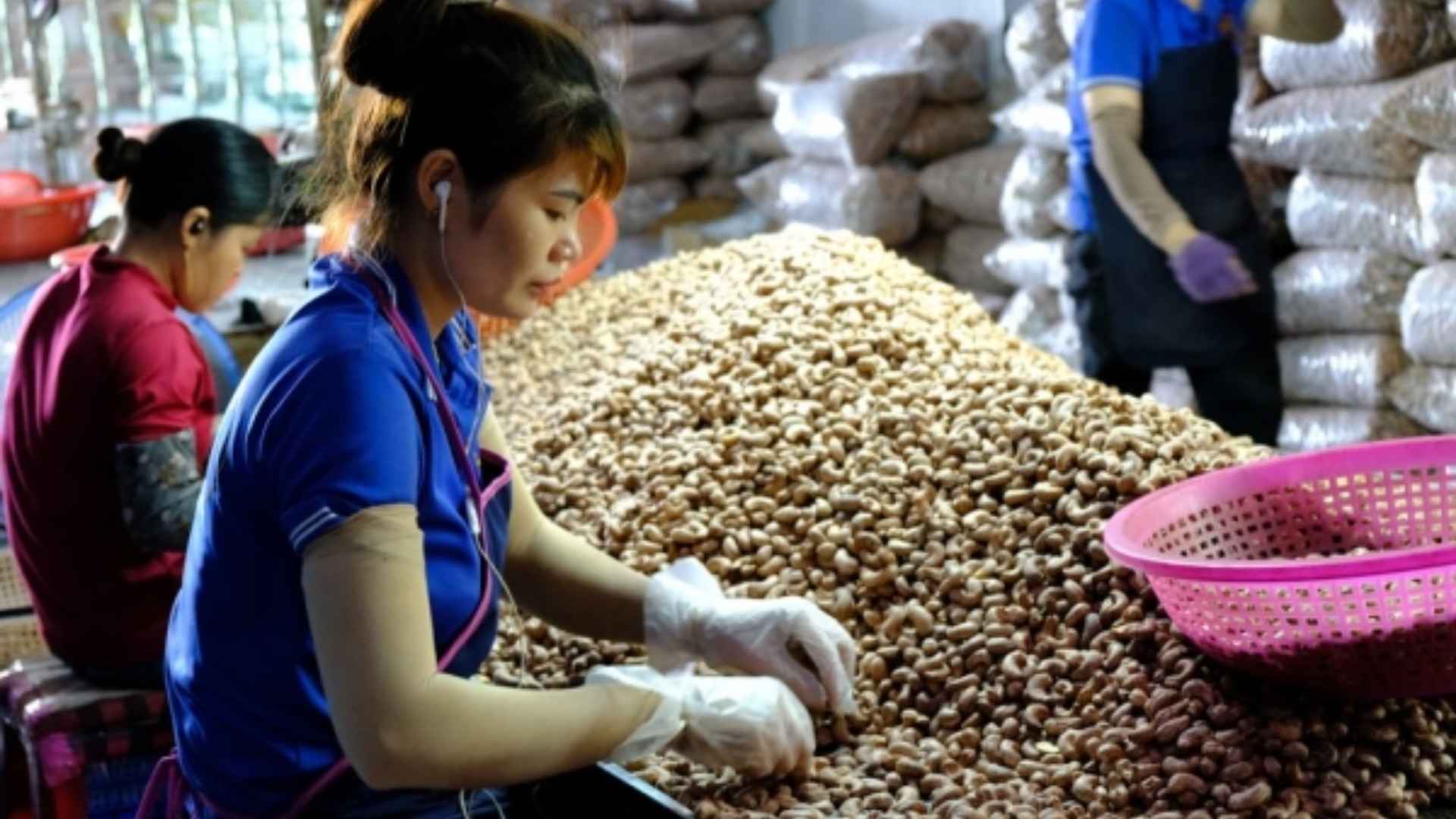
Nong San Tay Nguyen JSC has established itself as a leading entity in the collection and processing of macadamia nuts in Vietnam. The company sources 100% of its raw materials from clean farms in the Central Highlands, particularly in Dak Lak, Dak Nong, and Lam Dong provinces, enabling strong control over quality and seasonal supply.
With approximately 8 years of experience serving the domestic market, Nong San Tay Nguyen JSC also exports bulk macadamia products to China, Taiwan, Russia, and South Korea, primarily for wholesale distribution.
- Address: Hamlet 5, Quang Tin Commune, Dak R’Lap District, Dak Nong Province, Vietnam
- Website: https://nongsantaynguyen.vn/
- Email: [email protected]
-
Online B2B platforms
Online B2B platforms are often the fastest way to begin supplier research when importing macadamia from Vietnam. These platforms allow buyers to compare multiple suppliers, review company profiles, and initiate contact without traveling.
Alibaba
Alibaba remains one of the most prominent global B2B marketplaces. While the platform is often associated with Chinese manufacturing, it also hosts a dedicated Vietnam supplier section that categorizes exporters across multiple industries, including agriculture and food products such as macadamia.
VinaSources
VinaSources is a Vietnam-focused B2B sourcing platform designed to connect international buyers with verified Vietnamese suppliers. For buyers specifically looking to import macadamia from Vietnam, the platform offers a more concentrated and relevant supplier pool than large global marketplaces.
Listed suppliers are pre-screened for export readiness, including business legality, production capability, and experience with international shipments. This helps buyers reduce initial screening time and sourcing risks.
Global Sources
Global Sources is a long-established B2B platform that focuses on connecting verified suppliers with international buyers, particularly in North America, Europe, and Asia. While it is widely known for electronics and consumer goods, Global Sources also features food and agricultural suppliers, including nut exporters.
-
Trade shows
Attending a trade show allows you to efficiently evaluate multiple suppliers, compare product quality side-by-side, negotiate terms directly, and gain a nuanced understanding of the latest market trends.
The following are the most prominent events where numerous macadamia processors and exporters typically exhibit.
Vietnam Expo 2026 (Hanoi)
Vietnam Expo is the country’s longest-standing and most prestigious international trade fair. For macadamia buyers, this is an excellent venue to find established producers who have secured government-backed quality certifications.
2026 Schedule:
- Date: April 8 – 11, 2026.
- Location: Vietnam Exposition Center (VEC) – Dong Hoi, Dong Anh, Hanoi.
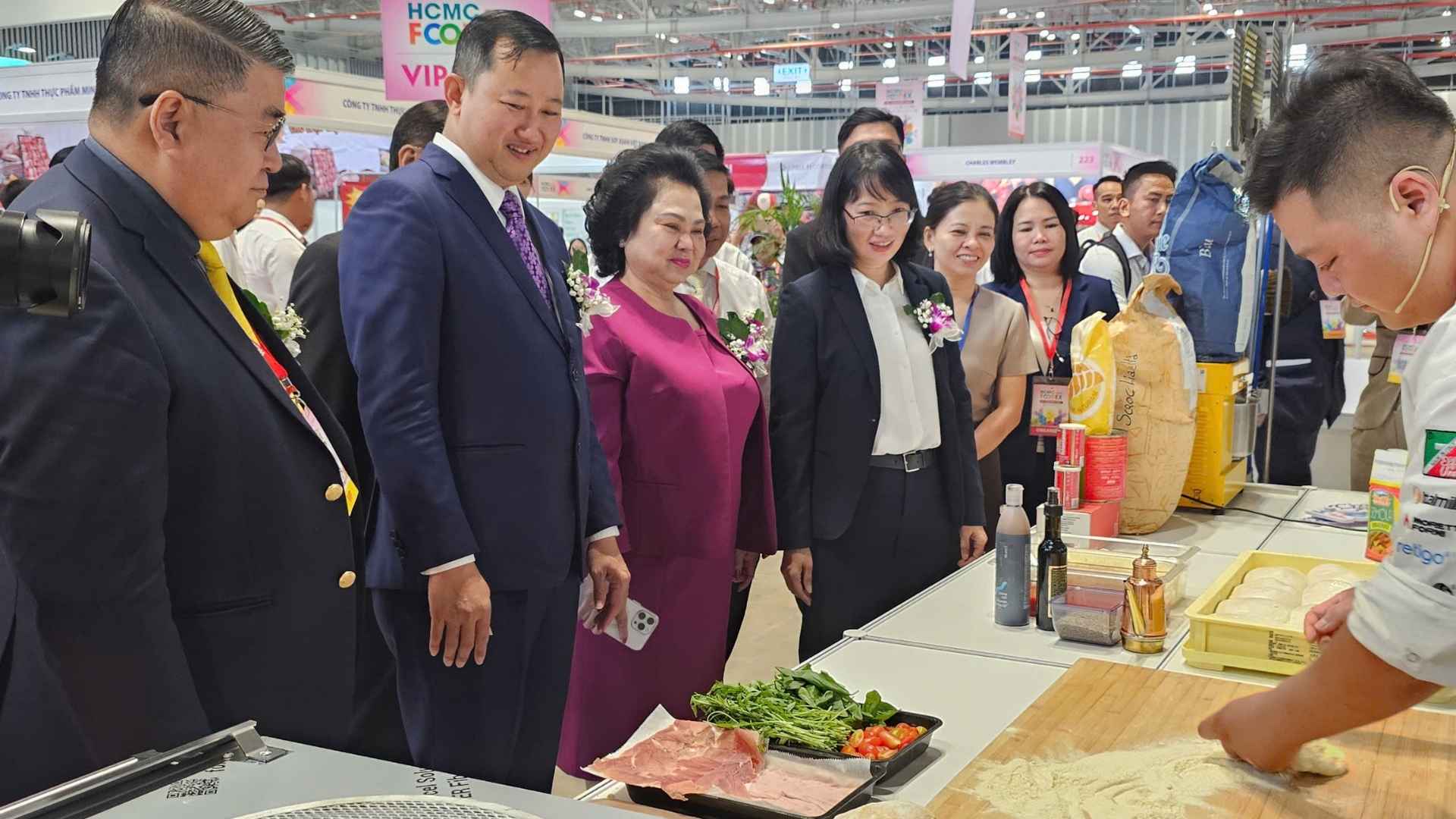
HCMC FOODEX 2026
HCMC FOODEX is the largest annual international exhibition of food and beverages in Ho Chi Minh City. The exhibition is particularly relevant for buyers seeking specialized macadamia processors, including suppliers offering OEM services and advanced packaging solutions.
The 2026 edition is expected to span approximately 8,000 square meters, feature more than 400 participating enterprises, and welcome over 18,000 trade visitors, providing a strong platform for B2B networking and supplier assessment.
2026 Schedule:
- Date: April 15 – 18, 2026.
- Location: Saigon Exhibition and Convention Center (SECC) – District 7, Ho Chi Minh City.
Common Risks When Importing Macadamia From Vietnam
Importing macadamia from Vietnam offers clear sourcing advantages, but it also involves several operational and compliance risks that B2B buyers should assess carefully.
Understanding these risks early helps buyers build a more resilient sourcing strategy and avoid costly disruptions.
| # | Risk | Impact | Solution |
| 1 | Supplier lacks export experience and familiarity with international standards | Shipment delays and incomplete documentation | Verify business licenses, review export history, and request buyer references |
| 2 | Inconsistent product quality | Product downgrade, customer rejection, loss of brand reputation, and reduced selling price. | Define exact specifications in the contract. Mandate a pre-shipment inspection by an independent agency to verify quality before goods leave the factory. |
| 3 | Goods are delayed due to port congestion, documentation errors, or incorrect incoterms. Packaging is insufficient, causing spoilage or damage in transit. | Missed market deadlines, demurrage charges at port, product degradation, and additional handling costs. | Use clear Incoterms (e.g., FOB). Work with a reliable freight forwarder. Specify export-grade, climate-appropriate packaging in the contract. Plan for buffer time in your schedule. |
| 4 | Missing or incorrect import documentation, such as Phytosanitary Certificates or Certificates of Origin. | Customs clearance refusal, severe port delays, storage costs, and potential fines. | Provide the supplier with a precise checklist of required documents for your country. Engage a customs broker early to confirm all requirements are met before shipment. |
VinaSources: Your Strategic Partner for Macadamia Imports from Vietnam
When global buyers set out to import macadamia from Vietnam, success depends on finding reliable suppliers, ensuring consistent quality, and meeting export compliance requirements.
VinaSources was created to simplify this journey by helping international buyers reduce sourcing risks and navigate cross-border procurement with greater confidence.
Backed by over 12 years of experience in international trade and cross-border sourcing, VinaSources specializes in connecting overseas buyers directly with verified, export-ready Vietnamese suppliers, including macadamia producers and processors.
By curating a focused network of qualified partners, the platform shortens the supplier discovery process and enables buyers to move faster from evaluation to execution.
Contact VinaSources today!
Email [email protected] or submit your requirements through our quotation form to receive tailored supplier recommendations.