
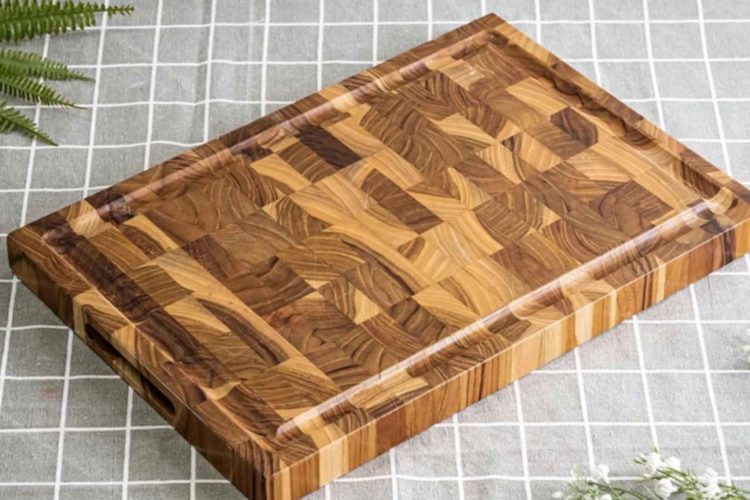
Vietnam has become a popular sourcing destination for wooden cutting boards due to its competitive manufacturing costs, food-safe production practices, and consistent product quality. However, success in this market requires more than simply placing orders. Global importers must also understand shipping logistics, trade terms, customs clearance, and how to work with reliable suppliers.
This article provides a clear overview of how to import wooden cutting boards from Vietnam while effectively managing quality control, regulatory compliance, and sourcing risks.
Vietnam wood and wood products export overview
Vietnam’s wood and wood products sector has grown into a major export industry in the global market.
Since 2020, Vietnam’s exports of wood and wood products have increased year by year and consistently remained above USD 10 billion annually, with an average export growth rate of 8.67% per year during this period.
According to the Ministry of Agriculture and Rural Development, in 2024, total export revenue for wood and wood products reached an estimated USD 16.25 billion, marking a 21% increase from the prior year. This reflects strong overseas demand and increased production capacity in furniture and related wood segments.
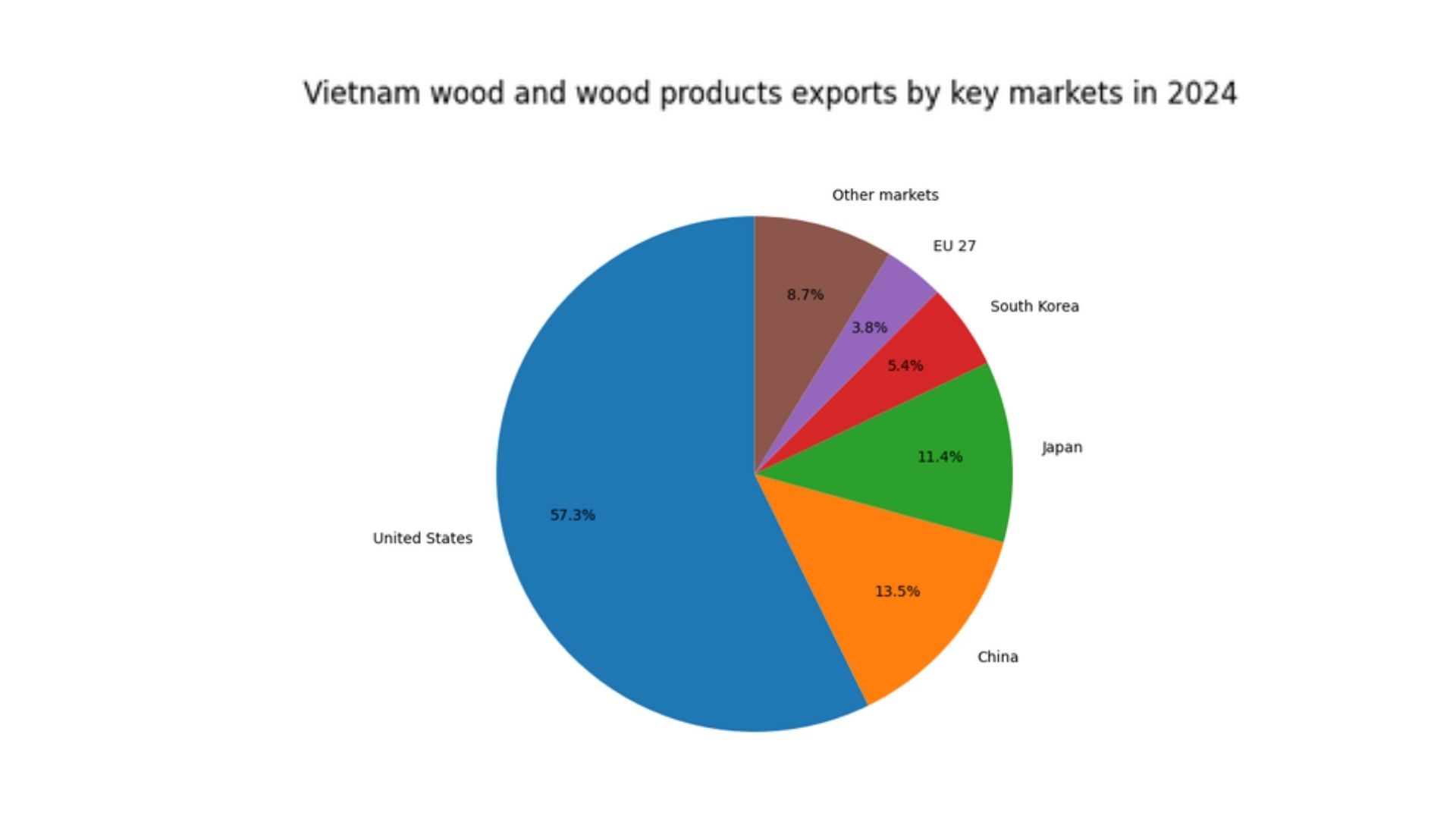
The United States remains the largest export destination, accounting for over 50% of total wood and wood product exports, followed by markets in Japan, China, and Europe.
This export activity covers a broad range of items such as furniture, wood panels, joinery, and kitchen and tableware products made from wood.
For buyers planning to import wooden cutting boards from Vietnam, this export structure shows strong acceptance in highly regulated markets, especially the United States and the European Union. This indicates that Vietnamese suppliers are familiar with compliance, quality control, and large-scale export operations.
Why Vietnam is a prime source for wooden cutting boards supply
Vietnam has become one of the most reliable sourcing hubs for wooden kitchenware, including cutting boards.
-
Abundant & sustainable raw materials
Vietnam’s wooden cutting board supply is supported by a large plantation forestry base, with acacia wood and rubberwood as the two most important raw materials for wood products and kitchenware.
Acacia wood is the dominant plantation species in Vietnam. Vietnam has approximately 2.2 million hectares of acacia plantations, accounting for around 60% of the country’s total planted forest area.
Rubberwood represents the second key raw material for wooden cutting boards. Vietnam’s rubber plantation area reached about 926,000 hectares, ranking among the largest in Southeast Asia.
Together, these species form a substantial supply base for processors producing wood products destined for export markets. The large scale of Acacia and rubberwood plantations means buyers can secure consistent volumes for the mass production of wooden cutting boards.

-
Skilled & affordable workforce
Vietnam’s woodworking industry benefits from a large and experienced labor force.
Vietnam’s manufacturing sector employs 17.3 million workers, including approximately 600,000 workers in wood processing and furniture manufacturing.
In addition, labor costs in Vietnam remain competitive compared to other major sourcing countries. The average monthly manufacturing wages in Vietnam are about USD 350, which is often around half of those in China. This allows suppliers to offer competitive pricing without sacrificing basic quality standards.
-
Benefits from free trade agreements (FTAs)
Vietnam is one of the most active countries globally in signing and implementing free trade agreements. As of 2024, Vietnam participates in more than 15 FTAs, including EVFTA, CPTPP, and RCEP. These agreements significantly improve market access for wood and wood products, including wooden cutting boards.
For example, under the EU-Vietnam Free Trade Agreement, many wood products exported from Vietnam benefit from reduced or zero import duties once the rules of origin are met. For B2B buyers, this can lower landed costs and improve price competitiveness compared to sourcing from non-FTA countries.
FTAs also go beyond tariffs. They encourage customs transparency and trade facilitation. This reduces clearance delays and documentation errors, which are common pain points when importing wooden kitchenware.
Quality standards and certifications you need to check
When you import wooden cutting boards from Vietnam, quality compliance is a core requirement for market access and risk control.
Wooden cutting boards are classified as food contact products in most destination markets. This means they are subject to food safety rules and timber legality regulations.
For B2B buyers, checking quality standards and certifications early helps avoid shipment delays, rejected goods, and long-term reputational risk. The key areas you need to review are food contact safety, sustainability, wood legality, and factory-level quality control practices.
-
Food contact safety requirements
Wooden cutting boards are used directly in food preparation, so they are treated as food contact materials in many countries.
For example, in the United States, wooden cutting boards must comply with the U.S. Food and Drug Administration (FDA), which confirms that the materials used are safe for direct food contact, do not pose health risks to consumers, and meet hygiene and safety requirements throughout production and use.
For the EU market, the products must comply with Regulation (EC) 1935/2004 on Food Contact Materials, which ensures that wooden cutting boards do not release harmful substances into food.
-
Sustainability and wood legality certifications
Sustainability and legality are critical when you import wooden cutting boards from Vietnam, as many markets require proof that timber is legally harvested. Failure to meet these requirements can result in customs delays, fines, or shipment rejection.
Key certifications and regulations commonly required include:
- FSC COC certification: Confirms wood is sourced from responsibly managed forests and traceable through the supply chain
- EU Timber Regulation (EUTR): Confirms wood is legally harvested and traded
- Programme for the Endorsement of Forest Certification (PEFC): Ensures sustainable forest management and helps confirm the wood originates from legal sources
-
Factory quality control practices
Factory-level quality control plays a decisive role in whether wooden cutting boards meet specifications across large orders. They indicate how well a factory controls processes, labor practices, and operational risks over time.
The most relevant certifications and audit frameworks you are likely to encounter include ISO 9001, BSCI, and SMETA audit reports.
ISO 9001 is the most widely recognized quality management system standard globally. For wooden cutting boards, when a Vietnamese factory holds ISO 9001 certification, it helps ensure that moisture control, machining, sanding, and finishing follow repeatable processes across batches.
BSCI is a social compliance audit framework that focuses on labor conditions, worker safety, and ethical sourcing practices. For B2B buyers, a valid BSCI audit indicates that the factory has passed or is improving against recognized social responsibility benchmarks.
SMETA, which stands for Sedex Members Ethical Trade Audit, is commonly requested by UK and EU buyers. It evaluates labor standards, health and safety, environmental practices, and business ethics, offering buyers greater transparency into factory operations and risk management.
How to find reliable wooden cutting board suppliers in Vietnam
Finding reliable suppliers is one of the most critical steps when you plan to import wooden cutting boards from Vietnam. Vietnam has a large and diverse wood processing sector, with thousands of enterprises involved in furniture, kitchenware, and household wood products.
In practice, buyers usually use three main channels to identify and verify wooden cutting board suppliers in Vietnam: B2B sourcing platforms, trade fairs and exhibitions, and direct factory outreach.
Below is a comparison table of three common sourcing methods used by international buyers when importing products from Vietnam.
| Sourcing method | Benefits | Drawbacks | Examples |
| Trade fairs and exhibitions | Direct contact, product inspection, and higher supplier credibility | Fixed schedule, travel cost, limited supplier coverage | Vietnam Expo, HawaExpo, Lifestyle Vietnam |
| B2B sourcing platforms | Fast supplier discovery, easy comparison, low initial cost | Inconsistent supplier quality, limited transparency | Alibaba, VinaSources, Global Sources |
| Direct factory outreach | Direct pricing, detailed technical discussion, better control | Time-consuming, higher upfront effort, difficult for first-time buyers | Truong Son, Duc Thanh, Huhipro |
How to import wooden cutting boards from Vietnam
Importing wooden cutting boards from Vietnam follows a structured sourcing and compliance process. The steps below outline a practical import process that helps global buyers source wooden cutting boards from Vietnam smoothly
-
Verify the supplier
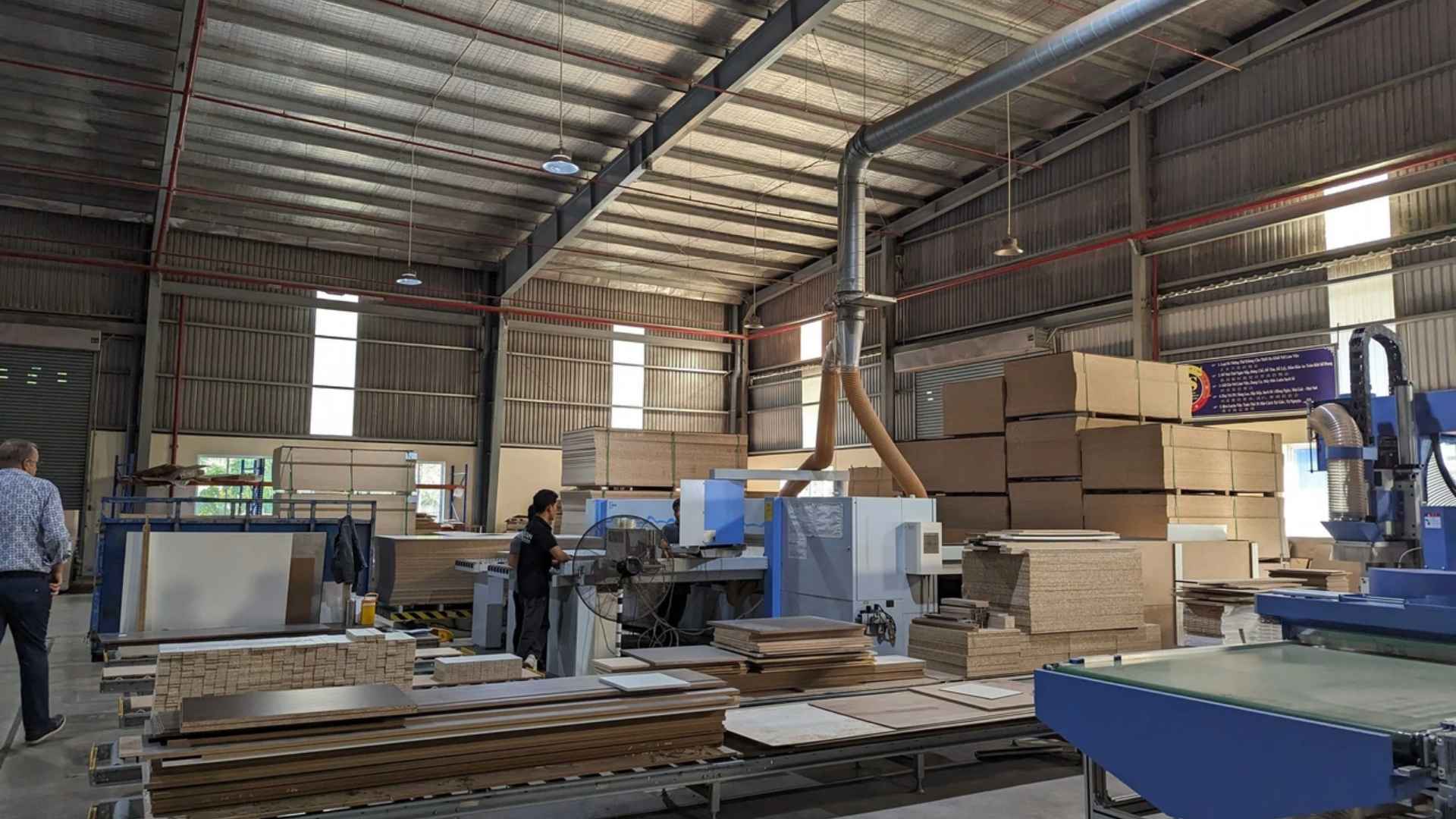
After creating a shortlist of potential suppliers, you should further narrow it down to select the most suitable partner.
Start by reviewing the supplier’s business license, registered factory address, and product scope to confirm that they are a legitimate manufacturer and capable of producing wooden cutting boards or related products.
Next, review the supplier’s export background, including target markets, key customers, and export volume. Suppliers with experience exporting to your destination market are more likely to understand relevant regulations, documentation requirements, and quality standards.
Thorough supplier verification helps ensure stable production, smoother communication, and fewer issues during bulk orders.
-
Evaluate samples
Once you have selected a supplier, you should order and evaluate samples before placing a bulk order.
When you request samples, make sure they reflect real production conditions. Ask for the same wood species, thickness, construction method, and surface finish that will be used for mass production.
A quick tip you can try is to request more than one sample if possible. This helps you see consistency, not just a single good piece.
During evaluation, focus on a few core points:
- Surface smoothness and edge finishing
- Flatness and thickness consistency
- Signs of cracking, warping, or rough grain
- Smell or residue from surface oils or coatings
If any changes are needed, you should provide immediate feedback to the supplier to avoid issues arising in bulk orders.
-
Make contact
Once samples meet your expectations, it is time to formalize contact with the supplier.
You should clearly share product specifications in writing. These usually include dimensions, wood species, finish type, packaging method, target market, and expected compliance standards. Clear documentation reduces misunderstandings during production.
Contract terms should also clarify Incoterms, payment conditions, inspection rights, and responsibility for documentation.
By setting clear quality and contractual expectations upfront, you can significantly reduce production risks and ensure smoother order execution.
-
Pre-shipment inspection
It’s important to conduct a pre-shipment inspection before the goods leave the factory to ensure that the final products meet your approved samples and agreed specifications.
Inspections are usually carried out when 100% of the goods are produced and at least 80% packed, ensuring that the evaluation reflects the actual shipment.
If you cannot attend the inspection in person, you can appoint an independent third-party inspection agency to perform the check and provide a detailed inspection report.

-
Custom duties, taxes, and tariffs
The next step in the import process is managing customs duties, taxes, and tariffs. This stage has a direct impact on your landed cost and delivery timeline
Wooden cutting boards are generally classified under HS code 4419, which covers wooden tableware and kitchenware. Correct HS classification is essential because it determines applicable duty rates and requires import documentation.
To clear customs smoothly, you will usually need a standard set of documents. These typically include a commercial invoice, packing list, certificate of origin, bill of lading, customs declaration, and any relevant documents related to timber legality. The exact requirements may vary by destination market, so early confirmation is recommended.
Tariff rates depend on the importing country and any applicable trade agreements. For example, under the EU Vietnam Free Trade Agreement, many wood products exported from Vietnam may be eligible for reduced or 0 import duties, provided that the rules of origin are met and the documentation is complete.
You should work with an experienced customs broker who can help you confirm HS classification, calculate duties accurately, and reduce the risk of clearance delays.
-
Packaging
Packaging plays both a functional and regulatory role when shipping wooden cutting boards. Wooden cutting boards must be protected from moisture, contamination, and physical damage during transit.
Most suppliers use individual poly bags, inner cartons, and strong master cartons for sea freight. This layered packaging approach helps prevent mold growth, surface stains, cracking, or warping during long sea voyages, especially in humid environments. In some cases, suppliers may also include desiccants or moisture-absorbing packets inside cartons to further reduce the risk of moisture-related damage.
In addition, buyers should confirm that packaging materials comply with import regulations, such as ISPM 15 requirements for wooden pallets and market-specific labeling or recycling standards.
-
Manage shipping
When you import wooden cutting boards from Vietnam, you typically choose between sea freight and air freight, depending on order size, urgency, and cost sensitivity.
- Sea freight is the most common option for wooden cutting boards. This method is cost-efficient and well-suited for bulk orders and repeat shipments.
- Air freight is used less frequently but still plays a role in specific situations. Buyers may choose air freight for small trial orders, urgent replenishment, or when delays disrupt downstream production or retail launches.
Beyond transport mode, you also need to decide which Incoterm applies and who controls freight booking, insurance, and delivery. Many buyers prefer FOB terms to manage shipping directly through their own forwarders. Others choose CIF terms for simplicity, especially for first-time imports.
VinaSources – Your trusted sourcing platform
As global buyers continue to diversify supply chains, Vietnam has emerged as a reliable source for wooden cutting boards. To help buyers navigate this market efficiently,
VinaSources provides a structured B2B sourcing platform that connects international buyers directly with export-ready Vietnamese manufacturers.
With over 12 years of experience in cross-border e-commerce and international sourcing, VinaSources is built to support real sourcing activities, from supplier discovery to order execution.
Through the platform, you can use search filters to compare wooden cutting board designs, wood types, sizes, finishes, and prices. Each supplier profile is carefully verified, offering greater transparency and reliability for your sourcing decisions.
If you are planning to source wooden cutting boards from Vietnam and are looking for a reliable supplier, contact our team to receive tailored support throughout the sourcing process:
- Hotline: 1900 4356
- Email: [email protected]
- Or submit your request directly through the quotation form