
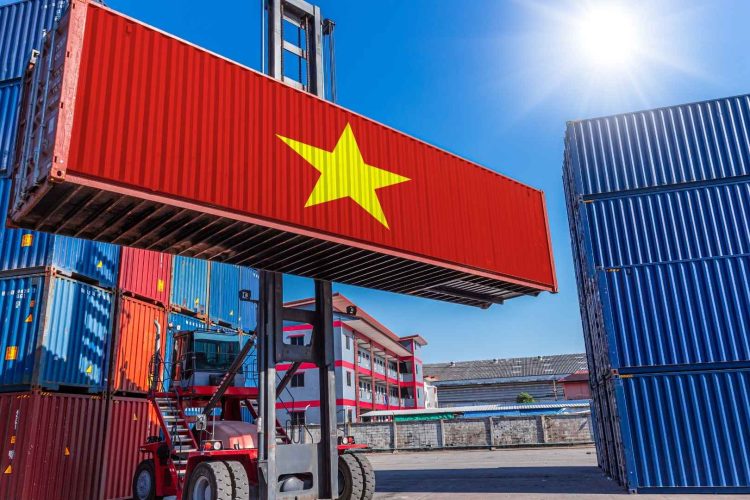
Vietnam has emerged as a key sourcing market as global buyers diversify supply chains. With strong export capacity, broad trade agreement coverage, and competitive production costs, Vietnam’s wholesale suppliers offer practical advantages for long-term sourcing decisions.
Why Vietnam Is a Key Wholesale Sourcing Market?
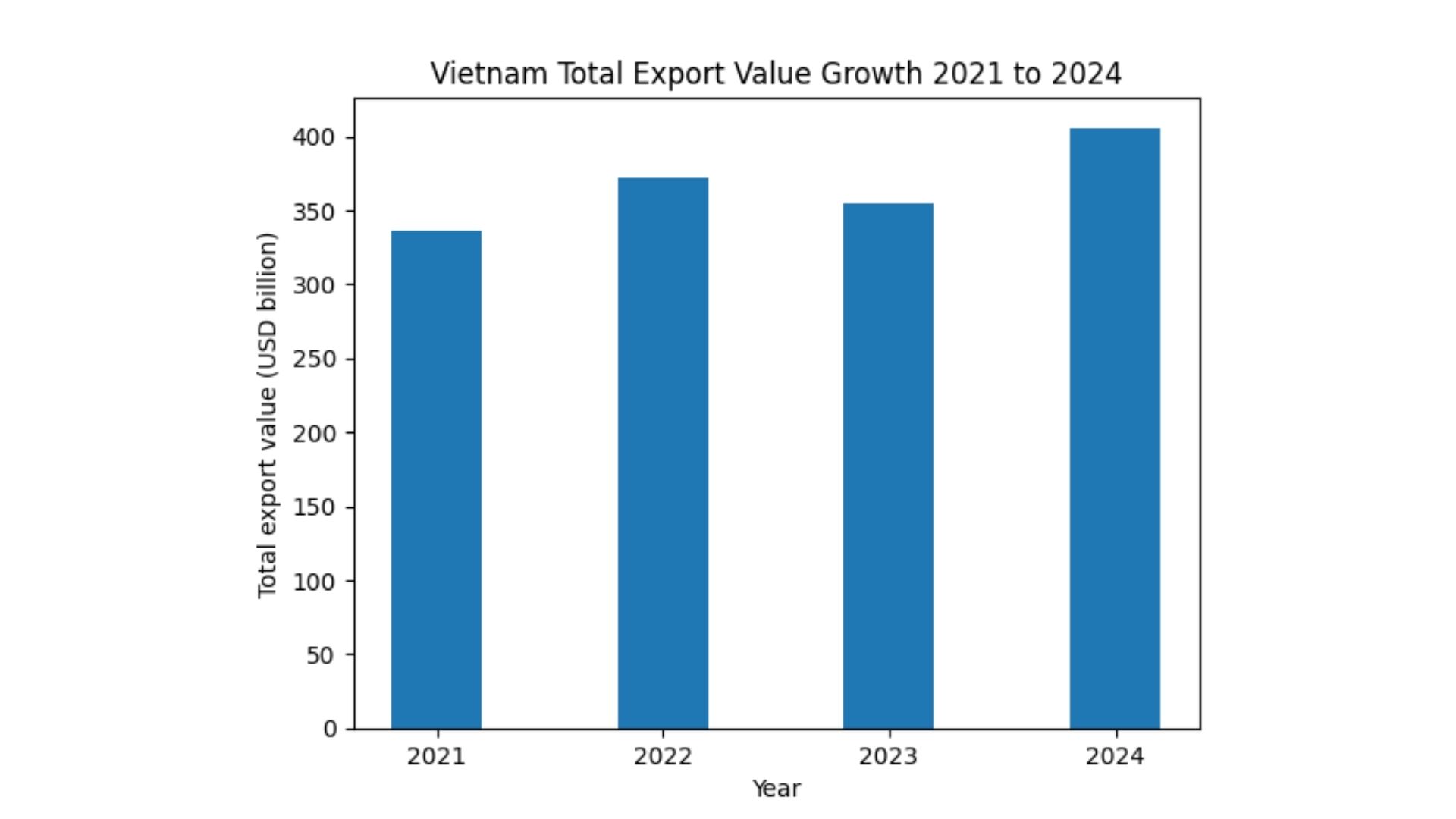
Vietnam has become a strategic wholesale sourcing market as global buyers diversify supply chains and reduce dependency on single-country sourcing.
Compared to other sourcing hubs, Vietnam offers several advantages, such as
- Extensive free trade networks: Vietnam has one of the most competitive trade architectures in the world. It is a signatory to more than 17 Free Trade Agreements, providing preferential access to over 60 countries. For example, the EVFTA eliminates nearly 99 percent of tariffs on goods traded between Vietnam and the EU. CPTPP and RCEP further support trade across the Asia Pacific and North American markets.
- Low labor cost: While labor costs are rising globally, Vietnam remains cost-competitive. Data from 2025 shows that labor costs in Vietnam are about 50 percent lower than in China. Hourly minimum wages range from $0.76 to $0.99.
- Rapid industrial modernization: The Industrial Production Index increased by 9.2% in 2025. Key sectors showed strong performance, with automobile production rising by 39.1 percent. Electronics and furniture production continued to record solid single-digit growth. This trend reflects a shift toward higher-value manufacturing and improved technical capabilities among local suppliers.
Together, export scale, trade access, and supply chain maturity make Vietnam a reliable wholesale sourcing destination for global buyers.
Key Product Categories Offered by Vietnam Wholesale Suppliers
Vietnam wholesale suppliers serve a wide range of product categories that attract global buyers. These include: Apparel and textiles, handicrafts, agriculture, and wood furniture.
Apparel and Textile
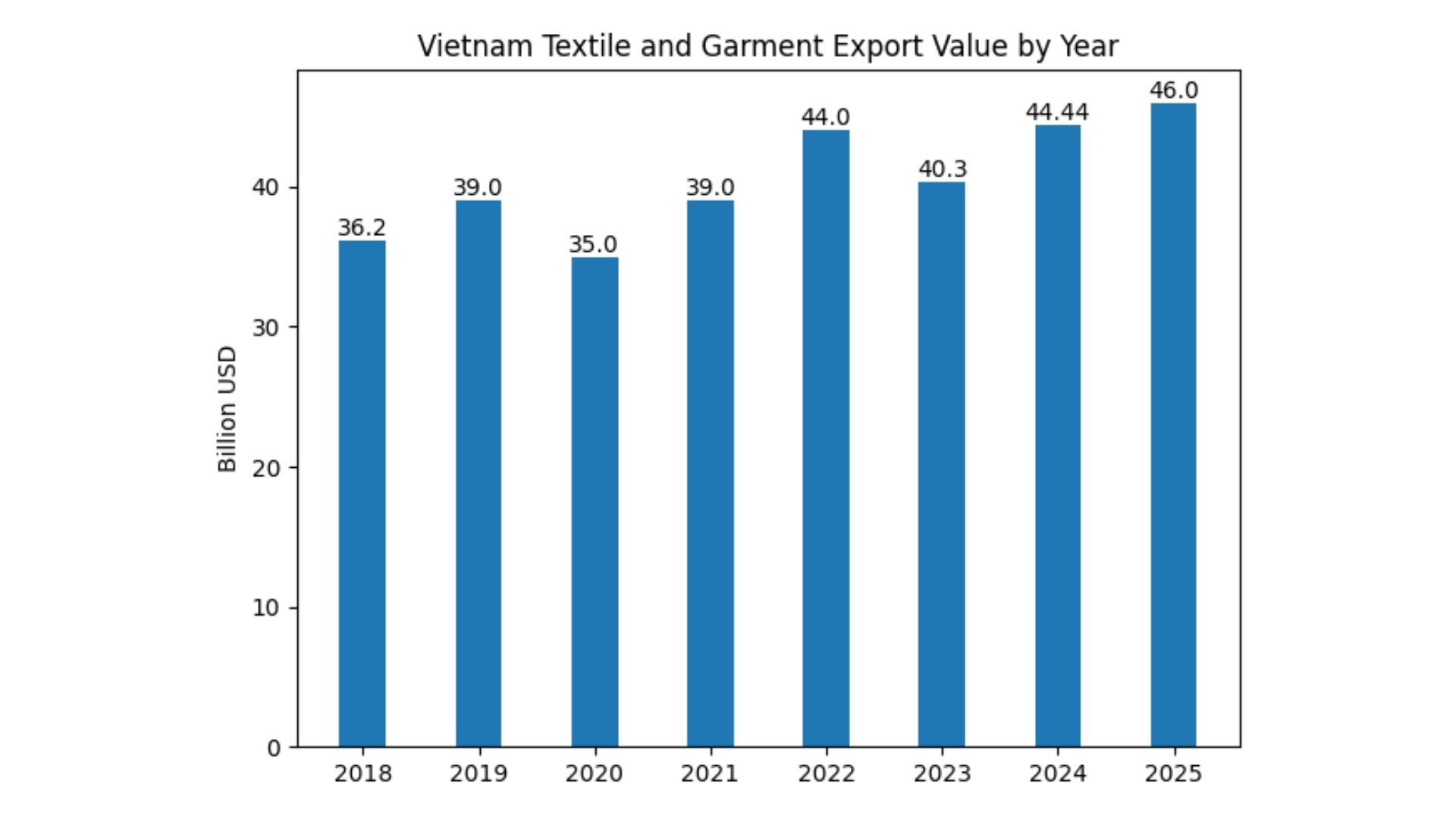
Vietnam is now a top-3 global exporter of apparel and textile products. The country offers a variety of garments for export, from basic garments like T-shirts, shirts, trousers, jackets, and sportswear to high-end fashion. In 2025, the industry reached a record export turnover of approximately $46 billion, representing roughly 5% year-on-year growth.
Vietnam exports garments to 138 markets worldwide, with a heavy concentration in four key regions that account for nearly 80% of total turnover, including the United States, the European Union, Japan & South Korea, and the Middle East and Africa
Many global buyers choose to import garments from Vietnam due to the competitive price and high-quality standards. Vietnam offers a skilled labor workforce, craftmanship and benefits from FTAs and a strong export infrastructure.
Handicrafts
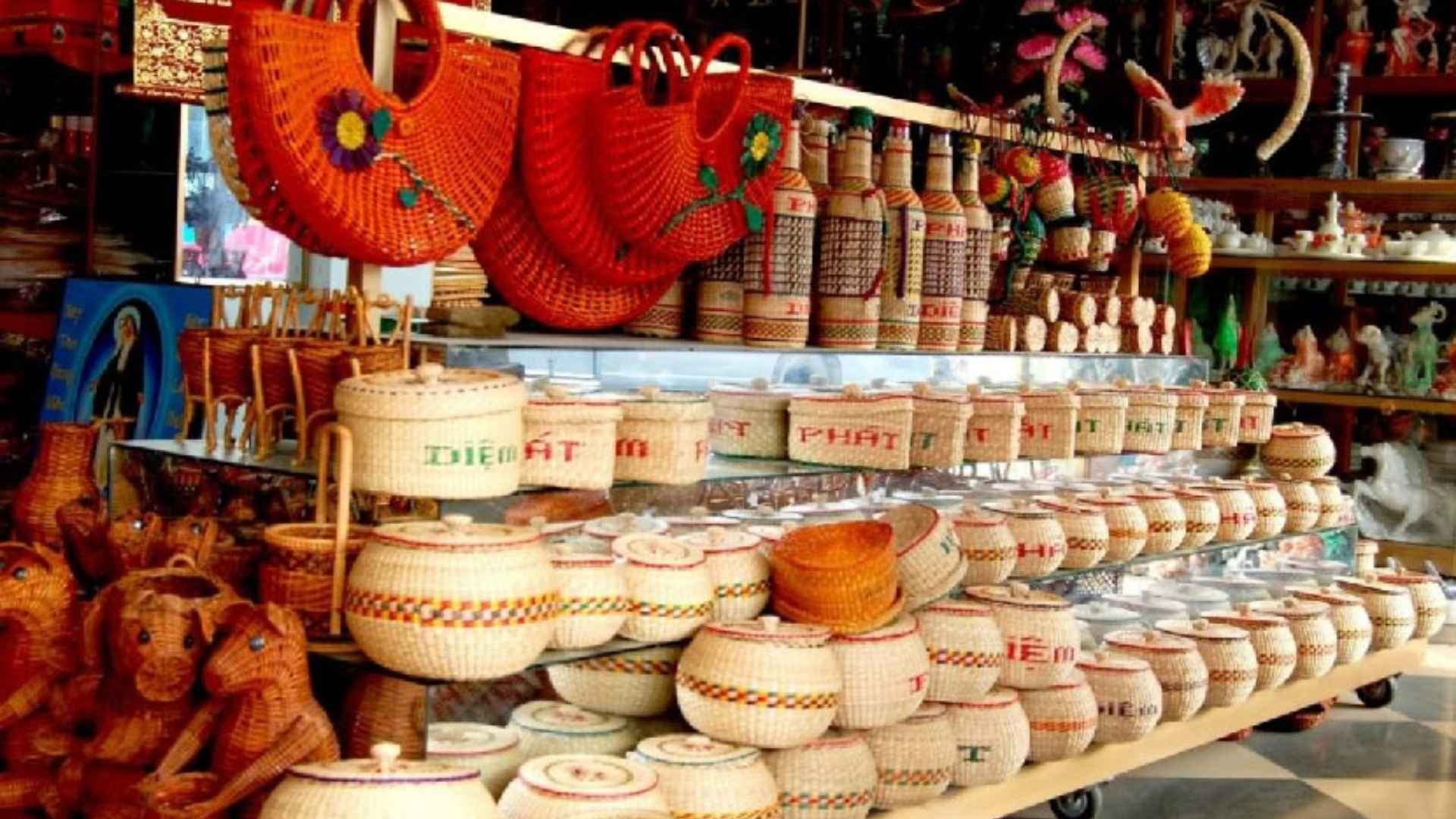
Handicrafts are also an export strength of Vietnam’s wholesale suppliers. Vietnam currently holds the 3rd position globally in handicraft exports. Vietnam exports handicraft products to more than 160 countries. The sector reached approximately $3.5 billion in 2023 and is targeting $4 billion by the end of 2025.
Major items include bamboo and rattan products, wicker baskets, wooden decor, ceramics, lacquerware, and handmade home accessories.
Vietnam’s advantage lies in the combination of high craftsmanship and scalable production. Artisans apply manual techniques such as hand weaving, carving, glazing, and lacquer finishing, which enhance product durability and aesthetic value. This level of workmanship allows suppliers to meet quality expectations from mid-range to premium buyers.
In addition, Vietnam has abundant natural resources such as bamboo, rattan, wood, and clay. These resources provide sustainable raw materials and help reduce production costs per unit.
Agricultural and Food Product
Vietnam’s agricultural and food sector serves as a “pillar of the economy,” reaching a historic record of $70.09 billion in export turnover in 2025. The country is a leading global exporter of coffee, rice, cashew nuts, pepper, and seafood, serving buyers across Asia, Europe, and North America.
Sourcing agricultural and food products from Vietnam offers several distinct strategic advantages:
- Zero or Low Tariffs: Through agreements like the EVFTA (EU), CPTPP (Pacific Rim), and RCEP (Asia-Pacific), many agricultural goods enter these markets with 0% import duties.
- Large and scalable production capacity: Vietnam has strong capacity across multiple agricultural sectors. The country produces roughly 40% of global Robusta coffee output, known for its bold, high caffeine, and chocolate-like flavor profile. Vietnam is also the world’s largest exporter of cashew kernels, supplying major consumer and processing markets worldwide.
- Strategic location and logistics: Vietnam’s proximity to major Asian consumption hubs and its 1,900-mile coastline provide a logistical edge. With over 320 ports and 44 international seaports, Vietnam offers efficient shipping routes to the US, EU, and Northeast Asia.
Wood furniture
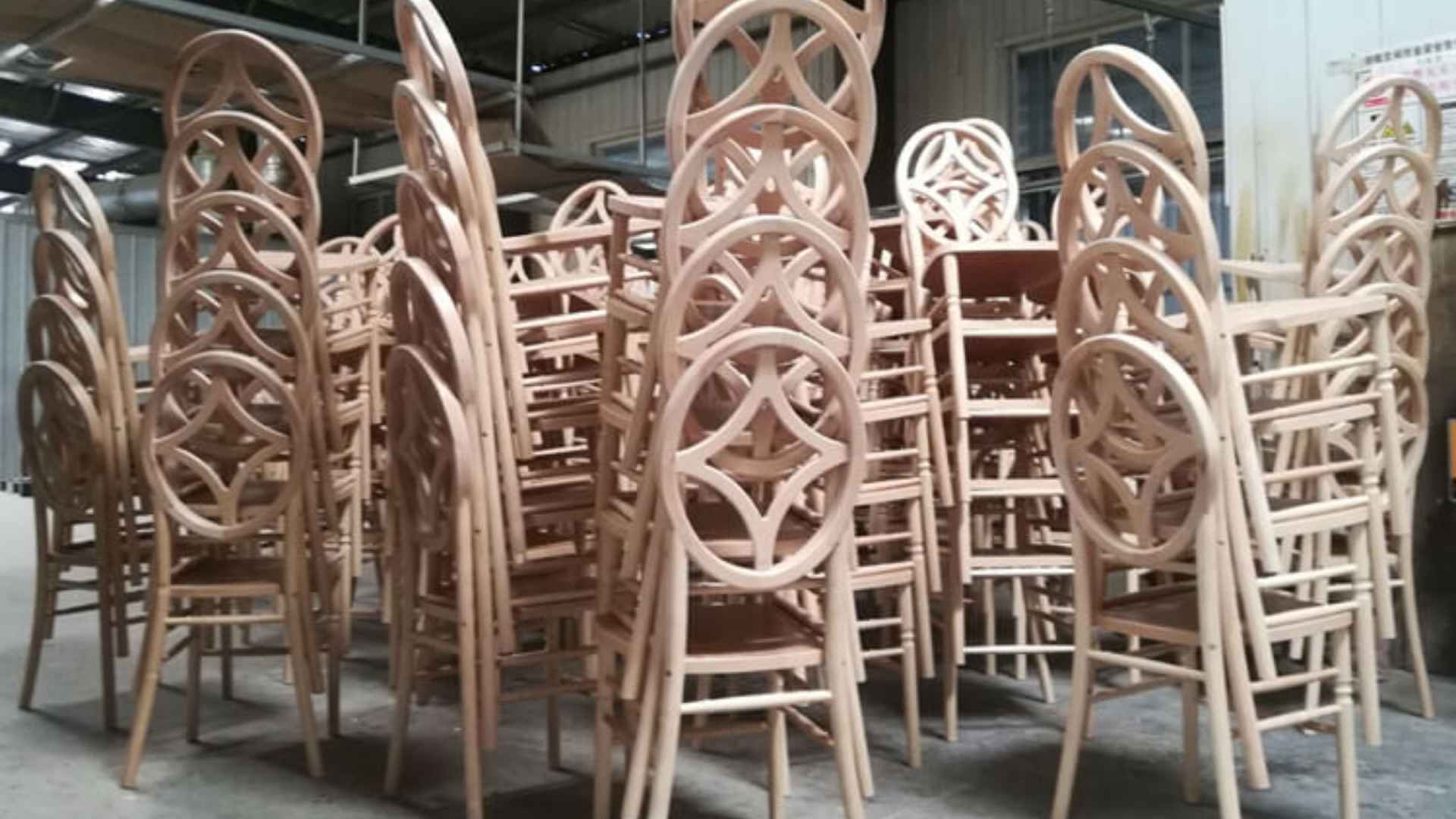
Vietnam’s wood furniture industry achieved a historic milestone in 2025, solidifying its position as the world’s second-largest exporter of wood products, trailing only China. In 2025, Vietnam’s wood and wood product exports reached a record $17.2 billion, a nearly 6% increase from 2024.
The industry is highly export-oriented and supplies products to more than 160 countries. Its three main export markets are the United States, Japan, and China.
Key exported items include wooden chairs, tables, cabinets, beds, and indoor and outdoor furniture.
Vietnam benefits from an established furniture manufacturing base, skilled carpenters, and access to both domestic and imported timber. Compared with other furniture exporting countries, Vietnam offers a balance of cost efficiency and product quality.
Types of Wholesale Suppliers in Vietnam
Vietnam wholesale suppliers operate under several common business models. Each model reflects a different role in the supply chain and offers distinct advantages and trade-offs for B2B buyers.
The three most common types are manufacturers selling direct wholesale, trading companies, and export intermediaries. Understanding how each type operates helps buyers choose the right sourcing approach based on demand.
-
Manufacturers Selling Direct Wholesale
Manufacturers selling direct wholesale are factories that produce goods and sell directly to buyers without third-party involvement. In this model, buyers communicate and negotiate directly with the manufacturers on pricing, specifications, and production timelines.
The main advantage is higher cost transparency and stronger control over product specifications. Direct access to the factory also enables closer oversight of quality standards and production schedules. However, this model requires buyers to handle more responsibilities internally, including supplier due diligence, compliance checks, logistics coordination, and, in some cases, language or cultural challenges.
-
Trading Companies
Trading companies act as commercial entities that source products from multiple manufacturers and sell them to buyers under their own contracts. They usually do not own factories but maintain established supplier networks across different product categories.
Trading companies manage key sourcing tasks such as quotation, sampling, production coordination, and export documentation on behalf of buyers. This structure allows buyers to focus more on core business operations instead of daily sourcing management. However, buyers typically face higher unit costs than with direct factory sourcing, since trading companies include service margins in their pricing.
-
Export Intermediaries
Export intermediaries specialize in facilitating international transactions between Vietnamese suppliers and overseas buyers. Their role focuses on export readiness rather than production. They support activities such as contract structuring, compliance documentation, quality inspection coordination, and logistics management. Export intermediaries may work with both manufacturers and trading companies, depending on the deal structure.
For buyers, export intermediaries reduce regulatory and compliance risks. This is especially valuable for buyers unfamiliar with Vietnam export procedures or destination market requirements. Intermediaries can also speed up onboarding and shipment execution.
The table below provides a brief comparison of the three main wholesale sourcing models in Vietnam.
| Model | Description | Benefits | Drawbacks |
| Manufacturers selling direct wholesale | Factories sell directly to overseas buyers without intermediaries. | Better price transparency and direct control over quality and production. Suitable for experienced buyers with stable volumes. | Buyers must manage compliance, logistics, and supplier verification on their own. |
| Trading companies | Commercial firms source from multiple factories and sell under their own contracts. | Simplifies sourcing and coordination. Useful for buyers seeking product variety or limited local presence. | Higher unit costs and less visibility into factory-level operations. |
| Export intermediaries | Service providers that focus on export procedures and transaction support. | Reduces compliance risk and speeds up export execution. Ideal for new or less experienced buyers. | Limited control over production and added service fees. |
How to Evaluate Wholesale Suppliers in Vietnam?
When sourcing from wholesale suppliers in Vietnam, buyers need to evaluate suppliers carefully through documentation, direct inquiry, or third-party audits where necessary. This approach minimizes risk and builds a foundation for a successful long-term partnership.
Business Legitimacy and Export Capability
Business legitimacy is the first checkpoint when evaluating Vietnam wholesale suppliers. Buyers should verify business registration, export licenses, and tax identification through official records. This step helps confirm that the supplier operates legally and is authorized to engage in commercial and export activities.
Export capability is another critical aspect that global buyers should review. Not all wholesale suppliers in Vietnam have direct export experience or internal resources to manage international orders. Buyers should assess whether the supplier has handled exports to target markets before and understands destination-specific requirements.
Key export documentation typically includes a commercial invoice, packing list, sales contract, bill of lading, export license when required, and a certificate of origin (especially important when exporting to countries that have free trade agreements with Vietnam, which enables buyers to benefit from preferential tariff rates)
Quality Standards and Compliance
When exporting products to international markets, goods must comply with relevant quality and safety standards. Request suppliers to show related compliance certificates, such as ISO for system management, HACCP for food safety, and BSCI for social compliance, depending on the product category. These standards help ensure product consistency, safety, and ethical production practices.
How to Find Wholesale Suppliers in Vietnam?
There are several common supplier discovery methods to find Vietnamese wholesale suppliers. These include digital platforms, in-person trade events, and industry-based networks.
-
Online B2B Platforms
Online B2B platforms are one of the most common ways to find Vietnamese wholesale suppliers. Common platforms that support sourcing wholesale suppliers in Vietnam include:
- Alibaba: The largest B2B platform globally. Although Alibaba mainly focuses on Chinese suppliers, it also features many Vietnamese wholesale suppliers. The platform covers a wide range of product categories, from basic daily consumer goods to niche and trend-driven products. However, buyer risk can be higher, so suppliers need to be reviewed carefully before engagement.
- VinaSources: A Vietnam-based B2B platform that connects global buyers with Vietnamese suppliers across multiple industries. The platform has a strong presence in Vietnam’s key export sectors such as agriculture, fashion, home decor, furniture, and handicrafts. Suppliers on the platform are screened to ensure export readiness and reliability.
- Global Sources: Operates as a B2B sourcing platform that connects verified suppliers with global buyers across multiple Asian countries, including Vietnam. Compared with mass marketplaces such as Alibaba, the pool of Vietnamese suppliers on Global Sources is smaller. As a result, buyers may have fewer options in niche or low-volume product categories.
The main benefit of online B2B platforms is speed and market coverage. Buyers can access hundreds of suppliers without travel and request multiple quotations quickly. However, the main limitation is information asymmetry. Supplier profiles may not always reflect actual production capability. Buyers still need to conduct due diligence, review samples, and use third-party inspections.
-
Trade Fairs
Trade fairs remain a highly effective method for finding Vietnam wholesale suppliers, especially for buyers seeking product quality assessment and direct factory interaction. Trade fairs allow buyers to meet suppliers face to face, review samples, and discuss production details directly.
Each year, Vietnam hosts multiple trade fairs across key sectors:
- For handicrafts and home decor, buyers can visit major trade fairs such as Lifestyle Vietnam and Hanoi Gift Show.
- For textiles and garments, notable trade fairs include VIATT, Vietnam International Trade Fair for Apparel, Textiles and Textile Technologies, SaigonTex and Saigon Fabric, and VTG, Vietnam International Textile and Garment Industry Exhibition.
- For agriculture and food, leading trade fairs include Vietnam Foodexpo, Vietfood and Beverage, and HCMC Foodex.
The main advantage of trade fairs is high transparency. Buyers can evaluate product quality and supplier professionalism on-site. Trade fairs also support faster trust building. The main drawback is the higher cost and time investment. Travel expenses, scheduling constraints, and limited event duration can restrict overall supplier coverage.
-
Industry Networks
Industry networks and business associations act as intermediaries that help confirm the legitimacy of their members. These networks connect buyers with vetted suppliers within a specific industry and reduce the risk of dealing with unverified companies.
Major Local Networks
- Vietnam Chamber of Commerce and Industry (VCCI): The primary national association that provides broad supplier databases across multiple sectors.
- Vietnam Textile and Apparel Association (VITAS): A network of more than 800 members focused on export-ready and increasingly sustainable garment manufacturers.
- Vietnam Association of Supporting Industries (VASI): Best suited for sourcing industrial components, electronics, and automotive parts.
- Handicraft and Wood Industry Association (HAWA): A leading network for furniture and wood-based wholesale products.
The main advantage of industry networks is supplier credibility. Members are often established exporters with clearer compliance records. This approach also supports long-term relationship building. The limitation is a narrower supplier pool and slower onboarding compared with online platforms. Industry networks are best suited for buyers who prioritize reliability over rapid sourcing.
Conclusion
Vietnam has established itself as a practical wholesale sourcing market for global buyers. The country offers strong export capacity across key product categories, including apparel, handicrafts, agricultural products, and wood furniture. Vietnam wholesale suppliers operate under different models, from direct manufacturers to trading companies and export intermediaries, allowing buyers to choose sourcing approaches that match their scale and capabilities.