
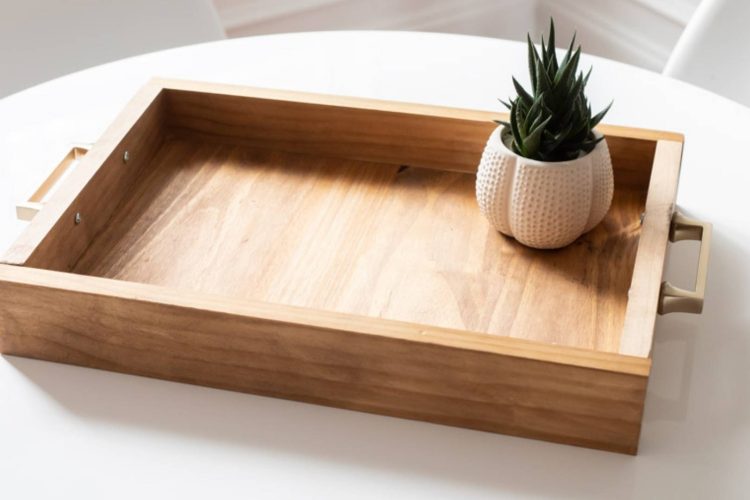
Vietnam is a preferred destination for importing wooden trays, supported by abundant hardwood and plantation timber, skilled manufacturing capacity, and competitive labor costs. However, first-time importers often face challenges such as verifying the reliability of manufacturers and managing delays in production and shipment.
This practical guide shows how sourcing from Vietnam works, which requirements buyers should confirm, and how to avoid common pitfalls that lead to delays or rejected shipments.
Overview of Vietnam’s wooden product exports
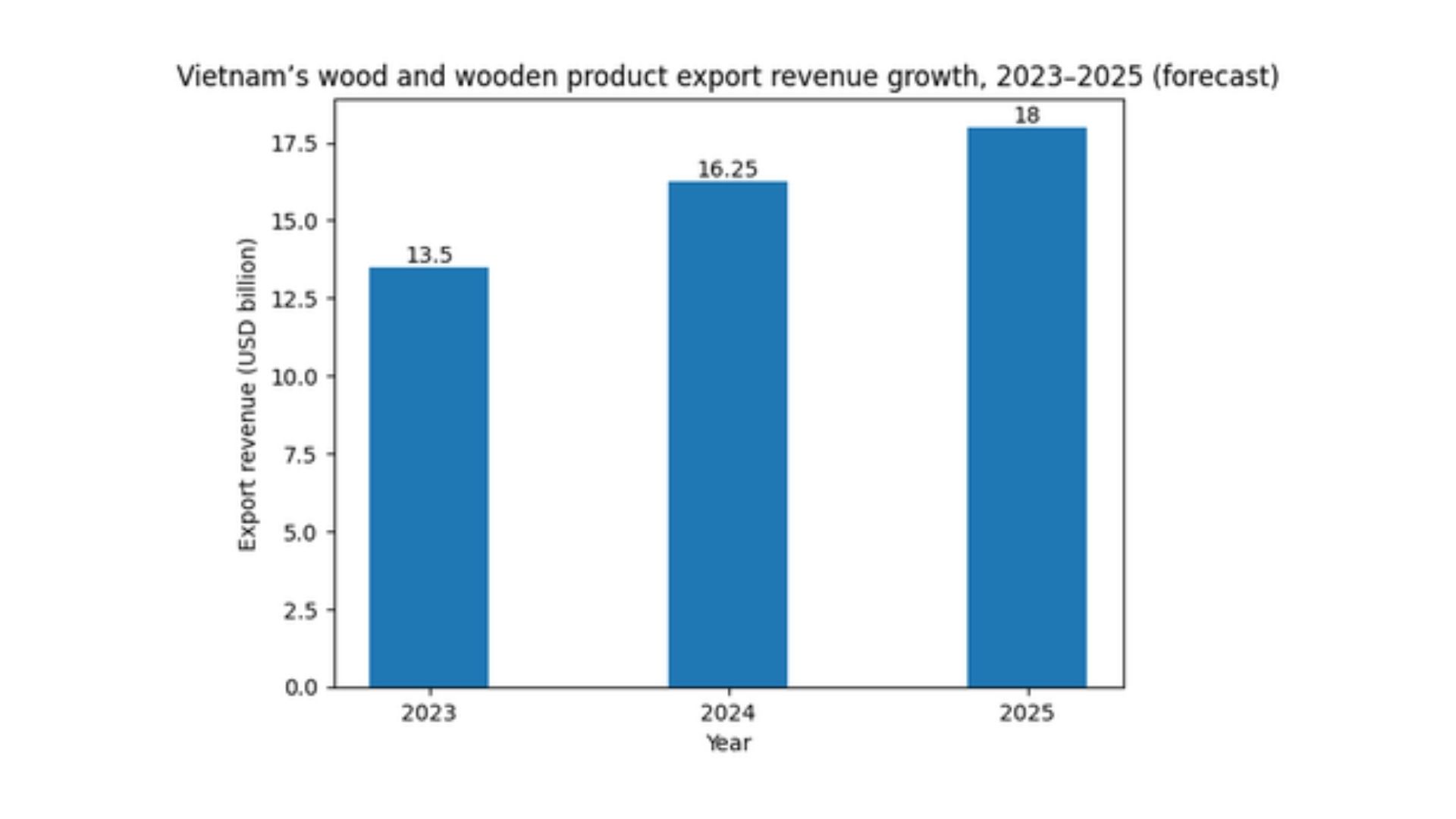
Vietnam’s wood and wooden products export industry is now a key part of its manufacturing sector.
In 2024, Vietnam’s wood and wood product exports reached USD 16.25 billion, showing strong global demand and export capacity.
In early 2025, global trade faced turbulence due to sudden U.S. tariff changes and ongoing shifts in supply chains. Despite these challenges, Vietnam’s wood and wood product exports increased by 8.9% year on year, reaching approximately USD 8.21 billion compared with the same period in 2024.
The United States remained Vietnam’s largest export market, accounting for 55.6% of total export turnover, followed by Japan and China with market shares of 12.6% and 10.4%, respectively.
Why global buyers source wooden trays from Vietnam
-
Competitive manufacturing costs
Vietnam has developed large-scale plantation forests to support its wood processing industry.
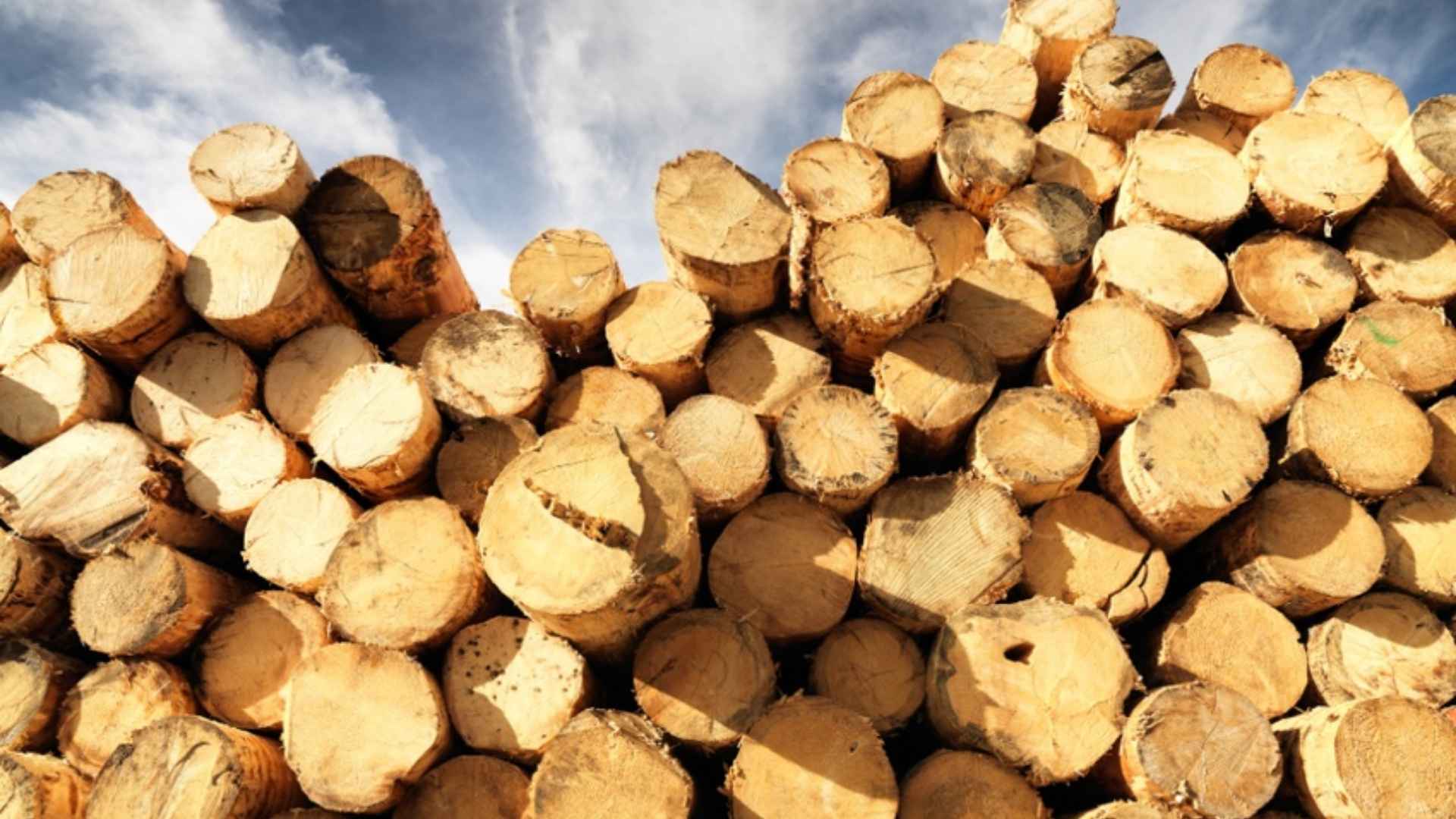
- Abundant raw material: According to the Vietnam Administration of Forestry and FAO data, Vietnam has about 4.7 million hectares of plantation forests. Acacia accounts for the largest share, with approximately 2.2 million hectares, while rubberwood plantations cover around 926,000 hectares nationwide. These two materials are widely used for wooden trays because they are dimensionally stable, easy to machine, and available in consistent volumes. A stable raw material supply helps manufacturers control costs for export orders.
- Lower labor costs: Labor costs in Vietnam remain lower than in many alternative sourcing countries. According to World Bank data, manufacturing wages in Vietnam are significantly below those in China. This cost advantage enables Vietnamese factories to offer wooden trays at competitive prices without compromising product quality.
- Strong local supply chains: Vietnam’s wood manufacturing clusters benefit from nearby suppliers of cutting tools, coatings, adhesives, packaging materials, and export services. This local ecosystem lowers input costs and shortens lead times.
-
Strong export experience
Driven by well-established industrial clusters, a skilled workforce, and extensive export experience, Vietnam has become a leading player in the global wood processing and furniture market.
- Strong industrial clusters: Vietnam hosts well-known furniture and wood processing clusters that specialize in export-oriented production. These clusters are concentrated in provinces such as Binh Duong, Dong Nai, and Binh Dinh, which together account for a large share of national wood processing capacity. Vietnam produces and exports wood and wooden products worth over USD 10 billion annually, placing the country among the top 6 global exporters of wood and furniture products.
- Large and skilled workforce: Vietnam also benefits from a large and skilled workforce in the wood processing industry. Around 600,000 workers are employed directly in wood processing and furniture manufacturing nationwide. Many of these workers are trained in machining, sanding, surface finishing, and packaging to meet export standards. This labor base allows factories to scale production quickly while maintaining consistent workmanship across large orders.
- Proven export capabilities: Moreover, export capability is further demonstrated by Vietnam’s global market reach. Wood and furniture products from Vietnam are shipped to more than 160 countries. Key markets include the United States, Japan, China, and the European Union. Regular exports to these demanding markets have helped Vietnamese manufacturers master export documentation, compliance requirements, lead time control, and quality standards.
-
Trade advantages
Vietnam enjoys an extensive network of free trade agreements that boost its wood product exports. Deals like EVFTA, CPTPP, and RCEP lower or eliminate import tariffs on wood and wooden products in numerous target markets.
For example, under EVFTA, many Vietnamese wood products enter the European Union with reduced tariffs once the rules of origin are met. This directly improves landed cost competitiveness for buyers.
In particular, Vietnam’s logistics infrastructure further strengthens its trade advantages. The country operates multiple deep-sea ports, such as Cai Mep-Thi Vai, which efficiently handles large-capacity vessels. In addition, well-established shipping routes to North America, Europe, and major Asian markets ensure predictable transit times, competitive freight costs, and reliable export schedules.
How to import wooden trays from Vietnam
Importing wooden trays from Vietnam can be a smooth process when you follow a clear structure. Let’s take a closer look at the full process, from supplier selection to final delivery, so you can reduce risk and make informed decisions.
-
Find a good supplier
The first step is always supplier selection. You can start by shortlisting suppliers through trade fairs, industry associations, or specialized B2B sourcing platforms.
After creating a shortlist, each supplier should be reviewed carefully to reduce sourcing risks and ensure long-term cooperation. When evaluating suppliers, focus on the following key factors:
- Business legitimacy: Verify the supplier’s company registration, factory location, years of operation, and product catalogs. A factory visit or third-party audit can help confirm actual production capabilities.
- Export experience: Suppliers that already ship to markets such as the United States, the European Union, or Japan are more familiar with documentation, packaging standards, and quality expectations
- Production capacity and scalability: Confirm monthly output, machinery, workforce size, and the supplier’s ability to scale production during peak seasons or for larger orders.
- Quality systems and material sourcing: Ask if they work with plantation wood such as rubberwood or acacia, and whether they can support certifications like FSC if required.
-
Place a sample order
Placing a sample order is a critical checkpoint before confirming bulk production. A sample allows you to verify whether the supplier can meet your technical, quality, and finishing requirements.
When reviewing wooden tray samples, you should examine several key factors:
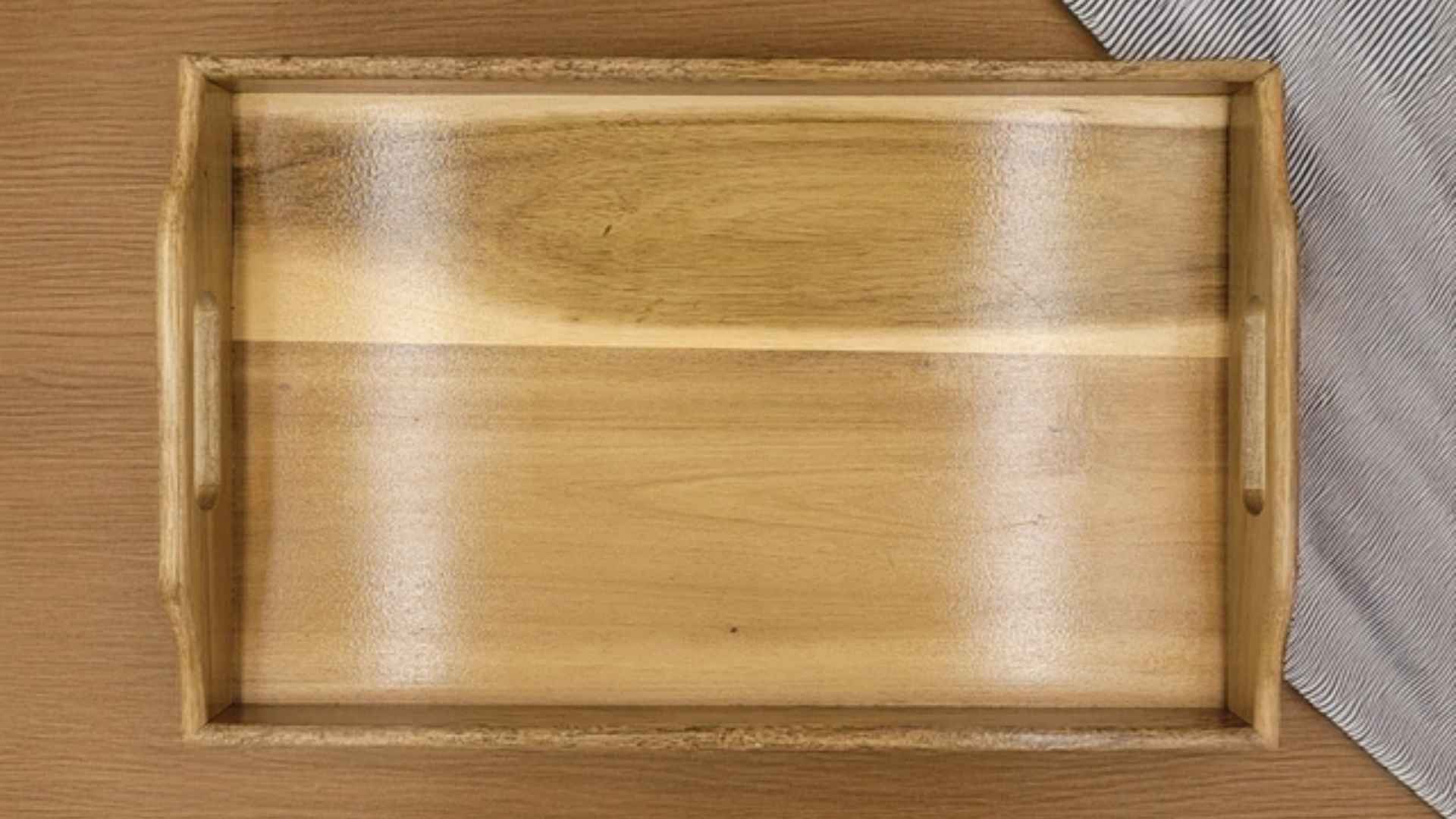
- Assess workmanship and finishing quality: The surface should feel smooth to the touch, with no sharp edges or splinters. Joints and corners should be clean and well-aligned.
- Review dimensions and tolerances: Measure length, width, and thickness against your specification.
- Packaging: Check carton strength, internal protection, and moisture barriers. Wood products are sensitive to humidity during transport, so packaging quality directly affects arrival conditions.
By carefully checking samples at this stage, you can significantly reduce the risk of receiving non-compliant goods when you import wooden trays from Vietnam.
-
Negotiate terms
A clear and detailed contract helps both parties work with confidence and reduces the risk of misunderstandings.
In the contract, you should clearly define all key terms, including product specifications, pricing, order quantity (MOQ), payment terms, production lead time, Incoterms, and the delivery schedule.
Do not overlook dispute resolution and liability clauses. These sections define how disputes are handled, which law applies, and how claims are resolved.
-
Quality production control
Quality production control should be conducted at multiple stages, not only at the end of production. This approach helps buyers detect issues early and avoid costly rework or shipment delays when they import wooden trays from Vietnam.
- Pre-production inspection: Conducted before mass production begins to verify raw materials and technical readiness. Buyers should confirm the approved wood species, moisture content, construction method, surface treatment, and finishing standards.
- In-process inspection: Takes place when approximately 20-50% of the order is completed. At this stage, inspectors check dimensions, workmanship, sanding quality, coating or oil consistency, assembly accuracy, and overall adherence to the approved sample.
- Pre-shipment inspection: Conducted after production is complete and goods are fully packed. This inspection verifies total quantity, packaging integrity, labeling accuracy, carton markings, and overall conformity with the approved sample, purchase order, and contract terms.
Many buyers engage third-party inspection firms at this stage to obtain an independent quality assessment before releasing payment.
-
Customs duties, taxes, and tariffs
Customs duties and taxes vary depending on the destination market when importing wooden trays from Vietnam. Wooden trays are typically classified under HS code 4419, which covers wooden household or tableware articles.
In most markets, import duty is calculated based on the customs value of the goods. This value usually includes the product cost and, depending on the agreed Incoterm (FOB or CIF), may also include freight and insurance.
In addition to import duty, buyers should account for other charges such as value-added tax (VAT), goods and services tax (GST), or sales tax, depending on local regulations.
Trade agreements can significantly reduce tariffs. For example, under EVFTA, many wood and wooden products from Vietnam can enter the European Union at reduced or zero tariff rates if the rules of origin are met.
-
Manage shipping
You should choose the right shipping method depending on order size, delivery urgency, and inventory planning.
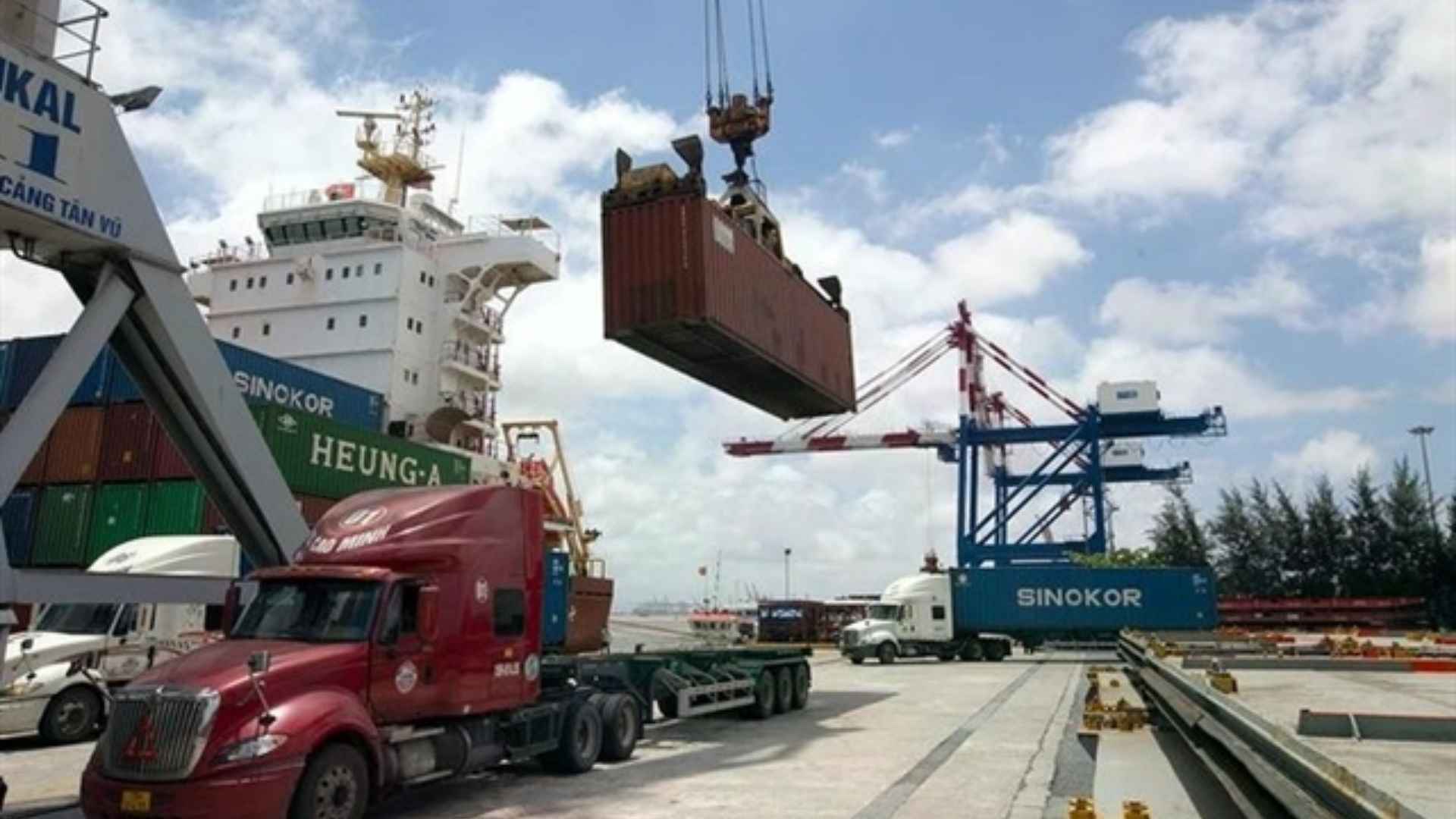
There are two main shipping methods used when importing wooden trays from Vietnam. Each has different cost and time implications.
- Sea freight is the most common option. It offers the lowest cost per unit and is suitable for bulk orders. The main drawback is the longer transit time.
- Air freight is faster but significantly more expensive. It may be used for urgent replenishment or small sample shipments.
For most buyers who import wooden trays from Vietnam, sea freight is the recommended choice. It balances cost, capacity, and reliability. Air freight or courier services are better reserved for samples or emergency orders.
You can coordinate with a freight forwarder, which helps align production completion with shipping schedules.
How to find reliable wooden tray suppliers in Vietnam
-
Trade fairs and exhibitions
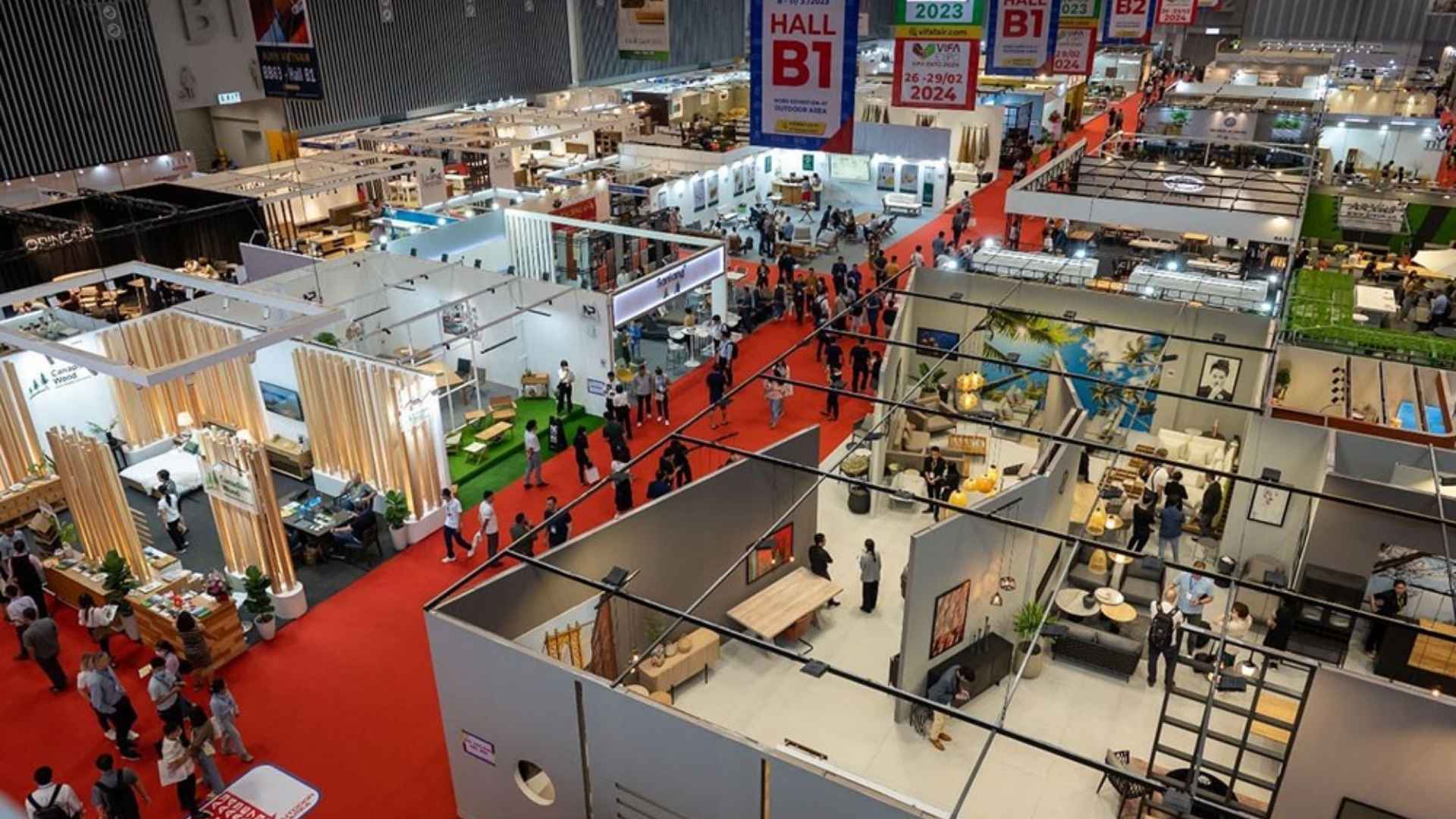
Attending trade fairs and exhibitions is one of the most efficient ways to connect directly with Vietnamese manufacturers of wooden products.
Here are three key events in 2026 where you can source wooden trays and related products:
HawaExpo 2026: This event is Vietnam’s premier export furniture and wood industry exhibition. It gathers over 700 exhibitors representing furniture, home accessories, and wood panel suppliers. It will take place 4-7 March 2026 at the Saigon Exhibition and Convention Center in Ho Chi Minh City, Vietnam.
VIFA EXPO 2026: Recognized as one of the oldest and largest furniture and home accessories fairs in Vietnam, VIFA EXPO connects international buyers with Vietnamese manufacturers. The event features furniture, home décor, and wood products from quality suppliers ready for export. In 2026, the fair will be held from 8-11 March at WTC EXPO (Binh Duong Ward) and SKY EXPO (Trung My Tay Ward) in Ho Chi Minh City.
-
Online B2B sourcing platforms
Online B2B platforms remain essential tools when you search for wooden tray suppliers before you import wooden trays from Vietnam. These portals allow you to browse supplier profiles, request quotations, and compare capabilities remotely.
Alibaba connects buyers with global suppliers, including Vietnamese wood manufacturers. You can filter by product type, export readiness, certifications, and buyer reviews. Alibaba also supports enquiry and RFQ tools for structured sourcing.
VinaSources is a sourcing platform with a focus on connecting Vietnamese manufacturers with international buyers. It offers supplier discovery, quotation requests, and category browsing for wood and furniture-related products. This platform helps buyers streamline sourcing from Vietnam with tools designed for export-oriented supply chains.
EC21 is a global supplier directory where you can find Vietnam-based manufacturers. It lists company profiles, product catalogs, and basic contact information. While verification varies by supplier, EC21 provides a broad view of potential partners across many categories, including kitchenware and household wood products.
-
Direct factory outreach
Reaching out directly to Vietnamese wood manufacturers can build deeper supplier relationships and enable tailored production when you import wooden trays from Vietnam.
Here are two established wood product companies in Vietnam:
Son Dong Group Furniture
Son Dong Group Furniture is a Vietnamese wood furniture company known locally for household wooden products and interior solutions. Established with a focus on quality wood products, the company serves both domestic retail and export markets.
Contact information
- Address: 783 Kinh Duong Vuong Street, An Lac Ward, Binh Tan District, Ho Chi Minh City
- Website: https://noithatsondong.com/
- Hotline: 1800 888 919
Duc Thanh Wood Processing
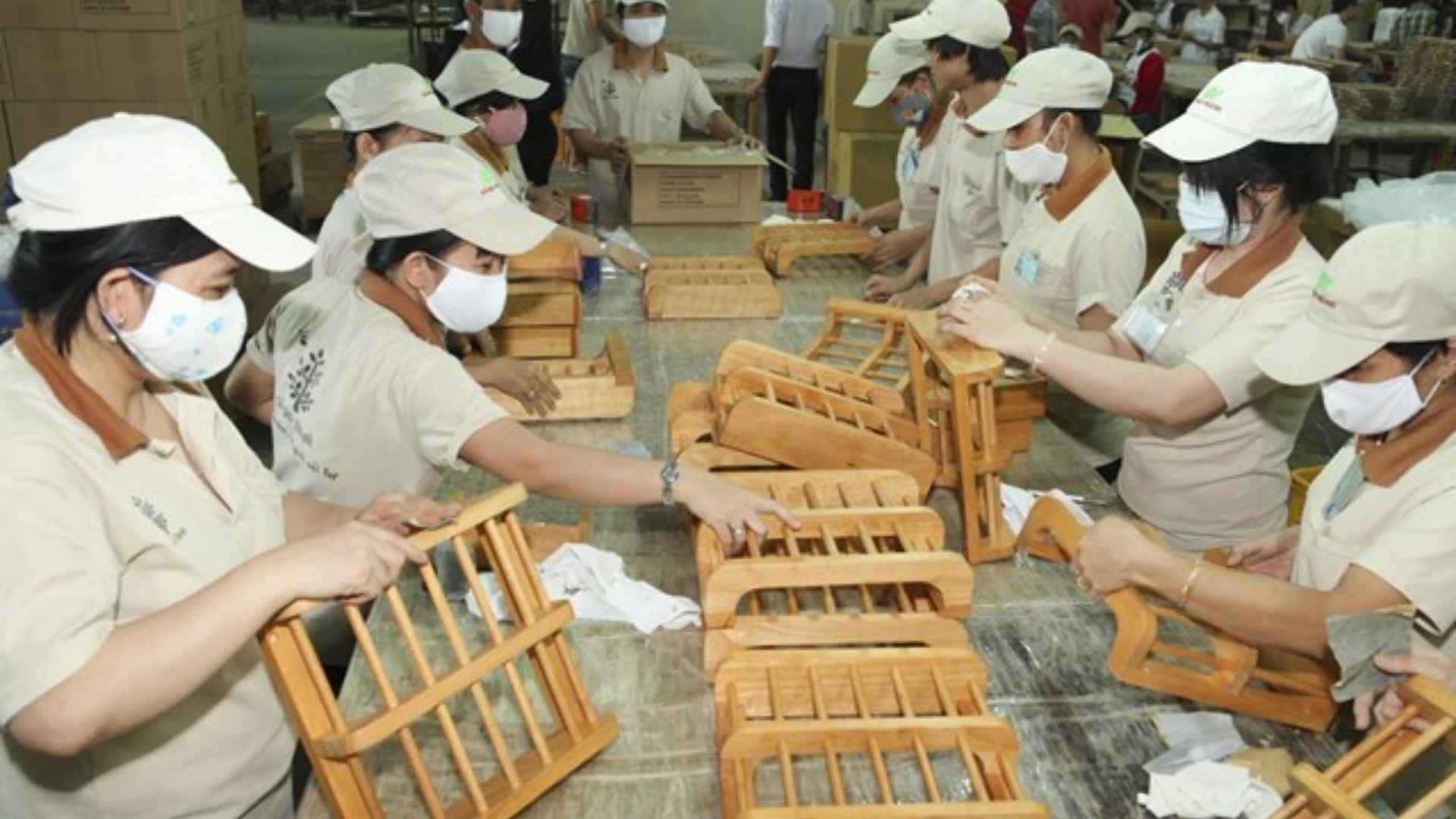
Duc Thanh JSC is a major Vietnamese wood processing company with over 30 years of experience producing kitchenware, wooden household goods, and custom wood products. Its products are made from plantation timber and exported to more than 50 countries worldwide. The company employs a large, skilled workforce and operates multiple factories with modern machinery.
Contact information
- Address: 221/4 Phan Huy Ich Street, An Hoi Tay Ward, Ho Chi Minh City
- Phone: +84 28 3589 4287
- Email: https://goducthanh.com/
What certificates are required for importing wooden trays from Vietnam
When you import wooden trays from Vietnam, certificates and compliance documents play a central role in the process. They confirm product origin, prove wood legality, and show that your shipment meets destination market rules.
Understanding certification requirements early helps you plan sourcing more smoothly and avoid last-minute disruptions at customs.
-
Trade documents
Let’s take a closer look at the core trade documents that are required for customs clearance in almost all markets. These documents form the foundation of every import shipment, regardless of destination.
- Commercial invoice
- Packing list
- Certificate of origin
- Bill of lading or air waybill
-
Sustainability and legality certifications
Beyond basic trade documents, many markets require proof that wood materials are legally harvested and responsibly sourced. These certifications are increasingly important when you import wooden trays from Vietnam.
- Forest Stewardship Council (FSC COC Certification)
- Phytosanitary Certificate (Phyto Cert)
- EU Timber Regulation (EUTR)
- Programme for the Endorsement of Forest Certification (PEFC)
- Vietnam Timber Legality Assurance System (VNTLAS)
- ISO 14001 (environmental management)
- Lacey Act
Well, certification rules can change over time. So, work closely with your Vietnamese supplier and a customs broker to ensure all documents align with your destination country’s current import laws. This is especially important as regulations like the EU deforestation rules continue to evolve.
Partner with VinaSources for efficient sourcing
VinaSources is a specialized B2B sourcing platform that connects international buyers with verified Vietnamese manufacturers. The platform is designed to help global buyers simplify the sourcing process and reduce risks when importing wooden products from Vietnam.
With over 12 years of hands-on experience in cross-border e-commerce, VinaSources has built a strong network of pre-vetted manufacturers that meet international standards for export capability, product quality, and regulatory compliance. This ensures buyers work only with reliable suppliers that are ready for global markets.
Through the VinaSources platform, buyers can access a wide range of cutting board suppliers, offering various materials, designs, and price points to match different sourcing needs and budget expectations.
Backed by strong local market expertise and a deep understanding of buyer requirements in the United States, the European Union, Japan, and other major markets, the VinaSources team provides hands-on support throughout the entire sourcing process, from supplier selection and negotiation to quality control and export coordination.
Visit VinaSources to explore verified wooden cutting board manufacturers and select the right partner for your next sourcing project. You can reach the team through the quotation form or contact customer support at hotline 1900 4356 for further assistance.