
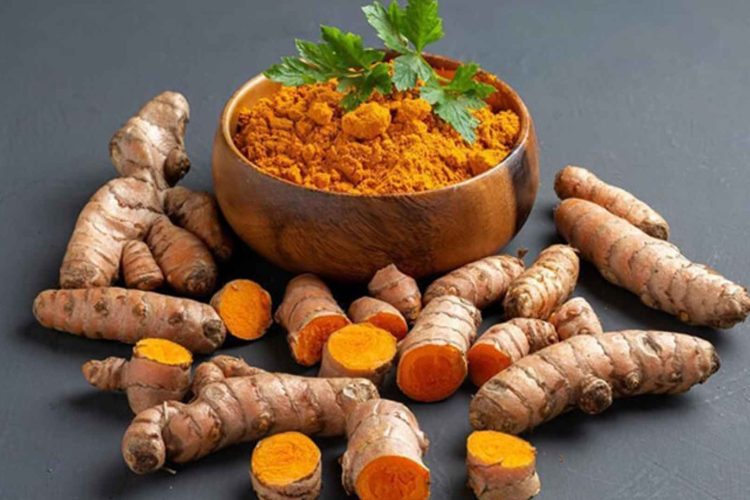
Vietnam is becoming an increasingly important sourcing destination for turmeric, supported by favorable growing conditions and a developing export supply base. However, importing turmeric from Vietnam involves both opportunities and challenges.
This guide outlines the key steps, cost considerations, quality requirements, and sourcing channels that B2B buyers need to understand to import turmeric from Vietnam successfully.
Overview of Vietnam’s export turmeric market
Turmeric is in high demand for three main reasons. First, it is a safe and natural food coloring. Second, it is a powerful medicine that supports your health. Third, it is a popular ingredient in cosmetics and supplements to improve skin. These three benefits make turmeric a “superfood” that everyone wants today.
According to VPSA, in 2024, Vietnam’s export turnover for ginger, turmeric, and spices reached USD 59.5 million. Compared with 2023, export volumes declined by 15.5%, while export value rose sharply by 20.7%, indicating higher average export prices.
The main export markets for Vietnam’s ginger, turmeric, and spices are India, Bangladesh, and Indonesia. In 2024, India was the largest buyer, importing 11,345 tonnes, which accounted for over 38% of the total volume. Bangladesh followed in second place with 6,086 tonnes, while Indonesia ranked third with 2,393 tonnes.

Why Vietnam is a key source for importing turmeric
-
Stable supply
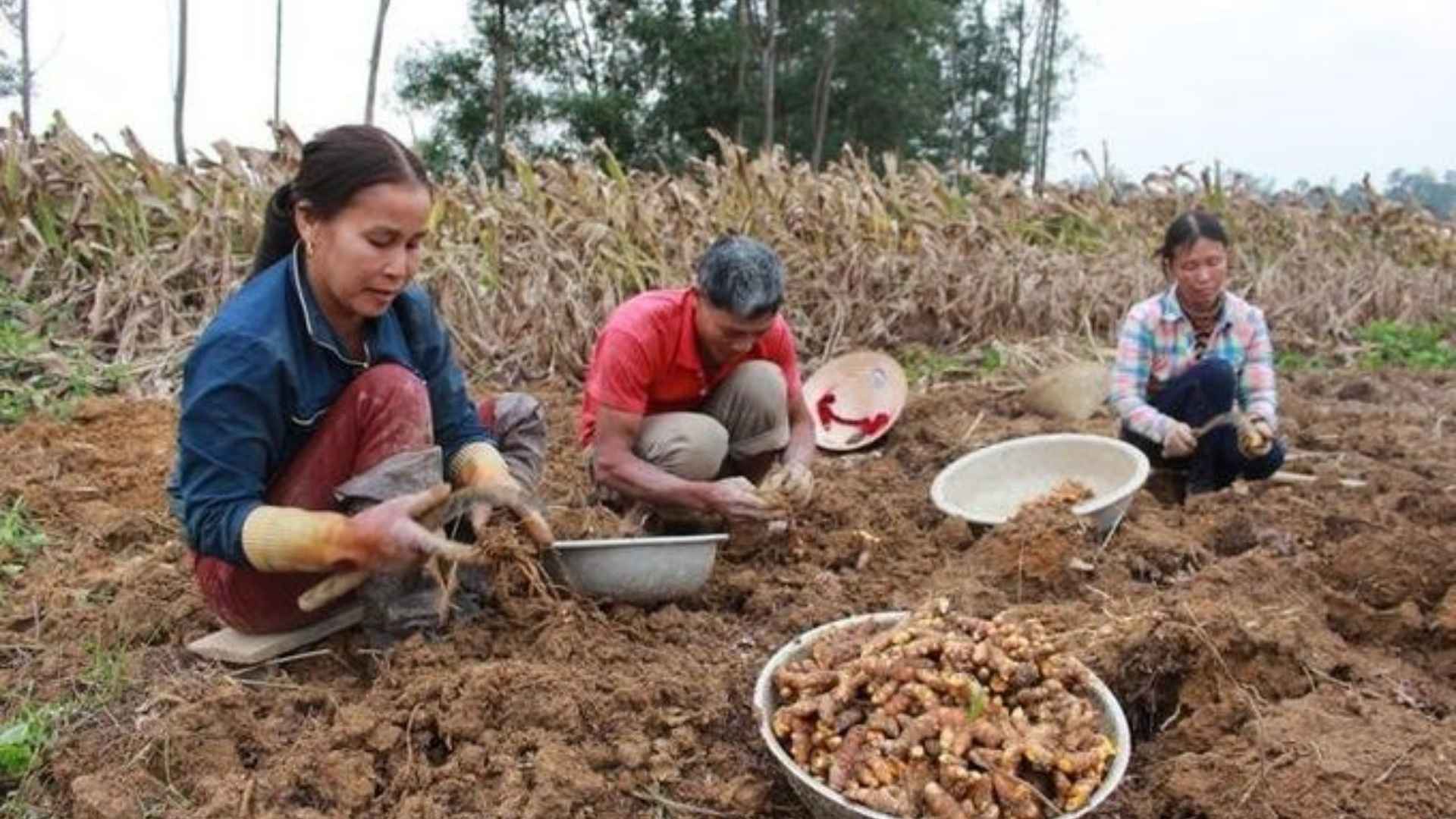
Vietnam is among the top countries globally for turmeric production. The nation currently manages over 50,000 hectares of cultivation area, primarily concentrated in the Central Highlands and Northern mountainous regions. Key producing provinces include Quang Nam, Gia Lai, Kon Tum, Dak Lak, and Dak Nong. In 2024, Vietnam’s total turmeric harvest reached approximately 172,000 metric tonnes.
-
High-quality products
The quality of Vietnamese turmeric is defined by its superior curcumin content. Standard Vietnamese turmeric typically contains 3% to 5% curcumin, but specific varieties grown in northern provinces, such as Bac Kan and Lai Chau, have recorded concentrations as high as 6% to 9%.
-
Strategic location
Vietnam’s geography provides a significant logistical advantage for international trade. The country features a long coastline with major deep-water ports, including Cat Lai (Ho Chi Minh City), Da Nang, and Hai Phong. These ports offer direct shipping routes to major markets in North America, Europe, and Asia.
-
Trade agreements
Vietnam is one of the most open economies in Asia, benefiting from over 15 active Free Trade Agreements (FTAs). These agreements significantly reduce or eliminate import duties for Vietnamese turmeric in key markets.
The EU-Vietnam Free Trade Agreement (EVFTA) allows approximately 84% of Vietnamese imports to enter the EU duty-free, with most remaining tariffs on spices to be removed by 2027. Similarly, the RCEP and the CPTPP provide preferential access to markets across the Asia-Pacific. These treaties lower the total cost of ownership for B2B importers compared to sourcing from countries without such trade privileges.
Turmeric product forms you can import
-
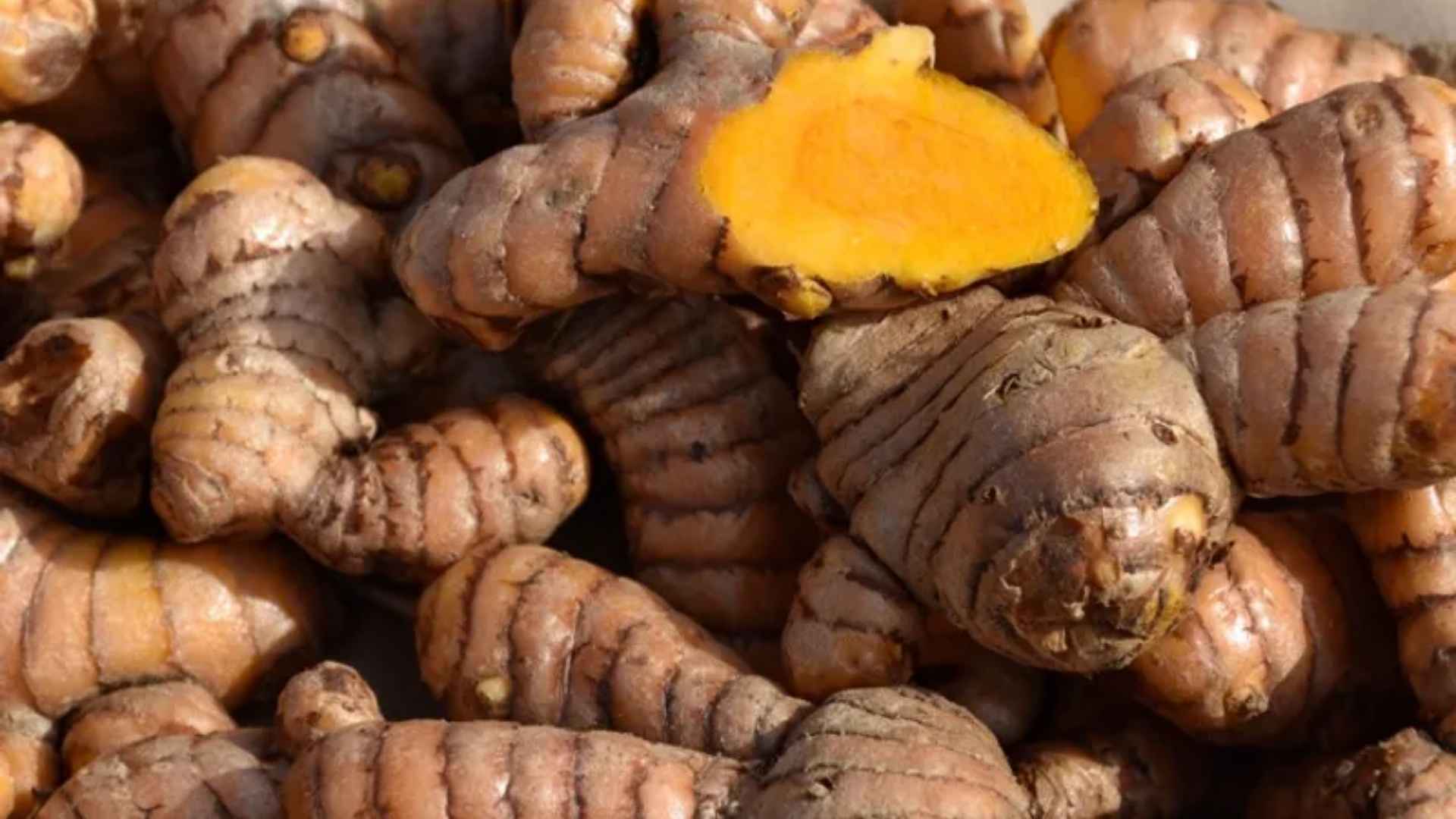
Fresh turmeric
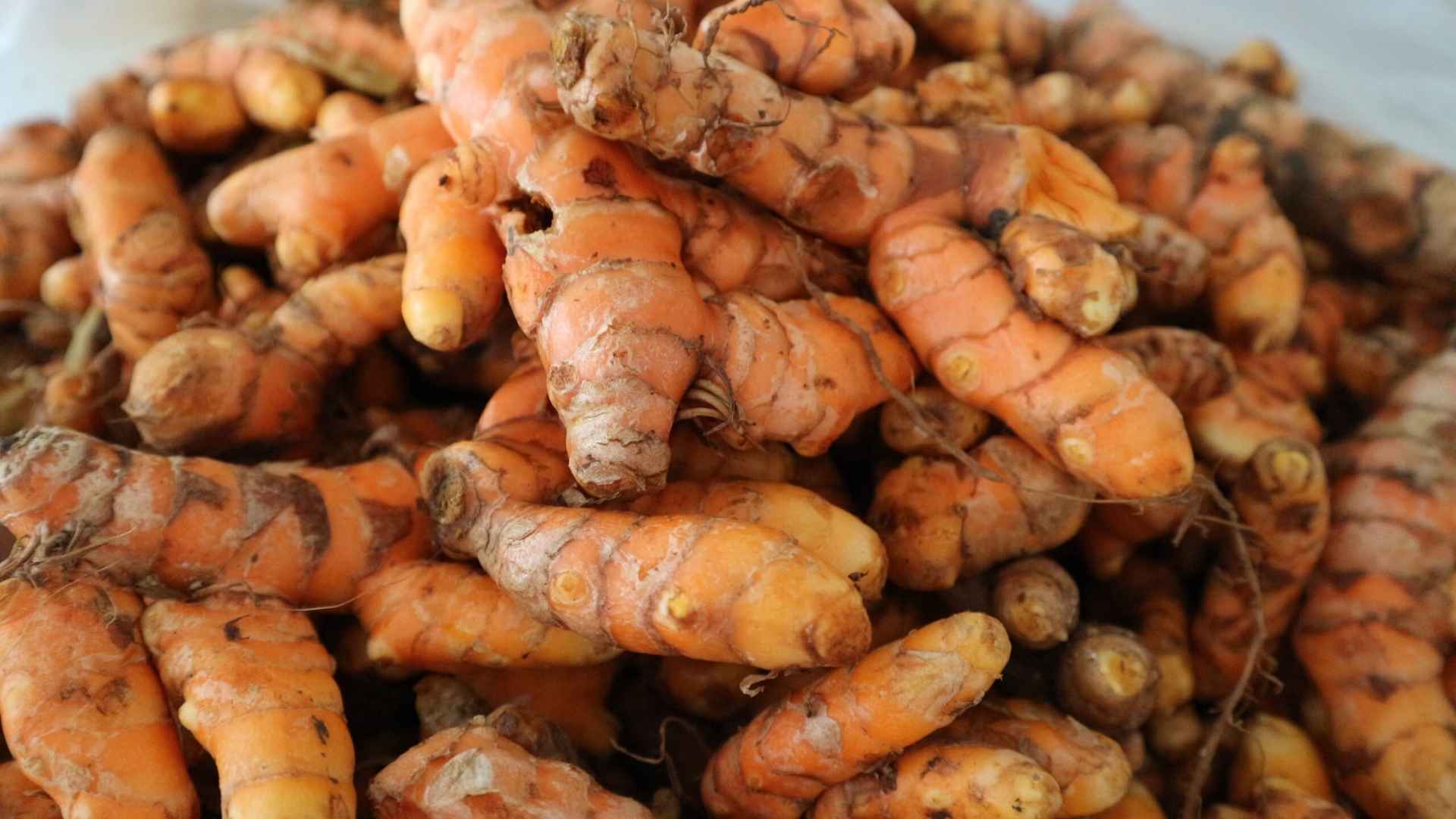
Fresh turmeric contains high levels of volatile oils and moisture. These components support healthy digestion. The natural curcumin in the root brightens the skin. It prevents dark spots by inhibiting melanin production. Additionally, fresh turmeric acts as a safe natural food colorant. It serves as a perfect alternative to harmful synthetic dyes.
-
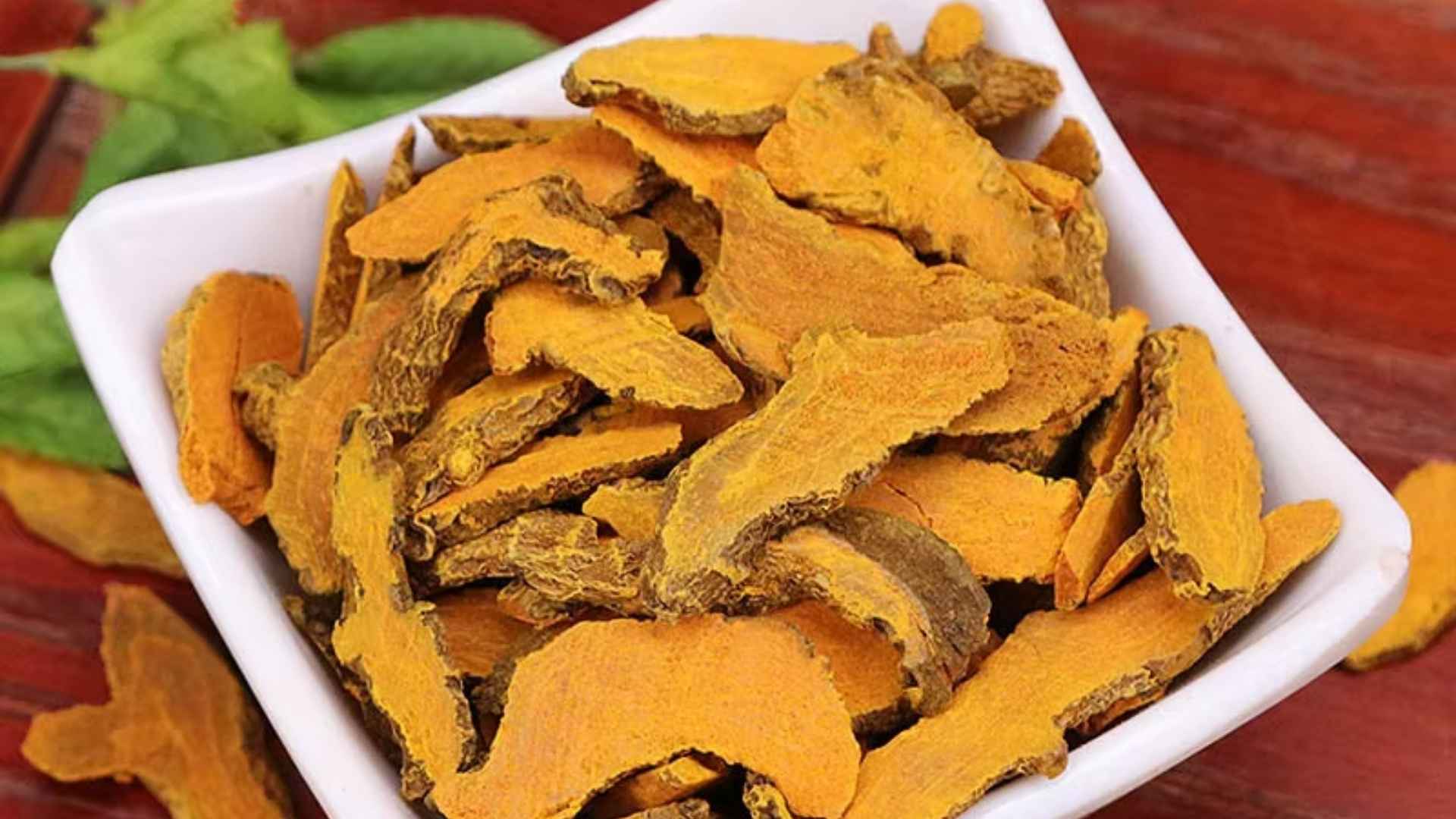
Dried turmeric slices
Dried turmeric has a low moisture content between 8% and 12%. This prevents mold and bacteria from growing during long transit times. It features a long shelf life of 18 to 24 months. Dried turmeric serves as the main raw material for pure turmeric starch. Additionally, manufacturers use these slices as a core ingredient in herbal teas.
-
Turmeric powder
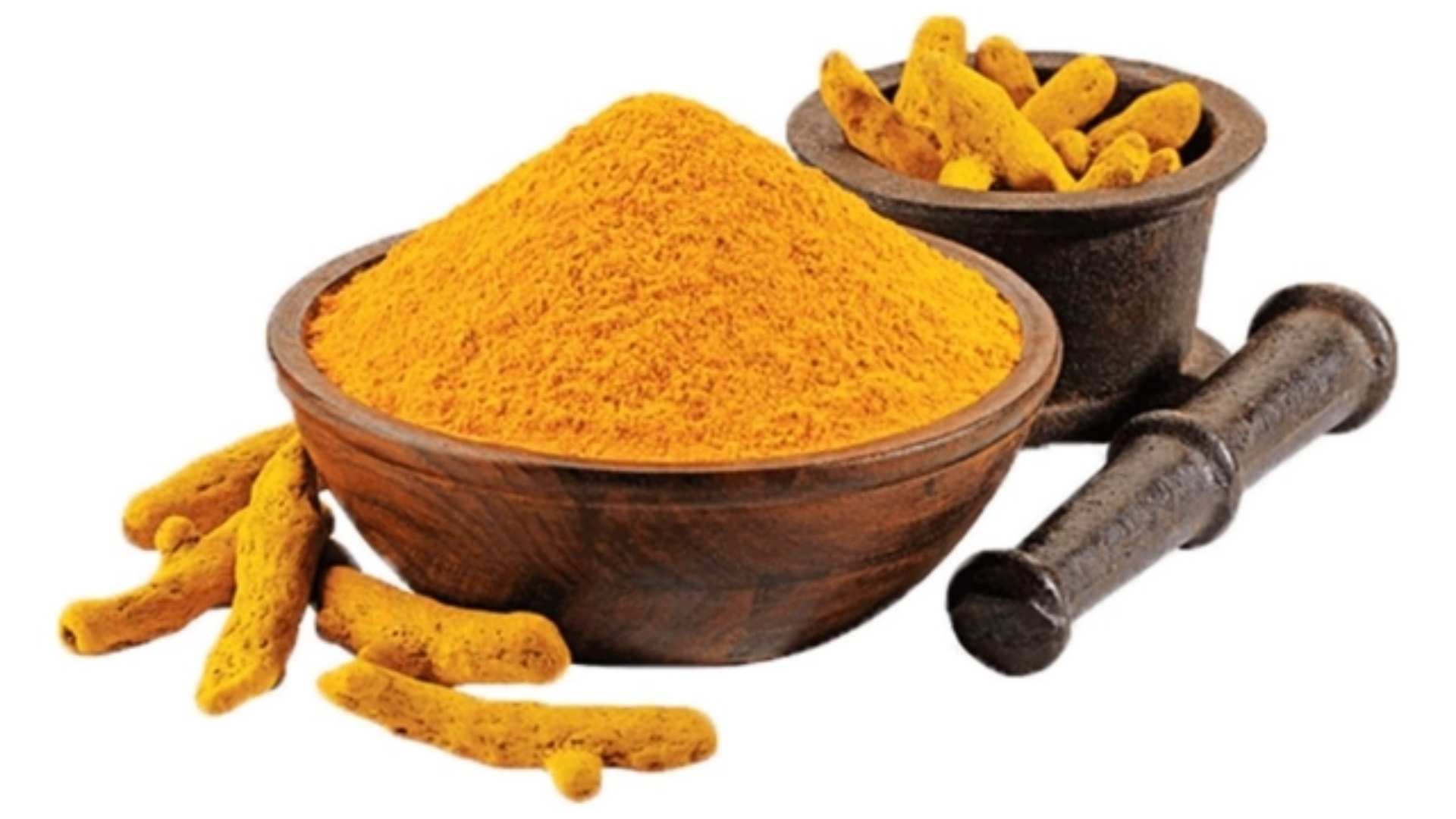
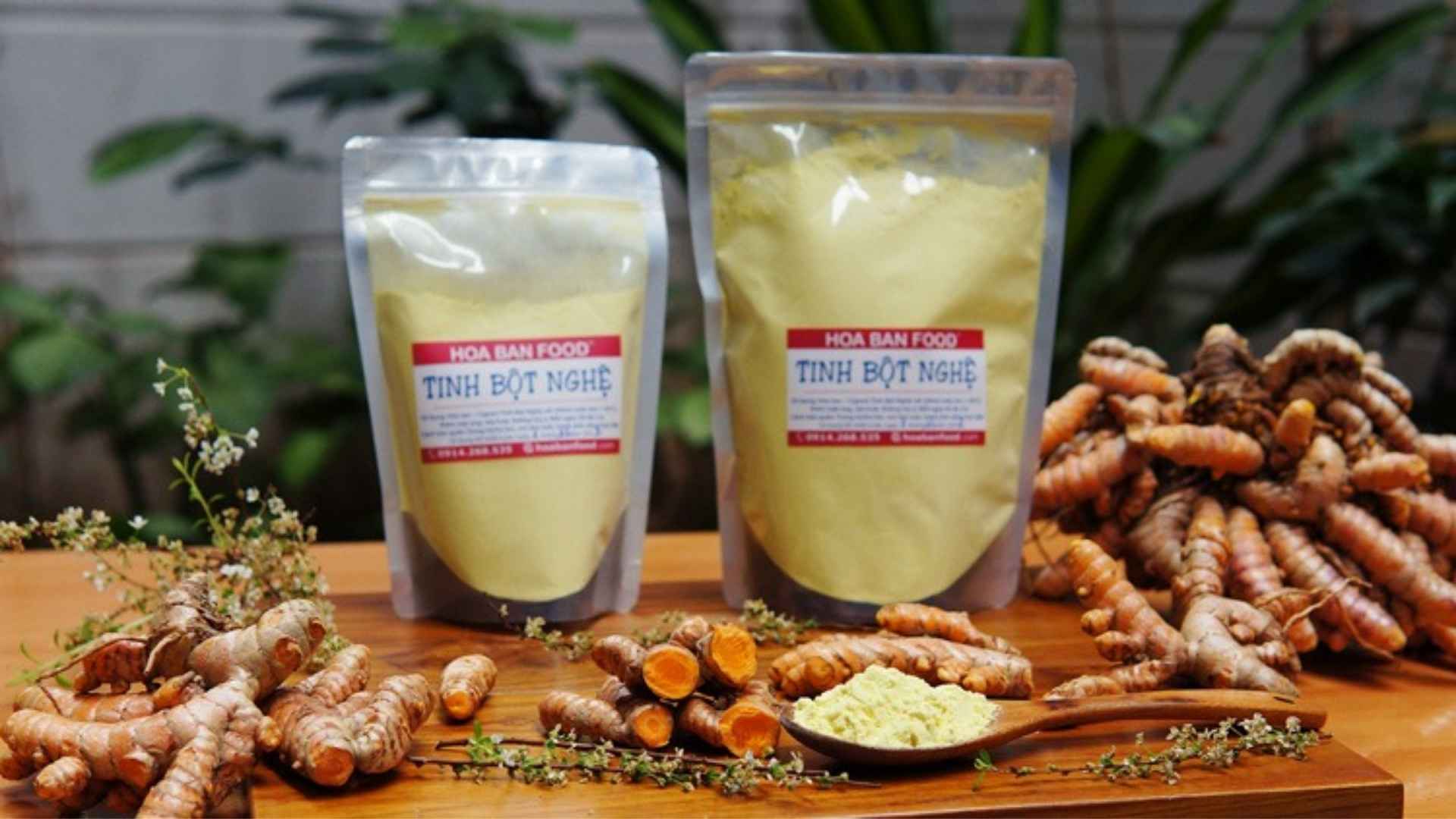
For turmeric, turmeric starch/powder is the most highly sought-after product by many countries. Vietnamese turmeric starch is highly regarded for its vibrant color, pleasant aroma, and high curcumin retention. This active compound offers numerous health and beauty benefits, including cancer prevention, digestive support, and liver protection, among others.
How to import turmeric from Vietnam
-
Identify the supplier
Finding a reliable partner is the foundation of a successful import strategy. Global buyers can find turmeric suppliers in Vietnam through several channels, such as direct outreach, B2B sourcing platforms
When evaluating a potential supplier, you must consider several core factors:
- Business Legality: Verify the enterprise’s registration with the Vietnam Ministry of Industry and Trade (MoIT).
- Export History: Check the supplier’s track record with customs data to confirm experience in your specific destination market.
- Production Capacity: Ensure the supplier can handle the volume required, especially during peak harvest seasons (March-April).
- Quality Standards: Look for certifications such as ISO 22000, HACCP, GMP, and Organic (EU or USDA) to ensure food safety compliance. (USDA Organic, EU Organic, BRCGS, Halal, Kosher, ISO 9001, Fairtrade
-
Evaluate the sample
Before committing to a large shipment, ordering a sample is mandatory. When placing a sample order, clarify the quantity (usually 1-2 kg), the specific price per unit, and the air courier costs (DHL/FedEx).
Confirm the lead time for sampling, which should typically range from 3 to 7 working days.
When the sample arrives, your quality control team should focus on the following aspects:
- Curcumin Content: Conduct a third-party laboratory test to verify if the curcumin levels match the 3-5% standard.
- Moisture Levels: Ensure dried slices or powder maintain a moisture content below 13% to prevent mold.
- Organoleptic Properties: Check the color (vibrant orange-yellow), aroma (pungent and earthy), and absence of off-flavors.
- Purity: Test for heavy metals (lead, arsenic) and the absence of artificial dyes like metallic yellow.
-
Make a contract
A formal contract is essential to protect both parties and provide a legal basis for dispute resolution. It ensures that price, quality specifications, and delivery timelines are legally binding.
Key clauses that must be included in a B2B turmeric contract: Pricing terms, dispute resolution, MOQs, lead time, production timeline, and dispute resolution.
-
Customs duties, taxes & tariffs
The cost of importing turmeric is not limited to the product price. Import duties, taxes, and tariffs are levied by the destination country and vary significantly. Customs duties and taxes depend on the importing country’s trade regulations and the applicable Harmonized System code for turmeric. Buyers must identify the correct HS code in their destination market, as it determines duty rates and regulatory requirements.
Preferential tariffs may apply if Vietnam has a free trade agreement with the importing country and the shipment meets the rules of origin requirements. Buyers should verify eligibility in advance to avoid unexpected costs.
-
Packaging & Labeling
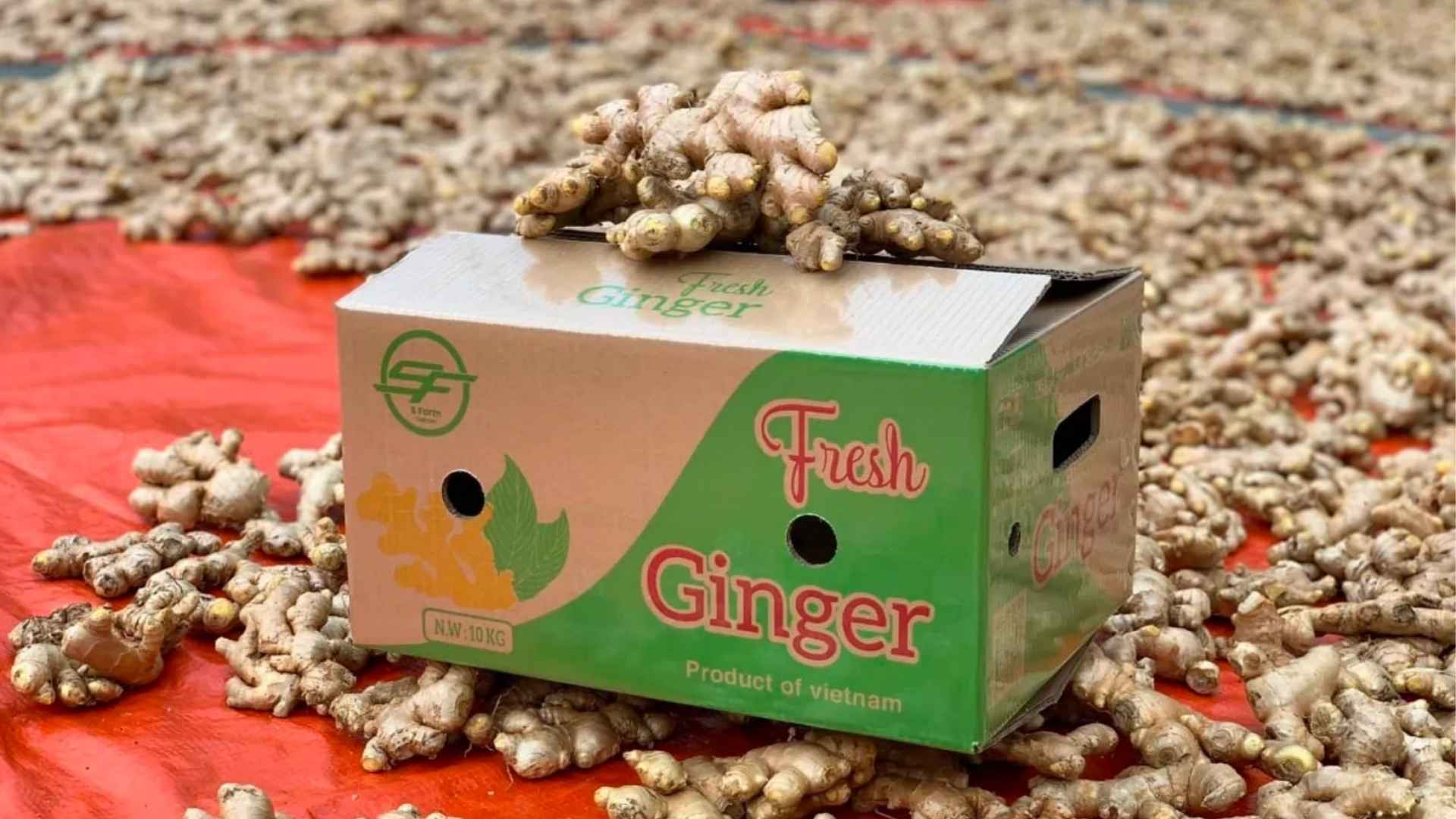
Packaging must protect the turmeric from light and moisture, which degrade curcumin. For bulk exports, turmeric is typically packed in double-layered PP/PE bags or vacuum-sealed containers of 25 kg or 50 kg.
Labelling Requirements: Labels must be clear and contrast with the background. They must include: Product Name and Variety, Net Weight, Country of Origin, and lot/batch number.
-
Manage shipping & logistics
Choosing the right shipping method affects cost, lead time, and risk. The most common transport options for turmeric imports are sea freight and air freight.
Sea freight is typically used for bulk shipments due to lower costs. It is suitable for buyers with flexible lead times and larger order volumes.
Air freight is used for samples or urgent orders. It offers faster delivery but significantly higher cost.
Buyers should also agree on Incoterms, such as FOB or CIF, to clarify responsibilities for freight, insurance, and risk transfer. Coordinating with experienced freight forwarders helps manage documentation, booking, and delivery schedules.
Where to find reliable Vietnamese turmeric suppliers?
In practice, B2B buyers typically rely on three main channels to identify reliable Vietnamese turmeric suppliers: direct exporters, online B2B platforms, and trade shows.
Each channel has its benefits and drawbacks
-
Direct exporters
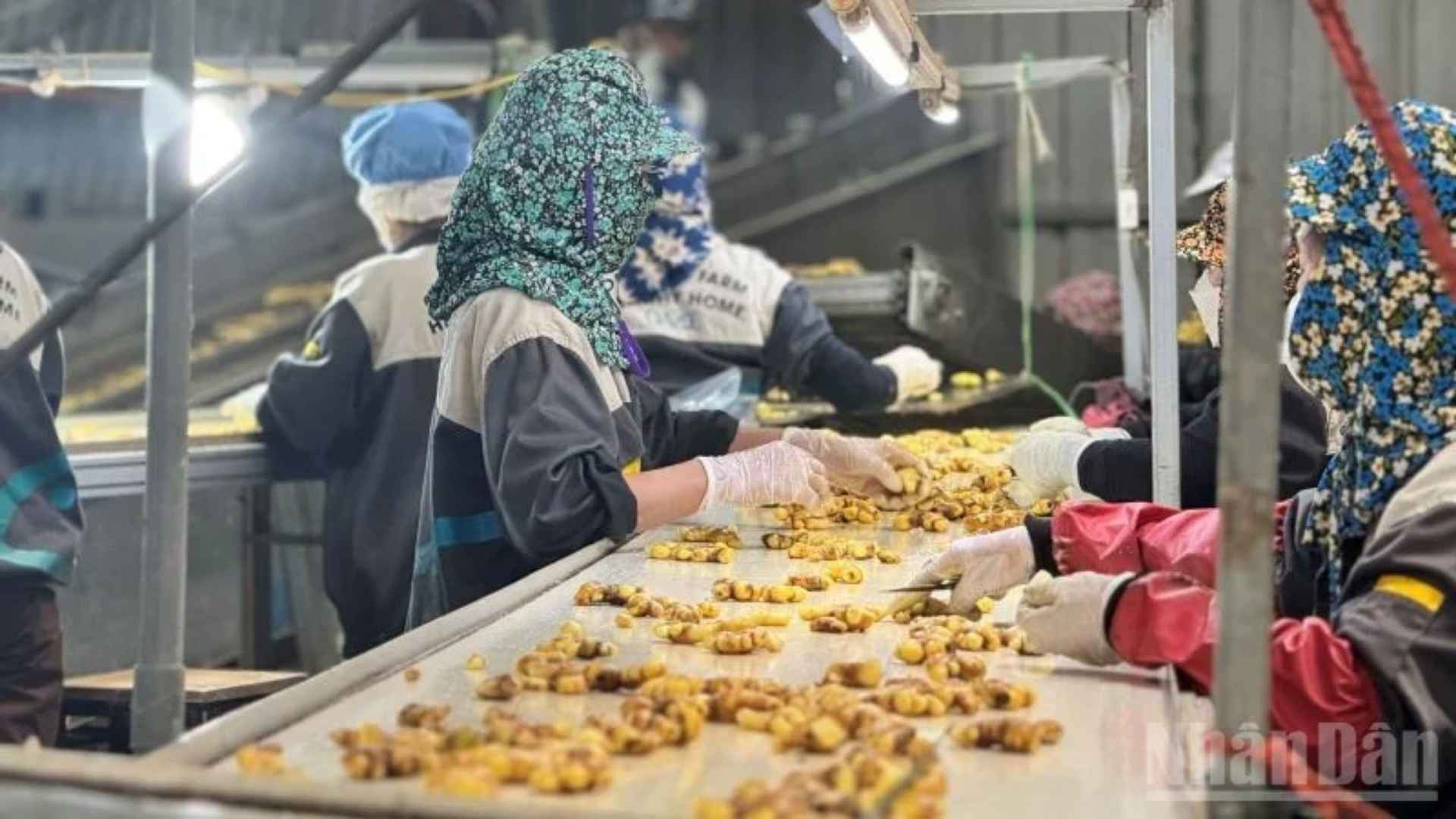
Working with direct exporters is often the preferred option for buyers seeking consistency, traceability, and better pricing control.
Visimex Joint Stock Company
Visimex is an established agricultural exporter in Vietnam with more than 20 years of operating experience. Founded in 2002, the company focuses on the export of spices and agricultural products, including dried turmeric fingers and turmeric powder. Visimex supplies both domestic buyers and international markets such as North America, Europe, and the Middle East.
- Address: NIC GROUP Building, No. 3A Thi Sach Street, Hai Bà Trưng Ward, Hanoi City, Vietnam.
- Website: https://visimex.com/
- Email: [email protected]
VINASAMEX., JSC
Vinasamex Joint Stock Company is a Vietnamese producer, trader, and exporter specializing in organic cinnamon, star anise, and other spices. The company has more than 10 years of experience working closely with over 3,000 ethnic minority farming households. Its supply network covers more than 4,200 hectares of organically certified farmland.
Vinasamex supplies a range of organic products, including cinnamon, ginger, turmeric, and onion. These products are exported to demanding markets such as the United States, Europe, Japan, and South Korea. The company focuses strongly on traceability and certified organic production to meet international buyer requirements.
- Address: Vang Hamlet, Gia Lam Commune, Hanoi, Viet Nam.
- Website: https://vinasamex.com/
- Email: [email protected]
DACE (Agricultural Development and Environmental Consulting Co., Ltd.)
Founded in 2009, DACE is a specialized manufacturer and exporter of organic spices with over 15 years of industry expertise. The company focuses on the development of premium organic product lines, specifically ginger, chili, turmeric, garlic, lemongrass, and cinnamon. Their primary export markets include Europe, the UK, the USA, South Korea, Japan, and Singapore. To meet the diverse needs of global B2B buyers, the company has expanded its capabilities to include OEM and ODM services, allowing for customized product formulations and packaging.
- Address: No. 6, lane 117, Tran Cung Street, Nghia Do Ward, Hanoi City, Vietnam
- Website: https://www.dace.vn/
- Email: [email protected]
-
Online B2B platforms
Digital B2B marketplaces have become a fundamental tool for cross-border trade, connecting global buyers with a vast array of Vietnamese suppliers.
Below are three platforms that buyers frequently use.
Alibaba
Alibaba is one of the largest global B2B marketplaces. It connects buyers with suppliers across many countries, including a significant number from Vietnam. The platform’s scale means buyers can search for dozens of turmeric suppliers, review company profiles, and communicate directly with exporters via integrated tools. The product category is extensive, ranging from raw dried turmeric rhizomes to finely ground powder and even turmeric extract.
Pros of Alibaba:
- Competitive pricing across a wide supplier base
- A broad selection of turmeric products and processing types
- Access to a large global supplier database
Cons of Alibaba
- Quality may not be as promised
- Long time to receive products
VinaSources
VinaSources is a Vietnam-focused B2B sourcing platform designed to connect international buyers directly with verified Vietnamese manufacturers and exporters. Unlike global marketplaces, VinaSources concentrates exclusively on Vietnam, which allows buyers to access a more relevant and curated supplier pool for turmeric and other agricultural products.
The platform emphasizes supplier verification and export readiness, helping buyers reduce risks related to business legality, production capacity, and documentation.
Pros of VinaSources
- Flexible MOQs suitable for pilot orders and scaling
- More realistic and clearly communicated lead times
- High level of trust, as all suppliers are pre-screened and vetted for export readiness
Cons of VinaSources
- Smaller supplier pool compared with global platforms
Made-in-China
Made-in-China is a well-established B2B sourcing platform that connects global buyers with manufacturers and exporters, primarily across Asia. While the platform is strongly associated with Chinese suppliers, it also lists Vietnam-based exporters, including companies offering agricultural products such as turmeric.
The platform provides structured supplier profiles, product catalogs, and inquiry tools that help buyers request quotations and technical details.
Pros of Made-in-China
- Broad product range across multiple categories
- Competitive wholesale pricing options
Cons of Made-in-China
- Communication challenges
- Potential inconsistency in product quality across suppliers
-
Trade shows
Trade fairs provide the most effective way to evaluate product quality firsthand and verify the scale of a supplier’s operations.
Below are some major exhibition hubs
| Trade show | Food Ingredients (Fi) Vietnam 2026 | Vietfood & Beverage – Propack 2026 | Vietnam Foodexpo 2026 |
| Purpose | Connect Vietnamese food and spice exporters with international buyers | Vietnam’s leading platform for connecting food producers, processors, and packaging solution providers | Promote Vietnamese food and agricultural exports to global importers and distributors |
| Products | Additives, flavors, herbs, spices (turmeric/ginger), natural colors, and functional food ingredients. | Agricultural products, beverages, food ingredients, spices, and advanced packaging machinery. | Raw and processed agricultural products, spices (turmeric, ginger, pepper), and food safety solutions. |
| Scale (2026 event) | Expected about 300 exhibitors and 9000 trade visitors | About 1000 exhibitors and 39,000 visitors, 1400 booths and 25,000 square showcase | Anticipated 400+ companies and 26,600 visitors |
| 2026 Schedule |
|
|
|
Quality standards and safety requirements for turmeric export
When you import turmeric from Vietnam, quality and safety compliance determine whether your shipment clears customs and meets buyer specifications.
-
Quality and safety standards
Turmeric traded internationally is commonly assessed against benchmarks derived from Codex Alimentarius standards and EU food safety regulations. Buyers typically require laboratory test results to verify compliance before shipment.
The table below summarizes commonly applied reference limits used by importers and inspection authorities.
| # | Parameter Name | Unit | Maximum limit |
| 1 | Moisture Content | % | 10.0 |
| 2 | Total Ash | % | 9.0 |
| 3 | Acid-insoluble Ash | % | 1.5 |
| 4 | Curcumin Content | % | 3.0 |
| 5 | Total Aflatoxin | $$\m$$g/kg | 10.0 |
| 6 | Aflatoxin B1 | $$\m$$g/kg | 5.0 |
| 7 | Lead (Pb) | mg/kg | 2.0 |
| 8 | Arsenic (As) | mg/kg | 0.1 |
| 9 | Extraneous Matter | % | 1.0 |
| 10 | Pesticide Residue (Default) | mg/kg | 0.01 |
In addition to laboratory test parameters, buyers often require evidence that suppliers operate under recognized food safety and quality management systems. Common certifications requested in turmeric exports include ISO 22000, HACCP, and GMP to demonstrate food safety control.
Depending on the target market and buyer requirements, additional certifications may also be required, such as EU Organic or USDA Organic, BRCGS, Halal, Kosher, ISO 9001, and Fairtrade. These certifications help strengthen compliance, traceability, and market acceptance in international trade.
-
Import market requirements
Beyond product quality, each destination market enforces its own import control procedures. Compliance with documentation and inspection requirements ensures that turmeric shipments avoid costly delays, penalties, or destruction at port.
In most markets, buyers should prepare and verify the following documents:
- Bill of lading or airway bill
- Commercial invoice with accurate product description and value
- Packing list detailing quantity, weight, and packaging format
- Certificate of origin, especially when claiming preferential tariffs
- Phytosanitary certificate, confirming the product is free from quarantine pests
What Is the Typical FOB Price of Turmeric per Kilogram?
For standard dried turmeric or turmeric powder, indicative FOB prices are often cited between USD 2 – 6 per kilogram. Actual pricing varies based on product form, quality specifications such as curcumin content, processing level, organic certification status, order volume, and sourcing region.
VinaSources – Your trusted sourcing partner for importing turmeric
For global B2B buyers seeking to import high-quality turmeric from Vietnam, navigating the supplier landscape can be complex and risk-prone. VinaSources is a trusted option for connecting with verified turmeric exporters and processors in Vietnam.
VinaSources operates as a Vietnam-focused B2B sourcing platform that connects overseas buyers directly with verified Vietnamese manufacturers and exporters. With more than 12 years of experience in cross-border trade, the platform has developed clear processes to reduce common sourcing risks, such as unclear supplier credentials, inconsistent product quality, and limited export experience.
Through VinaSources, buyers can browse vetted natural spices suppliers directly or submit detailed sourcing requirements via a quotation form. Based on these inputs, the platform delivers tailored supplier recommendations aligned with product specifications, order volumes, and destination market requirements.
Contact VinaSources at 1900 4356 or email [email protected] to receive dedicated support from an experienced sourcing team.