
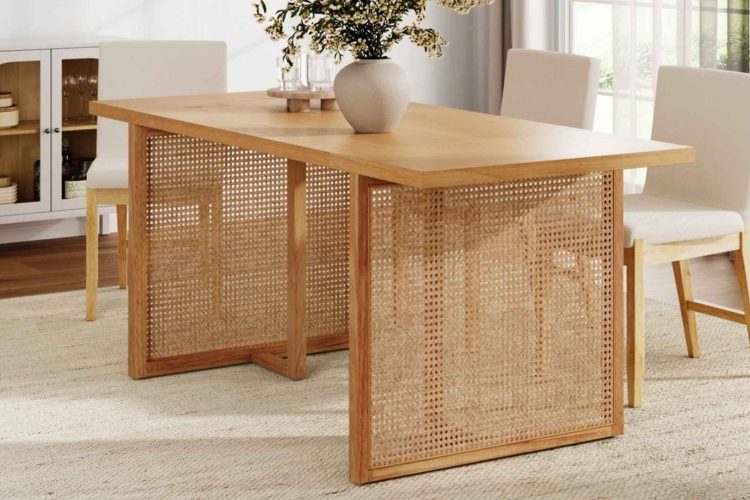
Vietnam is a leading sourcing destination for rattan tables, supported by abundant natural resources, a long-standing tradition of handicraft production, and a well-developed manufacturing base. However, for many buyers, the import process can still feel complex, especially when navigating supplier verification, compliance requirements, and international logistics.
In this article, we break down the critical steps B2B buyers need to manage supplier selection, product standards, and shipping logistics when importing rattan tables from Vietnam, helping you source with greater confidence and control.
Overview of Vietnam’s export of rattan, bamboo, sedge, and carpet products
Vietnam’s handicraft sector is a key pillar of the country’s export strategy. According to the Ministry of Agriculture and Environment, Vietnam ranks among the world’s top five exporters of rattan and bamboo handicraft products, capturing an estimated 10-15% of the global market share in this category.
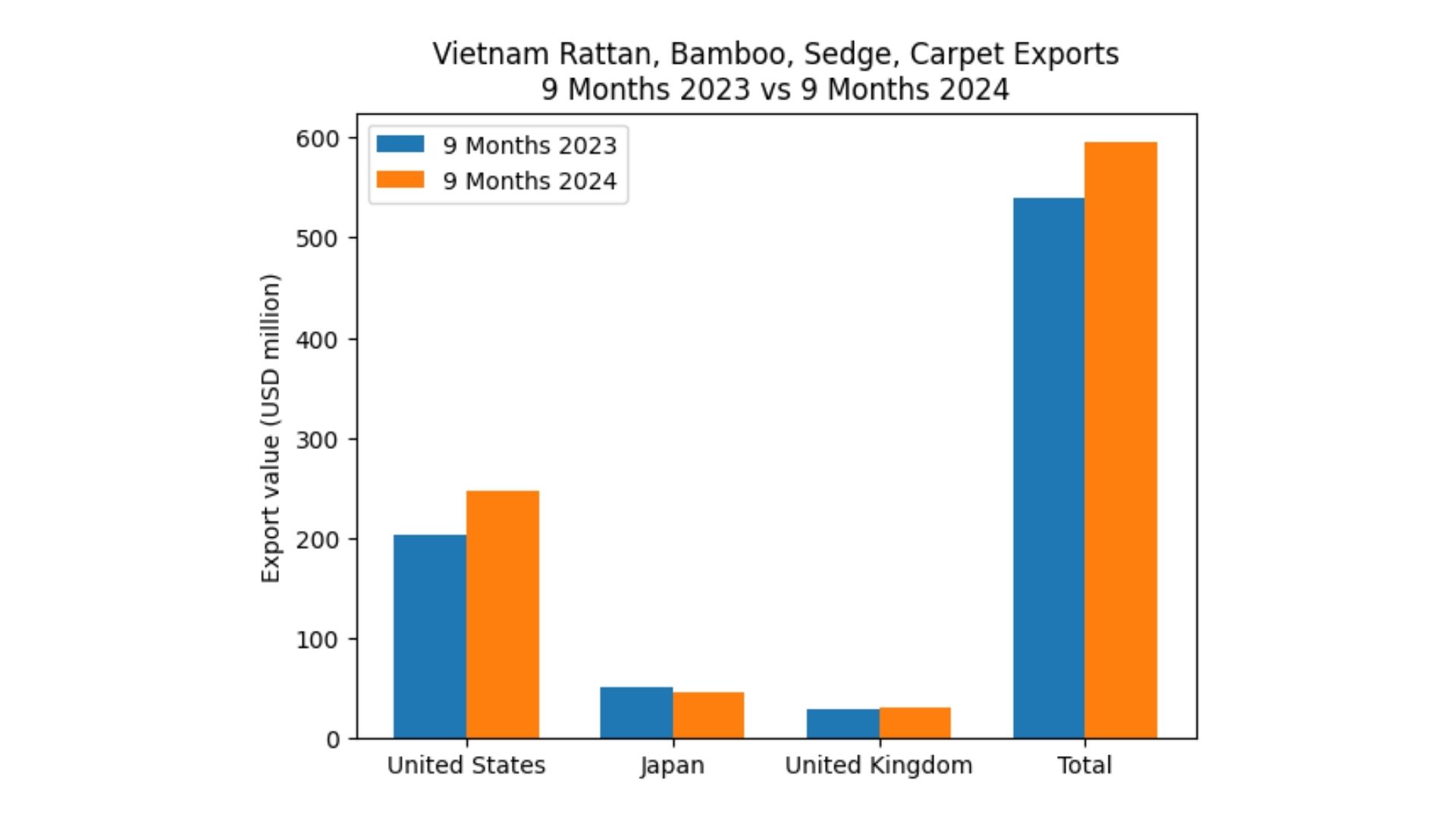
In the first nine months of 2024, Vietnam’s exports of rattan, bamboo, sedge, and carpet products reached USD 594.8 million, representing a 10.3% year-on-year increase compared to 2023.
The United States remained the largest export destination, accounting for approximately 41.6% of total export value, followed by Japan with USD 45.4 million and the United Kingdom with USD 31.6 million in imports.
The sustained growth of Vietnamese handicraft exports to demanding markets such as the U.S. and the U.K. reflects Vietnam’s strong manufacturing capabilities, consistent product quality, and proven experience in meeting strict international quality and compliance standards.
Why import rattan tables from Vietnam
-
Strong craftsmanship and design
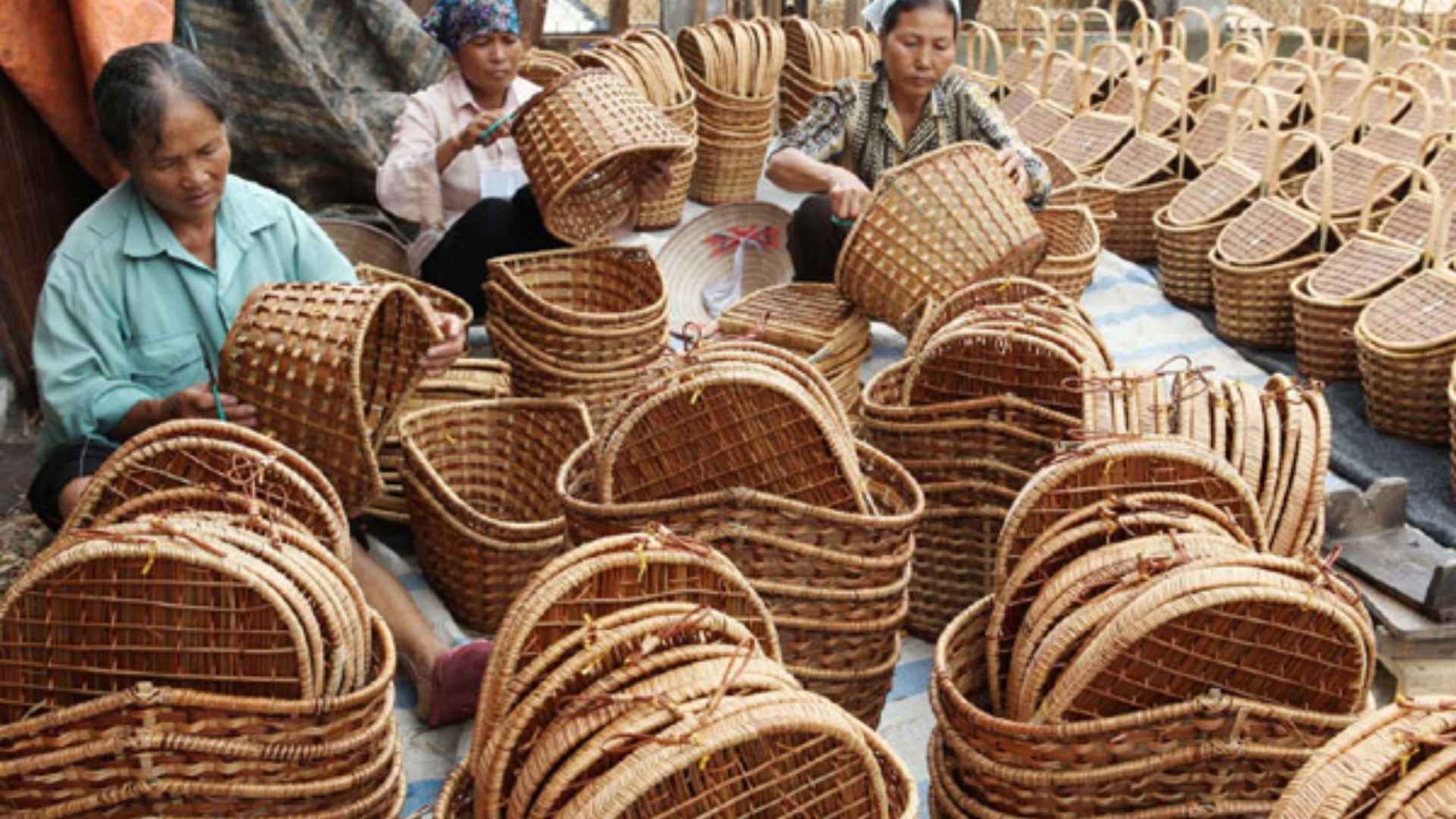
Rattan weaving in Vietnam is a multi-generational craft with some villages, such as Phu Vinh (Hanoi), boasting histories of over 400 years. This deep-rooted expertise allows artisans to produce a wide range of styles from traditional to modern, which supports diverse catalog needs.
Vietnam is currently home to more than 1,000 bamboo and rattan craft villages, which account for approximately 24% of all handicraft villages nationwide. This extensive artisan ecosystem ensures both design diversity and stable production capacity.
In addition, approximately 342,000 workers are engaged in the rattan and bamboo production sector. This skilled and dedicated workforce is a cornerstone of Vietnam’s rattan furniture industry, allowing manufacturers to maintain consistent quality, scale production efficiently, and meet export demands.
-
Preferential tariffs
Vietnam is a member of major trade agreements such as the EVFTA (with the EU) and CPTPP, which allow many importers to benefit from 0% or significantly reduced import duties compared to the higher tariffs historically applied to Chinese furniture.
In addition, exports to regional markets such as Japan and South Korea benefit from the RCEP agreement, which further reduces trade barriers and simplifies customs procedures.
In 2025, the United States introduced country-specific tariffs on the top furniture exporters. Under current trade conditions, furniture products from Vietnam are generally subject to an approximate 20% tariff, while Chinese-origin furniture faces higher duties of around 30%, widening the cost advantage for Vietnam-based sourcing.
-
Material consistency
Vietnam benefits from a strong and well-established domestic raw material supply chain, allowing manufacturers to source rattan and bamboo locally rather than relying heavily on imported inputs.
Vietnam’s tropical climate is highly suitable for the cultivation of bamboo and rattan. The country has approximately 1.5 million hectares of bamboo and rattan forests, distributed across most provinces, with 37 out of 63 provinces each maintaining more than 10,000 hectares of bamboo and rattan resources.
This localized sourcing ensures consistent raw material availability, supports year-round production, and allows factories to maintain stable quality standards across large-volume orders.
How to import rattan tables from Vietnam
-
Identify the supplier
The first step in importing rattan tables is to identify reliable suppliers with proven export capabilities.
You should typically use three main channels. These include verified online B2B platforms, trade fairs, and direct factory referrals.
When assessing a supplier’s credibility, conduct a thorough evaluation of the following:
- Business registration certificate and export license to confirm legal operating status
- Export history, including key destination markets, years of operation, and experience with international buyers
- Factory capabilities, such as production capacity, quality control processes, and customization ability
- Certifications, including ISO 9001 and market-specific certifications required by your target market (e.g., BSCI, FSC, SGS, or compliance standards for the EU or U.S.)
-
Evaluate the table
After identifying potential suppliers, the next step is to request product samples. Samples allow you to assess the actual quality, craftsmanship, and materials rather than relying solely on photos.
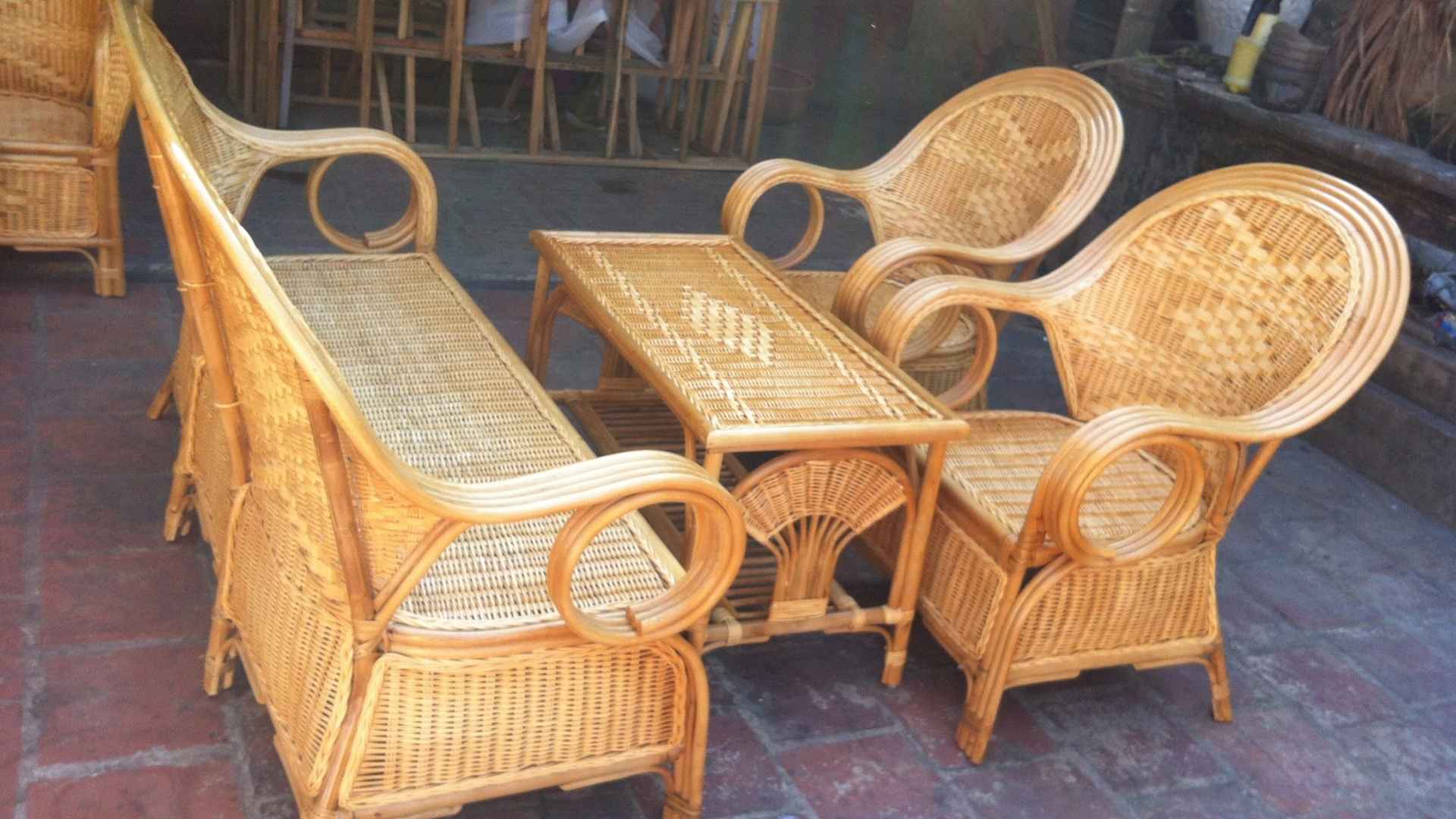
When reviewing a rattan table sample, pay close attention to the following key aspects:
- Weaving quality: Check weave density, uniformity, and tightness.
- Structure and stability: Examine joint strength, frame alignment, and overall sturdiness. The table should feel solid and balanced.
- Surface condition: Ensure the surface is smooth or visible defects.
- Finishing quality: Review the paint or coating for even color
- Design and dimensions: Confirm that the style, proportions, and measurements match your approved drawings or specifications.
-
Make a contract
Once the sample is approved and bulk production is ready to begin, you should sign a contract with the supplier.
A clear and detailed contract is essential to reduce legal and commercial risks when importing rattan tables. It should clearly define product specifications, pricing, order quantity, Incoterms, delivery timelines, and payment terms.
-
Quality control
To ensure consistent product quality, it is best to implement multiple inspection stages throughout the manufacturing process.
You should conduct an inspection when 20-30% of production is completed. At this stage, you can identify potential issues related to product consistency, dimensions, structure, and finishing, allowing time for corrective action.
A final inspection before shipment is essential, as it helps ensure that finishing quality, packaging, and labeling meet the approved standards.
You can hire independent third-party inspection agencies to carry out these checks on your behalf, providing objective quality verification and reducing the risk of receiving non-conforming products.
-
Custom duties, taxes & tariffs
Customs duties and taxes vary depending on the destination market and the HS code classification of the product. Rattan tables may fall under different HS codes based on their material composition, such as 100% rattan, rattan combined with wood, or rattan combined with metal. You should verify the correct HS code carefully, as misclassification can lead to delays, penalties, or unexpected duties.
In some markets, preferential tariffs may apply if the shipment qualifies under a free trade agreement (FTA), such as EVFTA, CPTPP, or RCEP, which can significantly reduce or eliminate import duties. In addition to customs duties, buyers should also account for Value Added Tax (VAT) or Goods and Services Tax (GST), depending on local regulations.
To ensure smooth customs clearance, it is essential to prepare a complete and accurate set of shipping documents, typically including a commercial invoice, packing list, bill of lading, and certificate of origin. Proper documentation helps minimize clearance delays and ensures compliance with import regulations.

-
Manage shipping
Choosing the right shipping method directly affects cost, transit time, and product condition.
Due to their size and volume, most rattan tables are shipped by sea freight, either as full container loads (FCL) for large orders or less-than-container loads (LCL) for smaller orders.
Air freight is rarely used, except for urgent samples or small, high-value orders, due to significantly higher costs.
You should work with freight forwarders experienced in furniture exports from Vietnam. An experienced forwarder can advise on the most suitable shipping routes, estimated transit times, container loading methods, and insurance options.
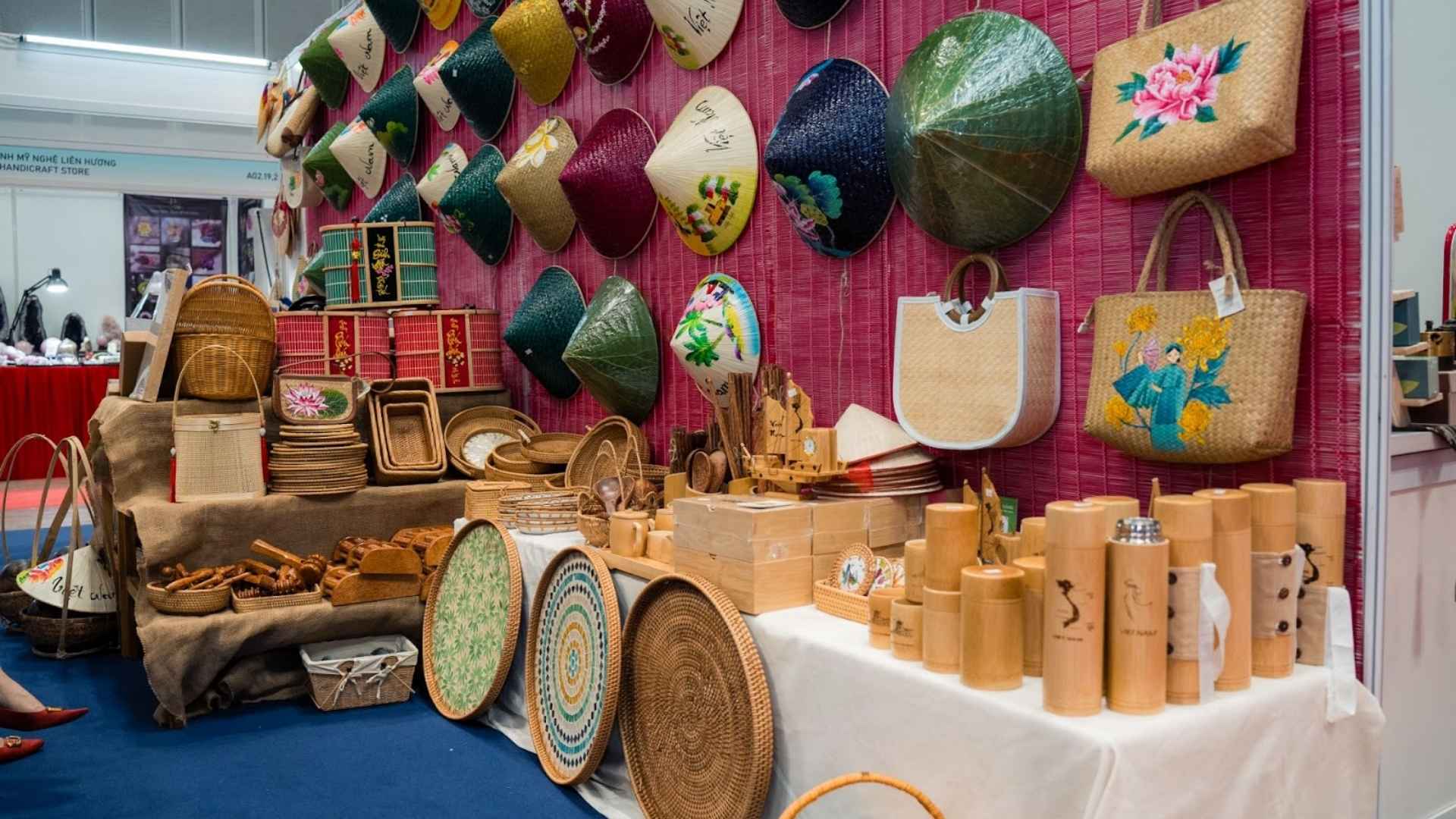
Top 3 Vietnam Trade Shows for Rattan Furniture Sourcing
For B2B buyers looking to import rattan tables from Vietnam, trade shows are the most effective way to vet suppliers, verify material quality, and negotiate pricing in person.
-
VIFA Expo
VIFA EXPO is the oldest and most prestigious export-focused furniture trade show in Vietnam. Established in 2008, it serves as a massive marketplace for living room furniture, garden furniture, handicraft products (rattan chairs, bamboo tables), home decor, and hardware.
This fair serves as a bridge to connect Vietnamese furniture manufacturers with global wholesalers and retailers.
In 2025, it typically attracted approximately 20,125 visitors per event, with over 7,500 foreign visitors from 80+ countries.
Its upcoming event in 2026:
- Date: March 8 – March 11, 2026.
- Venues: SKY EXPO, Trung My Tay Ward, Ho Chi Minh City, and WTC Expo, Binh Duong Ward, Ho Chi Minh City, Vietnam.
-
Vietnam Sourcing Expo
Vietnam Sourcing Expo is a major B2B sourcing trade fair held annually under the direction of the Vietnam Ministry of Industry and Trade.
It brings together a wide range of product categories, which may include home decor, furniture, handcrafted goods, and lifestyle products.
The fair typically hosts over 500 exhibitors across 700+ booths spanning 13,000 square meters, attracting around 10,000 trade visitors and more than 300 major international buyers each session.
Its upcoming event in 2026:
- Date: September 3 – 5, 2026.
- Venues: Saigon Exhibition and Convention Center (SECC), Ho Chi Minh City, Vietnam.
-
Spring Fair 2026
For buyers seeking high-end, artisanal rattan tables that showcase traditional weaving techniques, the Spring Fair stands out as a premier sourcing event. The fair features a large-scale exhibition space of over 100,000 square meters of indoor area, comprising 10 exhibition halls, each approximately 10,000 square meters, equivalent to around 3,000 standard booths, along with additional outdoor exhibition space.
Its upcoming event in 2026:
- Date: February 4 – 8, 2026.
- Venue: Vietnam Exhibition Center (VEC), Dong Anh, Ha Noi, Vietnam.
Popular B2B Platforms for Rattan Tables
Below are three widely used platforms that B2B buyers often evaluate when sourcing rattan tables and related furniture.
-
Global Sources
Global Sources is a long-established B2B sourcing platform headquartered in Asia. It focuses on connecting verified manufacturers with international buyers, especially from the United States and Europe.
The platform also integrates online sourcing with offline trade shows, which helps buyers cross-check suppliers before placing orders.
-
VinaSources
VinaSources is a Vietnam-focused B2B sourcing platform designed to connect international buyers directly with Vietnamese manufacturers.
The platform covers a wide range of product categories, including rattan tables, rattan chairs, bamboo furniture, and other handwoven products.
In addition to supplier listings, it emphasizes quality control, export documentation support, and logistics coordination.
This is particularly relevant for buyers who want to source rattan tables from Vietnam without managing multiple intermediaries.
-
Made-in-China
Made-in-China is one of the largest global B2B marketplaces by supplier volume. While the platform is known by Chinese manufacturers, it also lists suppliers from other Asian countries, including Vietnam.
For rattan tables, Made in China offers a wide range of price points and product styles. However, supplier verification levels vary, and buyers often need additional screening to confirm manufacturing origin and export capability.
| # | Platform | Pros | Cons |
| 1 | Global Sources |
|
|
| 2 | VinaSources |
|
|
| 3 | Made in China |
|
|
Direct Rattan Furniture Factories to Import From
-
May Tre Luc Binh Interior CO., LTD
May Tre Luc Binh Interior Co., Ltd is a specialized manufacturer established in 2009. The company focuses on the intersection of natural materials and functional design. With over 15 years of experience, they have built a reputation for high-quality weaving techniques using rattan, water hyacinth, and poly-rattan.
The company operates a diverse product catalog, including rattan tables, sofas, baskets, and poly-rattan outdoor furniture. They serve both domestic and international markets, with primary exports going to the USA, Japan, and South Korea.
- Address: 253 Bach Dang, Ward 15, Binh Thanh District, Ho Chi Minh City, Vietnam.
- Website: www.maytrelucbinh.com
- Email: [email protected]
-
Vietnam Handicraft Company Limited
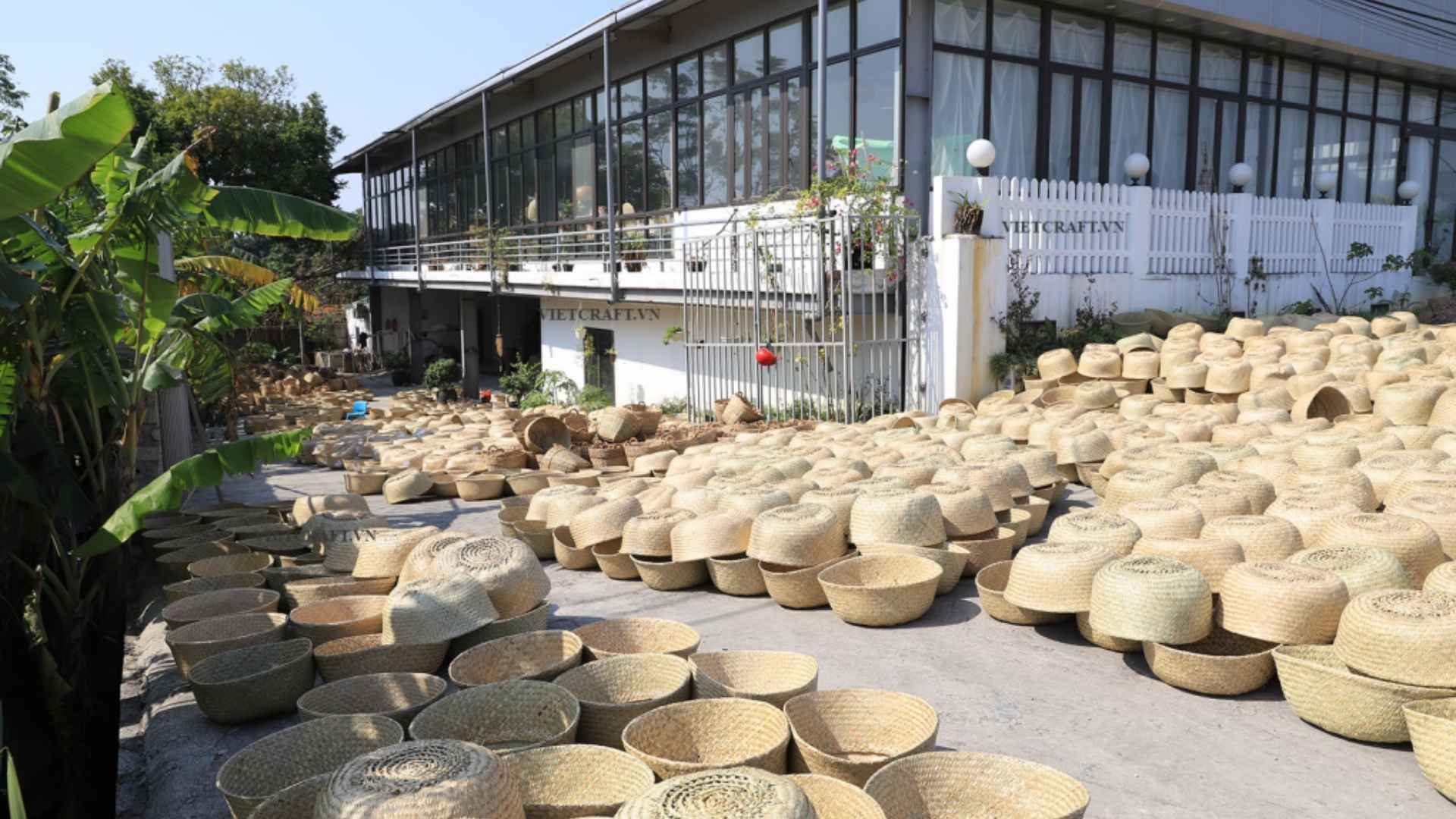
Vietnam Handicraft Company Limited (VIETCRAFT) was founded in 2010. It has grown into a leading manufacturer and trading entity in the handicraft sector.
Their core product categories include woven bamboo and rattan tables, lacquerware, baskets, and home decor items. VIETCRAFT has a significant global footprint, exporting primarily to the EU and North America.
- Head Office: No. 2, 194 Nguyen Trai Street, Thanh Xuan District, Hanoi, Vietnam.
- Website: www.vietcraft.vn
- Email: [email protected]
-
Huhipro Company Limited
Huhipro Company Limited is a modern factory that directly manufactures sustainable bamboo and wooden products. While younger than some competitors, they have rapidly scaled their operations to meet the global demand for eco-friendly furniture.
Huhipro specializes in bamboo furniture (including interior decoration and kitchen utensils), wooden housewares, and rattan handicrafts. They have a strong focus on sustainability, with products certified by SGS, TUV, ISO 9001, and BSCI. Their primary export markets are the USA and the EU.
- Address: Group 9, Tre Hamlet, Quang Minh Town, Me Linh District, Hanoi, Vietnam.
- Website: www.huhipro.com
- Email: [email protected]
What are the typical MOQs for rattan tables?
The Minimum Order Quantity (MOQ) for rattan tables varies depending on the manufacturer’s production scale, table size, and design complexity.
For standard rattan side tables or coffee tables, typical MOQs usually range from 50-100 pieces per item or per design.
What is the lead time for rattan tables?
For established designs with minimal customization, typical production lead times range from 30-45 days after sample approval and deposit confirmation.
For customized designs, large-volume orders, or during high-demand periods, lead times often extend to 45-60 days.
What is the typical cost for rattan tables?
Small Side Tables: Prices typically range from USD 15-35 per unit.
Standard Coffee Tables: Mid-range designs with natural or bleached rattan usually cost between USD 45-85.
Large Dining Tables: Premium tables or those with mixed materials (e.g., iron legs or mother-of-pearl inlays) can range from USD 120-250.
VinaSources – Your Trusted Partner for Sourcing Rattan Tables from Vietnam
VinaSources is a B2B sourcing platform designed to help global buyers connect with verified manufacturers and exporters in Vietnam’s rattan furniture industry.
With over 12 years of experience in cross-border e-commerce, we have built a strong network of export-ready suppliers specializing in rattan tables and related furniture products. Each listed manufacturer is carefully evaluated based on legal documentation, production capacity, quality control systems, and proven export performance to international markets.
Through VinaSources, buyers can:
- Access a curated network of Vietnam-based rattan table manufacturers
- Compare suppliers by product range, MOQ, pricing structure, and production capability
- Communicate directly with factories to clarify specifications, customization options, and lead times
- Receive practical sourcing guidance aligned with international trade practices and compliance requirements
Whether you are placing a trial order or building a long-term supply program, VinaSources supports your sourcing journey by connecting you with transparent, reliable, and export-ready suppliers.
Start your rattan table sourcing project today. Contact us via phone: 1900 4356 or email: [email protected] to receive dedicated sourcing support from our team.