
What exactly makes Vietnamese rattan furniture competitive in international markets, and how can buyers navigate the import process effectively?
With over 12 years of cross-border sourcing experience, VinaSources provides essential insights into the opportunities and practical steps involved in importing rattan furniture from Vietnam. This guide helps B2B buyers better understand supplier selection, product standards, and logistics considerations, so you can source rattan tables and chairs with confidence and control.
Overview of Vietnam’s Handwoven Product Exports
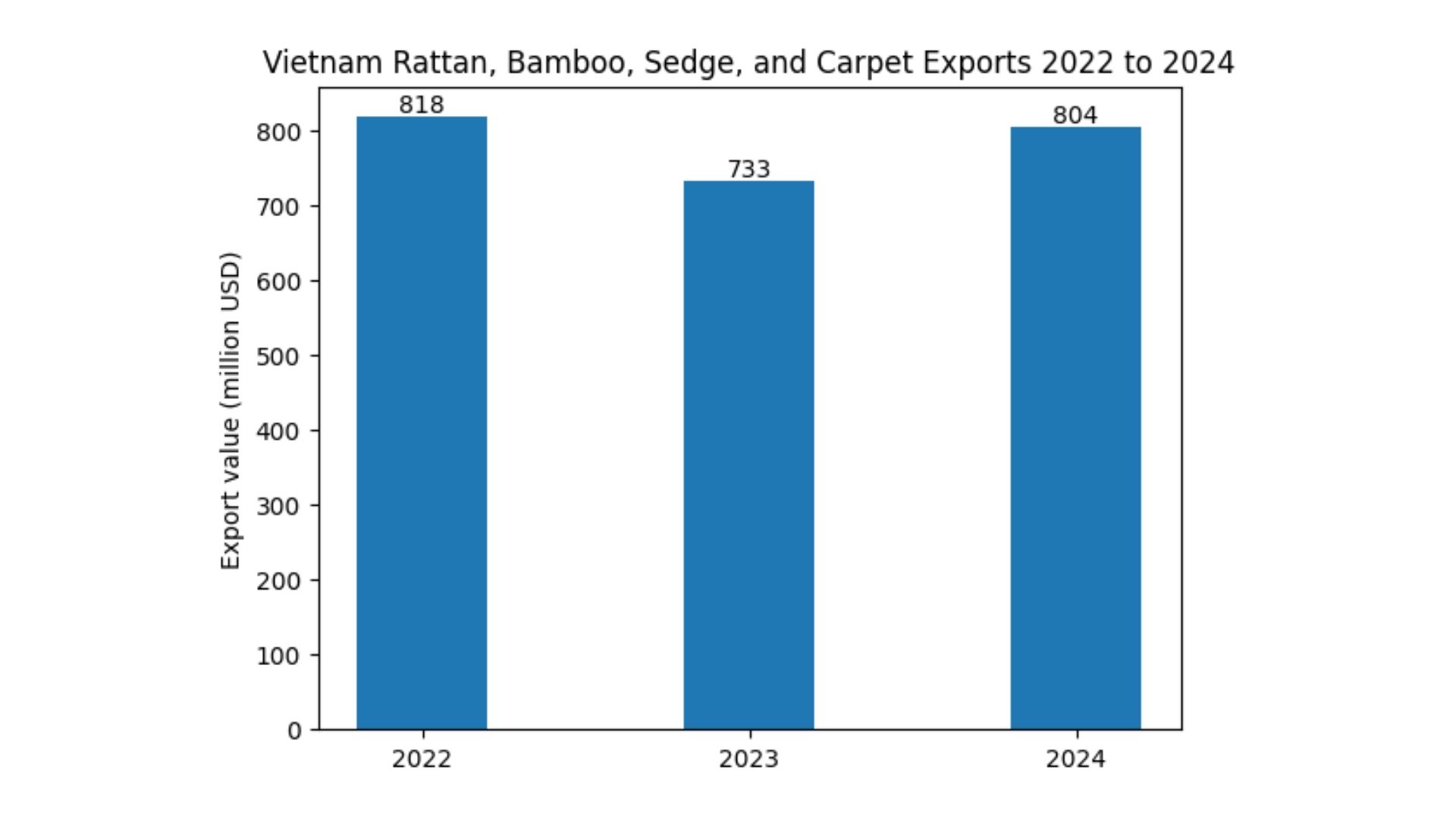
Vietnam has established itself as a global powerhouse in the production and export of handwoven products, particularly items made from natural fibers such as rattan, bamboo, and sedge, as well as woven carpets.
By the end of August 2025, Vietnam’s exports of rattan, bamboo, sedge, and carpet products reached USD 574 million, representing a 5.4% year-on-year increase. Key export markets include the United States, Japan, Europe, and India, with the United States remaining the largest destination, accounting for 46.3% of the total export turnover for this product group.
According to the Vietnam Handicraft Export Association, the sector has recorded an average annual export growth rate of 29.5%. This strong performance is driven by abundant raw materials, skilled craftsmanship, and a well-developed export ecosystem that supports large-scale, consistent export operations.
Why import rattan chairs from Vietnam
-
Strong craftsmanship in handoven products
Vietnam has a deeply rooted tradition in handwoven crafts, forming the backbone of its rattan furniture industry. Nationwide, there are over 5,400 craft villages, including traditional artisan communities passed down through generations. Among them, approximately 1,000 villages specialize in bamboo and rattan weaving, accounting for around 24% of all handicraft villages in the country.
Hanoi alone hosts the largest concentration, with about 1,350 craft villages. Notably, Phu Vinh Village (Chuong My District) is widely recognized as the “capital” of bamboo and rattan weaving in Vietnam, with a history spanning over 400 years.
This strong craftsmanship foundation enables Vietnamese manufacturers to deliver rattan furniture that combines traditional artistry with modern design requirements, meeting the expectations of international B2B buyers.
-
Cost-effectiveness
Importing from Vietnam remains highly competitive compared to other manufacturing hubs. Average unit prices for rattan side tables (FOB) often range from USD 15-35, while more complex dining tables or sets range from USD 120-400.
Furthermore, according to statistics from the Vietnam Handicraft Exporters Association (VIETCRAFT), every USD 1 million of exported handicrafts can bring in 5-10 times more profit than other export items due to their added artistic value and lower overhead in specialized craft zones.
-
Strong export infrastructure
Vietnam’s infrastructure is built for high-volume export. With over 3,200 km of coastline, the country features a sophisticated network of deepwater ports including Hai Phong (North), Da Nang (Central), and Cat Lai/Ba Ria-Vung Tau (South).
In 2024, Vietnam handled approximately 864.4 million tonnes of cargo, representing a 14% year-on-year increase, reflecting strong trade growth and improved port efficiency. Notably, Cai Mep-Thi Vai has been ranked among the Global Top 7 container ports for performance by the World Bank and S&P Global, highlighting Vietnam’s growing role as a reliable global export hub.
How to import rattan chairs from Vietnam
-
Find a good supplier
The first step is identifying a manufacturer that aligns with your volume requirements, quality standards, and target market expectations.
Vietnam’s rattan industry is concentrated in major production hubs such as Ho Chi Minh City, Binh Duong, and Dong Nai, alongside well-known traditional craft villages that specialize in handwoven rattan furniture.
To find reliable rattan chair suppliers, buyers can leverage several effective sourcing channels, including established B2B sourcing platforms, direct factory outreach, and international trade shows.
Key criteria to evaluate suppliers
- Export capability: Confirm that the factory has experience exporting rattan furniture to regulated markets such as the US, EU, Japan, or Australia. Prior export experience usually indicates familiarity with packaging standards, fumigation rules, and shipping documentation.
- Business legitimacy: Request business registration certificates, tax codes, and export licenses issued in Vietnam.
- Production capacity: Ask for monthly output data for rattan chairs and check whether production is in-house or subcontracted.
- Certifications: Prioritize suppliers with FSC (Forest Stewardship Council) certification for sustainable wood/rattan components and ISO standards for production processes.
-
Place a sample order
After narrowing your shortlist to one or two potential partners, the next step is placing a sample order.
When reviewing the quality of rattan chairs, focus on the following key aspects:
- Quality Evaluation: Check for consistency in weaving, the smoothness of the finish, and the structural integrity of the frame (often powder-coated metal or solid wood).
- Design Customization: Confirm whether the supplier meets your design requirements, including dimensions, color, weaving patterns, load capacity, and branding or private-label options.
- Standards Testing: Ensure the sample complies with local safety and regulatory standards in your target market.
- Packaging method: Evaluate whether the packaging adequately protects the product against moisture, impact, and deformation during long-distance transportation.
Suppliers typically charge for sample production and international courier fees. Before placing the order, clarify the total sample cost, shipping method, delivery time, and any additional charges.
In many cases, sample fees may be partially or fully refunded after a confirmed bulk order, so it is advisable to negotiate these terms in advance.
-
Negotiate terms
A clear and detailed contract is essential to reduce both legal and commercial risks when importing rattan chairs. The contract should precisely define all agreed-upon terms to avoid disputes during production, shipment, or payment.
At a minimum, the contract should clearly specify:
- Product specifications: materials, weaving style, finish, color, dimensions, tolerance levels, and approved samples
- Unit price and total order value, including currency and any additional costs
- Order quantity and MOQs
- Delivery and production timeline, including penalties for delays if applicable
- Payment terms, such as deposit ratio, balance payment timing, and accepted methods (T/T, L/C, etc.)
- Packaging and labeling requirements for export and retail compliance
- Dispute resolution and governing law, to clarify how conflicts will be handled
A well-structured contract helps prevent misunderstandings, protects both parties, and ensures smoother execution from production to final delivery.
-
Handle custom clearances
Customs clearance is a critical phase where documentation errors can cause delays, additional costs, or even cargo holds.
For most markets, importing rattan chairs from Vietnam requires: Commercial invoice, packing list, Bill of lading, Certificate of origin (if applicable under trade agreements).
Some countries may also require fumigation certificates or phytosanitary declarations due to the natural rattan material.
-
Manage shipping & logistics
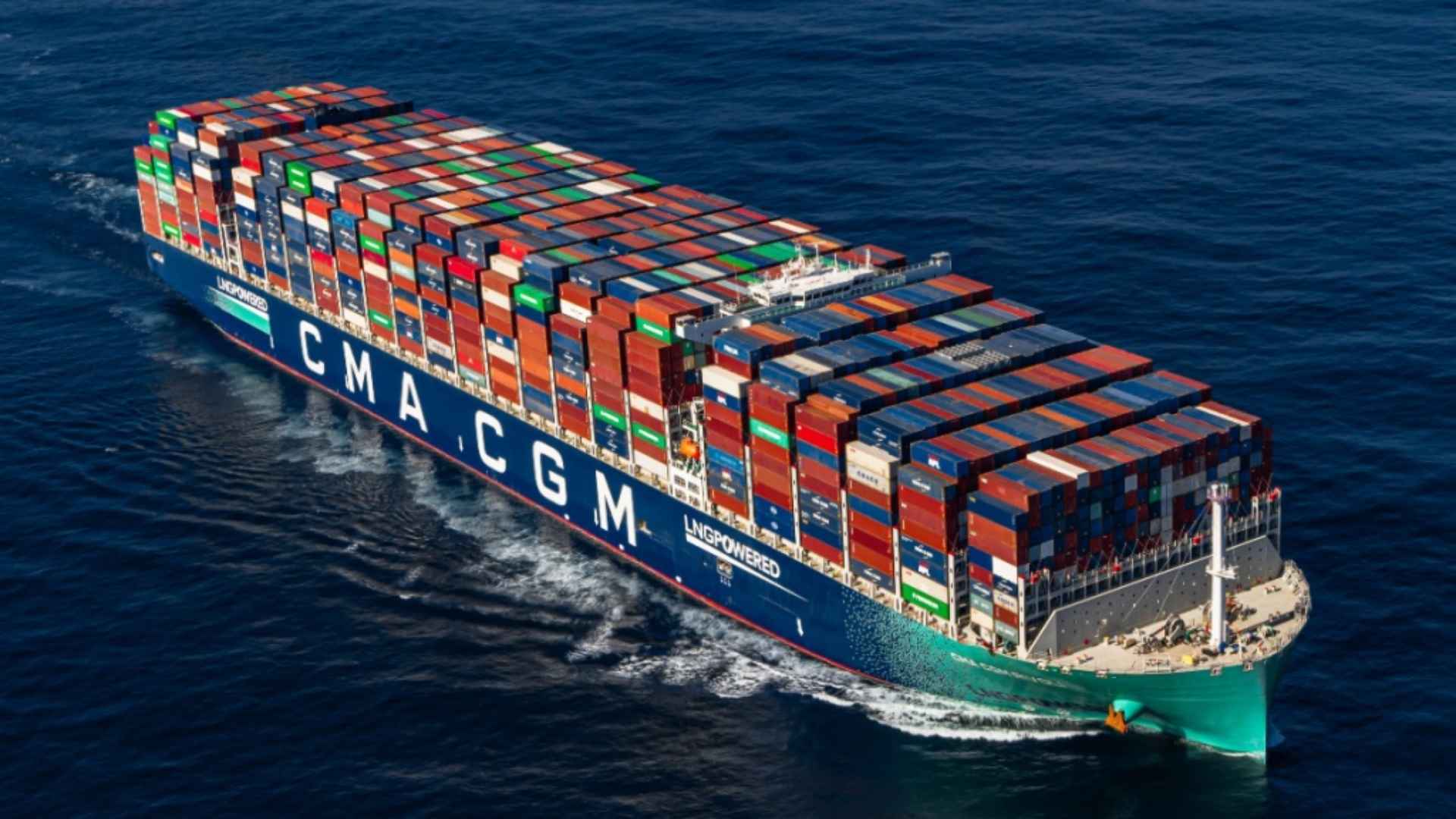
There are 2 common shipping methods: sea freight and air freight.
- Sea freight is the most common option for rattan chairs due to volume and cost efficiency. Transit times typically range from 4 to 6 weeks, depending on the destination. You can choose between FCL (Full Container Load) for large orders or LCL (Less than Container Load) for smaller volumes.
- Air freight may be used for samples or urgent small shipments, but it is rarely economical for bulk furniture. Transit times typically range from 3 to 10 days from Vietnam to most major international destinations such as the US, UK, and Australia.
In addition to choosing the transport method, buyers must agree with Incoterms (e.g, CIF, FOB, and EXW) to define responsibility for shipping, insurance, and customs.
Where to find reliable rattan chair suppliers?
| Method | Benefits | Drawbacks | Example |
| Sourcing agents |
|
|
Cosmo Sourcing, Seditex, Dragon Sourcing |
| Online B2B marketplace |
|
|
Alibaba, VinaSources, Global Sources |
| Trade shows |
|
|
Hanoi Furniture Fair, HawaExpo, Lifestyle Vietnam |
Duties and compliance considerations
Import duties vary depending on several regulatory and commercial factors. Buyers should review these elements early in the sourcing process to avoid delays, fines, or unexpected landed costs.
-
HS code classification
For 2025, ensure your items are classified correctly to avoid fines. Rattan furniture is commonly classified under HS code 9403.83 (furniture of rattan), or under other codes within the 9401 or 9403 headings, depending on the product’s structure, function, and materials.
-
Destination country regulations
Each importing country applies its own customs regulations, product standards, and inspection requirements. These may include furniture safety standards, chemical substance restrictions, and phytosanitary or fumigation rules for products made from natural plant materials.
For example, shipments to the United States must comply with the Lacey Act, while many markets require a Phytosanitary Certificate and Fumigation Certificate to confirm that the goods are free from pests and meet biosecurity requirements.
-
Applicable free trade agreements
Vietnam participates in multiple free trade agreements that may reduce or eliminate import duties if rules of origin are met. To benefit from preferential tariffs, buyers must ensure:
- The product qualifies under the agreement’s origin rules
- A valid certificate of origin is issued
- Supporting documents are consistent with the declared HS code and value
In addition to duties, buyers should account for VAT, GST, port handling fees, and customs brokerage charges.
Working with an experienced customs broker helps minimize clearance risks and unexpected costs.

What are the typical MOQs for rattan chairs?
The Minimum Order Quantity (MOQ) for rattan chairs in Vietnam varies depending on the manufacturer’s business model and the complexity of the design.
Most export-focused factories set an MOQ of 50-100 pieces per design.
In many cases, MOQs are negotiable, especially when buyers place orders across multiple designs, combine color variations, or commit to repeat purchases.
So that you should always confirm MOQ terms with the supplier before finalizing the order to avoid misunderstandings related to pricing or production planning.
What is the lead time for rattan chairs?
Production lead times for rattan chairs are not fixed. They vary depending on seasonal demand, material harvesting cycles, and the complexity of the weaving patterns.
For established designs made with standard materials, the typical production lead time ranges from 30-45 days. During peak seasons, especially in the pre-holiday period, lead times may extend to 50-90 days as factories operate at full capacity and order volumes increase.
What is the typical cost for rattan chairs?
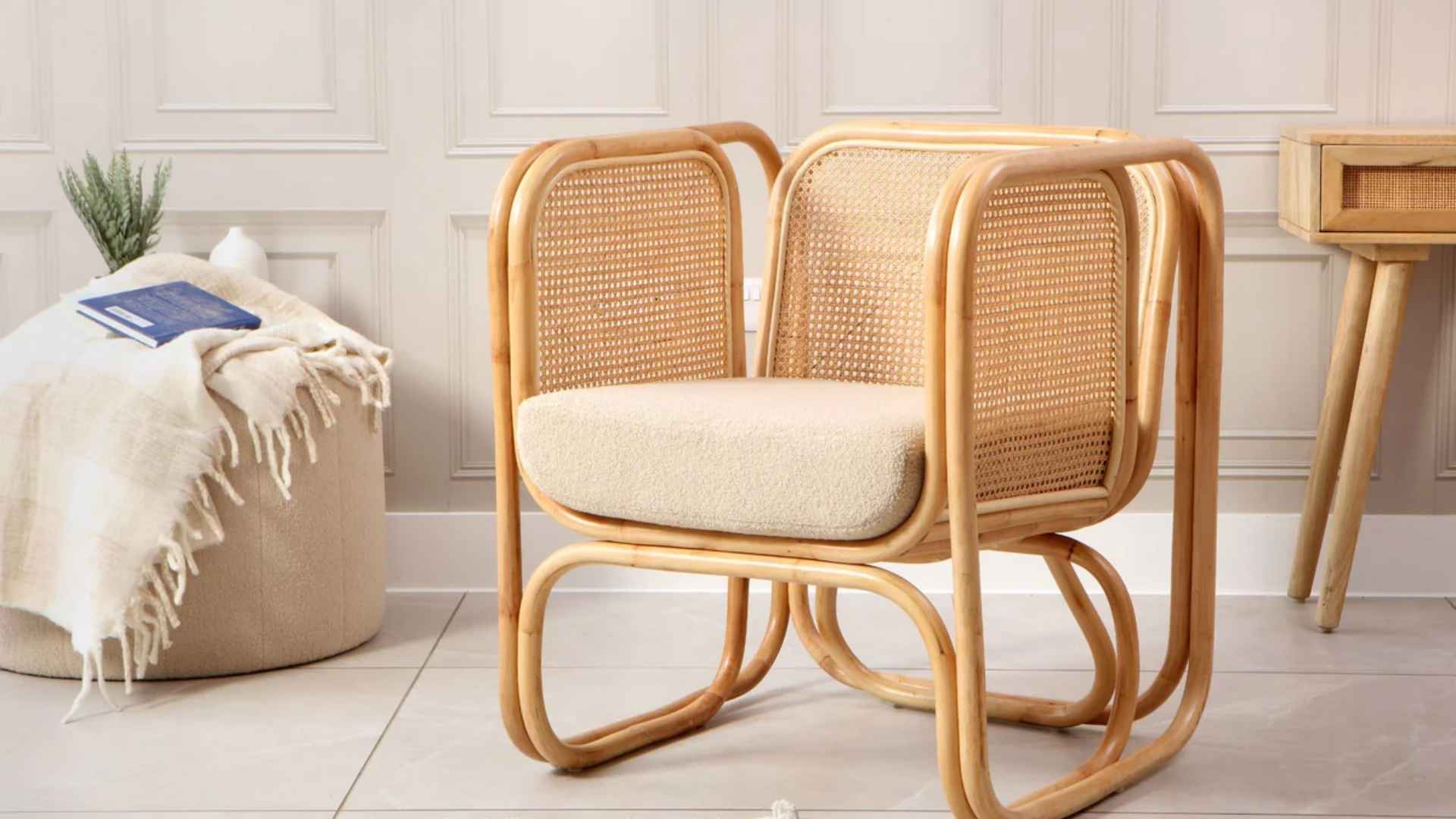
The cost of importing rattan chairs from Vietnam is influenced by the grade of the rattan (natural vs. synthetic PE wicker), the frame material (solid wood vs. powder-coated aluminum), and the intricacy of the handiwork.
- Simple, vintage-style rattan chairs or those utilizing rubberwood frames with rattan webbing can cost between USD 22-35 per unit for bulk orders.
- Standard dining or accent chairs with reinforced frames and high-quality natural finishes typically range from USD 30-40 per unit.
- High-end lounge chairs, swing chairs can exceed USD 80-120 per unit.
These numbers are listing prices, not final landed cost. Your land cost will also include packaging, inland trucking in Vietnam, sea freight, import duties, and local taxes.
Partner with VinaSources for efficient sourcing of rattan chairs
For global buyers planning to import rattan chairs from Vietnam, the main challenge is verifying manufacturer credibility and export capability. Partnering with the right sourcing platform can help you reduce these risks at an early stage.
VinaSources is a B2B sourcing platform that connects global buyers with verified manufacturers in Vietnam. The platform focuses on export-oriented suppliers in furniture, home decor, and handicraft categories, including rattan tables and rattan chairs.
VinaSources prioritizes supplier quality over quantity. Every supplier on the platform is thoroughly screened to ensure strong documentation, consistent production capacity, effective quality control, and export readiness.
To place a sample order or bulk order, you only need to browse available suppliers on the platform or submit your requirements through the quotation form. VinaSources then supports the connection process so buyers can move efficiently from supplier selection to order execution.
Ready to start sourcing rattan chairs from Vietnam?
Contact the VinaSources team to discuss your requirements and receive supplier recommendations tailored to your order volume and target market.
- Hotline: 1900.4356
- Email: [email protected]