
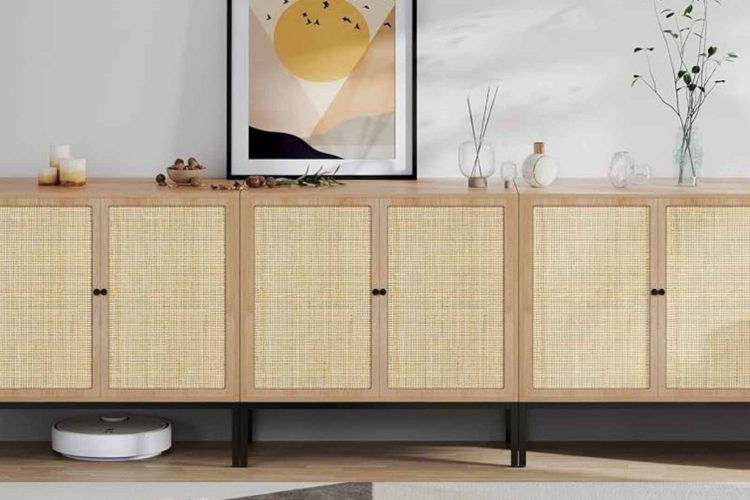
Rattan cabinets are seeing growing demand as global buyers shift toward natural design aesthetics and sustainable sourcing strategies. However, many importers face recurring challenges related to supplier reliability, quality consistency, and compliance with international regulations. Vietnam is now a competitive sourcing destination for rattan furniture due to high-quality products at a competitive price.
This article provides a clear, data-driven guide on how to import rattan cabinets from Vietnam with confidence. It explains sourcing options, cost considerations, and risk management steps to support informed sourcing decisions.
Overview of Vietnam’s bamboo and rattan products
Vietnam is one of Asia’s key suppliers of bamboo and rattan products for global home furniture and decor markets.
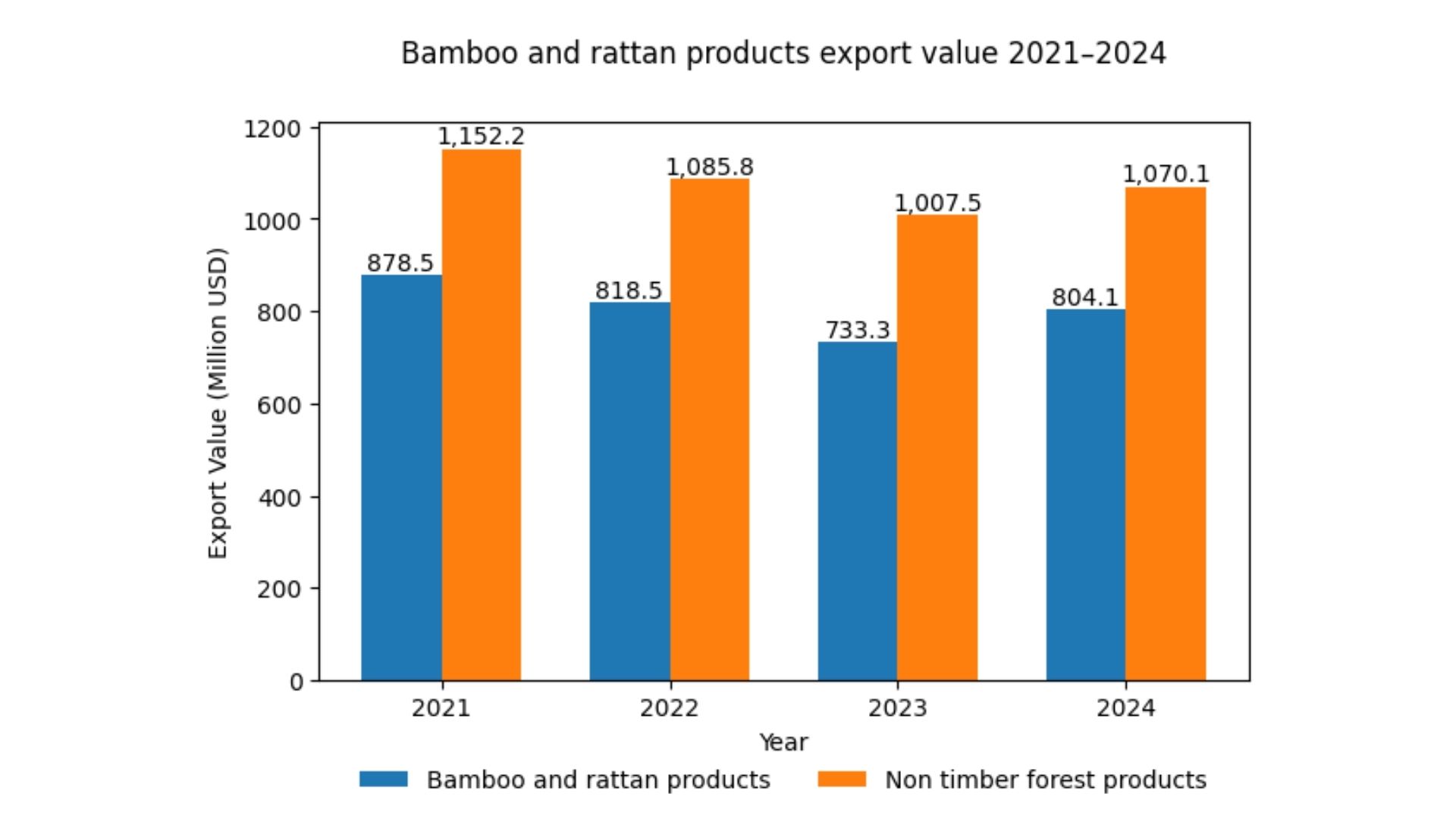
According to the Vietnam Forestry Administration (VNFOREST), forest product export value reached approximately USD 17.3 million in 2024. While timber and wood products generated the majority of this revenue, non-timber forest products, including bamboo and rattan, contributed an estimated USD 1.07 billion.
The industry demonstrates consistent resilience and growth. In the first eight months of 2025, export turnover for rattan, bamboo, and seagrass products reached USD 574 million. This represents a 5.4% increase compared to the same period in 2024.
The United States, Japan, Europe, and India remain the primary export markets. Among them, the U.S. is Vietnam’s largest buyer of handmade products, importing approximately USD 266 million worth of goods and accounting for 46.3% of total export turnover for this product group.
Why Choose Vietnam for Importing Rattan Cabinets
Selecting Vietnam as a sourcing destination for rattan cabinets is a strategic decision. It is driven by four key competitive advantages. These factors directly impact product quality, cost, and supply chain reliability.
-
Natural material availability
According to FAO forestry data, Vietnam is among Asia’s leading countries in bamboo and rattan cultivation. Currently, the total area of bamboo and rattan nationwide is nearly 1.4 million hectares (accounting for 10.5% of the national forest area). The country has abundant rattan resources from sustainable plantations, with key growing regions including Phu Yen, Khanh Hoa, Gia Lai, Dak Lak, Dong Nai, and Quang Nam. This strong local material supply helps reduce raw material costs and shortens initial sourcing lead times.
-
Heritage of craftsmanship
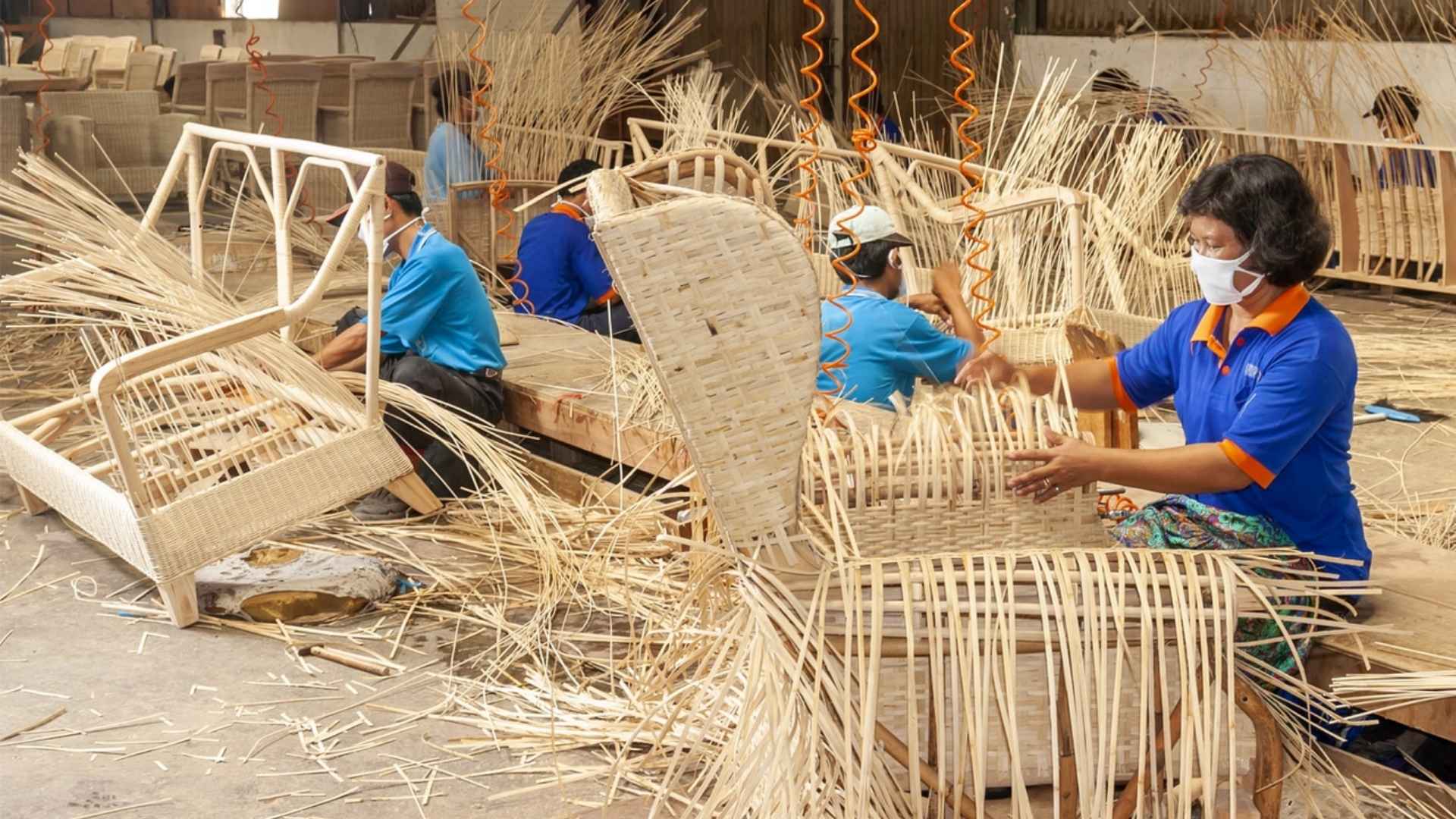
Traditional bamboo and rattan weaving is deeply rooted in Vietnam’s rural economy and cultural heritage. UNESCO highlights rattan and bamboo crafts as part of Vietnam’s intangible cultural heritage. These traditions are preserved through thousands of established craft villages across the country.
According to the Ministry of Agriculture and Rural Development, Vietnam has over 700,000 handicraft production facilities, employing approximately 1.4 million workers across sectors such as bamboo, rattan, wood, ceramics, and embroidery.
Many of these villages specialize in specific weaving and finishing techniques that have been passed down through generations. This long-standing specialization results in a skilled labor force capable of producing structurally complex and durable products. For B2B buyers, this results in fewer quality deviations and better product consistency.
-
Trade agreements
Vietnam’s network of free trade agreements plays a direct role in lowering import costs for rattan cabinets across many destination markets. These agreements reduce or eliminate import duties on qualifying goods, improving price competitiveness at the landed-cost level.
For example, the CPTPP has eliminated duties on 100% of wood furniture exports to Canada. Under the EVFTA, nearly all tariffs on Vietnamese handicrafts have been phased out. Together, these frameworks reduce total landed costs for buyers, making Vietnam a more cost-efficient sourcing option than countries without comparable trade advantages.
How to Import Rattan Cabinets from Vietnam?
-
Identify supplier
The first step is to identify a supplier with proven experience in exporting rattan furniture. Reliable manufacturers typically have a long operating history, consistent export records, and positive feedback from international buyers.
Buyers should carefully review the factory profile, including product catalogs, key export markets served, production capacity, and compliance with material legality and chemical safety standards.
To verify supplier credibility, importers can conduct on-site factory audits or engage third-party inspection and verification agencies before placing bulk orders.
-
Evaluate sample
It is important to place a sample order before confirming any bulk order when you import rattan cabinets from Vietnam. The sample represents the supplier’s actual production capability and provides a reference for quality expectations during mass production.
At this stage, you should assess weave consistency, moisture control, frame strength, and surface finish.
Samples are usually charged, especially for customized designs. You should discuss the sample price, sample lead time, and shipping method in advance.
If you identify any defects or require design adjustments, provide clear and detailed feedback to the supplier. Once revisions are agreed upon, the final approved sample should be confirmed as the reference standard for bulk production to reduce quality disputes later.
-
Negotiate terms
Clear and comprehensive contract negotiation protects both buyers and suppliers.
Key terms to formalize include the following.
- Product specification: Clearly define dimensions, materials, weaving patterns, frame structure, surface finish, color tolerance, and moisture requirements.
- MOQs, lead time: Typical minimum order quantities for rattan cabinets usually range from 50-200 units per model, depending on design complexity and factory scale. Standard production lead time commonly ranges from 45-60 days.
- Packaging and labeling: Packaging requirements should specify carbon strength, internal protection, and moisture control measures such as desiccants. If required by the destination market or buyer, labeling details should include product name, item code, country of origin, and handling instructions.
- Incoterms: Most B2B buyers prefer FOB (Free on Board) terms at major ports like Cat Lai (Ho Chi Minh City) or Hai Phong. This allows the buyer to control the ocean freight costs.
- Pricing terms: Define unit price, total order value, currency, and payment method.
- Dispute resolution and governing law: Specify the governing law and dispute resolution procedures, including arbitration rules or competent court jurisdiction.
-
Custom duties, taxes & tariffs
Customs duties for rattan cabinets depend on three main factors. These are the destination market, the HS classification of the product, and whether a free trade agreement applies.
For countries that have free trade agreements with Vietnam, import tariffs can be reduced or eliminated if the product meets the rules of origin requirements. For example, under EVFTA, many furniture and handicraft products from Vietnam can enter the European Union at 0 or reduced duty rates.
Beyond import duties, you should calculate additional landed costs. These typically include Value Added Tax or Goods and Services Tax in the destination country. You should also account for customs clearance fees, port handling charges, inspection costs, and any local delivery fees. These costs vary by country and port, so they should be confirmed with a licensed customs broker or freight forwarder in advance.
To pass customs clearance smoothly, you must prepare a complete and accurate set of trade documents. These documents include:
- Commercial invoice
- Packing list
- Bill of lading
- Certificate of origin
- Phytosanitary Certificate
Preparing these documents correctly reduces clearance time and helps control total import costs when you import rattan cabinets from Vietnam.
-
Manage shipping & logistics
Rattan is a natural material that is sensitive to humidity and temperature changes. Proper packaging and moisture control are essential to reduce the risk of mold, odor, and deformation during transit.
Export cartons for rattan cabinets usually include inner plastic wrapping, corner protection, and desiccants placed inside cartons and containers.
There are two common shipping methods used when you import rattan cabinets from Vietnam.
- Sea freight: Sea freight is the most common option for rattan cabinets due to lower cost and suitability for bulky furniture. Transit time usually ranges from 25-40 days, depending on destination, port congestion, and transshipment routes.
- Air freight: Air freight is rarely used for full-size rattan cabinets due to high cost, but it may be suitable for samples or urgent small-volume orders. Transit time is usually 3-7 days. While air freight reduces exposure to humidity, it significantly increases logistics costs and is not practical for regular commercial shipments.
To manage shipping risk effectively, you should work with experienced freight forwarders, confirm packaging specifications before shipment, and consider cargo insurance to cover potential damage during transit.
Where to Find Rattan Cabinets Suppliers?
-
Trade shows
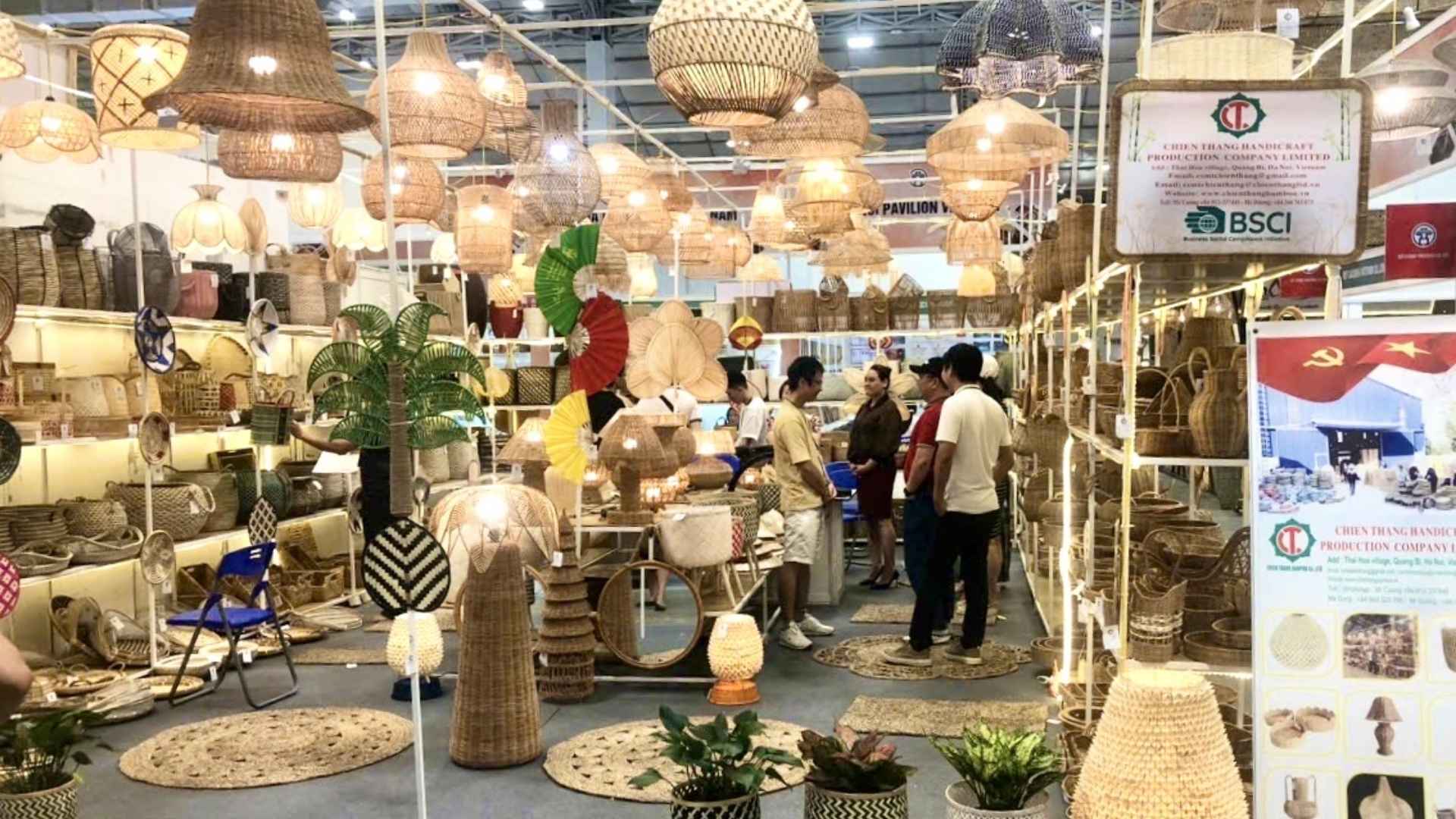
Trade fairs remain one of the most reliable ways to assess rattan cabinet suppliers in person. You can inspect samples, evaluate workmanship, and discuss customization and MOQ directly.
Below are three major trade shows in Vietnam that are relevant for sourcing rattan cabinets.
Hanoi Giftshow
Hanoi Giftshow is Vietnam’s leading trade fair for handicrafts and gift products, with a strong focus on rattan, bamboo, ceramics, and home décor. In 2024, the event hosted more than 400 exhibitors from both domestic and international businesses and attracted approximately 20,000 visitors, including global buyers, retailers, and sourcing professionals.
VIFA ASEAN
VIFA ASEAN is a major furniture and home décor exhibition held annually in Ho Chi Minh City. The event showcases a wide range of indoor and outdoor furniture products, including rattan cabinets and other natural-material furnishings.
In 2026, the fair is expected to host approximately 350 furniture exhibitors across 1,000 booths. VIFA ASEAN offers an excellent opportunity for global importers, contractors, retailers, and investors to connect directly with Vietnamese and ASEAN manufacturers, explore new collections, compare suppliers, and establish long-term sourcing partnerships.
Its upcoming event in 2026
- Time: September 02 – 05, 2026.
- Location: SECC, District 7, Ho Chi Minh City.
Lifestyle Vietnam
Lifestyle Vietnam is an export-oriented trade fair that highlights lifestyle products, handicrafts, and furniture made in Vietnam. First held in 2010, the event has become one of the country’s key platforms for showcasing Vietnamese design, craftsmanship, and manufacturing capabilities to international buyers.
In 2025, Lifestyle Vietnam took place from October 18-21 at the Sky Expo Vietnam Centre in Ho Chi Minh City, featuring approximately 1,600 booths and 600 exhibitors from Vietnam and more than 20 countries, including India and Pakistan. The show attracted global importers, retailers, designers, and sourcing professionals looking to explore the latest trends in home goods, décor, and handcrafted products.
You can find updated information about the 2026 event and participation details on the official website: https://lifestyle-vietnam.com/
-
Online B2B platforms
Online B2B sourcing platforms are a practical starting point when you plan to import rattan cabinets from Vietnam. These platforms help you identify suppliers, compare capabilities, and initiate contact before moving to factory verification or sample development.
Below are three commonly used platforms and why they are relevant for sourcing rattan cabinets.
Alibaba
Alibaba is the world’s largest global B2B marketplace, connecting buyers with manufacturers and exporters across multiple countries, including Vietnam. The platform is well-suited for buyers who want to quickly screen a wide range of suppliers, request multiple quotations, and compare pricing, MOQs, and lead times. However, supplier verification and quality control typically require additional due diligence from buyers.
VinaSources
VinaSources is a Vietnam-focused B2B sourcing platform that connects international buyers directly with verified Vietnamese manufacturers. The platform emphasizes export-ready suppliers and integrates quality control, logistics, and compliance support. VinaSources is suitable if you want to reduce sourcing risk and work with suppliers that already serve major markets such as the US and EU markets.
Made in China
Made-in-China is a large B2B sourcing platform originally focused on Chinese manufacturers, but it also features suppliers from Southeast Asia, including Vietnam. The platform allows buyers to compare product specifications and supplier capabilities across countries, making it useful for benchmarking prices and production options. However, the number of Vietnamese suppliers on the platform remains smaller than listings from China, which can limit supplier choice.
-
Direct factories
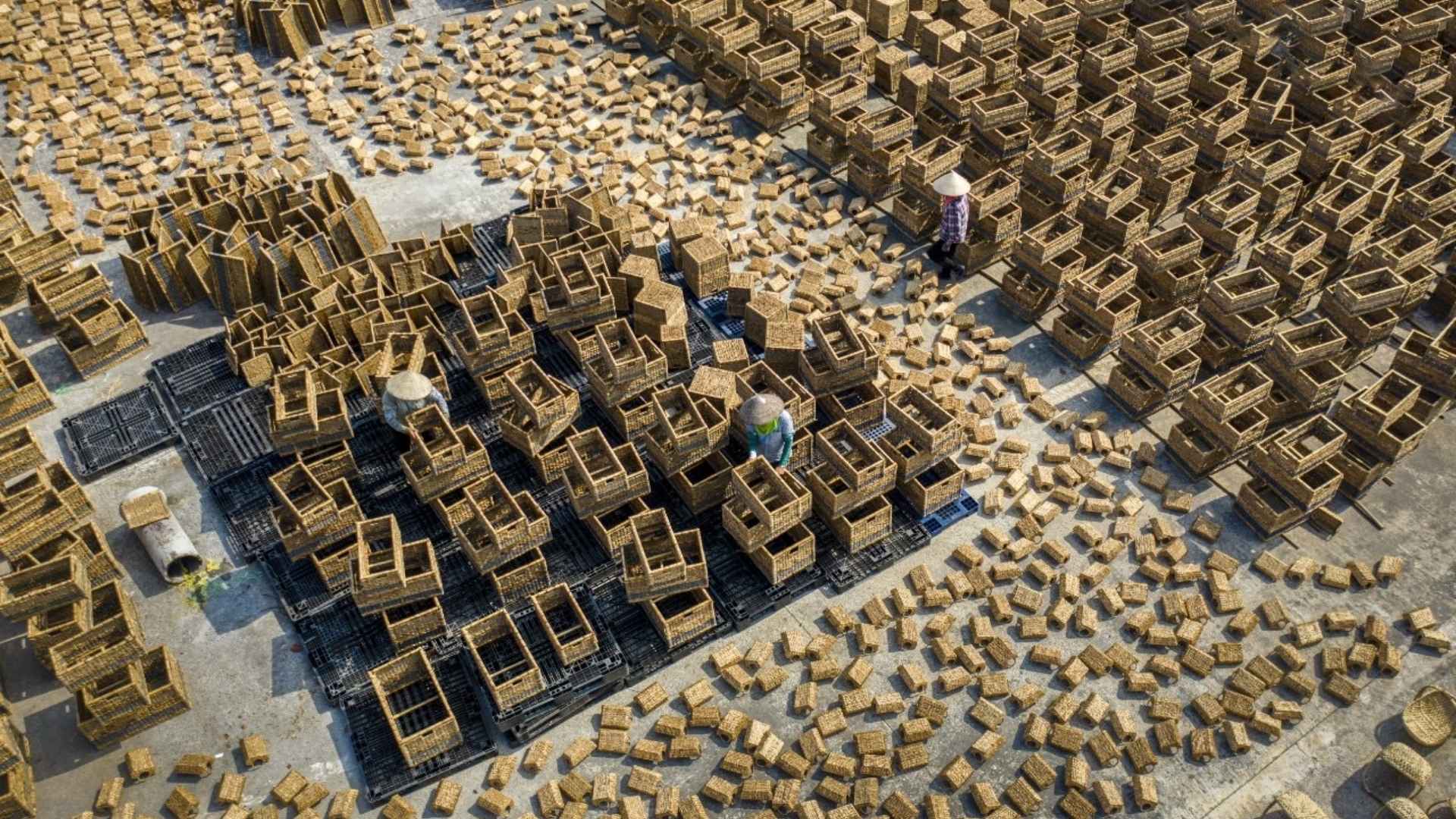
Collaborating directly with a factory often results in better pricing and more control over customization. Here are three leading manufacturers in the Vietnamese handicraft sector:
Ngoc Dong Ha Nam Handicraft Export Co., Ltd
Established in 2004, it is a well-established player in Vietnam’s handicraft export sector. The company specializes in home décor and furniture products made from rattan, bamboo, and seagrass. Its primary export markets include the United States, Germany, Turkey, and the United Kingdom. Ngoc Dong operates with a core team of 60 dedicated staff members and a network of nearly 3,000 skilled artisans across multiple provinces, achieving an annual turnover of approximately USD 5.0-7.0 million.
- Address: Hoang Dong Industrial Zone, Duy Ha ward, Ninh Binh province, Vietnam
- Website: https://ngocdonghandicrafts.com/
- Email: [email protected]
Phu Tuan Import-Export Company Limited
Founded in 2004, Phu Tuan has nearly two decades of experience in manufacturing bamboo and rattan woven products for export markets. Its products have been exported to more than 15 countries, with key markets including the United States, the United Kingdom, and several European countries such as France. The company operates production facilities with a reported total area of approximately 6,000-8,000 square meters. Its workforce structure combines over 20 full-time factory staff with a large network of 2.500 seasonal weavers, allowing flexible scaling during peak export periods.
- Address: Phu Tuc Ward – Phu Xuyen District – Ha Noi City
- Website: https://phutuancompany.com/
- Email: [email protected]
Artex Green Earth (AGE)
Artex Green Earth JSC is a Vietnamese manufacturer and exporter specializing in furniture, home décor, and handicraft products made from natural materials such as rattan, bamboo, and seagrass. The company supplies international buyers in Japan, the United States, Canada, South America, Europe, and the Middle East. Artex Green Earth operates four factory locations across Hanoi, Ninh Binh, Thai Binh, and Nam Dinh, which allows the company to support large-scale export orders with stable production capacity.
- Address: B28 – LK 10-07, Le Trong Tan street, Duong Noi, Ha Dong District, Hanoi, Vietnam.
- Website: https://artex-greenearth.com/
- Email: [email protected]
-
Comparison of 3 Sourcing Methods for Rattan Cabinets
| # | Method | Pros | Cons |
| 1 | Trade shows |
|
|
| 2 | Online B2B platforms |
|
|
| 3 | Direct factories |
|
|
What is the Typical Cost for Rattan Cabinets?
The cost of rattan cabinets depends on several factors, including design complexity, material grade, order volume, and finishing requirements.
For medium-volume orders, the average price of a standard rattan storage cabinet typically ranges from USD 120 to USD 280 per unit.
What Are the Risks When Importing Rattan Cabinets?
When importing rattan cabinets from, buyers face several practical risks that can affect product quality, costs, and delivery timelines.
Understanding these risks early helps you plan mitigation strategies and avoid costly mistakes.
| # | Risk | Consequences | Solutions |
| 1 | Quality inconsistency | Variations in weave density, color tone, or finishing across batches, leading to rejection or rework costs | Define clear product specifications, approve pre-production samples, and conduct pre-shipment inspections through third-party QC firms |
| 2 | Moisture and mold damage | Mold growth, odor issues, or weakened structure during ocean transit | Require proper drying treatment, control moisture content before packing, and use desiccants and ventilated containers |
| 3 | Incomplete material legality documentation | Customs delays, additional inspections, or refusal of entry | Use a standardized document checklist. Have your freight forwarder or agent verify all documents before submission. |
| 4 | Packaging damage during transport | Broken components, distorted rattan shape, and higher return rates | Use export-grade packaging, reinforced cartons, and drop-tested packing methods |
Partner with VinaSources for Importing Rattan Cabinets
Partnering with VinaSources helps global buyers reduce sourcing risks when importing rattan cabinets from Vietnam. VinaSources is a Vietnam-focused B2B sourcing platform designed to connect international buyers directly with verified, export-ready manufacturers across multiple industries.
With over 12 years of experience in cross-border e-commerce and international sourcing, VinaSources has built a strong network of trusted Vietnamese manufacturers. All suppliers listed on the platform are carefully verified and have proven experience serving demanding markets such as the United States, the United Kingdom, and the EU, ensuring compliance with international quality, safety, and sustainability requirements.
Through the platform, buyers can easily access a wide range of rattan cabinet suppliers offering diverse designs, cabinet types, and competitive pricing. You can browse available suppliers directly or simply submit your product requirements via the quotation form to receive tailored sourcing recommendations.
Beyond supplier matching, VinaSources’ dedicated sourcing team supports buyers throughout the entire import process, including factory verification, quality inspection coordination, logistics planning, and streamlined shipping and customs procedures, helping you save time, control costs, and avoid common sourcing pitfalls.
Interested in placing a bulk order or starting your sourcing project? Get in touch with the VinaSources team:
- Email: [email protected]
- Tel: 1900.4356
Or visit our office:
- US Office: 30 N Gould St Ste 2514, Sheridan, WY 82801, USA
- Singapore Office: 16 Raffles Quay, #16-02 Hong Leong Building, Singapore 048581
- EU Office: Harju maakond, Tallinn, Pirita linnaosa, Padriku tee 12/3-4, 11912, Estonia
- Vietnam Office: 4th Floor, Rainbow Office, Van Quan Ward, Ha Dong, Hanoi, Vietnam