
Global buyers increasingly import ceramic vases from Vietnam to balance design flexibility, consistent quality, and scalable production. However, navigating suppliers, compliance rules, pricing structures, and logistics remains challenging without clear guidance.
This guide explains how to import ceramic vases with practical sourcing insights. You will learn how to identify reliable suppliers, understand quality standards, estimate costs, and manage common risks before making a sourcing decision.
Overview of Vietnam’s ceramic products export
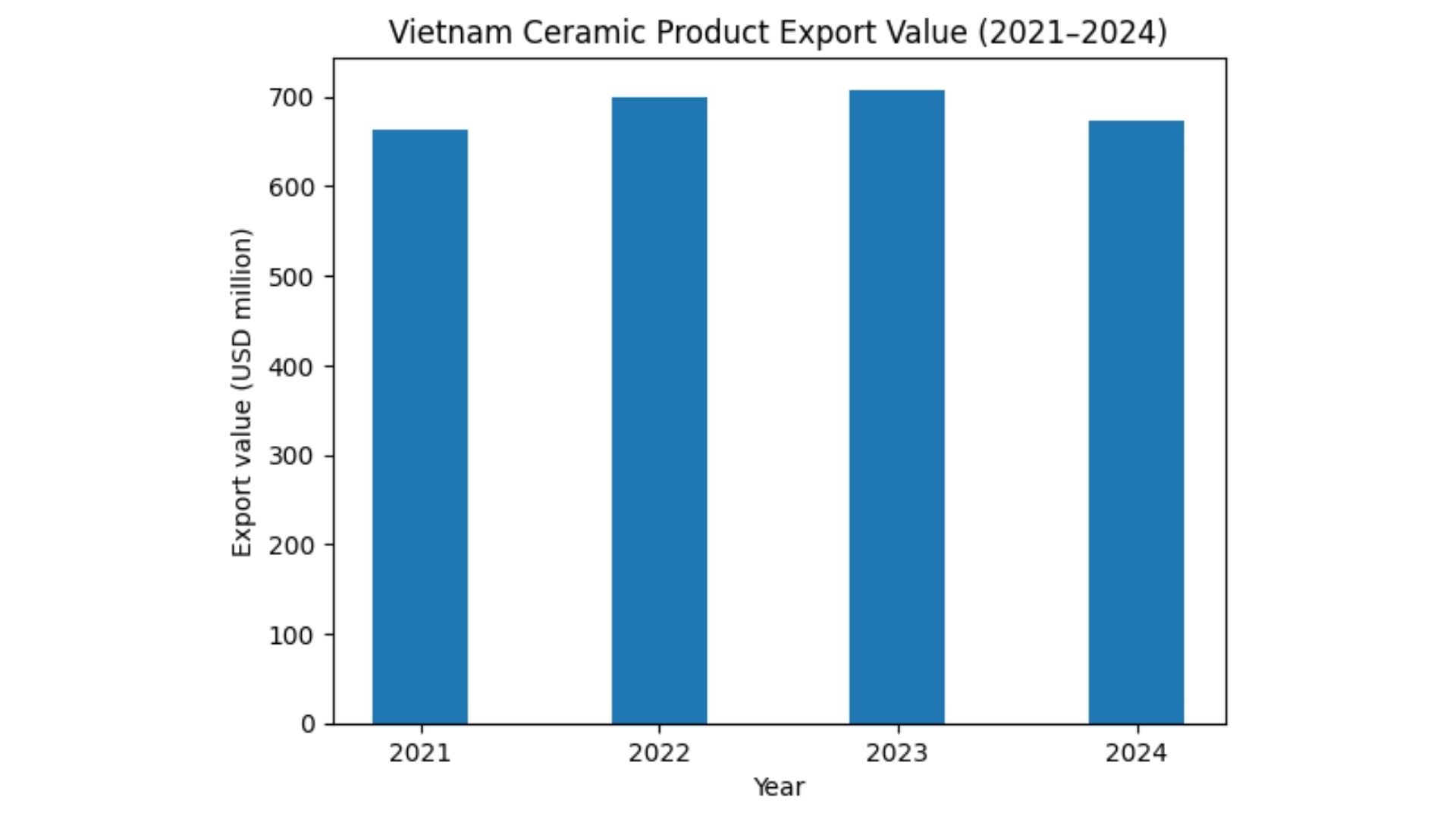
The Vietnamese ceramic industry is a multi-billion-dollar sector that significantly contributes to the national GDP. According to UN Comtrade data, Vietnam exported USD 708 million worth of ceramic products in 2023. This placed Vietnam among the top 15 ceramic exporting countries worldwide.
The United States is one of the most important destination markets. In 2023, Vietnam exported USD 169 million worth of ceramic products to the US alone. This accounted for more than 23% of Vietnam’s total ceramic export value.
Export momentum continued into 2024. Vietnam Customs data shows that ceramic exports in the first half of 2024 increased by 9.5% year on year.
Why global buyers source ceramic vases from Vietnam
Global buyers are now choosing Vietnam as a primary destination for ceramic procurement. This is driven
-
Skilled craftmanship
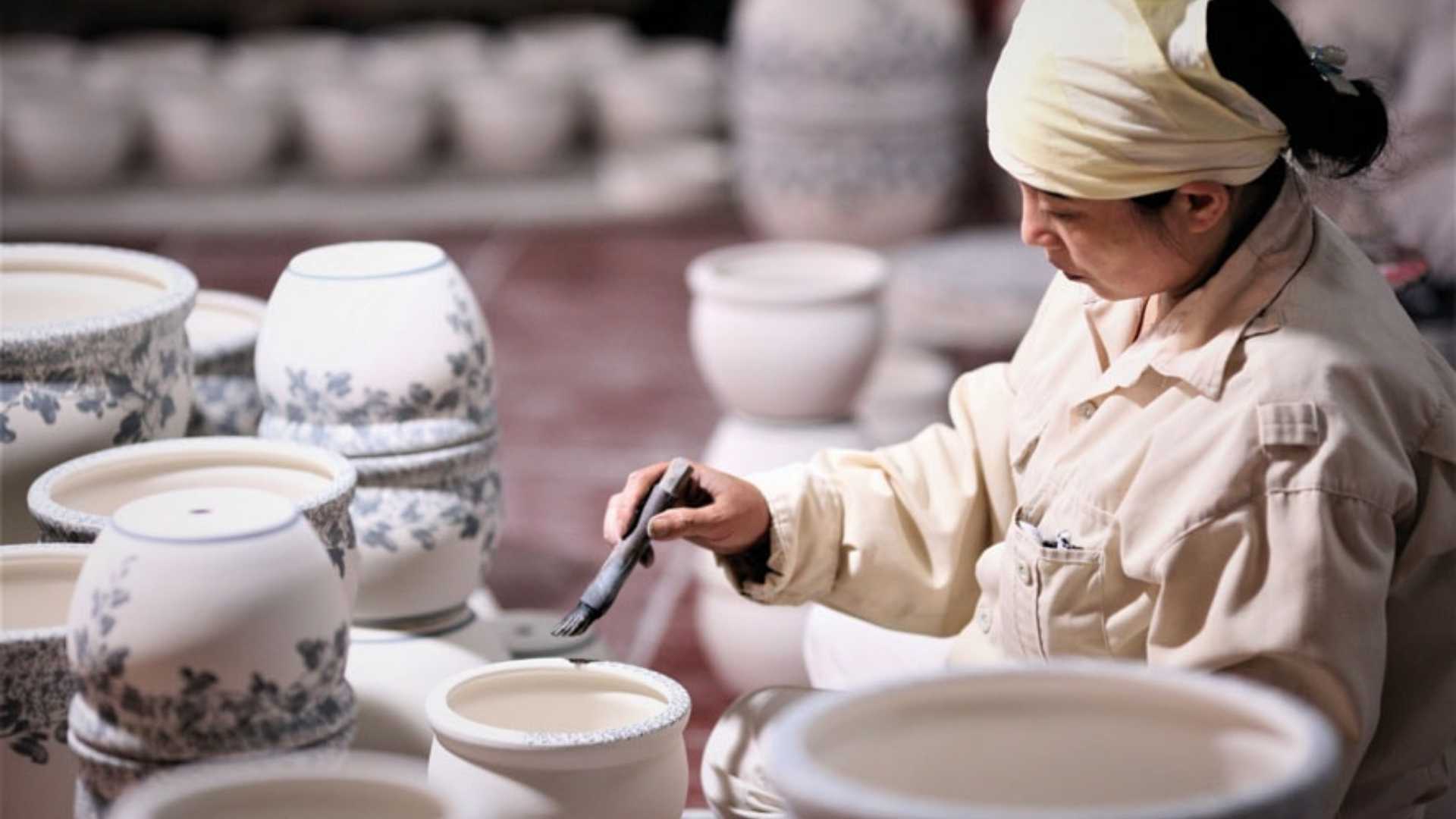
Vietnamese ceramics are defined by a 700-year-old heritage. Artisans in villages like Bat Trang and Chu Dau continue to use age-old techniques that provide a “boutique” feel even for wholesale orders. Craftsmanship is still passed from one generation to another. A unique handcrafted ceramic and pottery industry still exists.
Vietnam’s cultural heritage and long history of ceramic making. According to the Ministry of Culture, Sports and Tourism, Vietnam has over 300 recognized craft villages, of which ceramics represent one of the largest craft categories. These villages employ tens of thousands of skilled workers across shaping, glazing, and kiln firing stages.
-
Benefits from free trade agreements
As of 2025, Vietnam is one of the most open trade economies in Asia, having joined 16 free trade agreements (FTAs), including EVFTA, CPTPP, and UKVTFA. These agreements provide significant tariff advantages for ceramic products exported from Vietnam.
Under the EVFTA, ceramic products benefit from a defined roadmap toward 0% import tariffs when entering the European Union, provided they meet the applicable rules of origin. This allows importers to reduce landed costs and strengthen price competitiveness in the European market.
-
Scalable production capacity
Vietnam’s construction ceramic industry alone has an annual output capacity exceeding 800 million square meters, which places Vietnam among the top 10 ceramic producers globally. It contributes more than USD 3 billion to Vietnam’s GDP. This contribution reflects both domestic sales and export activity across construction, household, and decorative ceramics.
How to Import Ceramic Vases from Vietnam
-
Find a good supplier
The first step is identifying a supplier that matches your quality and volume needs.
Vietnam is a long-established ceramics and handicrafts exporter with a strong presence in home décor categories.
You can find reliable ceramic vases through three main channels:
- Work directly with export-oriented manufacturers located in ceramic production clusters such as Binh Duong, Dong Nai, and northern craft villages.
- Search on B2B sourcing platforms
- Visit trade fairs and sourcing events focused on handicrafts and home decor.
So, start by shortlisting suppliers with proven export experience. You should focus on partners who can show past shipments, stable production, and clear communication.
A quick tip you can try is to check the following early on
- Business legality: Request a copy of their business license and tax code to ensure they are a registered legal entity in Vietnam.
- Export history & Markets: Ask which countries they currently export to. If they already ship to your region (e.g., EU or US), they are likely already compliant with your local safety and packaging standards.
- Quality certifications for export orders: Look for ISO 9001 for management, or social responsibility audits like BSCI or Sedex
-
Evaluate sample
Once you narrow down suppliers, sample evaluation becomes critical.
Well, when reviewing samples, you should look beyond appearance. Practical performance matters just as much.
Key aspects to assess include:
- Surface finish and glaze uniformity
- Weight consistency and wall thickness
- Color variation between pieces
It may be helpful to request more than one sample. This allows you to judge consistency rather than a single best piece.
-
Make a contract
After approving samples, the next step is formalizing the agreement. A clear contract protects both the seller and the supplier. It also gives the seller stronger control over quality, timing, and cost throughout the sourcing process.
The contract should define some key terms, including: order quantity, pricing and payment terms, production timeline, delivery and logistics, lead time, quality claims, and dispute handling.
-
Customs duties, taxes & tariffs
Customs planning is essential when you import ceramic vases from Vietnam. Duties and taxes depend on your destination market and product classification.
The total cost when importing ceramic vases from Vietnam is heavily influenced by the HS Code and the Free Trade Agreements (FTAs) Vietnam has signed with major global markets.
Vases generally fall under Chapter 69 (Ceramic Products). The most common codes are:
- 6912.00: Ceramic tableware, kitchenware, household articles such as ceramic tableware, kitchenware, other household articles, and toilet articles, other than porcelain or china
- 6913.90: Statuettes & other ornamental ceramic articles such as other decorative/ornamental ceramic items; vases, figurines, etc.
Under the current 2025 schedules, many countries offer 0% preferential tariffs for Vietnamese ceramics, provided you have the correct paperwork. Below are duty rates by major market (2025 estimates):
| # | Region | Agreement | Preferential Duty Rate |
| 1 | European Union | EVFTA | 0% |
| 2 | United Kingdom | UKVFTA | 0% |
| 3 | USA | MFN (General) | 6% |
| 4 | Canada | CPTPP | 0% |
| 5 | Australia | AANZFTA / CPTPP | 0% |
| 6 | Japan | VJEPA / CPTPP | 0% |
Customs duty is only one part of the total cost. You must also account for:
- VAT (Value Added Tax) / GST: Most countries charge VAT on the CIF Value (Cost + Insurance + Freight) plus the duty. Example: EU (varies by country, ~17-27%), UK (20%), Australia (10% GST).
- Customs Processing Fees: Often a flat fee per entry or a small percentage of the value.
- Anti-Dumping Duties: Currently, Vietnam faces very few anti-dumping cases for ceramics (unlike China). However, importers should still verify whether any country-specific remedies apply to their exact HS code, particularly for ceramic tiles.
To claim the 0% tariff, your supplier must provide proof that the product was actually manufactured in Vietnam, including Certificate of Origin (C/O), Commercial Invoice, Packing List, and Bill of Lading.
You should work with an experienced freight forwarder to verify the correct HS code with the customs authority in your destination country and accurately calculate total landed costs, including customs duties, taxes, and other import charges.
-
Packaging & labelling
Ceramic products are fragile, so it’s essential to use protective packaging, especially for sea freight.
Typical export packaging includes
- Individual protection using foam sheets, molded pulp, or air bubble wrap
- Inner cartons that separate each item to avoid contact
- Strong outer cartons with high burst strength
- Palletization for full container shipments to reduce movement
Labelling requirements vary by destination market, but several elements are common across most importing countries. At a minimum, ceramic vases should be labelled with the country of origin, carton markings (item code, quantity, and gross weight), and handling symbols such as “fragile” and “keep dry.”
-
Manage shipping
The final step is managing the shipment from Vietnam to your destination.
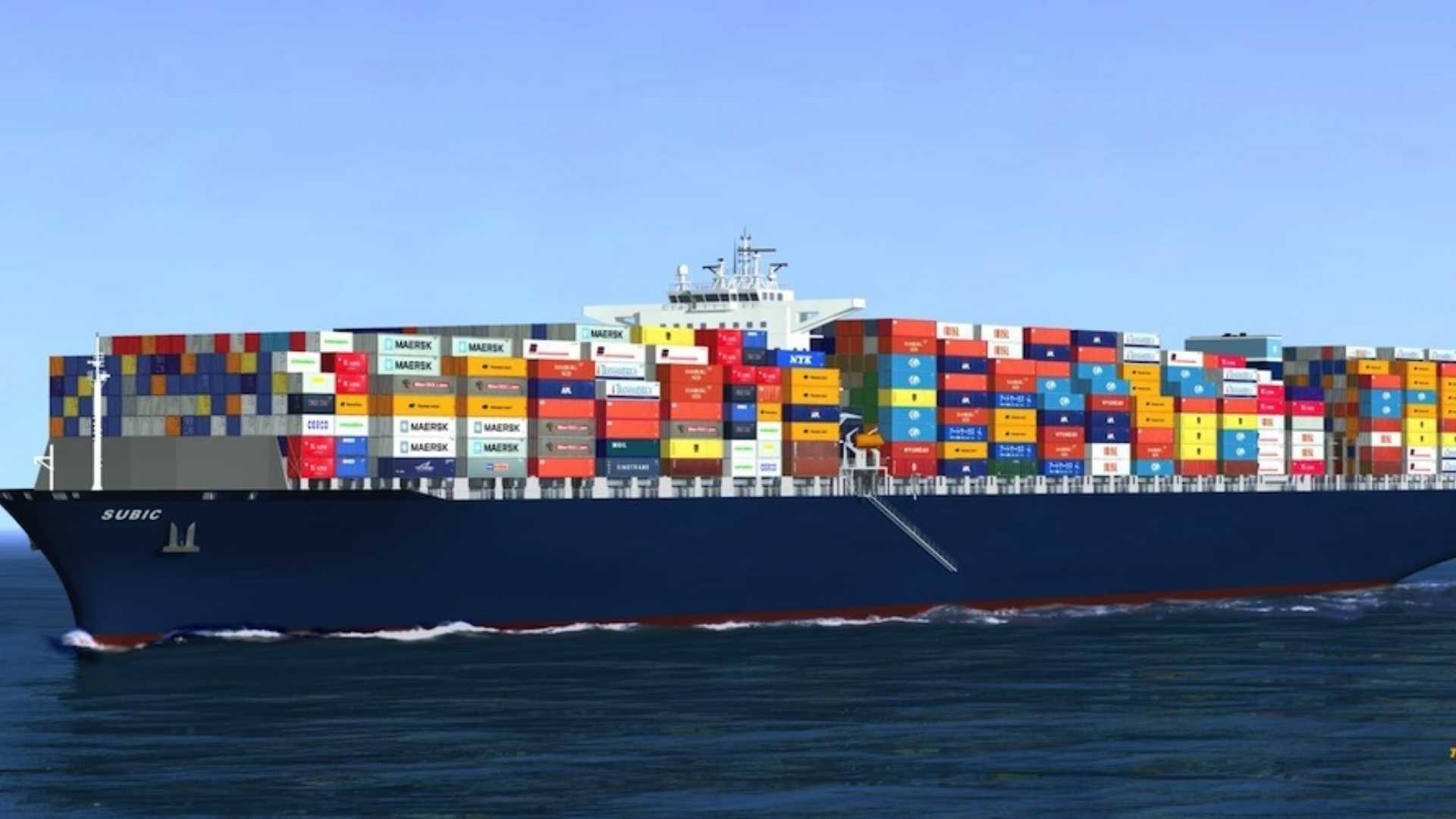
Most ceramic vases are shipped by sea freight due to their weight and volume, which makes ocean shipping the most cost-effective option for bulk orders. Transit times typically range from 20-40 days, depending on the destination port.
Depending on order size, you can choose between FCL (Full Container Load) for large volumes or LCL (Less than Container Load) for smaller shipments.
For urgent samples or small trial orders, air freight may be considered, although costs are significantly higher.
You should plan shipping carefully to control landed costs, minimize damage risks, and ensure on-time delivery. Transit times typically range from 7-9 days.
Where to Find Reliable Ceramic Vase Suppliers?
-
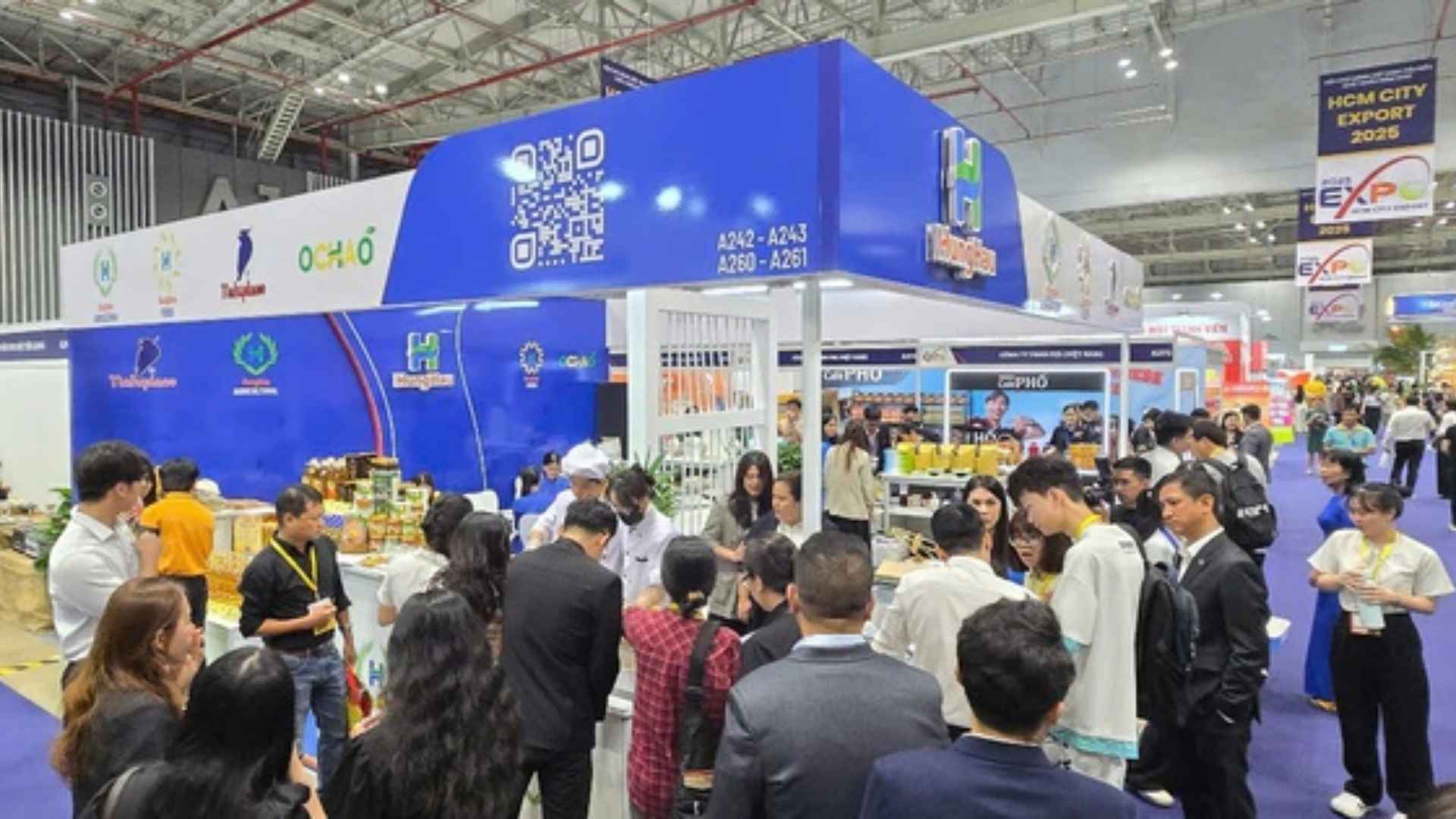
Visit trade shows
VIFA EXPO (Vietnam International Furniture & Home Accessories Fair)
VIFA EXPO is the oldest and most prestigious furniture and home décor fair in Vietnam. It serves as a primary hub for large-scale manufacturers of ceramic home accessories.
Purpose: Connecting global buyers with Vietnam’s largest furniture and décor exporters.
Product Range: Indoor/outdoor furniture, handicrafts, ceramic vases, and home textiles.
Scale: Over 51,000 m² of exhibition space with 2,800+ booths, featuring an anticipated 650+ exhibitors from 20 countries and more than 20,000 visitors, approximately 35% of whom are international trade buyers.
2026 Schedule:
- Date: March 8 – 11, 2026.
- Venue: SKY EXPO Vietnam and WTC EXPO, Ho Chi Minh City.
HCMC Export (Ho Chi Minh City Export)
This event is the official showcase for “Made in Vietnam” products across various sectors, strongly supported by the Ministry of Industry and Trade.
Purpose: Promoting high-quality Vietnamese export goods to international markets.
Product Range: Decorative ceramics, handicrafts, agricultural products, and supporting industries.
Scale: Features over 520 exhibitors, expects around 28,000 trade visitors, and emphasizes pre-arranged B2B meetings.
2026 Schedule:
- Date: March 2026
- Venue: Saigon Exhibition and Convention Center (SECC), Ho Chi Minh City.
Lifestyle Vietnam
Lifestyle Vietnam is widely regarded as one of the largest international home décor and gift exhibitions in Southeast Asia, with a heavy emphasis on design-led handicrafts.
Purpose: Showcasing design trends and sustainable sourcing in the home décor sector.
Product Range: Ceramics, lacquerware, bamboo/rattan items, and ethnic handicrafts.
Scale: Features nearly 600 exhibitors from Vietnam and overseas and attracts more than 3,000 international buyers from 40+ countries each year.
2026 Schedule:
- Date: October 2026
- Venue: Sky Expo Vietnam International Convention & Exhibition Center, Ho Chi Minh City.
-
Use B2B online platforms
Online B2B platforms serve as the primary gateway for initial supplier discovery and price benchmarking.
These platforms allow buyers to filter manufacturers by their export history, minimum order quantities (MOQs), and certification status without requiring an immediate physical presence in Vietnam.
Below are the three most common digital avenues for B2B buyers.
Alibaba
Alibaba is one of the world’s largest B2B marketplaces, connecting millions of buyers and suppliers globally. The platform hosts a large number of Vietnamese manufacturers offering ceramic vases, planters, and home décor products.
Advantages of Alibaba
- Allow users to access a wide supplier base, compare price ranges, and evaluate production capabilities between suppliers
- Support RFQ tools and messaging systems that simplify early-stage supplier engagement.
VinaSources
VinaSources is a specialized B2B platform dedicated exclusively to the Vietnamese export ecosystem. It focuses on connecting global importers with verified Vietnamese factories across various sectors, including handicrafts and home decor.
Why choose VinaSources:
- Verified Data: The platform standardizes supplier reviews. Every featured manufacturer must meet specific criteria for operational transparency and international service readiness.
- End-to-end supplier: VinaSources provides sourcing support services, including supplier coordination, quality control assistance, and logistics guidance, tailored to meet the needs of each buyer.
- Cost efficiency: By sourcing from Vietnam, buyers benefit from lower production and labor costs compared to some other sourcing hubs, which can lead to better margins.
eBay
eBay is a global online marketplace where individuals and businesses buy and sell a vast range of products. The platform hosts a large volume of ceramic vase listings, including many items labeled as made in Vietnam, which allows buyers to observe design styles, price positioning, and market demand across different regions.
Advantages of eBay:
- Access to a diverse product range
- Buyer protection programs
- Easy-to-use platform
-
Industry clusters
Cluster 1: Bat Trang
Located about 15 kilometers from Hanoi, Bat Trang Village is Vietnam’s most renowned ceramic hub, with over 700 years of experience in ceramic and porcelain production. Its network of manufacturers exports more than USD 40 million worth of ceramic products each year.
Cluster 2: Binh Duong
Binh Duong province alone hosts about 300 manufacturers specifically tailored for overseas markets. These factories often handle high-volume orders for international retailers. They export approximately USD 150 million worth of ceramic and pottery products annually, with around USD 70 million sold in the domestic market. Within Binh Duong province, Lai Thieu district is considered as the epicenter of the industry.
Cluster 3: Ho Chi Minh City
Ho Chi Minh has a large network of ceramicware manufacturers. Those factories are usually located in the north (Hoc Mon and Cu Chi districts mostly) and west of the city (Binh Chanh District). They usually focus on small ceramic home decorations such as dishes, plates, cups, and garden pottery planters.
Common risks when importing ceramic vases?
The table below summarizes the most common risks faced by B2B buyers and how they are typically managed.
| # | Risk | Brief analysis | Mitigation strategy |
| 1 | Quality inconsistency | Variation in glaze color or thickness between batches | Approve pre-production samples and set tolerance limits |
| 2 | Breakage during transit | Damage caused by weak packaging or poor container loading | Specify export grade packaging and require loading photos |
| 3 | Production delays | Kiln capacity limits or raw material shortages | Build buffer time into lead schedules |
| 4 | Supplier reliability | Limited export experience or weak QC systems | Verify export history and request references |
What are the typical MOQs for Ceramic Vases?
Minimum order quantities for ceramic vases vary by production method and supplier scale.
For handmade or artisan ceramic vases, MOQs are generally lower. Typical MOQs for ceramic vases range from 100-1,000 pieces per design.
What is the lead time for Ceramic Vases?
For standard designs using existing molds, production usually takes 30 to 45 days after sample approval.
For custom designs or new molds, lead time often extends to 45 to 60 days. Lead time can extend in peak season or when order quantities are large.
To avoid delays, you should confirm production schedules early and place orders well in advance.
What is the typical cost for Ceramic Vases?
The cost of ceramic vases varies depending on size, design complexity, and order quantity. Below are typical FOB price ranges when sourcing from Vietnam:
- Small decorative ceramic vases usually range from USD 2-5 per piece.
- Mid-size glazed ceramic vases: typically fall between USD 6-12 per piece.
- Large or hand-finished ceramic vases often exceed USD 15 per piece, especially for artisanal or limited designs.
Popular Designs of Ceramic Vases
VinaSources currently offers a wide range of ceramic vase designs to suit different interior styles. Below are some standout options that many customers choose:
-
Modern White Ceramic Flower Vase
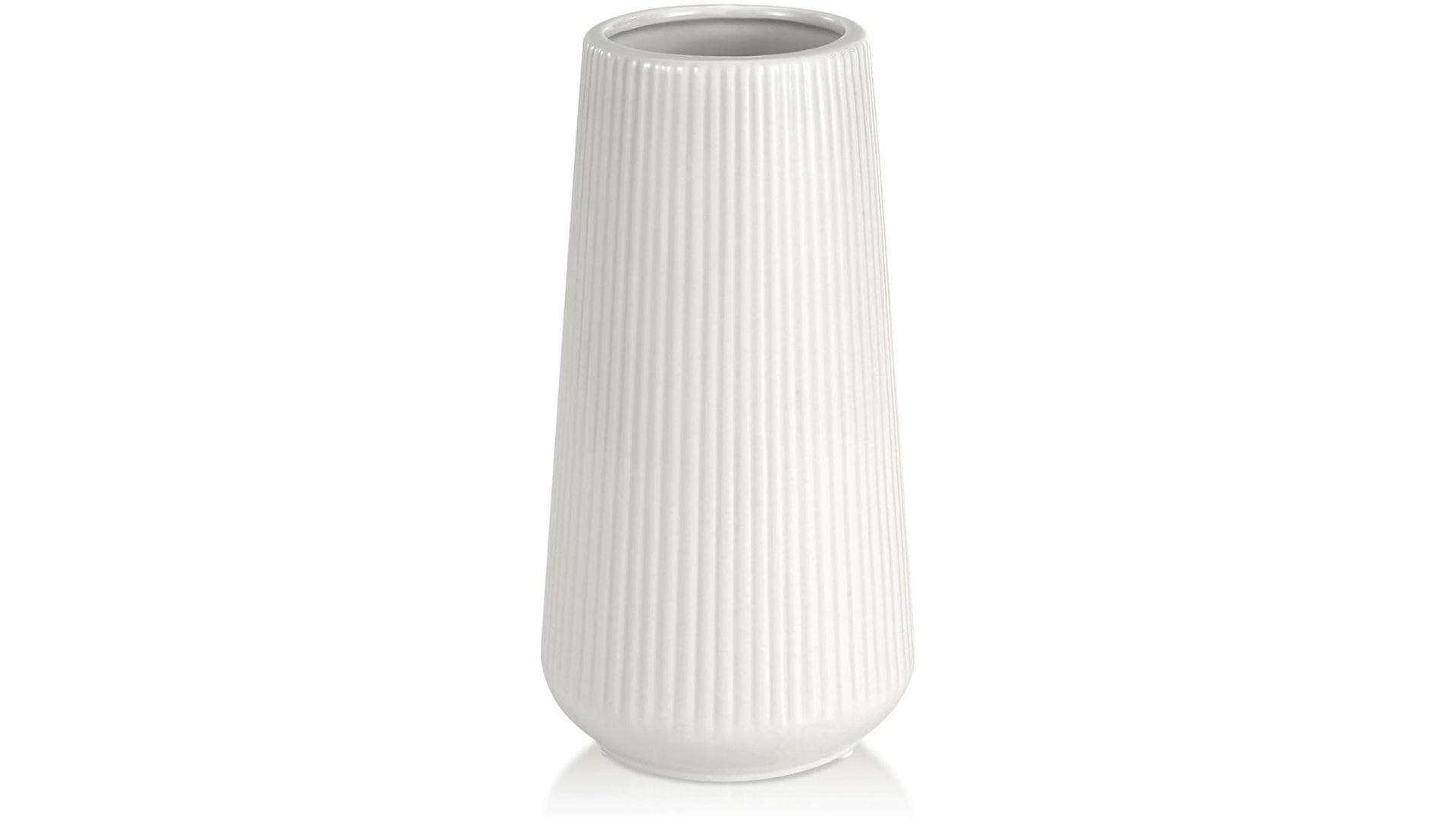
Description: Crafted from high-quality ceramic with a reinforced base, this vase is sturdy, leak-resistant, and easy to maintain. Its smooth, rounded opening and non-slip bottom provide added stability and long-lasting durability.
Usability: A versatile decorative piece that works as a centerpiece for any room or occasion. Suitable for dining tables, living rooms, bedrooms, offices, kitchens, restaurants, and other interior spaces.
Dimension: 4.13in (L) × 2.95in (W) × 7.72in (H)
You can find more information about this vase here
-
Elegant Boho-Inspired Vase Set
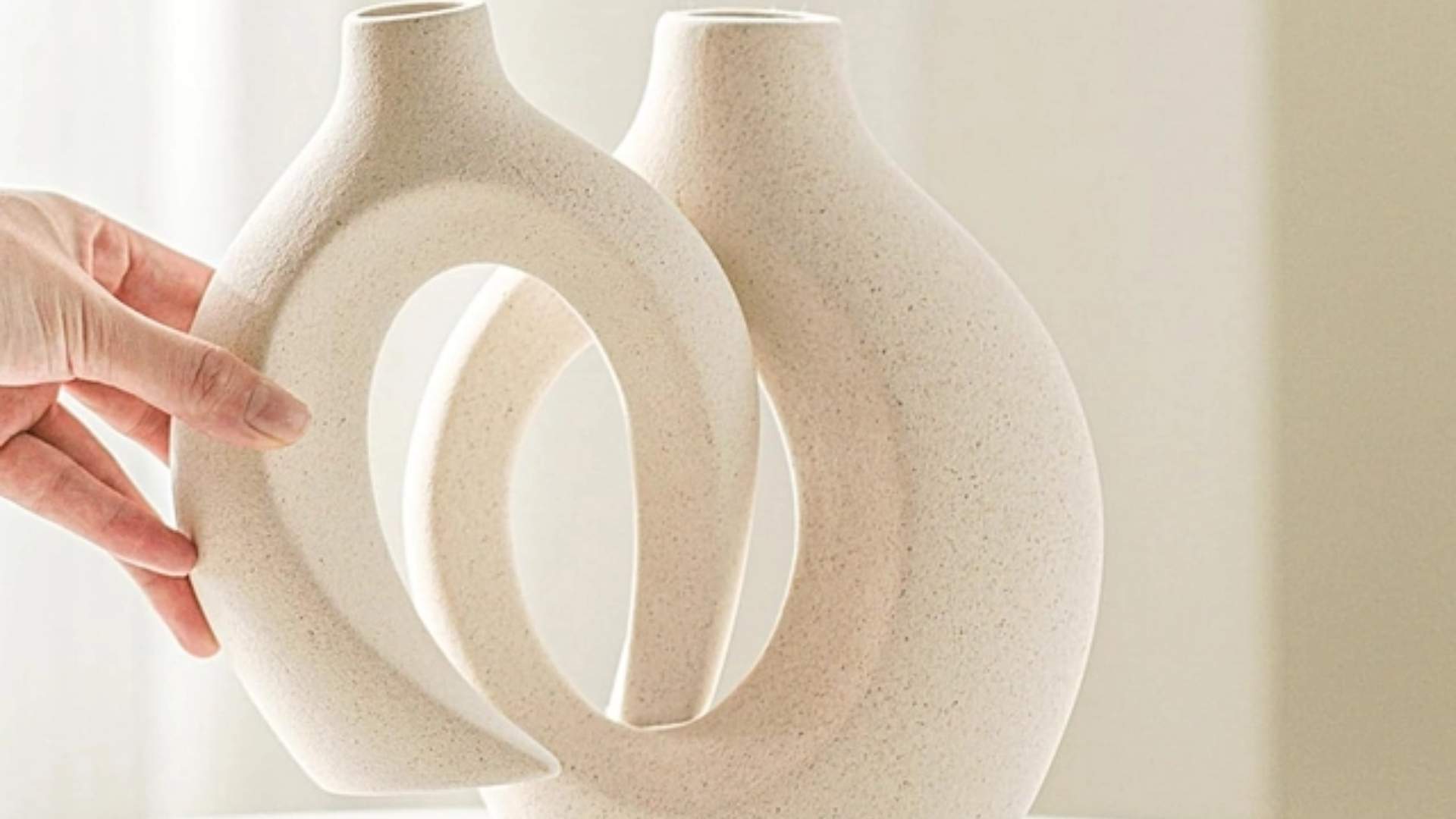
Description: Fired at a high temperature of 1,300°C, these ceramic vases feature elegant vertical lines and a frosted texture on the body. The polished, smooth base enhances stability and protects surfaces, making them suitable for displaying dried flowers, reeds, pampas grass, or fresh blooms.
Usability: Perfect for modern, boho, or eclectic interiors, these vases complement bedrooms, bookshelves, coffee tables, dining rooms, kitchens, mantels, and entryway tables.
Dimension: The taller vase measures 6.3in (W) x 8in (H) with a 1.3in neck, and the shorter vase measures 5.4in (W) x 7in (H) with a 0.9in neck.
You can find more information about this vase here.
-
Vintage Chinoiserie Floral Vase
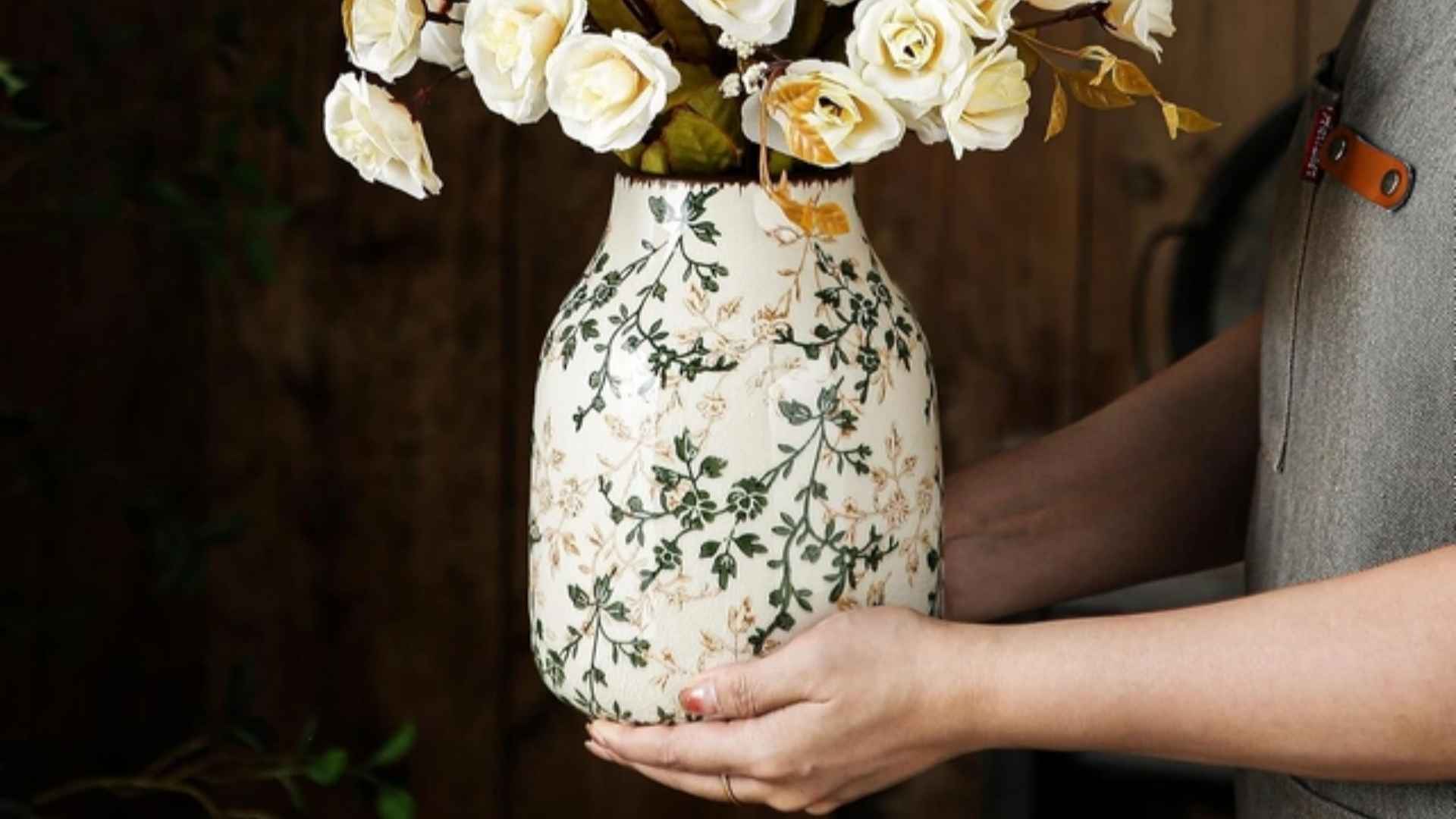
Description: Crafted from fine ceramic, this floral vase is built for durability and long-lasting use. Its refined craftsmanship delivers an elegant, heirloom-quality look and feel.
Usability: This versatile vase enhances living rooms, bedrooms, dining rooms, kitchens, and bathrooms, serving beautifully as either a floral arrangement or a standalone statement piece.
Dimension: 5.9in (W) × 7.8in (H)
You can find more information about this vase here.
In addition, you can explore all ceramic vases currently offered by VinaSources by browsing the vase catalog.
Partner with VinaSources for importing Ceramic Vases
Partnering with VinaSources helps B2B buyers reduce sourcing risk when they import ceramic vases from Vietnam. The platform is designed to connect global buyers with verified Vietnamese manufacturers that already serve export markets such as the United States and the European Union.
With over 12 years of experience in cross-border e-commerce and international trade, we have successfully supported thousands of global buyers in sourcing high-quality ceramic vases from Vietnam in a secure, transparent, and efficient manner.
Manufacturers listed on the platform are carefully vetted based on export capability, production capacity, quality control systems, and compliance readiness, ensuring they meet international standards.
In addition, VinaSources also supports buyers throughout the sourcing process, from product inquiry and sample coordination to documentation guidance and logistics support. This end-to-end approach helps buyers streamline procurement, improve transparency, and confidently scale their ceramic vase imports from Vietnam.
Contact our team today via the quotation form or reach out to our customer support hotline at 1900 4356 to start building successful partnerships with leading ceramic vase suppliers in Vietnam.