
Vietnam is becoming a popular sourcing destination for baby apparel thanks to its good quality and competitive pricing. However, the large number of manufacturers can make supplier selection challenging without clear preparation and evaluation criteria.
This comprehensive guide walks you through the practical steps of importing baby rompers from Vietnam, from identifying certified manufacturers and verifying compliance documentation to managing quality control and navigating customs requirements with confidence.
Overview of the global baby apparel market
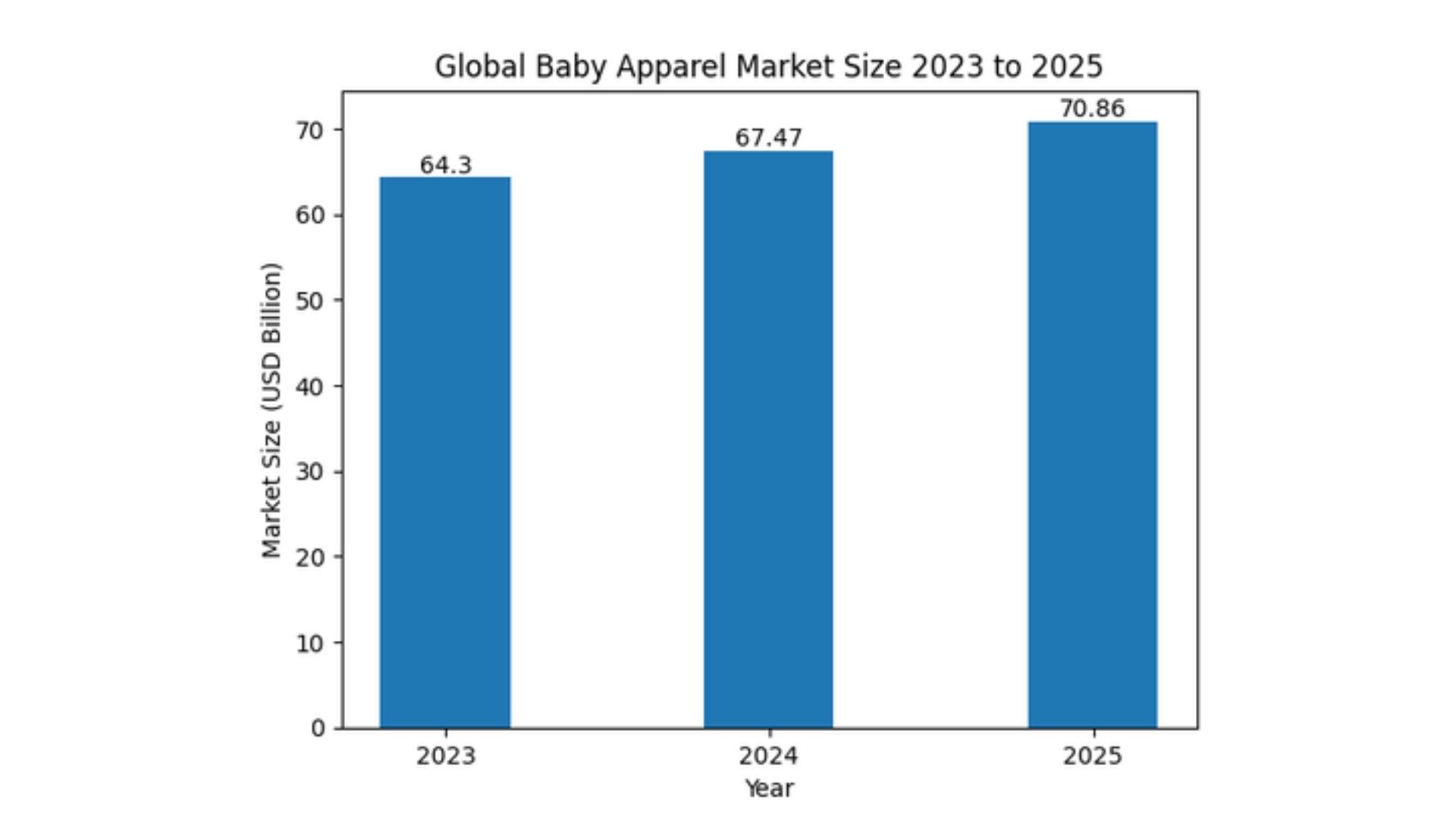
The global baby apparel market was valued at USD 67.47 billion in 2024. The market is projected to reach USD 70.86 billion in 2025, reflecting a year-on-year growth rate of 5.0 percent. This steady expansion is driven by rising consumer spending on infant care products, higher awareness of baby comfort and safety, and the ongoing demand for essential baby clothing items such as rompers.
According to UNICEF, around 134 million babies are born each year globally. This demographic reality sustains a stable, year-round demand for baby rompers across both developed and emerging markets, particularly in the newborn and 0-24 month segments.
For B2B buyers, the global baby apparel market shows predictable growth rather than volatility. This makes sourcing baby rompers suitable for long-term supply planning.
Why Global Buyers Import Baby Rompers From Vietnam
-
Cost-effective
Vietnam offers a balanced and competitive cost structure. While labor costs remain relatively low, productivity levels and quality consistency are higher than in many emerging sourcing countries. According to the World Bank, average manufacturing labor costs in Vietnam are approximately 40-50% lower than in China. This cost advantage enables buyers to source baby rompers at competitive prices without compromising on safety standards or workmanship.
-
Strong and Scalable Manufacturing Capacity
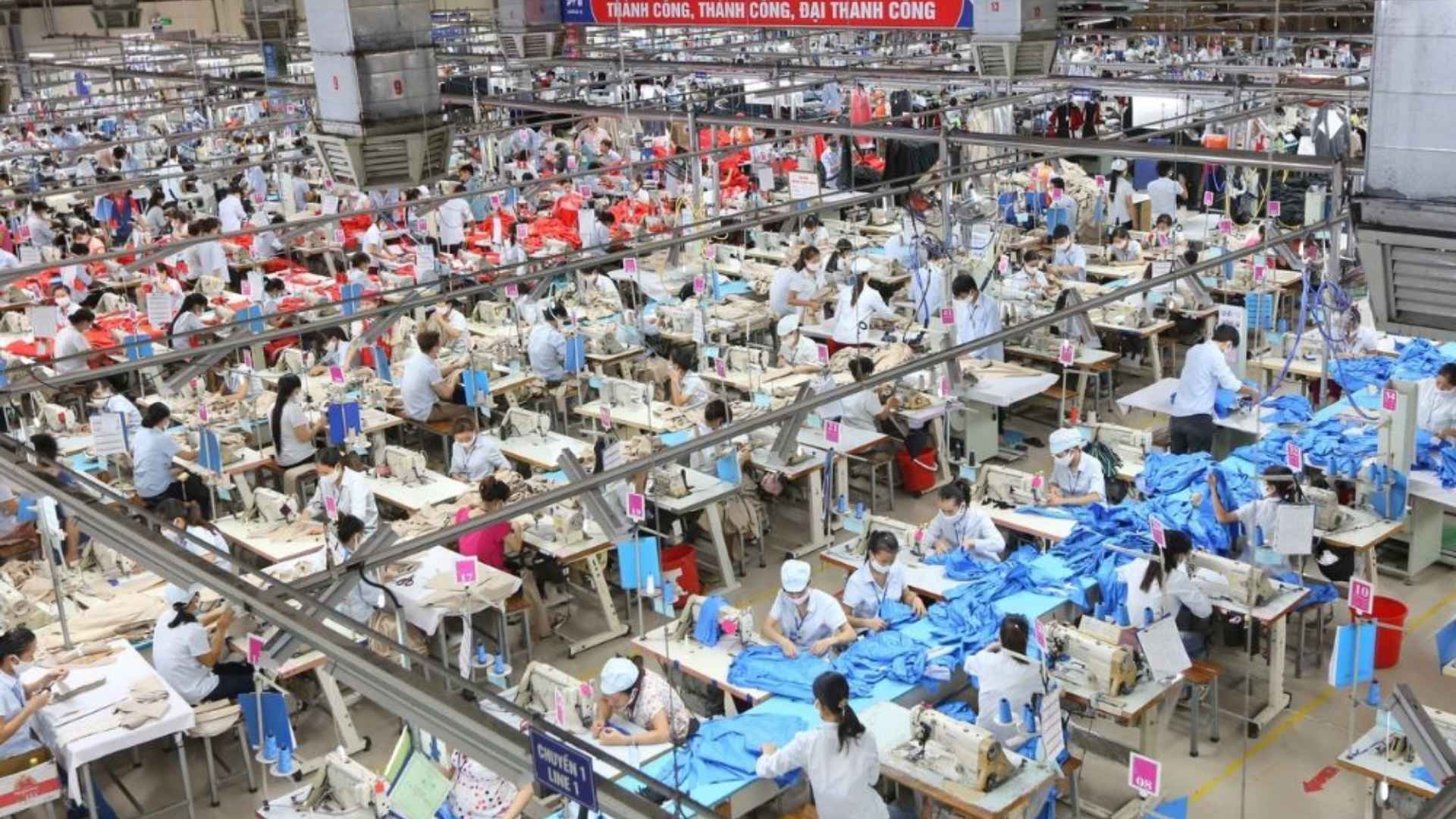
Vietnam’s garment industry is built for large-scale production. According to VITAS, the country is home to more than 7,000 textile and garment enterprises, with up to 80% focused on export production. The sector employs over 3 million workers, including approximately 1.3 million directly involved in manufacturing. Vietnam ranks third globally in garment exports, highlighting its strategic role in the global apparel supply chain, as reported by the Ministry of Industry and Trade.
Key production hubs include Ho Chi Minh City, Binh Duong, Hung Yen, and Thai Binh, which host numerous industrial zones specializing in textile and garment manufacturing.
This scale is particularly important for baby rompers, as demand is steady and continuous rather than seasonal. It supports long-term sourcing programs that require consistent monthly output and reliable supply continuity.
-
Benefits from major trade agreements
Vietnam’s participation in major free trade agreements provides clear cost advantages for importing baby clothing. Key agreements include the EVFTA and the CPTPP. Under these agreements, qualifying baby apparel products can enter certain markets at reduced or zero import duty rates.
For example, before the EVFTA came into effect, import duties on baby clothing entering the EU typically ranged from 9% to 12%, depending on product classification. Under EVFTA, many baby apparel tariff lines are reduced to 0% once the rules of origin requirements are met, directly improving buyers’ landed cost competitiveness.
-
Wide Range of Designs
Vietnamese manufacturers offer a wide range of baby romper designs. These include newborn rompers, short-sleeve and long-sleeve styles, seasonal variations, and both basic and customized designs. This flexibility supports buyers serving different retail segments and markets.
What Certifications are needed for Importing Baby Rompers?
When you import baby rompers from Vietnam, compliance is a legal requirement. Baby clothing is regulated because it is worn close to the infant’s skin and may pose chemical or physical risks.
Before you place an order, it helps to understand what documents and tests each market expects. Let’s take a closer look at the key requirements in some major markets.
-
United States (CPSC/CPSIA)
For the US market, baby rompers are regulated by the Consumer Product Safety Commission (CPSC). These rules apply to all children’s products designed for use by children under twelve.In practice, you are required to issue a Children’s Product Certificate (CPC). This document must be based on results from a CPSC-accepted third-party lab. The tests must confirm that the product meets all applicable safety standards.
Core requirements usually include:
- Lead & Phthalates Testing: Must comply with limits (e.g., lead < 100 ppm).
- Flammability (16 CFR 1610): Standard for all apparel.
- Tracking Labels: Permanent labels on the garment must show the manufacturer, date, and batch number.
-
European Union (REACH & GPSD)
In the European Union, baby rompers must comply with chemical and general safety rules before they can be placed on the market.
For baby rompers, common compliance points include:
- REACH Compliance: Restricts harmful chemicals (Azo dyes, Phthalates, Cadmium).
- EN 14682 (Cords/Drawstrings): Strictly prohibits drawstrings in the head/neck area for babies to prevent strangulation.
- OEKO-TEX Standard 100: While voluntary, most EU retailers require this to prove the fabric is safe for infant skin.
-
United Kingdom (UKCA)
Baby rompers imported into the UK must comply with specific product safety regulations enforced by the Office for Product Safety and Standards.
Typical requirements include:
- UK REACH: Compliance with chemical safety regulations governing restricted and hazardous substances in textiles.
- General Product Safety Regulations: Must include UK-based importer/contact details on the packaging.
How To Find Reliable Baby Romper Suppliers In Vietnam
Finding reliable baby romper suppliers in Vietnam requires a structured approach. Focus on identifying manufacturers with proven quality control, ethical labor practices, and adherence to international safety standards.
The following methods can be used to identify reliable suppliers, with an overview of their respective advantages and limitations.
| Method | Benefits | Drawbacks | Example |
| Trade shows | Direct supplier verification, physical sample review, and face-to-face communication | Travel cost, limited to the event schedule | Vietnam Expo, Global Sourcing Fair, Vietnam Baby Products & Toys Expo (IBTE) |
| Online platforms | Fast supplier screening, wide supplier pool, low upfront cost | Self-reported data, higher verification effort | Alibaba, VinaSources, Global Sources |
| Direct sourcing | Full control over pricing and specifications, long-term partnership potential | Requires strong compliance and QC capability | Babymama, Bebecenter, GB Garment, JSC |
| Sourcing companies | Compliance support, supplier vetting, and reduced coordination risk | Additional service fees, less direct control | Seditex, Dragon Sourcing, Cosmo Sourcing |
How to Import Baby Rompers from Vietnam
To import baby rompers from Vietnam successfully, you need a structured process that controls quality, compliance, and cost.
-
Define product specifications
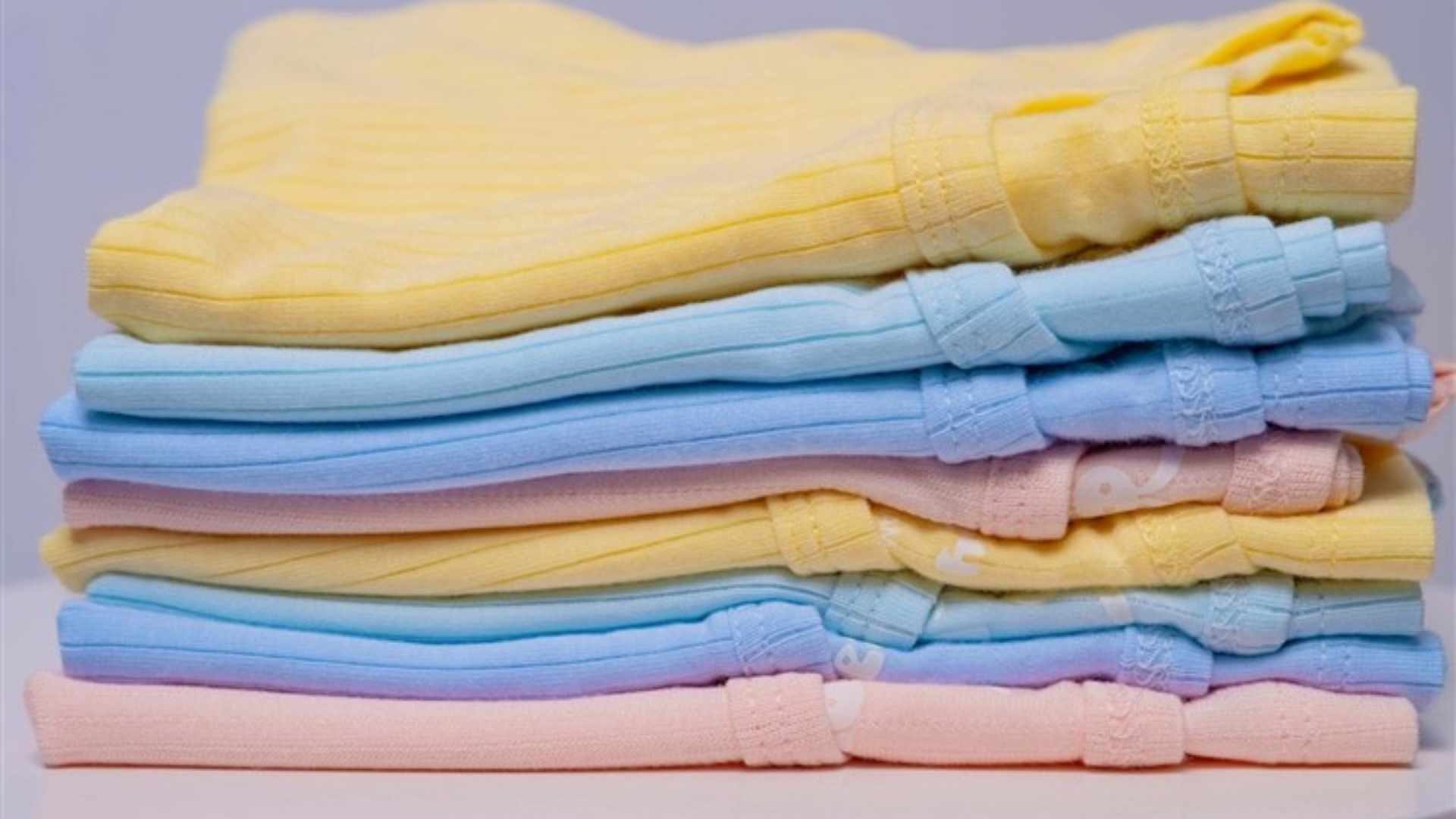
The first step in the sourcing process is to clearly define your product specifications. By having a detailed set of specifications, you can communicate your requirements accurately to suppliers, minimize misunderstandings, and evaluate manufacturers more effectively.
- Fabric type and material selection: Specify fiber composition, such as cotton, organic cotton, bamboo, polyester blends.
- Fabric weight (GSM): Indicate the desired weight range to control thickness, durability, and seasonal suitability. For rompers, a weight of 180-220 GSM is standard to ensure the garment is soft yet durable enough for frequent washing.
- Size range and graded specs: Define the full size range from newborn (NB) to 24 months. Provide a detailed spec sheet outlining key measurements such as chest width, body length, and leg openings. Size grading should be developed in reference to the sizing standards and fit expectations of the target market.
- Stitching and construction: Define stitching methods, seam types, reinforcement points, and overall workmanship standards.
- Trims and fasteners: Detail requirements for buttons, zippers, snaps, elastic bands, and other accessories, including material, color, and safety standards.
- Labeling and packaging: Clarify branding elements such as woven labels, care labels, hangtags, as well as packaging style, materials, and compliance requirements.
Clearly outlining these expectations will help you filter potential suppliers, compare quotations more accurately.
-
Identify the supplier
Once specifications are ready, the next step is finding suitable suppliers. You can find suppliers through trade databases, industry associations, trade fairs, and verified B2B platforms.
After building a shortlist, each supplier should be evaluated carefully based on the following key criteria:
- Export experience: Assess the supplier’s experience with international markets, including familiarity with export documentation, compliance standards, and shipping requirements for your target country.
- Business legality and certifications: verify business registration, factory licenses, and relevant certifications, such as ISO, BSCI, SEDEX, or product-specific compliance
- Production capacity and consistency: Review monthly output capacity, machinery, workforce size, and quality control processes to confirm the supplier can handle your order volume while maintaining consistent quality and delivery timelines.
-
Evaluate the sample
Placing a sample order is essential, as it confirms whether the supplier can meet your specifications in real production conditions.
When evaluating a baby romper sample, you should assess and compare all construction and material details against the approved specification sheet.
-
Negotiate terms
Negotiation is not only about price; it is about setting clear commercial and operational expectations to protect both parties. Well-defined terms help prevent misunderstandings and reduce risks throughout the production and delivery process.
Key terms you should clearly define in your contract include: Pricing terms, Minimum order quantity (MOQ), production lead time, delivery terms, payment terms, and dispute resolution.
All agreed-upon terms should be documented in writing, either in a formal contract or a detailed purchase agreement, to ensure clarity, accountability, and legal protection for both sides.
-
Monitor production quality
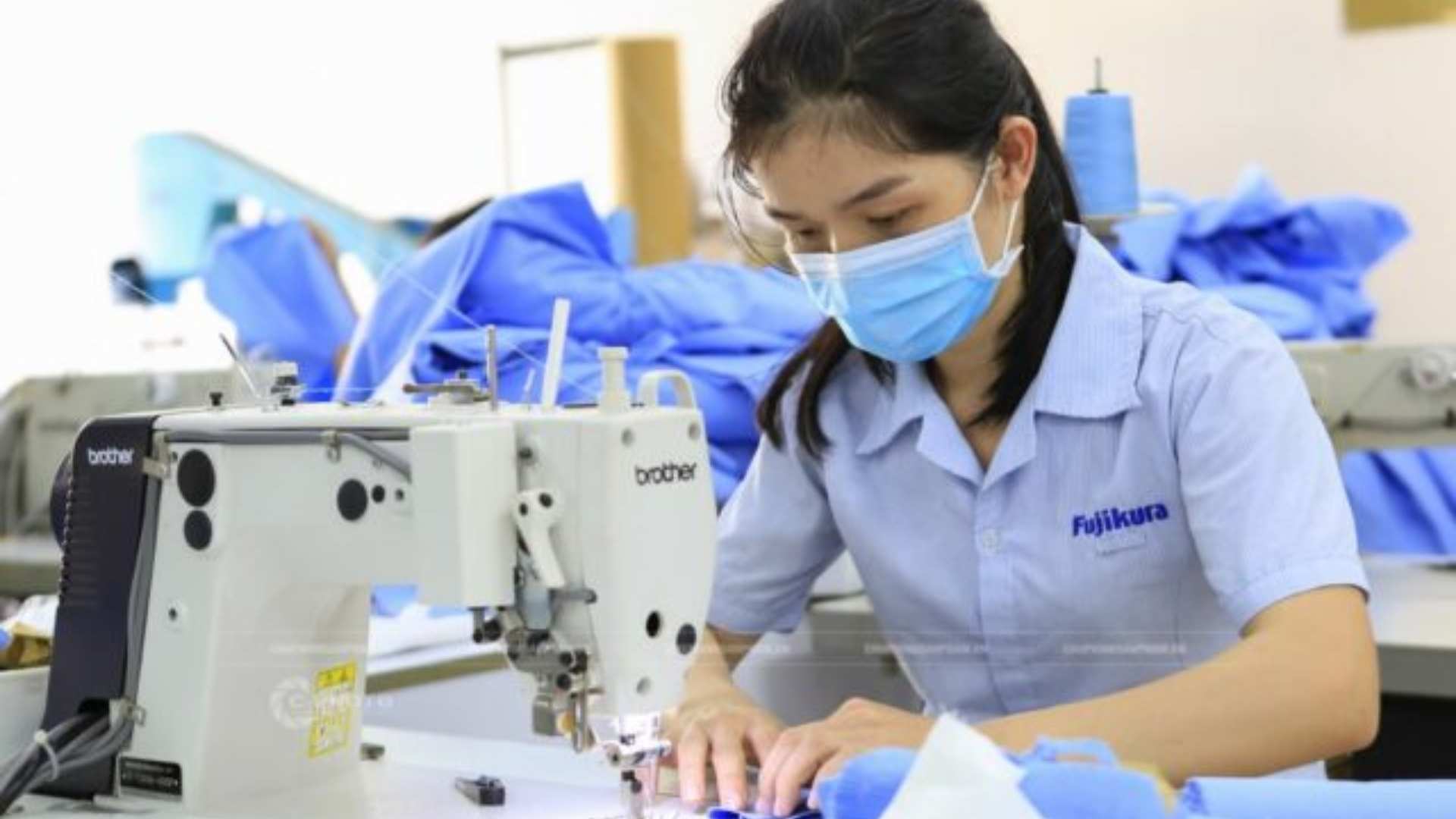
You should schedule inspections at multiple stages, such as before production starts, during production, and before shipment.
Each stage serves a different purpose. Early checks confirm that materials and patterns match approved samples. Inline inspections identify workmanship issues. Pre-shipment inspections verify that finished goods meet specifications before they leave the factory.
-
Handle customs clearances
Proper customs clearance is essential to ensure your shipment moves smoothly and avoids delays, penalties, or unexpected costs. For baby rompers, standard export documents usually include:
- Commercial invoice
- Packing list
- Certificate of origin
- Bill of lading
In addition to these core documents, importers should verify whether the destination country requires product compliance certificates, labeling approvals, or safety test reports for baby apparel.
-
Manage shipping
The final step is shipping management. Baby rompers are lightweight but often shipped in high volumes. Sea freight is commonly used for cost efficiency, while air freight may be chosen for urgent replenishment orders.
Vietnam has several international seaports and airports that support garment exports and connect directly to major global shipping routes, enabling flexible shipping options to key markets.
You should hire a reliable freight forwarder to manage transportation, booking, documentation, and coordination with carriers and customs authorities.
What to Consider When Sourcing Baby Rompers
-
Comfortable materials
Babies have very sensitive skin, so fabric selection plays a critical role in baby romper production. The most commonly used materials include organic cotton, cotton blends, bamboo, and viscose, as these fabrics are naturally soft, breathable, and gentle on delicate skin.
When sourcing baby rompers, buyers should also consider fabric certifications, durability, and colorfastness to ensure long-term safety and comfort.
-
Practical design
Baby romper designs should prioritize simplicity and functionality. They should be easy to put on and remove, with trims and openings carefully positioned to avoid discomfort or potential hazards. Since infants require frequent changing, practicality is a key design consideration.

-
Product safety
Product safety is the top priority when sourcing baby rompers. Infant clothing is regulated more strictly than general apparel because babies are especially vulnerable to chemical exposure and physical hazards.
When choosing suppliers, you must ensure that all materials and components comply with applicable safety standards in the target market, such as REACH, CPSIA, and OEKO-TEX, to ensure the product is safe for infants, free from harmful substances, and legally compliant for import and sale.
-
Scalable production
Unlike fashion-driven apparel, demand for baby rompers does not fluctuate sharply by season or trends. This requires suppliers that can maintain stable, ongoing production while scaling output as order volumes grow. Therefore, buyers should choose manufacturers with flexible production capacity, reliable workforce planning, and consistent quality control systems.
VinaSources – Your trusted partner in sourcing Baby Rompers
Importing baby rompers can be challenging without the right sourcing strategy and reliable partners. VinaSources is a dedicated sourcing platform that connects international buyers directly with a verified network of trusted baby clothing manufacturers and suppliers in Vietnam.
With over 12 years of experience in cross-border e-commerce, we have successfully supported thousands of global buyers in sourcing high-quality baby products from Vietnam in a secure, transparent, and efficient manner. Our suppliers are carefully screened to meet international requirements for product safety, quality consistency, and export compliance.
You can easily browse our Baby & Kids Apparel Catalog to find suitable baby romper styles, or simply share your specific requirements, including designs, sizes, fabric specifications, and order quantities. Our sourcing team will then match you with manufacturers that best fit your needs and support you throughout the sourcing process.
By partnering with VinaSources, you save time, reduce sourcing risks, and gain reliable access to premium Vietnamese baby rompers that meet international safety standards.
Contact our team today via the quotation form or reach out to our customer support hotline at 1900 4356 to start building successful partnerships with leading baby romper suppliers in Vietnam.