
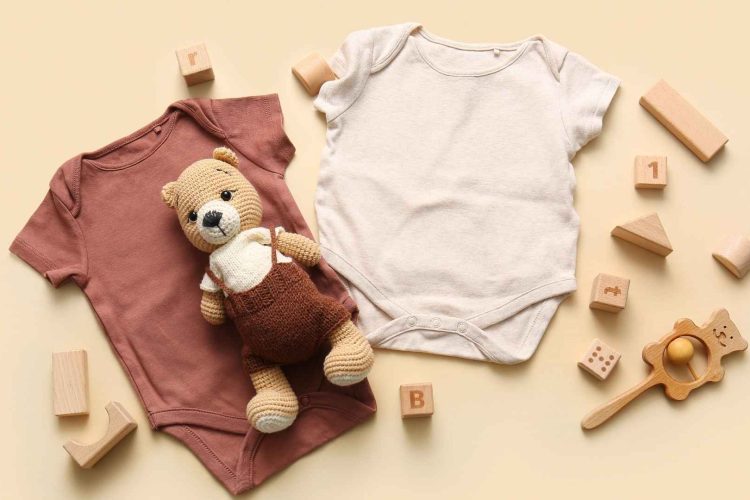
Vietnam has emerged as a leading destination for importing baby bodysuits, offering a strong balance of cost efficiency, quality, and manufacturing expertise. The country benefits from competitive labor costs and a highly skilled workforce with extensive experience in garment production for export markets.
This comprehensive guide provides essential insights for buyers importing baby bodysuits from Vietnam, including where to find reliable suppliers, the certifications and compliance requirements needed for import, and typical lead times and minimum order quantities (MOQs).
Overview of Vietnam’s Textile and Garment Export Value
Vietnam is one of the world’s leading textile and garment exporters and a key sourcing base for global apparel buyers.
According to VITAS, in the first eight months of 2025, Vietnam’s textile and garment exports reached nearly USD 31 billion, representing a 7% increase compared with the same period in 2024.
Growth was recorded across almost all major export markets. Exports to the United States increased by 12%, while the European Union grew by 12.3%. Japan recorded a 7.8% increase, and China and ASEAN both grew by 3.7%.
Industry forecasts remain positive. According to the Vietnam Textile and Apparel Association, Vietnam’s textile and garment export value is expected to reach USD 46 billion in 2025, up from USD 44 billion in 2024.
This export growth provides a solid and reliable foundation for buyers sourcing downstream products such as baby apparel and infant wear.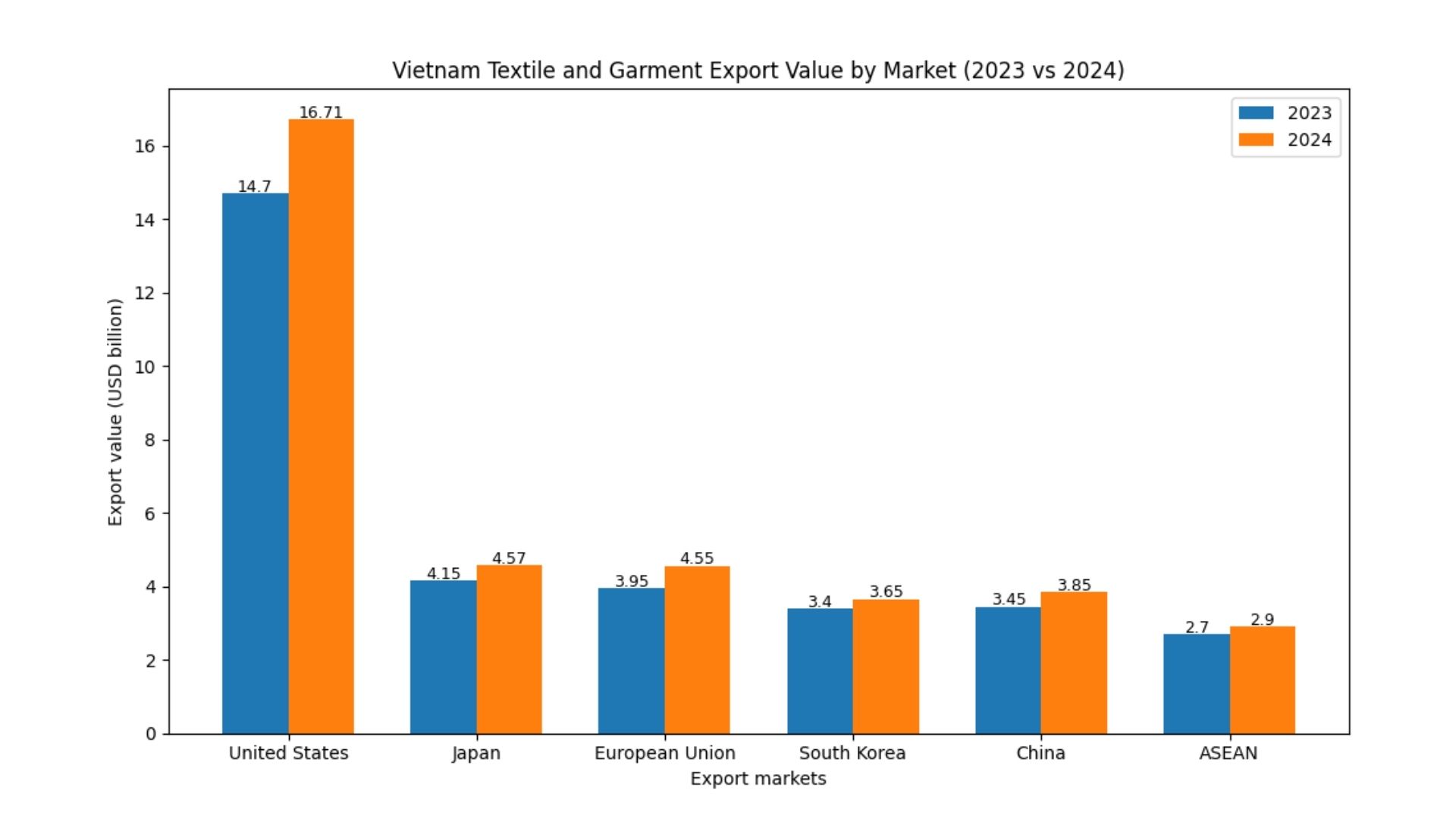
Why is Vietnam a top sourcing destination for baby bodysuits?
-
An abundant, skilled workforce
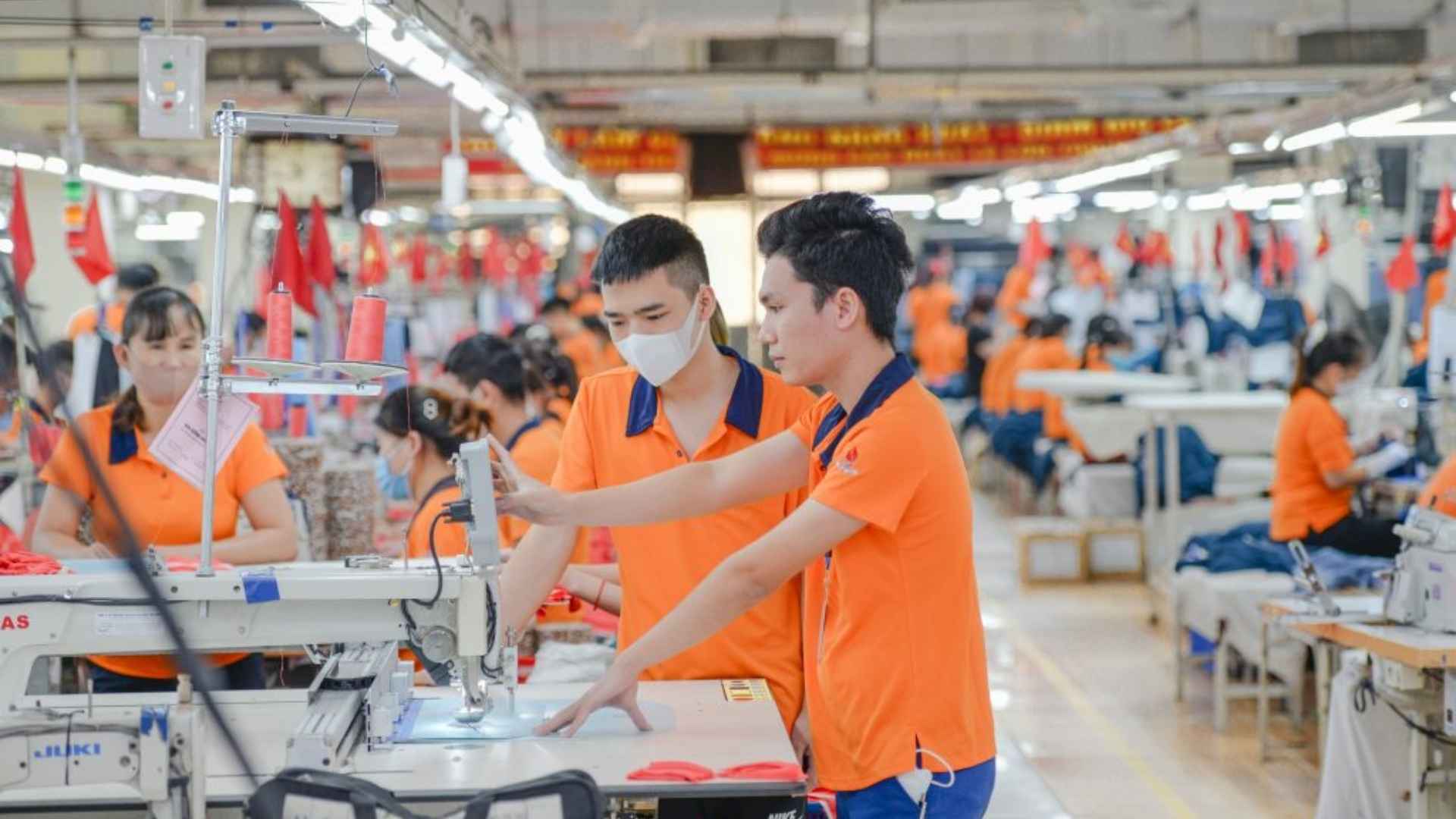
Vietnam’s textile and garment sector employs over 3 million workers, making it one of the country’s largest manufacturing employers. This workforce is highly skilled in the precise sewing techniques required for infant wear, such as flatlock stitching and accurate snap placement. As a result, manufacturers are able to maintain consistent quality even across large-volume baby bodysuit orders.
-
Cost-effective manufacturing
Vietnam remains a cost-competitive manufacturing hub in Asia. Average garment manufacturing wages are significantly lower than those in China. This allows manufacturers to offer more competitive pricing while maintaining consistent quality standards.
-
Strategic location
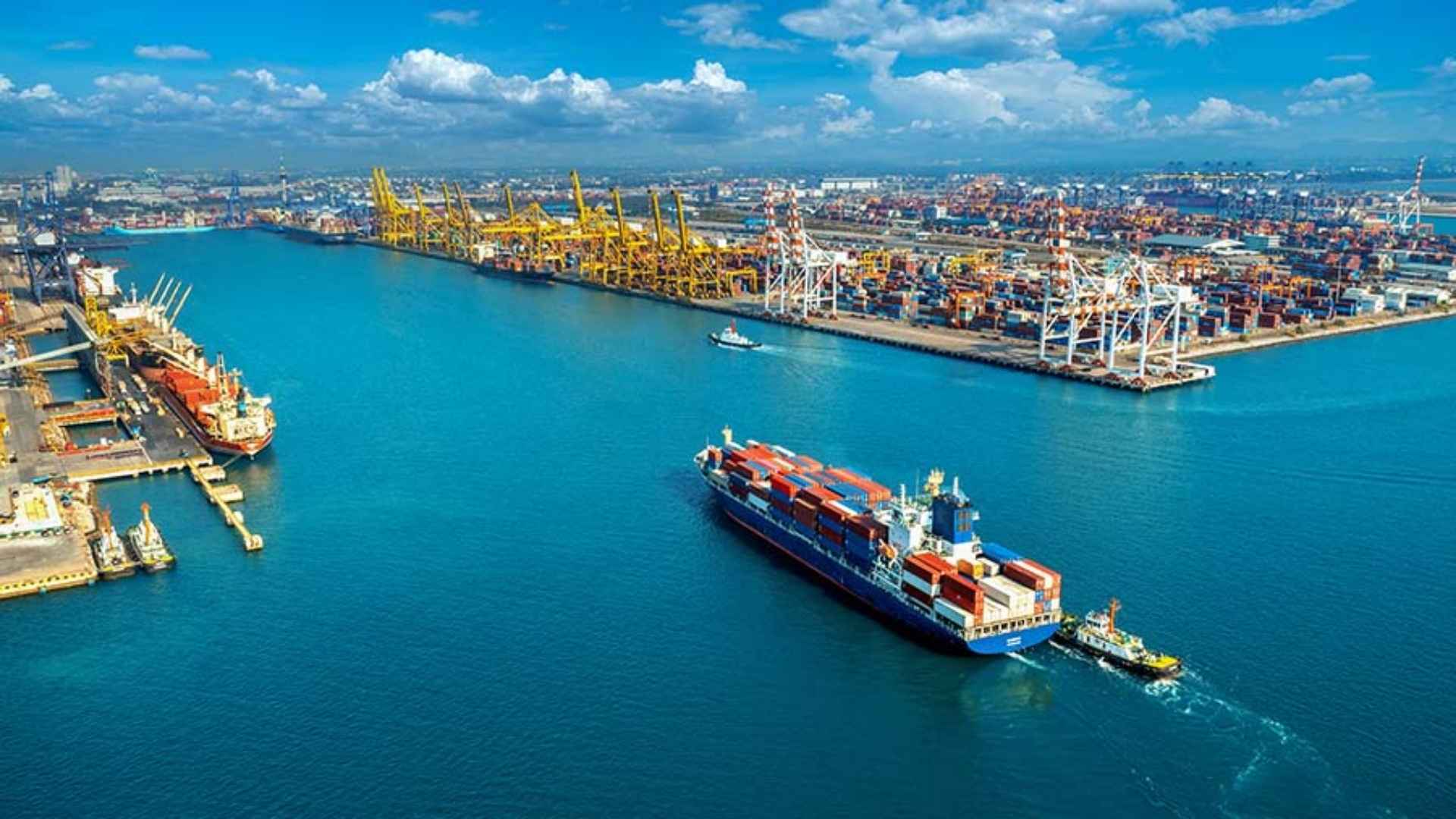
Vietnam’s geographic position provides a clear logistical advantage for the global apparel trade. The country has over 3,200 kilometers of coastline, supporting efficient access to international shipping routes linking East Asia with Europe and North America.
Vietnam ranked 43rd globally in the Logistics Performance Index, reflecting improvements in port infrastructure, customs procedures, and logistics services. In addition, Vietnam has 28 coastal provinces and cities, which help shorten inland transport distances between factories and export ports, contributing to more predictable lead times for exporters.
-
Industrial zones
Vietnam has invested heavily in export-oriented manufacturing infrastructure. The country currently operates over 400 industrial parks and economic zones, many of which host textile and garment factories.
Hubs like the Pho Noi B Textile and Garment Industrial Park in the North and various VSIP (Vietnam-Singapore Industrial Park) zones in the South offer integrated infrastructure. Concentrating production within these zones improves traceability, infrastructure reliability, and compliance oversight, which are particularly important for regulated products like baby bodysuits.
-
Free trade agreements
Vietnamese garment products are now exported to 138 countries, supported by 16 free trade agreements (FTAs). Key agreements, such as EVFTA, CPTPP, and RCEP, help reduce or eliminate tariffs on garment exports when rules of origin are met.
Under the EVFTA, the utilization rate of preferential certificates of origin for Vietnamese exports has exceeded 30% in recent years, supporting lower landed costs and stronger price competitiveness for Vietnamese-origin garments in the EU market.
How to Import Baby Bodysuits from Vietnam
This section explains the full workflow of importing baby bodysuits from Vietnam, from finding suppliers to shipping, so you can make informed B2B decisions and reduce operational risks.
-
Find a good supplier
Finding a reliable supplier is the most important step. Not all garment factories in Vietnam are suitable for baby bodysuits because infant clothing requires stricter safety and quality controls.
There are some common ways to find suppliers, including: B2B sourcing platforms, trade fairs and textile exhibitions, and referrals from sourcing agents.
Once you have identified potential suppliers, evaluate their credibility based on key criteria such as:
- Legal business registration and operating licenses
- Export experience, especially with baby or children’s apparel
- Feedback and reviews from existing international buyers
- Quality and compliance certifications (e.g., ISO, OEKO-TEX®, GOTS, or BSCI)
- Production capacity in infant wear
Thorough supplier screening at this stage helps reduce quality risks, compliance issues, and costly delays later in the production process.
-
Evaluate the sample
Sample evaluation is essential to ensure that all product specifications and quality requirements are met before bulk production begins.
For baby bodysuits, customer concerns focus not only on appearance but, more importantly, on comfort, safety, and durability, as these garments are worn directly against infants’ sensitive skin.
When reviewing samples, pay close attention to the following aspects:
- Material: Fabrics should be soft, breathable, and safe for infant skin. Common materials used for baby apparel include organic cotton, combed cotton, interlock cotton, bamboo fabric, and cotton-spandex blends for added stretch.
- Design and construction: Design should prioritize comfort and ease of use. Look for sufficient stretch, a relaxed fit, and smooth seams. Avoid small or sharp components that could pose safety risks.
- Sizing and fit: Sizes should align with standard age ranges (e.g., 0-3 months, 3-6 months) and allow room for movement and growth without being overly loose.
- Durability and performance: Assess fabric strength, colorfastness, and shape retention after washing. The bodysuit should maintain its softness, color, and form over multiple wash cycles.
-
Make a contract
A clear contract sets expectations and reduces misunderstandings. Key terms you should clearly define in your contract include:
- Pricing terms: Unit price, currency, price validity period, and any cost adjustments for customization or material changes.
- Minimum order quantity (MOQ): Confirm minimum quantities per style, color, and size, as well as flexibility for trial orders.
- Production lead time: Specify timelines for sampling, mass production, quality inspection, and readiness for shipment.
- Delivery terms: Agree on Incoterms (FOB, CIF, DDP, etc.), shipping methods, and responsibility for logistics and insurance.
- Payment terms and dispute resolution: Define payment schedules, accepted payment methods, penalties for delays, and procedures for handling disputes or quality claims.
-
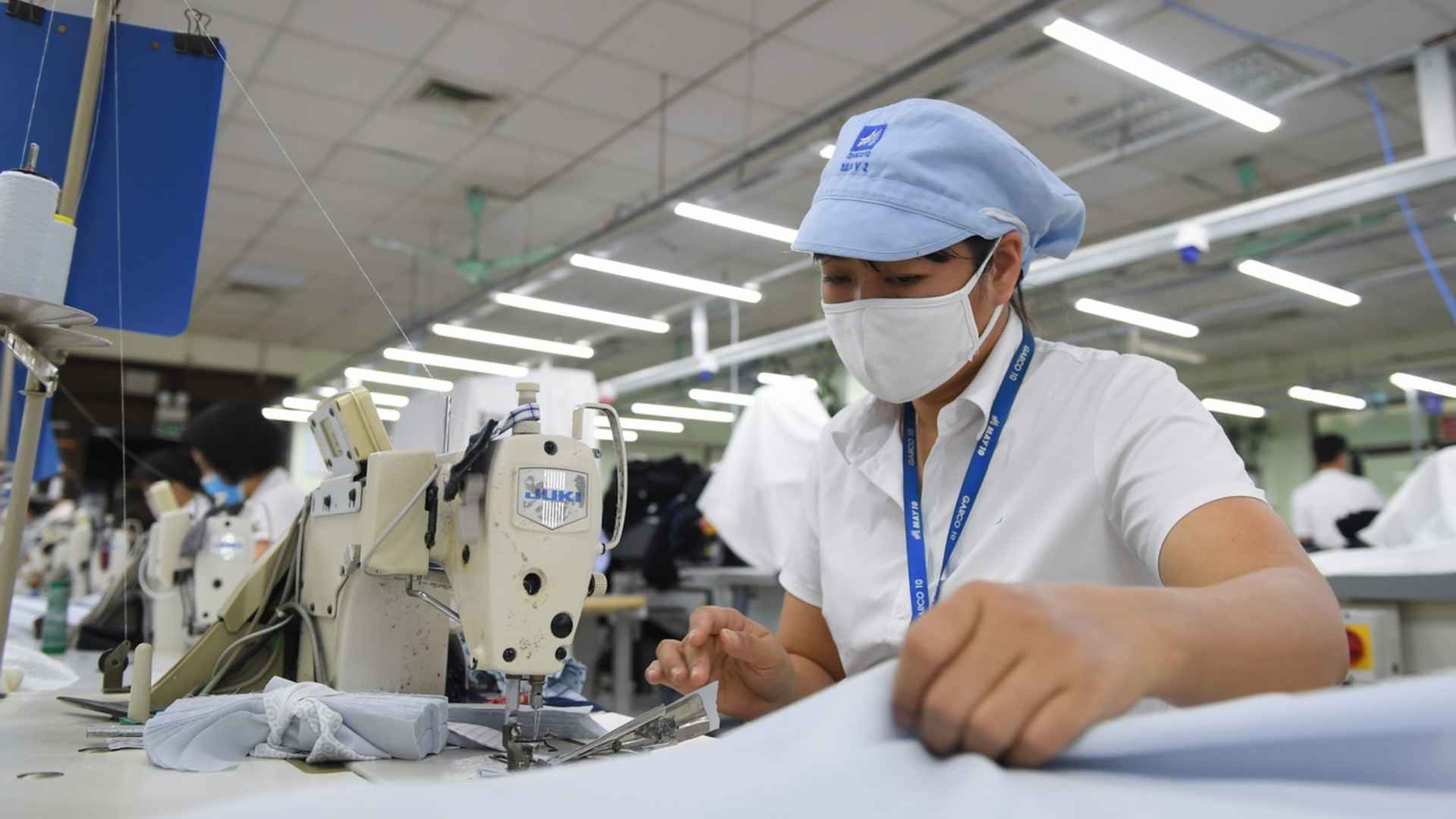
Monitor production quality
Quality control should be applied at several stages, not only at the end.
To maintain consistent quality, buyers should confirm materials and trims before cutting begins, request regular updates during sewing and assembly, and conduct final inspections before packing.
These checkpoints help identify issues early and prevent costly rework or delays.
If you are unable to manage this directly, you can hire a third-party inspection service at this stage.
-
Handle customs clearances
Customs clearance is a critical operational step when you import baby bodysuits from Vietnam. Proper classification and documentation are essential to avoid delays or penalties.
Common documents required for clearance include: Commercial invoice, packing list, bill of lading, and certificate of origin.
Depending on the market, you should prepare additional documentation related to product safety or labeling.
-
Manage shipping
Shipping is the final stage of the import process. Vietnam offers multiple port options and flexible logistics solutions. Key export gateways include Ho Chi Minh City, Hai Phong, and Da Nang, which are well connected to international shipping routes.
Common shipping choices include:
Sea freight, which is most suitable for large-volume orders and offers the best cost efficiency for baby bodysuits packed in cartons.
Air freight, ideal for urgent orders, small batches, or initial trial shipments where speed is critical.
When shipping baby bodysuits, ensure the products are properly packed to prevent moisture, contamination, or damage during transit. Clear labeling and accurate packing lists are also important to avoid customs delays.
You can work with an experienced freight forwarder or customs broker to help you manage these requirements more efficiently.
Where to find reliable Vietnamese baby bodysuit suppliers?
B2B importers can source reliable baby bodysuits through three primary channels:
-
Work with direct factories
Working directly with a factory is the most cost-effective route for large-scale B2B orders. It allows for better customization (OEM/ODM) and higher profit margins.
Below are three of the most reputable garment companies in Vietnam specializing in children’s wear and high-quality textiles.
Dugarco (Duc Giang Corporation)
Dugarco, established in 1990, is one of Vietnam’s long-standing garment exporters with more than three decades of manufacturing experience. The company operates 11 factories across Vietnam and employs 8,000 workers. Dugarco supplies apparel to buyers in the US, EU, and Japan, focusing on woven and knit garments such as jackets, shirts, trousers, uniforms, and kids’ clothes.
Contact Information:
- Address: 59 Duc Giang Street, Duc Giang Ward, Long Bien District, Hanoi, Vietnam.
- Website: dugarco.com
Tan Phu Garment Joint Stock Company (Rabity)
Tan Phu Garment Joint Stock Company is a Vietnamese apparel manufacturer best known for owning Rabity, a leading children’s fashion brand in Vietnam. Founded in 2000, the company specializes in the design and production of children’s wear for both domestic and export markets. Operating from a 4,000 m² facility, it employs approximately 1,200 skilled workers and has an annual production capacity of around 2 million garments.
Contact Information:
- Headquarters: 378 Linh Nam, Tran Phu Ward, Hoang Mai District, Hanoi.
- Website: https://rabity.vn/
Thygesen Textile Vietnam
Thygesen Textile Vietnam is part of the Denmark-based Thygesen Textile Group, founded in 1931. The company specializes in the manufacturing of activewear, casualwear, and kidswear, delivering high-quality apparel for international brands. With a production capacity of approximately 800,000 pieces per month, Thygesen serves both domestic and export markets, supplying customers across the US, UK, EU, Australia, and Japan.
Contact Information:
- Address: 9th Floor, Vinafor Building, 127 Lo Duc Street, Hai Ba Trung District, Hanoi.
- Website: https://thygesenapparel.com/
-
Use online B2B platforms
B2B buyers can streamline the sourcing process by utilizing digital marketplaces. These platforms provide tools to verify suppliers and manage international transactions efficiently.
Alibaba
Alibaba is the largest global B2B marketplace, offering access to thousands of Vietnamese garment suppliers. The platform allows buyers to compare prices, minimum order quantities, and product ranges quickly. However, supplier verification levels vary, so additional due diligence is usually required.
VinaSources
VinaSources is a specialized B2B platform focused exclusively on the Vietnamese export ecosystem. The platform positions itself as a sourcing solution that connects buyers with verified Vietnamese manufacturers across multiple categories, including garments. For buyers looking to import baby bodysuits from Vietnam, VinaSources can be useful due to its local suppliers’ focus and understanding of export requirements.
Global Sources
GlobalSources is widely recognized for its high barrier to entry for suppliers, making it the preferred choice for enterprise-level buyers with strict compliance standards. Buyers sourcing baby bodysuits may benefit from the platform’s emphasis on vetted manufacturers and structured supplier profiles.
-
Visit trade shows
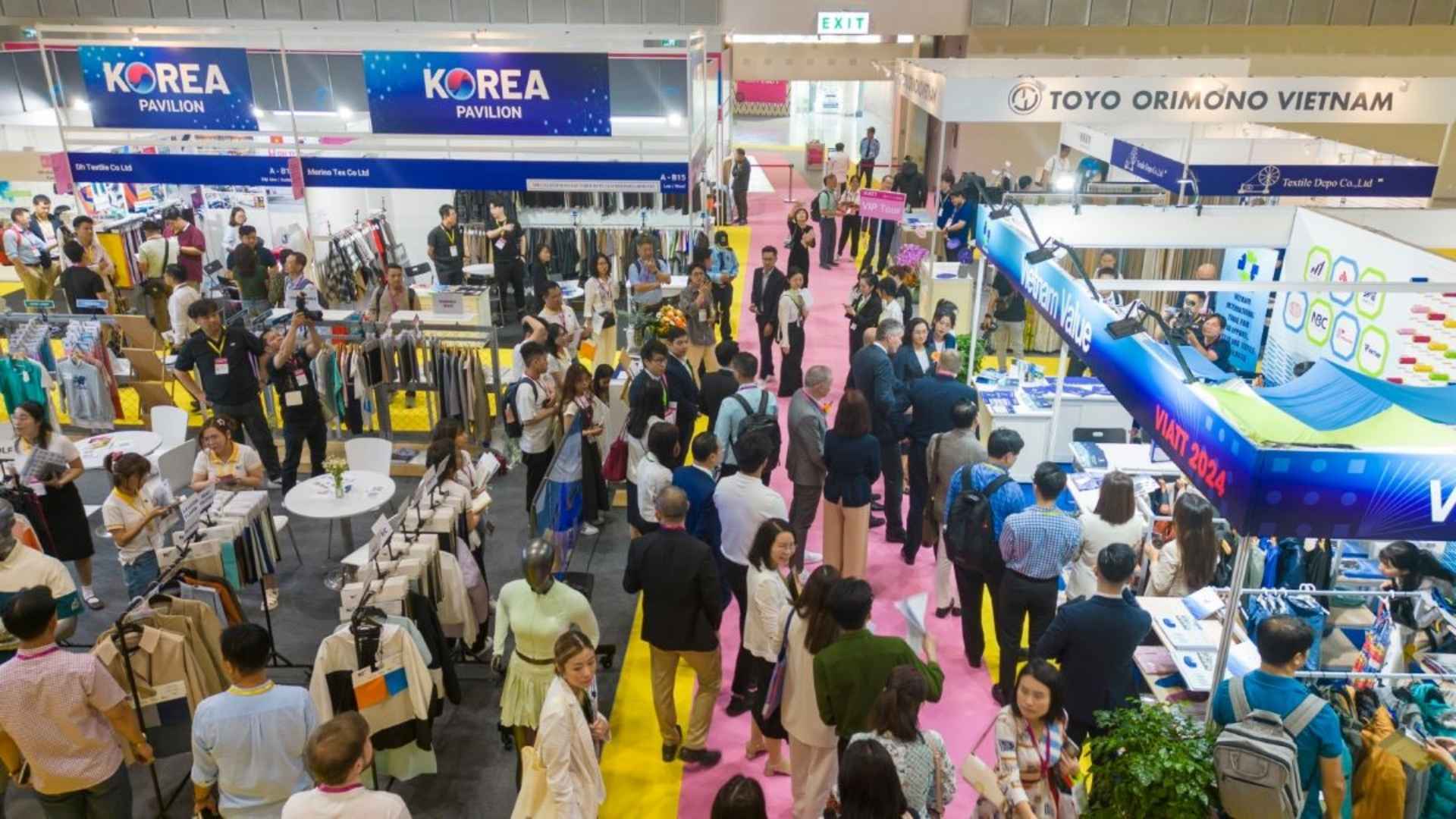
Attending trade shows is the most effective way to audit suppliers in person and verify fabric quality. These events gather thousands of industry leaders:
SaigonTex & SaigonFabric
SaigonTex & SaigonFabric is the largest and most influential event in Vietnam’s textile industry. The exhibition showcases textile machinery, garment accessories, and fabrics. The 2025 edition featured approximately 1350 exhibitors from 22 countries. It covers an expansive 35,000 square meters.
2026 Event Details: April 8-11, 2026, at the Saigon Exhibition & Convention Center (SECC), Ho Chi Minh City.
VTG (Vietnam International Textile & Garment Industry Exhibition)
VTG focuses on factory digitalization and automated machinery. The 2025 event hosted over 400 exhibitors across 10 countries and regions. It welcomed more than 17,000 trade visitors. This show is essential for finding partners who utilize advanced technology for precision garment assembly.
2026 Event Details: October 14-17, 2026, at the SECC, Ho Chi Minh City.
Vietnam EXPO
Vietnam EXPO is an annual multi-industry trade fair organized by the Ministry of Industry and Trade. The event covers a wide range of sectors, including textiles and garments.
2026 Event Details: April 8-11, 2026, at VEC, Dong Anh, Hanoi.
What are typical MOQs, lead time for importing baby bodysuits from Vietnam?
MOQs and lead times vary by factory.
Typical MOQs for baby bodysuits range from 500 to 3,000 pieces per style, depending on design complexity and material requirements.
Lead time for baby bodysuits from Vietnam typically follows a structured and predictable timeline. Sample development usually takes between 7-14 days. Bulk production generally requires 30-45 days.
What are Quality Standards Requirements?
Quality and safety standards are critical when importing baby bodysuits. Infant apparel is regulated more strictly than adult clothing due to direct skin contact and choking risk.
- Chemical safety standards: CPSIA (US Compliance), REACH regulations (EU Compliance), OEKO-TEX® Standard 100
- Material & sustainability standards: GOTS (Global Organic Textile Standard), OCS (Organic Content Standard)
- Social & Ethical Compliance: ISO 9001, ISO 14001, SA8000, BSCI
VinaSources: Your Trusted Sourcing Partner for Baby Bodysuits
For buyers looking to streamline the process of importing baby bodysuits from Vietnam, working with a specialized sourcing platform can significantly reduce risks, costs, and decision-making time.
VinaSources acts as a trusted bridge connecting global buyers with verified Vietnamese manufacturers across multiple product categories, including garments and baby apparel. With over 12 years of experience in cross-border trade from Vietnam, VinaSources has built a strong network of factories that meet international quality, compliance, and export standards.
Through the VinaSources platform, buyers can access a wide range of baby apparel manufacturers offering OEM and private-label services, flexible MOQs, and lead times. To get started, buyers can contact the VinaSources team through the following channels:
- Tel: 1900 4356
- Email: [email protected]
Alternatively, buyers can simply submit their product requirements via the quotation form to receive tailored supplier recommendations and pricing.