
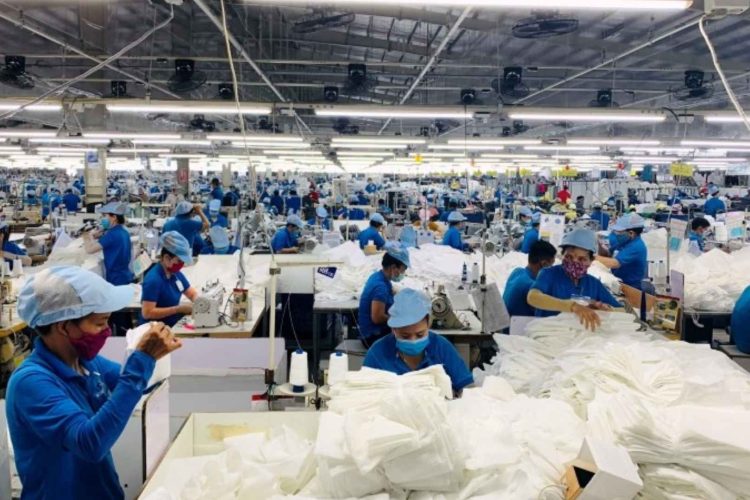
Vietnam has become a preferred sourcing destination for the garment industry due to competitive costs and strong free trade agreement coverage. For new buyers who start to import garments from Vietnam, cost control is often the top priority. Many choose to work with small garment factories because they offer lower minimum order quantities and reduced upfront investment.
However, global buyers often face challenges when sourcing from small factories. Common issues include limited visibility, location barriers, and a lack of practical knowledge about local sourcing practices.
In this guide, VinaSources, a dedicated team with over 12 years of experience in cross-border e-commerce and sourcing, introduces the top 10 small garment factories in central Vietnam. You will also find practical tips to help you work more effectively with small factories and achieve stronger sourcing outcomes.
Strengths of Sourcing Vietnamese Garments From Small Factories
Let’s take a closer look at why many global buyers choose to source small garment factories in Vietnam.
Small factories operate differently from large-scale manufacturers. So, the advantages often show up in order flexibility, cost control, and production responsiveness.
Lower MOQs
Lower minimum order quantities (MOQs) are one of the main reasons buyers choose small garment factories. Most small factories are open to low-volume production runs. This allows you to test demand in your target market or validate new designs before committing more capital.
In contrast, large-scale manufacturers operate with high fixed costs. They invest in large workforces, heavy machinery, expansive factory layouts, and multi-layered compliance systems. These investments depend on large production runs to remain cost-efficient. As a result, higher MOQs are required to protect margins and maintain operational stability.
Initial low investment cost
For buyers who are new to importing, sourcing from small factories offers a clear advantage in terms of lower initial investment. Small factories operate with lower machinery and equipment costs, smaller workforces, and simpler management structures. This reduces overall operating expenses and, in turn, lowers entry barriers for buyers placing their first orders.
Because of this cost structure, small factories are more flexible when handling custom orders or niche market products. They are well-suited for small batch orders and test runs, which allows you to validate product demand and market response without committing significant capital upfront.
However, when order volumes increase, large-scale factories often become more cost-efficient. Their ability to spread fixed costs across large production runs gives them an advantage for high-volume orders.
Flexibility and Customization
Small factories usually have fewer management layers and simpler operating structures. Decisions related to design changes, materials, or production processes are often made directly by the factory owner or production manager. In addition, they do not rely on large orders to optimize costs. As a result, small factories are more willing to accept custom orders, niche market products, and special requirements such as specific sizing, labeling, or finishing details.
In contrast, large factories tend to be more rigid. Their approval processes are complex, the cost of change is high, and setting up custom orders requires more time and coordination. This creates an opportunity for small factories to focus on personalized production with better cost efficiency and shorter lead times.
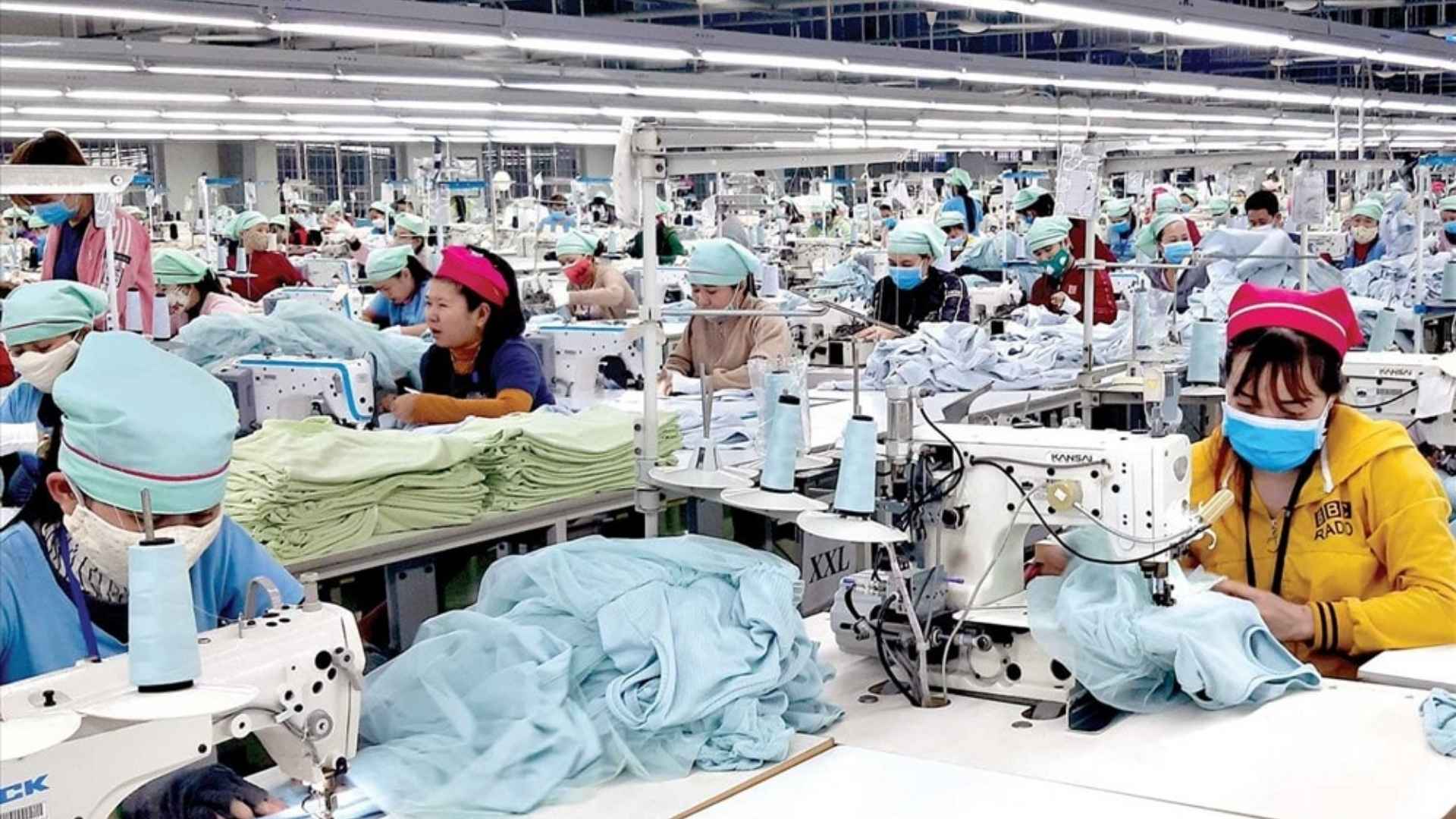
Key Garment Manufacturing Areas in Central Vietnam
Da Nang
Da Nang is a key center of garment manufacturing in central Vietnam and plays an important role in exporting Vietnamese garments. The city has established export networks to more than 40 countries and territories, with major markets including the United States, the European Union, Japan, South Korea, etc.
Da Nang hosts several important textile and garment industrial zones, including Hoa Khanh Industrial Zone, Hoa Cam Industrial Zone, and An Don Industrial Zone in Da Nang.
In addition, Da Nang benefits from a well-developed logistics system. The city operates major seaports such as Tien Sa Port and Lien Chieu Port, along with a modern international airport. These infrastructure advantages help optimize transportation costs and shorten customs clearance time for garment exports.
Hue
Hue is the largest textile and garment manufacturing hub in the Central and Central Highlands region of Vietnam. Each year, Hue has the capacity to produce more than 500 million garment products and approximately 100,000 tons of yarn.
The province benefits from a skilled workforce with a long-standing tradition in textile and garment production. Additionally, Hue has continuously implemented industrial planning projects that support the textile sector, such as Phong Dien Industrial Park, to attract fabric, yarn, and dyeing investments. These efforts help build a more integrated supply chain and reduce reliance on imported materials.
Improved transport links to Chan May Port and regional logistics hubs also help factories in areas like Phu Bai and Phong Dien export more efficiently.
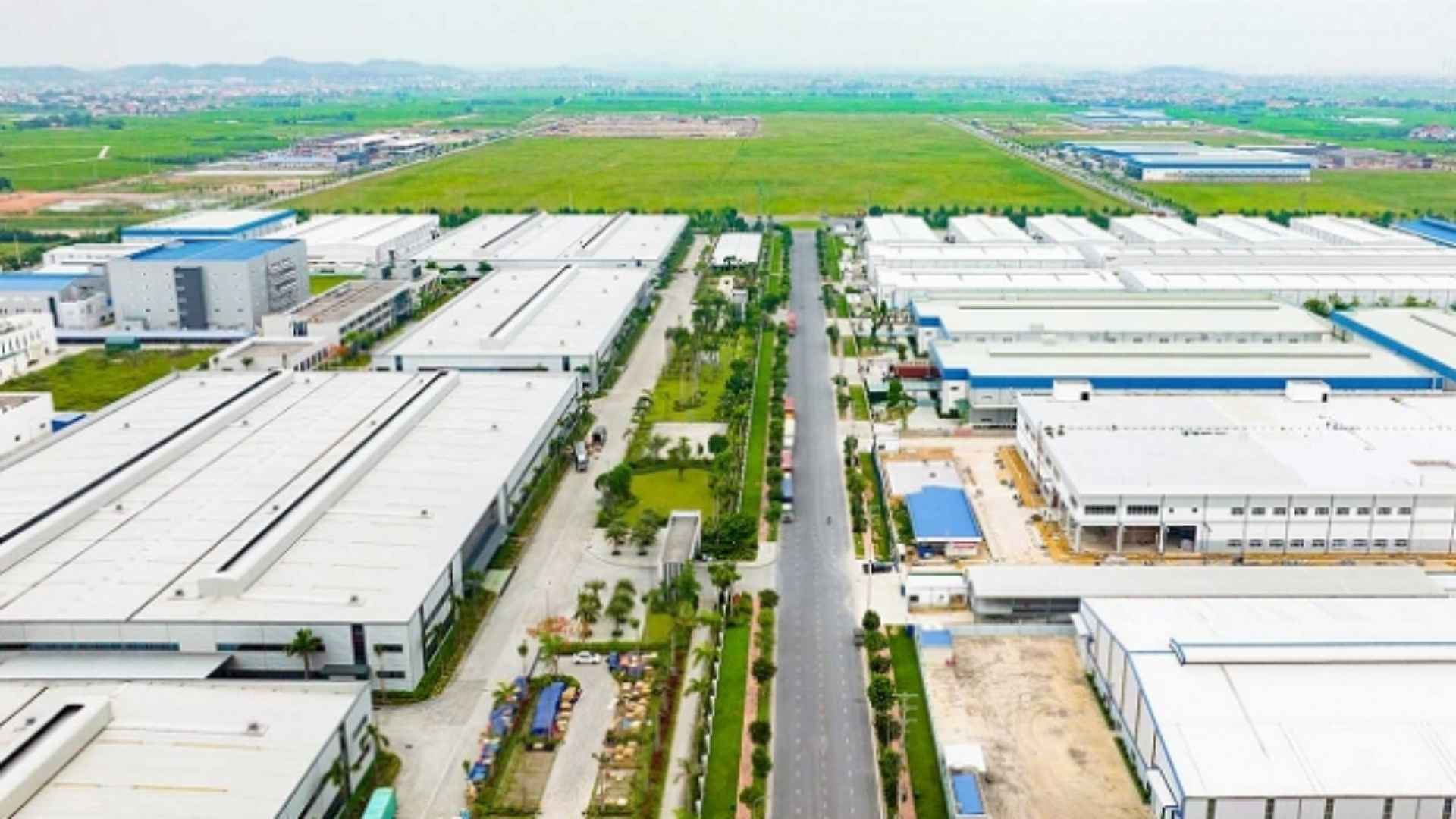
Thanh Hoa
As of 2025, Thanh Hoa has more than 300 companies operating in the textile and garment sector. In 2024, the province produced over 700 million garments, with exports reaching approximately 450 million units. Several pioneering manufacturers play a key role in export activity, including Thanh Hoa Garment Joint Stock Company and Appareltech Export Garment Co., Ltd., which employs nearly 3,800 workers and exports mainly to the United States, Colombia, and the EU.
Thanh Hoa benefits from a large population that provides a young and skilled labor force for the garment industry. Factories are not only concentrated in industrial zones but are also distributed across rural areas. This structure helps optimize operating costs while improving access to local labor.
Quang Nam
Quang Nam is one of the key links in the textile and garment supply chain of central Vietnam. The province has a distinct advantage in upstream production, with large-scale yarn spinning, weaving, and dyeing factories. This creates a relatively closed and integrated supply chain that supports garment manufacturing within the region. As a result, textile and garment products made in Quang Nam can more easily qualify for 0% import duties when exported to markets covered by the CPTPP and EVFTA agreements.
In addition, the labor force in Quang Nam is widely regarded as diligent and technically skilled. Local workers are capable of handling orders that require higher technical standards, such as tailored suits and high-end sportswear.
Furthermore, garment factories are distributed across different areas of the province rather than concentrated in a single urban center. This structure helps utilize the local labor supply, reduce pressure on urban infrastructure, and optimize labor costs.
Some Small Garment Factories in Central Vietnam
Below is a curated list of small garment factories located in Central Vietnam to support buyers seeking direct sourcing and initial supplier outreach.
| Company Name | Main Business | Address | Phone number |
| Thang Loi Private Enterprise | Garment manufacturing focuses on uniforms, including office uniforms, T-shirts, worker uniforms, protective clothing, and medical and hospital uniforms | No. 5 Nguyen Quoc Tri Street, Ngu Hanh Son Ward, Da Nang City, Vietnam | 0511 945 238 |
| Hanh Quyen Export Garment Two Member Limited Liability Company | Garment manufacturing and processing of shirts, jackets, trousers, and skirts | 13/160 Song Hong Street, Huong Thuy Ward, Hue City, Thua Thien Hue Province, Vietnam | 0905 539 044 |
| Giai Nong Company Limited | Garment manufacturing and processing | 580 Nui Thanh Street, Hoa Cuong Nam Ward, Hai Chau District, Da Nang City, Vietnam | 0236 364 2029 |
| Viet Linh Garment Limited Company | Garment manufacturing and subcontract sewing services | Lot 08A Can Vuong Street, Quy Nhon Nam Ward, Gia Lai Province, Vietnam | 0563 546 919 |
| Nha May LT Company Limited | Garment manufacturing and apparel production | 193 Le Hong Phong Street, Tran Phu Ward, Quy Nhon City, Binh Dinh Province, Vietnam | 0256 382 4864 |
| Tien Thuan Garment Company Limited | Ready-made garment manufacturing for domestic and export markets | 16 Thang 4 Street, My Hai Ward, Phan Rang Thap Cham City, Ninh Thuan Province, Vietnam | 0259 383 6583 |
| 28 Da Nang Joint Stock Company | Garment manufacturing and apparel production | 67 Duy Tan Street, Hoa Thuan Tay Ward, Hai Chau District, Da Nang City, Vietnam | 0236 361 8595 |
| Thanh Cong Nghe An Garment Joint Stock Company | Garment manufacturing and apparel processing | Dong Ao Trong Hamlet, Xom 3, Van Tu Commune, Nghe An Province, Vietnam | 0972 562 626 |
Key Considerations For Sourcing From Small Garment Factories
-
Compliance and export readiness
When sourcing from small garment suppliers, international buyers often encounter factories that do not yet hold a full set of export-related certifications. These may include certificates of origin (C/O), ISO 9001 (quality management), or ISO 14001 (environmental management). This situation usually stems from the fact that many small factories operate on a limited scale. They often focus on subcontracting for larger manufacturers or serving narrow domestic markets, so formal quality management systems are not always seen as a priority.
As a result, to reduce export-related risks, international buyers should require suppliers to provide clear documentation and written commitments covering sustainability standards, labor practices, and product traceability. This step helps ensure compliance and creates a more secure foundation for cross-border sourcing.
-
Certifications can be limited
Many small and medium-sized garment factories often face constraints when it comes to international certifications. Limited financial resources and a lack of specialized compliance teams can make it difficult to invest in complex and costly standards such as GOTS, BSCI, or OEKO-TEX. In some cases, smaller manufacturers underestimate how critical these certifications are for accessing premium markets or meeting the requirements of large global brands.
So, certification gaps do not always indicate poor production capability. They often reflect structural limitations rather than quality issues. However, buyers should approach this area carefully and verify key background information before placing orders.
You should verify:
• past export markets to understand the factory’s exposure to international requirements
• buyer references to assess reliability and past performance
• Existing compliance practices such as internal quality checks, labor policies, and production controls
-
Scaling fast can be difficult
Scaling production quickly is often challenging for small factories. They may struggle to add labor or equipment at short notice, and supply chains for fabrics and trims can also become bottlenecks.
If you place a large-scale order, it may result in longer lead times or production capacity constraints. Therefore, for high-volume or time-sensitive orders, buyers should plan production well in advance with the supplier and confirm capacity limits early.
How to Find Small Garment Factories in Central Vietnam
Finding reliable small garment factories in Central Vietnam requires a different approach than sourcing from large industrial manufacturers. These factories often operate with limited marketing exposure, small production models, and varying export experience.
Below are several practical sourcing methods commonly used by buyers to identify and connect with small garment manufacturers in the region.
-
Direct outreach through factory websites and email
One common starting point is direct contact with factories through their own websites, public directories, or listed email addresses.
The main advantage of this approach is cost control. You communicate directly with the factory owner or production manager, which helps reduce intermediary fees. This direct line can also speed up early discussions about product types, sampling, and minimum order quantities.
However, this method usually requires more buyer involvement. In addition, language barriers can slow communication. In practice, direct outreach works best for buyers who already have sourcing experience and clear technical documents.
-
Using Google research to identify local factories
Google research is another widely used method for sourcing small garment factories in central Vietnam. Buyers often search using combinations of keywords such as garment factory, clothing manufacturer, or sewing workshop, paired with specific cities or provinces.
This approach helps uncover factories that do not actively market on global platforms. Some small manufacturers rely mainly on local or regional clients, yet still have export potential. Through Google Maps, business directories, and local listings, buyers can identify factory names, addresses, and contact details.
The limitation of Google research is verification. Information may be outdated or incomplete. As a result, buyers must spend additional time screening suppliers.
-
Exploring the e-commerce platform
Some buyers look at local e-commerce platforms to identify potential garment manufacturers. Platforms such as Shopee and Lazada mainly focus on retail sales, but they are still useful methods.
Small garment factories often sell finished products directly on these platforms to test demand or supplement wholesale orders. By reviewing seller profiles, product catalogs, and customer feedback, buyers can identify workshops with consistent production quality.
The benefit of this method is visibility. You can see real products, pricing ranges, and customer reviews. This helps you understand the factory’s product positioning and quality level.
However, these platforms are not designed for B2B sourcing. Sellers may not be prepared for export orders or bulk production. Communication usually happens through retail messaging systems, which limit detailed discussion.
-
Using sourcing B2B platforms
For many global buyers, a B2B platform or local sourcing agent-supported model offers a more structured approach.
Platforms like VinaSources are designed to connect buyers with Vietnamese manufacturers, including small garment factories. The key advantage of this model is risk reduction. Platforms often pre-screen suppliers, verify basic credentials, and support communication. This helps overcome language barriers and reduces the time required for supplier evaluation.
In addition, the dedicated VinaSources team also provides comprehensive sourcing support. This may include sample coordination, quality control, logistics planning, and export documentation guidance. For buyers new to Vietnam or sourcing small factories for the first time, this structure can be valuable.