
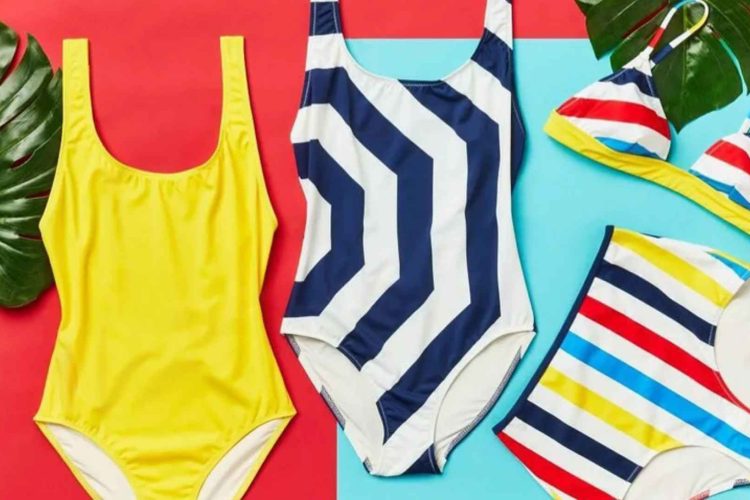
The global swimwear market has been expanding steadily thanks to rising demand for beachwear, activewear, and fitness-oriented swimming activities. As businesses look for reliable suppliers who can deliver trend-driven designs, competitive pricing, and stable production capacity, Vietnam has become one of the most attractive sourcing destinations.
This guide provides international buyers with a complete overview of the swimwear import process, from understanding market trends to choosing the right suppliers and navigating production, quality control, shipping, and tariffs, helping you make informed and confident sourcing decisions.
Overview of the global swimwear market
As we move toward 2025, the swimwear industry is entering a strong growth phase, driven by shifting consumer lifestyles, rising health awareness, and the influence of social media. The global focus on fitness and wellness has encouraged more people to participate in swimming, water-based sports, and beach activities, directly boosting demand for diverse swimwear styles.
Besides, social media platforms, especially Instagram, TikTok, and Pinterest, have turned swimwear into a fashion-driven category. Consumers now look for trendy, photogenic designs, pushing the market beyond purely functional swimwear into lifestyle, athleisure, and fashion-forward segments.
Swimwear today covers a wide range of styles, including bikinis, one-piece swimsuits, tankinis, rash guards, swim trunks, jammers, and performance swimwear designed specifically for sports and training.
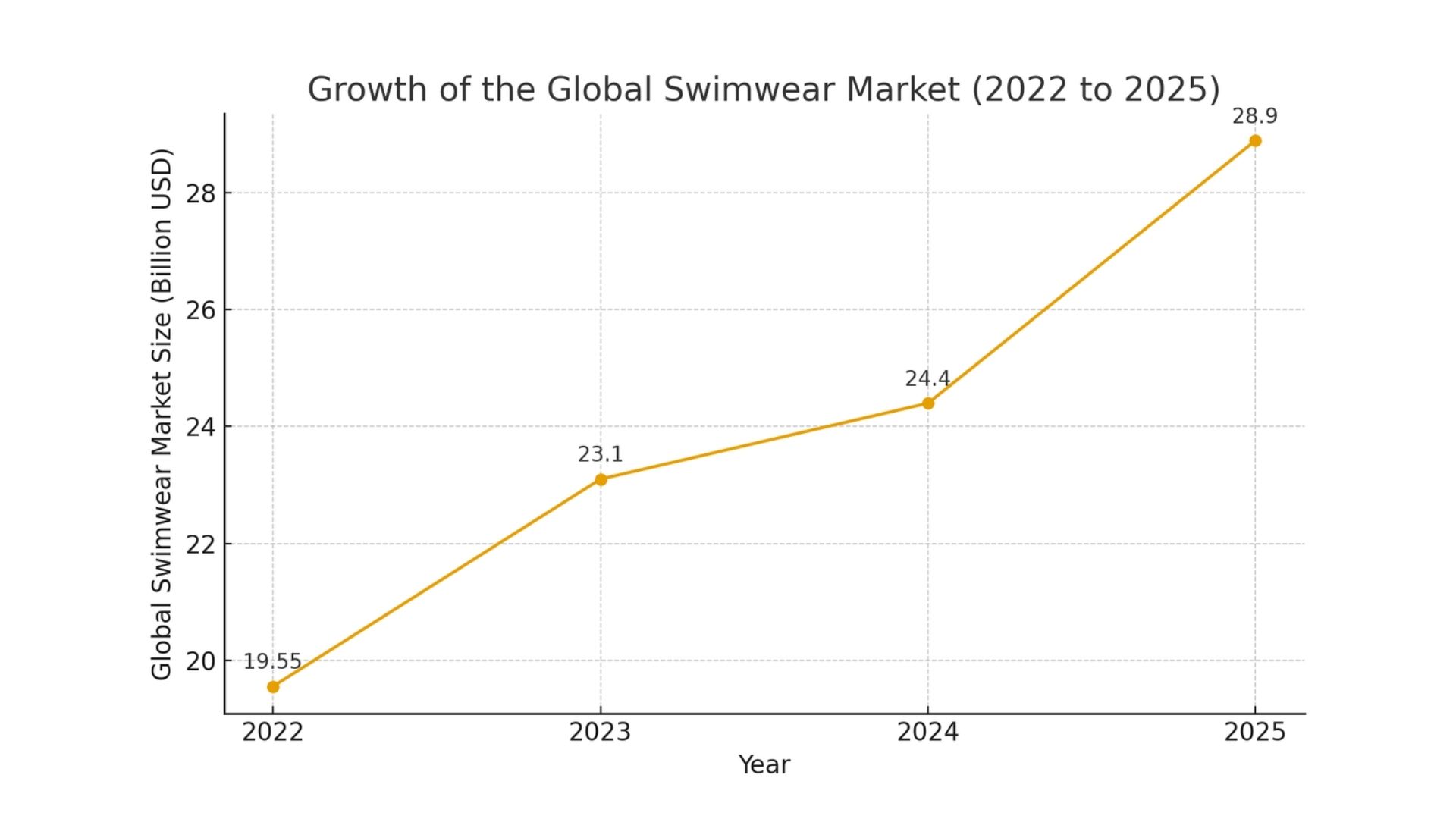
According to Statista, the global swimwear market is valued at USD 28.9 billion in 2025 and is projected to reach USD 38.53 billion by 2030, reflecting a strong CAGR of 6.37% during this period.
Top reasons to choose to import swimwear from Vietnam
Vietnam has become one of the world’s most competitive countries for apparel and performance-wear manufacturing, including swimwear. Global buyers increasingly choose Vietnam because of its cost efficiency, supply-chain maturity, government-backed industry development, and strong logistics ecosystem.
Below are the essential reasons why Vietnam stands out as a preferred sourcing destination for swimwear, followed by a detailed comparison table as requested.
| # | Factors | Brief analysis |
| 1 | Labor costs | Vietnam’s average garment worker salary ranges from 300 USD/month, roughly 50% lower than China’s average of 550-700 USD/month. Lower labor costs reduce per-unit swimwear manufacturing prices and improve overall competitiveness. |
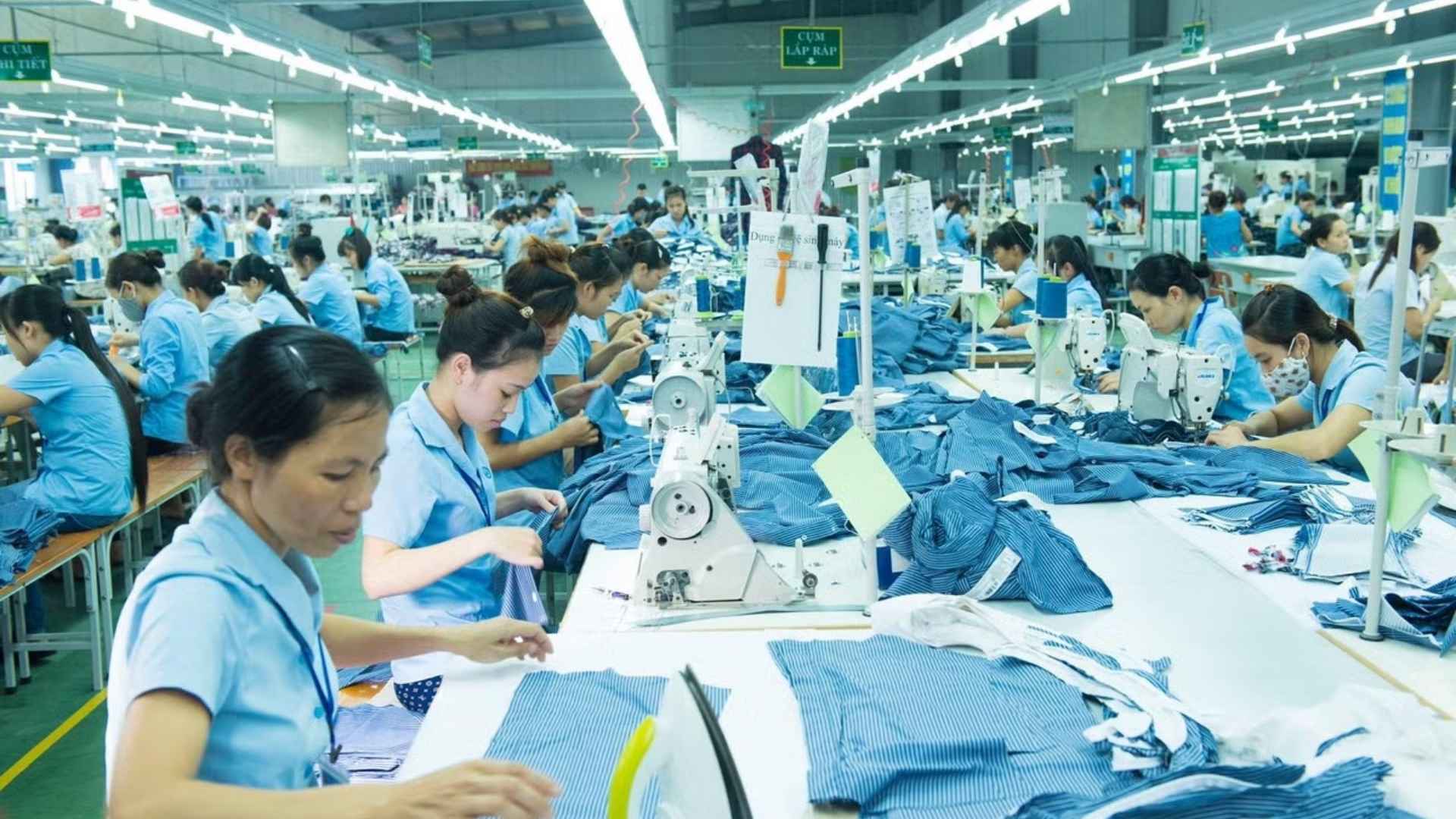
| 2 | Workforce | The garment industry employs over 2.5 million workers, many trained specifically in apparel and stretch fabrics. Vietnam maintains one of the most stable labor supplies in Southeast Asia, supporting large-scale swimwear production. |
| 3 | Network of FTA’s | Vietnam participates in 15+ major FTAs, including EVFTA, CPTPP, RCEP, and UKVFTA. These agreements offer low or even 0% tariff rates for many textile and garment exports, reducing total import costs for global buyers. |
| 4 | Government support | Vietnam provides corporate tax incentives, export-support policies, and investment in industrial parks dedicated to textiles and apparel. Government programs help improve supply-chain efficiency and expand fabric production capacity. |
| 5 | Strategic location | Vietnam’s major ports offer transit times of 14-20 days to the U.S. West Coast and 25-30 days to Europe. Proximity to regional material hubs (China, Taiwan, South Korea) reduces lead time and improves sourcing agility. |
Step-by-step process to import swimwear from Vietnam
To secure consistent quality and avoid delays or compliance issues, buyers should follow a structured sourcing and import process. The steps below provide a clear roadmap from defining specifications to managing logistics and customs.
-
Define product requirements
Before speaking to suppliers, it is essential to prepare your product requirements clearly. The more detailed your requirements are, the easier it is for the factory to calculate accurate pricing, prepare samples, and deliver consistent quality.
Below are the key product details that manufacturers must fully understand before starting sampling or production:
- Fabric type and composition (nylon, polyester, spandex percentages)
- Fabric characteristics such as stretch level, recovery, durability, and chlorine resistance
- GSM or fabric weight, which influences structure and opacity
- Lining materials and whether partial or full lining is required
- Design sketches or tech packs, including front view, back view, and side view
- Color palette and Pantone codes, or print artwork files if using sublimation or digital prints
- Size chart and grading rules to achieve an accurate fit across markets
- Branding elements such as heat-transfer labels, logo placement, hangtags, and packaging
- Special functional requirements, such as UV protection or quick-dry performance
-
Choose the right supplier
You can find suppliers through sourcing platforms, trade shows, industry associations, or direct factory visits.
Here are some key criteria to evaluate and choose the right supplier:
- Production capacity: Small and medium factories are suitable for low-volume orders. Larger factories are better for bulk orders of 5,000 pieces and above. Choose based on your business model.
- Compliance and certifications: Suppliers producing for international brands often follow compliance standards such as BSCI, ISO 9001, and OEKO-TEX fabric certification. These certifications help ensure quality and safety.
- Export experience: Many Vietnamese suppliers already export to the USA, EU, Japan, and Australia. These suppliers understand international packaging, labeling, and documentation requirements.
- Transparent communication: Choose suppliers who reply quickly, provide detailed answers, and offer suggestions to improve your product. Swimwear requires collaboration, not just simple manufacturing.
-
Request samples
Once factories receive the buyer’s product brief, they will prepare prototype samples. This stage allows buyers to evaluate a manufacturer’s capabilities and compare multiple suppliers before committing to a production contract.
When reviewing a swimwear sample, start by checking fabric stretch and recovery, since quality swimwear must hold its shape after repeated use. Examine the stitching to ensure consistency, reinforced seams, and seamless construction when required. Test colorfastness in chlorine, seawater, and UV exposure to confirm durability. Evaluate fit and sizing to ensure accurate measurements and batch consistency. Inspect the logo and printing quality, whether sublimation, heat transfer, rubber printing, or embroidery. Finally, check packaging standards, including polybags, labels, and cartons, to ensure they meet export requirements.
A strong sampling stage significantly reduces defects and aligns buyer expectations with actual factory capabilities.
-
Confirm contract
After approving the final sample and agreeing on pricing, the next step is to sign a contract that clearly outlines production expectations. This contract protects both parties by establishing clear responsibilities, expectations, and consequences if requirements are not met.
Essential terms to include in a swimwear manufacturing contract:
- Product specifications
- Unit price and payment terms
- Minimum order quantity (MOQ)
- Production lead time
- Shipping terms (Incoterms): FOB, CIF, EXW, DDP, or others.
- Responsibility for delays
- Packaging requirements
- Return or refund policy for defective goods
- Penalty clauses: In case of late delivery, quality deviation, or contract breach.
- Confidentiality agreement: Protecting designs, patterns, and brand information.
A well-structured contract ensures transparency and reduces risk for buyers importing swimwear from Vietnam.

-
Customs duties, tax, and tariffs
Before your order ships, you should confirm the applicable taxes and tariffs in your destination country. Most swimwear is classified under HS Code 6112 (knitted) or HS Code 6211 (woven), but you can verify this through your local customs office or official government tariff portals.
If your country has a free trade agreement with Vietnam-such as EVFTA, CPTPP, or the UK-Vietnam FTA-you may qualify for reduced or zero tariffs as long as you provide the correct Certificate of Origin. Checking these details early helps you avoid unexpected import costs. To qualify, you must obtain the correct Certificate of Origin.
To ensure smooth customs clearance, make sure you prepare the following key documents: Declaration form, Bill of lading, Certificate of origin, Import permit for restricted goods, Commercial invoice, Report of inspection, Delivery order, Packing list, Terminal handling receipts
Understanding tariff structures in advance helps you calculate the total landed cost and avoid unexpected fees.
-
Manage shipping and logistics
Shipping plays a major role in cost, delivery speed, and supply chain planning. When you import swimwear from Vietnam, you typically choose between air freight and ocean freight. Each method has advantages and limitations depending on order size, urgency, and budget.
Below is a breakdown with pros, cons, and best-use recommendations to help you choose the best option.
| Shipping method | Pros | Cons | Best use cases |
| Air freight |
|
|
|
| Ocean Freight |
|
|
|
Selecting the right logistics method depends on order size, delivery deadlines, and budget. Many buyers combine methods, such as shipping initial stock by air and the remaining bulk by sea.
Where to find reliable Vietnamese swimwear suppliers
Finding the right manufacturing partner is one of the most important steps when you plan to import swimwear from Vietnam. Each sourcing method offers unique advantages, risks, and suitability depending on order size, quality expectations, and project timelines. Below analyzes three major sourcing methods: trade shows, online platforms, and direct factories, helping importers make informed, strategically aligned decisions.
-
Visit trade shows
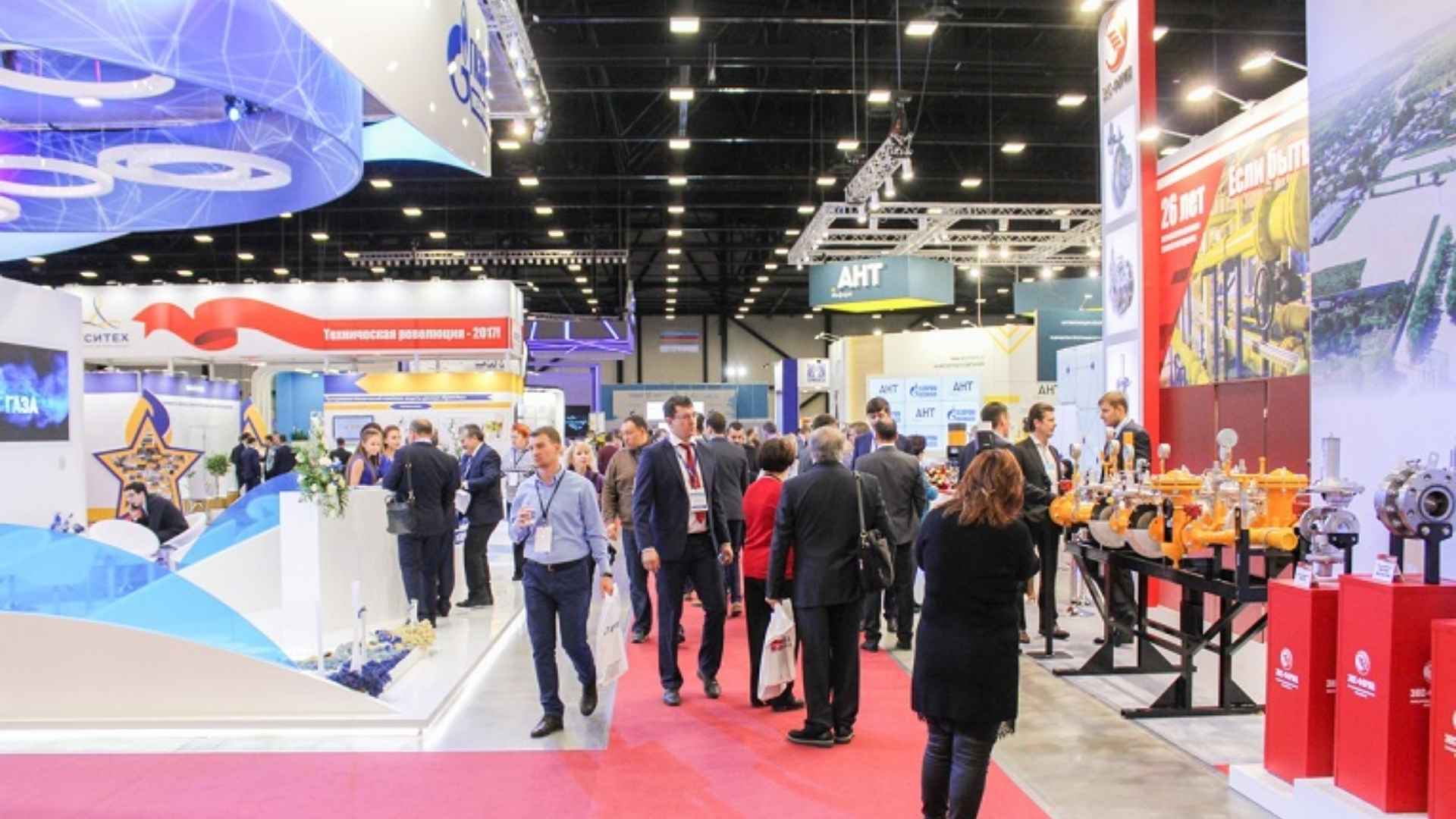
Visiting trade shows is one of the most effective ways to find reliable Vietnamese swimwear suppliers because these events allow you to connect directly with manufacturers.
Benefits of visiting trade shows: Trade shows give buyers immediate access to a large number of garment, textile, and swimwear suppliers in one place, helping shorten the sourcing process while enabling face-to-face discussions about product quality, materials, and production techniques. They also provide opportunities to discover new fabric innovations, such as seamless stitching or eco-friendly materials, and allow buyers to negotiate MOQs, pricing, and lead times on the spot. Since exhibitors are generally pre-verified by event organizers, trade shows also reduce the risk of fraud and are ideal for building long-term partnerships or exploring custom swimwear development.
Pros of visiting trade shows: Attending trade shows requires a significant travel budget for flights, accommodation, and event fees, and because these events take place only on fixed dates, buyers must schedule their sourcing plans accordingly. Exhibitions often last several days, which can be time-consuming, and language barriers may arise if suppliers do not have English-speaking representatives. Additionally, smaller or newer factories may not participate due to high booth costs, meaning some potential suppliers might be absent from these events.
Some notable events:
Vietnam International Textile & Garment Industry Exhibition (VTG): VTG is one of Vietnam’s largest textile and garment exhibitions, bringing together machinery suppliers, fabric producers, garment manufacturers, and exporters. It serves as a central meeting point for global buyers who want to evaluate Vietnam’s industrial capability and explore suppliers specializing in activewear, sportswear, and swimwear. According to EventsEye, VTG is scheduled to take place 14-17 October 2026 at the Saigon Exhibition and Convention Center (SECC), Ho Chi Minh City. The event typically spans four days and hosts hundreds of exhibitors from Vietnam and international markets.
SaigonTex & SaigonFabric: SaigonTex and SaigonFabric are among Vietnam’s most recognized international exhibitions for textiles, yarns, fabrics, and garment accessories. They are particularly valuable for swimwear buyers because many exhibitors specialize in high-stretch fabrics, functional materials, dyeing services, and garment finishing technologies. Based on EventsEye listings, SaigonTex and SaigonFabric are expected to be held from 08-11 April 2026, also at SECC in Ho Chi Minh City.
-
Search through online platforms
Searching through online platforms is another practical way to find Vietnamese swimwear suppliers, especially for buyers who want to start sourcing without traveling.
Pros of online platforms: These platforms offer convenient remote access to a large network of garment and swimwear manufacturers, allowing buyers to compare prices, MOQs, certifications, and product catalogs with ease. Besides, built-in filters help users locate verified suppliers with proven export experience, and integrated messaging tools enable faster initial communication, making online platforms useful for early-stage supplier screening before moving into deeper due diligence.
Cons of online platforms: Buyers may encounter intermediaries posing as factories, which can increase costs and reduce transparency, and product quality cannot be confirmed until physical samples are received. Information about production capacity or certifications may be outdated or overstated, and some platforms charge membership fees for advanced features. Additionally, the sheer number of listed suppliers can overwhelm new importers, making careful verification essential.
Some popular platforms:
Alibaba: Alibaba is one of the world’s largest and most widely recognized B2B e-commerce platforms. It hosts a vast number of Vietnamese garment and swimwear suppliers, ranging from export-ready factories to small- and medium-sized manufacturers.
VinaSources: VinaSources is a Vietnam-focused B2B sourcing platform dedicated exclusively to connecting global buyers with verified Vietnamese manufacturers. Unlike general sourcing websites, VinaSources specializes in Vietnam’s export ecosystem and provides access only to factories that have been screened for legitimacy, production capability, and export experience.
Global Sources: Global Sources is a long-established B2B sourcing platform known for connecting buyers with verified exporters. The platform includes a growing number of Vietnamese garment factories, offering detailed company profiles, certification visibility, and updated product catalogs.
-
Partner with Direct factories
Partnering directly with factories is a strong sourcing method for buyers who want maximum control over production.
Pros of working with direct factories: This approach allows clear, direct communication with the manufacturer, often resulting in lower costs since intermediaries are removed. It also gives buyers the flexibility to negotiate long-term pricing and develop custom or private-label swimwear tailored to their brand.
Cons of working directly with factories: Buyers need solid sourcing knowledge to verify a factory’s legitimacy and capabilities, and new importers may encounter communication barriers or misunderstand technical garment details. Evaluating multiple factories individually can also be time-consuming, and some manufacturers set high minimum order quantities that smaller buyers may find difficult to meet.
Some of the top textile and garment factories in Vietnam
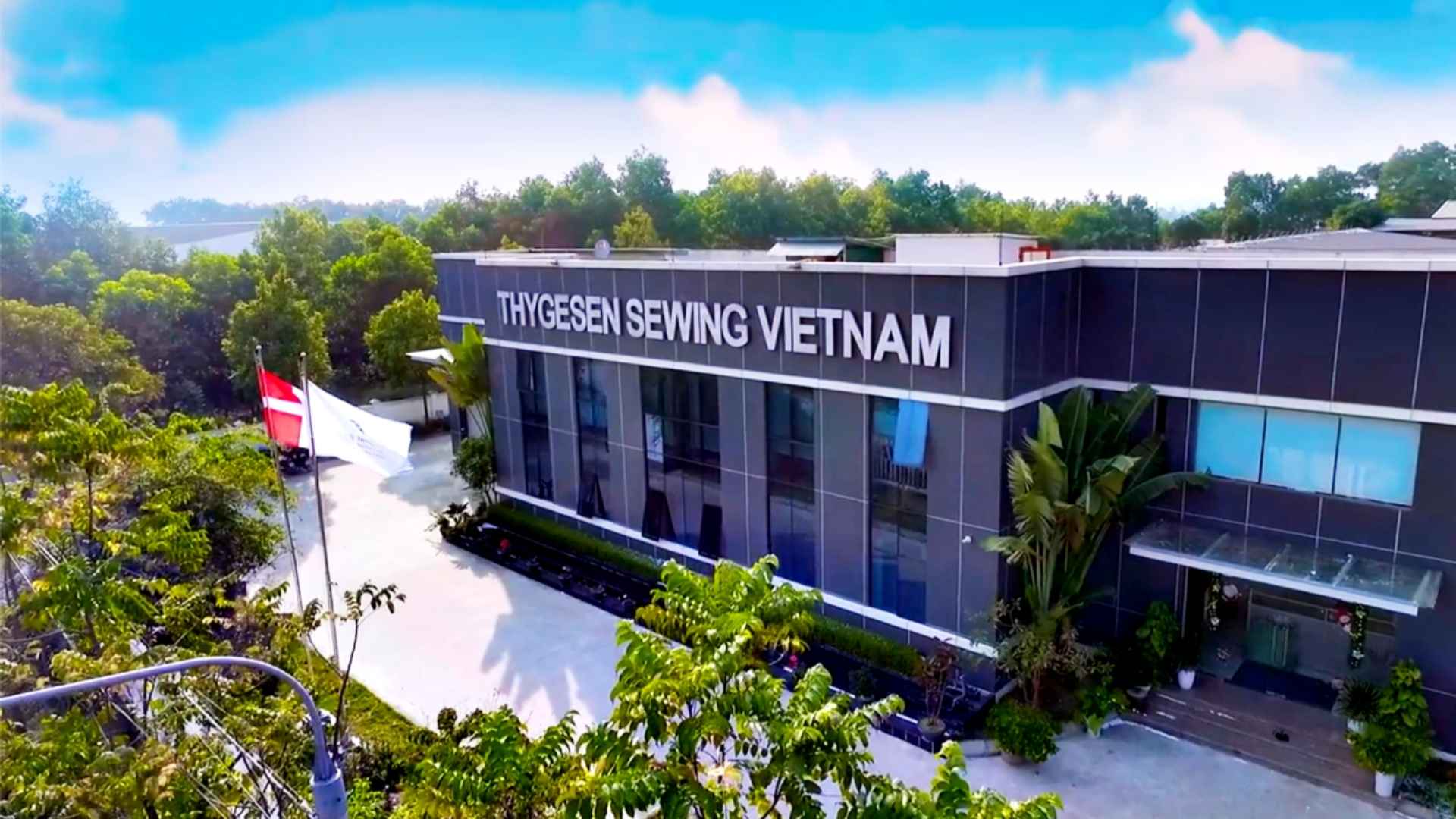
Thygesen Textile Vietnam: Established in 2004, Thygesen Textile Vietnam is one of the most reputable garment manufacturers in the country. The factory focuses on producing and exporting sportswear, activewear, underwear, and performance apparel. They produce up to 10 million garments annually.
Viet Thang Corporation: Viet Thang Corporation is a long-standing textile and garment enterprise frequently referenced in listings of Vietnamese clothing manufacturers. The company operates a 64,000 m² factory equipped with modern machinery, including 55,000 spindles and 1,000 weaving machines, supporting the production of millions of garments annually.
Common challenges when importing swimwear from Vietnam and Solutions
Sourcing swimwear from Vietnam can offer attractive cost advantages and access to a large manufacturing base, but it also comes with several logistical, regulatory, and operational challenges.
Understanding these early on and putting in place proactive measures is key if you want a smooth import process.
Below are some of the most common challenges and practical solutions when you import swimwear from Vietnam.
-
Long lead time
One frequent issue when sourcing from Vietnam is long lead times. Lead times may stretch significantly due to geographic distance, shipping transit, and domestic logistics constraints. This delay can impact your product launch schedules, seasonal timing (for summer collections), or stock replenishment cycles.
How to mitigate:
To cope with long lead times, many buyers partner with procurement-outsourcing or 3PL firms familiar with Vietnamese export logistics. These firms can help optimize shipping routes, select the fastest transport methods (air for samples or urgent orders, sea freight for bulk orders), and coordinate shipments to avoid delays.
Additionally, you should have adequate lead-time buffers in your production and order planning. For example, placing orders well before peak season helps avoid stockouts.
-
Custom clearance and import regulations
Importing from Vietnam involves paperwork, compliance checks, and sometimes unpredictable delays if documentation or import compliance is not managed properly. Mistakes or missing documents can lead to shipment delays, additional taxes or fees, or even cargo holds at customs, which disrupt supply timelines.
Solution strategies:
- Ensure all paperwork is accurate and complete: commercial invoices, packing lists, bill of lading (or airway bills), certificate of origin (if needed), product description, fabric/material declarations, and compliance certificates (if required by destination markets).
- Work with logistics providers or sourcing partners who have experience in Vietnamese exports, especially those offering customs-clearance support. These specialists understand local procedures and require documentation, helping to smooth the import process.
-
Language and cultural barriers
Many Vietnamese suppliers may not have high English proficiency. Miscommunication, misunderstanding of specifications, or misinterpretation of instructions can easily occur, especially for complex products like swimwear, which require precise fit, material specifications, and quality standards. These communication hurdles can lead to incorrect orders, production delays, or consistent quality issues.
Recommended solutions:
- Use very clear, detailed, and well-written tech packs, with fabric specs, size charts, material data, production instructions, and packaging requirements. The more precise the documentation, the less room for misinterpretation.
- Maintain regular communication checkpoints: pre-production, in-line inspections, and final inspections. Review stages with the supplier to ensure alignment before mass production.
- Build relationships with suppliers: Mutual trust and long-term cooperation help reduce miscommunication and improve responsiveness, especially when challenges arise.

Partner with VinaSources for Importing Swimwear
When you want to import swimwear from Vietnam without dealing with sourcing risks, VinaSources becomes a strategic partner you can rely on.
With 12 years of expertise in cross-border e-commerce, supply chain management, and manufacturer sourcing, VinaSources provides the operational knowledge and infrastructure buyers need to source effectively and with confidence.
The platform gives you access to a broad network of verified Vietnamese manufacturers. As shown in the reference example, VinaSources hosts a diverse selection of apparel suppliers, including those specializing in swimwear, jackets, hoodies, and T-shirts. By working exclusively with carefully vetted factories, we ensure that global buyers connect with partners who meet strict standards for product quality, export readiness, and compliance with international requirements.
If you are ready to begin their sourcing process, reach our team through hotline 1900 4356 or submit a quotation form to receive tailored assistance and connect with reliable Vietnamese manufacturers.