
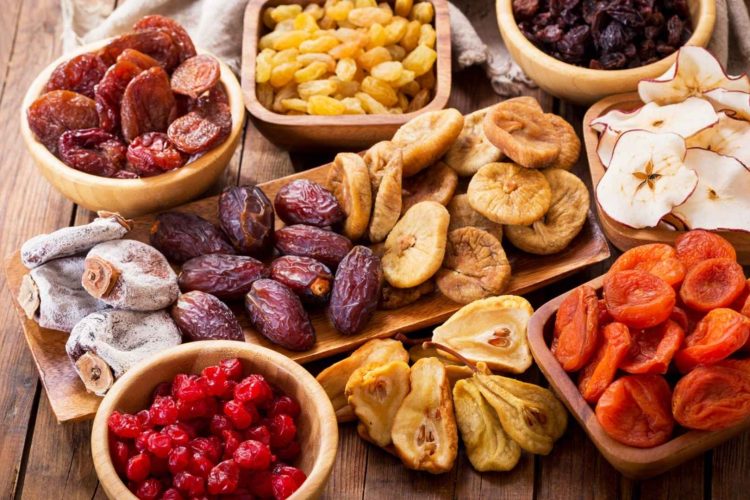
Vietnam is one of Asia’s leading hubs for fruit cultivation and export, thanks to its rich tropical climate and strong processing capabilities. If you’re considering importing dried fruit from Vietnam, you may be wondering: What are the country’s main export products, and how are they processed to meet international standards?
This guide will walk you through everything you need to know.
Vietnam’s dried fruit industry overview
Vietnam’s processed fruit sector has been expanding rapidly in recent years, driven by rising global demand for healthy and convenient snack products. Global customers are increasingly shifting toward high-value snack-style processed goods such as soft dried fruit, freeze-dried fruit, and vacuum-fried fruit, which offer better texture, nutrition retention, and longer shelf life.
Dried fruit has become one of Vietnam’s notable export categories. This growth is supported by the country’s diverse agricultural base. The organization reports that the country produced about 12.1 million metric tons of fruit in 2022. This abundant raw material supply enables factories to maintain stable, year-round production, which gives importers confidence in long-term procurement and reduces risks related to seasonality.
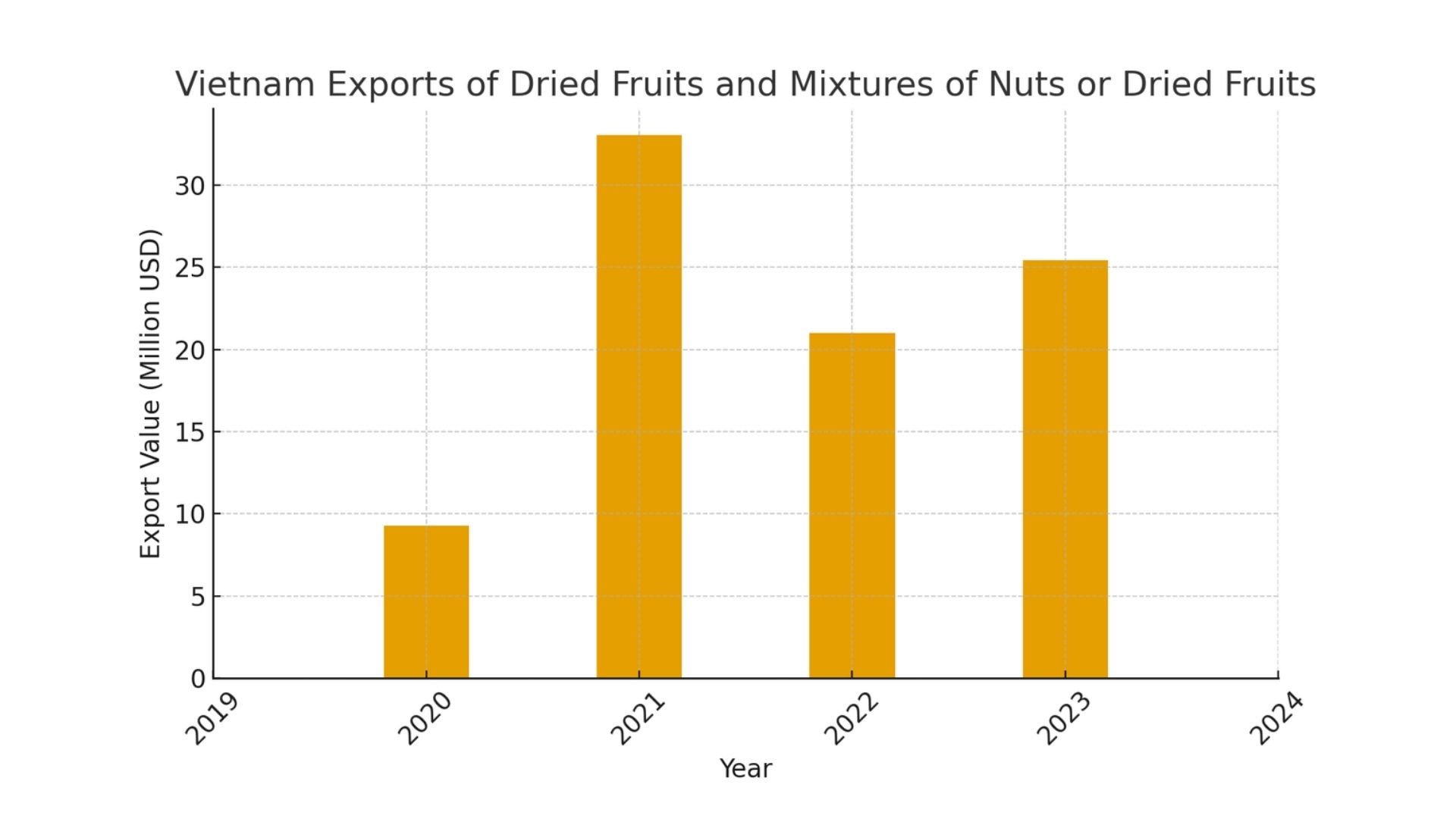
In 2023, Vietnam exported about 25.4 million US dollars of dried fruits, with the United States, China, and Canada among the main buyers. With expanding processing capacity, diversified product formats, and strong agricultural foundations, Vietnam is shaping itself into a reliable sourcing destination for dried fruit worldwide.
Why Vietnam is a strong sourcing hub for dried fruit
Vietnam has built a solid base in fruit production and export, and dried fruit is increasingly part of that story.
Below are the key advantages of importing dried fruit from Vietnam:
-
Low production costs
Vietnam’s primary cost advantage comes from its competitive labor rates in manufacturing and food processing. General Statistics Office (GSO) shows that factory workers in Vietnam earn around USD 304-340 per month, while the average monthly wage in China, another major processing hub, is approximately USD 690. This gap means labor-intensive activities can often be performed at a lower unit cost in Vietnam.
For importers, this cost structure supports more competitive pricing while still maintaining high product quality.
-
Consistent supply of tropical fruits
Dried fruit supply always begins with reliable fresh fruit. Vietnam has strengthened its position as a major tropical fruit producer. According to FAO-based data, fruit production in Vietnam rose to about
12.1 million metric tons in 2022, up from 11.7 million metric tons in 2021.
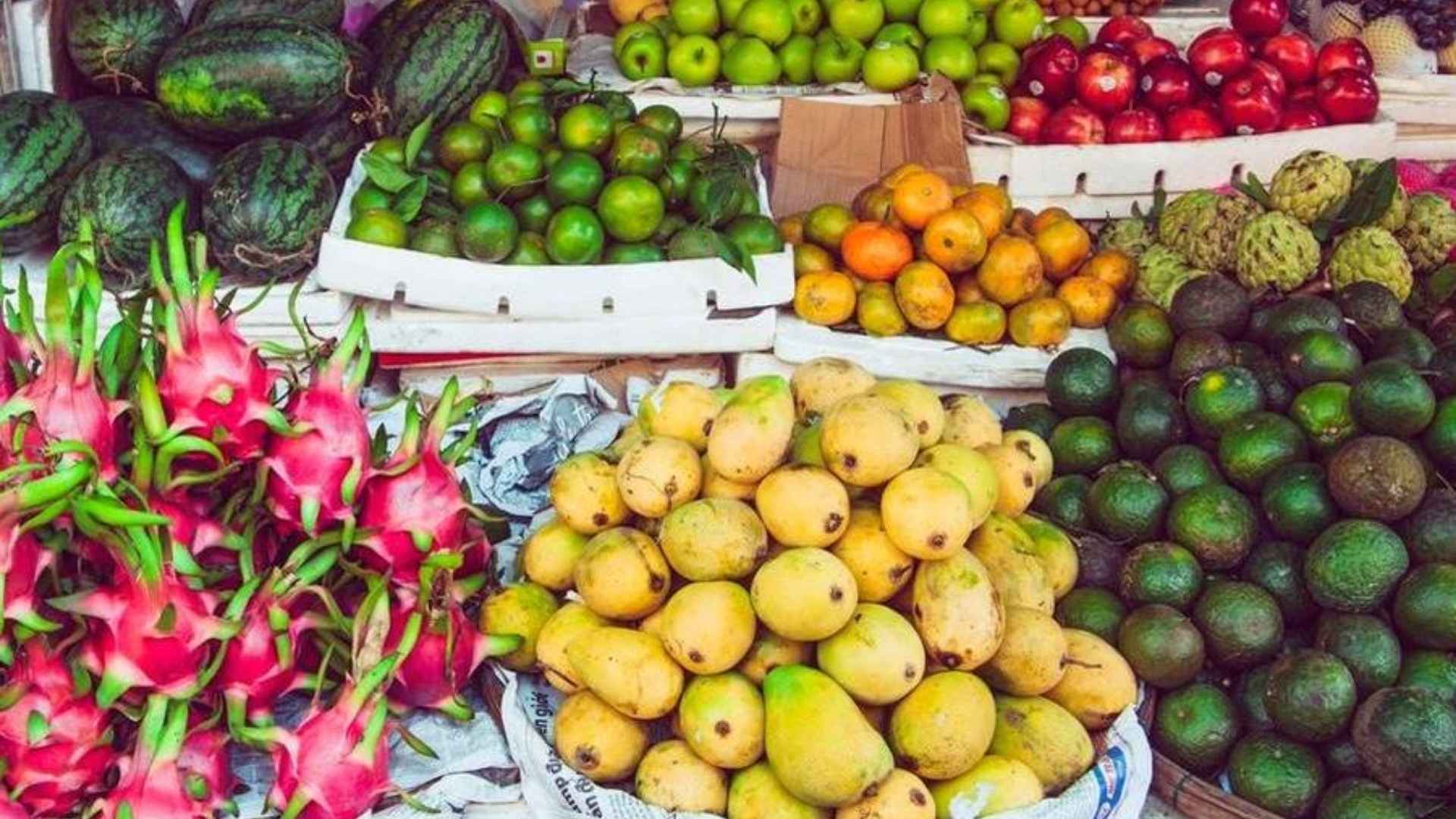
This large-scale cultivation enables year-round availability of multiple tropical and subtropical fruits such as mango, pineapple, jackfruit, banana, and others. Therefore, factories processing these fruits into dried form can thus maintain a more stable raw material supply, which helps prevent supply shortages and ensures buyers get consistent volumes.
-
Strong export infrastructure
Another major advantage of sourcing from Vietnam lies in its maritime and port infrastructure. Vietnam has invested heavily in developing deep-water ports and container terminals that support high-volume exports, including agricultural goods like dried fruits.
Among the most important seaports are:
- Ho Chi Minh City Port (Saigon Port / Cat Lai) handled roughly 9.1 million TEUs (twenty-foot equivalent units) in 2024, making it Vietnam’s largest container port by throughput.
- Hai Phong Port: A key northern gateway, handling about 7.1 million TEUs in 2024.
- Cai Mep, Thi Vai Port (Ba Ria–Vung Tau region) – deep-water port cluster capable of accommodating large vessels, processing around 7.0 million TEUs in 2024.
This level of throughput shows that Vietnam’s port system is not only large but also expanding, making it fully capable of supporting high export demand.
-
Free trade agreement
Another reason many global buyers choose to import dried fruit from Vietnam is the country’s network of free trade agreements. Vietnam is a signatory to about 18 active and planned free trade agreements, covering both bilateral and multilateral deals with partners in Asia, Europe, and beyond. Key agreements for agricultural and processed foods include CPTPP, EVFTA, and RCEP. These agreements have created new opportunities for global buyers to reduce landed costs and smooth clearance.
Popular Vietnamese Soft-Dried & Dried Fruits for Export
Vietnam offers a wide range of soft, dried, and dried fruits that suit many consumer segments. Each product type has its own flavor profile, moisture level, and processing method. Let’s take a closer look at the most popular options that global buyers often choose for retail and private label programs.
-
Soft dried mango
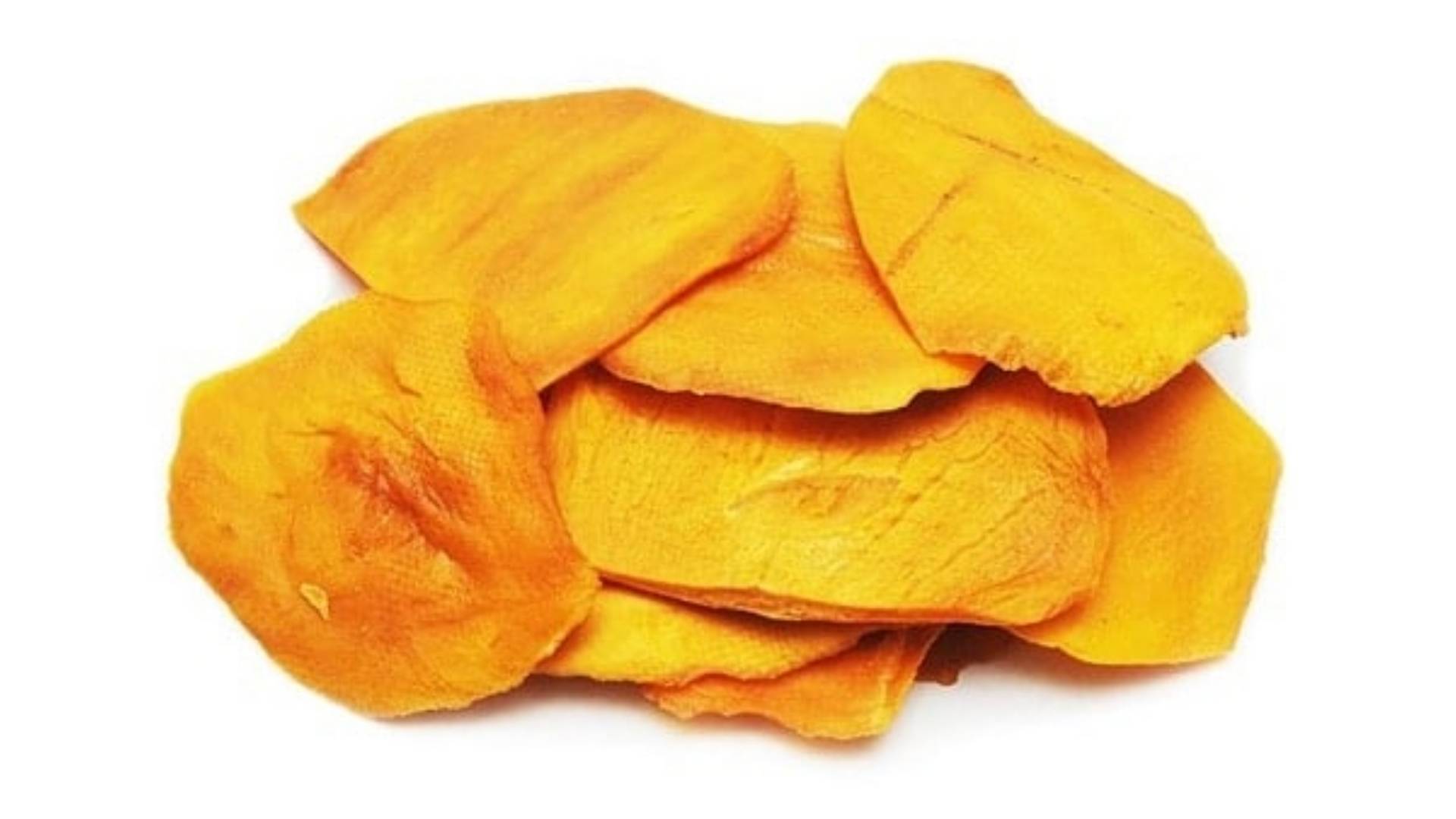
Soft dried mango is one of the best-selling export items in Vietnam. It has a bright color, a naturally sweet taste, and a tender texture that appeals to health-conscious consumers. Soft dried mango works well for supermarkets, snack brands, and buyers who want a premium fruit snack with clean ingredients.
-
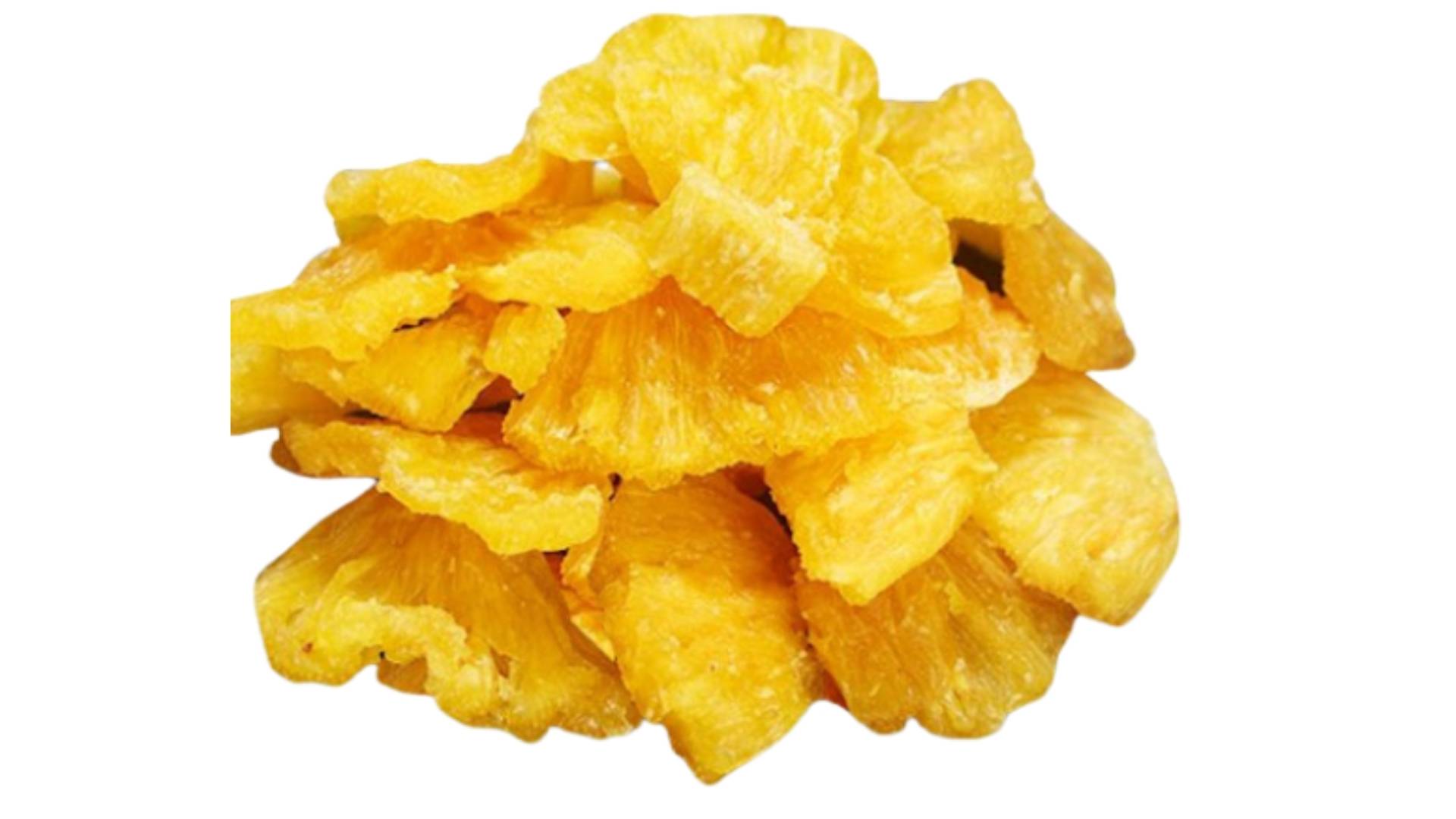
Soft dried pineapple
Soft dried pineapple offers a balanced blend of sweetness and acidity. Well-made dried pineapple usually retains the fruit’s natural aroma, and the drying process helps preserve its golden color. So this option may be ideal if your target market prefers tropical fruit with a refreshing taste.
-
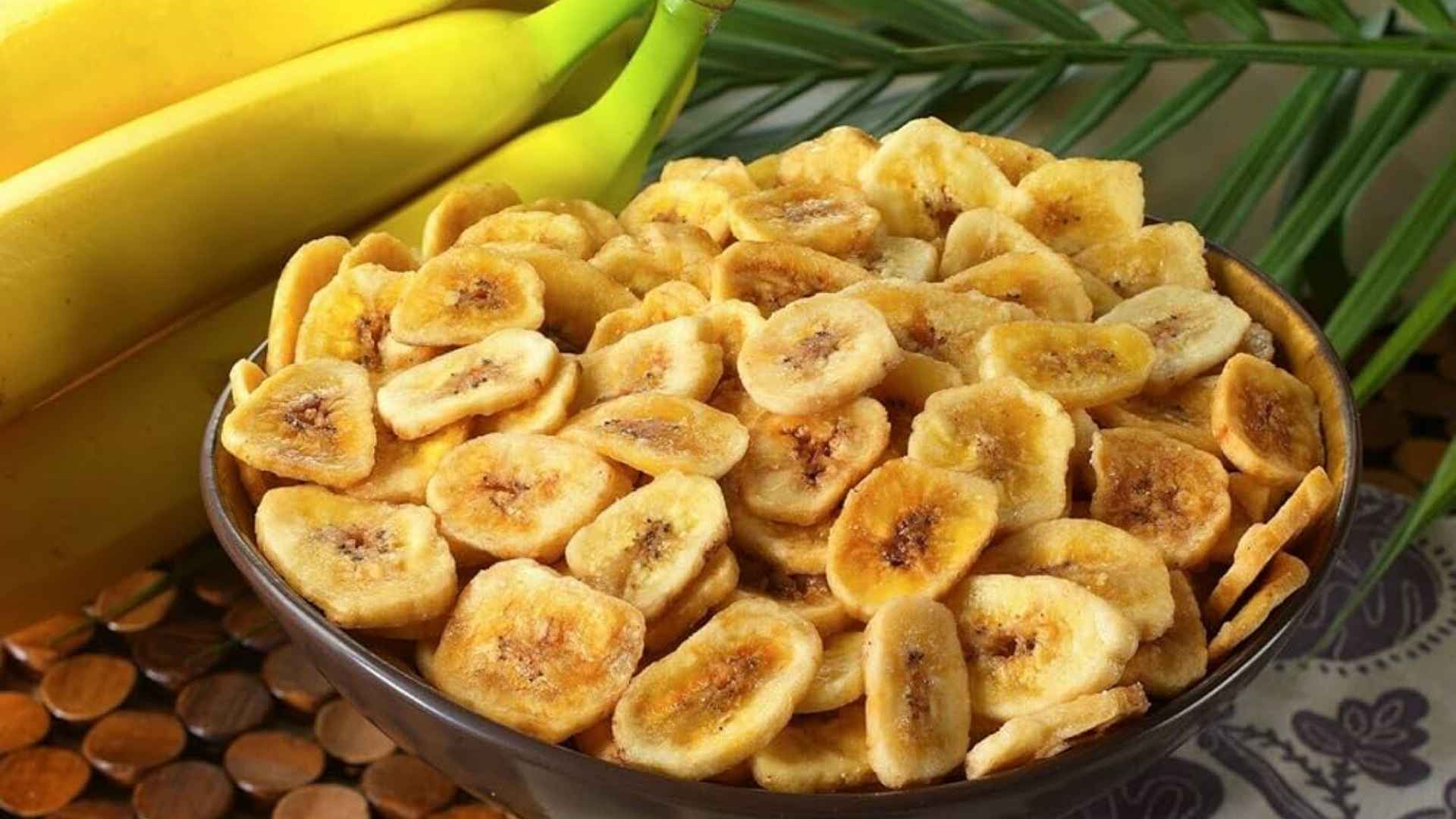
Crispy dried banana
Crispy dried banana is a popular snack choice, especially among consumers looking for a healthier fruit-based option. It is usually processed through vacuum frying, which creates a crispy bite and preserves the banana’s sweetness. It also helps reduce oil absorption, making the snack lighter and more appealing for consumers who want a healthier alternative.
-
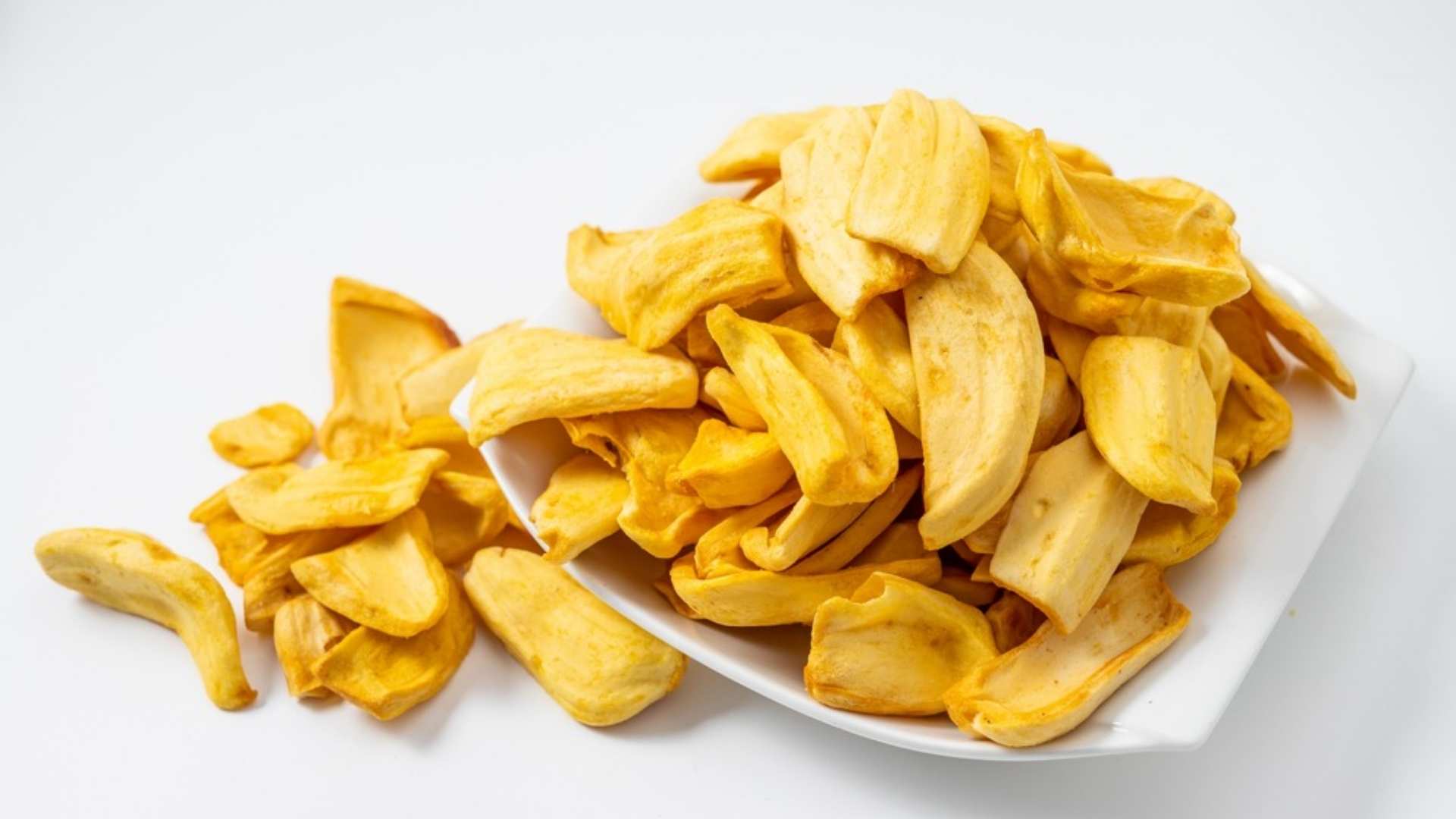
Dried Jackfruit Chips
Dried jackfruit chips have become a signature export product for Vietnam. Many factories use mature jackfruits to ensure a rich, honey-like taste. The chips are processed to achieve a crisp texture while keeping the natural aroma intact.
You could consider this option if your customers like unique tropical snacks. Dried jackfruit chips tend to stand out on retail shelves due to their bold flavor and bright color. They are also common in vegan snack assortments, travel retail packs, and wholesale snack programs.
How to evaluate a reliable dried fruit supplier in Vietnam
Choosing the right dried fruit supplier in Vietnam is not only about price. For B2B buyers, the real question is whether the factory can deliver safe, consistent products that meet your market’s regulations over the long term.
-
Factory certifications
A reliable Vietnamese dried fruit supplier should hold internationally recognized food safety certifications that align with your target markets.
Key certificates you should request include HACCP (food safety control), ISO 22000 (food safety management system), USDA Organic or EU Organic (organic farming and processing compliance), and additional certifications such as FDA, HALAL, or GMP, depending on the requirements of each destination country.
-
Product quality
Certifications are not enough on their own. You still need to test the actual product.
When you request samples, you should:
- Measure moisture content against your internal specification, for example, aiming for 15% or lower for most dried mango products.
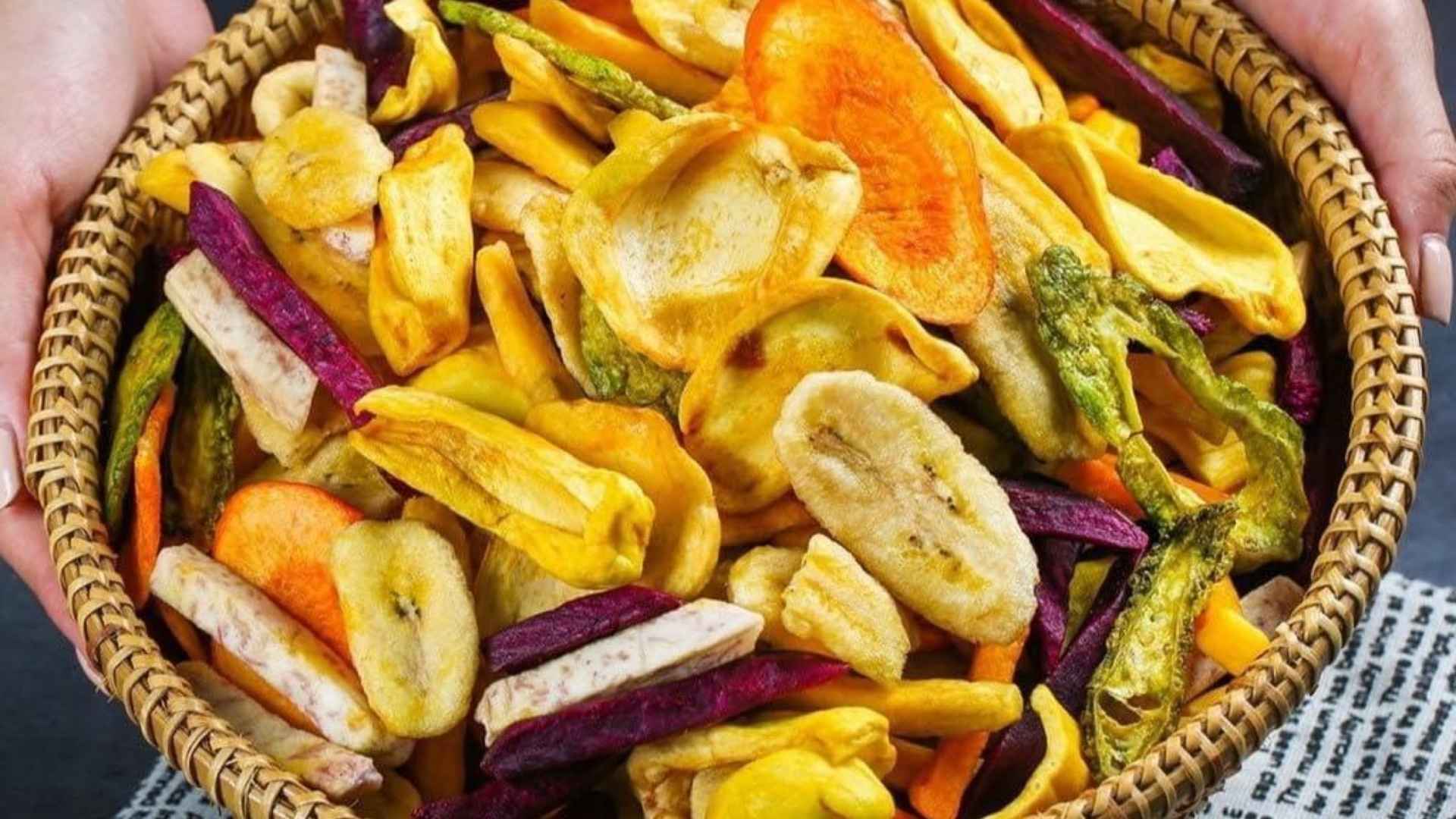
- Check texture, colour, and flavour for consistency and free from mould.
- Taste the sample to assess sweetness, acidity, and overall flavor balance. The product should have a clean taste with no bitterness or oily aftertaste.
-
Production capability and export experience
To ensure the factory can maintain a stable supply as your orders grow and manage exports smoothly, you should:
- Review the supplier’s daily and monthly production capacity.
- Check their export experience. Suppliers with several years in international markets usually understand documentation, food safety regulations, and buyer expectations more clearly.
- Request recent customer feedback or references to verify performance and reliability.
Together, these factors help you evaluate whether the supplier has the capability and experience to become a long-term sourcing partner.
-
Processing technology
Many Vietnamese factories now use hot air drying, cold drying, and freeze drying, supported by modern sorting and packaging lines that improve food safety.
When reviewing a supplier, you should confirm which drying methods they use and how they control water activity and texture.
It is also useful to check the factory layout, metal detection, optical sorting, and packing systems to assess contamination risks.
Step-by-step process to import dried fruit
Importing dried fruits from Vietnam can be a smooth process once you understand each stage. Let’s take a closer look at the steps you should follow to source high-quality products and avoid costly mistakes.
-
Find a reliable supplier
Your first task is to identify suppliers that can meet your quality, volume, and certification needs. Several methods may help you narrow down trustworthy options.
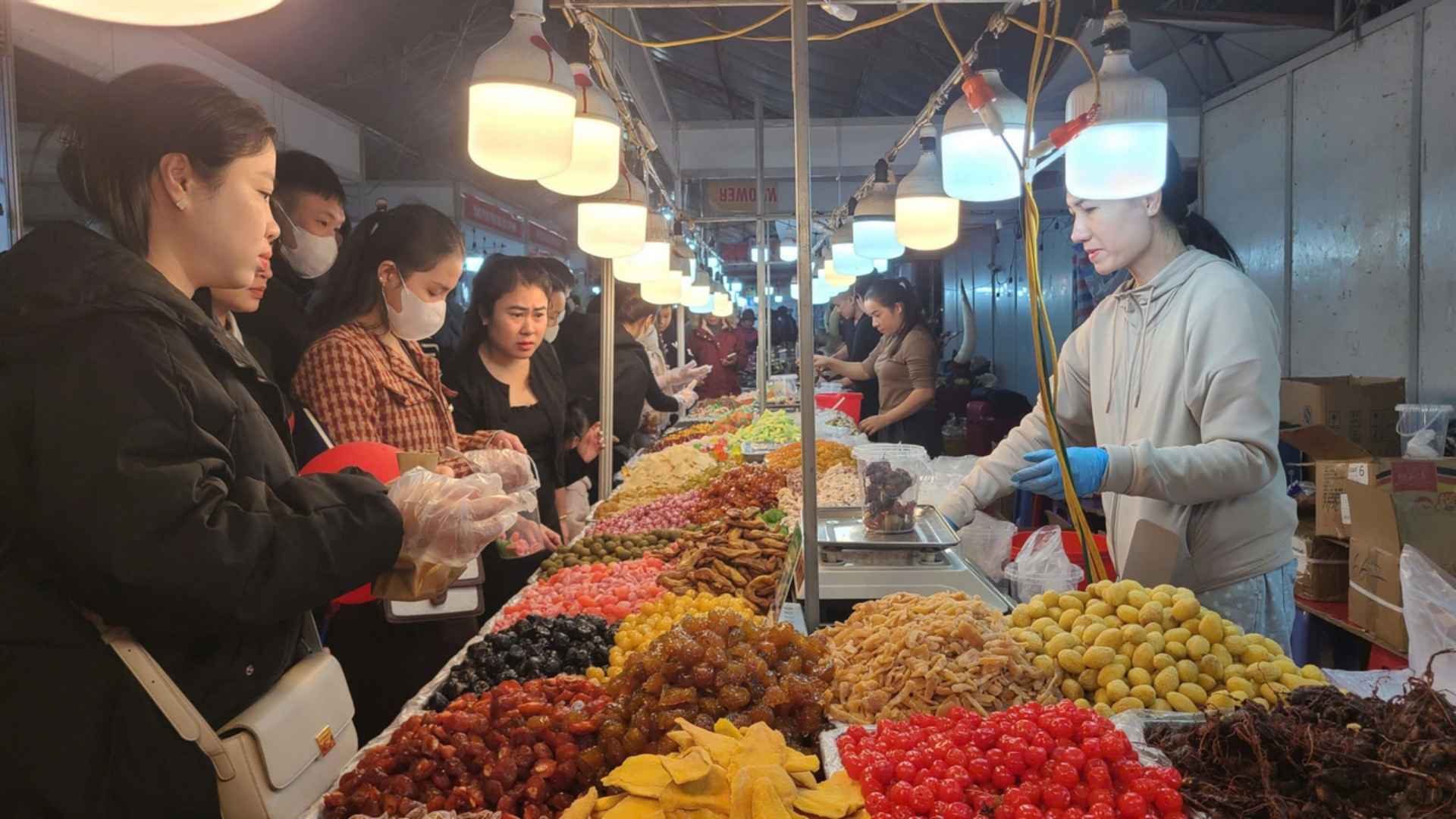
- Visit trade shows: Trade shows allow you to meet Vietnamese dried fruit producers in person and assess product quality on the spot. Events such as Vietnam Foodexpo, HortEx Vietnam, and VietFood & Beverage often feature reputable dried fruit suppliers. These events give you the chance to examine samples, discuss pricing, and evaluate production capabilities face-to-face.
- Use B2B ecommerce platforms: Online B2B marketplaces make it convenient to review supplier profiles and compare product lines. Platforms like Alibaba, VinaSources, and Global Sources list verified Vietnamese processors with export experience. These sites help you quickly compare multiple suppliers, browse product catalogs, request quotations, and verify business information.
- Work with agencies: Professional sourcing agencies can support you with supplier verification, communication, and negotiations. Agencies such as Cosmo Sourcing and SGS Sourcing have strong knowledge of local markets and regulations, helping you avoid misunderstandings. This option is especially useful if you want a smoother purchasing workflow or lack experience in Vietnam’s agricultural and food-processing sector.
-
Negotiate contract terms
Once you identify the right supplier, the next step is to negotiate the contract.
You should clarify all commercial terms before placing any order.
Agreements may include unit price, payment terms, lead times, product specifications, packaging details, and Incoterms.
It is wise to put everything in writing to avoid disputes later. You could also ask for a sample approval clause to ensure consistency between samples and mass production.
-
Quality control
Quality control is a key part of the process because dried fruits must meet food safety and import standards in your market. You may consider hiring an independent inspection team to verify each batch.
Some of the most important checks include:
- Moisture content: Should be below 15% to help prevent spoilage and mold growth.
- Sulfur dioxide levels: Many markets set limits on sulfur dioxide content.
- Pesticide residues: Products must meet your importing country’s rules on pesticide levels.
-
Customs duties, tax, and tariffs
Customs rules vary by country, so it is helpful to review your local tariff schedule for HS Code 0813 or specific dried fruit categories. Some markets may offer reduced tariffs if a Free Trade Agreement applies and the shipment includes a valid Certificate of Origin.
Besides, importing dried fruit from Vietnam involves export documentation and compliance with destination country rules. You should prepare proper documentation to pass the customs gates smoothly, including:
- Bill of lading
- Certificate of origin
- Commercial invoice
- Packing list
You might also check whether your country requires special documents such as phytosanitary certificates or food safety declarations. Preparing these documents early could save you from delays at the port.
-
Arrange shipping
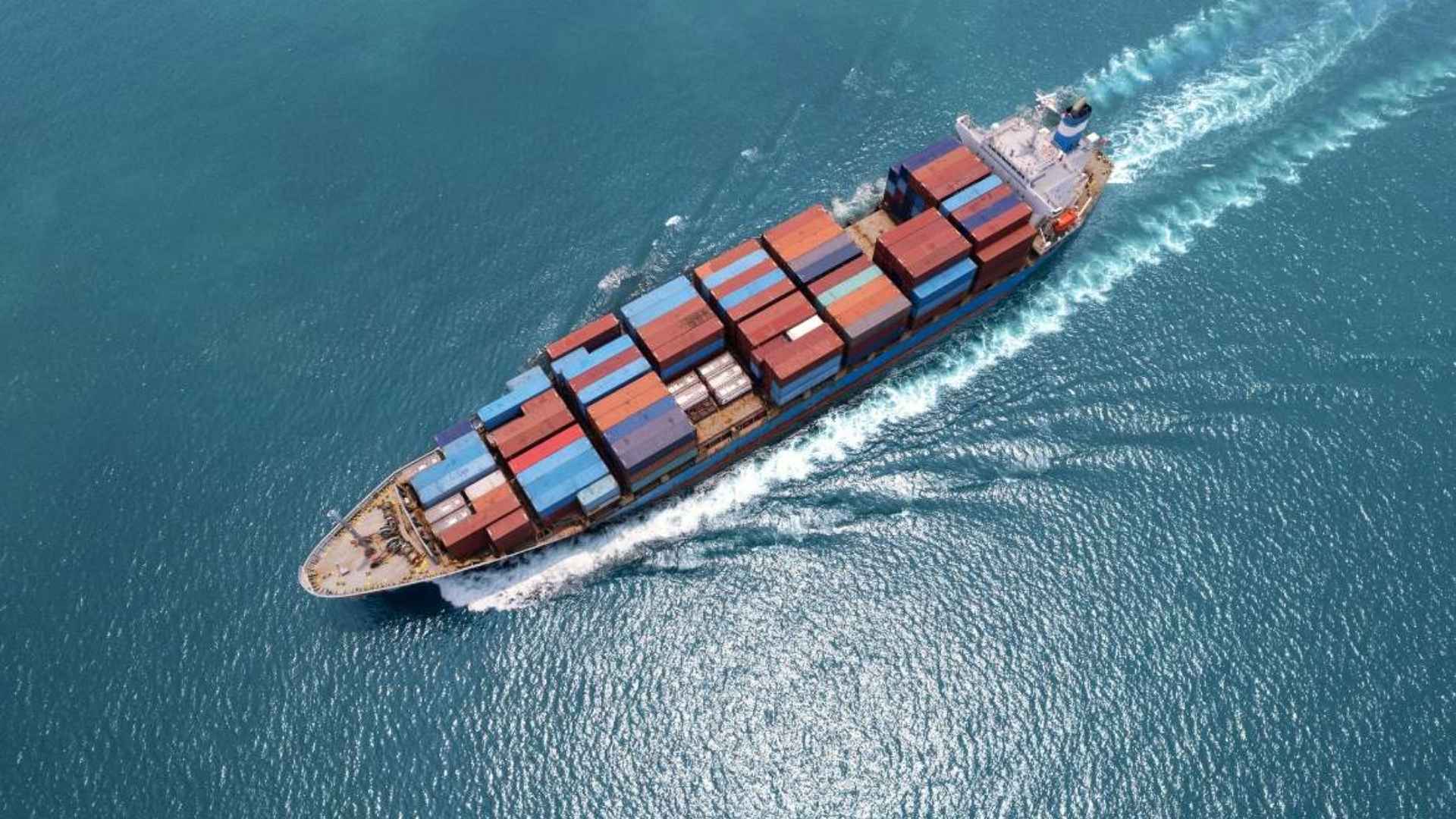
The final step is organizing logistics from Vietnam to your destination market. For bulk shipments, sea freight is typically the most cost-effective option. For smaller or urgent orders, air freight may be suitable, although it comes at a higher cost.
Make sure to confirm with your supplier that the packaging is appropriate for long-distance transit, such as sturdy cartons, sealed bags, protective barrier packaging, and palletizing when required.
Partnering with a reliable freight forwarder can simplify the process by handling customs clearance, transport insurance, and final delivery to your warehouse or distribution center.
Common Issues in Importing Dried Fruit & How to Avoid Them
When you import dried fruits from Vietnam, you may face a few quality or logistics challenges. Let’s take a closer look at the most common problems and some practical ways to prevent them before they affect your shipment.
| # | Common Issue | Reason | How to mitigate it |
| 1 | Inconsistent quality | Raw material variation, unstable drying conditions | Set clear specifications, request pre-production samples, and conduct regular inspections |
| 2 | Short shelf life | High moisture levels, poor packaging, and microbial contamination | Check drying technology, verify microbial controls, and use oxygen-resistant packaging. |
| 3 | Delays in shipping or customs clearance | Incomplete documents, incorrect HS codes, or non-compliance with destination standards | Confirm export documents in advance, verify HS codes, and work with an experienced freight forwarder. |
| 4 | Unexpected cost increases | Fluctuating freight rates, additional customs fees, or last-minute packaging changes | Request a full cost breakdown, agree on Incoterms in writing, and lock pricing with your forwarder early. |
Partner with VinaSources to import dried fruit
If you want to import dried fruits from Vietnam with fewer risks and smoother operations, working with a dedicated B2B sourcing platform can make a major difference.
VinaSources is a B2B sourcing platform that connects global buyers directly with qualified dried fruit suppliers. Each factory goes through a review process that checks production capability, certification status, testing methods, and previous export performance. This approach helps you reduce the risk of inconsistent quality or unstable lead times. It may also save you time because you do not need to evaluate dozens of factories on your own.
With VinaSources, you gain access to a curated network of reputable suppliers, many specializing in dried fruit exports. Whether you need mango, jackfruit, banana, or mixed fruit packs, our platform enables you to:
- Save time by connecting with pre-vetted suppliers
- Build direct partnerships with qualified manufacturers
- Maintain full transparency and trust throughout the sourcing process
Partner with VinaSources today to streamline your sourcing journey and secure high-quality dried fruit from Vietnam for your business. Contact us at [email protected] or fill out the quotation form to get personalized support tailored to your import needs.