
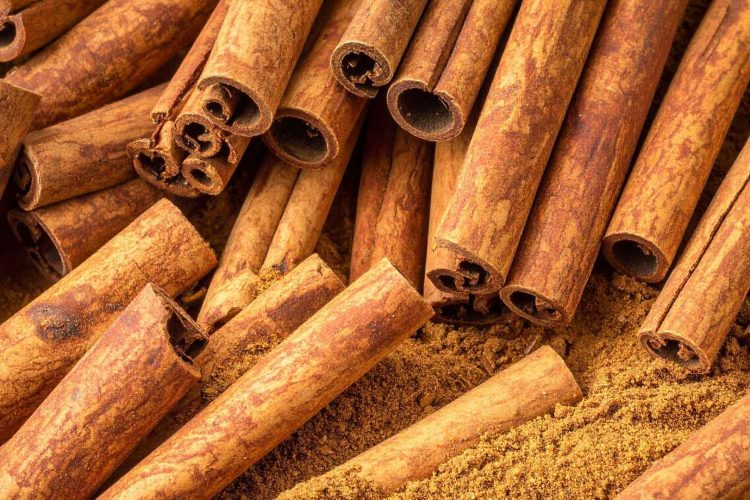
Looking for reliable cinnamon suppliers? Vietnam is one of the world’s top cinnamon exporters, known for its strong production capacity, high-quality cinnamon, and competitive prices compared to other countries.
This guide breaks down the key factors to consider when importing cinnamon from Vietnam and provides a step-by-step overview to help you navigate the process smoothly.
Overview of Vietnam’s Cinnamon Exports
Vietnam is one of the world’s top three cinnamon exporters, alongside Indonesia and China.
Vietnamese cassia cinnamon, the strongest and most widely exported variety, accounts for more than 95% of Vietnam’s total cinnamon exports. It is highly preferred by international buyers thanks to its higher essential oil content, stronger aroma, and rich flavor profile, making it ideal for both culinary and industrial uses.
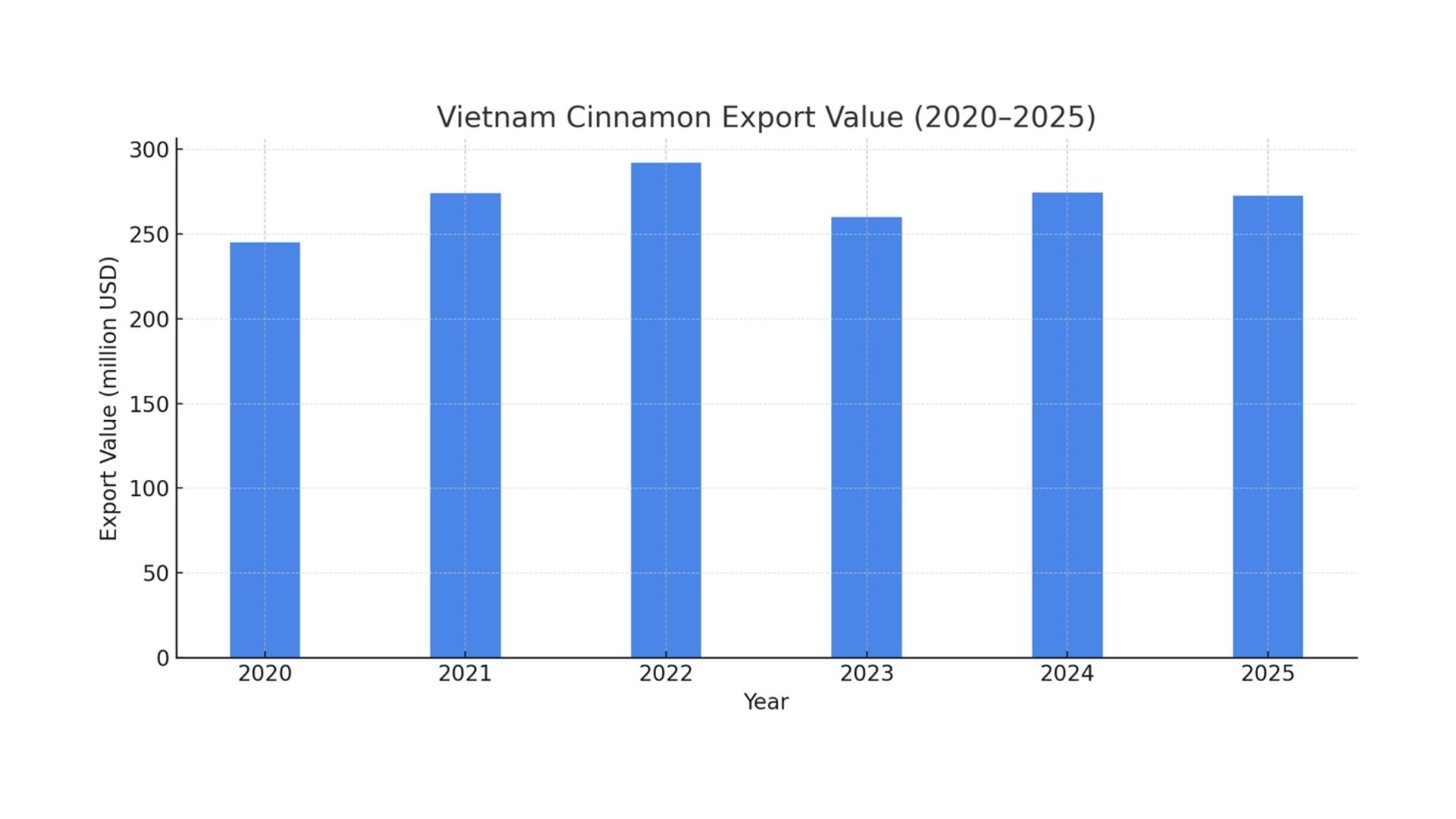
In 2025, Vietnam exported 108,929 tons of cinnamon, reaching a total export value of 272.6 million USD. India remains the largest importer of Vietnamese cinnamon, purchasing 37.787 tons annually and accounting for the highest share of Vietnam’s export market, followed by the United States and Bangladesh, which also rank among the top destinations.
In recent years, Vietnam’s cinnamon export performance has remained consistently strong, reflecting the country’s reliable supply capacity. This stability positions Vietnam as a dependable long-term source in the global cinnamon market.
Why Vietnam is a leading cinnamon supplier
Importing cinnamon from Vietnam brings a lot of advantages, including:
-
Stable supply
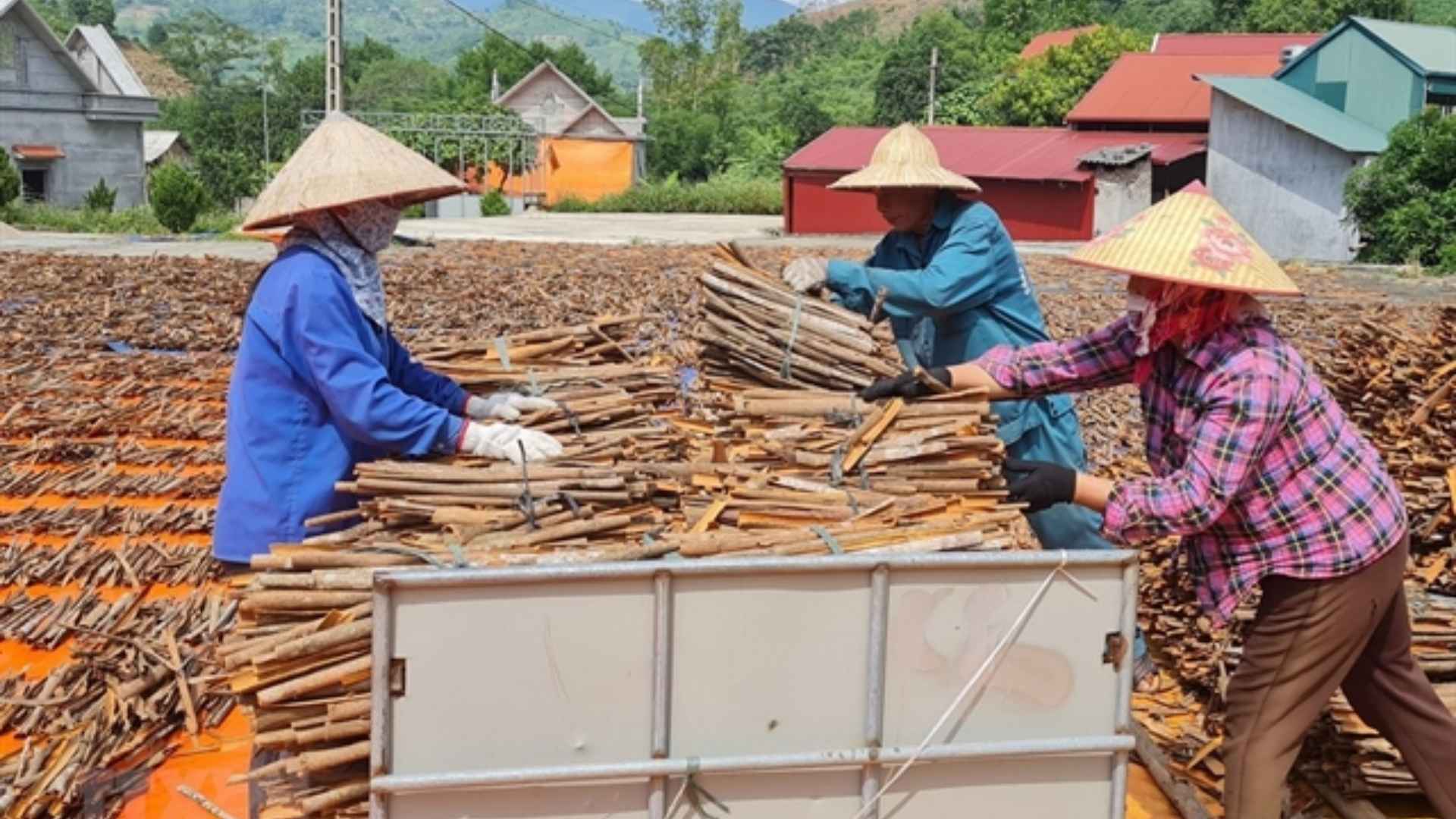
Vietnam has emerged as a globally significant source of cinnamon for international buyers. A combination of extensive cultivation areas, favourable growing conditions, and consistent harvest yields contributes to the country’s reliable supply of cinnamon.
Vietnam currently maintains around 180,000 hectares of cinnamon plantations located primarily in northern mountainous and north-central regions, including provinces such as Yen Bai, Lao Cai, Quang Nam, and Quang Ngai. This acreage creates approximately 0.9-1.2 million tonnes annually, ensuring stocks are available even as export demand grows.
Vietnam’s cinnamon thrives in a humid, tropical to subtropical climate with elevated rainfall and mountainous terrain. These conditions reduce climatic stress risks compared with some competing producers and contribute to consistent crop health and yields over time.
-
Lower export tariffs
Vietnam has signed and implemented numerous bilateral and multilateral FTAs with major global markets, including the EU-Vietnam Free Trade Agreement (EVFTA), CPTPP, UKVFTA, RCEP, and other ASEAN agreements. These FTAs create a favorable trade environment for international cinnamon buyers.
One of the most notable benefits is reduced or zero import tariffs. Under many FTAs, Vietnamese cinnamon qualifies for preferential tariff rates, allowing importers to lower landed costs and improve profit margins.
FTAs also help simplify customs procedures and improve trade transparency. This reduces delays, minimizes compliance risks, and ensures smoother cross-border transactions.
-
Strong export infrastructure
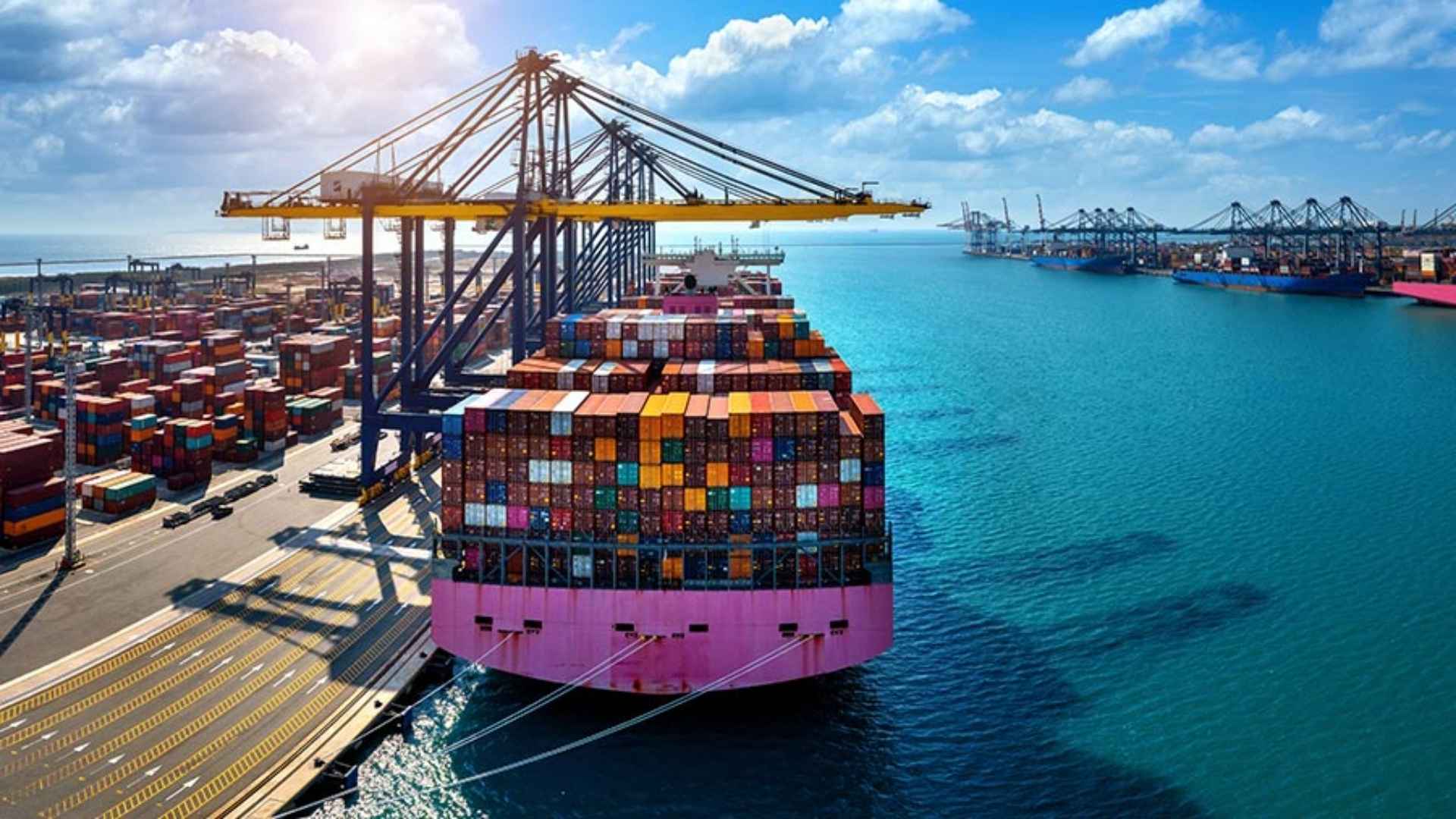
Ocean freight is the most commonly used shipping method for global importers when importing bulk cinnamon from Vietnam, as it offers cost efficiency and reliable capacity for large-volume orders.
Vietnam has a well-connected logistics network that plays a key role in maintaining export efficiency and supply chain reliability. It has a 3,260 km coastline and a system of modern deep-sea ports, such as Hai Phong, Cai Mep-Thi Vai, Da Nang, and Ho Chi Minh City ports. This enables direct shipping routes to the US, Europe, and other major global markets. This significantly reduces transit times and logistics costs for exporters and international buyers.
In addition, Vietnam’s transportation infrastructure, including highways, railways, inland waterways, and international airports, effectively connects major cinnamon-producing regions to processing facilities and export ports. This ensures smooth movement of goods from farms to ports, helps preserve product quality, and supports on-time delivery for overseas shipments.
Two main types of Vietnamese Cinnamon
Vietnam is one of the world’s leading cinnamon producers, offering two main types of cinnamon that are widely traded on the global market. Each type has distinct characteristics and is suitable for different applications.
| # | Crtiteria | Cassia Cinnamon | Ceylon Cinnamon |
| 1 | Origin | Grown mainly in Yen Bai, Quang Nam, Quang Ngai, Lao Cai, and Thanh Hoa | Very limited cultivation, mostly small-scale trials in warm climates in the Central Highlands and Southern Vietnam |
| 2 | Appearance & characters | Thick bark, dark brown color, tightly rolled, hard texture, high essential oil content, strong aroma | Thin bark, light brown color, rolled into many delicate layers, brittle and easy to break |
| 3 | Flavor | Strong aroma, spicy, intense, slightly sharp | Mild aroma, sweet, delicate, less spicy |
| 4 | Coumarin content | High level of coumarin, not recommended for long-term heavy consumption | Very low coumarin, considered safer for regular, long-term consumption |
| 5 | Common applications | Cooking spice, essential oil production, incense, food processing, and pharmaceuticals | Premium tea, baked goods, organic foods, wellness products, and herbal medicine |
How to Ensure Smooth Cinnamon Exports
This section helps readers evaluate products accurately. It explains oil content, moisture, cleanliness, and food safety parameters.
-
Product quality
Cinnamon exported from Vietnam must meet strict quality standards set by international food safety authorities and importing countries. These standards typically cover moisture content, essential oil content, flavor, aroma, and overall appearance. In addition, exported cinnamon must be free from mold, pests, foreign matter, and other impurities to ensure safety and consistency.
When importing Vietnamese cassia cinnamon, buyers usually evaluate several key technical parameters depending on the product form. Below are common quality specifications for popular types of Vietnamese cassia cinnamon:
| Cassia Type | Moisture | Oil content | Impurities | Thickness | Size |
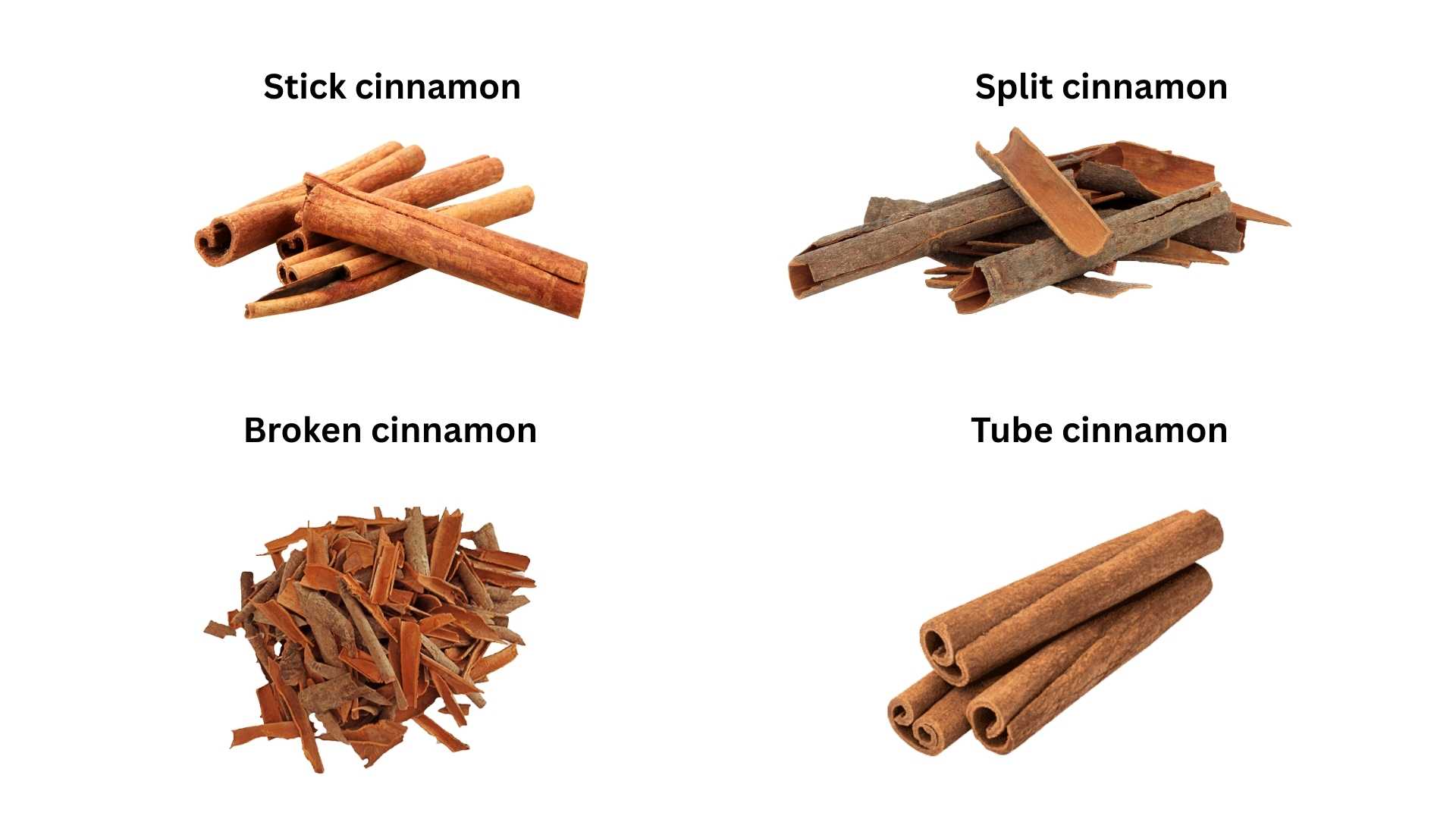
| Stick Cinnamon | >=14% | 2 – 4% | 0.5% max | 2 – 3.5mm | 8 – 15cm |
| Broken Cinnamon | >= 13.5% | 1 – 3.5% | 1% max | 1 – 3.5mm | 5 – 8cm |
| Split Cinnamon | >=14% | 1.5 – 4% | 2% max | 1 – 3.5mm | 30 – 40cm |
| Tube Cinnamon | >=14% | 2 – 5% | 0.5% max | 2.2mm min | 30 – 45cm |
| Cigarette Cinnamon (Premium) | >=14% | 2 – 4% | 0.5% max | 1 – 1.5mm | 5 – 12cm |
-
Compliance with destination regulations
Buyers should request specific certifications and documents from cinnamon suppliers to ensure compliance with destination market regulations, including:
- Phytosanitary certificate
- Fair trade certification
- HACCP (Hazard Analysis and Critical Control Points)
- ISO 22000 (Food Safety Management System)
- USDA Organic (for the US market)
- EU Food Safety Compliance (Regulation EC 178/2002) (for the EU market)
Certification requirements may vary by destination country and intended use. Therefore, buyers should carefully review local import regulations and confirm specific requirements with authorities or customs brokers before shipment.
-
Packaging & labeling
Proper packaging is crucial to ensure cinnamon maintains its quality, aroma, and safety until it reaches the destination country.
The first and most critical factor is moisture control. Exporters should use moisture-resistant packaging materials and protective liners, such as airtight containers, PP/PE inner bags, aluminum liners, or multiwall kraft paper bags. These materials help minimize moisture absorption and protect the product from microbial contamination during transit.
Packaging labels must comply with the regulations of the importing country and should be clear, accurate, and indelible. Standard labeling information includes:
- Product name
- Net weight and batch/lot number
- Country of origin (Vietnam)
- Name and address of exporter/processor
- Production date and expiry or best-before date
- Storage instructions
- Certification marks (Organic, Fair Trade, HACCP, etc., if applicable)
6 steps to importing cinnamon from Vietnam
Buyers learn a step-by-step process that reduces mistakes. The section guides them from supplier selection to shipping.
-
Define the product to export
The first step is to clearly define the type of cinnamon you want to import. Vietnam mainly produces Cassia cinnamon, with multiple commercial formats such as stick cinnamon, cigarette cinnamon, split cinnamon, broken cinnamon, and cinnamon powder.
-
Find a good supplier
You can build a short list of reliable Vietnamese cinnamon suppliers in various ways, such as:
- Search on Google
- Work with local agents
- Use B2B sourcing platforms
- Partner with direct cinnamon factories
- Visit trade shows
To choose the best supplier from the list, you should conduct a factory audit to assess key factors that may impact your goods and the import process. These include production capacity, quality control systems, hygiene and safety practices, certification compliance, and the overall reliability of their supply chain.
-
Request samples
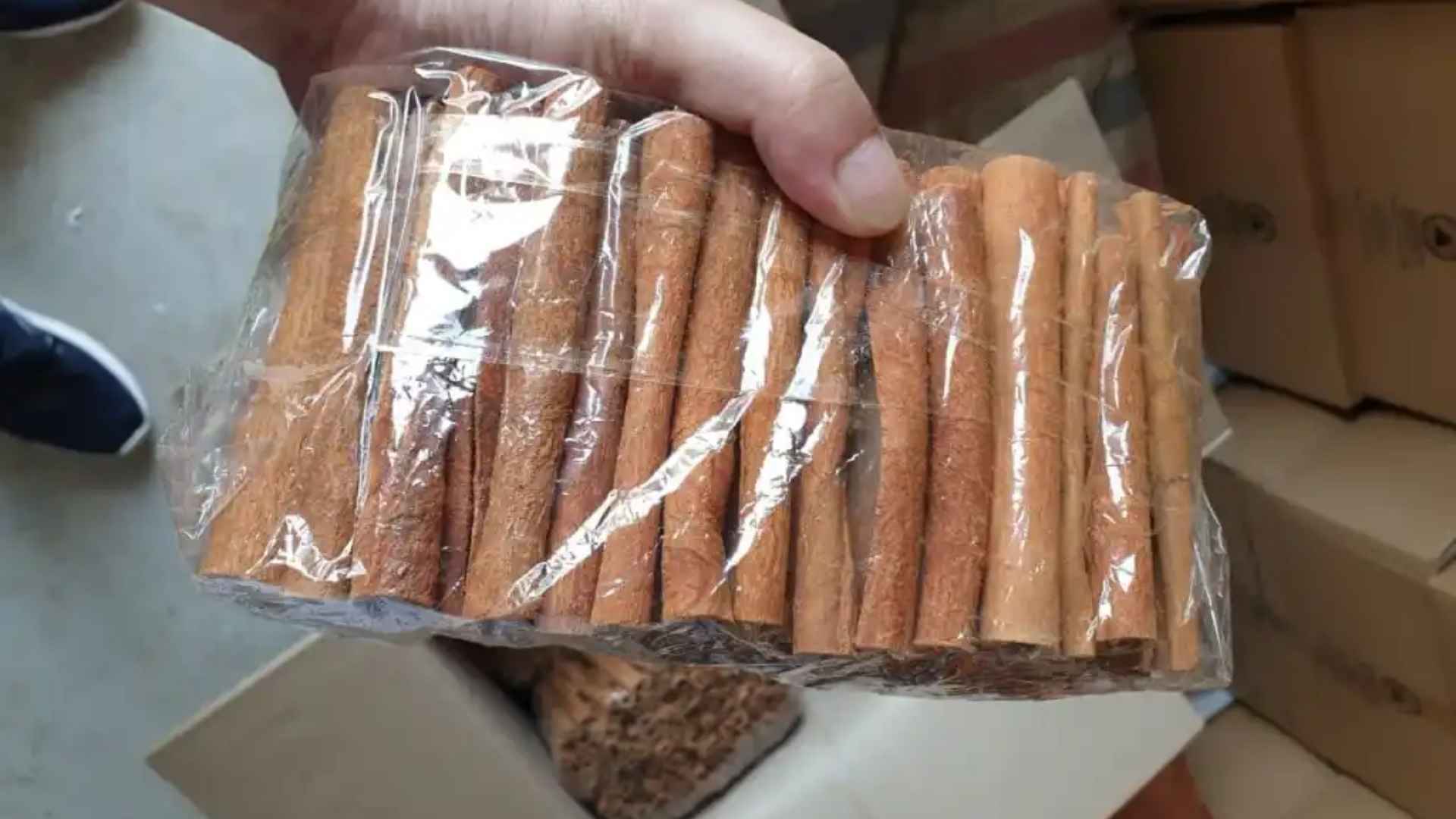
Before placing a bulk order, buyers should always request product samples to evaluate the quality of the cinnamon.
These are some practical tips to help you identify low-quality or adulterated cinnamon:
- Smell and test the flavor of cinnamon: High-quality cassia cinnamon should have a strong, warm, and spicy aroma, which reflects its high essential oil content. If the scent is weak or faint, the cinnamon may be old, low-grade, or diluted. A bitter or flat taste is also a sign of inferior quality.
- Inspect the cinnamon visually: Examine the cinnamon sticks or powder closely. High-quality sticks typically have a uniform dark reddish-brown color, a clean surface, and tight, well-formed rolls. In contrast, low-quality cinnamon often shows cracks, uneven coloring, mold spots, excessive dust, or many broken pieces.
- Test cinnamon with water: Place a piece of cinnamon stick in a glass of water and observe how it reacts. High-quality cassia will sink slowly because it is dense and rich in essential oils. In contrast, low-quality cinnamon often floats quickly or becomes soggy within a short time, indicating lower oil content and weaker structural integrity.
-
Negotiate terms
Once the product and quality standards are confirmed, you should negotiate commercial and logistical terms.
Key elements include:
- Product specifications, quantity, price
- Incoterms (FOB, CIF, DDP, etc.)
- Container types
- Packaging method
- List of documents to be prepared
- Shipment schedules
- Payment method (L/C, T/T, D/P, D/A)
- Payment timing, amount, and currency
-
Pre-shipment inspection
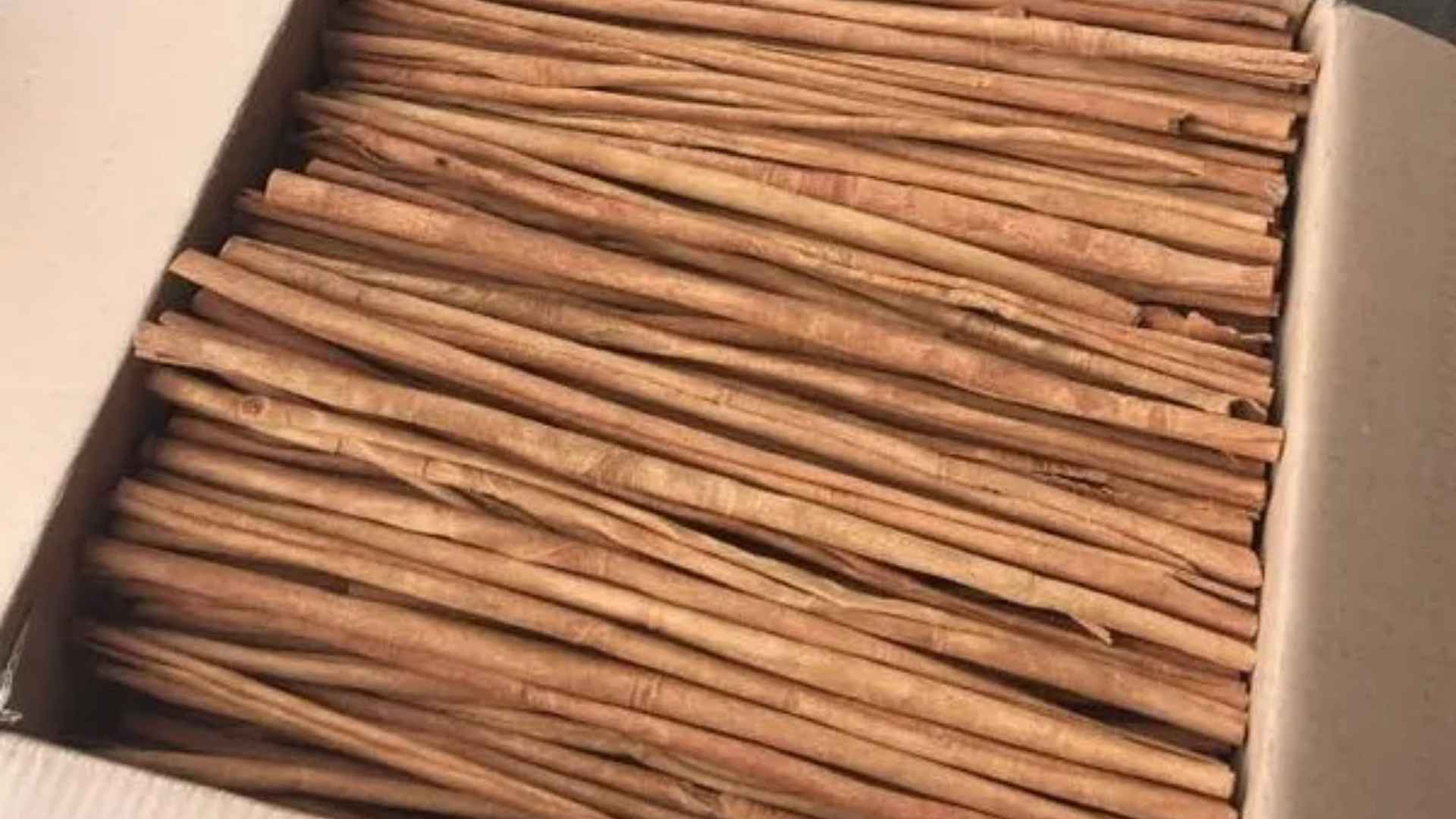
Pre-shipment inspection includes quality control, documentation, and logistical procedures before the cinnamon order is shipped to your destination country.
To evaluate the quality of the cinnamon, you should request a pre-shipment sample taken from the actual production batch to ensure it matches the agreed-upon specifications for taste, aroma, color, moisture level, and essential oil content.
The cinnamon must also be completely free from mold, pests, and excessive impurities. Additionally, you should confirm that the sample reflects the correct grade, size uniformity, and packaging standards to avoid discrepancies when the full shipment arrives.
You can hire a third-party inspection agency (such as SGS, Intertek) to conduct an independent pre-shipment inspection.
-
Manage shipping
Ocean freight is the most common method for shipping cinnamon. Vietnam has several major ports, Hai Phong, Da Nang, and Ho Chi Minh City, that handle large volumes of cinnamon exports to global markets.
Buyers should confirm lead times with their supplier, especially during peak seasons when export volumes increase.
In addition, proper documentation is essential for customs clearance and may include: Commercial invoice, Packing lists, Certificate of origin, Phytosanitary certificate, and Bill of lading.
Where to import high-quality cinnamon in bulk?
-
Work with local factories
Partnering directly with local factories is one of the most reliable ways to import cinnamon from Vietnam, especially for buyers who require consistent quality and long-term supply.
Below are the top cinnamon production and export companies:
PROSI THANG LONG JOINT STOCK COMPANY
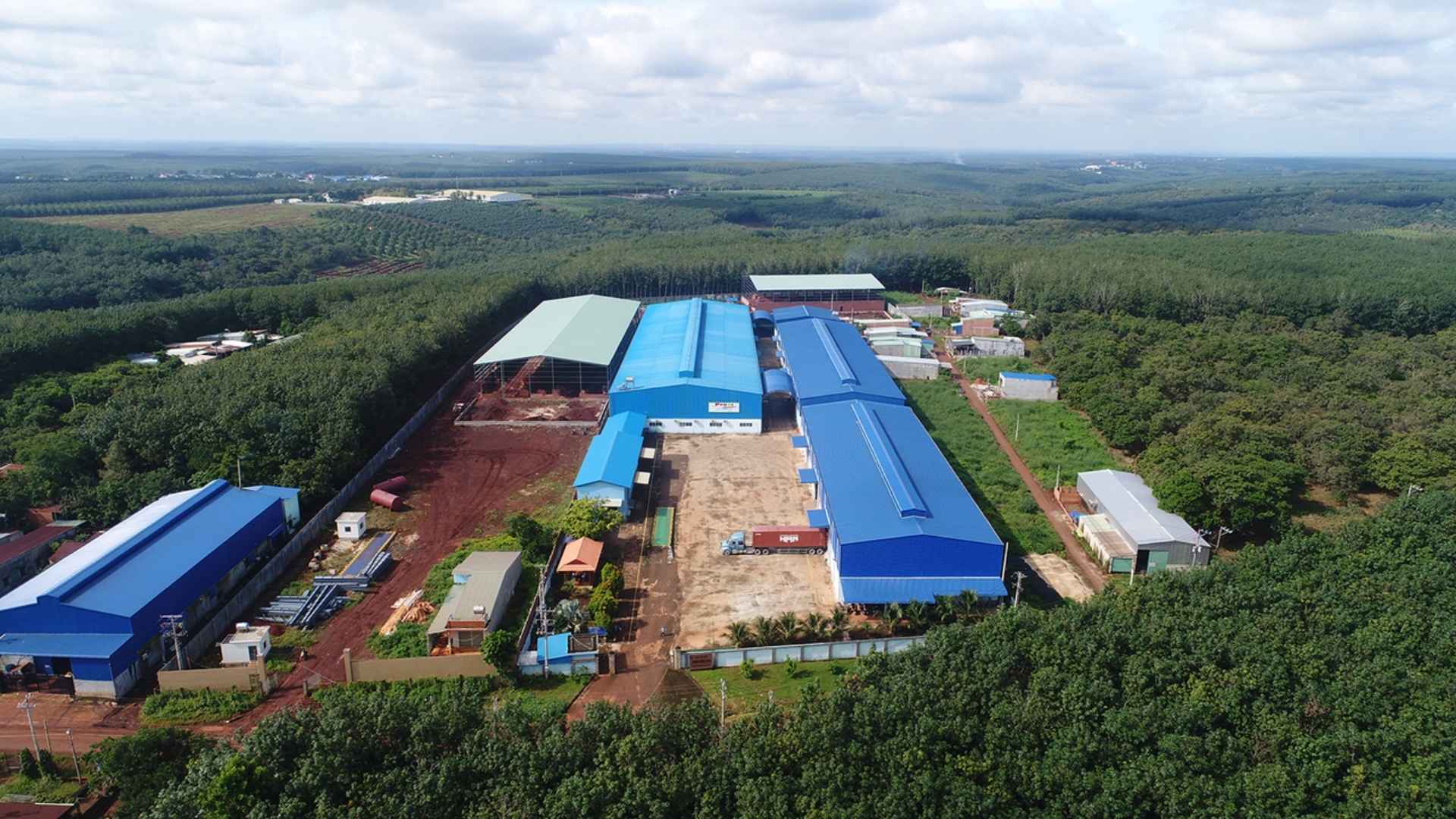
Prosi Thang Long is Vietnam’s largest cinnamon exporter, supported by a strong supply network across the country’s major cultivation regions. In 2024, Prosi exported approximately 14,891 tonnes of cinnamon, accounting for about 14.9% of Vietnam’s total cinnamon export volume. With a comprehensive range of cassia products, including stick, split, broken, and cigarette cinnamon, Prosi is a key supplier to major markets such as India, Bangladesh, and the Middle East.
Here is the contact information:
- Website: https://prosi.com.vn
- Tel: (+84) 985.817.797
T & K Green Forest Production and Export Company Limited
Rung Xanh T&K is widely recognized as one of Vietnam’s leading processors and exporters of cassia cinnamon. The company supplies a wide range of cinnamon, including cinnamon sticks, cinnamon splits, and broken cinnamon. It is ranked among the top exporters in Vietnam and exports to various markets, such as the U.S, the EU, etc.
Here is the contact information:
- Website: https://prosi.com.vn
- Tel: +84 98 563.3246
Son Ha Spice & Flavorings Co. Ltd
Gia Vi Spice is a prominent player in Vietnam’s cinnamon export industry, supplying a diverse range of products, including cassia sticks, broken cinnamon, and cinnamon powder. In 2024, the company exported approximately 6,163 tonnes of cinnamon, accounting for around 6.2% of Vietnam’s total export volume. Son Ha Spice ships its products to more than 20 countries worldwide, with the United States and South Asia among its strongest markets.
Here is the contact information:
- Website: https://prosi.com.vn
- Tel: +84 24 3878.4618
-
Search on the B2B online marketplace
Another effective channel for sourcing Vietnamese cinnamon is through reputable B2B online marketplaces. These platforms give you access to a wide range of suppliers, help you save time, and make it easier to compare quotations.
Alibaba: The world’s largest B2B marketplace, offering hundreds of cassia cinnamon suppliers from Vietnam, China, and Indonesia. You can also find various Vietnamese cinnamon manufacturers listed on this platform.
VinaSources: A dedicated B2B sourcing platform focusing exclusively on Vietnamese manufacturers and ready-to-export cinnamon suppliers. VinaSources profiles multiple Vietnamese cassia products, such as stick, split, broken, and organic cinnamon.
Global Sources: A highly curated B2B sourcing platform widely used by international buyers. It offers various products across sectors, including cinnamon suppliers. Many suppliers listed on the platform hold globally recognized certifications, including HACCP, ISO, Organic (EU & USDA), and Kosher, making it a reliable channel for sourcing export-standard cinnamon.
-
Visit trade shows
Attending sourcing trade shows in Vietnam is one of the most effective ways for global buyers to meet certified cinnamon suppliers, review product quality firsthand, and establish long-term partnerships.
Vietnam Foodexpo is the largest international food exhibition in Vietnam. In 2025, the fair was held in Ho Chi Minh City on November 12. It attracted nearly 400 local and foreign companies and more than 20.000 visitors from Vietnam and international markets. The exhibition covers a wide range of product categories, including spices, agricultural raw materials, processed foods, and essential oils.
Vietnam International Sourcing Expo is a key platform for promoting trade, investment, and tourism between Vietnam and global markets. The fair gathers a lot of areas, including agricultural commodities, food & beverages, and industrial equipment. In 2025, the expo will take place at SECC in Ho Chi Minh City from August 26–28. You can visit their website (https://vietnamsourcingexpo.vn/) for more information.
Food Ingredients Vietnam (Fi Vietnam) is a trade show for the Vietnamese F&B market. Annually, the show usually gathers more than 5.000 industry attendees and over 150 exhibitors. In 2026, it is set to be held from May 13-15 at SECC (Saigon Exhibition and Convention Centre) in Ho Chi Minh City.
Partner with VinaSources for importing high-quality cinnamon
VinaSources is a trusted B2B sourcing platform connecting Vietnamese suppliers with global buyers. With over 12 years of experience in cross-border eCommerce and supplier sourcing, we help businesses find reliable cinnamon suppliers, verify product quality, and manage logistics efficiently.
Our platform offers a wide range of agricultural products, including multiple types of cinnamon, with smart filtering tools to match your sourcing needs. We also provide on-site inspections and quality checks at suppliers’ warehouses to ensure consistent quality.
For businesses looking for a reliable partner to find trustworthy suppliers and manage the entire importing process, VinaSources is your one-stop solution. Contact us at 1900 4356 or submit a request through
our quotation form to get started.