
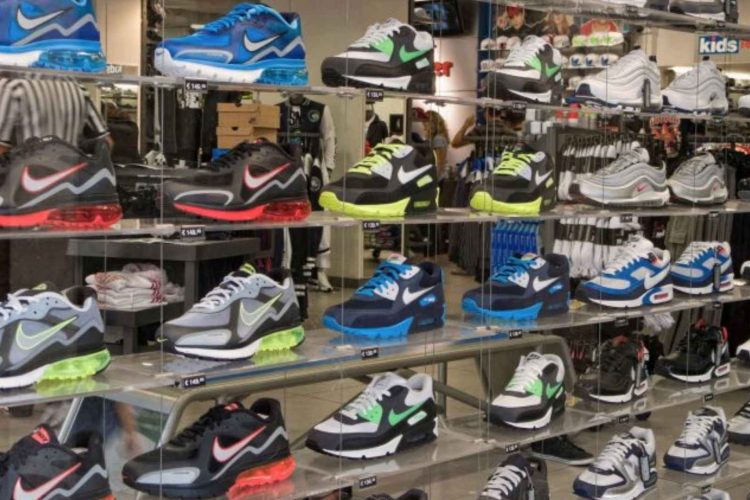
Vietnamese shoes are now exported to over one hundred nations, which speaks to their high quality, fashion, and value. If you’re thinking about bringing shoes from Vietnam to your market, you might be wondering: where do I start? Which types will sell well? What should I know about export policies?
This guide will provide a comprehensive picture of Vietnam’s shoes market in 2025. This is going to be a practical guide for you on how to choose the right manufacturing partner and optimize quality and cost efficiency.
Vietnam Shoes Market Export Overview
Vietnam is currently the world’s second-largest shoe exporter, just below China. Over the past year, the country earned close to 23 billion USD from the export of footwear products, a 13.2 % increase year on year. Key products are sports shoes, leather shoes, and synthetic footwear.
The outlook remains positive in 2025, and Vietnam’s shoe export is expected to surpass 27 billion. The CAGR is projected at approximately 5.58% from 2024 to 2028.

Regionally, North America alone buys over 40% of all the Vietnam shoe exports. The United States accounts for the largest share in this region, followed by Canada and Mexico. Some of the other major markets include Japan, Korea, France, Spain, and Italy. Large brands like Nike and Adidas already consider Vietnam to be a principal production center. Nike, for example, manufactures
nearly half of its sports shoes there.
Why Import Shoes From Vietnam?
- High-volume capabilities: Vietnam manufactures ~800 million–860 million sports shoes and ~290 million leather shoes annually, serving brands from athletic to formal categories.
- Proven ODM/brand-ready capacity: Over 2,200 factories, including FDI-led, offer OEM, ODM, and even OBM services. This is ideal for additional design support, not just production.
- Industrial ecosystem: Workers adept at leather, rubber, and synthetic materials; local supply chain and trade hubs support rapid order turnaround.
- Lower production costs: Labor costs in Vietnam average $3/hour, nearly 50% lower than China’s $6.50/hour. Meanwhile, Indonesia has similar wages but less efficient supply chains. This makes Vietnamese shoes more affordable without sacrificing quality.
- Free trade agreements: Vietnam has joined multiple free trade agreements, such as EVFTA, CPTPP. This allows Vietnamese footwear to enjoy reduced import tariffs. In some markets, such as Canada and the European Union, tariffs have already been reduced to 0%. In others, like Japan, duties are gradually lowered under CPTPP and will be fully eliminated for most footwear categories within a few years.
Vietnamese Shoes for Export
If you have not yet decided which type of footwear to source from Vietnam, the following ìnformation will help clarify your options. From there, you can choose the product that best fits your niche.
Sports Shoes / Sneakers
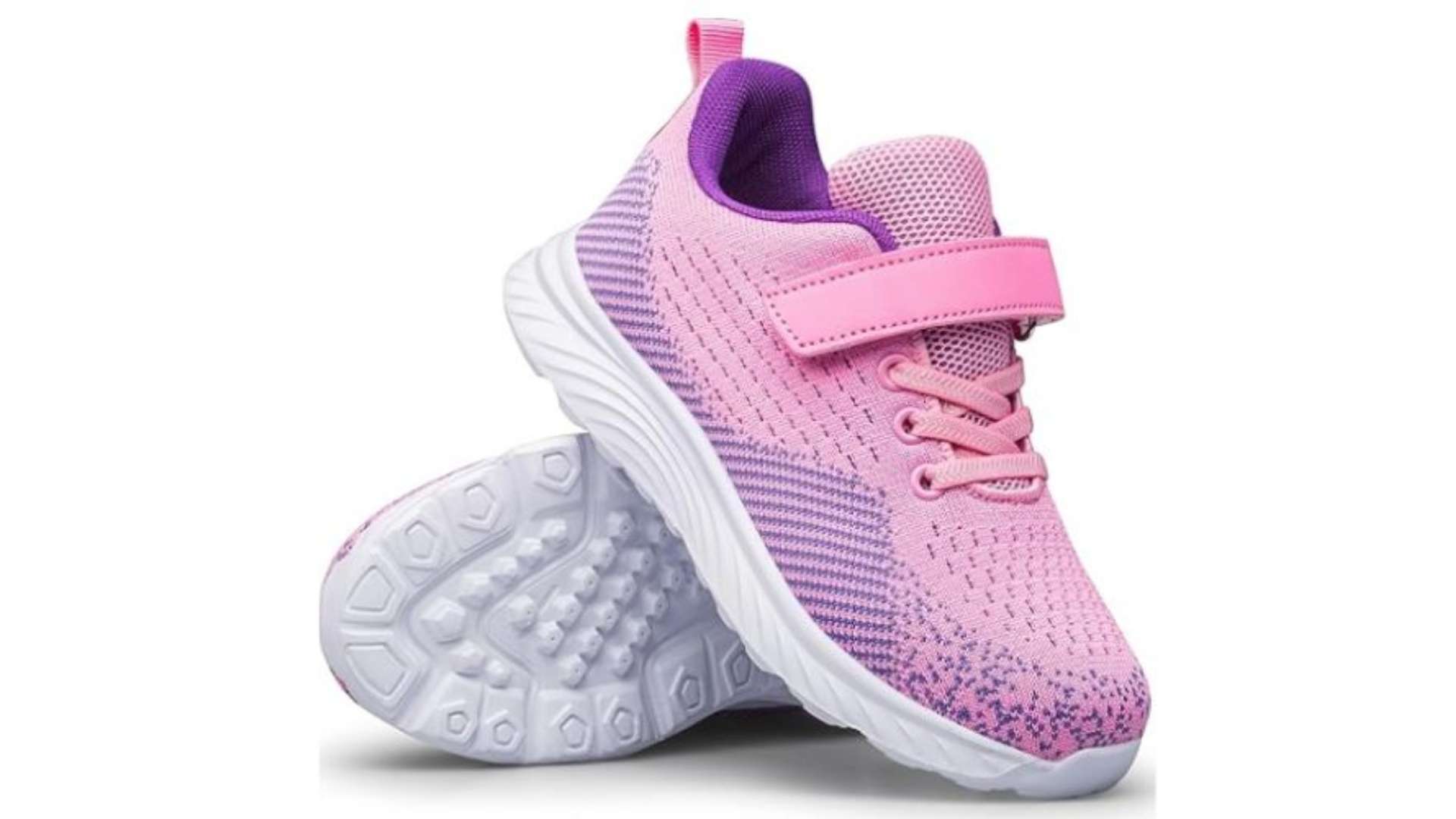
Sports shoes such as tennis shoes, basketball shoes, and training shoes are among Vietnam’s top export products. Recent figures indicate that this category alone contributes around 5.5 billion USD. Fabric sports shoes account for the largest share, followed by rubber and plastic, and then leather shoes.
The United States, Japan, and Korea are the main markets. Companies such as Chang Shin Inc., TKG Taekwang Co., and Skechers already source from Vietnam.
Leather shoes
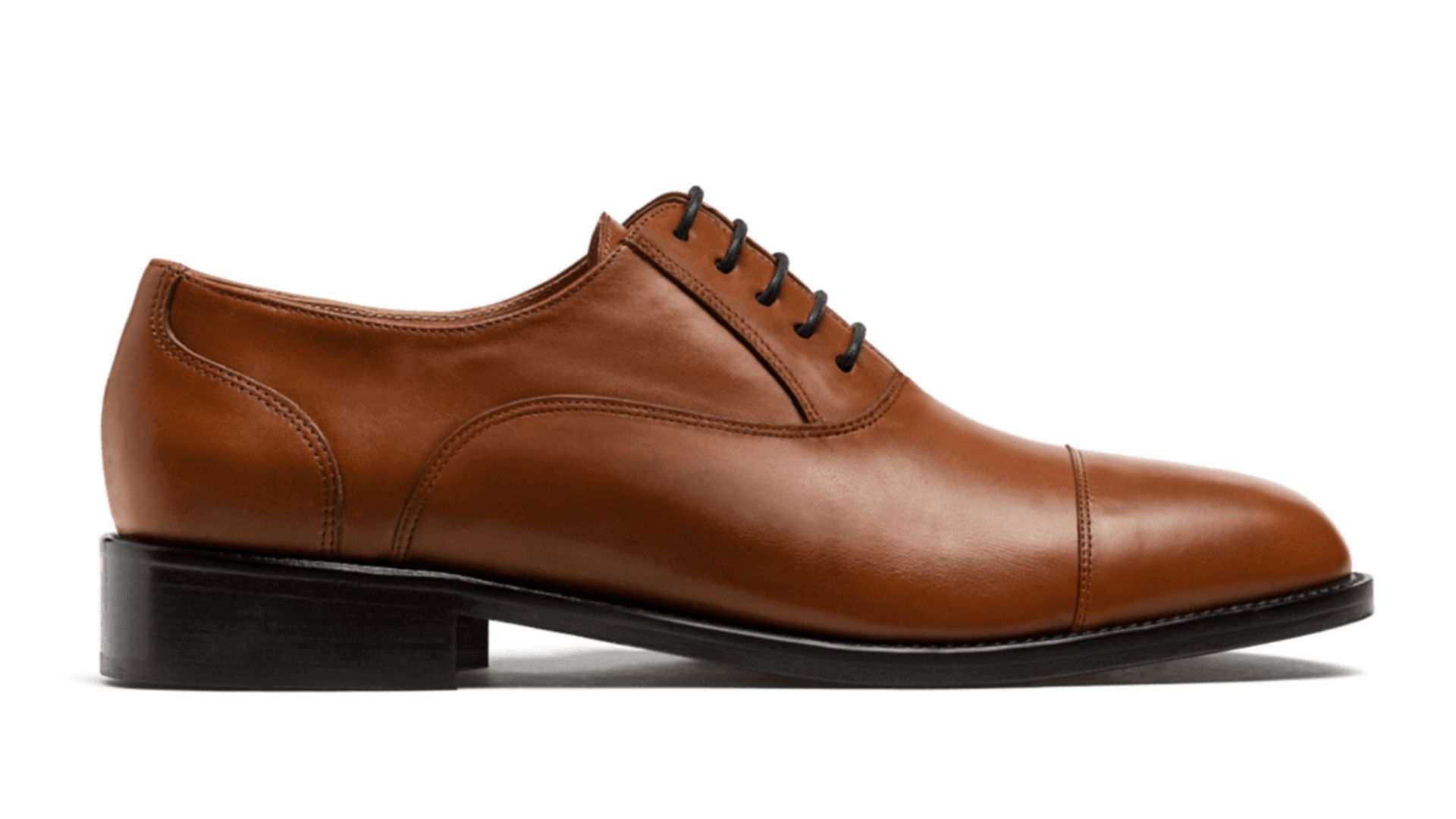
Vietnam also exports a wide variety of leather shoes. Dress shoes, from oxfords to slip-ons, are valued for their simple and timeless look. Boots, whether ankle, tall, or office styles, are made with careful stitching and workmanship.
These products are in high demand in markets like the United States and across the EU, especially Belgium, Germany, and the Netherlands. Famous brands like Reebok, Puma, and HOKA have placed large annual orders for Vietnamese-made leather shoes for years.
Sandals and Flip-Flops
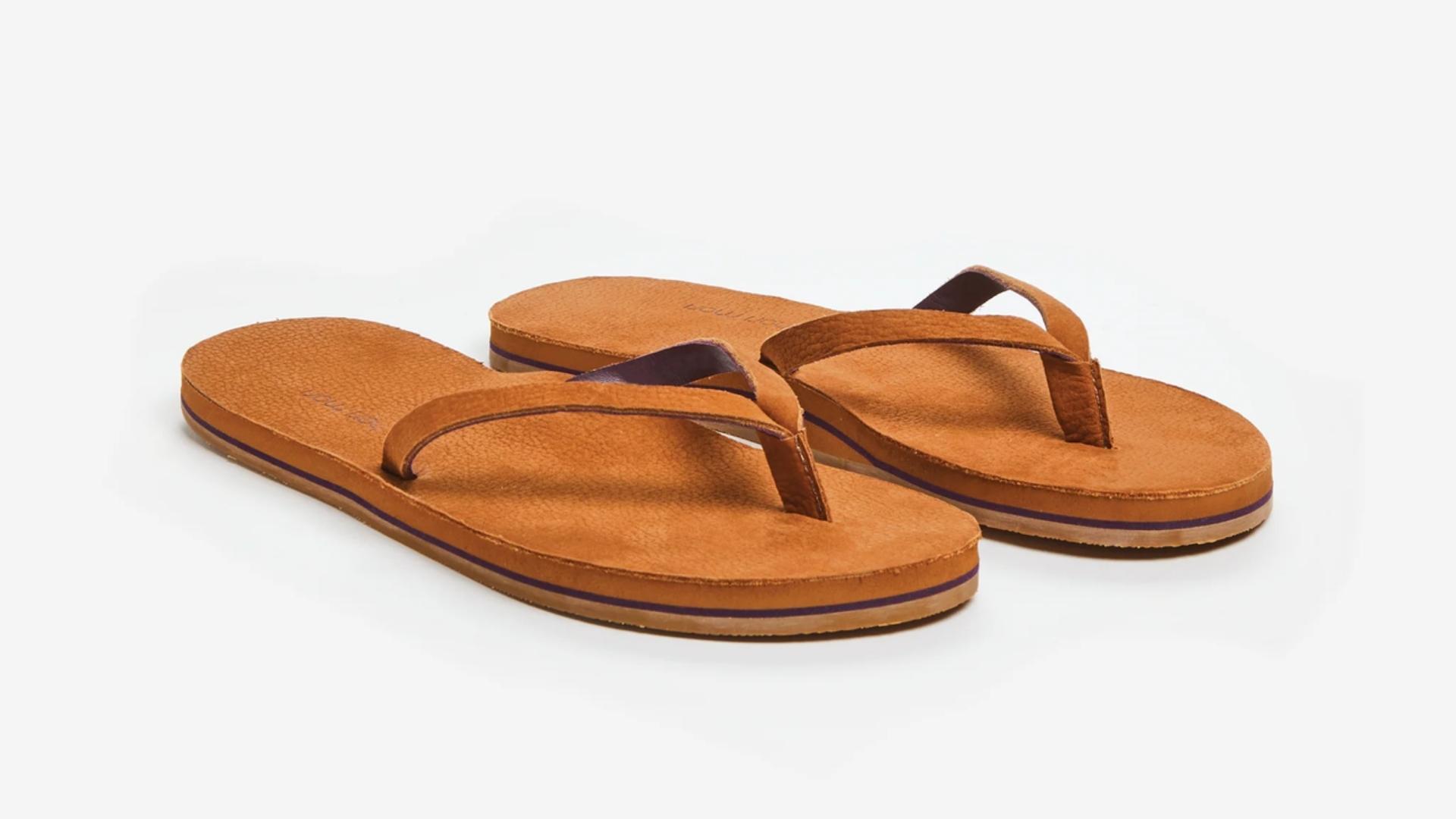
Sandals are another strong category. Vietnam exports more than 3.7 million USD worth of sandals every year, made from synthetic leather, nylon, or natural rubber. They are known for being slip-resistant and comfortable. The United States, Korea, and brands like Crocs and Under Armour are frequent buyers.
Flip-flops and slippers are also in steady demand. They are valued for neat stitching and soft comfort, often using EVA foam for the midsole and memory foam for the insole. In addition to the United States, Chile and Taiwan are also major importers. You can easily find “Made in Vietnam” flip-flops on retail platforms like Walmart and Decathlon.
Fashion Footwear (OEM/ODM)
For buyers looking for something more unique, Vietnam is also strong in fashion footwear. This category includes a wide range of trendy styles such as heels, ballet flats, wedges, and espadrilles. The thing about this line is that their designs are customizable, and buyers can launch private labels under their own brand, often with flexible MOQs.
Fashion brands such as M&S, Asos, and New Balance already source their footwear lines from Vietnam. Brands like Aldo, Next, and Dr. Martens also work with small and medium‑scale factories there.
How to Import Shoes from Vietnam
That’s what you can expect from the Vietnamese market. Now, let’s go through these easy steps to import shoes from Vietnam:
-
Be Clear About What You Need
It is important to note that sourcing shoes from Vietnam may involve longer lead times and more back-and-forth during sample development. If you have done shoe sourcing before, this is not much of a deal. However, for first-time importers, this is not much of a deal. However, for first-time importers, it may take more time to communicate requirements clearly and ensure your supplier understands export-grade specifications.
Jot down the essentials first:
- What shoe style and price range do you want?
- Which materials and colors for upper, sole, and lining?
- What size range and sizing system (US/EU/UK)?
- Any packaging or labeling needs?
- Do you need certificates like BSCI, WRAP, or REACH?
A great framework to start with is a product requirement sheet. This helps with needs assessment for B2B buyers. It includes basic design specs, materials, sizes, packaging, and compliance expectations so that factories can review and confirm for further steps.
-
Identify Vietnam Shoes Manufacturers
With this understanding of what you actually need, it is now time to look for suppliers. In Vietnam, most buyers do this in two ways:
- Online websites: This method means browsing B2B platforms or supplier directories. The pros are speed, convenience, and variety. The cons are unclear factory credentials, slow replies, and risks with MOQ or sample quality.
- Trade fairs: This requires travelling time and accommodation costs, but seeing the shoes in person and chatting with manufacturers directly is always a big help. The advantage is that you can check product quality on the spot and build trust. The biggest trade fairs are Shoes & Leather Vietnam and VFM Expo.
It’s best not to reach out immediately, but instead, recommend having a list of 8 to 10 potential factories based on your criteria and product type.
Please note that, when evaluating manufacturers, check some key points:
- Check product specialization: Not all factories are equal. For example, sports shoes are mainly produced in Dong Nai and Binh Duong, while sandals and rubber-based footwear are concentrated in Tay Ninh and Hanoi.
- Ask about MOQ and lead times: Most Vietnamese factories have MOQ ranging from 1,000 to 10,000 pairs. Lead times typically run 30-60 days, depending on the complexity and materials.
- Plan for compliance & labeling: Ensure your supplier can support export documentation, custom packaging, and compliance (REACH, CE, ASTM), especially for US/EU-bound footwear.
From there, you can sift and cross-check them with your needs in the first step. Ideally, 3 or 5 strong matches are enough to make contact.
Tips: From our own experience, Vietnamese suppliers rarely use email for normal communication. They keep emails for contracts or official confirmations. For instant messages, sending pictures, or sharing updates, they would rather use Zalo (like WhatsApp). Setting it up streamlines communication.
-
Obtain Quotes
Send your specs in detail, and don’t forget to ask how long the quote remains valid because material costs fluctuate rapidly. Get all the quotes into one place so you can see them side by side in an instant. A good quote should include:
- Shoes specifications
- Minimum quantity order for each color and size
- Unit price and total price
- Production lead time
- Shipping method, shipping charges, and any other extra costs
When looking at quotes, don’t just pick the cheapest. Look for suppliers who are willing to negotiate minimum quantity orders for first-time buyers or even offer discounts. Once you’ve spotted one or two that feel like a good fit, you’re ready to move on to the next step.
-
Make a Contract
This is an extremely important step since it protects you once production is underway. Few suppliers will provide a very detailed contract unless asked. Aside from the final cost, take a close look at:
- Payment terms (deposit due, balance payment, acceptable method)
- Trade terms (i.e., FOB, CIF, or DDP)
- Penalties in the event of delay in delivery, or if the shoes are not of the agreed quality
-
Keep an Eye on Production
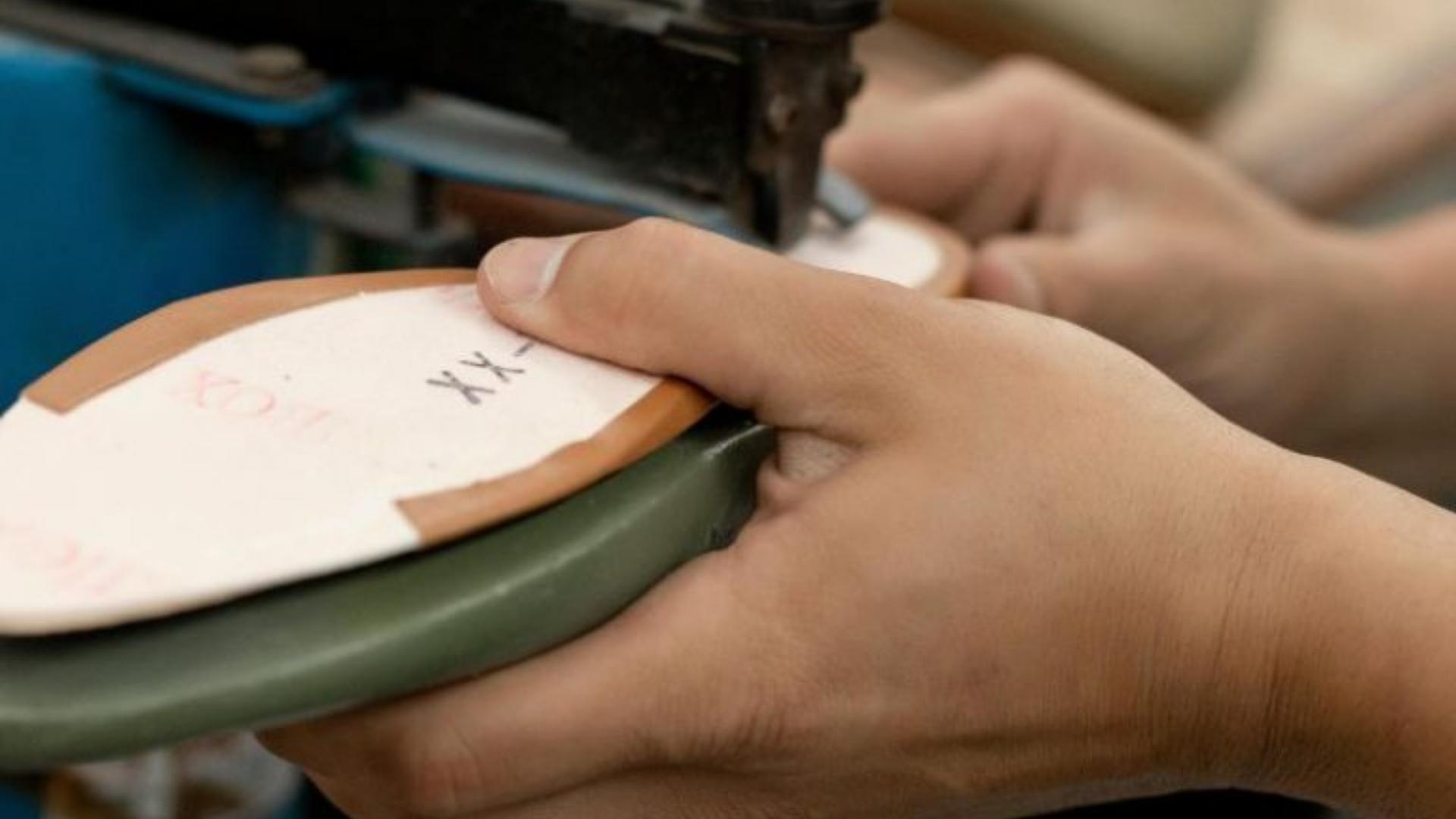
Vietnamese factories are known for good quality, but it is still helpful to monitor your orders along the way. One sneaky trick is to ask for a pre-production sample so you can check the longevity and crucial details before mass production. During production, you can also get speedy updates, like photos or short videos.
Since it’s hard to oversee everything from abroad, many buyers work with a local quality control team or hire a third-party inspection service. They can do the final check before the shoes leave the factory, giving you peace of mind that the order meets your standards.
-
Arrange Shipping and Get Ready for Customs
When the shipping terms are arranged, it simply shows whether the supplier or you cover certain costs and steps, from booking a ship or plane to moving the goods inland. The second point is having your paperwork done before the shipment leaves. The main ones are:
- Commercial Invoice, Packing List, Certificate of Origin, and Bill of Lading
- Import License (if your government demands it)
- Further certificates, if required, like REACH for the EU, CPSIA for the US
Key Vietnam Shoes Manufacturing Regions
Vietnam is home to a dense network of footwear manufacturers, ranging from global-scale factories to specialized workshops. These are the 4 main regions that drive the country’s footwear export output:
Dong Nai
Dong Nai stands out as a hub for large-scale sneaker and casual shoe production, with factories fulfilling orders for major global brands. The province benefits from well-established OEM infrastructure and a skilled labor pool, making it ideal for high-volume sourcing.
Ho Chi Minh City
Ho Chi Minh City supports a more diverse production scene. Here, you can find everything from mid-range fashion lines to small-batch specialty shoes. Such variety is thanks to its network of sourcing agents, sample studios, and flexible-capacity workshops that cater to both bulk and niche footwear needs.
Binh Duong
Moving northward, Binh Duong specializes in ODM and private-label footwear. It’s particularly known for producing loafers and dress shoes, with modern factories that cater to brand customization and strict QC standards.
Tay Ninh
Lastly, Tay Ninh plays a key role in rubber-based footwear manufacturing. Its proximity to Vietnam’s rubber plantations allows for efficient production of sandals, flip-flops, and molded boots, making it a go-to location for price-sensitive yet durable products.
Top Vietnam Shoes Factories
Looking for where to source leather loafers, safety footwear, or eco-friendly canvas sneakers from Vietnam?
The following are the top 10 vetted factories known for different categories and export readiness.
| # | Manufacturer Name | Notable Features | Capacity / Output |
| 1 | Hanoi Rubber Joint Stock Co. (HARCO) | ISO 9001 certified, 10,000 m² factory, long-standing processor | ~1 million pairs/year |
| 2 | Dong Hung Group | OEM/ODM model, known for sports, fashion, and outdoor shoes | 500,000+ pairs/month |
| 3 | Innolux Group | EU-invested, strong trade activity in both export and raw material imports | 500,000+ pairs/year |
| 4 | An Lac Footwear JSC (Alsimex) | Diverse product lines: canvas, sports, leather, slippers, etc. | ~12 million pairs/year |
| 5 | Aleron Vietnam Footwear Co., Ltd. | Strong in rubber/synthetic sole shoes, international network | 5,577+ shipments globally |
| 6 | Horng Shin Footwear | Produces niche lines: cleats, safety, medical shoes; 1,500+ workers | ~2 million pairs/year |
| 7 | Properwell Group | $272M exports (2021–2025), vertically integrated supply chain | 4 factories, 1,800 workers |
| 8 | Alena Footwear | Makes for Vans, Adidas, Timberland, etc. | 114,974 exports, 56,620 imports |
| 9 | Kingmaker Vietnam Footwear Co. | Subsidiary of 50+ year-old Kingmaker Group, casual and sports leather shoes | 12 production lines |
| 10 | TBS Group | Major conglomerate, core business is footwear manufacturing | Major conglomerate, core business is footwear manufacturing |
Top B2B Online Platforms for Sourcing Shoe Suppliers
Global Sources
Global Sources is a premier Hong Kong-based B2B platform that connects international buyers with verified Asian suppliers via online marketplaces, mobile applications, and physical trade shows. The platform allows buyers to browse millions of products or filter suppliers by specific regions, including Vietnam.
To ensure reliability, Global Sources vets every manufacturer through rigorous document verification, factory visits, and background checks before listing them. Buyers contact the supplier directly through the platform to request samples, obtain quotes, and conduct price negotiations.
VinaSources
VinaSources is a premier B2B sourcing platform dedicated to connecting global buyers directly with verified Vietnamese manufacturers. The platform features an extensive range of products, ensuring that every listed supplier meets rigorous standards for operational capability, transparency, and international service readiness.
Buyers can easily source products by browsing VinaSources’s vast product catalog or by submitting a Request for Quote (RFQ). By providing details such as product specifications, quantity, and target pricing, the VinaSources team can curate and present the most competitive options tailored to your needs.
In addition, VinaSources provides end-to-end supply chain services. This includes quality inspection, logistics and shipping, documentation, real-time tracking, and warehousing solutions.
Alibaba
Alibaba operates as a leading global B2B platform for sourcing consumer goods, including footwear. While based in China, the platform actively showcases a growing network of Vietnamese suppliers. It maintains an extensive supplier database covering diverse categories from electronics to apparel.
To initiate the sourcing process, global buyers search for specific manufacturers or post Requests for Quotation (RFQ). The platform then utilizes matching algorithms to connect buyers with suitable suppliers based on their specific requirements.
TradeWheel
Established in 2013, TradeWheel is a global B2B marketplace that bridges the gap between buyers and suppliers across diverse industries. The platform is specifically designed to help suppliers showcase their products and forge direct international partnerships.
To connect with the right partners, buyers can explore TradeWheel’s extensive catalog using targeted filters for industry, product type, or location. Alternatively, they can submit Requests for Quotation (RFQs) to attract relevant manufacturers and wholesalers. Once a match is found, buyers can communicate directly with suppliers to negotiate Minimum Order Quantities (MOQs), discuss pricing, and coordinate delivery logistics.
Vietnam Imported Shoes: Average MOQ & Lead Time
Minimum order quantity (MOQ) and lead time in Vietnam depend on the style of shoe, material, and customization. Sport shoes, for example, will have larger MOQs due to their complex designs and use of multiple materials. Production takes around 60 days for new buyers, but repeat orders are quicker.
Below is a short comparison table that we have made to give you a better idea:
| # | Category | Typical MOQ | Avg. Lead Time |
| 1 | Sports Shoes | 500 to 100,000 pairs | 60 days |
| 2 | Leather Shoes | 100 to 1,000 pairs | ~ 30 days |
| 3 | Sandals | Around 500 pairs | 15 to 40 days |
| 4 | Flip-Flops | 200 pairs or more | 20 – 30 days |
| 5 | Bespoke Designs | Often 1,000 pairs | 60 days or longer |
Key Challenges When Importing Shoes From Vietnam
In addition to knowing how to import shoes from Vietnam, it’s also essential to understand the main problems and how to deal with them.
- Manage costs and pricing. Keep an eye on seasonal freight rates, changing tariff duties, and hidden expenses like compliance tests and special packaging. Remember that currency exchange rates can also affect your total cost.
- Verify proper packaging. Protect your shoes in transit using acid-free tissue paper, non-woven bags, and individually sized ISTA-compliant cartons. Label each package clearly with what your target market requires, for example, CE marking for Europe or CPSIA information for the US.
- Agree on payment terms. Most suppliers request a deposit, usually 30% before production, with the balance paid before shipment. Choose a secure method that works for both parties, such as a bank transfer, letter of credit, or an escrow service.
- Establish good communication. Determine how you will communicate with the supplier at the onset to avoid future confusion. Although contracts are usually handled via email, brief daily updates or casual questions are often done through Zalo.
VinaSources: Leading B2B Platform For Sourcing Vietnamese Shoes
If you are sourcing footwear at scale or exploring factory-direct options for private label production,
VinaSources can help.
As a leading sourcing platform in Vietnam, we connect global buyers with over 14,000 verified shoe factories and offer comprehensive support services, including RFQ handling, logistics, export documents, and cargo insurance.
Here, you can:
- Find & connect with reputable shoe suppliers from Vietnam: Helps identify and connect directly with the right factory based on product requirements, certifications, and production capacity.
- RFQ support: Synthesize and send quotation requests to multiple factories at the same time, helping customers compare and choose the best option.
- One-stop export solution: packing, shipping, customs clearance, insurance, and warehousing. All in one process.
- Transparent order tracking: Provides a tracking system to monitor RFQ progress, production, and delivery in real time.
Reach out to the VinaSources team at 1900.4356 or [email protected] right now to discuss how to leverage Vietnam for your shoe company.