
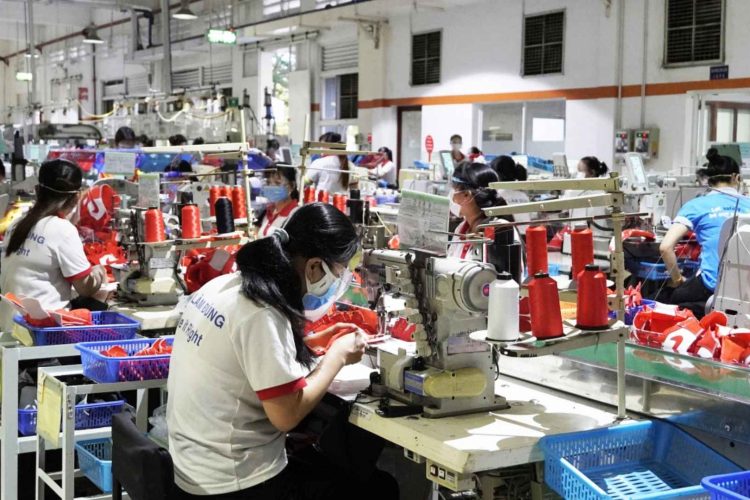
Clothing manufacturing costs are a key concern for anyone planning to sell or import clothing. They are influenced by multiple factors, including production location, fabric selection, order quantity, and quality standards.
Understanding the real cost of production is essential for setting the right prices, protecting profit margins, and avoiding unexpected expenses later.
Choosing the right manufacturing location not only affects cost but also impacts product consistency and the ability to scale production over time.
In this guide, we break down what drives clothing manufacturing costs and explain how sellers and importers can evaluate these factors more clearly before placing production orders.
Key factors that affect clothing manufacturing cost
Clothing manufacturing costs are influenced by a combination of material choices, labor costs, complexity of the design, and MOQ.
Below are the core factors that consistently determine final unit cost across global apparel supply chains.
-
Country of manufacturing
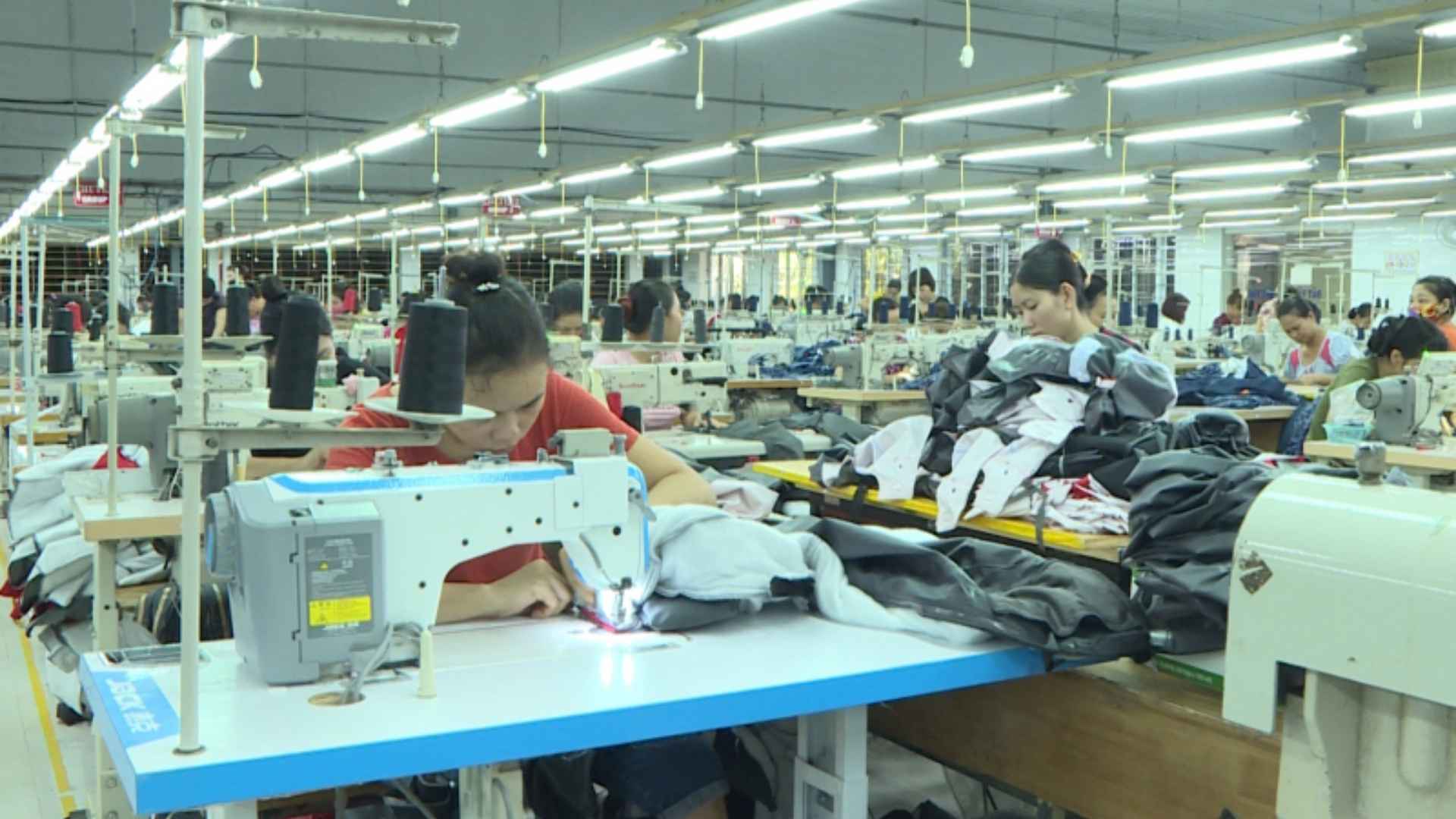
Clothing manufacturing relies heavily on manual processes such as cutting, sewing, stitching, and finishing. As a result, labor becomes a major cost driver, especially for garments with complex designs or custom requirements.
Labor costs vary significantly between countries. This difference is shaped not only by wage levels but also by infrastructure quality and how developed the local supply chain is.
According to the International Labor Organization and World Bank data:
- Labor costs in Vietnam, India, and Bangladesh are relatively low, making these markets attractive for cost-efficient production. For example, Vietnam’s average monthly wage is roughly $300-$320 USD. In addition, these countries also have well-established textile and garment industries, particularly suited for large-volume manufacturing.
- China’s labor costs are significantly higher than those in South Asia, approximately $650 USD per month. However, they benefit from advanced manufacturing capabilities and a highly integrated supply chain, which can improve efficiency and consistency.
-
Fabric and materials
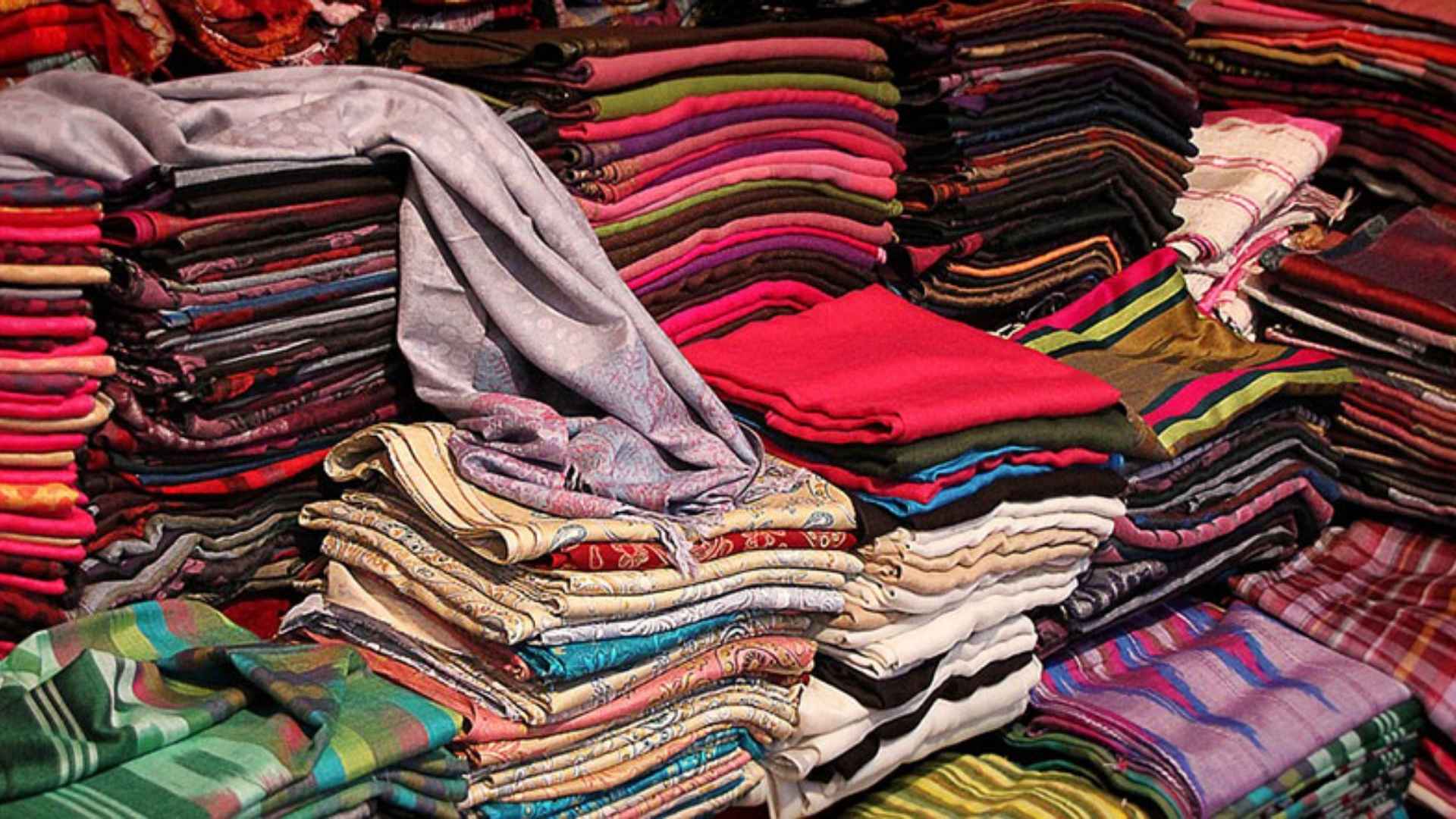
Fabric is the biggest factor that affects clothing production costs. In many cases, fabric can account for 40% to 70% of the total cost, depending on the product and design.
In the apparel industry, fabrics are commonly grouped into four types: natural fabrics, synthetic fabrics, blended fabrics, and functional fabrics (used for specialized clothing like workwear or protective gear).
- Natural fabrics include cotton, linen, wool, and silk. These tend to be more expensive because they come from natural sources and require complex processing. Cotton is the most common natural fabric used in items like t-shirts, everyday wear, and children’s clothing. The price for knitted cotton fabric typically ranges from $5 to $100 per meter.
- Synthetic fabrics include polyester and nylon. These are cheaper because they’re mass-produced through industrial processes. Polyester fabric usually costs between $2 and $10 per meter.
- Blended fabrics combine natural and synthetic fibers. The most common blend is cotton-polyester. Its price is higher than pure polyester but lower than 100% cotton, usually ranging from $3 to $20 per meter.
There are also functional fabrics with special features like stretchability, waterproofing, or moisture-wicking. These are used in specialized garments and tend to cost more than regular fabrics.
-
Order volume
In the garment industry, even with the same design and fabric, production costs can vary a lot depending on order size.
Small orders usually have a higher cost per item. This is because factories still need to cover fixed costs, like setting up sewing lines, making patterns, creating samples, and managing production, all for a limited number of pieces. As a result, the unit cost goes up.
In contrast, large orders help lower the cost per item thanks to economies of scale. When produced in bulk, factories can streamline operations, reduce setup time, and buy materials at better prices. This brings down both the unit production cost and the overall manufacturing cost.
However, the high MOQ can lead to financial risk, and unsold stockpiles go up.
-
Design complexity
Simple designs like basic t-shirts or leggings usually have lower production costs. The manufacturing process is faster and more consistent.
In contrast, complex designs can increase production costs. Special requirements for stitching, fit, or hand-finished details take more time to produce. This leads to higher labor costs and more effort in production management.
-
Factory overhead
Factory overhead includes the costs a factory needs to keep operations running. These cover rent, utilities, equipment, and expenses for management and maintenance. Large factories, those with modern machines, or those located in key industrial zones, often have higher overhead costs.
Quality control and compliance also add to factory overhead. Factories producing for export markets usually invest in inspection processes, product testing, and meeting international standards. Following these requirements can raise production costs, but they help ensure consistent quality and reduce export risks.
On average, producers spend 15% to 40% of their total return on garment quality control.
-
Labelling and Packaging
Labelling and packaging costs depend on the customer’s requirements and the manufacturer’s budget. These costs can vary from order to order.
Products with custom labels, premium packaging like printed boxes or logo bags, or eco-friendly materials often cost more per item. For large orders, these costs can make a noticeable difference in overall pricing.
-
Logistics and Shipping
If you’re planning to import clothing from overseas, logistics and shipping costs are key factors to consider.
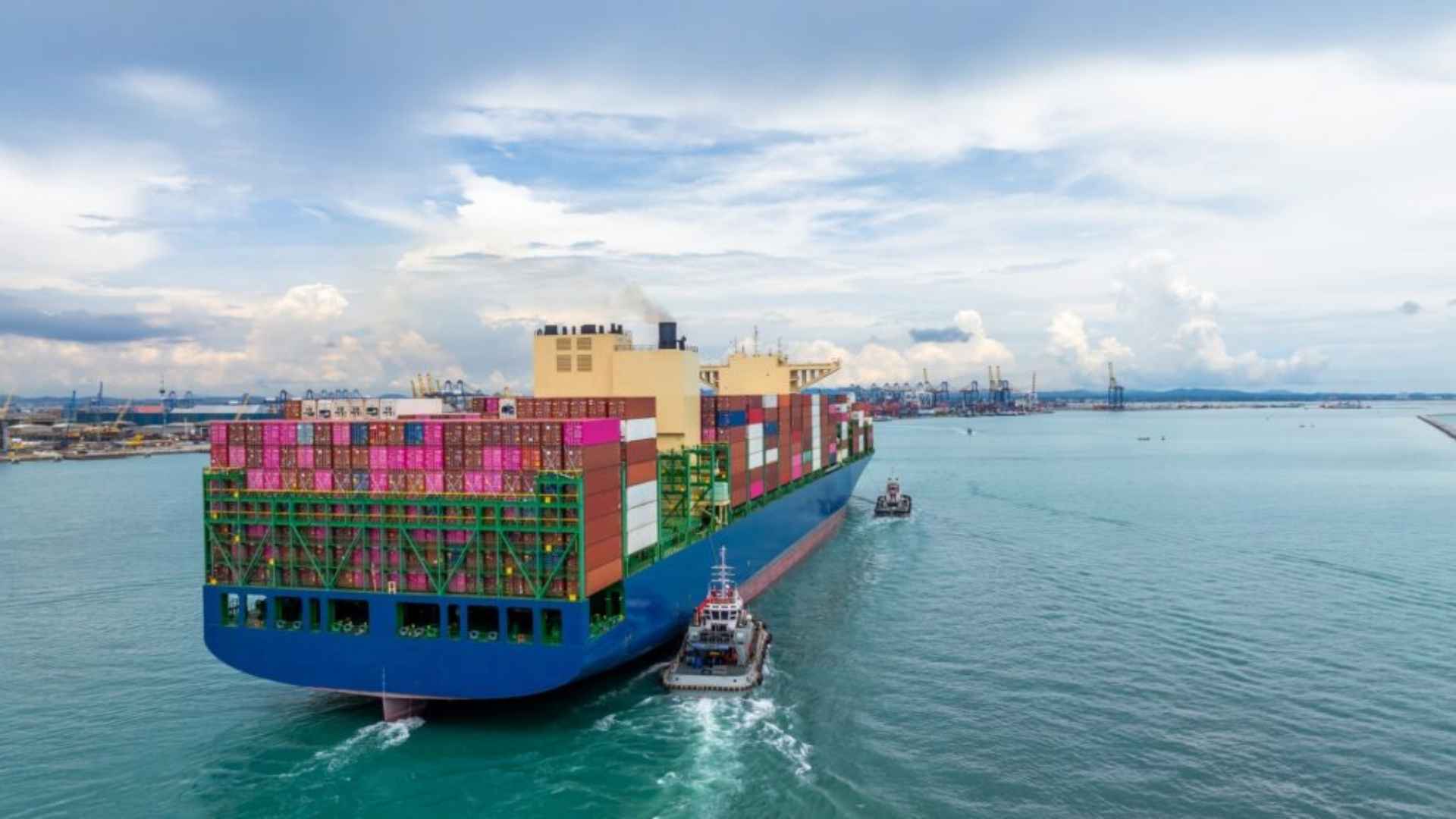
These costs mainly include the transportation of goods from the manufacturing country to the destination market. So, the total cost depends heavily on distance and the shipping method – by sea or by air.
Sea freight is usually cheaper but takes longer. Air freight is much faster but comes at higher costs.
Besides shipping, logistics also covers other expenses like export packaging, warehousing, cargo insurance, and customs procedures. These costs should be calculated carefully from the beginning to avoid unexpected charges that could affect your business plan.
Some clothing manufacturing costs by product type
As outlined above, clothing manufacturing costs vary significantly depending on product type, fabric quality, design complexity, and production location.
The following examples illustrate typical manufacturing cost ranges by product category, with basic garments generally costing between USD 2-10 per unit, while more complex or specialized apparel can range from USD 15-70 or higher.
-
Basic apparel
Basic apparel refers to garments with simple designs and standard fits. These products typically require fewer sewing operations, minimal detailing, and can be produced efficiently on stable, high-volume production lines.
Thanks to streamlined manufacturing processes and economies of scale, the per-unit production cost for basic apparel remains relatively low and easy to control.
Indicative Cost Ranges (Per Piece)
- Basic T-shirt: $4–$10
- Woven shirts: $6–$15
- Hoodies & sweatshirts: $12–$25
-
Fashion and tailored garments
Fashion garments have more diverse designs and higher aesthetic requirements than basic apparel. These products often include more sewing details, complex fits, or combine different types of materials in one design.
As a result, the production process is more complex and harder to fully standardize. Factories need more handling steps, longer sewing time, and rely heavily on workers’ skills.
Quality control also needs to be more thorough to ensure a high-quality finish. Because of these factors, the manufacturing cost of fashion garments is usually higher than that of basic apparel.
- Dresses: $10–$30
- Denim jeans: $15–$40
- Tailored garments: $25–$70+

-
Specialty clothing
Specialty clothing includes garments with special technical or functional requirements, different from standard apparel. These products are designed for specific uses, so they require higher standards in materials and production.
During manufacturing, factories must use specialized materials, apply unique sewing and finishing techniques, and follow stricter quality control.
This results in longer production times and higher manufacturing costs compared to basic clothing.
- Activewear: $15–$40
- Outerwear (jackets, coats): $30–$70
Average cost to manufacture clothing by countries
Manufacturing costs can vary significantly across countries due to differences in labor rates, production efficiency, infrastructure, and compliance standards. Here’s a general comparison of average garment manufacturing costs in key sourcing countries:
| Vietnam | China | Bangladesh | India | |
| Labor costs | $2.99 | $6.50 | $1.00 | $1.80 |
| Supply chain | Growing | Comprehensive | Specialized | Diverse |
| Trade agreements | Extensive (EVFTA, CPTPP) | Moderate | Moderate | Favorable in some markets |
| Minimum order quantity (MOQ) | Medium | Medium to high | High | Medium |
| Production lead time | Medium | Short to medium | Medium to long | Medium |
>> Learn more about the manufacturing cost of a shirt in Vietnam.
Conclusion
Clothing manufacturing cost is influenced by many factors, from materials and labor to order volume, design complexity, and logistics. Each element plays a role in shaping the final cost per product. For brands and businesses, understanding these cost drivers is essential to making informed sourcing decisions. Choosing the right manufacturing partner and location can help balance quality, price, and lead time, all of which are key to building a sustainable and competitive apparel supply chain.