
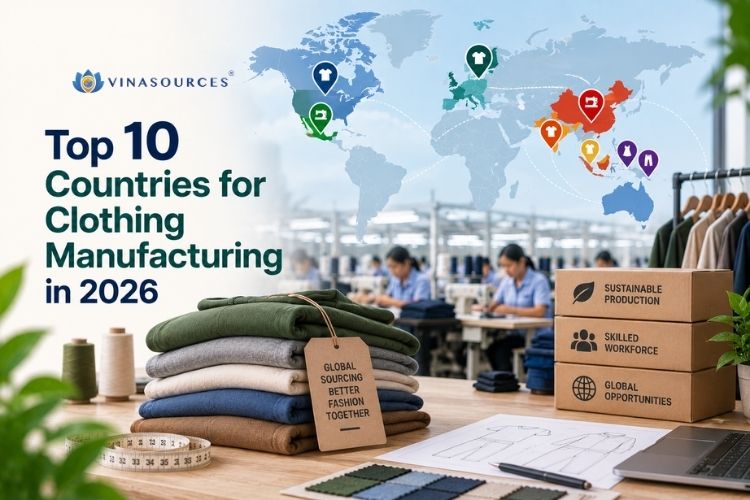
Finding the right manufacturing country is one of the most important decisions for fashion brands and global buyers. Each country offers different advantages in cost, quality, production capacity, lead time, and supply chain strength. While China remains the world’s largest apparel producer, countries such as Vietnam, Bangladesh, India, and Turkey have become strong alternatives under the “China Plus One” strategy.
This guide ranks the top 10 countries for clothing manufacturing 2026, comparing their export performance, manufacturing strengths, product specialties, and sourcing advantages to help you choose the best destination for your business.
| # | Country | Export Value | Best For |
| 1 | China | Complete textile supply chain, advanced manufacturing, huge production capacity | Fast fashion, technical apparel, outerwear, sportswear, all apparel categories |
| 2 | Bangladesh | Very competitive labor costs, massive factory capacity, strong knitwear industry | T-shirts, knitwear, denim, basic garments, large-volume production |
| 3 | Vietnam | High quality, strong compliance, skilled workforce, many FTAs (EVFTA, CPTPP, RCEP) | Sportswear, outdoor apparel, activewear, premium fashion, OEM/ODM |
| 4 | India | Large cotton production, integrated textile industry, flexible manufacturing | Cotton garments, fashion apparel, embroidery, private label |
| 5 | Turrkey | Fast delivery to Europe, vertically integrated production, flexible MOQs | Denim, fashion apparel, knitwear, quick-response manufacturing |
| 6 | Cambodia | Low production cost, experienced export factories | Casualwear, knitwear, basic garments |
| 7 | Pakistan | Strong cotton and yarn industry, competitive pricing | Denim, workwear, cotton apparel, knitwear |
| 8 | Indonesia | Strong synthetic textiles, experienced sportswear manufacturing | Active wear, outdoor clothing, footwear apparel, performance wear |
| 9 | Italy | Premium craftsmanship, luxury production, high-end fashion | Luxury apparel, suits, designer collections, leather garments |
| 10 | Portugal | High-quality European manufacturing, sustainability focus, low MOQs | Sustainable fashion, premium knitwear, small-batch production |
1. China
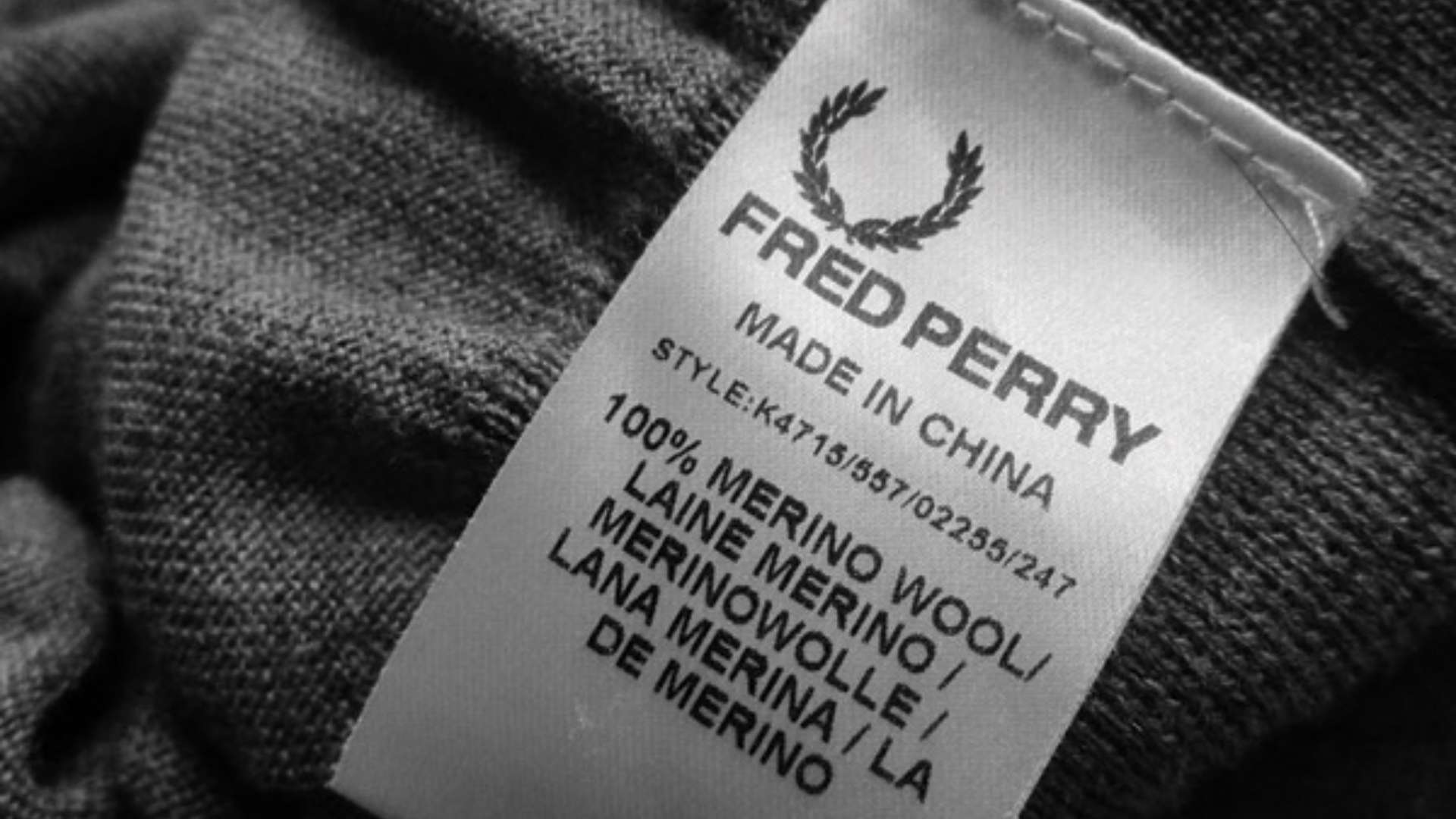
China is the world’s most powerful country for clothing production and exports, holding a global market share of about 35% to 40%. In the first half of 2025, China’s clothing exports alone reached a massive 38.1 billion.
The country has outstanding advantages including a massive industrial scale, modern logistics infrastructure, advanced automation, and a skilled workforce. These strengths allow factories to handle both large-volume orders and fast-fashion models with high production speed. China is especially strong in producing technical activewear, denim, knitwear, winter coats, office wear, and underwear. It excels at complex sewing techniques, detailed embroidery, and innovative synthetic fabrics. Because of these strengths, famous global brands like Nike, Zara, and H&M continue to manufacture there to benefit from advanced technology and large-scale capacity.
However, China faces some weaknesses, such as rising labor costs, which lower its price competitiveness compared to Southeast Asian and South Asian nations like Vietnam or Bangladesh, with many now earning between $500 and $800 per month. Brands also face high tariffs (taxes) when exporting to the United States, which can be as high as 35%. Additionally, Chinese factories often require high minimum order quantities (MOQs), usually at least 300 to 500 units, which can be a challenge for smaller brands.
2. Bangladesh
Bangladesh is the second-largest exporter of clothing, garments, and apparel in the world, holding about 6.8% to 7% of the global market share. In 2025, Bangladesh exported nearly $39 billion in ready-made garments, maintaining steady growth despite global inflation.
The country has major advantages, such as a massive workforce of over 4.4 million workers, highly competitive labor costs, and duty-free trade access to the European Union and the UK. Bangladesh is also a leader in sustainable manufacturing, boasting over 230 LEED-certified green factories. Its main production strengths focus on cotton knitwear and denim products. Bangladesh excels at manufacturing high-volume basic T-shirts, sweaters, polo shirts, and jeans, with cotton knitwear accounting for over 50% of its total export value.
Despite its strengths in mass production, the industry has several weaknesses. Bangladesh relies heavily on imported fabrics and yarn, which leads to very long lead times. Factories also typically require high minimum order quantities (MOQs), often between 1,000 and 3,000 units, making it difficult for smaller brands to source there.
Famous global fashion brands like H&M, Zara, Primark, and Uniqlo produce heavily in Bangladesh, with retail giants like H&M and Inditex sourcing between $3 billion and $4 billion worth of garments from the country each year.
3. Vietnam
Vietnam is currently the third-largest garment exporter in the world. In 2025, Vietnam’s total textile and garment exports reached approximately $46 billion. Vietnam holds a global market share of approximately 6% to 10%.
The country’s biggest advantages are its political stability and many Free Trade Agreements (FTAs). Deals like the EVFTA (with the EU) and CPTPP help reduce taxes and make Vietnamese products more competitive in international markets. Furthermore, Vietnam has a skilled workforce with high labor productivity, and monthly wages are competitive, typically ranging from $250 to $350.
Vietnam is a top choice for mid-range to premium apparel. The country is especially strong in producing sportswear, activewear, and technical outerwear like waterproof jackets. Many factories have invested in advanced technology for complex tasks like seam sealing and bonding. Other key products include casual wear, workwear, and high-quality underwear.
Vietnam is home to many leading garment manufacturers, including Vinatex, Thanh Cong Textile Garment (TCM), Garment 10 (May 10), Viet Tien, Nha Be Corporation (NBC), and TNG Investment and Trading. Famous global fashion and athletic brands like Nike, Adidas, Uniqlo, and Zara (Inditex) produce a massive portion of their collections in Vietnam. For instance, Nike sources nearly 50% of its global footwear and apparel from Vietnamese suppliers, while top international brands continuously invest hundreds of millions to billions of dollars annually into local production facilities and supply chains.
However, a major weakness of Vietnam’s apparel industry is its heavy dependence on imported raw materials, as over 70% of fabrics and raw cotton must be sourced from abroad. Factories also face rising wage costs and vulnerabilities to global shipping delays.
4. India
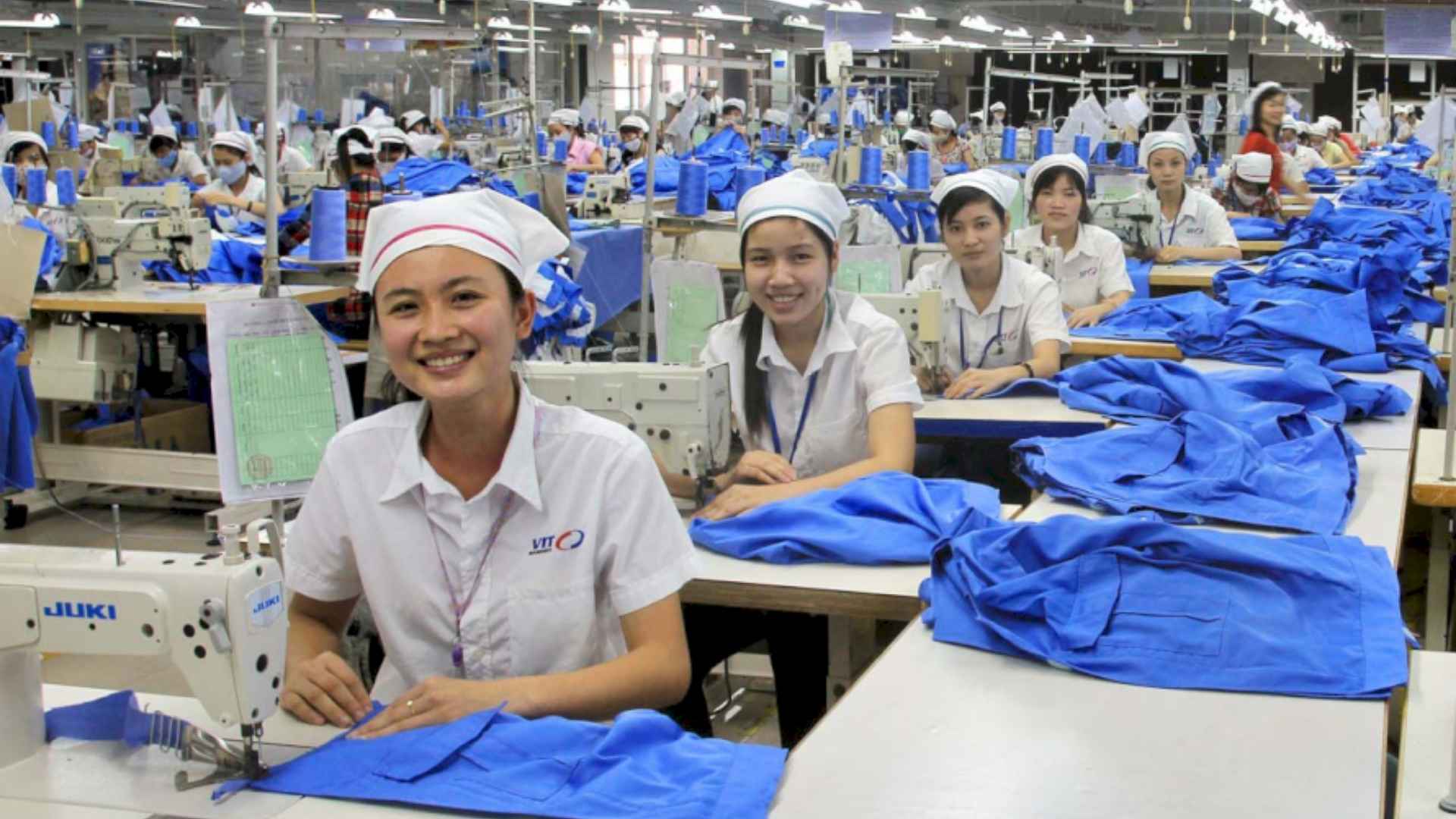
India is a major player in the global fashion industry, currently ranking as the 4th largest garment exporter with a market share of around 2.9% to 4%.
India is the world’s largest producer of organic cotton, meaning factories can source raw materials domestically instead of importing them. This integration helps keep production costs competitive, supported by low monthly wages for workers ranging from $150 to $250. Additionally, Indian factories are often more flexible than those in China or Bangladesh, offering lower minimum order quantities (MOQs) of 300 to 1,000 units, which is great for smaller brands.
India’s main product strengths lie in cotton readymade garments (RMG), denim, home textiles, handloom fabrics, and detailed traditional embroidery. In recent years, Indian manufacturers have also quickly expanded into athleisure, performance wear, and sustainable organic fabrics. India is home to leading apparel companies such as Walmart, Target, Primark, H&M, and Zara.
However, there are some weaknesses to consider when manufacturing in India. Quality consistency can vary significantly between different factories, requiring brands to have more oversight. Lead times are also longer than in other countries, often taking between 100 to 160 days for an order to be completed. Furthermore, the industry faces challenges with fragmented infrastructure, such as unreliable power supplies and slow logistics, which can delay production schedules.
5. Turkey
Turkey is a major global player in clothing manufacturing with about 3% to 4% of the global market share and remains one of the EU’s largest clothing suppliers. One of Turkey’s biggest advantages is its fully integrated textile supply chain. The country produces cotton, yarn, fabrics, dyeing, finishing, and garments domestically, allowing factories to control quality and shorten production time.
Turkey is especially strong in producing denim, fashion apparel, knitwear, woven garments, shirts, trousers, outerwear, home textiles, and premium private-label clothing. Because Turkish manufacturers are very agile, they are the top choice for fast fashion and brands that require small, specialized orders with low minimum order quantities (MOQs), often between 100 and 300 units.
However, Turkey also faces several challenges. The most significant issue is economic and currency instability, as the volatility of the Turkish Lira and high inflation cause prices to fluctuate. Production costs have also increased significantly; for example, the minimum wage for 2026 was raised by 27%. Additionally, while many factories are excellent, quality can sometimes be inconsistent between different suppliers, and political instability remains a risk for supply chain reliability.
6. Cambodia
Cambodia is one of the top ten garment and apparel exporters in the world, holding nearly 2% of the global market share. The country holds a global market share of approximately 2%.
The most prominent advantage of manufacturing in Cambodia is its low labor costs, with monthly wages for garment workers ranging from $200 to $220. This makes the country very competitive for producing budget-friendly basics and casual wear, such as T-shirts, shorts, trousers, and simple knitted garments. Many well-known global brands manufacture clothing in Cambodia, including Adidas, Puma, H&M, Gap, Levi’s, Uniqlo, Lululemon, Target, Walmart, Decathlon, and Marks & Spencer.
The country still imports most of its fabrics, yarns, and accessories, making manufacturers dependent on suppliers from China and other countries. The manufacturing base is also less diversified than in countries like Vietnam, and the local infrastructure is still developing, which can lead to logistical challenges.
7. Pakistan
Pakistan is a major leader in the global garment industry, holding about 2% of the global market share. In 2025, Pakistan’s total textile and garment exports reached nearly $19.5 billion.
Pakistan’s biggest advantage is its vertically integrated cotton supply chain. The country is one of the world’s largest cotton producers, allowing manufacturers to source yarn, fabrics, dyeing, finishing, and garment production locally. The country is especially strong at producing denim, jeans, T-shirts, knitwear, sportswear, workwear, socks, towels, home textiles, and cotton apparel.
However, the country often suffers from energy shortages and infrastructure gaps that can delay production. Furthermore, political and economic instability remains a risk for supply chain reliability. Pakistan also lags behind competitors like Vietnam in terms of environmental compliance and the ability to produce complex technical or high-performance sportswear.
8. Indonesia
Indonesia is an important emerging player in the global garment industry, currently holding a global market share of about 1.6%. The country is especially strong in producing sportswear, activewear, outdoor clothing, knitwear, fashion apparel, uniforms, workwear, and performance garments.
The country’s most significant advantage is its large labor force and competitive production costs. Average monthly wages for garment workers range from $200 to $280, which is lower than in China. Additionally, Indonesia is a member of the RCEP trade agreement, which provides tariff benefits when trading with partners like Japan and South Korea. The country has also invested heavily in synthetic and technical fabric processing, making it a top choice for performance clothing. Because of these strengths, famous global brands such as Nike, Adidas, and Puma manufacture many of their products in Indonesian factories.
However, Indonesia’s garment industry faces a few production weaknesses. The sector relies on imports for over 95% of its natural raw cotton, leaving it vulnerable to price changes. Additionally, more than 57% of textile machinery in the country is over 15 years old, and factories struggle with high domestic energy and logistics costs.
9. Italy
Italy is the undisputed world leader in luxury fashion and high-end garment manufacturing. The country’s biggest advantage is its artisanal craftsmanship and access to the finest fabrics in the world, such as Como silk and Biella wool. Many of the world’s most iconic fashion houses manufacture their collections here to maintain their prestige.
Italy’s production is organized into specialized textile districts that have refined their skills over many generations, making it impossible for other countries to replicate their expertise. Because of this, Italy is the best choice for luxury tailoring, premium outerwear, and high-end leather goods. Famous brands including Gucci, Prada, Armani, Max Mara, and Brunello Cucinelli rely on Italian craftsmanship for their products.
However, manufacturing in Italy comes with several challenges, most notably the extremely high production costs. Monthly wages for workers range from $1,800 to over $2,500, which is about 3 to 5 times higher than costs in Asia. Additionally, because many garments are handmade or require complex techniques, lead times are longer, often taking between 12 to 16 weeks to complete an order. Furthermore, many of Italy’s best factories are currently operating at full capacity, making it difficult for new brands to find space for their production.
10. Portugal
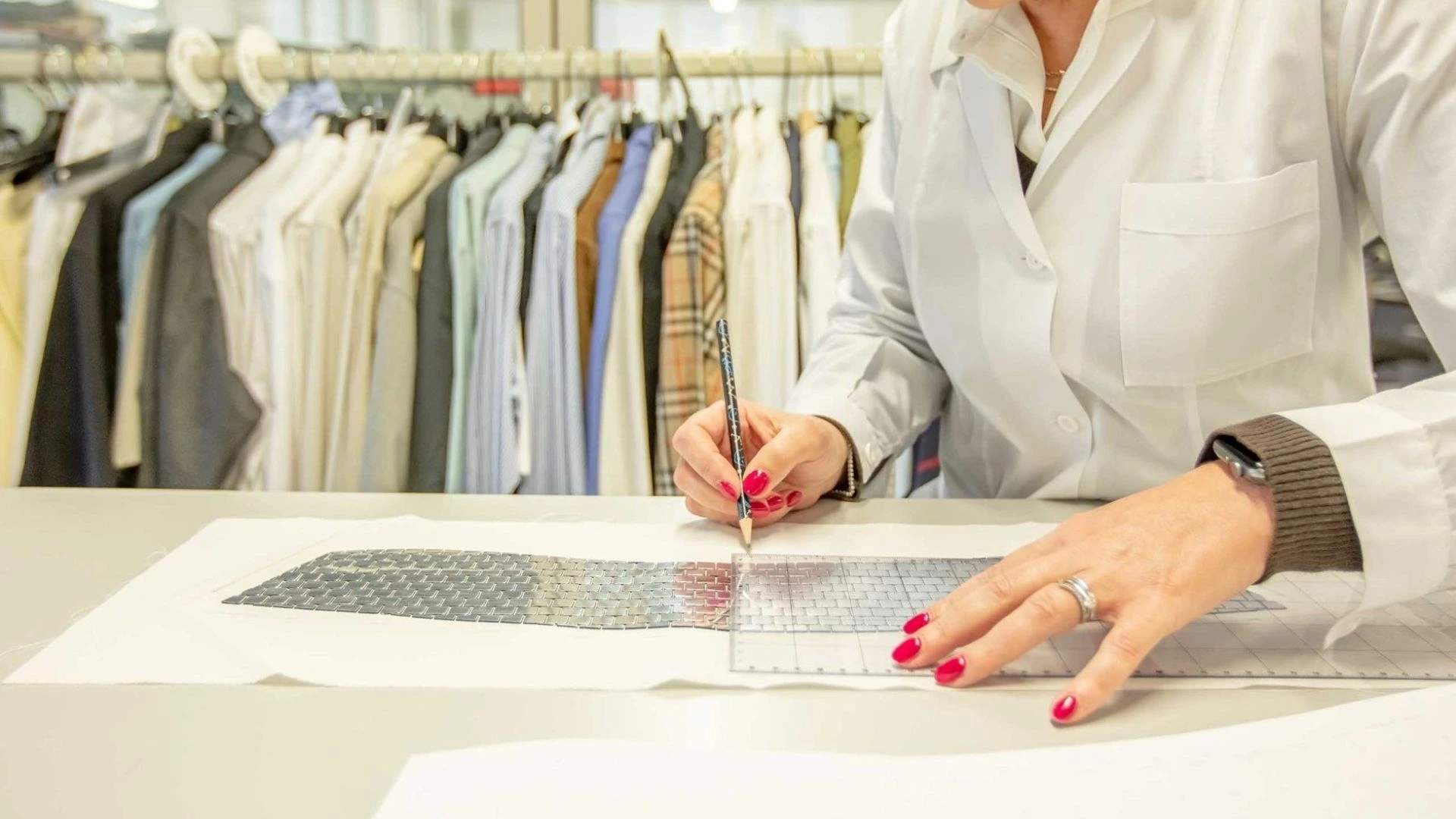
Portugal has become the fastest-growing clothing manufacturing destination in Europe. In 2024, the country’s apparel exports were valued at approximately $5 billion.
The most outstanding advantage of manufacturing in Portugal is the balance of speed and quality. Production lead times are very short, usually taking only 4 to 8 weeks, and finished goods can be shipped to European warehouses in just 2 to 5 days. Portuguese factories are also famous for their flexibility, as they often accept low minimum order quantities (MOQs) of between 50 and 300 units. This makes the country ideal for premium and mid-market brands that need to produce small batches or react quickly to new fashion trends.
However, production costs in Portugal are significantly higher than in Asian manufacturing hubs. Average monthly wages for garment workers range from $800 to $1,200, which is much higher than in countries like Vietnam or Bangladesh. In addition, the local labor pool is relatively small, making it difficult for local factories to fulfill massive bulk production orders.
Many famous global and luxury brands choose to manufacture their collections in Portugal to maintain a high-quality reputation. These include Jacquemus, Balenciaga, Acne Studios, Supreme, and Nike.
Conclusion
Choosing the right clothing manufacturing country depends on your product, budget, quality requirements, and target market. China leads in scale, while Vietnam offers an excellent balance of quality and cost. Bangladesh is ideal for high-volume basics, and countries like India, Türkiye, Portugal, and Italy specialize in different market segments.
Before making a decision, compare suppliers carefully, request samples, verify factory certifications, and consider long-term supply chain stability. A reliable manufacturing partner is the key to building a successful and competitive apparel business.