
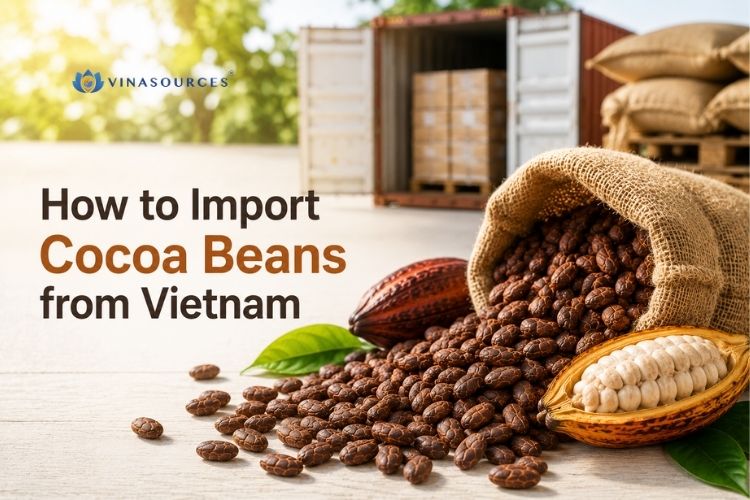
Vietnam is quickly becoming one of the most exciting destinations for international sourcing of cocoa. While the country does not produce the largest volume of cocoa in the world, it offers something much more valuable: incredible quality and a highly unique flavor profile.
If you want to source this high-quality ingredient for your business, this step-by-step guide is for you. We will show you how to find reliable suppliers, check quality specifications, and import cocoa smoothly.
Understanding Vietnamese Cocoa Beans: Market and Quality
More than 80% of cocoa trees in Vietnam belong to the Trinitario variety. This is a premium hybrid group that combines the strength of the Forastero tree with the fine, rich flavor of the Criollo bean.
Because of Vietnam’s rich tropical soil and professional post-harvest fermentation processes, these raw beans develop a very distinctive, complex flavor profile. Vietnamese cocoa beans offer a rich, deep cocoa base beautifully mixed with a pleasant, slight fruit acidity and subtle notes of citrus or red berries.
Cocoa trees are sensitive to soil and weather. In Vietnam, cocoa is grown mainly in two regions, and each region produces a slightly different flavor:
- The Mekong Delta: Provinces like Ben Tre and Tien Giang are famous for cocoa. Here, farmers often plant cocoa trees under the shade of coconut trees. The rich alluvial soil gives the beans a stronger fruit acidity and a well-balanced flavor.
- The Central Highlands: Provinces like Dak Lak and Lam Dong have rich volcanic basalt soil. Because the weather here is cooler and drier, the cocoa beans from this region usually have a bolder, more traditional chocolate flavor with subtle earthy notes.
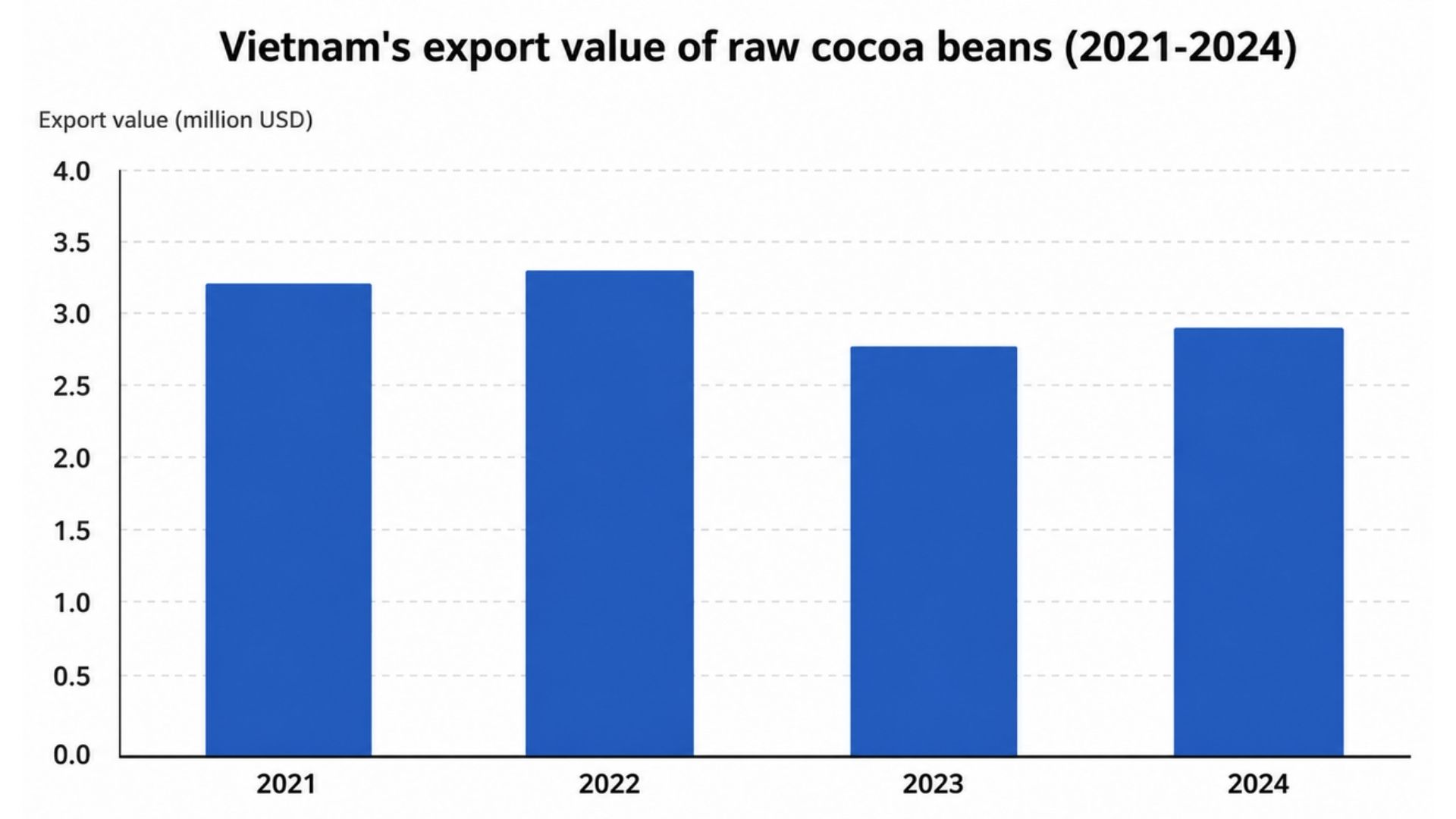
While Vietnam is a smaller producer compared to global giants, it has carved out a strong niche in the international market. The country steadily exports between 2,000 and 3,500 tons of cocoa per year, focusing heavily on premium quality rather than mass volume.
Vietnamese cocoa products are highly valued across several major global markets, including both developed economies and regional hubs such as the EU, Japan, South Korea, the US, and China.
Key Advantages of Importing Vietnamese Cocoa Beans
While Vietnam does not export millions of tons of cocoa like West African countries, global buyers are actively shifting to Vietnam for several strategic reasons.
Here are the key advantages of sourcing your cocoa beans from Vietnam:
Excellent Trade Tariffs and Tax Reductions
Vietnam has signed many Free Trade Agreements (FTAs) with major markets around the world. This gives international buyers a huge financial advantage:
- The EVFTA (Europe-Vietnam FTA): Reduces import duties on Vietnamese cocoa products into the EU down to 0%.
- The CPTPP and RCEP: Allow buyers in Japan, South Korea, Australia, and Singapore to import Vietnamese cocoa with zero or very low tax rates.
Strategic Shipping Location in Asia
Vietnam sits right in the heart of Southeast Asia, directly along the world’s major marine shipping lanes. The country has a massive coastline stretching over 3,260 kilometers with direct access to the East Sea (South China Sea).
This strategic location means that cocoa shipments can easily and quickly travel to major consumption hubs. Shipping to regional Asian markets like Japan, South Korea, China, and Malaysia takes only a few days, which helps keep the cocoa beans fresh and reduces total transport costs for buyers.
Strong Agricultural Export Infrastructure
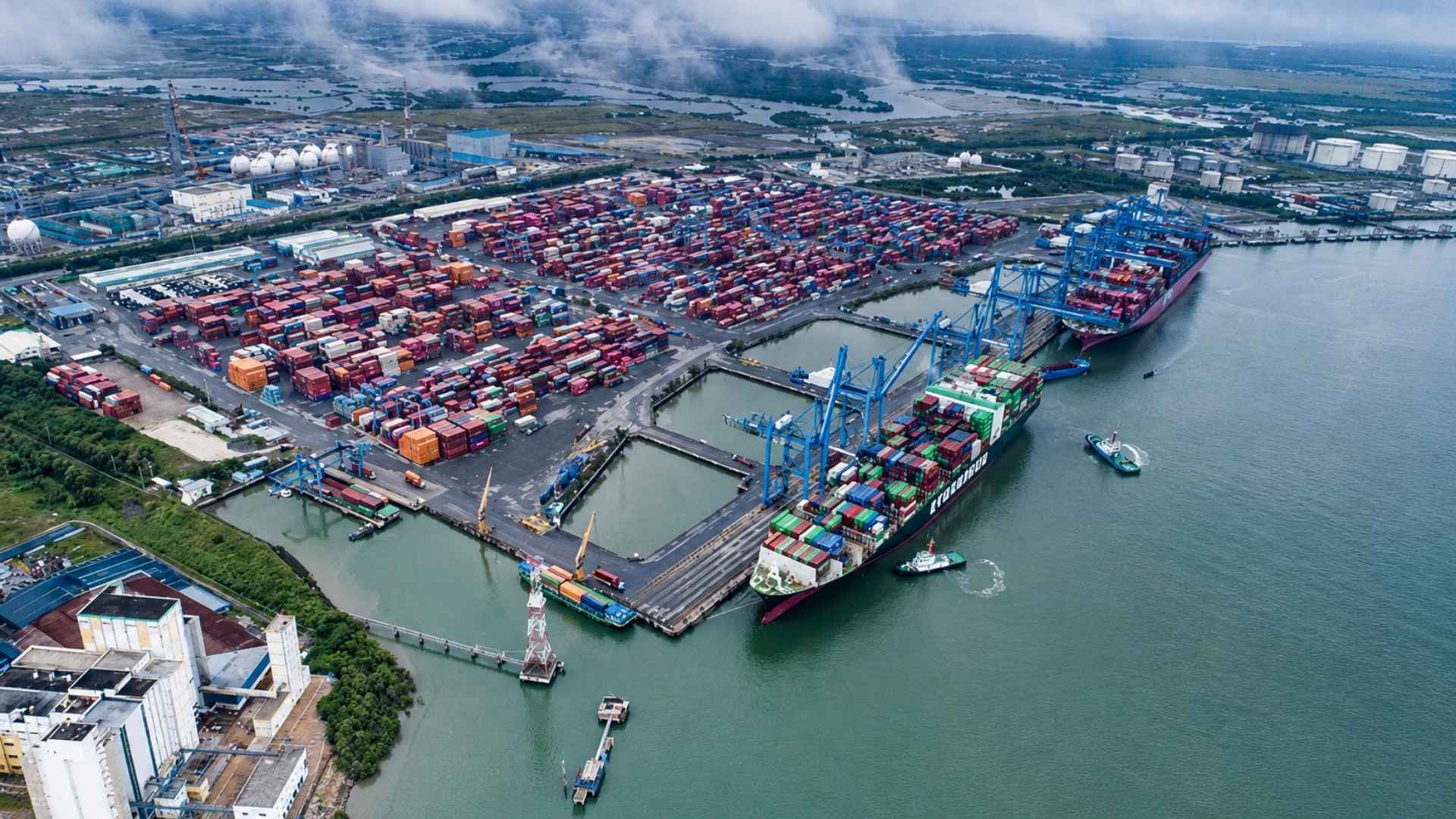
Over the past decade, Vietnam has invested heavily in its logistics and transport infrastructure. The country now has modern deep-sea ports, such as Cat Lai Port in Ho Chi Minh City and Lach Huyen Port in Hai Phong, that can handle massive container ships heading directly to Europe and North America without stopping.
Additionally, because Vietnam is already a world leader in exporting coffee and cashew nuts, the country already possesses highly professional agricultural supply chains, large-scale customs clearing systems, and international testing laboratories ready to service cocoa exports efficiently.
How to Source Reliable Vietnamese Cocoa Beans?
Attend Local Food and Agricultural Trade Shows
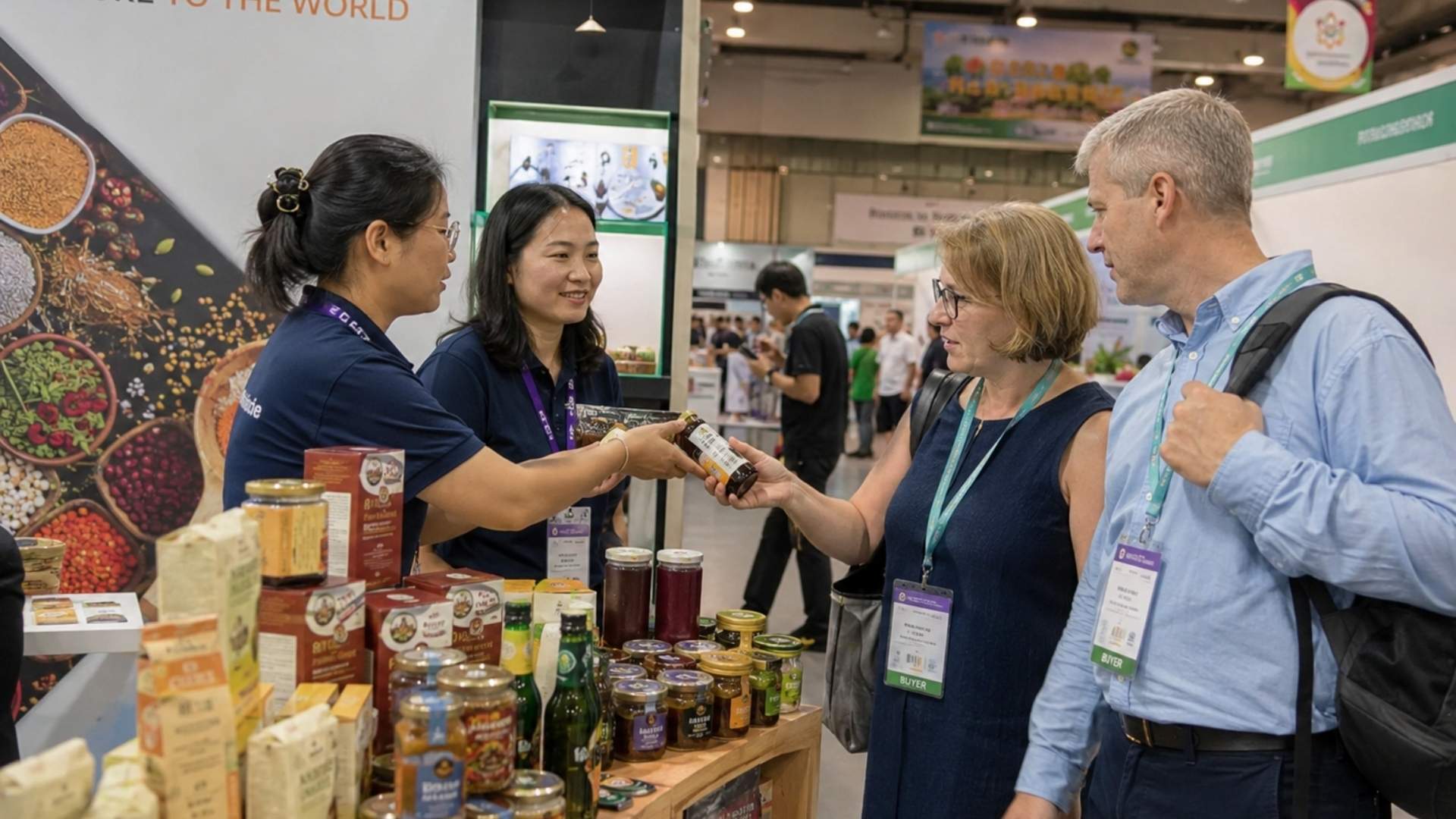
Meeting suppliers face-to-face is the most secure way to verify a business. You can check the physical product quality, taste cocoa samples, and talk directly with the factory owners.
Here are the three major international trade shows in Vietnam with their confirmed 2026 schedules:
- Vietfood & Beverage – ProPack 2026: Held from August 6 to August 8, 2026, at the Saigon Exhibition and Convention Center (SECC), District 7, Ho Chi Minh City. This is the largest food exhibition in Vietnam, with hundreds of agricultural booths.
- Vietnam International Agriculture Fair 2026 (VIAF): Held from November 11 to November 15, 2026, at the Can Tho International Exhibition Fair Center (EFC), Can Tho City. Located right in the Mekong Delta, this show connects you directly with the largest regional cocoa cooperatives.
- Ho Chi Minh International Food Fest 2026 (HCMC FOODEX): Held from May 14 to May 17, 2026, at the SECC, Ho Chi Minh City. It focuses heavily on premium agricultural products and deep-processed food ingredients like cocoa powder and butter.
Pros: You can touch the raw beans, check the fermentation quality on the spot, and build trust quickly with factory owners.
Cons: High travel costs, and you must wait for the specific event dates.
Utilize Online B2B Sourcing Platforms
If you cannot travel to Vietnam immediately, online B2B networks allow you to start your research from home.
- Alibaba: The largest global B2B sourcing platform in the world, featuring a massive product range and millions of active users. It connects you with thousands of international suppliers from many countries.
- VinaSources: A dedicated local B2B platform that specializes in Vietnam’s key export industries and regional manufacturing sectors. Its unique strength is connecting international buyers directly with local agricultural cooperatives, rural farms, and direct processors.
- Tridge.com: A specialized global B2B intelligence and sourcing platform built exclusively for the food and agriculture industry. Its primary strength is combining supplier listings with global supply chain data, tracking tools, and market insights, helping buyers find highly compliant agricultural partners worldwide.
- EC21.com: One of the leading international B2B marketplaces in Asia, facilitating cross-border trade between global buyers and regional manufacturers. Its main strength is a clean, multi-language supplier directory that allows buyers to easily discover and communicate with verified mid-sized agricultural and consumer goods companies.
Pros: Fast, completely free to research, and gives you access to dozens of suppliers in a few minutes.
Cons: High risk of meeting fake brokers, and you cannot verify the true bean quality online.
Partner with Local Sourcing Agents in Vietnam
Hiring a local sourcing expert helps you manage the entire buying process on the ground. A professional sourcing agent speaks the local language, understands the cultural business codes, and can travel directly to farming provinces like Ben Tre or Dak Lak to check production. They act as your on-site quality control eyes.
- MoveToAsia: A highly professional sourcing and business consulting agency based in Ho Chi Minh City. Their major strength is assisting Western buyers with market entry, factory background checks, and product sampling supervision. They are excellent for buyers who need a reliable partner to manage communication and build initial connections with local agricultural factories.
- Sourcing Agent Vietnam (SAV): A specialized agency that focuses strictly on supply chain management, supplier matching, and product inspections. SAV is highly experienced in evaluating supplier capabilities, checking technical specifications, and ensuring that agricultural products comply fully with international food safety standards before shipment.
- Vietnam B2B Direct: One of the oldest and most established international sourcing and procurement management firms in Vietnam. Their key strength is an extensive network of direct manufacturing connections and deep experience in contract negotiation. They are a great fit for mid-to-large-scale buyers who want to secure stable agreements and manage large-volume bulk containers.
Pros: It gives you total peace of mind (free of mind) because the sourcing agents will take care of every single step in the import-export process. They handle everything from searching and verifying suppliers to managing complex paperwork and organizing international shipping.
Cons: You have to pay extra service fees or commissions. Additionally, you may face supplier bias, as some agents might prioritize factories or cooperatives where they already have personal relationships or hidden commissions instead of choosing the best match for your needs.
Connect with Trade Associations and Government Chambers
Government bodies and official industry associations maintain complete registries of licensed exporters. This is an incredibly safe way to avoid fraudulent brokers or ghost companies.
You can send a direct inquiry email or visit the official websites of these organizations to ask for their verified supplier directories:
- VICOFA (Vietnam Coffee and Cocoa Association): The official national body representing the coffee and cocoa industries. They can provide a direct list of certified member cooperatives.
- VCCI (Vietnam Chamber of Commerce and Industry): The largest business network in the country. They help international buyers connect with trusted local agricultural corporations.
Pros: Incredibly safe because all listed members are legally verified by the government, reducing fraud risk to zero.
Cons: Response times can be slow, and these associations do not help you negotiate commercial prices.
5 Essential Steps to Import Vietnamese Cocoa Beans
1. Verify the Supplier
Once you have a list of potential suppliers, use this workflow to protect your investment:
- Check Food Safety Certificates: Request copies of their UTZ/Rainforest Alliance certificates (essential for sustainable cocoa trade) and HACCP or ISO 22000 compliance. Ensure the certificate matches the factory’s registered business name exactly.
- Verify the Tax Code: Ask for their Vietnamese business license. Look up their corporate tax code on the official government portal to confirm the company is active and has been operating for at least 3 years.
- Schedule a Video Tour: Use Zalo or WhatsApp to request a live video walk-through of their fermentation boxes, drying yards, and storage warehouses. A real cooperative will happily show you their facility; a broker will usually make excuses.
- Order a 1kg–2kg Sample: Never skip this step. Pay the shipping fee to get a raw bean sample sent to your location. Run a physical “cut test” to check the fermentation rate and test the flavor profile before negotiating a contract.
2. Request and Evaluate Product Samples
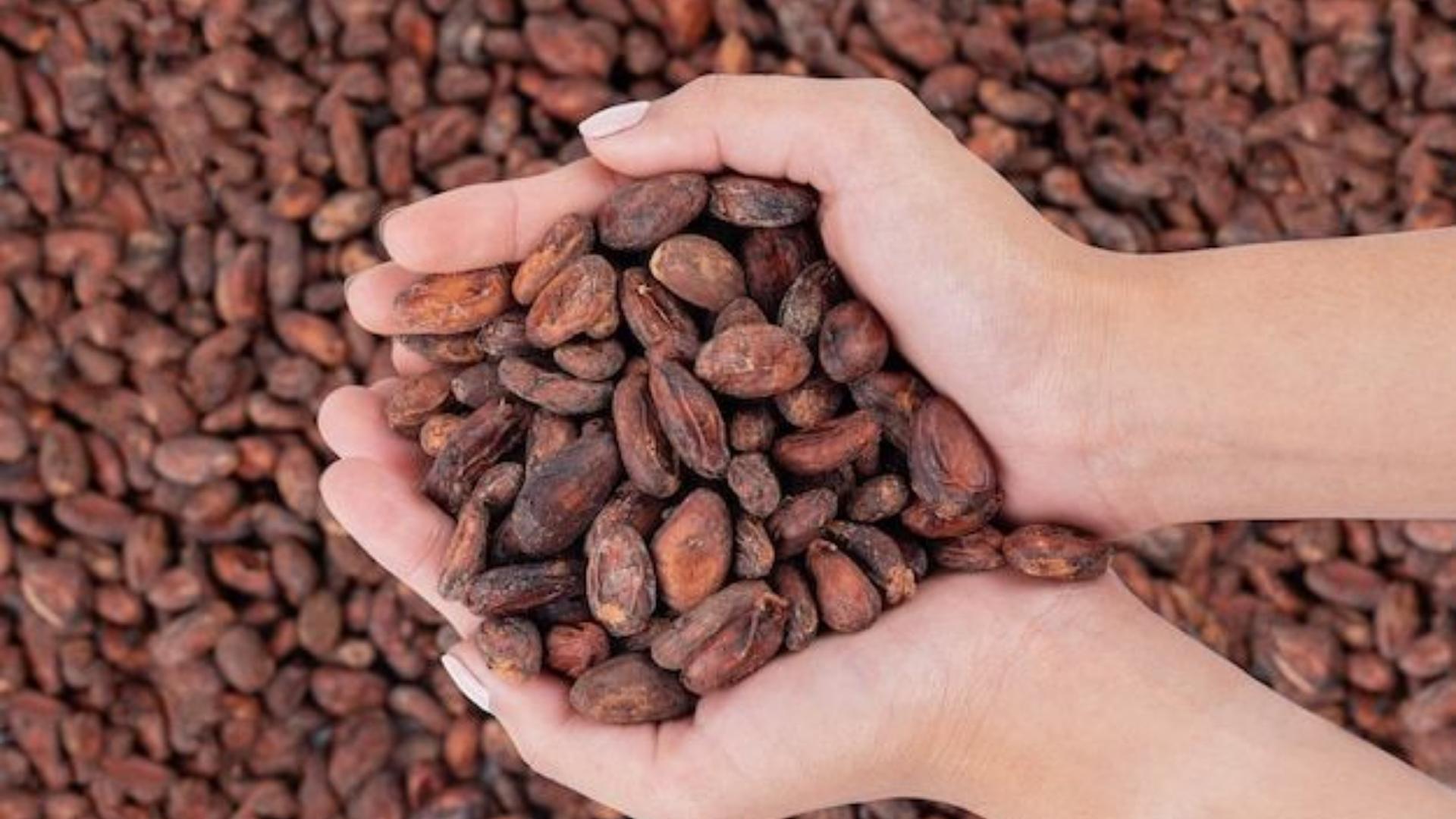
Before signing a contract or transferring large amounts of money, you must check the quality of cocoa beans. Vietnamese suppliers are usually happy to send small sample packages to international buyers.
Look closely at the fermentation level, moisture content (it should be under 7.5%), bean size, and the absence of mold.
Hire an independent testing company like SGS or Bureau Veritas in Vietnam to test the sample in a laboratory. This ensures the sample matches your country’s food safety regulations.
3. Negotiate the Commercial Contract and Incoterms
Once you are happy with the cocoa sample, you must write a detailed, formal commercial contract. This document protects your money and ensures you receive the exact quality you paid for.
Key terms to negotiate
- Incoterms: Most experienced Vietnamese agricultural exporters prefer FOB (Free on Board) at major ports like Cat Lai Port (Ho Chi Minh City), or CIF (Cost, Insurance, and Freight) if you want the supplier to arrange ocean freight to your destination port.
- Payment Terms: For new partnerships, the safest standard rule is a 30% deposit via T/T (Telegraphic Transfer) and the remaining 70% paid after they show you the copy of the Bill of Lading (B/L), or by using an Irrevocable Letter of Credit (L/C) at sight.
- Quality Specification Limits: You must write exact numbers in the text of the contract. For example: “Moisture content: Max 7.5%”, “Fermentation level: Min 85%”, and “Defective/Moldy beans: Max 3%”.
- Claim Procedures: To protect yourself against damaged cargo or poor quality, the contract must state a clear evidence deadline (usually 14 to 30 days after port arrival). You must require photos, official inspection reports from independent companies (like SGS), temperature logs from the container, or certified surveyor documents to officially file any quality or reefer-related (refrigerated container) claims. Without these specific documents written into the contract terms, the supplier can legally reject your compensation requests.
Critical legal reminders for the contract:
- No Verbal or Chat Agreements: Never rely on verbal promises, phone calls, or informal chat messages on Zalo, WhatsApp, or WeChat.
- Official Signatures and Company Stamps: The contract must be signed by the legal representative of both companies.
- Dispute Resolution Clause: Always include a clause specifying which organization will solve problems if a dispute happens. For imports from Vietnam, choosing the VIAC (Vietnam International Arbitration Centre) or a neutral third-country arbitration center (like Singapore) is highly recommended.
- Clear Force Majeure Terms: Agricultural supply chains can be disrupted by natural disasters, crop diseases, or port strikes. The contract must clearly define how many days the supplier has to officially notify you if a Force Majeure event happens, and after how many days of delay you have the right to cancel the order without losing your deposit.
4. Arrange Phytosanitary Certification and Export Paperwork
Cocoa beans are a raw agricultural product, so customs authorities in your home country will check the shipping documents very strictly.
Your Vietnamese supplier must handle the local export clearance and provide a complete set of official paperwork.
- Required Documents: Ensure your supplier prepares the Bill of Lading, Commercial Invoice, Packing List, Certificate of Origin (C/O – to help you get tax discounts), and a Phytosanitary Certificate issued by the Ministry of Agriculture and Rural Development (MARD) of Vietnam.
- Fumigation requirement: Cocoa beans attract insects easily during long sea journeys. Therefore, a Fumigation Certificate is mandatory before the container is loaded onto the ship.
5. Configure Shipping Logistics and Moisture Control
Choosing how to transport your cocoa beans depends heavily on your budget, order volume, geographic location, and time limits. You can choose between three main shipping methods: Sea Freight, Air Freight, or Road Freight.
Comparing Sea, Air, and Road Freight for Cocoa Beans
| Shipping Method | Best For | Transit Time |
| Sea Freight | Bulk orders (Full Container Loads – FCL) to worldwide destinations. | 25 to 40 days (Long transit) |
| Air Freight | Premium craft beans, urgent orders, or small commercial samples. | 3 to 7 days (Very fast) |
| Road Freight | Cross-border buyers in neighboring countries (Cambodia, Laos, China). | 2 to 10 days (Depends on borders) |
Challenges in Importing Vietnamese Cocoa Beans
While sourcing cocoa from Vietnam offers great tax benefits and premium quality, international buyers still face a few practical difficulties.
Limited Production Volume and Availability
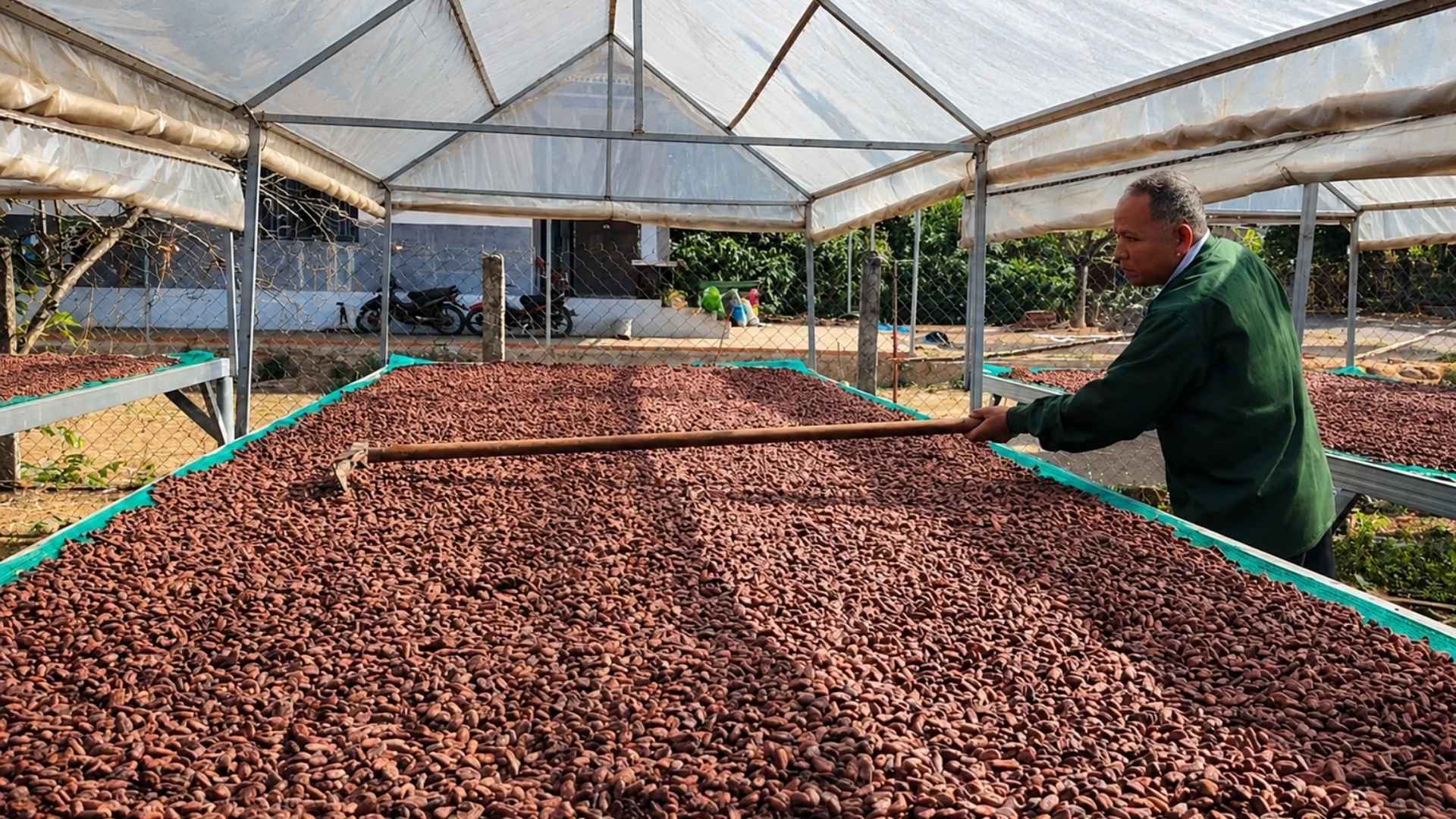
Vietnam focuses primarily on quality rather than quantity. The country produces less than 1% of the world’s total cocoa supply. Because the volume is small, top-tier certified beans from popular regions like Ben Tre or Cho Gao can sell out quickly during the peak harvest seasons.
Solution: Do not rely on spot-buying (purchasing single containers when you run out). Instead, sign a long-term supply framework agreement before the harvest season begins.
Certification and Traceability Gaps
Modern international markets, especially Europe and North America, strictly require certifications like Organic, Fairtrade, or UTZ/Rainforest Alliance, alongside clear proof of origin to prevent deforestation. However, many small farmers in Vietnam do not have the budget or technical training to maintain the strict paperwork required for these global certificates.
Solution: Partner with Vietnamese cocoa suppliers who can provide a verified Traceability Document.
High Risk of Moisture and Mold Damage During Sea Transit
Vietnam has a high tropical humidity level. When a container leaves a hot Vietnamese port and travels through cooler international waters, the temperature drops. This creates condensation inside the steel container, a problem known in shipping as “container rain”, which can cause mold to grow on the cocoa beans within weeks.
To prevent mold, you must ensure the export follows strict loading procedures:
- Container Lining: The steel walls and floor of the container must be completely covered with thick cardboard or heavy-duty kraft paper to absorb sweating. Never use plastic sheets, as they trap moisture inside.
- Ventilation: Always book a ventilated dry container to keep the air moving naturally during the journey across different climate zones.
Streamline Your Cocoa Sourcing in Vietnam with VinaSources
VinaSources is your trusted B2B sourcing and procurement partner on the ground in Vietnam. We bridge the gap between global chocolate manufacturers and verified local cocoa cooperatives, ensuring a seamless, transparent, and risk-free buying experience.
Why Global Buyers Choose VinaSources:
- 100% Verified & Reputable Supplier Network: Every cocoa exporter and farming cooperative listed on our platform is strictly screened.
- End-to-End Procurement Support: We handle the complex sourcing process for you. From negotiating wholesale contract prices and managing local deposit payments to coordinating domestic trucking and customs clearance inside Vietnam.
Ready to source premium Vietnamese cocoa beans?
Get a verified list of supplier profiles with our local experts today.
- Hotline: 19004356
- Email: [email protected]