
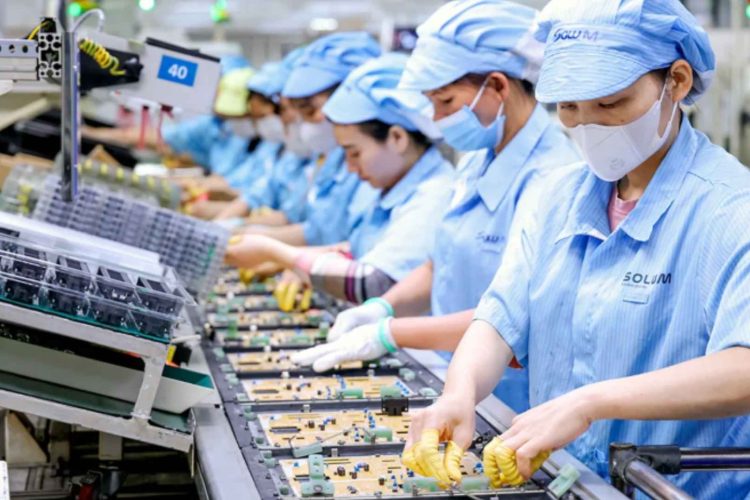
For global importers aiming to reduce sourcing and production expenses, understanding the differences in manufacturing costs between Vietnam and China is essential when deciding where to import from.
As manufacturing costs in China continue to rise, Vietnam has emerged as a strong alternative. Competitive labor costs, improving industrial infrastructure, and advantages from multiple free trade agreements have made Vietnam an increasingly attractive manufacturing base for international buyers.
This guide provides a clear breakdown of key manufacturing cost components in Vietnam and China, including labor, materials, logistics, and trade-related expenses. By comparing these factors side by side, importers can make more informed decisions and select the sourcing location that delivers the greatest cost efficiency and long-term value for their projects.
Comparison of Manufacturing Costs Between Vietnam and China
Total manufacturing cost is influenced by multiple components, including labor, materials, energy, compliance, logistics, and trade policies.
Below is a structured comparison of the key cost factors that directly impact sourcing decisions.
-
Labor costs
Labor costs are a primary consideration for investors evaluating manufacturing destinations. Vietnam has established itself as a leading low-cost hub in Asia, attracting labor-intensive industries with its competitive wage structure.
As of early 2025, the average monthly salary in Vietnam is approximately $321. The gap between Vietnam and China remains wide. Vietnam’s labor costs offer roughly a 50% savings against Chinese benchmarks. Average monthly wages in China range from $500 to $800 USD, with corresponding hourly rates between $6.50 and $6.68 USD.
For direct comparison, below are the 2025 minimum wage rates across both countries:
| Location (Vietnam) | Monthly Minimum Wage (USD) | Location (China) | Monthly Minimum Wage (USD) | Your savings |
| Ha Noi, Hai Phong, Ho Chi Minh | $196 | Shanghai, Beijing, Shenzhen | $325-$370 | ~50% |
| Quang Ninh, Ninh Binh, Hue | $175 | Chengdu, Wuhan | $275-$290 | ~60% |
| Communes and districts in the provinces such as Quang Ninh, Ca Mau | $153 | Yunnan, Guangxi | $240-$250 | ~60% |
-
Materials Prices
China is often referred to as the “world’s factory” thanks to its enormous production scale and highly integrated supply chains. Its manufacturing ecosystem is built around industrial clusters, where the output of one factory frequently becomes direct input for another. This close coordination helps reduce domestic logistics costs, shorten lead times, and lower intermediate production expenses. As a result, China continues to maintain strong cost advantages in heavy manufacturing and high-tech industries.
Meanwhile, material costs in Vietnam tend to be higher for several industrial categories. According to data from Vietnam’s General Statistics Office (GSO) and the Ministry of Industry and Trade, the localization rate in sectors such as electronics, automotive, and engineering plastics remains relatively low, estimated at only 15-20% as of 2025–2026. This heavy reliance on imported inputs, often sourced from China or South Korea, subjects Vietnamese manufacturers to higher procurement costs and global market fluctuations.
However, Vietnam possesses a distinct structural advantage in the agricultural sector. According to FAO data, Vietnam consistently ranks among the top 15 agricultural exporters globally. In 2025, it maintained its position as the world’s top exporter of cashews, the 2nd largest in black pepper, and 3rd in both rice and aquaculture.
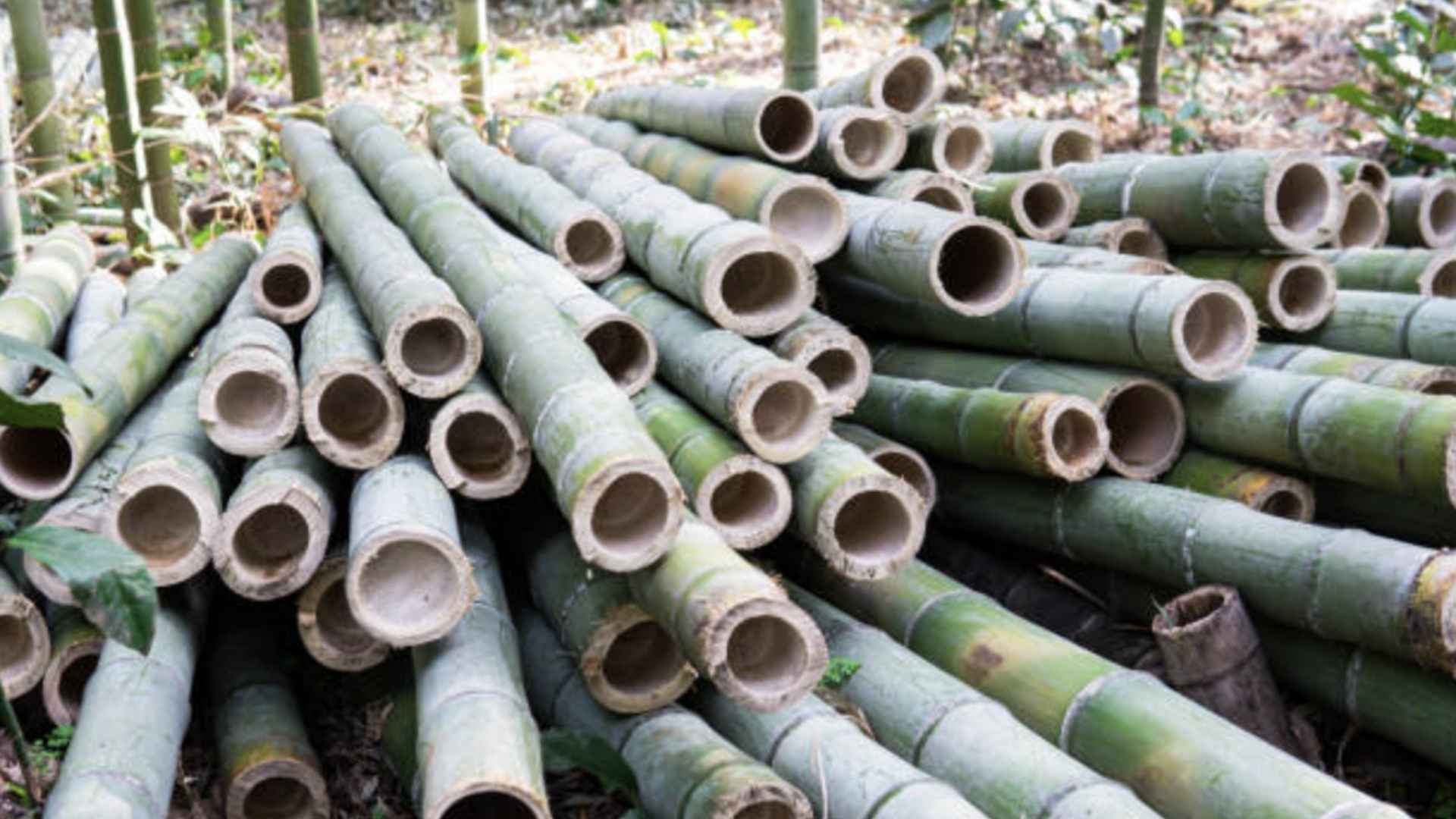
Vietnam’s agricultural output far exceeds domestic demand. This abundance of local raw materials provides a significant cost edge for Vietnamese companies in food processing, wood and furniture manufacturing, and handicrafts compared to their Chinese counterparts.
-
Energy Utilities
In 2026, Vietnam still remains among countries with industrial electricity prices below the global average. Figures from Vietnam Electricity (EVN) and recent World Bank analyses indicate that industrial power rates in Vietnam are typically about 0.085 per kWh.
Meanwhile, industrial power rates in China are generally higher, typically falling around $0.114 per kWh. This energy cost advantage is a critical factor for B2B buyers in power-intensive industries like plastic molding, metal fabrication, and textile dyeing.
-
Quality Control and Compliance Costs
When comparing manufacturing costs, quality control, compliance, and management overhead play an important role, particularly for export-focused production where international standards must be met.
In China, large manufacturing facilities typically operate under highly structured and multi-layered management systems. While these systems support consistent quality and operational control, they also result in higher overhead and administrative costs, especially in large-scale factories.
In contrast, many Vietnamese manufacturers, particularly small and mid-sized export-oriented factories, operate with leaner management structures. As a result, maintenance and management-related costs are generally estimated to be 20-30% lower than those of comparable factories in China, contributing to a more cost-efficient production model for certain product categories.
-
Shipping Costs
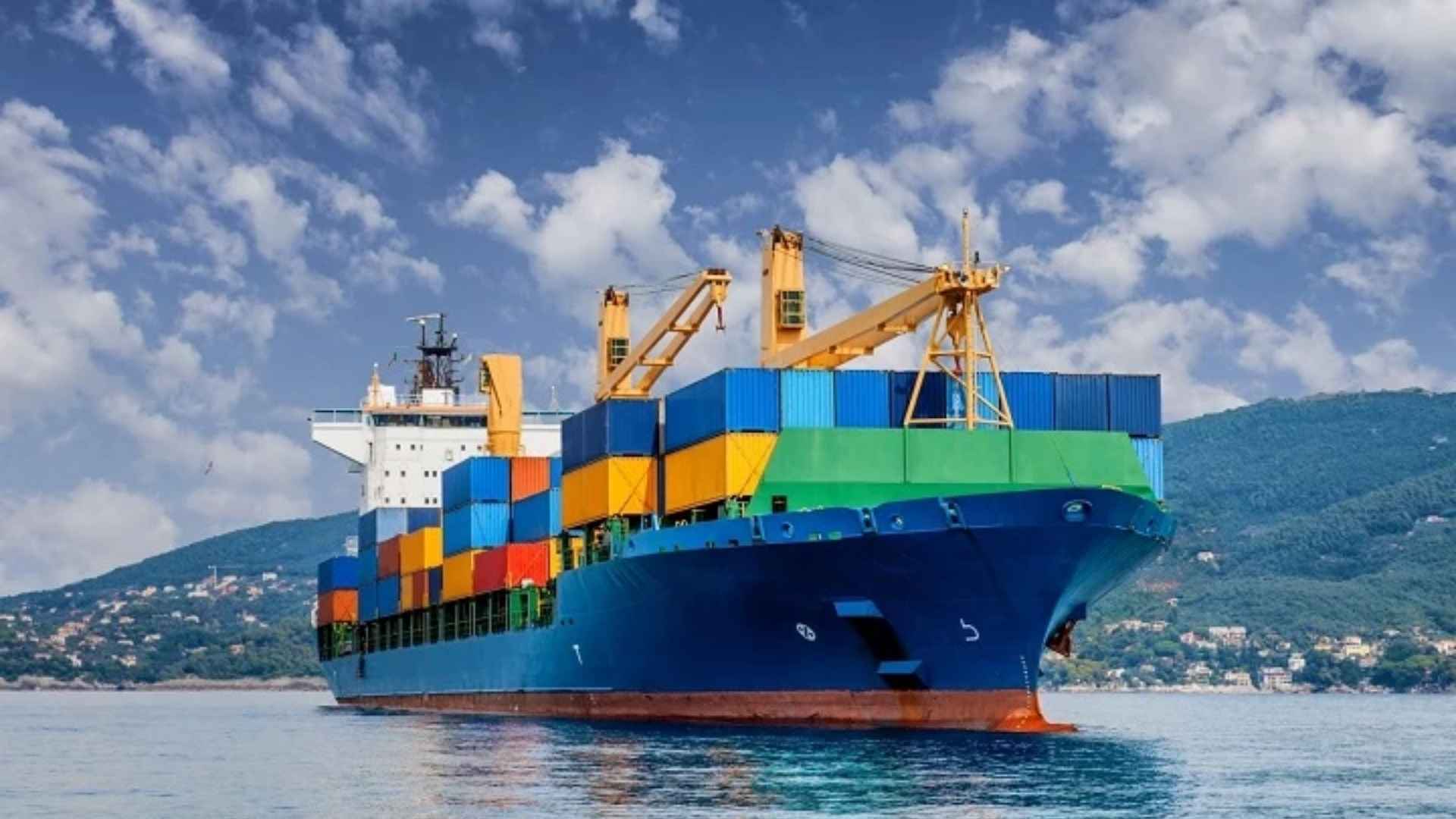
China benefits from a highly developed road, rail, and logistics network that operates at a global scale. Major seaports such as Shanghai, Ningbo-Zhoushan, Shenzhen, and Guangzhou rank among the world’s largest container ports. These ports act as key export hubs, allowing goods to be shipped directly to major markets including the United States, Europe, and the Middle East. A high density of direct shipping routes helps shorten transit times and reduce logistics costs per container.
That said, Chinese exporters still face challenges during peak seasons. Port congestion and container shortages can disrupt delivery schedules, particularly during periods of high global demand. In addition, the most stable transit times and preferential freight rates are usually available to large-volume exporters shipping full container loads (FCL). Smaller shippers relying on less-than-container-load (LCL) shipments often face higher per-unit costs and less predictable schedules.
Vietnam, in comparison, relies on key seaports such as Cai Mep-Thi Vai and Hai Phong to support its export activities. While these ports are increasingly modern and efficient, the number of direct shipping routes from Vietnam to distant markets such as the United States and Europe remains more limited. As a result, many export shipments still require transshipment through regional logistics hubs like Singapore or Hong Kong, which can increase freight costs and extend lead times compared with China.
Despite these limitations, Vietnam’s geographic proximity to China offers a practical advantage. Importing raw materials and components from China into Vietnam is often faster and more cost-efficient than sourcing from further markets such as Japan or Europe. This proximity supports the “China Plus One” strategy, enabling global buyers to retain upstream supply chains in China while shifting or expanding final-stage manufacturing and assembly to Vietnam.
-
Tariff trade agreements
Tariff policies create a clear cost gap between products manufactured in China and those produced in Vietnam, particularly in key destination markets such as the European Union, the United Kingdom, and CPTPP member countries.
China does not have free trade agreements with the EU, the United States, or the United Kingdom. As a result, furniture and other manufactured goods exported from China to these markets are generally subject to higher import tariffs, which directly increase total landed costs for buyers.
In contrast, Vietnam benefits from a broader network of free trade agreements. The country is a signatory to major trade frameworks such as the CPTPP, EVFTA, and UKVFTA. These agreements offer legally binding tariff reduction schedules and clearly defined rules of origin, providing greater cost certainty for importers.
Under the EVFTA and UKVFTA, a large share of furniture products exported from Vietnam to the EU and UK are eligible for 0% import duty, provided the original requirements are met. In several industries, including textiles, footwear, wood products, and seafood, the tariff gap between Vietnamese and Chinese goods entering the EU can reach 8-12% points.
From a B2B sourcing perspective, this FTA advantage translates into a structural cost benefit for Vietnam. Even when factory-level production costs are similar, lower import duties can significantly improve price competitiveness and margins for buyers sourcing from Vietnam.
Comparative Table of Manufacturing Costs Between China and Vietnam
After reviewing each major cost component, including labor, materials, utilities, logistics, and trade policies, the following table summarizes the key cost differences between manufacturing in Vietnam and China.
This comparison helps global buyers quickly assess which sourcing destination offers stronger cost efficiency depending on product category, shipment scale, and target export market.
| Criteria | Vietnam | China |
| Labor costs | Lower | Higher |
| Material Prices | Higher in electronics and industrial inputs due to low localization rate (15-20%); lower for agri-based and wood materials | Generally lower due to strong domestic supply chains and industrial clustering |
| Utilities | Lower (approx. USD 0.085/kWh) | Higher (approx. USD 0.114/kWh) |
| QC & Compliance | Lower, with leaner management structures | Higher due to multi-layered management and stricter internal systems |
| Shipping costs | Moderate; fewer direct routes, often requires transshipment | Slightly lower; dense network of direct shipping routes |
| Tariff & FTAs | Lower landed cost due to EVFTA, UKVFTA, CPTPP; many products are eligible for 0% duty in the EU & UK | Higher tariffs in the EU, UK, and US markets due to a lack of FTAs |
When Vietnam Is Cheaper and When China Still Leads?
Manufacturing cost competitiveness between Vietnam and China depends heavily on product type, supply chain complexity, and target export markets. While China outperforms in some sectors, Vietnam offers strong cost advantages in other areas.
-
When China Wins
China’s manufacturing advantage becomes most evident in industries that require complex supply chains, high automation, and strong upstream integration, such as:
- Electronics and electrical components: China has a dense supplier ecosystem and strong access to components and subassemblies. High automation and mature production processes reduce defect rates and rework costs. At scale, this often results in lower effective unit costs despite higher wages.
- Machinery and industrial equipment: Chinese manufacturers benefit from deep mechanical engineering expertise, advanced tooling, and fast prototyping capabilities. For CNC machines, industrial tools, and automation systems, China delivers better cost efficiency through speed, precision, and integration.
- Metal products and hardware: It’s typically cheaper to source metal products and hardware from China at high volumes. China has strong steel and alloy supply chains and advanced surface treatment capabilities, which help to increase productivity.
- Plastics and chemical products: Local access to resins and chemical feedstock reduces material costs and price volatility. Large-scale polymer production allows Chinese suppliers to offer competitive pricing for injection-molded parts, packaging materials, and chemical intermediates.
-
When Vietnam Excels
Vietnam’s strengths are most visible in labor-intensive and resource-based industries, where workforce skills, material availability, and cost efficiency play a decisive role. In these sectors, Vietnam consistently delivers competitive pricing while meeting international quality and compliance standards.
- Furniture and wooden products: Vietnam is a preferred destination for importing furniture and wooden products due to its strong material supply and manufacturing depth. The country has abundant commercial wood sources such as rubberwood and acacia, which support stable and cost-efficient production. A large and experienced workforce specializes in wood processing and finishing, while manufacturers increasingly apply modern techniques like CNC machining and automated cutting. This combination enables Vietnam to deliver competitive pricing and consistent quality for international markets.
- Agriculture and food-based products: As one of the world’s largest agricultural exporters, Vietnam produces and exports large volumes of agricultural commodities such as cashews, robusta coffee, rice, pepper, and tropical fruits. The country benefits from favorable natural conditions, year-round production cycles, and a well-established farming base, which ensures a stable raw material supply at a competitive cost.
- Handicrafts and home decor: Vietnam has strong access to natural and renewable materials that are widely used in handicrafts and home decor, including bamboo, rattan, seagrass, water hyacinth, wood, and ceramics. With long-standing craft traditions and a large, skilled artisan workforce experienced in hand weaving, carving, molding, and finishing, Vietnamese producers deliver consistent handmade quality at competitive costs.
- Textiles and Garments: Vietnam is one of the world’s leading manufacturing hubs for textiles and garments. The country has more than 6,000 garment factories and a workforce of around 2.5 million workers, supporting large-scale and consistent production. Vietnamese workers have strong experience in cutting and sewing, which helps factories deliver reliable quality and meet the technical and compliance requirements of global buyers. This makes it an ideal place to import garment products such as footwear, casual wear, sportswear, baby garments, etc.
>> Find out more about the cost of manufacturing a shirt in Vietnam.

Conclusion
The comparison between Vietnam and China shows that no single sourcing destination fits all manufacturing needs. China continues to lead in complex manufacturing, deep supply chain integration, and high-tech production. However, Vietnam has established clear structural advantages in labor costs, energy expenses, management overhead, and especially tariff benefits through its extensive free trade agreement network.
For global buyers sourcing furniture, textiles, footwear, handicrafts, food products, or other labor-intensive manufactured goods, Vietnam has become a preferred sourcing destination as an alternative to China.
For companies planning to source from Vietnam, VinaSources offers a direct and transparent pathway to verified, export-ready manufacturers across the country. The platform connects international buyers with reliable factories without commissions, intermediaries, or hidden fees, helping businesses build more resilient and diversified supply chains.
Buyers can contact the VinaSources team via phone 1900.4356 or email [email protected] to receive personalized sourcing recommendations based on product category, order volume, target market, and compliance requirements.
FAQ
1. What percentage of product cost comes from input costs in Vietnam?
In Vietnam, input costs, primarily raw materials, typically account for 70-85% of the total product cost, depending on the industry. For instance, in textiles and garments, input costs account for approximately 70-80% of total production costs.
2. Which country has the cheapest labor cost?
Bangladesh is the country that offers the world’s lowest manufacturing labor costs, with the average wage ranging from $0.62 per hour. Other countries with extremely low labor costs are Ethiopia, Uganda, India, Vietnam, and Cambodia.
3. Comparison of working conditions in factories between China and Vietnam
China has a long-established industrial base with stronger institutional control.
Vietnam is a fast-growing manufacturing hub with improving standards driven by global trade.
Below is a comparison table of working conditions in factories between China and Vietnam.
| # | Criteria | China | Vietnam |
| Workforce | China has a more experienced, skilled, and older workforce | Vietnam boasts a younger, rapidly developing labor force that is highly motivated | |
| 2 | Salaries and benefits | China often provides significantly higher salaries, better benefit packages, and better opportunities for career growth for skilled professionals. | Vietnam offers significantly lower labor costs, basic social insurance coverage, and a growing focus on worker welfare |
| 3 | Manufacturing Environment | China remains the global leader in high-tech, high-precision, and large-scale manufacturing. | Developing a manufacturing environment with improved standards, more focus on labor conditions, and increasing compliance with global requirements |
| 4 | Infrastructure | Superior infrastructure and advanced digital technology adoption | Rapid modernization, heavy investment in industrial zones, and a focus on integrating logistical efficiency to support export-oriented manufacturing |
| 5 | Regulatory Environment | Complex and robust, with stricter employment regulations. | Evolving regulatory systems with improved labor laws, stronger environmental compliance, and increased focus on sustainability. |