
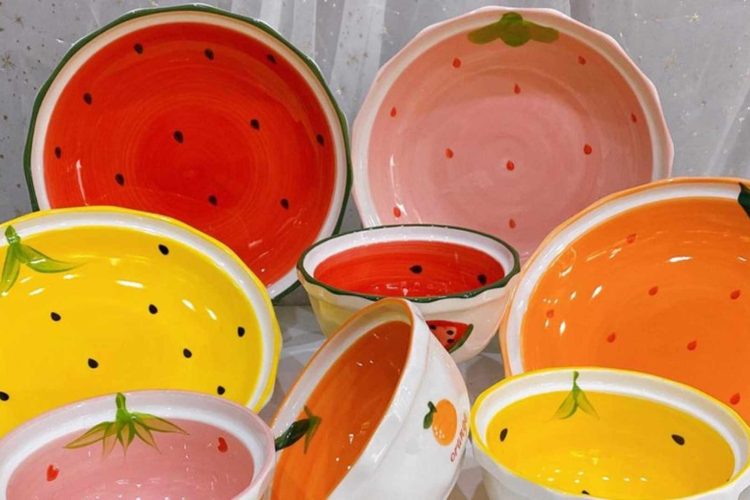
Vietnam is an emerging sourcing hub for ceramic tableware. Many global buyers import ceramic bowls from Vietnam to achieve a balance between cost efficiency, consistent quality, and reliable supply. This guide outlines five practical steps to help you plan sourcing, manage compliance requirements, and organize logistics with lower operational risk.
Overview of the Vietnam Ceramic Products Market
Vietnam has firmly established itself as a strategic global hub for ceramic tableware manufacturing. In recent years, the industry has continuously expanded its production capacity while improving product quality and diversifying designs to meet international standards.
Beyond satisfying domestic demand, Vietnam’s ceramic exports have shown strong and consistent growth. During the 2020-2024 period, ceramic product exports recorded a compound annual growth rate (CAGR) of approximately 3.9%, reflecting the sector’s resilience and increasing global competitiveness.
With this growth momentum, Vietnam currently ranks as the second-largest ceramic exporter in Southeast Asia, after Thailand, and 17th worldwide. Vietnamese ceramic products are now exported to 163 countries and territories, highlighting their broad international acceptance.
Major export markets include the United States, the European Union, Japan, South Korea, and ASEAN countries. These markets are characterized by high demand for high-quality, safe, and well-designed ceramic tableware, driving Vietnamese manufacturers to continuously upgrade technology and craftsmanship.
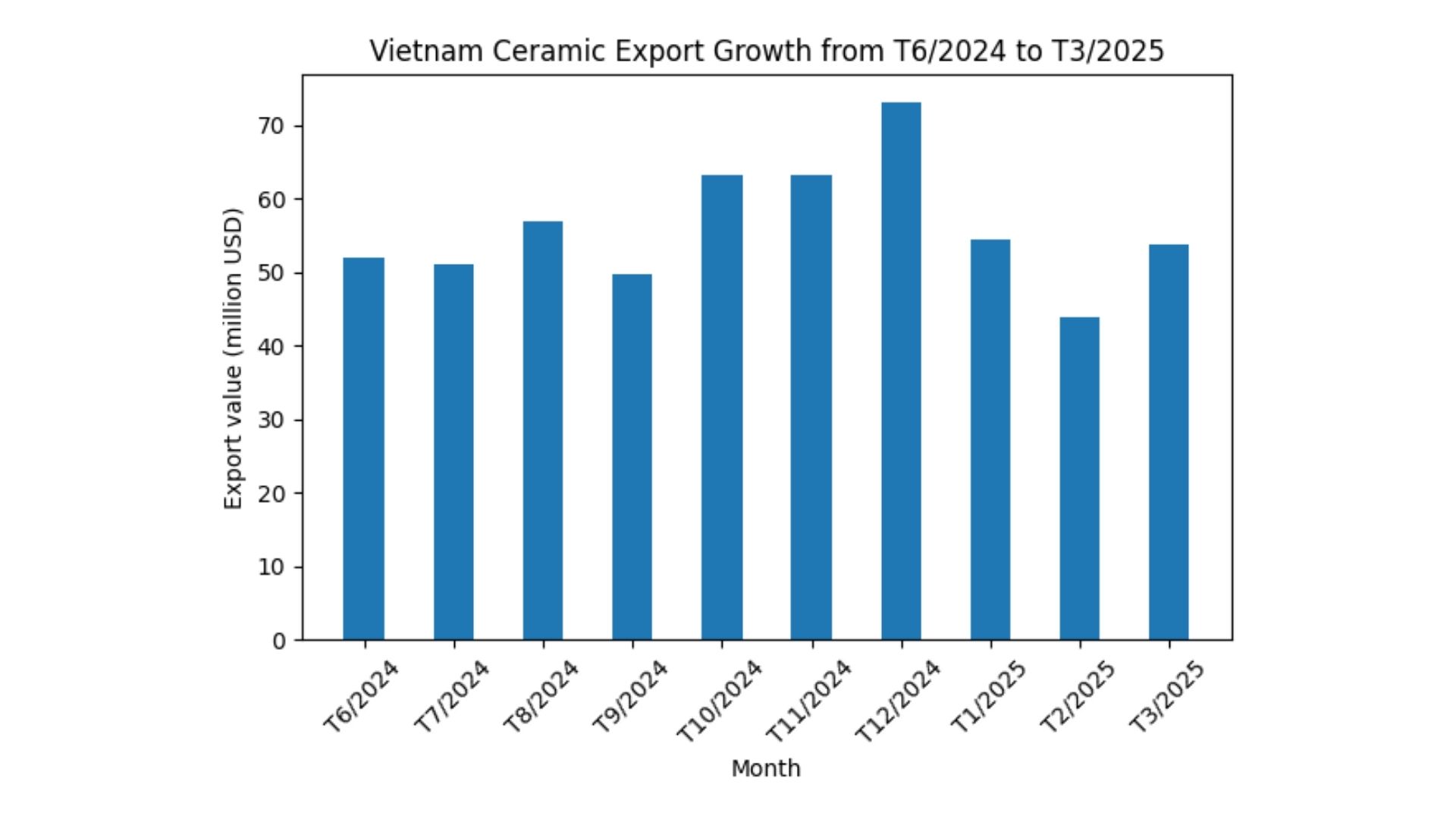
According to assessments by the Ministry of Industry and Trade, Vietnam’s ceramic industry is expected to maintain strong long-term growth prospects. Key drivers include ongoing technological advancements, rising domestic and international demand, and continuous innovation in product design and development.
Among ceramic categories, ceramic bowls and tableware are projected to maintain stable demand due to their high repeat purchase rates and close connection to daily household consumption, unlike seasonal or short-term decorative products.
Why import ceramic bowls from Vietnam
Importing ceramic bowls from Vietnam is increasingly popular for global retailers and distributors due to a unique combination of cost-efficiency, ethical safety standards, and trade advantages.
Here are the primary reasons why you should choose Vietnam over other traditional hubs:
-
Strong craftsmanship
Vietnam possesses a deep history of ceramic production dating back over 2,000 years. This legacy is preserved through a network of specialized communities known as “craft villages.”
- Deep history: Archaeological evidence shows pottery production was vital as early as the Ly and Tran dynasties (11th-14th centuries).
- Renowned villages: Bat Trang is the most famous center with a history of over 700 years. Other key hubs include Chu Dau (known for blue and white glazes) and Phu Lang (famous for rustic terracotta).
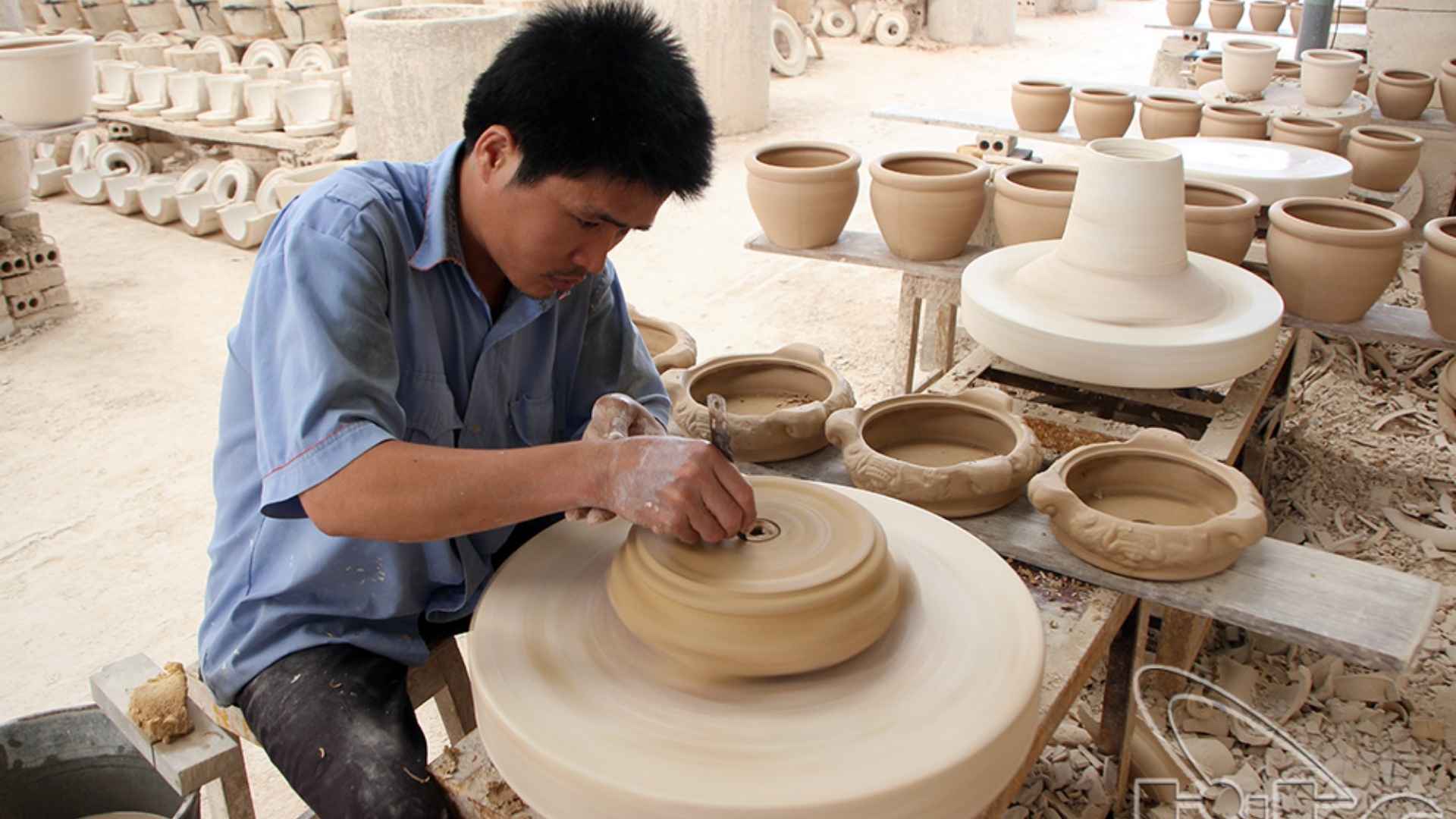
- Artisan skill: Vietnam officially recognizes approximately 5,400 craft villages, with over 2,000 traditional villages that have operated for centuries. Artisans use time-tested techniques like hand-painting and unique wood-firing to create products that industrial machines cannot replicate.
-
Cost-effectiveness
Vietnam offers a competitive “middle tier” pricing model. It balances low production costs with high-quality output.
- Labor cost: In 2024, the average factory worker’s monthly salary in Vietnam ranged from USD 300 to USD 340. Research from the Boston Consulting Group shows Vietnam’s average manufacturing labor cost is approximately USD 3 per hour. This is significantly lower than China’s average hourly wage of USD 6.50.
- Trade agreements: Vietnam is one of the most integrated economies in Asia. It has signed over 16 active Free Trade Agreements (FTAs). Key agreements like the EVFTA (EU-Vietnam) and CPTPP allow preferential tariff rates. For many ceramic products, these tariffs are reduced to 0%. This provides immediate savings of 5% to 15% compared to suppliers from non-FTA countries.
-
Strong export infrastructure
Vietnam has invested heavily in logistics to support its export-driven economy.
Vietnam ranks 43rd out of 139 countries in the World Bank’s Logistics Performance Index (LPI). It is among the top 5 ASEAN countries for logistics efficiency. The manufacturing and processing sector grew by around 10% in 2025, proving the infrastructure’s ability to handle high demand.
- Port systems: The country operates over 320 ports. Major hubs like Hai Phong in the North and Cat Lai in the South handle millions of TEUs (twenty-foot equivalent units) annually.
- Transport network: The government is currently developing the North-South high-speed railway and expanding highway systems to connect manufacturing hubs to ports.
How to Import Ceramic Bowls from Vietnam
-
Identify the supplier
Finding a reliable partner is the foundation of a successful import business. You can use multiple channels to source candidates, such as Online B2B marketplaces, trade fairs, and traditional villages like Bat Trang or Chu Dau.
When selecting a supplier, you should verify several core factors:
- Business Legality: verify the manufacturer’s business license and tax registration.
- Export History: Prioritize suppliers with experience shipping to your specific region (e.g., U.S. or EU).
- Production Capacity: Ensure the factory can handle your volume, whether it is a few hundred or several thousand units per month.
- Quality Standards: Look for certifications such as ISO 9001 or FDA/CE compliance for food safety.
-
Evaluate samples
Sampling is a critical risk control step before bulk orders.
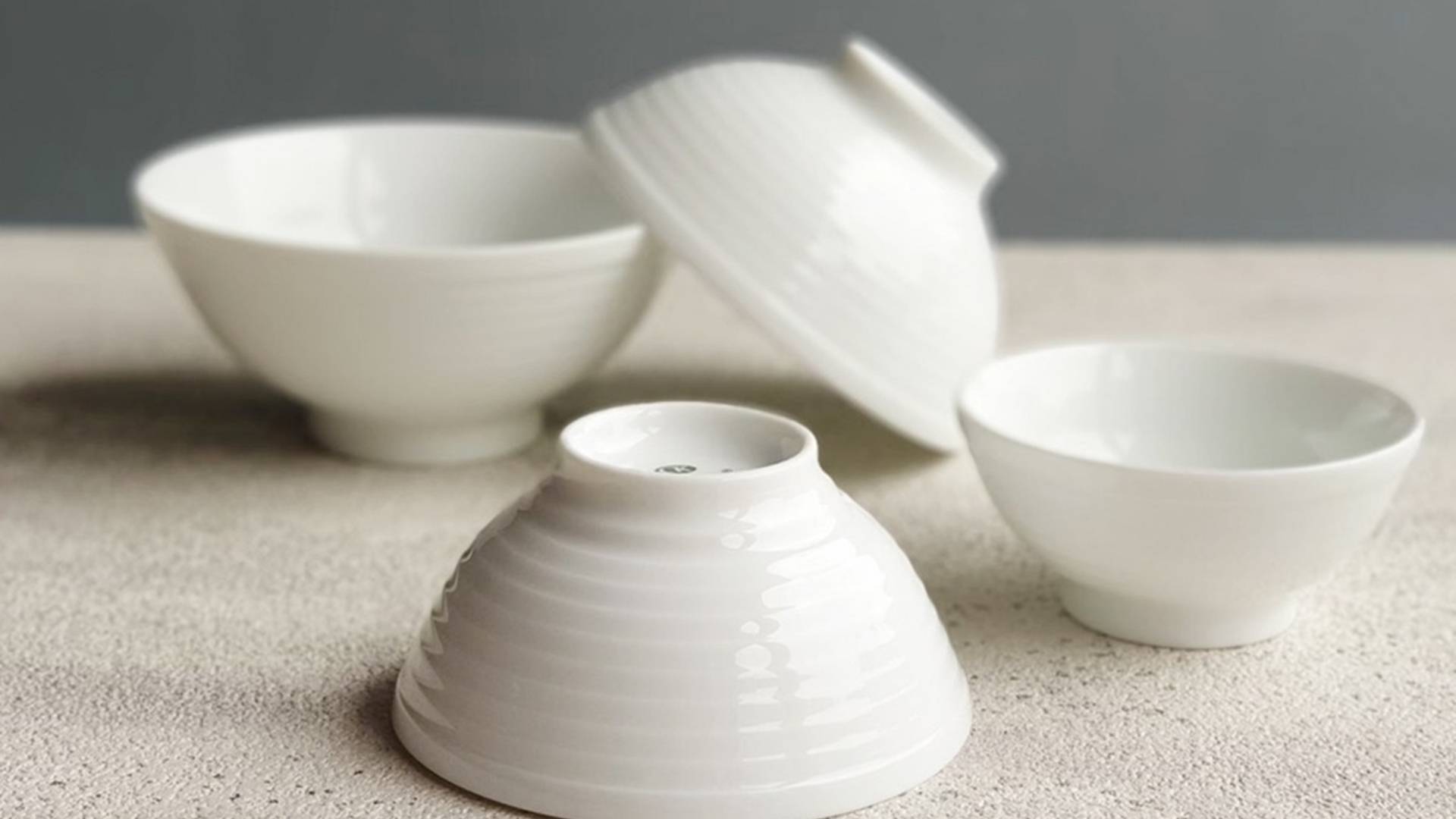
When placing a sample order, be specific. Order at least 3 to 5 pieces to check for consistency. Be prepared to pay for the samples and the shipping costs.
Sample pricing is typically higher per unit because it does not benefit from scale. Buyers should also account for courier shipping costs and a lead time of one to three weeks, depending on production and transport.
When receiving ceramic bowl samples, you should inspect several aspects.
- Finish Consistency: Check for pinholes, cracks, or uneven glazing.
- Technical Specs: verify dimensions, weight, and wall thickness against your requirements.
- Safety Testing: Perform lead and cadmium leaching tests if the bowls are for food use.
- Durability: Test for dishwasher and microwave safety if specified.
-
Negotiate terms
A written contract is essential to reduce legal and commercial risk. It clarifies obligations, pricing structure, and dispute handling. Contracts help prevent misunderstandings related to quality, delivery time, and payment.
A complete contract for ceramic bowls should include the following key clauses.
- Product specifications with reference samples
- Quantity order
- Delivery and production timeline
- Incoterms: Clarify who pays for freight and insurance (e.g, FOB or CIF)
- Packaging and labeling requirements
- Dispute resolution and governing law
Clear and detailed contract terms help you control risk, enforce quality standards, and build long-term supplier relationships when importing ceramic bowls from Vietnam.
-
Handle custom clearances
Ceramic bowls require standard export and import documentation. At the customs gate, you typically need a commercial invoice, packing list, and bill of lading. A certificate of origin may be required to claim preferential tariffs under trade agreements. Some importing countries may also request test reports for food contact safety, especially for lead and cadmium migration.
Incomplete documentation can cause clearance delays, storage charges, or shipment holds. To reduce these risks, you should hire a licensed customs broker or experienced freight forwarder. They will help you prepare and verify documents, classify HS codes correctly, and coordinate with customs authorities.
-
Packaging & Labelling
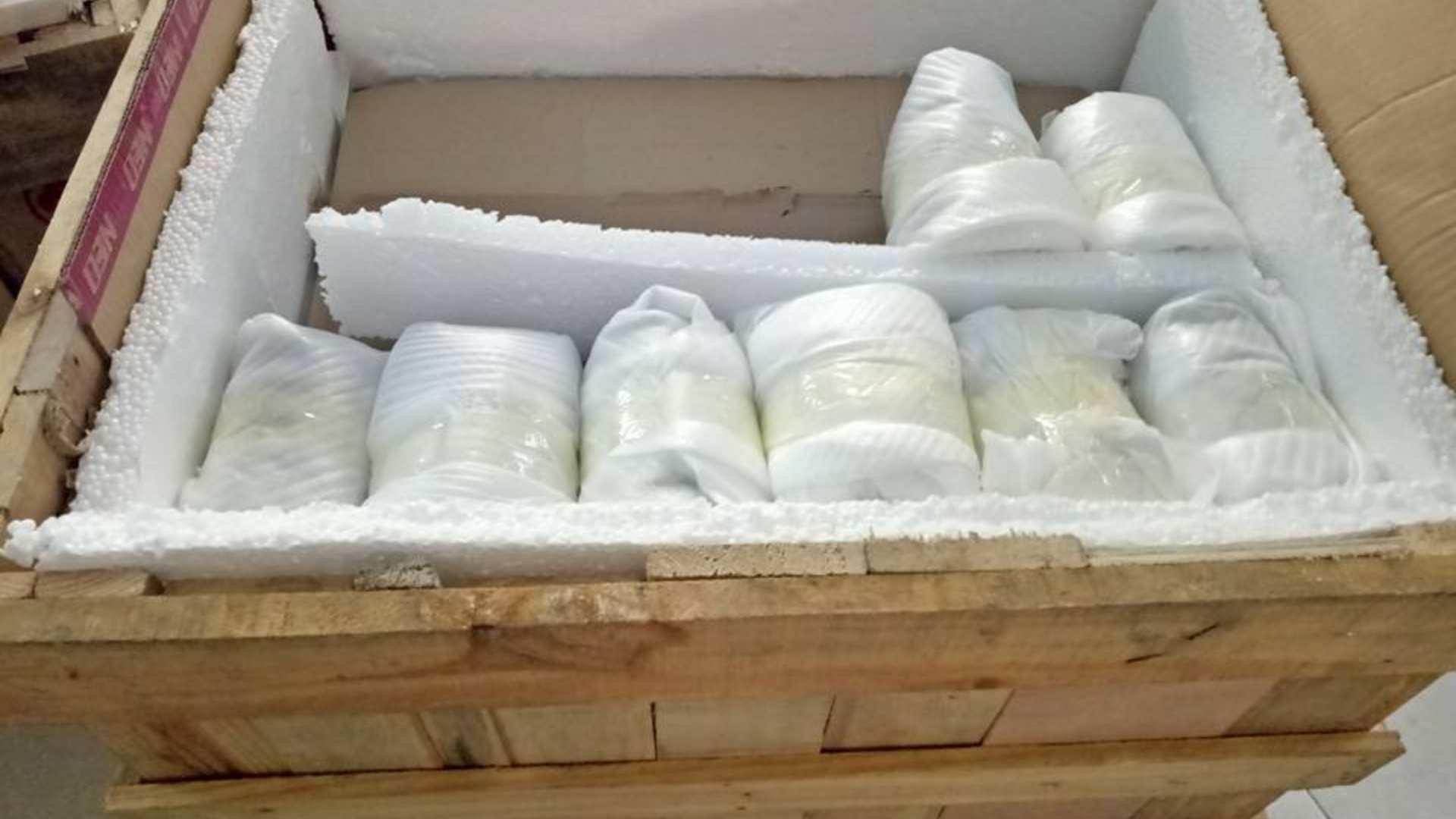
Ceramic bowls are fragile, so packaging must meet specific requirements. You should use double-walled corrugated cardboard cartons for strength. Each bowl should be individually wrapped in bubble wrap or foam sleeves. Use cardboard dividers inside the carton to prevent contact between items. Fill all voids with packing peanuts or paper to eliminate movement. For sea freight, cartons should be stacked on pallets and stretch-wrapped.
Labelling must also comply with regulations. Each retail unit may require a label with the country of origin. The outer shipping carton must display the consignee’s address, product description, quantity, and gross/net weight. Ensure all labels are waterproof and securely attached.
-
Manage shipping & logistics
You can ship ceramic bowls from Vietnam by sea freight or air freight. The right option depends on shipment volume, delivery urgency, and your cost tolerance.
- Sea freight is the most cost-efficient option per unit. It is suitable for large bulk orders. Transit time usually ranges from 20 to 40 days. The main limitation is longer delivery time and the need for careful inventory planning.
- Air freight offers much faster delivery, typically within 3 to 7 days. It helps reduce inventory risk and is suitable for urgent replenishment or small batches of higher value. The downside is higher transport costs and limits on weight and volume.
Where to find reliable ceramic bowl suppliers?
| Method | Benefits | Drawbacks | Examples |
| Industry clusters |
|
|
Bat Trang village, Thai Thieu (Binh Duong province), Chu Dau village (Hai Duong province) |
| Online B2B marketplace |
|
|
Alibaba, VinaSources, Global Sources, Made-in-China |
| Trade shows |
|
|
VIFA Expo, Lifestyle Vietnam, Hanoi Giftshow |
Duties and compliance considerations when importing ceramic bowls
-
HS code classification
The Harmonized System (HS) code determines the base duty rate for your products. Most ceramic bowls used for food service and household purposes fall under HS 6911 for porcelain or china tableware, or HS 6912 for ceramic tableware made from materials other than porcelain.
-
Destination country regulations
Each importing country applies its own regulations and compliance.
Because ceramic bowls touch food, they must meet the safety standards of the importing country.
- United States: Ceramic bowls must comply with the FDA, which enforces strict limits on leachable lead and cadmium. For “small hollowware” (bowls under 1.1 liters), the limit is 0.5 micrograms/mL for cadmium and 2.0 micrograms/mL for lead.
- European Union (EU): Regulation (EC) No 1935/2004 sets the framework for food contact materials. Specific Directive 84/500/EEC limits lead and cadmium migration for ceramics. For articles that can be filled (like bowls), lead migration must not exceed 4.0 mg/L.
- Australia: Ceramic products must comply with AS/NZS 4371 standards, which also focus on metal leaching to ensure consumer safety.
-
Applicable free trade agreements
Vietnam’s extensive network of Free Trade Agreements (FTAs) is a primary reason for its competitiveness in the global ceramics market.
- EVFTA (EU-Vietnam): Eliminates up to 99% of import tariffs over a seven-year roadmap. Many ceramic products can now enter the EU at 0% duty with a valid EUR.1 Certificate of Origin.
- CPTPP: This agreement covers markets like Canada, Australia, and Japan. Member countries have committed to eliminating 97% to 100% tariff lines for Vietnamese goods. For example, Australia eliminates duties on 93% of tariff lines immediately or within 4 years.
- RCEP: This agreement simplifies rules of origin across 15 Asia-Pacific countries, including China and South Korea. It allows manufacturers to source materials from across the region while still qualifying for preferential tariffs.
- UKVFTA (UK-Vietnam): Similar to the EVFTA, this agreement provides preferential access to the UK market. Approximately 23.5% of exports to the UK currently utilize these tariff preferences.
What are the typical MOQs for ceramic bowls?
Minimum order quantities for ceramic bowls from Vietnam vary by supplier type, production method, and level of customization. Typical MOQs range from 500 to 2,000 pieces per design for standard ceramic bowls.
What is the lead time for ceramic bowls?
For standard designs using existing molds, typical production lead time ranges from 30 to 45 days.
For customized bowls that require new molds or special glaze testing or during the peak export seasons, lead time usually extends to 45 to 60 days.
What is the typical cost for ceramic bowls?
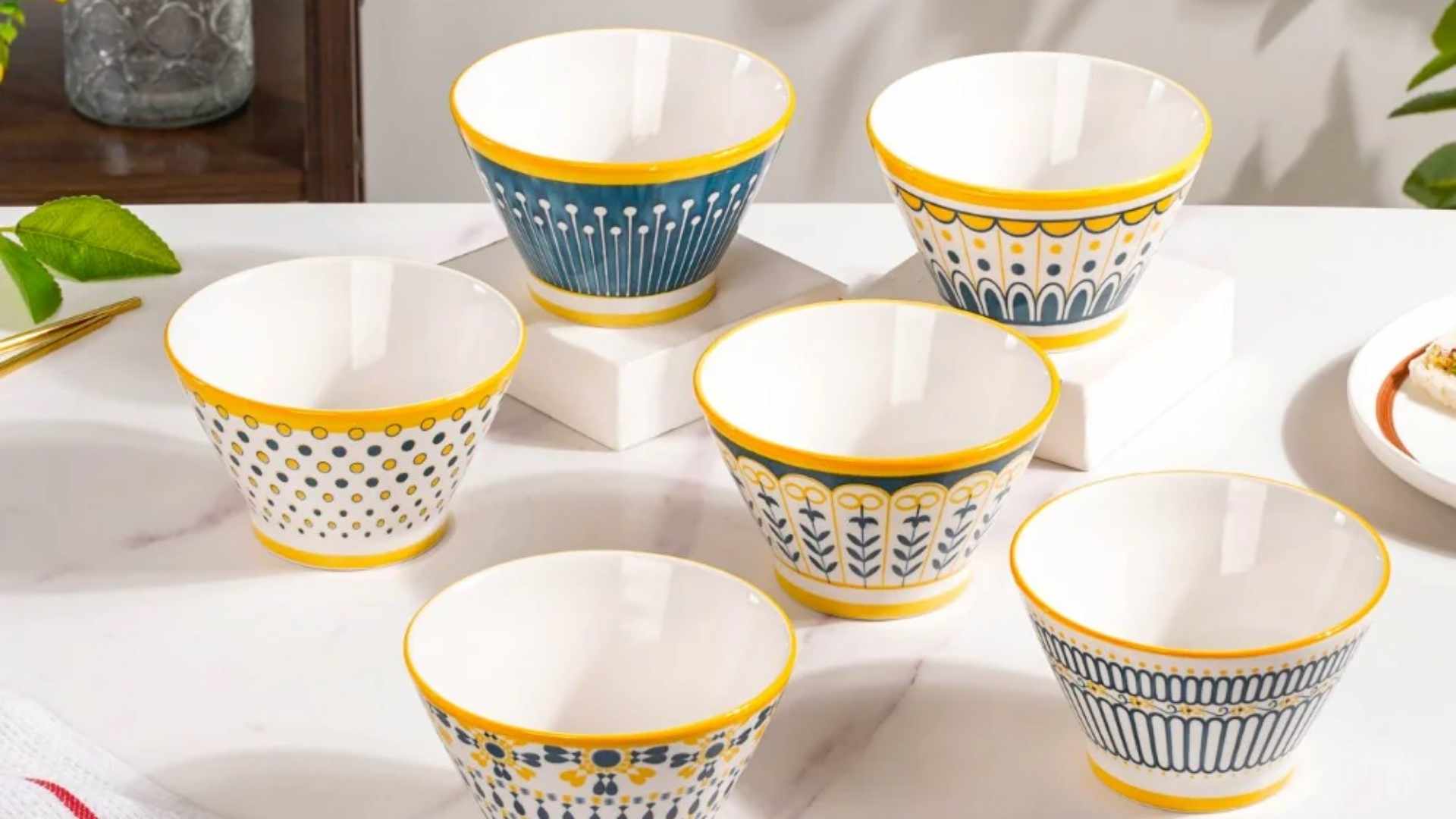
The cost of ceramic bowls from Vietnam varies by material, finish, order volume, and quality standard. Based on exporter quotations and trade references, FOB unit prices typically range from USD 0.80 to USD 3.50 per piece for standard ceramic bowls. Prices for customized designs or larger bowl sizes are typically higher due to additional production and finishing requirements.
Partner With VinaSources for Reliable Ceramic Bowl Sourcing From Vietnam
Sourcing ceramic bowls from Vietnam offers strong cost and production advantages, but verifying manufacturer credibility remains a key challenge for international buyers. Without local insight, it is difficult to assess export capability, quality consistency, and compliance readiness.
VinaSources is a B2B sourcing platform that connects global buyers with verified manufacturers in Vietnam. The platform focuses on export-oriented suppliers in ceramic bowls, tableware, and pottery. Every supplier on VinaSources is screened for business legality, production capacity, quality management, and export readiness before being listed.
Buyers can explore verified ceramic bowl suppliers directly or submit a quotation request with specific requirements. The platform then supports supplier matching and communication so buyers can progress smoothly from inquiry to sample and bulk orders.
Reach out to the VinaSources team to discuss your sourcing needs and receive tailored supplier recommendations.
- Hotline: 1900.4356
- Email: [email protected]