
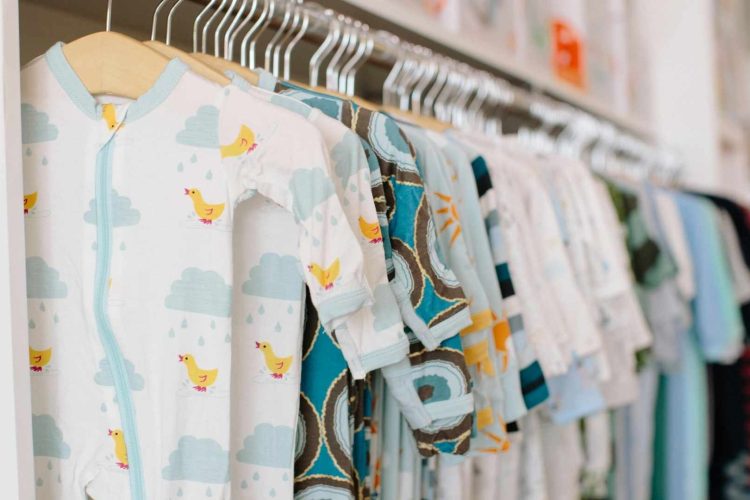
The global baby clothing market continues to grow, and Vietnam is positioning itself as a premier sourcing destination with competitive advantages in cost, quality, and production capacity. For businesses looking to import baby apparel, Vietnam offers access to experienced manufacturers, sustainable fabric options, and streamlined export processes.
This article provides a step-by-step roadmap for importing baby clothes from Vietnam, covering supplier selection, safety certifications, quality assurance, shipping logistics, and regulatory compliance, empowering you to make informed decisions and launch your import venture with confidence.
Overview of Vietnam’s textile and garment export
Vietnam’s industry ranks among the top three apparel exporters in the world after China and the European Union.
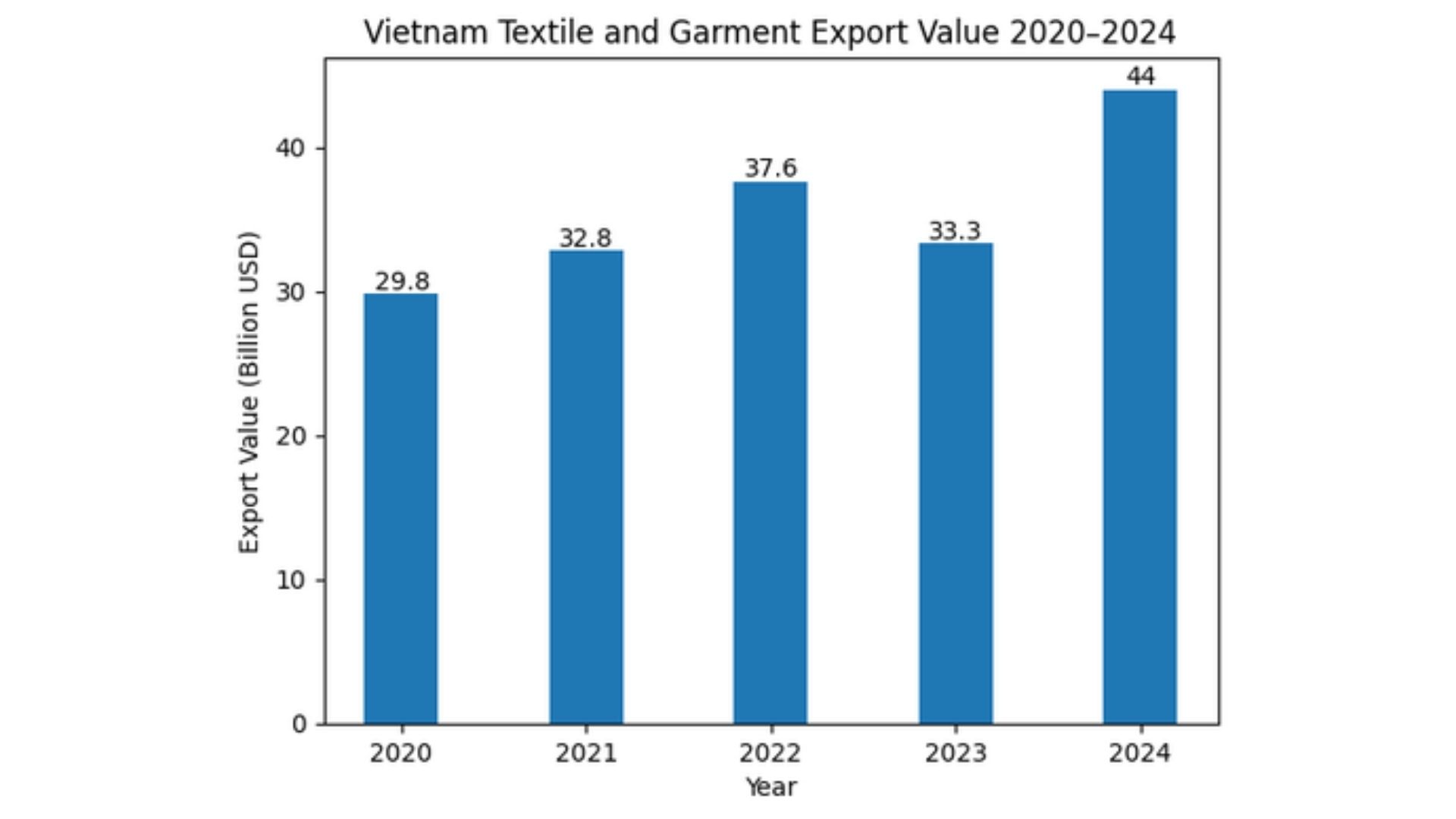
In 2024, the country’s textile and garment exports reached about USD 44 billion, up more than 11% from the prior year.
Vietnam exports textiles and garments to over 130 countries. According to the Vietnam Textile and Apparel Association, the United States remains the largest market, accounting for USD 16.71 billion, followed by Japan at USD 4.57 billion and the European Union at USD 4.30 billion.
Children’s and baby clothing is a recognized export segment within Vietnam’s garment industry. According to data compiled by the Vietnam Textile and Apparel Association, children’s clothing exports reached around USD 1.7 billion annually in recent years. This confirms that baby clothes are part of an established export structure with international buyers.
Why Vietnam Is A Key Sourcing Country For Baby Clothes
-
Competitive labor force
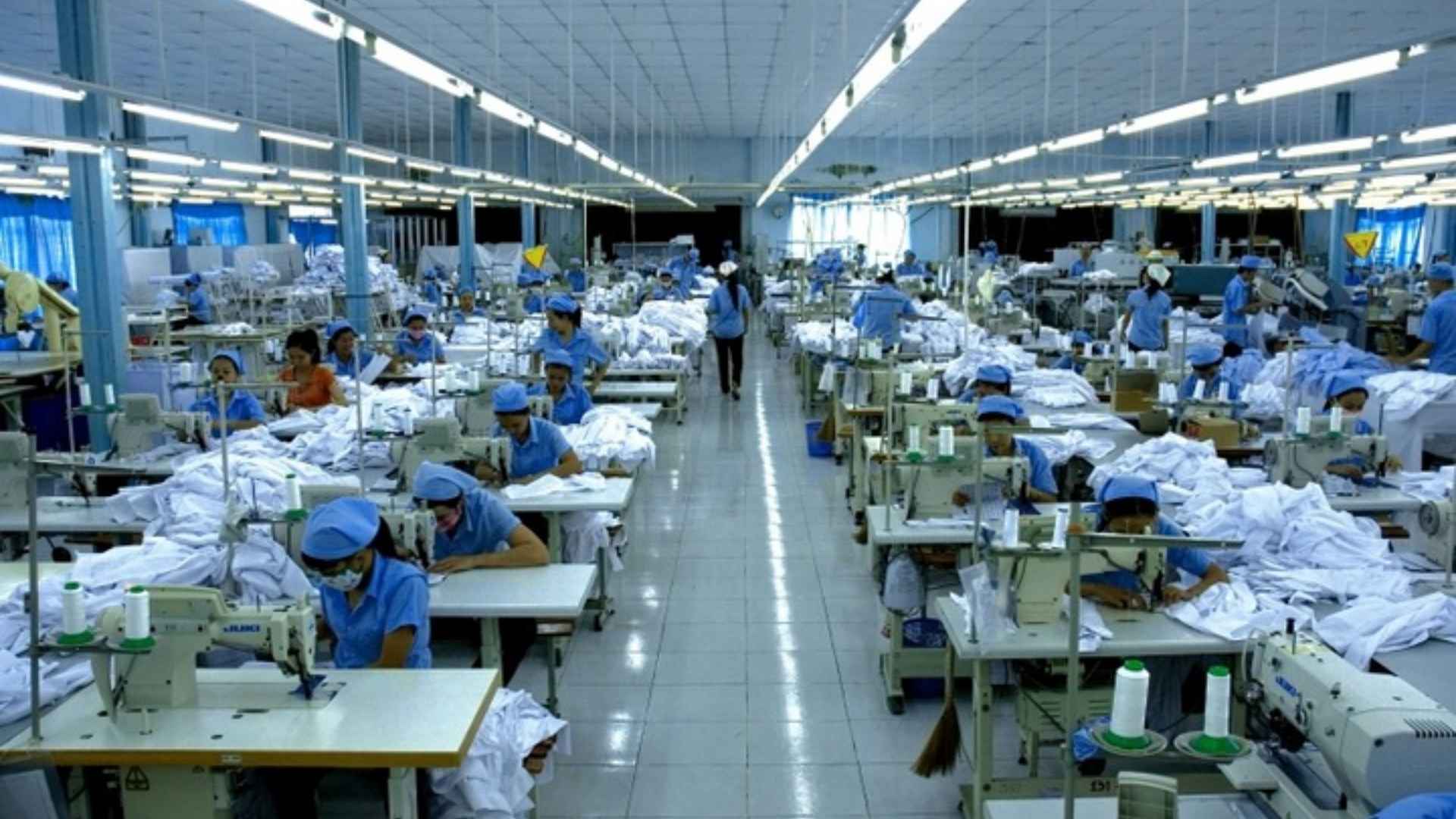
Vietnam’s garment industry employs approximately 2.5 to 3 million workers, making it one of the largest manufacturing workforces in the country. This labor base has decades of experience producing garments for export markets such as the United States, the European Union, and Japan.
In addition, Vietnam’s labor costs remain competitive. According to World Bank data, manufacturing wages in Vietnam are significantly lower than in other major manufacturing hubs, while productivity continues to improve through training programs and factory modernization.
This helps maintain a balance and ensures stable pricing for importers sourcing baby clothes from Vietnam.
-
Growing manufacturing base
Vietnam has developed a dense and well-established garment manufacturing ecosystem that supports large-scale export production. The country is home to over 6,000 textile and garment enterprises, primarily concentrated in industrial clusters such as Ho Chi Minh City, Binh Duong Province, Dong Nai, and Hung Yen. Cluster-based development allows manufacturers to share access to skilled labor pools, fabric suppliers, dyeing facilities, logistics providers, and export infrastructure. This significantly improves production efficiency and delivery reliability.
Vietnam produces approximately 5 billion units of garments per year across all apparel categories, including knitwear, woven garments, and children’s clothing. The existing production scale ensures factories can handle recurring export orders and seasonal demand cycles without supply disruption.
-
Network of free trade agreements
Vietnam benefits from one of the most extensive free trade agreement networks in Asia. The country participates in 15 active FTAs, including major agreements such as the EU-Vietnam Free Trade Agreement (EVFTA), the Comprehensive and Progressive Agreement for Trans Pacific Partnership (CPTPP), and the Regional Comprehensive Economic Partnership (RCEP). These agreements directly affect garment imports.
For example, under the EVFTA, import tariffs on many apparel products entering the EU from Vietnam are reduced progressively to 0%. Similar tariff advantages apply in markets such as Canada, Japan, and Australia under CPTPP.
For B2B buyers, tariff reductions improve landed cost and margin stability. When you import baby clothes from Vietnam into FTA partner markets, these agreements can create a measurable cost advantage compared to sourcing from countries without preferential trade access.
How To Import Baby Clothes from Vietnam
The process of importing baby clothes has 6 specific steps
-
Find a reliable supply
Finding the right supplier is the first and most critical step when you import baby clothes from Vietnam.
There are several practical ways to identify reliable baby clothing manufacturers in Vietnam. You can attend specialized textile and garment trade fairs to meet factories in person. You can also use verified B2B sourcing platforms that pre-screen suppliers and display export-focused manufacturers. Another option is to work directly with established factories that already serve international buyers.
When evaluating a supplier, focus on a few objective points:
- Check business legitimacy: Check the supplier’s company registration, factory location, years in operation, and product catalog. Conducting a factory visit or arranging a third-party audit can help verify their actual production capacity.
- Check export history and main destination markets: Factories shipping regularly to the United States or the European Union are more likely to comply with CPSIA requirements in the US and EN or REACH related textile safety rules in the EU.
- Review certifications and test reports: ISO 9001 indicates a basic quality management system. OEKO-TEX Standard 100 confirms that fabrics and accessories are tested for harmful substances, which is especially important for baby clothing.
- Assess factory scale and production capacity: Review worker headcount, number of sewing lines, and average monthly output. Medium to large factories with stable staffing are better positioned to handle repeat orders and seasonal peaks without delays.
-
Place a sample order
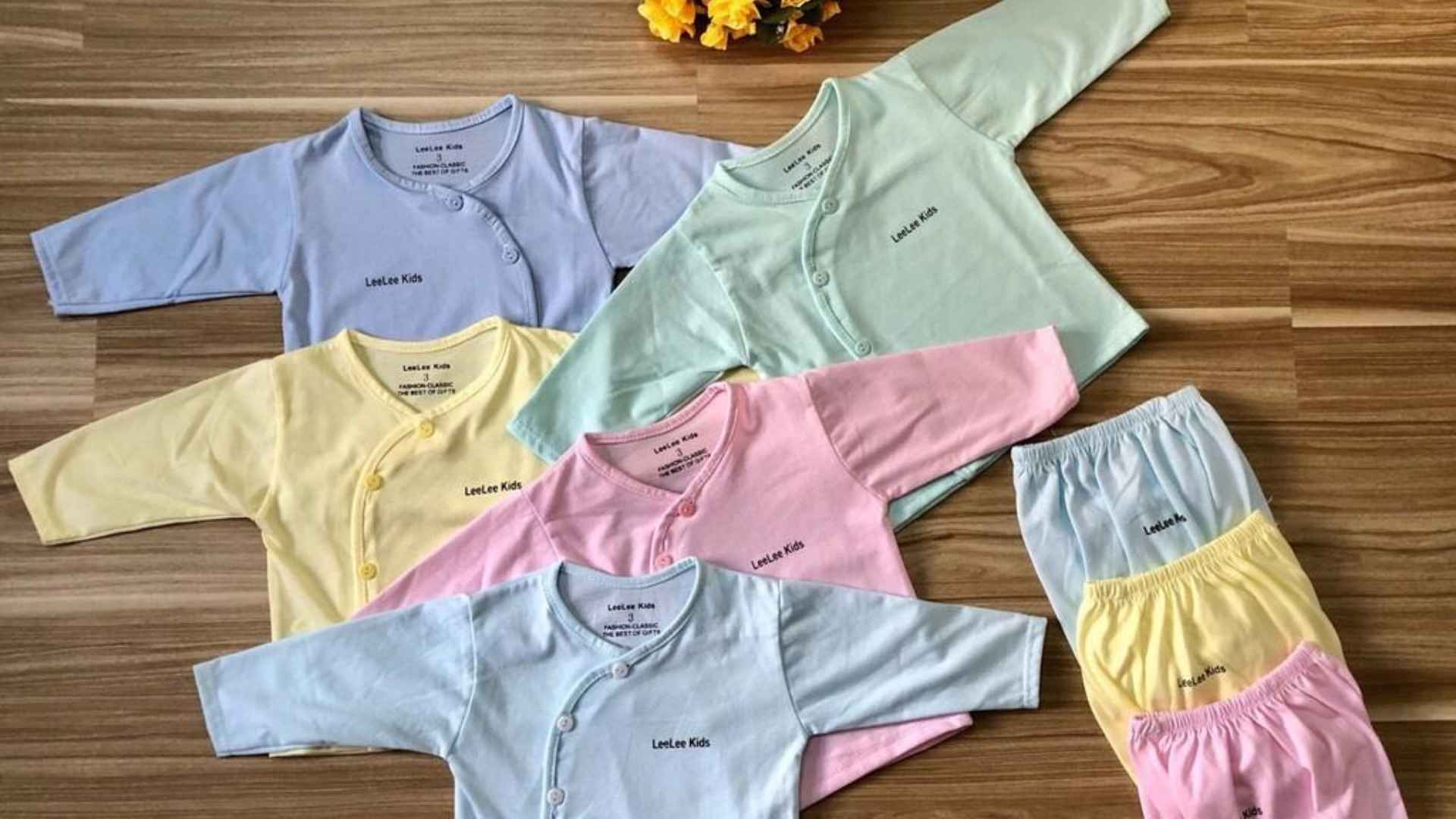
Once you shortlist suppliers, sampling becomes critical. A sample order lets you validate build quality, material safety, and sizing before you commit to bulk production.
You should order 4 to 5 samples per style to assess whether the quality is consistent. When reviewing samples, you should check thoroughly using objective checkpoints.
- Fabric composition: Baby clothing usually prioritizes soft, breathable fabrics like cotton and cotton blends.
- Stitching and seam strength: Baby garments go through frequent washing and constant movement. Weak seams can cause clothes to tear quickly.
- Sizing accuracy and pattern consistency: Check key measurements, such as chest width, body length, sleeve length, inseam, and waistband stretch recovery. Measure at least two units of the same size if possible.
-
Negotiate terms
Clear contract terms protect both you and the supplier. A standard export contract should define clearly some key terms:
- Product specification: Specify fabric type, weight, stitching standard, and packaging requirements.
- Pricing terms: Define unit price, total order value, currency, and payment method.
- Delivery terms: State the agreed Incoterms, mostly commonly FOB or CIF, to clarify responsibility for freight and insurance.
- Lead time and production schedule
- Compliance and liability: Require the supplier to confirm compliance with applicable child safety and textile regulations in your target market.
- Dispute resolution and governing law: Specify governing law and dispute resolution methods, such as arbitration or court jurisdiction.
Well-defined contract terms protect both parties and create a solid foundation for long-term cooperation.
-
Production quality control
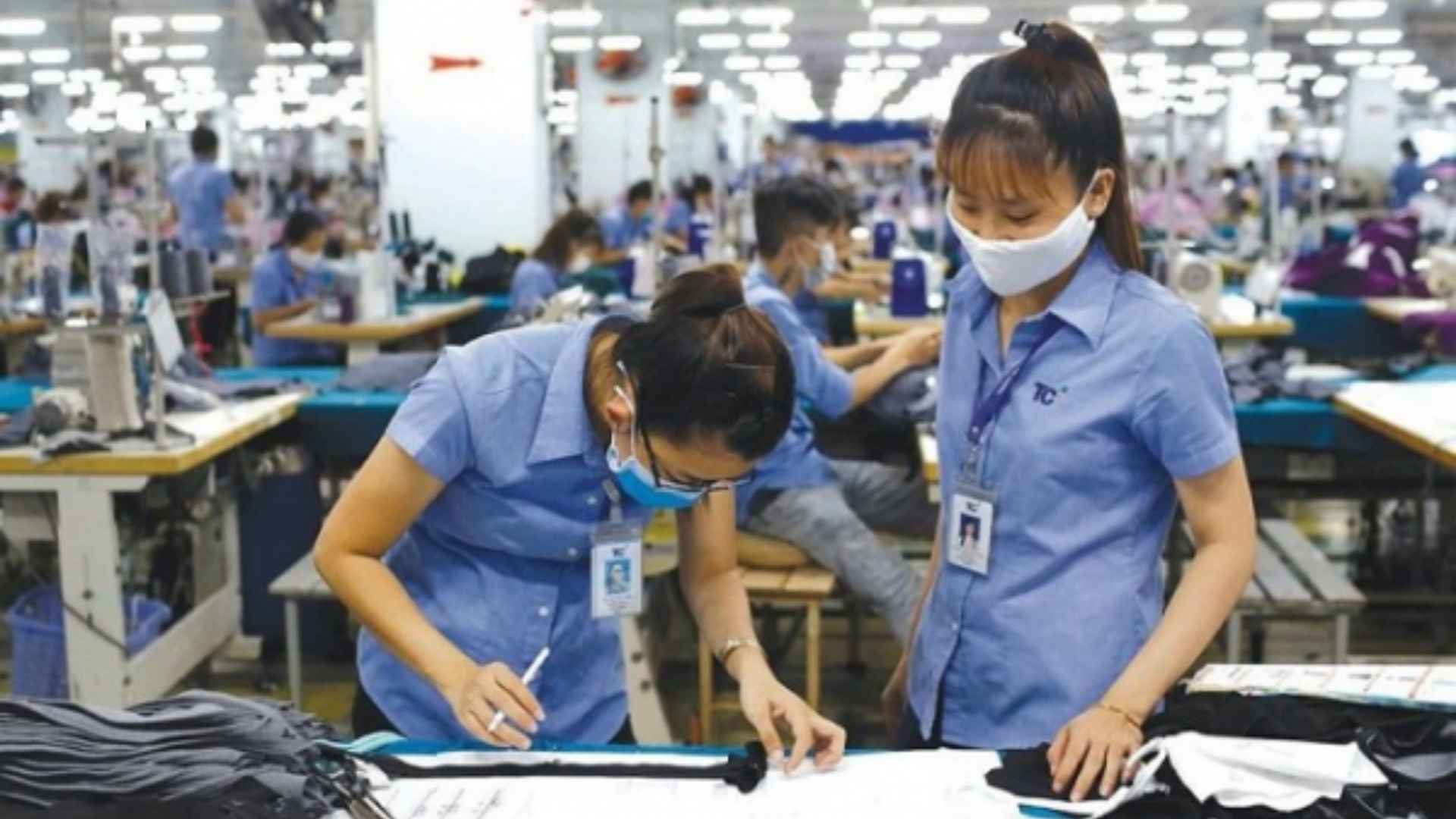
Production quality control should take place at multiple stages to reduce risk and prevent costly rework.
First is the pre-production inspection. This inspection confirms approved fabric, trims, and sample conformity before cutting starts.
Second is during production inspection, usually conducted when production reaches around 30-50% completion.
The final step is pre-shipment inspection. This inspection assesses overall quality, quantity, labeling, packaging, and carton marking to ensure the shipment fully matches contract terms and destination market requirements.
Many buyers use third-party inspection companies in Vietnam to keep quality checks independent and consistent.
-
Custom duties, taxes, and tariffs
Importing baby clothes also means preparing the right customs documents. Standard paperwork includes a commercial invoice, packing list, bill of lading, and certificate of origin (especially essential if you plan to use preferential tariffs).
Tariffs and taxes depend on the destination market and the specific HS code used for baby garments. You should also account for additional import taxes such as value-added tax or sales tax, which are usually calculated based on the customs value plus applicable duties.
Working with an experienced customs broker helps ensure accurate classification, correct duty calculation, and compliance with local import regulations. Proper planning at this stage will help you avoid clearance delays and control landed costs more effectively.
-
Manage shipping
Baby clothes are lightweight and non-hazardous, which gives you flexibility when choosing shipping methods. The right option depends on order size, delivery timeline, and cost targets.
Sea freight is the most common choice for bulk orders because it offers the lowest cost per unit. It works well for large volume shipments and planned replenishment.
Air freight is much faster but significantly more expensive. It is usually reserved for urgent orders, sample shipments, or unexpected stock shortages when delays impact sales.
Many importers use sea freight for core shipments and keep air freight as a backup option when timing becomes critical.
Where To Find Baby Clothes Manufacturers In Vietnam
-
Trade fairs and sourcing events
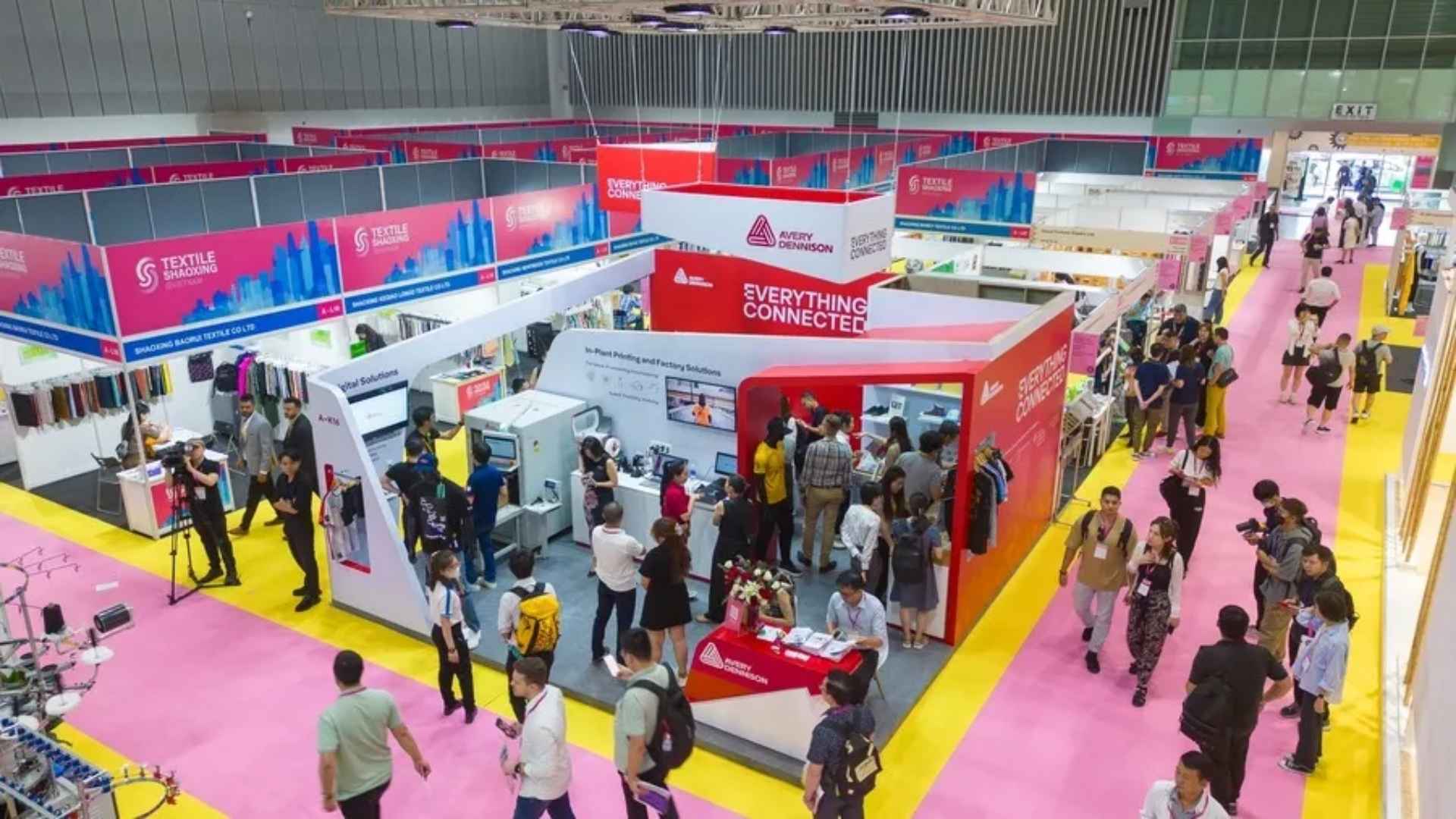
Trade fairs provide concentrated access to export-ready manufacturers and allow buyers to assess samples, production capability, and compliance readiness within a short time frame.
Some popular trade shows in Vietnam:
Vietnam International Textile and Garment Industry Exhibition (VTG)
Overview: VTG is one of the largest specialized textile and garment exhibitions in Vietnam. It is organized annually in Ho Chi Minh City. The exhibition focuses on finished garments, children’s clothing, knitwear, fabrics, and garment accessories. In 2025, it hosted over 400 exhibitors from Vietnam and other textile-producing countries, with more than 17,000 trade visitors across multiple days.
Its upcoming event in 2026:
- Date: October 14-16, 2026
- Venue: Saigon Exhibition & Convention Center (SECC), Ho Chi Minh City, Vietnam.
SaigonTex and SaigonFabric
Overview: SaigonTex and SaigonFabric are among the longest-running textile exhibitions in Vietnam. The trade fair showcases new tech, materials, garment accessories, and connects global suppliers with Vietnamese manufacturers.
Its upcoming event in 2026:
- Date: April 8-11, 2026
- Venue: Saigon Exhibition & Convention Center (SECC), Ho Chi Minh City, Vietnam.
Vietnam International Fashion Fair (VIFA)
Overview: The Vietnam International Fashion Fair is organized by the Vietnam Textile and Apparel Association and focuses on finished apparel, textiles, footwear, and fashion accessories. The fair is usually held annually in Ho Chi Minh City and attracts garment manufacturers, fabric suppliers, and international buyers looking for export-ready fashion products.
Its upcoming event in 2026:
- Date: March 8-11, 2026
- Venue: WTC EXPO and SKY EXPO, Ho Chi Minh City, Vietnam.
-
Online B2B sourcing platforms
Online B2B platforms are commonly used for supplier discovery and initial screening. They provide access to manufacturer profiles, product catalogs, and contact details, but should always be combined with offline verification.
Global Sources is an international B2B platform that connects global buyers with manufacturers across Asia, including Vietnam. For buyers sourcing baby clothes, Global Sources is a useful platform for identifying factories with export experience and comparing product categories.
VinaSources is a Vietnam-focused B2B sourcing platform built to connect global buyers with verified Vietnamese manufacturers across key export industries, including garments and baby clothing. The platform supports buyers in identifying the most suitable suppliers through structured product listings and verified supplier profiles.
EC21 is a global B2B marketplace with millions of registered suppliers and buyers worldwide. The platform allows global buyers to search suppliers by product category, export focus, and company profile.
-
Work with direct factories
Direct factory outreach allows buyers to better assess reliability and production capability while building stronger potential for long-term partnerships.
Huy Duc Textile and Garment Joint Stock Company
Huy Duc Textile and Garment Joint Stock Company is a Vietnamese garment manufacturer with 8 years of experience in the export garment sector. The company specializes in garment manufacturing, including children’s apparel and basic knit products. With an established production setup and a trained workforce, the company has the capacity to support scalable manufacturing programs for overseas buyers.
Ho Guom Group Joint Stock Company
Ho Guom Group is one of Vietnam’s larger and more established textile and garment groups, with more than 30 years of experience in apparel manufacturing for export markets. The group operates a network of around 19 factories with an estimated workforce of about 6,000 employees. Its production covers a wide range of apparel products, including uniforms, workwear, knitwear, and fashion garments. With vertically linked production units and long-term relationships with international buyers, Ho Guom Group demonstrates strong operational capacity, stable output, and the ability to handle large-scale and repeat export orders.
Babeeni Vietnam Company Limited
Babeeni Vietnam Company Limited was established in 2007 and specializes in baby and children’s clothing production. Its product range includes baby bodysuits, infant sets, and children’s wear. With a skilled workforce of around 1,200 workers, the company produces millions of baby garments each year. Babeeni supplies both the domestic market and major export destinations, including the United States and the European Union. You can contact them through the official website: https://babeeni.com/

Common Risks and How to Mitigate Them When Importing Baby Clothes from Vietnam
Importing baby clothes from Vietnam offers great business opportunities, but it also comes with potential risks. Understanding these risks and taking proactive steps can help ensure smooth operations and protect your investment.
| # | Risk | Potential impact | How to mitigate |
| 1 | Supplier reliability | Poor quality, delays, and rejections | Verify export history, destination markets, and prior children’s apparel orders |
| 2 | Safety and chemical compliance | Customs rejection, recalls, fines | Require suppliers to provide compliance documents, such as CPSIA, REACH |
| 3 | Production quality | Returns, brand damage | Conduct pre-production, during production, and pre-shipment inspections |
| 4 | Contract clarity | Disputes and financial loss | Define specifications, AQL, Incoterms, and penalties in contracts |
| 5 | Customs and tariffs | Higher duties, shipment delays | Confirm HS codes and certificates of origin with customs brokers |
Simplify Your Baby Clothes Sourcing with VinaSources
If you are looking for a dependable online sourcing platform, VinaSources is a trusted option for connecting with verified textile and garment manufacturers in Vietnam.
With 12+ years supporting cross-border trade, we understand the challenges buyers face, from verifying supplier credentials to ensuring consistent quality. That’s why every manufacturer on VinaSources is pre-screened for:
- Export readiness and documentation experience
- Stable production capacity for bulk orders
- Compliance with international safety certifications
Our platform features a diverse range of baby clothing suppliers producing rompers, bodysuits, sleepwear, and complete infant collections. Every supplier is carefully vetted to help you minimize risks and streamline your sourcing process.
Ready to start sourcing? Submit your requirements through our quotation form or email [email protected] to receive personalized supplier matches based on your specifications, order volume, and target market requirements.