
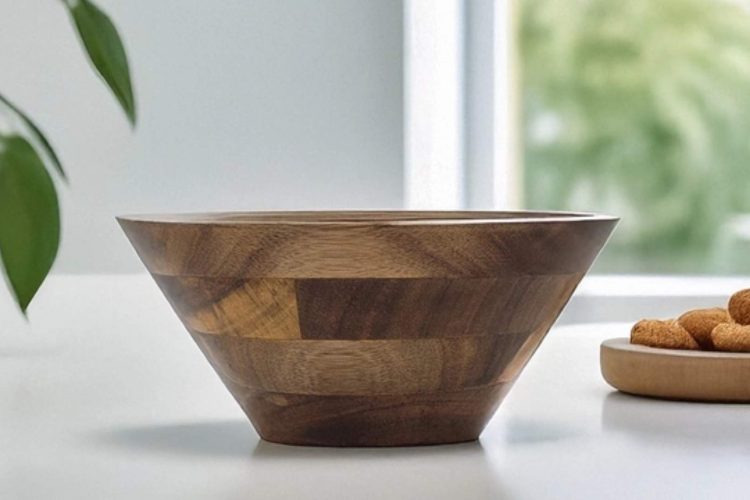
Importing wooden bowls from Vietnam can be highly profitable, but only if you manage quality, materials, and compliance correctly.
This guide walks you through the process of importing wooden bowls from Vietnam safely, covering supplier selection, typical costs, lead times, and quality control, so you can source with confidence and avoid costly mistakes.
Overview of Vietnam’s exports of wooden products
Vietnam is a major global supplier of wood and wooden products. The sector encompasses furniture, building materials, and small household items.
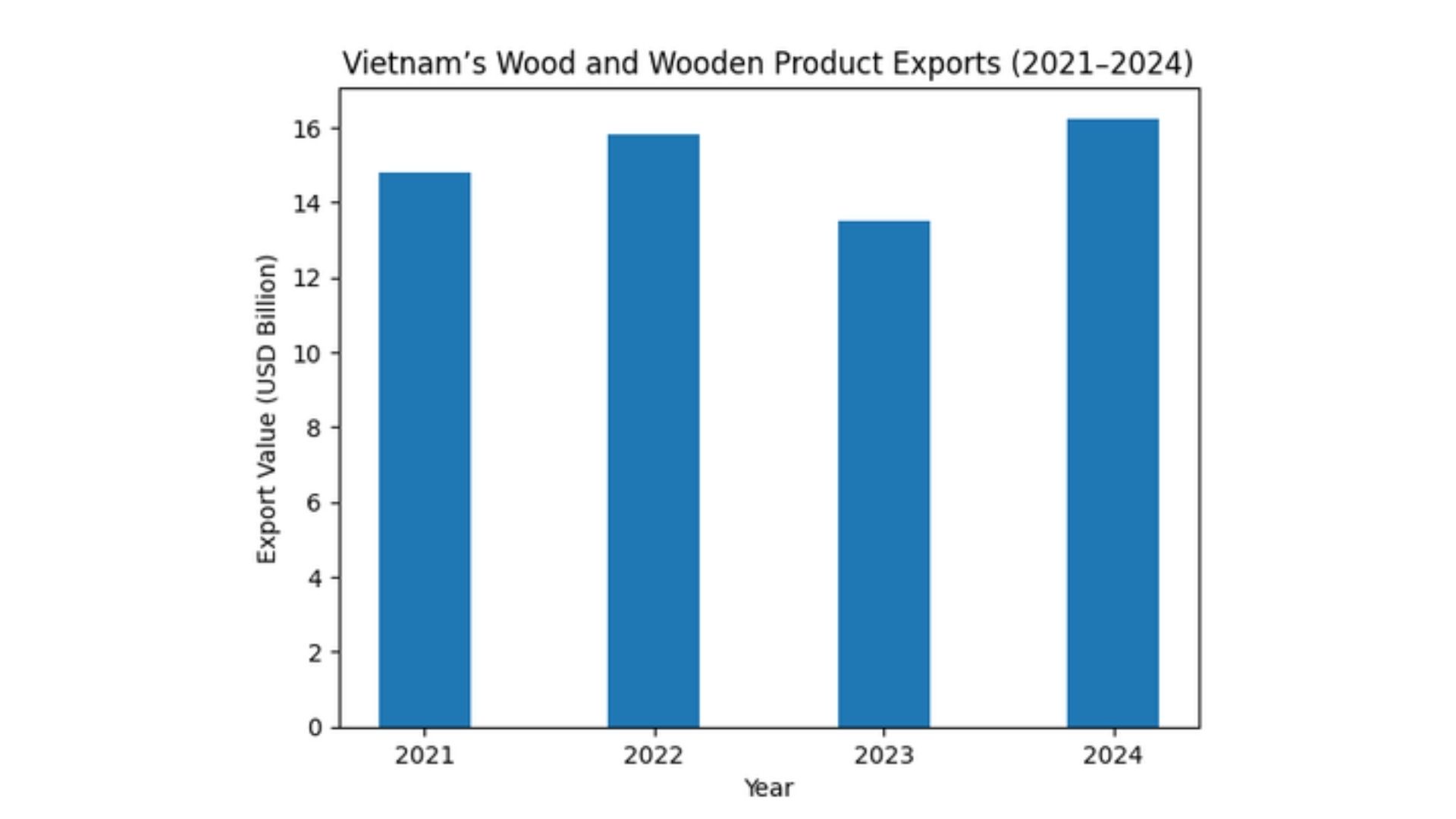
Vietnam’s wood and wooden product exports increased in 2024 to USD 16.25 billion, a rise of around USD 2.8 billion, or approximately 21%, compared to 2023, when the export value stood at roughly USD 13.5 billion.
The U.S. market is the largest importer of Vietnam’s wood and wooden products, with an import value of approximately USD 8.17 billion. The U.S. Importers highly value Vietnam as a reliable supplier, particularly for wooden furniture and other wood-based products. Vietnam’s exporters also target major EU markets, Japan, and China.
Why Wooden Bowls From Vietnam Attract Global Buyers
If you are considering importing wooden bowls from Vietnam, this is why many buyers begin here.
| # | Factors | Brief analysis |
| 1 | Vietnam is a major wood-exporting country globally | In 2024, Vietnam’s wood and wood products export value reached USD 16.25 billion. Vietnamese wood products are exported to more than 160 countries and territories, with the United States, the United Kingdom, and China among the main importing markets. |
| 2 | Stable and legal plantation wood supply | According to FAO, Vietnam now has 700,000 hectares of commercial plantation. This supports compliance with the EU Timber Regulation and the US Lacey Act requirements |
| 3 | Large-scale wood processing ecosystem | Vietnam has over 5,500 wood processing and exporting enterprises, enabling a stable supply capacity for large volumes and long-term import orders |
| 4 | Tariff advantages from free trade agreements | Under EVFTA and CPTPP, many Vietnamese wooden products enjoy 0 import duty when entering the EU, helping importers significantly reduce landed costs |
Common Types of Wooden Bowls Exported From Vietnam
Below are some popular types of wooden bowls that are available on the VinaSources platform
-
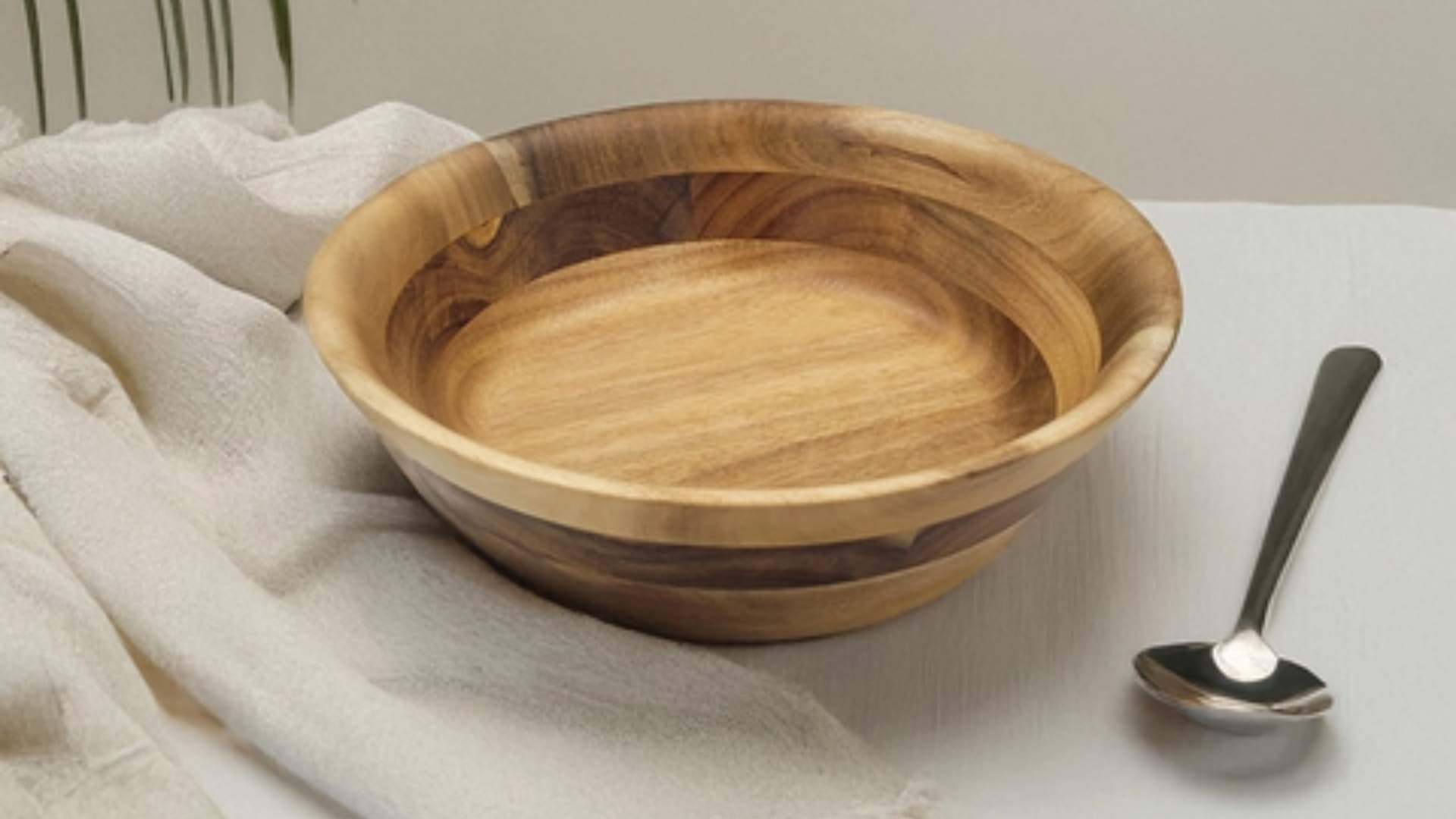
Acacia wooden round bowls
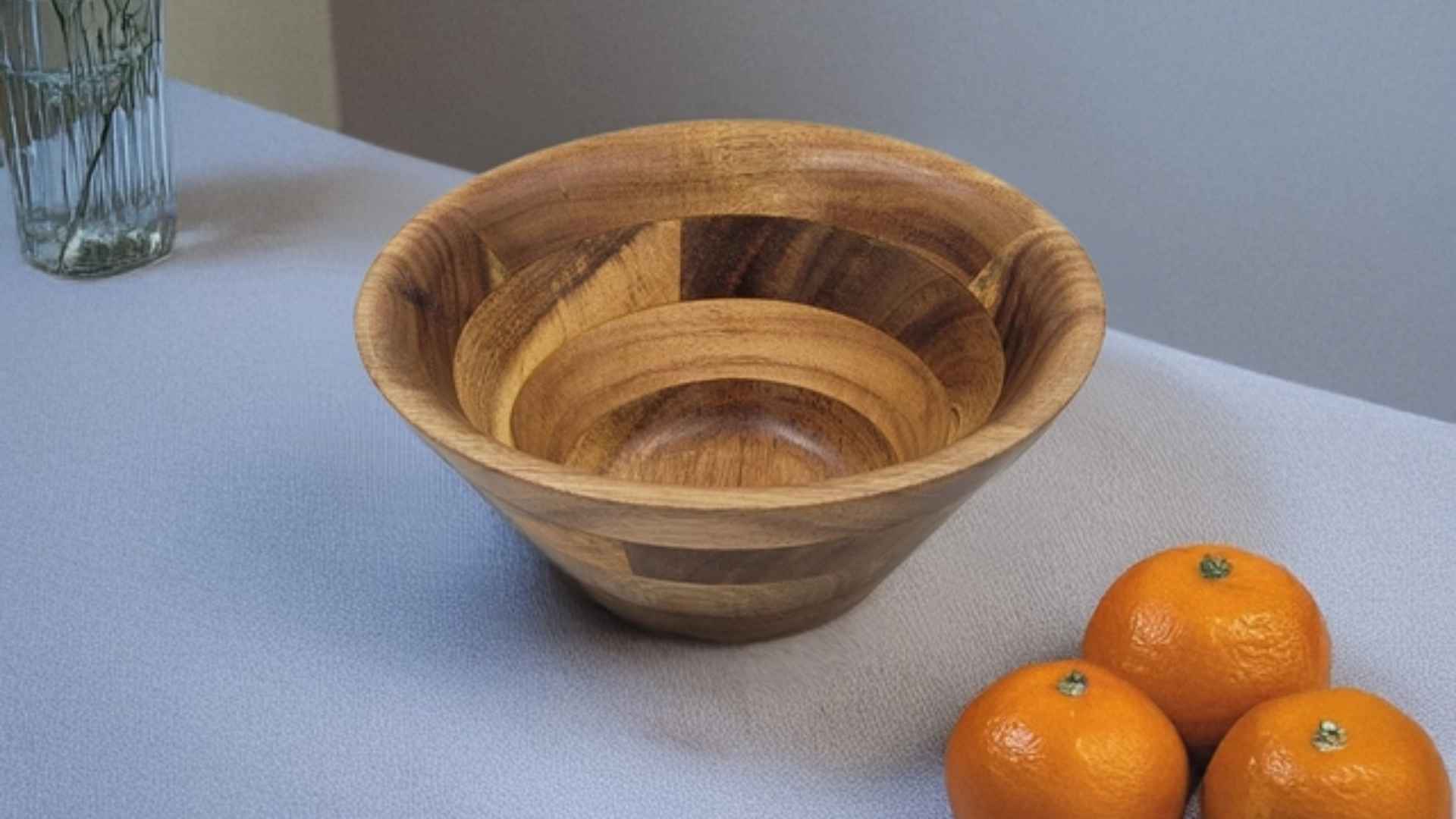
This wooden bowl features a handcrafted, artisanal design with a warm, rustic appeal and beautifully visible natural wood grain. It is made from certified acacia wood and shaped in a classic round form, offering excellent durability along with resistance to moisture and warping.
The bowl measures approximately 9.1 inches in diameter and 2.4 inches in height, making it ideal for serving fruit, salads, snacks, or dry foods. In addition, it can also be used as a decorative accent for dining tables or living spaces.
-
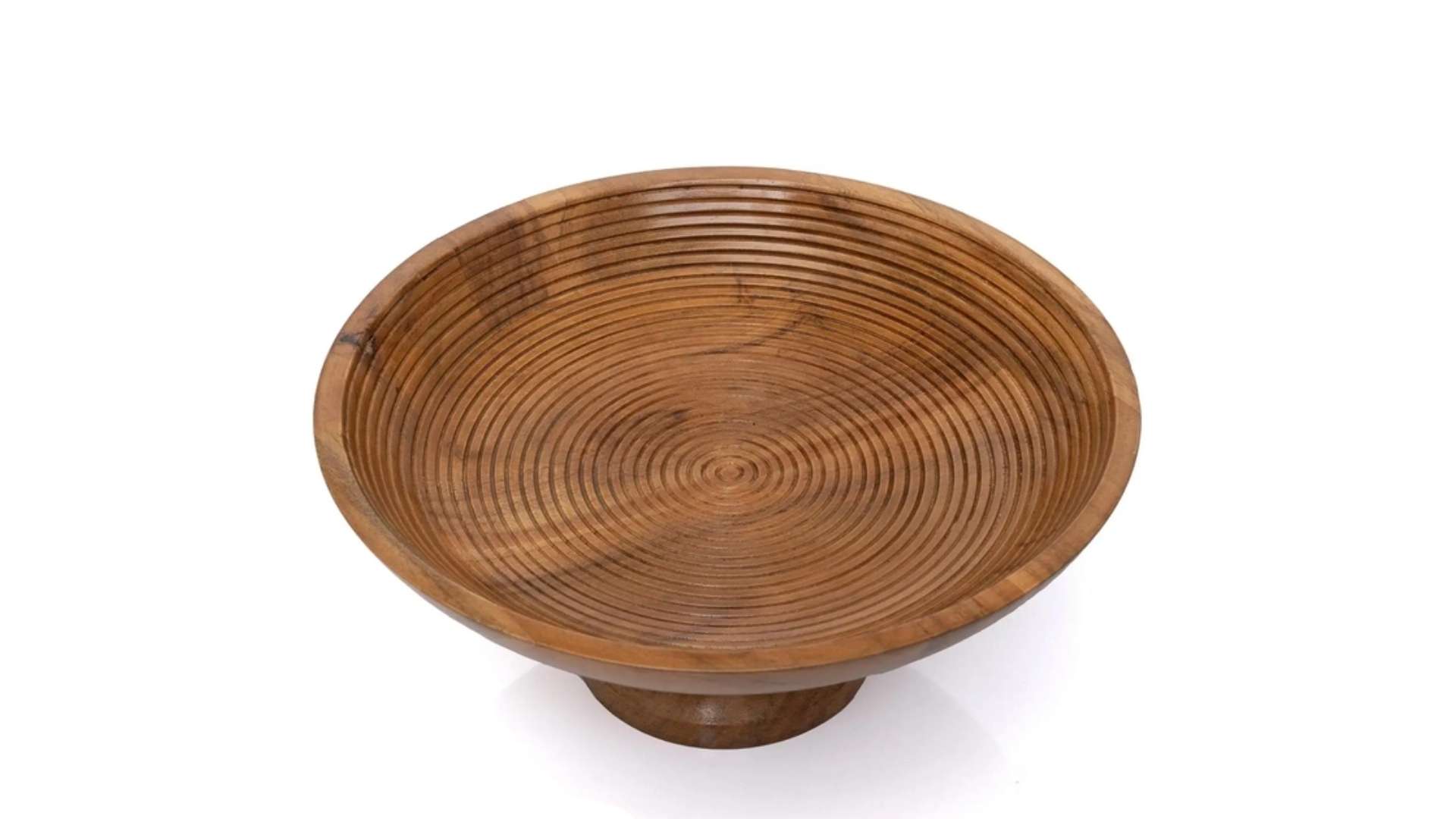
Wooden fruit bowl
This wooden bowl features a round design with a 12-inch diameter and a 5-inch height. It is commonly used in kitchens and dining spaces to hold or display fruits, vegetables, candies, or dried flowers.
The bowl is crafted from high-quality acacia wood, known for its durability, moisture resistance, and low tendency to warp.
Its refined ribbed design accentuates the natural grain of the acacia wood, creating a balanced and elegant appearance that complements both modern and rustic interiors.
-
Wooden bowl – small round
This wooden bowl is designed in a classic round shape with natural wood grain patterns and warm tones, making it suitable for both everyday kitchen use and decorative display.
The bowl measures 3.1 inches in height with a 6.7-inch top diameter. It is crafted from premium acacia wood, valued for its durability, moisture resistance, and resistance to warping, helping the bowl retain its shape and surface quality with regular use.
This bowl is ideal for serving fresh fruit, salads, snacks, and dry goods. The bowl also functions beautifully as a decorative accent on coffee tables, countertops, or shelves.
Export Standards and Certifications You Should Check
-
Quality standard certificates
Quality certification is critical because wooden bowls are food contact products.
Key certificates and regulations to check:
- Food contact material compliance: Wooden bowls must comply with FDA 21 CFR Food Contact Materials (for the US market), Framework Regulation EC No. 1935/2004 (for the EU market)
- Timber legality and sustainability certification, such as FSC Chain of Custody certification, and VNTLAS compliance.
- Management and corporate responsibility certifications, including ISO 9001 (quality management), ISO 14001 (environmental management)
-
Import documentation
Complete and accurate documentation is required to clear customs when importing wooden bowls from Vietnam.
Missing or inconsistent documents are a common cause of delays.
Some core import documents, including:
- Commercial invoice
- Packing list
- Certificate of origin
- Bill of lading/Airway bill
- Customs Declaration
-
Packaging and labeling
Wooden bowls should be packed to prevent moisture exposure, abrasion, and deformation during transport.
All wood packaging materials, such as pallets or crates, must comply with ISPM 15 heat treatment or fumigation standards.
Product labels should clearly state material type, country of origin, and care instructions.
Typical MOQ, Lead time, Bulk Pricing for Wooden Bowls
Typical MOQs for wooden bowls range from about 500 to 2,000 units for standard designs and sizes.
Production lead times after sample approval are 30 to 45 days for standard wooden bowls. If the design involves special finishes, engraving, or customized packaging, lead times can extend to 60 days or more. Lead times can also vary by season. Peak export months may extend lead times due to factory backlogs and shipping pressure.
FOB prices for standard wooden bowls often range from about USD 2.10 to USD 3.50 per unit, depending on finish quality and supplier capability. However, customized designs, special packaging may increase the unit price due to added labor and material costs.
Where to find wooden bowl suppliers from Vietnam
Sourcing wooden bowls from Vietnam begins with identifying credible suppliers.
-
Visit trade shows
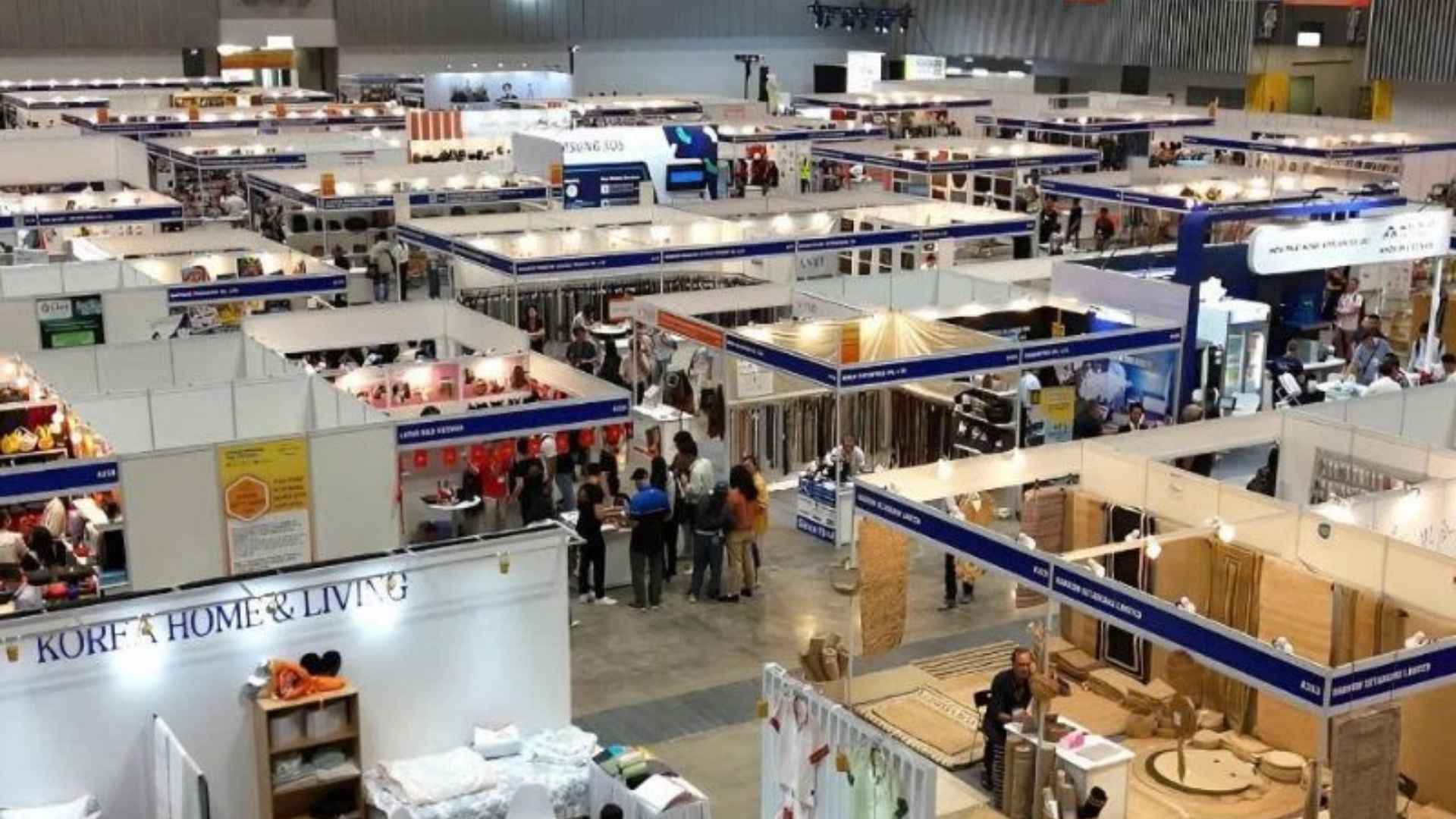
Trade shows are essential sourcing events for buyers targeting tabletop and homeware products, including wood-made bowls.
In Vietnam, several events are held annually that provide opportunities to meet suppliers, inspect product quality, and build direct relationships.
VIFA EXPO 2026 is Vietnam’s largest international furniture and home accessories fair. It will be held from March 8 – 11, 2026, in Ho Chi Minh City across WTC EXPO and SKY EXPO venues. The show spans over 2,800 booths with hundreds of exhibitors showcasing furniture, home decor, and handicrafts, including wood-based products that can align with tabletop and kitchenware sourcing.
VIFA ASEAN 2026 will be held from September 2 – 5, 2026, at SECC in Ho Chi Minh City. Planned to gather approximately 350 exhibitors across 1,000 booths, the event highlights furniture and home decor products, where wood crafts and kitchenware categories may be present.
Vietnam International Sourcing Expo 2026 is another key event that brings multiple leading trade shows under one roof. With a large exhibition area of over 12,000 square meters and participation from businesses across more than 60 countries, it offers segments including home and houseware exhibitions that may include wooden kitchenware suppliers. In 2026, it will be held on 26-28 August.
-
Use online platforms
Digital B2B sourcing platforms greatly expand your reach when looking to import wooden bowls from Vietnam.
Alibaba is a global B2B marketplace connecting millions of buyers with manufacturers and wholesalers across industries. It covers suppliers from multiple countries and includes search functions for products and supplier profiles, with features such as Trade Assurance for buyer protection and verified supplier badges.
VinaSources is a Vietnam-focused B2B sourcing platform. It specializes in linking international buyers directly with verified Vietnamese manufacturers and exporters, including categories like textiles, footwear, furniture, and other factory-ready product lines. Its strength lies in curated supplier lists and detailed factory profiles designed for buyers specifically interested in Vietnamese production.
Made-in-China is a China-based sourcing platform that lists suppliers and products. While its primary focus is China, buyers can use the platform to identify complementary suppliers or validate market pricing and quality benchmarks. It often emphasizes verified suppliers with detailed product specifications.
-
Work with direct factories
Working directly with factories in Vietnam maximizes control over quality, custom specifications, and production timelines for wooden bowls.
Thanh Tung Thinh Co., Ltd is a wooden products manufacturer with over 14 years of experience. It produces a range of wooden kitchenware, houseware, including bowls, plates, and utensils, backed by quality systems and export capability for global markets.
Contact information:
- Tel: +84 937.545.579
- Email: [email protected]
- Headquarters: No. 227 To Hien Thanh St, W13, District 10, Ho Chi Minh City, Vietnam.
Son Tra Handicraft Export Company Limited produces wooden bowls and other handcrafted wood products for wholesale. It supplies items suitable for kitchenware and tabletop categories and serves international buyers.
Contact information:
- Tel: +84932588499
- Email: [email protected]
- Headquarters: 06 My Da Tay 3, Khue My Ward, Ngu Hanh Son District, Da Nang City, Viet Nam
Key considerations before sourcing wooden bowls
This table provides a clear overview of common challenges when sourcing wooden bowls from Vietnam, along with their impacts and actionable solutions to ensure a smoother and more reliable importing process.
| # | Issue | Consequences | Solutions |
| 1 | Product quality inconsistency | Defects, customer complaints, returns, or damage to brand reputation | Request pre-production samples, set clear specifications, and conduct third-party quality inspections before shipment |
| 2 | Raw material sourcing (wood legality & sustainability) | Shipment delays, customs rejection, or legal penalties | Work with suppliers using legally sourced and certified wood (e.g., FSC), and request documentation proving origin |
| 3 | Compliance with import regulations | Goods held or rejected at customs due to non-compliance | Check destination-country regulations (food-contact safety, labeling, packaging) and verify compliance in advance |
| 4 | Shipping and freight volatility | High freight costs or disruption in logistics can increase landed costs and extend delivery times | Lock in freight rates early, use reliable freight forwarders, and plan for alternative routes and carriers to reduce risk |
How to import wooden bowls from Vietnam
The steps below explain how B2B buyers typically manage the import process in a controlled and repeatable way.
-
Evaluate the samples
Evaluating samples is a mandatory step when you import wooden bowls from Vietnam.
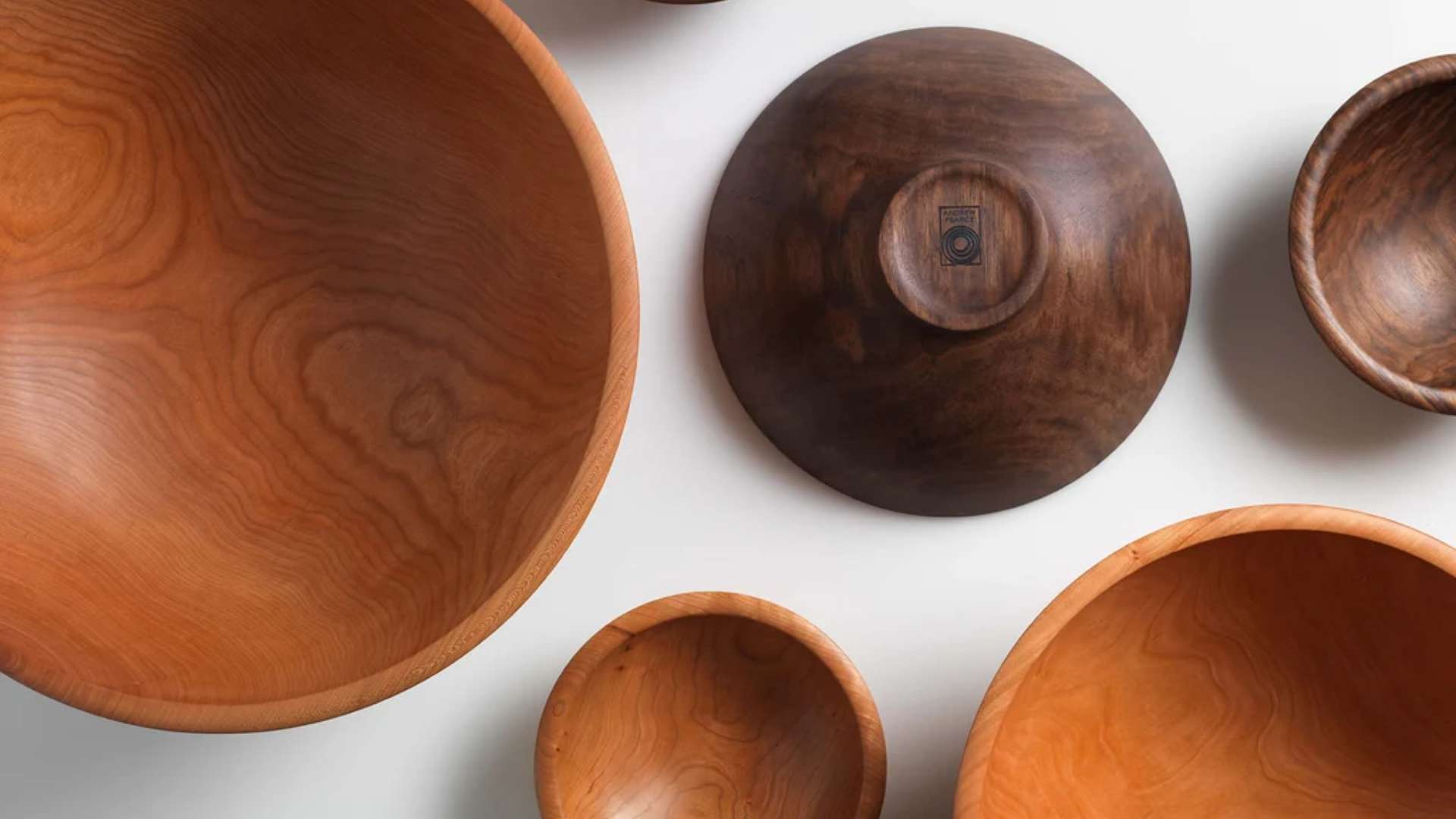
Wooden products vary significantly in grain structure, moisture content, surface finish, and dimensional accuracy. These factors directly affect durability, food safety perception, and customer acceptance.
Key things to check during sample evaluation:
- Inspect material quality: Confirm the wood type matches the quotation, such as acacia or rubberwood.
- Check moisture and warping risk
- Assess surface finish and food contact safety: The surface should be smooth and free of splinters.
- Confirm dimensions and weight consistency
Samples help reduce disputes during final inspection and provide a reference point if defects occur.
-
Negotiate terms
When importing wooden bowls, unclear agreements often lead to disputes over quality, delays, or unexpected costs. Clear contract terms protect both buyer and supplier.
Key terms to include in the contract:
- Product specifications: Define wood type, dimensions, surface finish, tolerances, and packaging method.
- Pricing and payment terms: Specify unit price, currency, payment method, and timing.
- Lead time and delivery terms, including production time, shipment readiness date, and agreed Incoterms such as FOB or CIF.
- Quality standards and inspection rights: State when and where inspections can occur and what happens if products fail inspection.
- Dispute resolution and liability: Define remedies for delays, defects, or contract breaches.
-
QC process
QC helps reduce financial loss, shipment delays, and brand risk.
There are three key QC stages:
First, pre-production inspection. Verify raw material, drying process, and initial workmanship.
Second, during production inspection. Check consistency, dimensions, and surface quality while production is ongoing.
Third, pre-shipment inspection. Confirm final quantity, packaging, labeling, and compliance with agreed specifications before goods leave the factory.
You can hire third-party inspections to lower rework and fewer customs issues.
-
Manage shipping
Sea freight is the most common method. It offers the lowest cost per unit and suits bulk orders. Transit time is longer but predictable.
Air freight is faster but significantly more expensive. It is typically used for samples or urgent replenishment orders. It is suitable only for small sample quantities.
For most B2B buyers importing wooden bowls, sea freight under FOB or CIF terms is the most practical option, as it offers a good balance of cost efficiency, scalability, and risk management.
VinaSources – A trusted partner in sourcing wooden bowls
Looking to import wooden bowls from Vietnam with confidence and ease? VinaSources makes sourcing simple and reliable. As one of Vietnam’s leading B2B sourcing platforms, VinaSources connects international buyers directly with verified, export-ready wooden bowl manufacturers. We ensure consistent product quality, transparent communication, and smooth delivery from the factory to port.
Below is a simple step-by-step guide to importing wooden bowls through VinaSources:
Step 1: Submit your sourcing request. Search for wooden bowls on VinaSources or send your sourcing request directly. Simply share your requirements, such as bowl type, material, size, finish, quantity, target price, and expected delivery time.
Step 2: Receive quotations from verified suppliers. VinaSources gathers quotations from certified wooden bowl manufacturers and shortlists the most suitable suppliers based on your specifications and market needs.
Step 3: Confirm and place your order. Choose your preferred supplier and confirm the order through the platform. Once confirmed, production will begin according to the approved designs, specifications, and agreed trade terms.
You can browse the tableware catalog to find suitable suppliers. VinaSources also offers a wide range of wooden bowls from Vietnam in various designs, sizes, wood types, and finishes to meet different market preferences and branding requirements.
If you are planning to import wooden bowls from Vietnam, please contact us at [email protected]. Our team is ready to help you connect with trusted suppliers and streamline every step of the sourcing and export process.