
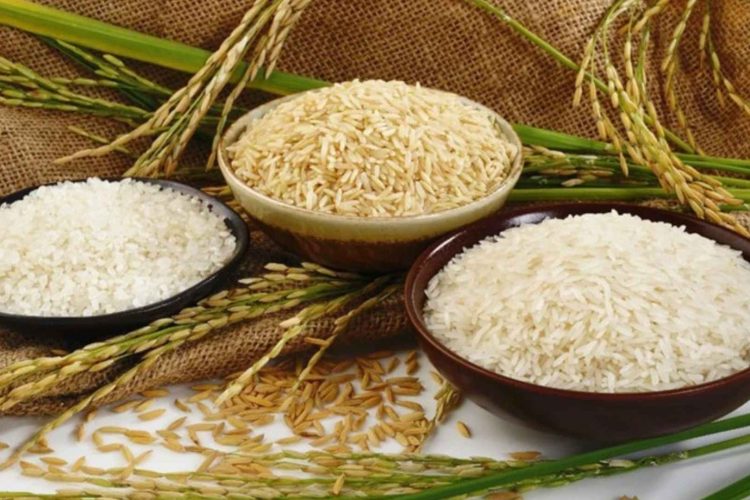
Vietnam is known for its high-quality rice varieties, consistent production, and attractive pricing, making it a trusted sourcing destination for global buyers. With a wide range of options, from fragrant premium rice to long grain white rice for mass distribution, Vietnam offers flexible solutions for retailers, wholesalers, and food manufacturers.
If you’re wondering how to import rice from Vietnam, this guide will walk you through every essential step, from choosing the right rice variety to understanding regulations, documents, shipping methods, and how to work with reliable suppliers.
Overview of the Vietnam rice export market
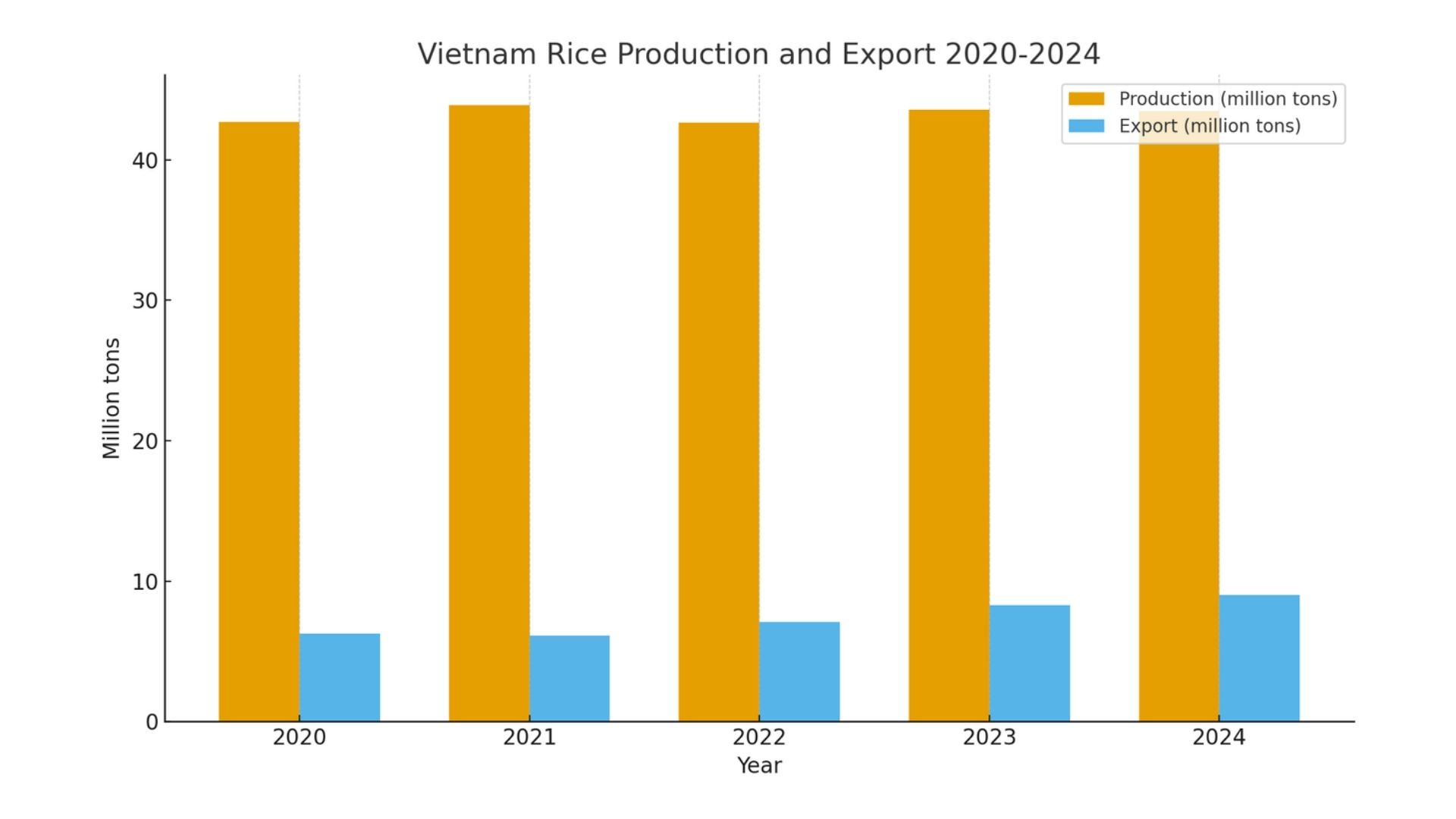
Vietnam is one of the world’s top three rice exporters. In 2024, Vietnam exported approximately 9.04 million tonnes of rice, valued at roughly USD 5.7 billion.
Vietnam exports rice to more than 100 countries and territories. The major export destinations included the Philippines, which took nearly 38.4% of the total export, valued at about USD 1.52 billion. Indonesia was the second-largest market, receiving around 1.2 tonnes, worth about USD 716 million. China, one of the world’s largest rice consumers, is also a key destination for Vietnam’s rice exports, with imports amounting to $494 million.
Over the past five years, Vietnam’s rice production has remained consistently high, ranging from about 42.6 to 43.9 million tons per year. This demonstrates stable domestic production capacity and ensures a strong export supply, helping Vietnam maintain its growing role as a key supplier in the global food supply chain.
Why is Vietnam a major global rice supplier?
-
Stable production
According to the Ministry of Agriculture and Rural Development, Vietnam maintains approximately 7.3 to 7.5 million hectares of rice-growing land. Average yields also show steady performance, ranging from 6.3 to 6.6 tonnes per hectare.
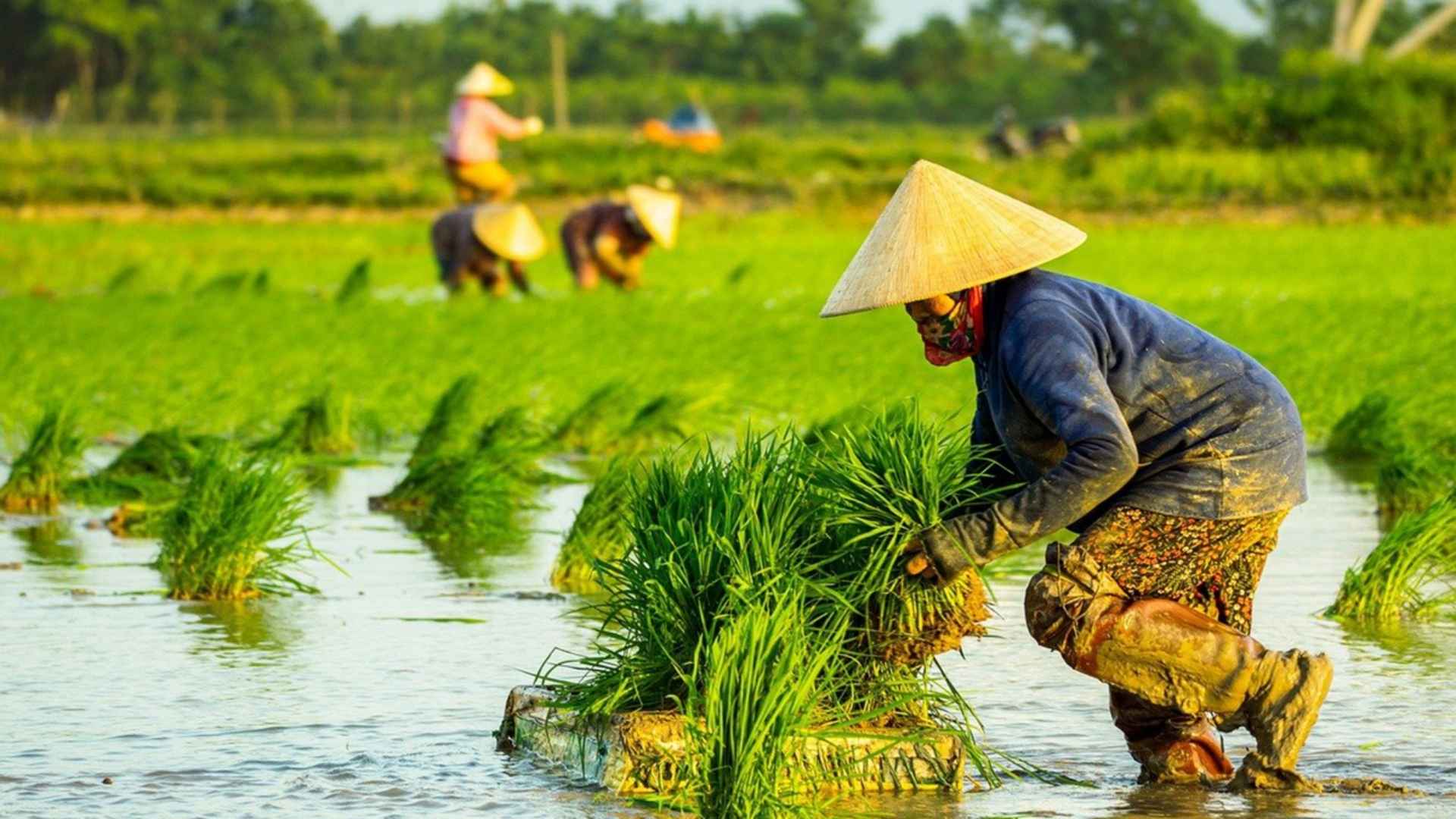
Vietnam’s rice sector is anchored in two primary rice-growing regions: the Mekong Delta in the south and the Red River Delta in the north. These regions are widely referred to as the “rice bowls” of Vietnam due to their fertile soils, abundant water supplies from river systems, and favorable climatic conditions for multiple cropping cycles each year.
- The Mekong Delta, which leads Vietnam’s rice production, contributes around 50% of the country’s total paddy output (about 24.5 million tonnes in 2023) and accounts for approximately 95% of Vietnam’s exported rice.
- The Red River Delta, while smaller, still accounts for approximately 18% of Vietnam’s rice land and contributes about 17% of total output.
In addition, Vietnam supports a highly reliable supply capacity by cultivating 2 to 3 rice crops each year, rather than relying on a single harvest. This includes Winter Spring crop, Summer Autumn crop, Autumn Winter crop, allowing production to take place almost year-round. This helps ensure a steady flow of raw paddy for milling and export.
-
High-quality rice
Vietnam has emerged as a globally recognized source of high-quality rice. For example, in 2025, ST25 rice reclaimed the World’s Best Rice title at the 7th World Rice Conference in Phnom Penh, sharing top honors with another premium rice variety and surpassing more than 30 international entries.
Beyond award-winning varieties, Vietnam has continued improving quality through modern farming practices, advanced milling technology, and strict quality control. Many producers have shifted toward fragrant, jasmine, long-grain, and organic rice, products that align with growing global demand for healthier and more premium food options.
Vietnam’s rice exports also adhere to a range of globally recognized quality and safety frameworks. A significant number of Vietnamese milling plants and exporters maintain certifications such as HACCP, ISO 22000, BRCGS, Halal, and both USDA Organic and EU Organic seals. These certifications demonstrate Vietnam’s capability to meet the strict import requirements of high-standard markets like the EU, the U.S., Japan, and South Korea.
-
Trade agreements
Vietnam currently participates in over a dozen trade agreements, including regional and bilateral frameworks. The most influential for rice exports include the EU-Vietnam Free Trade Agreement (EVFTA), the Comprehensive and Progressive Agreement for Trans-Pacific Partnership (CPTPP), and ASEAN’s network of free trade agreements with major economies. These agreements shape Vietnam’s position in the global rice trade by unlocking preferential tariff treatment and creating predictable regulatory environments that support long-term B2B sourcing.
Under the Vietnam-EU Free Trade Agreement (EVFTA), the EU grants Vietnam a preferential annual quota of 80,000 tons of rice, including 20,000 tons of unmilled rice, 30,000 tons of milled rice, and 30,000 tons of fragrant rice. Shipments within these quotas are fully exempt from the EU’s standard tariff of EUR 175 per ton, significantly reducing import costs for European buyers.
Top Vietnamese Rice Types to Import
Vietnam offers a diverse portfolio of rice varieties suited for different markets and applications. Below are the top 5 exported rice categories in 2024–2025, ranked by export value.
| Rank | Rice type | Export value (2024) | Characteristics |
| 1 | White rice (5% broken) | USD 2.96 billion | Vietnam’s primary export type is widely supplied to markets across Asia and Africa. |
| 2 | Fragrant rice | USD 1.13 billion | Premium aromatic varieties are favored in high-end and quality-focused markets. |
| 3 | White rice (25% broken) | USD 450 million | A more affordable grade commonly used in budget markets |
| 4 | Glutinous rice | USD 360 million | Sticky rice is typically used in traditional dishes, snacks, and confectionery. |
| 5 | Japonica rice | USD 230 million | Short-grain rice is popular in Japan, South Korea, and premium Asian cuisine. |
Let’s take a closer look at the varieties that international buyers often select.
-
Jasmine rice
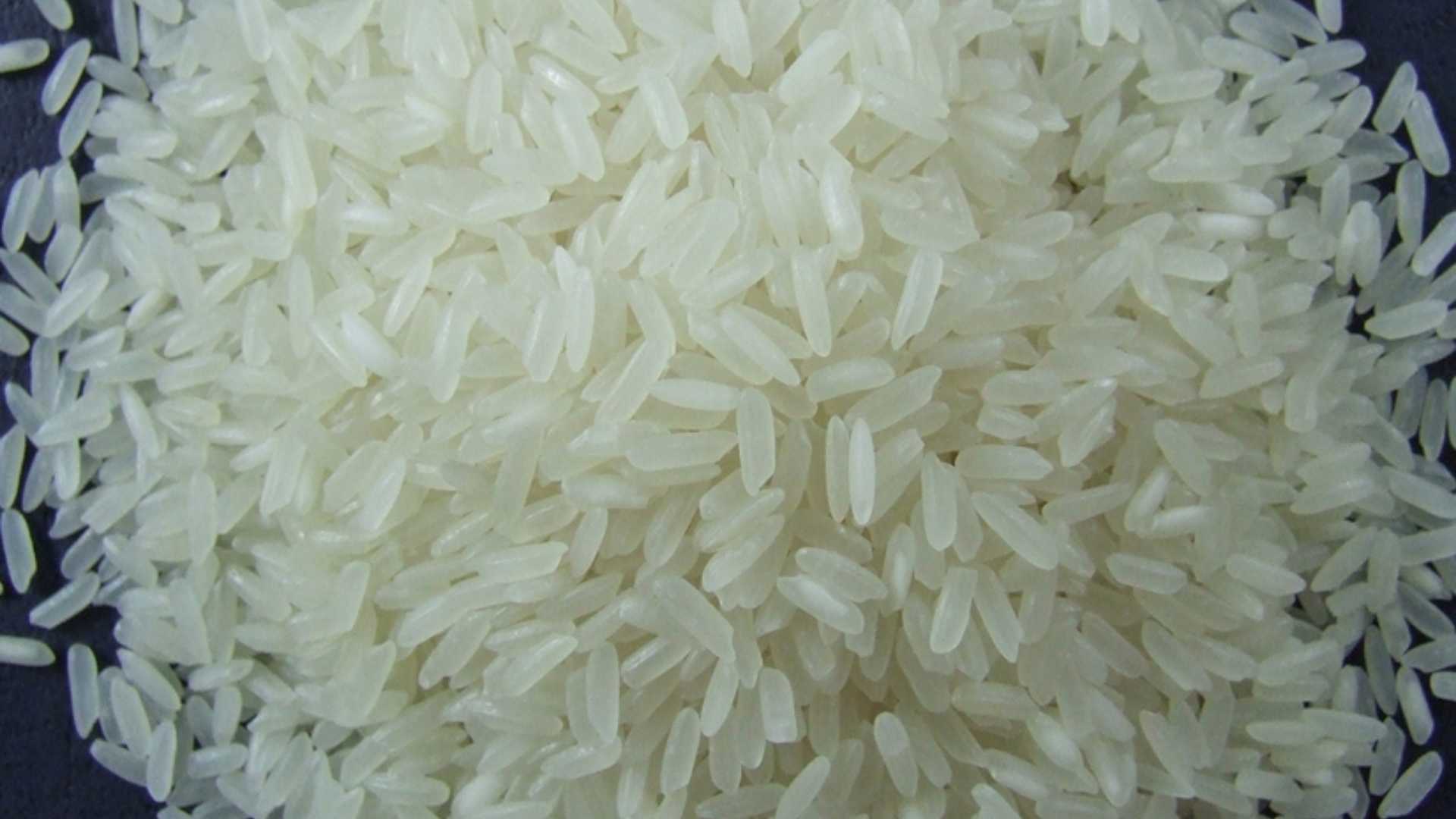
Vietnamese Jasmine rice is a long-grain fragrant variety known for its slender shape, soft texture, and light pandan-like aroma when cooked. It is commonly exported as 5% broken white rice and is widely used across retail and food-service sectors due to its consistent milling quality and consumer appeal. According to USDA reporting, Vietnam exported around 864,300 MT of Jasmine rice in the first half of 2024, with African markets accounting for a large share of the demand.
Vietnam’s 2024–2025 average export prices commonly ranged between USD 450–600 per ton, depending on contract terms and quality.
Jasmine rice is primarily cultivated in the Mekong Delta, especially in An Giang and Dong Thap provinces, known for large-scale fragrant rice production.
-
Japonica rice
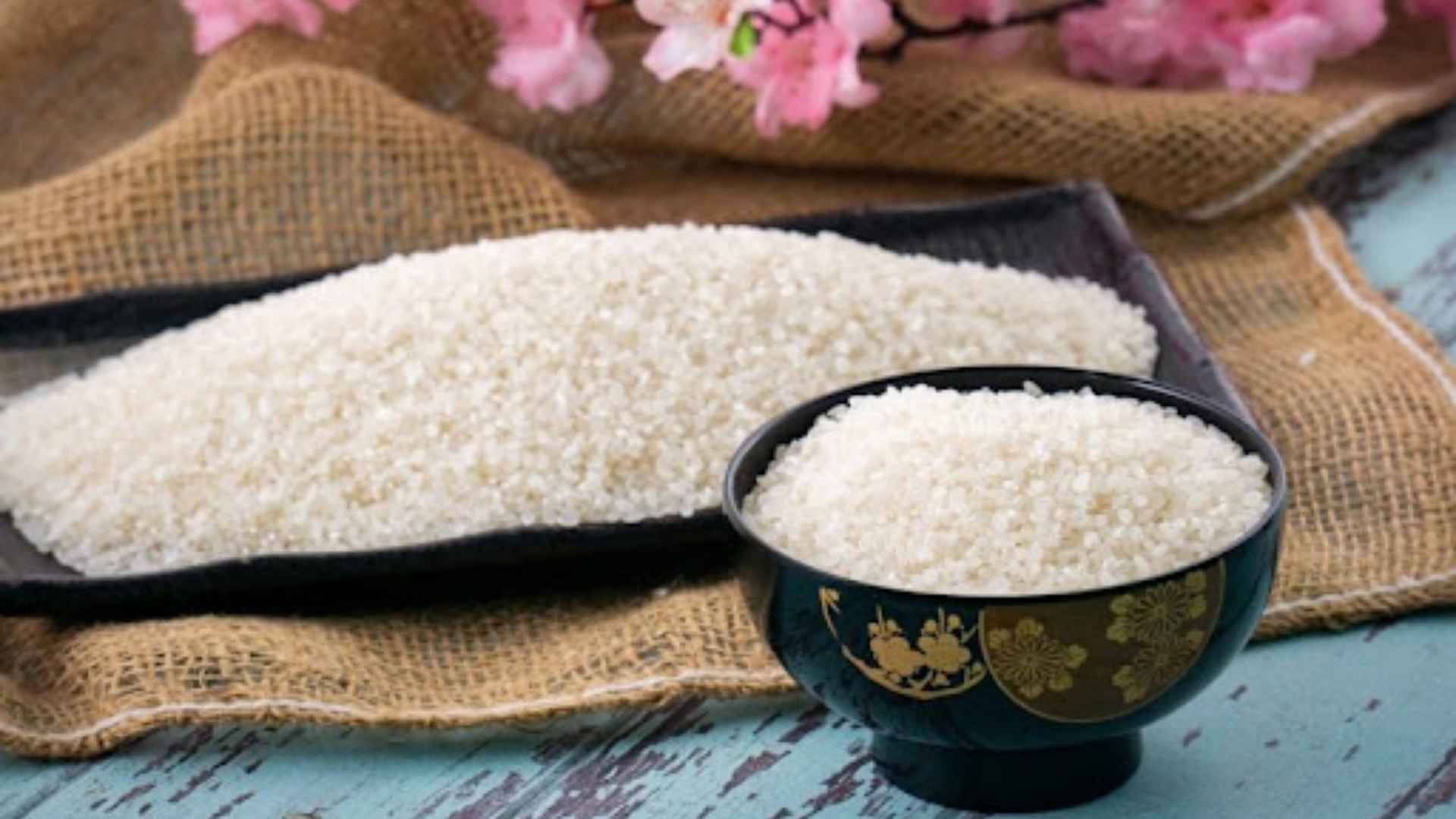
Vietnamese Japonica rice features short to medium-short round grains, high amylopectin content, and a naturally sticky, slightly sweet taste when cooked, making it suitable for Japanese, Korean, and sushi-focused cuisine. In Vietnam, Japonica is positioned as a premium export product, supported by certifications such as low-emission or green-farming labels.
In 2025, Vietnam exported its first certified low-emission Japonica batch of 500 tons to Japan, priced at approximately USD 820 per ton, significantly above general long-grain rice prices. Although Japonica represents a smaller share of Vietnam’s overall export structure, it serves high-value markets such as Japan, South Korea, and other territories requiring premium short-grain rice.
Production is concentrated in the Mekong Delta, including provinces such as Dong Thap and An Giang, where exporters have expanded Japonica farming to meet higher-value market standards.
-
ST25
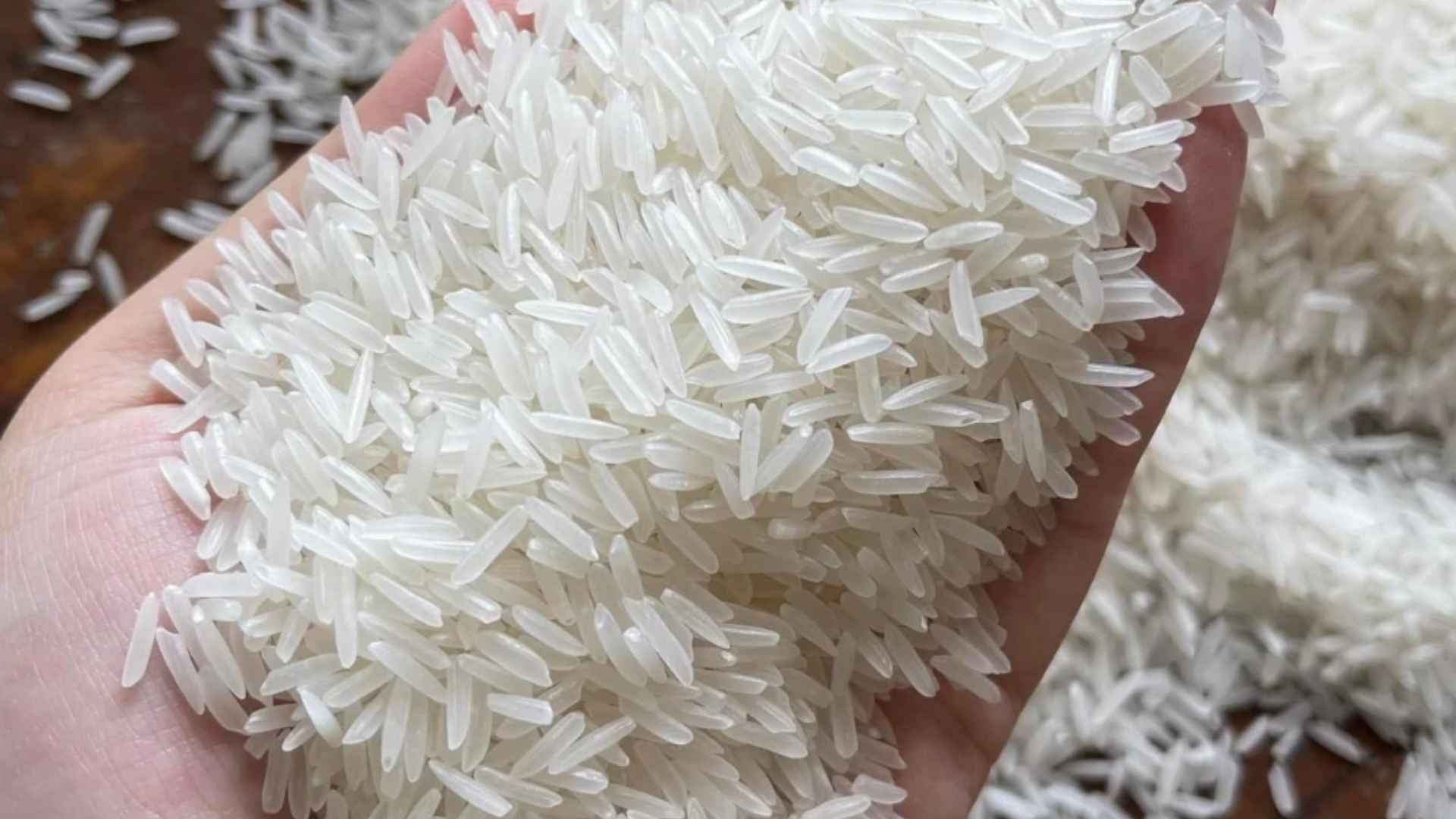
ST25 is a specialty Vietnamese long-grain aromatic rice variety recognized globally for its premium quality and unique pandan-like fragrance. Its grains cook soft and slightly sticky, making it a preferred gourmet choice in both domestic and export markets.
Market listings for ST25 retail and wholesale products show a typical price range of USD 1.58–1.70 per kilogram (approximately USD 1,580–1,700 per ton).
ST25 is cultivated mainly in coastal Mekong Delta provinces, especially Soc Trang, along with Bac Lieu and Ca Mau, where the ST-series was originally bred and optimized for high aroma and grain quality.
-
Nang Hoa
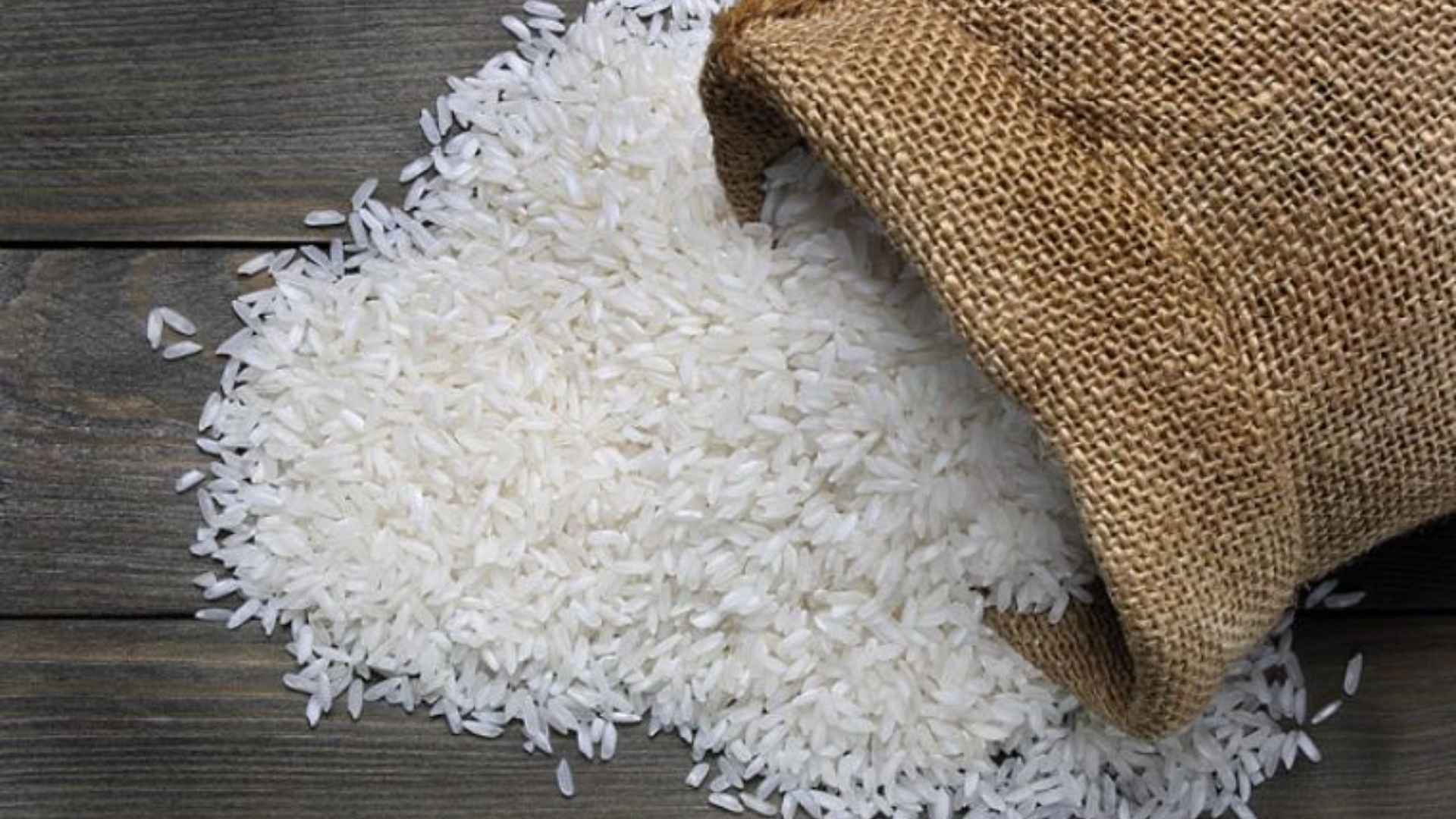
Nàng Hoa 9 is a Vietnamese long-grain fragrant rice noted for its slightly sweet taste, pleasant aroma, and good cooking quality. It is widely used for both domestic consumption and regional export due to its appealing grain appearance and milling performance.
Domestic retail listings show price levels typically ranging from VND 20,000-30,000 per kilogram (roughly USD 0.85–1.30 per kilogram).
Production is mainly sourced from the Mekong Delta, where suppliers utilize irrigated farming systems to maintain stable fragrant rice quality for both retail and export channels.
Quality requirements and compliance for rice export
When you plan to import rice from Vietnam, understanding quality requirements and compliance standards is essential. These rules help you avoid shipment delays, regulatory issues, or quality failures in your supply chain.
-
Quality standards
Export rice from Vietnam must meet rigorous standards to satisfy market requirements.
According to Codex STAN 198-1995 issued by the Codex Alimentarius Commission, white rice for export must generally not exceed 15% moisture content, and must contain no more than 0.5% organic impurities, and 0.1% inorganic impurities. Rice must have uniform colour, no off-odours or strange taste, and be free from live insects or mites.
Moreover, to pass customs smoothly, exporters also need to prepare several quality certificates, such as:
- HACCP (Hazard Analysis and Critical Control Points)
- GMP (Good Manufacturing Practice)
- BRCGS (British Retail Consortium Global Standards)
- ISO 22000
- Phytosanitary Certificate issued by MARD, confirming that the rice meets the required health and safety standards.
-
Food safety standards
Rice for exporting must meet strict requirements, including limits on heavy metals, pesticide residues, and other hazardous substances.
Some food safety standards for rice export according to the WHO guidelines:
| # | Parameter Name | Unit | Maximum limit |
| 1 | Inorganic Arsenic (As) | mg/kg | 0.20 |
| 2 | Cadmium | (mg/kg) | 0.4 |
| 3 | Lead | (mg/kg) | 0.2 |
| 4 | Aflatoxin B1 | (ug/kg) | 5 |
| 5 | Total Aflatoxins (B1 + B2 + G1 + G2) | (ug/kg) | 10 |
| 6 | Ochratoxin A (OTA) | (ug/kg) | 5 |
In addition, exported rice must be processed and stored under strict hygienic conditions to prevent microbiological contamination, including pathogens, mold, or parasites.
-
Import market requirements
Each country has its own customs procedures for imported products. Exporters must proactively research the legal requirements of every target market.
Below are the main documents typically required at customs when importing rice:
- Bill of lading
- Commercial invoice
- Packing list
- Certificate of Origin to benefit from tariff reductions under Free Trade Agreements (FTAs)
-
Packaging & labeling rules
Proper packing and labeling are essential parts of export compliance.
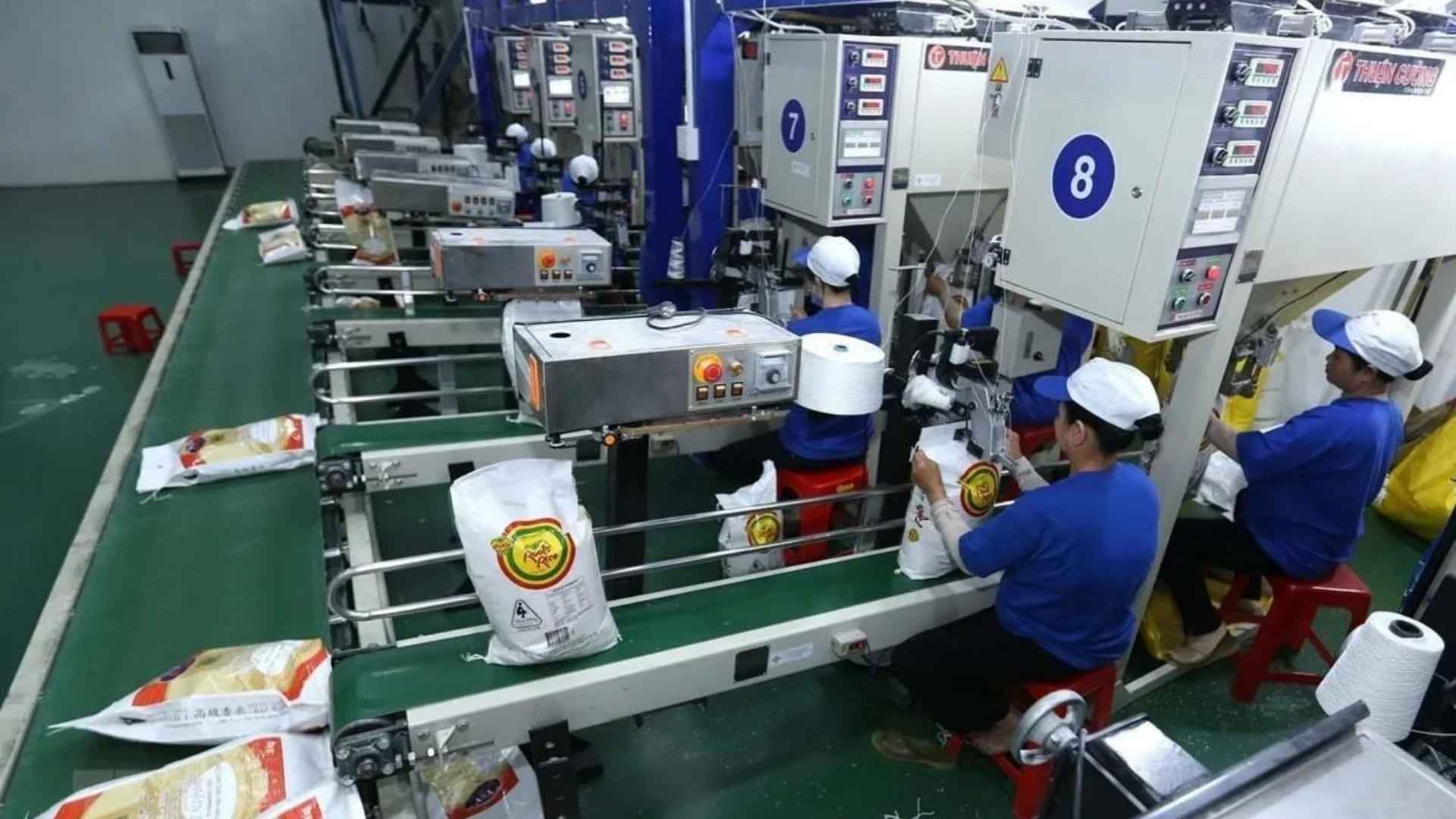
For bulk or sack packaging, exported rice must be packed in approved materials, typically PE, PP, or multi-layer kraft paper. These bags are food-grade, durable, moisture-resistant, and widely accepted in international trade.
Labeling must also comply with destination-country regulations. Mandatory or standard label fields commonly include:
- Product name (e.g., Jasmine Rice or specific variety name).
- Net weight (e.g., 25 kg, 50 kg).
- Origin: country of origin (e.g., Vietnam)
- Exporter name and contact information (exporter company name, address, sometimes contact or registration number).
- Batch number or lot number (for traceability).
- Production date/packing date/expiry date (or best before date), if required under destination market regulation.
- Storage and handling instructions or warnings (e.g., “Store in a cool dry place”, “Protect from moisture”).
Labels should be printed in the local language (e.g., Japanese or Korean) or, at the very least, in English.
Keep in mind that each country has its own food-labeling regulations. For example, the EU follows Regulation 1169/2011. Therefore, make sure to review the relevant labeling requirements carefully before importing.
Combined adherence to the above standards will help global buyers reduce the risk of rejection, ensure compliance with destination-market regulations, and support long-term sourcing relationships.
Where to find reliable rice suppliers in Vietnam
-
Local factories
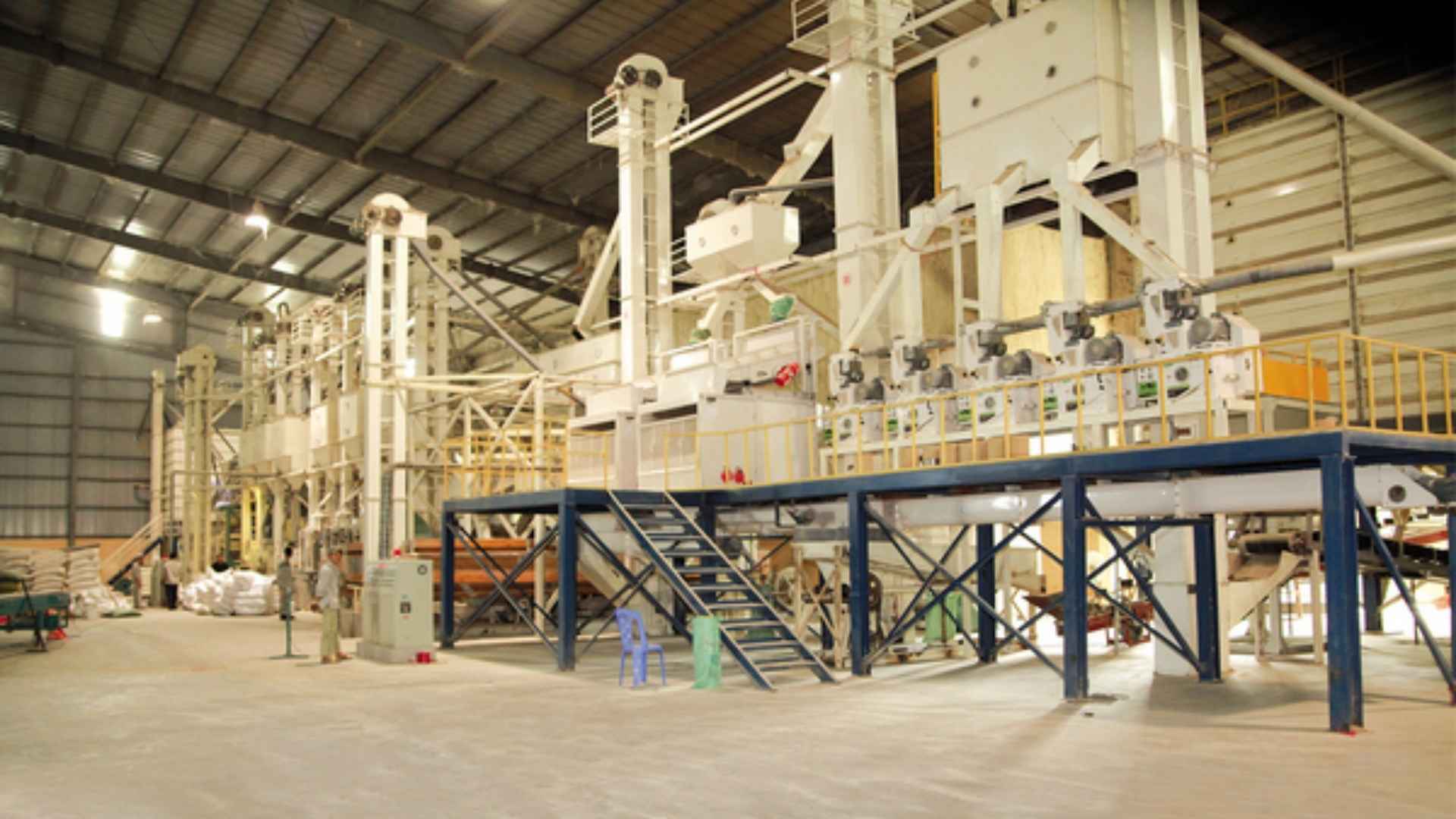
Working with a factory ensures closer control over quality management, production scheduling, and compliance with export standards. Buyers can often arrange on-site visits, negotiate specifications for packaging and labeling, and secure long-term procurement contracts with a more predictable supply.
Below are some well-established rice factories in Vietnam
Vinafood 2 is one of the most notable rice exporters in Vietnam. The company operates 14 units, with branches located in Ho Chi Minh City and several Mekong Delta provinces. Its rice processing capacity exceeds 1 million tons per year. The company exports a range of rice products to international markets, including standard white rice and aromatic rice varieties that meet stringent quality criteria.
Typical export product range includes:
- White rice
- Jasmine / fragrant rice
- Glutinous rice
Contact details:
- Website: www.vinafood2.com.vn
- Email: [email protected]
- Tel: (84-28) 3.8370026 – 3.8370027
Trung An Hi-Tech Agriculture Joint Stock Company is recognized for its strong focus on high-quality rice varieties and the integration of advanced technology throughout its cultivation and processing stages. The company applies strict farming standards, modern milling systems, and traceability solutions to ensure consistent quality. The company supplies rice for both domestic consumption and international markets, with exports growing steadily over recent years.
Key product categories often associated with Trung An include:
- Fragrant rice
- White rice
- Janponica rice
Contact details:
- Website: www.trunganrice.com
- Email: [email protected]
- Tel: 02923.857.336 – 02923.852.446
-
Use online platforms
When importing rice from Vietnam, online B2B platforms are an effective way to find verified suppliers, compare product specifications, and evaluate their export capabilities in a timely manner.
These are three widely used platforms for sourcing Vietnamese rice, each offering distinct advantages for international procurement.
Alibaba is one of the world’s largest B2B e-commerce marketplaces, connecting global buyers with manufacturers and exporters across multiple categories, including agricultural products such as Vietnamese rice. It is widely used by importers who want to evaluate a large pool of suppliers quickly.
Key features:
- Large supplier databases
- Product filters for rice type
- Trade Assurance program for payment protection and dispute handling
- Supplier verification badges based on business licenses, production facilities, and export history
- Request for Quotation to compare multiple quotes
VinaSources is a Vietnam-focused sourcing ecosystem designed specifically to connect global buyers with verified Vietnamese manufacturers. The platform is built to help international buyers access verified Made-in-Vietnam suppliers, including those in agricultural products such as rice.
Key features:
- Supplier network fully based in Vietnam
- Product filters for rice type
- Integrated QC, logistics, warehousing, customs clearance, and trade compliance support
- Export compliance support
TradeKey is a global B2B marketplace used by exporters and importers in more than 240 countries. It includes a strong agricultural segment where many Vietnamese rice suppliers list their products. The platform is known for connecting SMEs with global buyers through direct communication features.
Key features:
- International database of rice exporters and agricultural suppliers
- Company profiles with trade history, certification status, and response rates
- Secure communication and an optional premium membership for deeper supplier verification
-
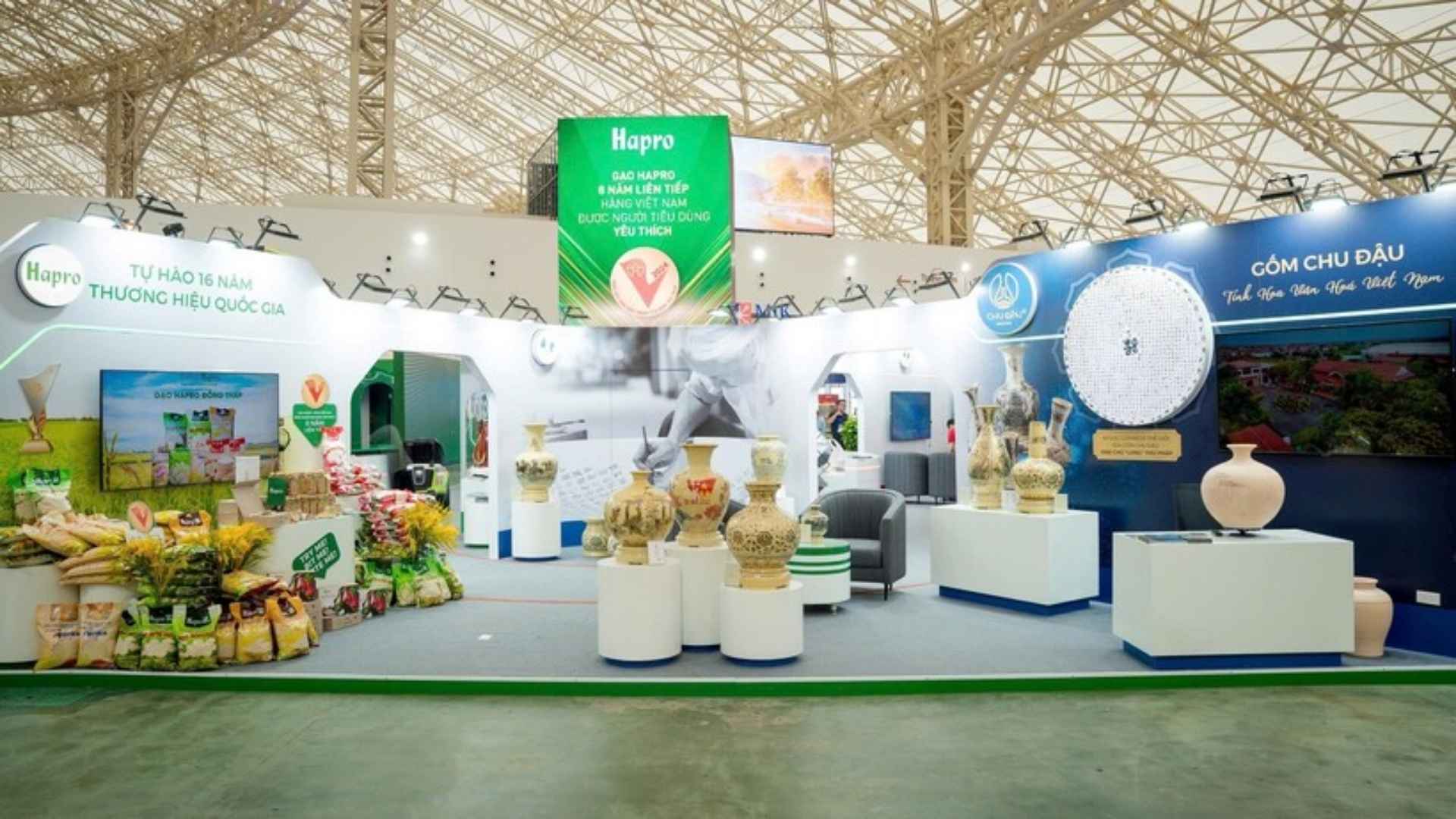
Visit trade shows
Attending major trade shows focused on food and agriculture in Vietnam is a strategic way to identify reliable suppliers, evaluate product quality, and build business relationships.
Vietnam has an increasingly robust trade show ecosystem that emphasizes agricultural products, especially rice, which is one of the country’s key exports. Three notable events in this category are Vietnam Foodexpo, Vietnam International Rice Festival, and HortEx Vietnam. Each event attracts local and international buyers and offers exposure to key rice suppliers and processors.
Vietnam Foodexpo is one of the largest food and beverage trade exhibitions in Vietnam. The event traditionally highlights a wide range of food categories, including staples such as rice, rice products, processed foods, and beverages. In 2025, Vietnam Foodexpo was kicked off in Ho Chi Minh City on November 12, attracting more than 500 booths from nearly 400 local and foreign companies.
The Vietnam International Rice Festival is a dedicated event celebrating Vietnam’s rice sector. It is organized under the auspices of the Vietnam Ministry of Industry and Trade in collaboration with provincial and industry partners. It focuses on rice varieties, farming technologies, milling and processing equipment, and rice export promotion.
HortEx Vietnam is an international trade fair focused on horticulture, fruits, vegetables, and related agricultural technology. Organized annually in Ho Chi Minh City, HortEx offers networking between buyers and suppliers of agricultural products. In 2026, it will be held in SECC, Ho Chi Minh City, from 20-22 May 2026.
How to import rice from Vietnam
Importing rice from Vietnam involves a series of structured steps that you can follow below:
-
Identify a reliable supplier
Finding the right supplier is the first and most important step. You could start by reviewing export records, certifications, and product catalogs. Vietnamese rice mills often vary in capacity, technology, and experience, so evaluating these factors will help you narrow down your list.
A few things to check carefully include:
- Export experience with your target market
- Certifications such as HACCP or ISO 22000
- Modern milling and sorting equipment
- Transparent communication and sample policies
A quick tip you can try is to ask suppliers about their current clients. This may help you understand their market position and reliability.
-
Request samples
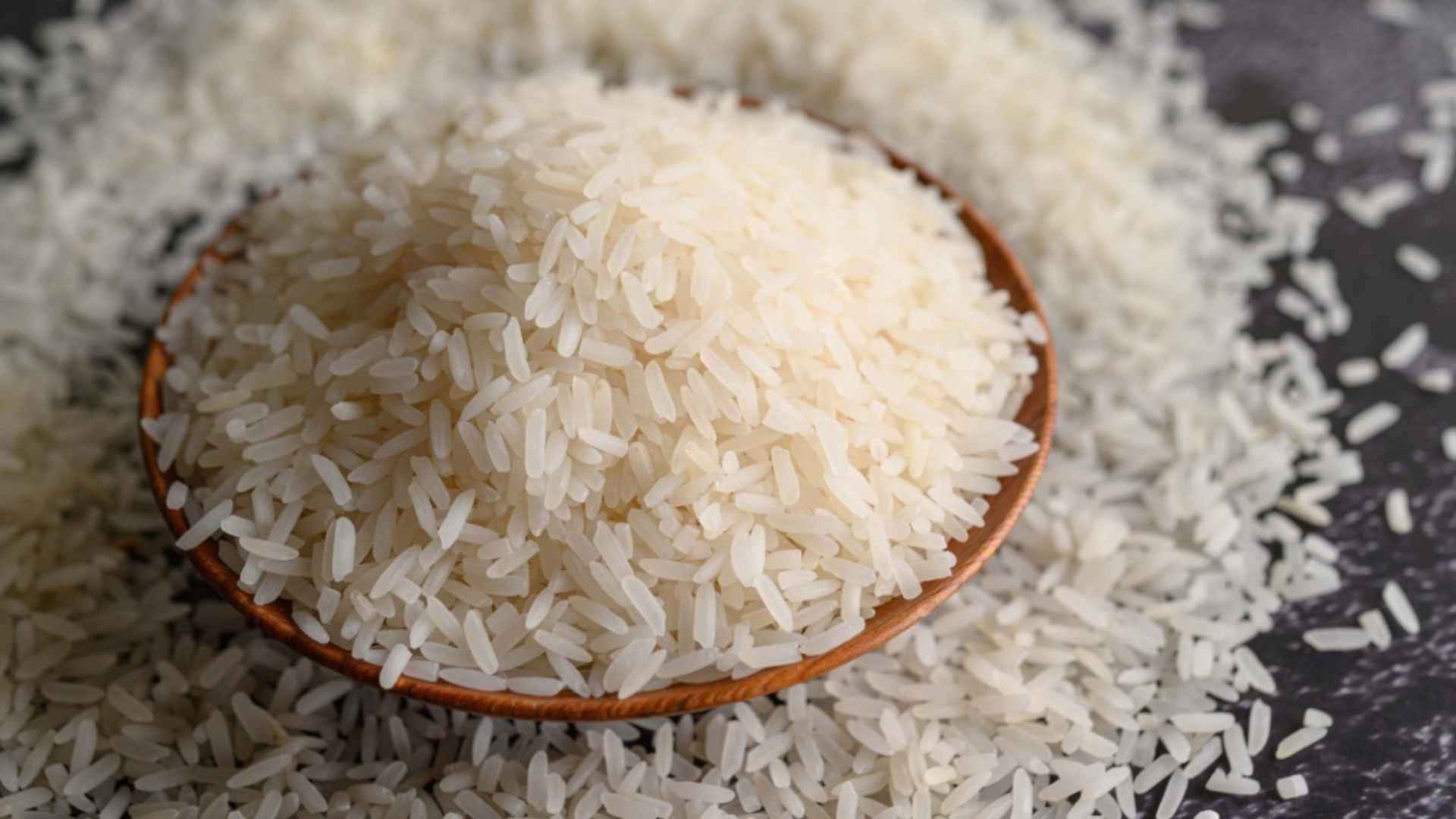
Before finalizing any major purchase, ask suppliers for product samples. Samples allow you to evaluate grain appearance, aroma, moisture, and cooking performance. You may also compare multiple suppliers to see which one best fits your specifications. When checking samples, focus on: Moisture content, Grain size and uniformity, Percentage of broken grains, and Aroma or variety classification (e.g., Jasmine, long-grain white)
These quality parameters are critical because they directly influence price, cooking characteristics, and buyer acceptance in the target market.
-
Make a contract
Once you choose a supplier, the next step is to create a detailed contract. Clear documentation helps prevent misunderstandings in quality, lead time, or packaging. You should also define responsibilities for both sides.
A complete rice import contract usually covers:
- Product specifications and moisture limits
- Price and payment terms
- Inspection methods and dispute resolution
- Packaging and labeling requirements
- Delivery terms such as FOB or CIF
It may also be helpful to include penalties or claims procedures if the rice does not meet contracted standards.
-
Production control quality
Even with a strong supplier, ongoing quality control is essential. You can request production updates and photos, or arrange third-party inspections for added security. Many buyers use independent agencies to test moisture, pesticide residues, and microbiological safety.
A quick tip you can try is to schedule inspections when the rice is packed but not yet loaded. This timing gives you more flexibility to correct issues.
-
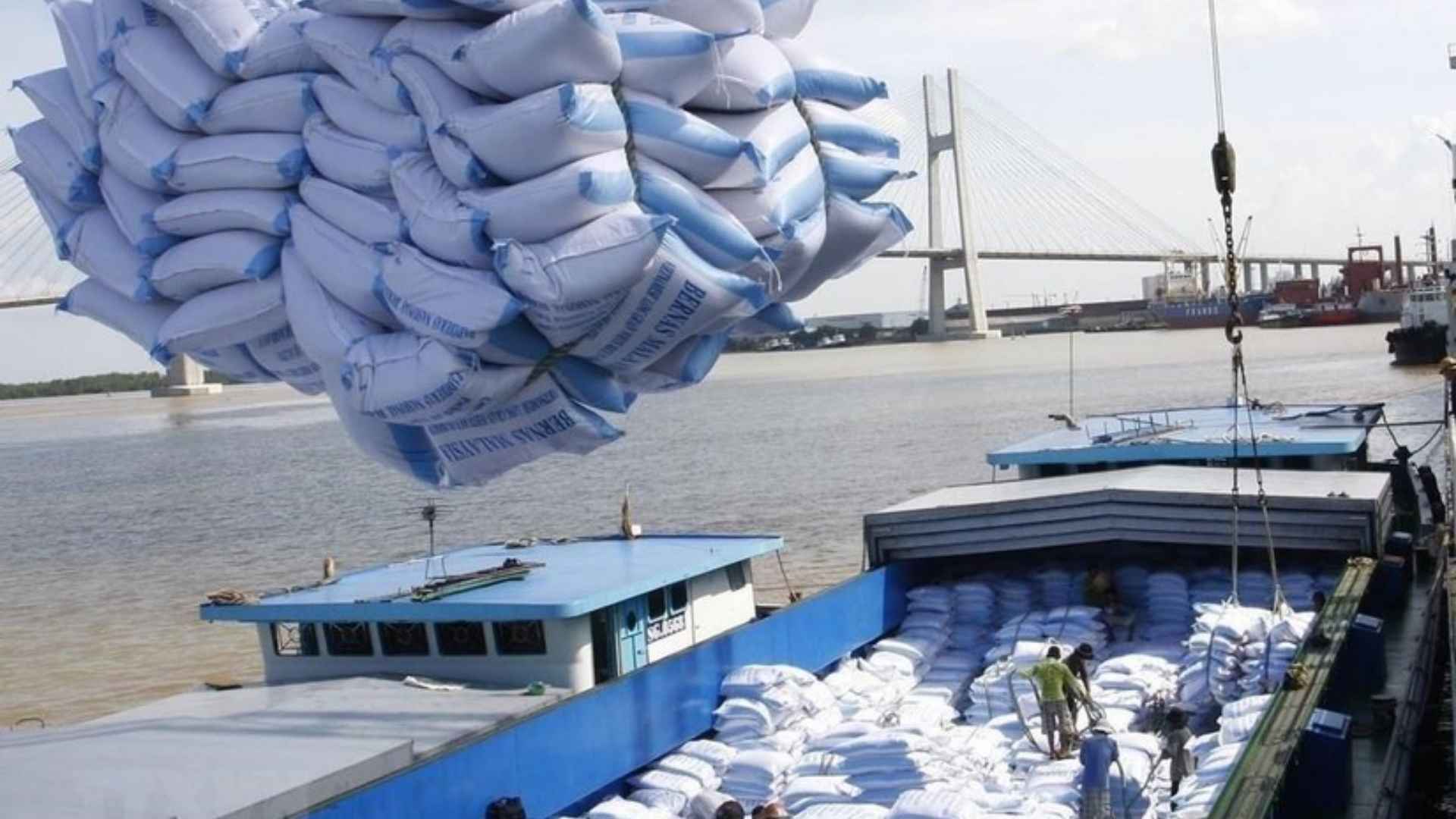
Manage shipping
When importing rice from Vietnam, choosing the right shipping method is essential to ensure cost-efficiency, product quality, and timely delivery. The two primary transport options are:
- Sea freight (container or bulk): The most common mode for large volumes. Lead times vary but generally are measured in weeks, depending on the destination.
- Air cargo: Used for smaller or urgent shipments, though the cost is significantly higher.
VinaSources – Your Trusted Partner for Importing Rice from Vietnam
Vietnam’s rice export industry continues to grow strongly, giving global importers excellent opportunities to source premium, cost-effective rice. As demand increases, choosing a reliable sourcing partner becomes essential to maintain a consistent supply, ensure product safety, and secure services tailored to your business needs.
If you are searching for a trustworthy Vietnamese rice supplier, VinaSources is here to support you with high-quality rice products and exceptional service.
VinaSources operates as a specialized B2B sourcing platform that helps global buyers connect with verified rice manufacturers across Vietnam. The platform is designed to match you with suppliers that fit your scale, whether you are a small retailer seeking steady monthly volumes or a large distributor requiring long-term bulk supply.
To make sourcing easier, VinaSources provides a powerful product filter system that allows you to choose exactly the rice type you need. All you need is to browse the agriculture catalog and filter by rice grade, fragrance level, grain length, broken percentage, packaging, and more. This tool helps you save time and focus only on suppliers that can meet your specifications.
The platform also maintains a wide network of experienced rice producers. These partners follow strict quality standards, ensuring that buyers can source delicious, export-grade rice at competitive prices. With strong supplier connections and transparent processes, VinaSources increases your chances of securing stable supply contracts and accessing better pricing in the Vietnamese rice market.
Start sourcing with confidence today by contacting us at [email protected] or calling 1900 4356 to connect with the right Vietnamese rice suppliers for your business.