
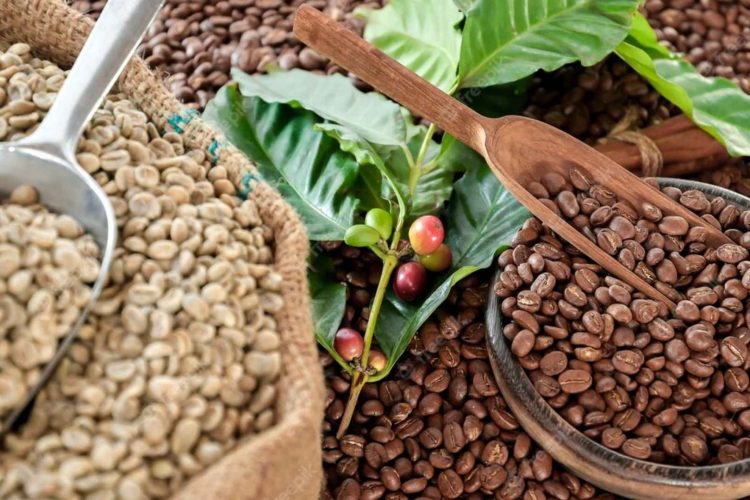
Looking to import coffee from Vietnam? Traders worldwide often have questions like where to find reliable coffee suppliers or how to navigate the import process.
In this article, we’ll guide you step by step on successfully importing Vietnamese coffee and managing the complexities of international trade.
Overview of Vietnam coffee production
Vietnam has long established itself as a global coffee powerhouse, supplying some of the world’s largest roasting, instant coffee, and beverage industries.
Vietnam ranks as the second-largest coffee producer in the world, behind only Brazil. According to FAO statistics, Vietnam accounted for about 17.7 percent of global green coffee production in 2023.
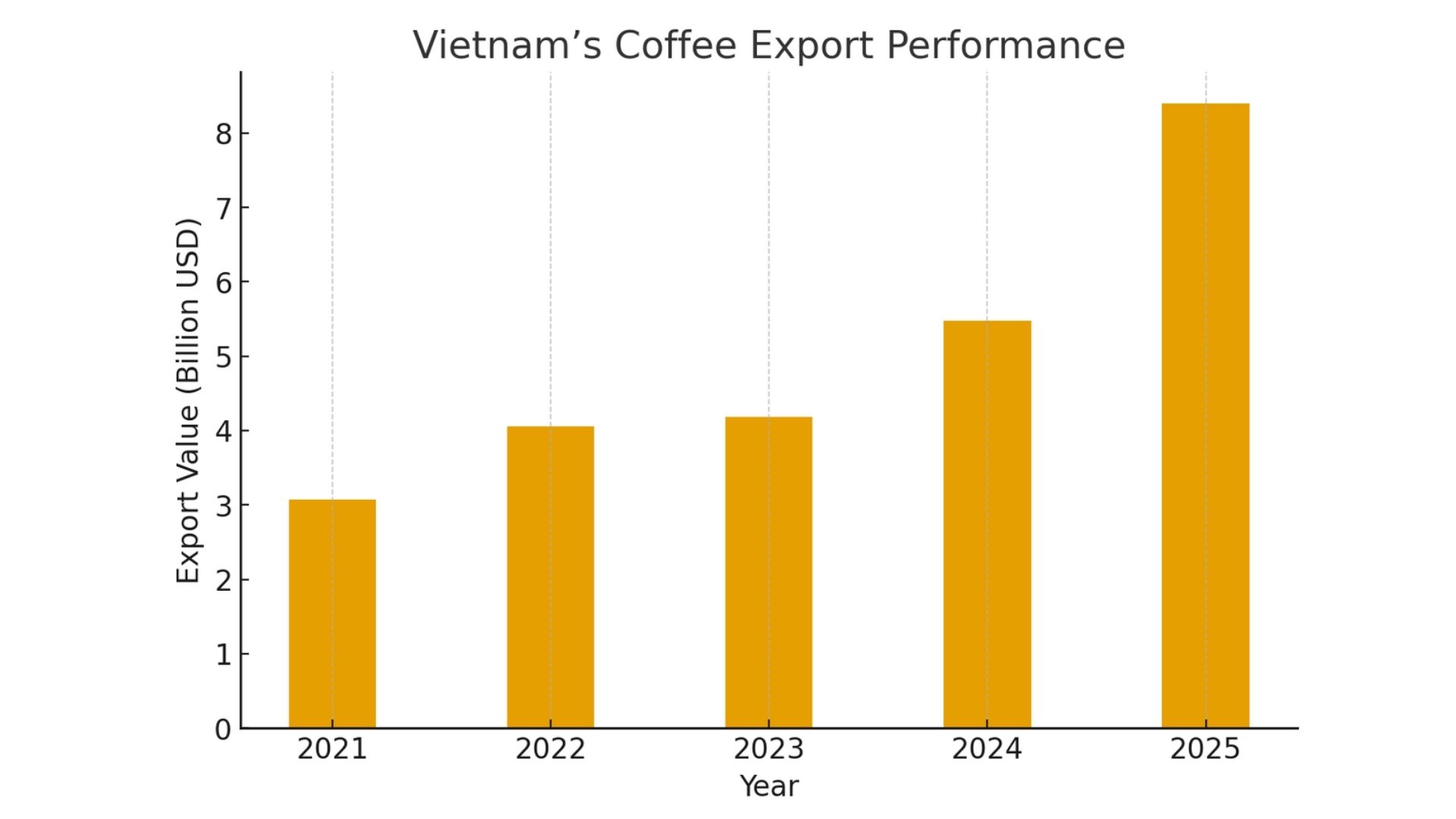
Coffee remains one of Vietnam’s highest-earning agricultural products and is consistently among the top contributors to national export turnover. Data from Vietnam Customs shows that the country exported approximately 1.61 million tonnes of coffee in 2023, generating about 4.18 billion USD in revenue.
Why Vietnam is a leading source of coffee
-
Robust flavor
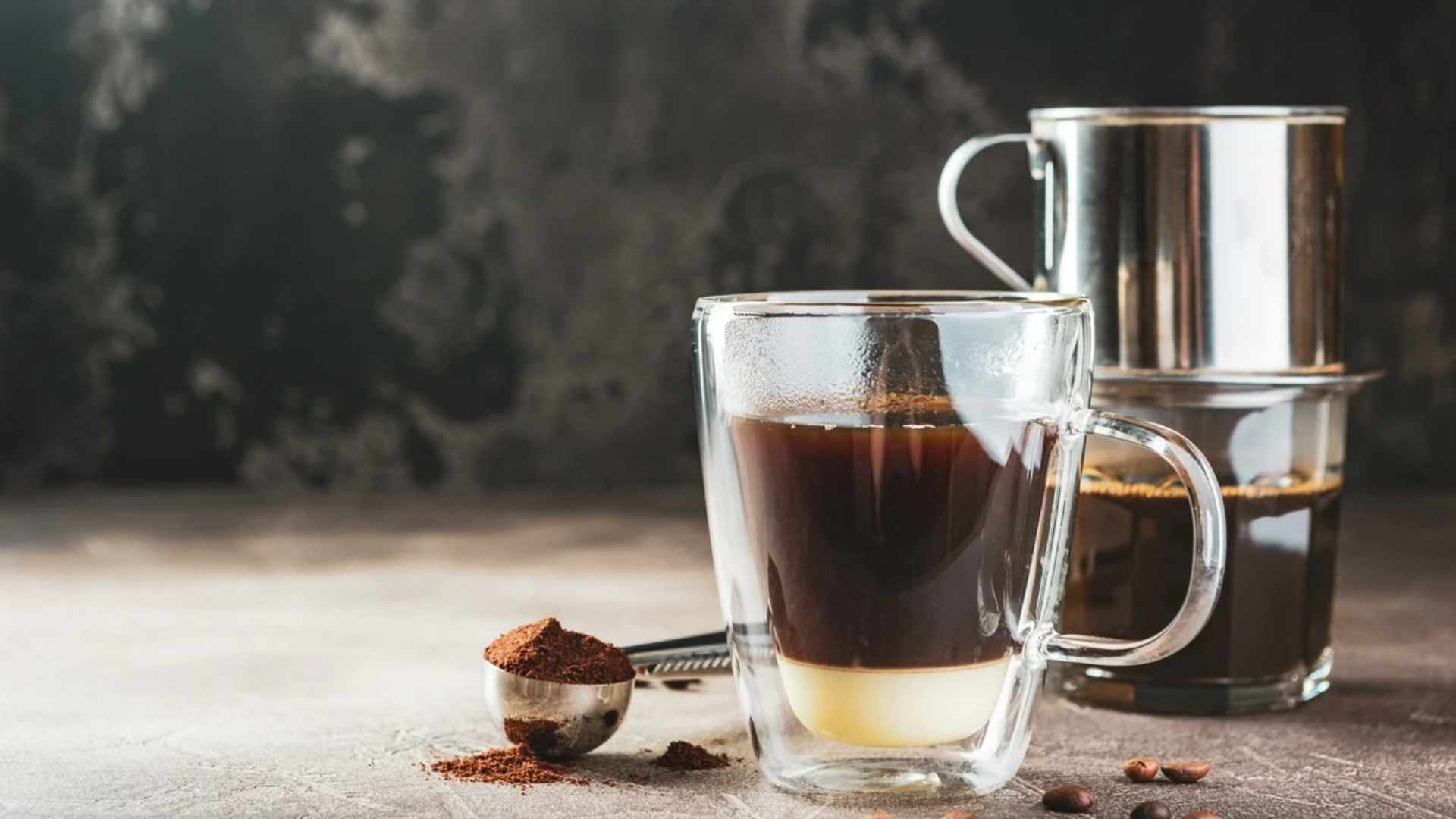
Vietnamese coffee is recognized for its bold and distinctive flavor profile. Many buyers value it for its higher caffeine content, strong aroma, and rich, earthy taste.
Robusta, in particular, is the backbone of Vietnam’s coffee industry and accounts for most of the country’s export volume. Several Vietnamese Robusta lots have reportedly achieved quality scores of 80 points+ on the Specialty Coffee Association (SCA) scale, qualifying them for international recognition as “high-quality Robusta.”
-
Price stability
When importers evaluate long-term sourcing opportunities, price stability becomes just as important as quality or volume.
Vietnam benefits from large-scale coffee production concentrated in key regions such as Đak Lak, Gia Lai, Đak Nông, Kon Tum, and Lam Đồng. Because production is geographically concentrated and highly consistent, Vietnam maintains competitive and relatively stable export prices over time, even during periods of global market volatility.
In addition, according to industry trade data, the FOB price of Vietnamese coffee is typically around 5% lower than the global average. This means that even when nominal selling prices are similar to other producing countries, Vietnam still offers more competitive landed costs thanks to lower logistics and transportation expenses.
-
Tariff incentives
Vietnam participates in several major free trade agreements, including EVFTA, UKVFTA, and CPTPP, which provide its coffee products with preferential access to key global markets. These incentives help importers reduce or even eliminate customs duties and create more predictable pricing structures.
For example, the EU-Vietnam Free Trade Agreement (EVFTA) confirms that all unroasted and roasted coffee from Vietnam enters the EU with a 0% import tariff. This tariff elimination strengthens Vietnam’s competitiveness in Europe and gives importers additional cost advantages compared to sourcing from non-FTA countries.
Types of Vietnamese coffee for import
Vietnam offers a wide range of coffee products that suit both commercial roasters and specialty buyers.
Let’s take a closer look at the main types you may consider when you plan to import coffee from Vietnam:
-
Green Robusta beans
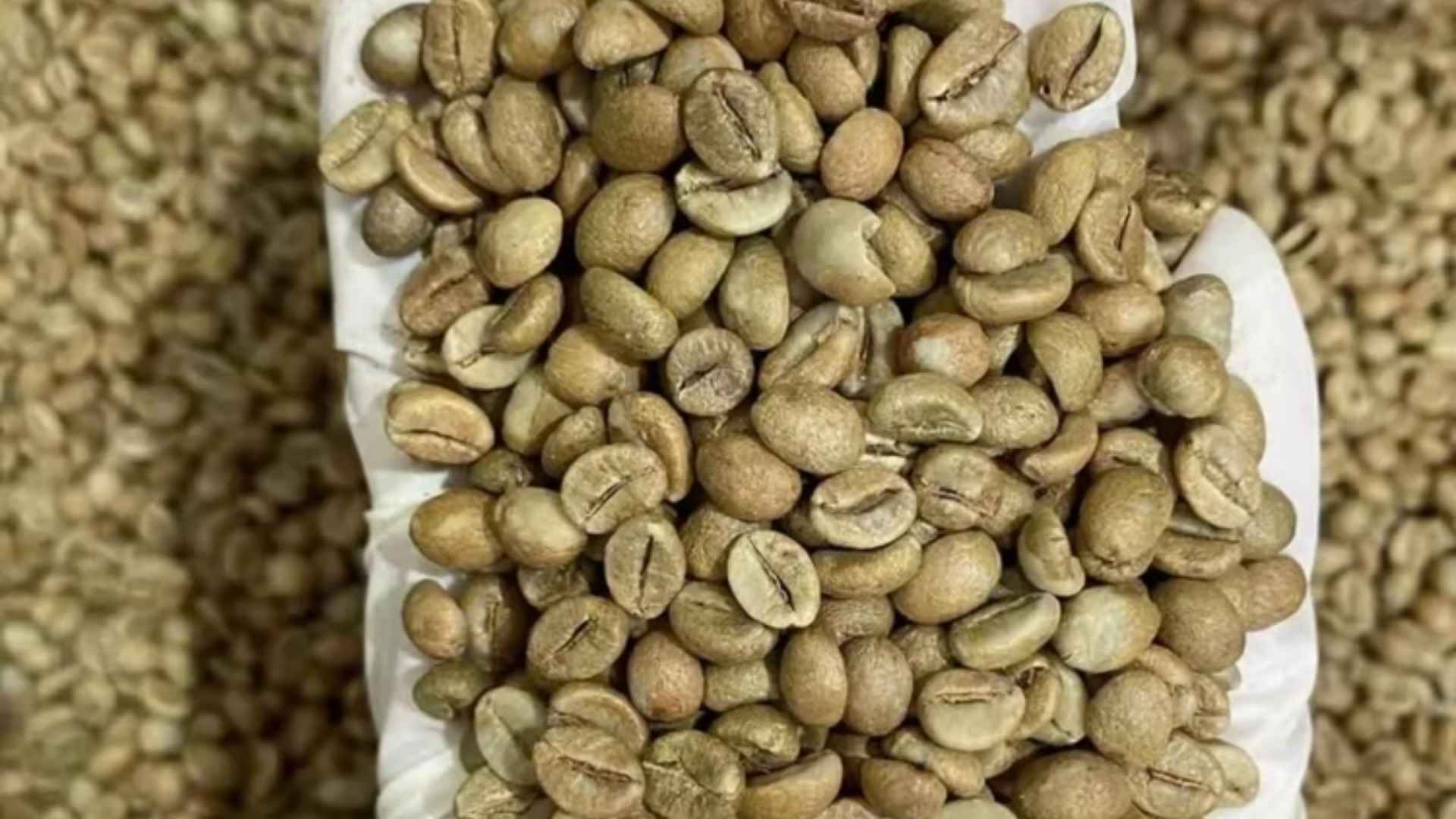
Robusta is the core of Vietnam’s coffee industry. These beans are known for a strong, bold taste. Vietnam is the world’s largest producer of robusta coffee, accounting for over 40% of global robusta output. The USDA reports that Vietnam exported about 22.35 million bags of green coffee, with roughly 92 percent of that volume classified as Robusta.
Robusta is mostly grown in the Central Highlands, especially Đak Lak, Gia Lai, Đak Nông, and Kon Tum, where stable climate and fertile volcanic soil support consistent annual yields.
Main importing markets: Germany, Italy, Spain, Japan, and the United States
-
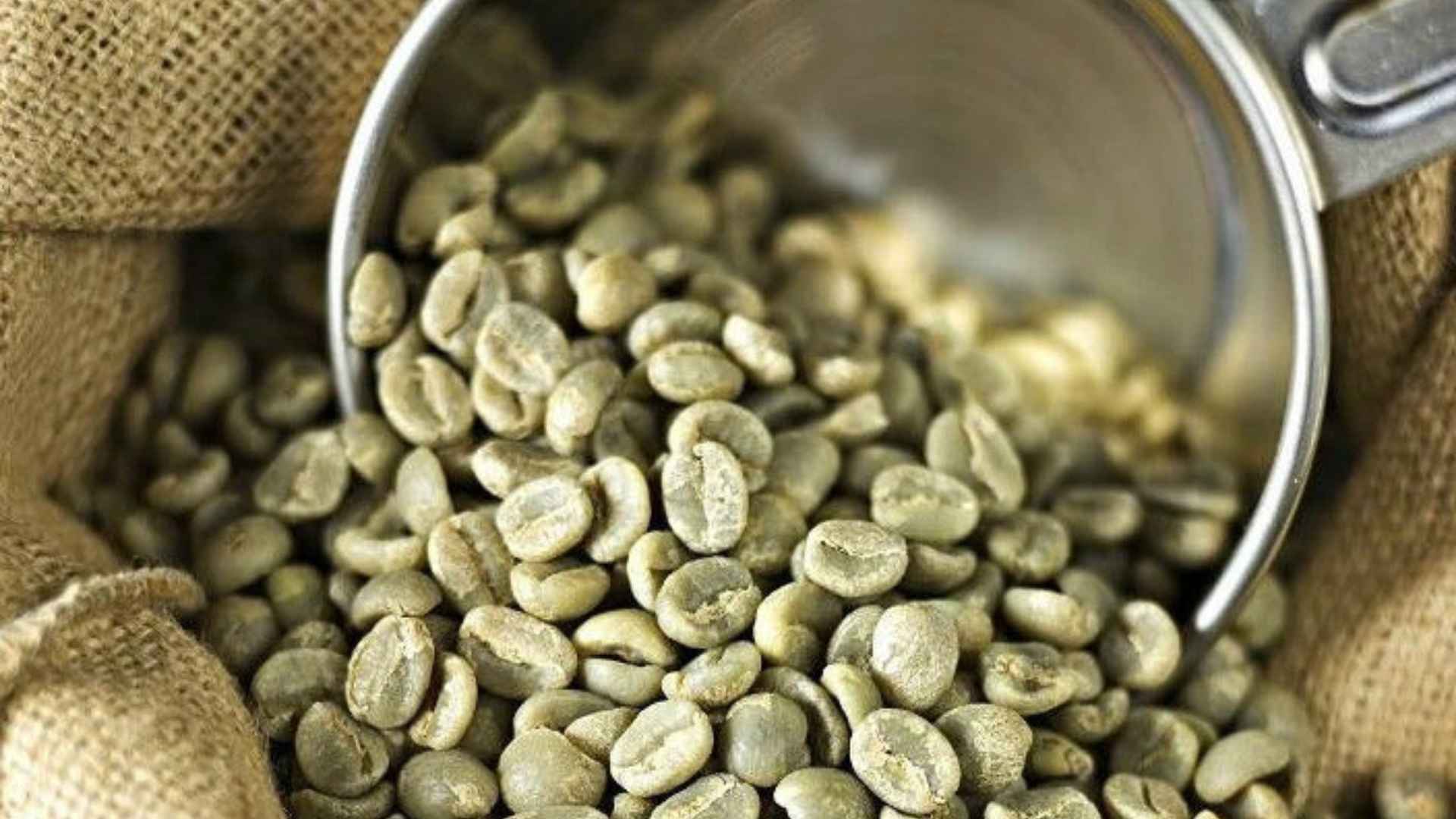
Green Arabica beans
Although Vietnam is famous for Robusta, it also exports Arabica in smaller but growing volumes. Arabica from Vietnam often shows bright acidity, a lighter body, and notes of fruit or citrus. The beans are typically oval and light green in color. Many importers choose Vietnamese Arabica for blends that need mild acidity and a smoother finish. According to World Coffee Research, Abrica accounts for about 5-8% of Vietnam’s total coffee output.
The primary growing region for Arabica is Lam Đong province, especially the high altitude area of Cau Đat, known for improved quality and specialty cultivation.
Main importing markets: The United States, Germany, Japan, South Korea, and Australia.
-
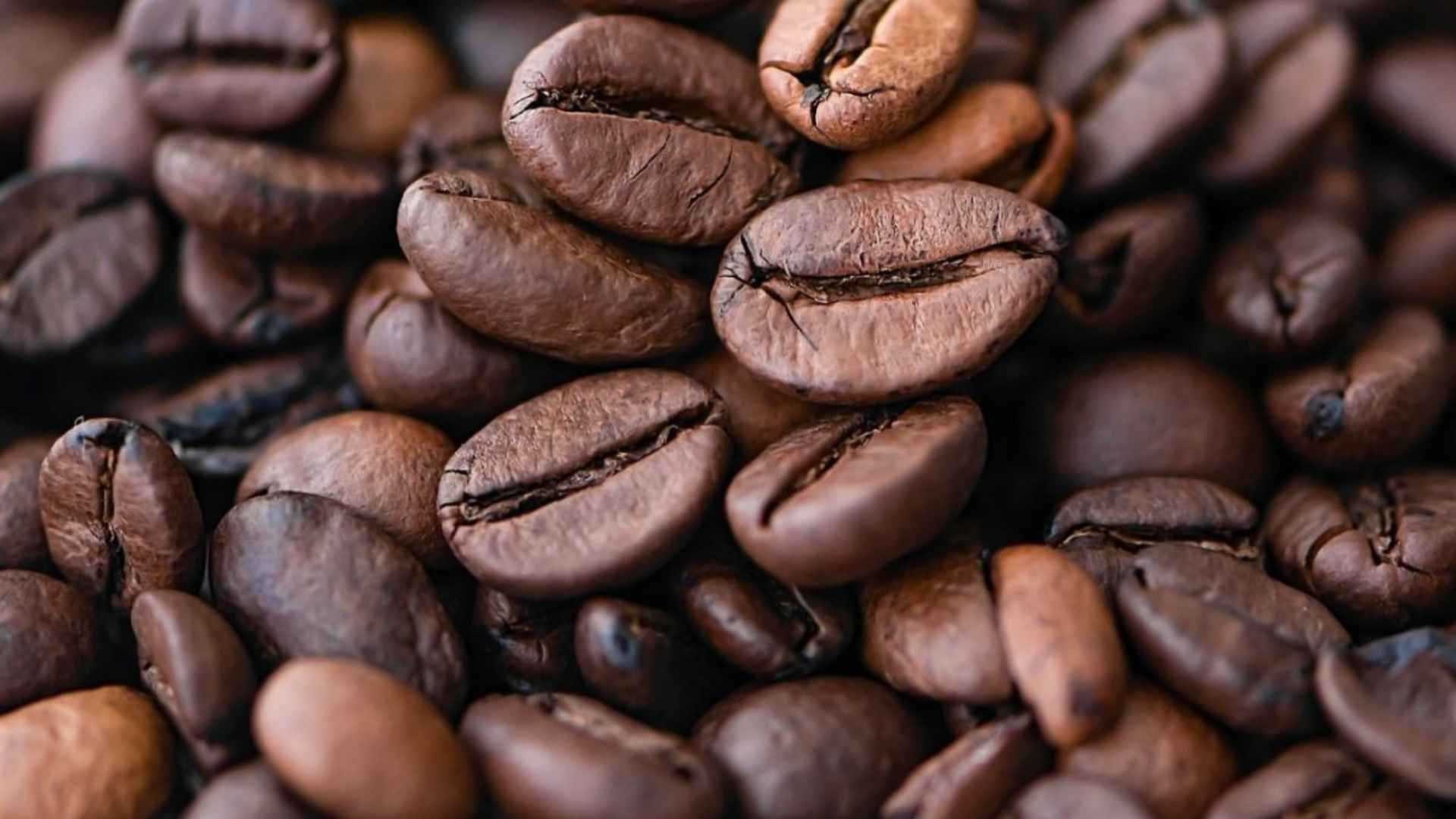
Moka Coffee
Moka coffee is one of Vietnam’s rarest Arabica varieties. Its price is higher than other types because it is one of the most difficult coffees to cultivate in Vietnam and requires extremely meticulous care. Moka beans are small, elongated, and dense, producing a cup with bright acidity, floral aroma, and refined sweetness. These characteristics make Moka a niche but valuable product for roasters seeking differentiated flavor profiles.
-
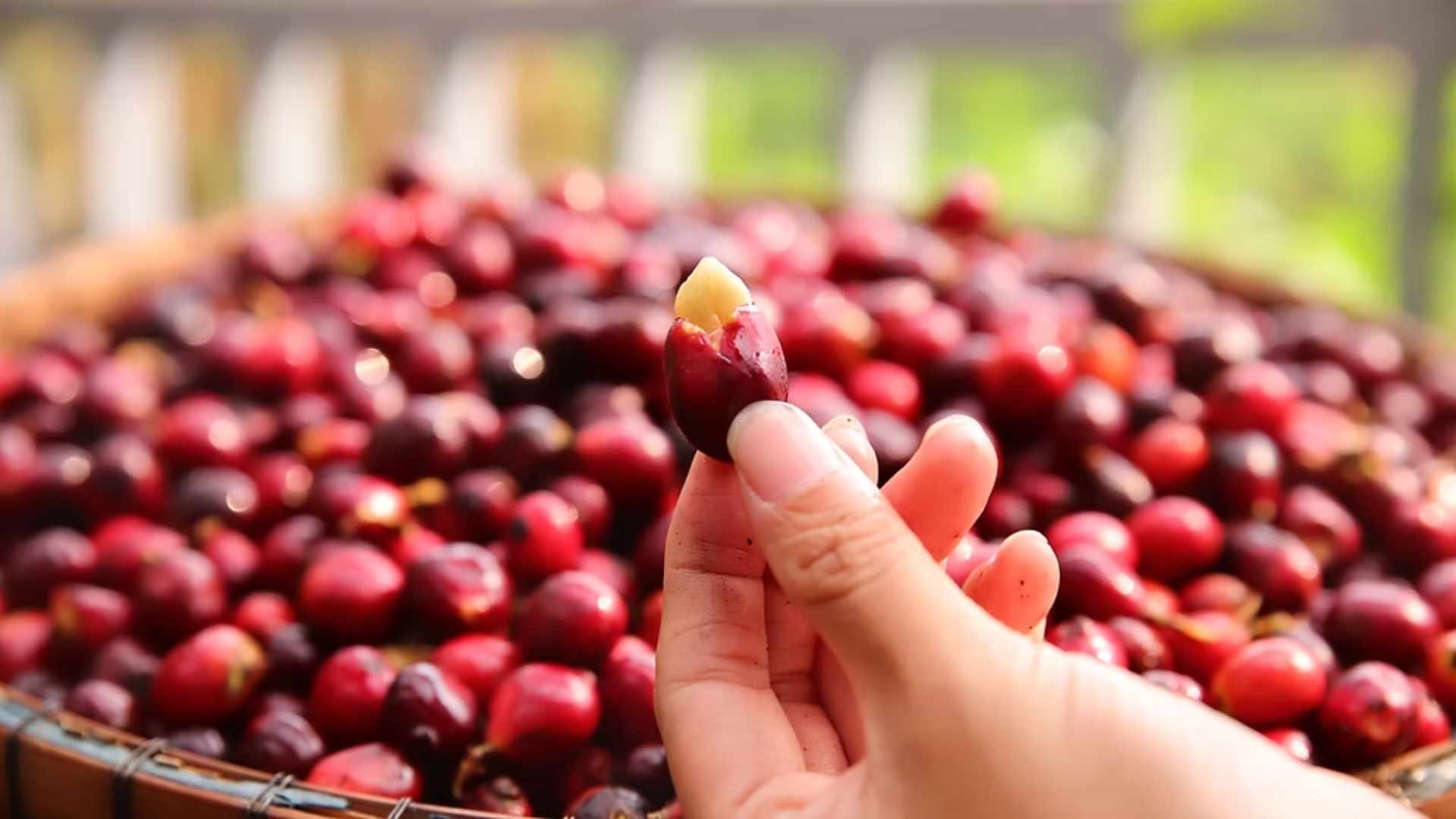
Coffee cherry
Cherry coffee, also known in Vietnam as Liberica and Excelsa coffee, is widely cultivated in regions such as Gia Lai and Kon Tum provinces. It is characterized by its large bean size, high drought tolerance, and a naturally fruity, slightly tart flavor profile. Cherry coffee typically offers a light body, a distinctive aroma, and a slight sour taste that sets it apart from Robusta and Arabica.
How to find reliable coffee suppliers
Finding dependable suppliers is a critical step when you plan to import coffee from Vietnam. Global buyers have many sourcing options ranging from direct factory engagement to online B2B platforms and international trade shows.
Below is a structured guide to help you evaluate each sourcing method effectively, supported by reputable supplier examples and verified industry information.
-
Direct factories
Working directly with manufacturing and processing factories is one of the most reliable ways to secure stable quality and competitive pricing. Vietnam has several well-established coffee producers with strong export capabilities and years of international market experience.
Trung Nguyen Legend is widely recognized as one of Vietnam’s most influential coffee brands. Established in 1996 in Buôn Ma Thuột, the company is known for its modern roasting facilities and extensive product lines that include roasted coffee, instant coffee, and specialty blends. Its long-standing brand reputation and investment in high-quality processing make it a notable supplier for buyers seeking branded or specialty coffee offerings.
Contact information:
- Headquarters: 82-84, Bui Thi Xuan St., Ben Thanh Ward, HCM City
- Website: www.trungnguyenlegend.com
- Tel: (84.28) 39251852
Vinacafé Bien Hoa is one of Vietnam’s oldest and most established industrial coffee manufacturers. It is a major producer of instant coffee and roasted products. Vinacafé exports a variety of coffee products to multiple international markets through long-standing distribution partnerships, making it a dependable option for buyers who prioritize processed coffee.
Contact information:
- Headquarters: Bien Hoa Industrial Zone 1, Dong Nai, Vietnam
- Website: www.vinacafebienhoa.com
- Tel: +84 251 3836554
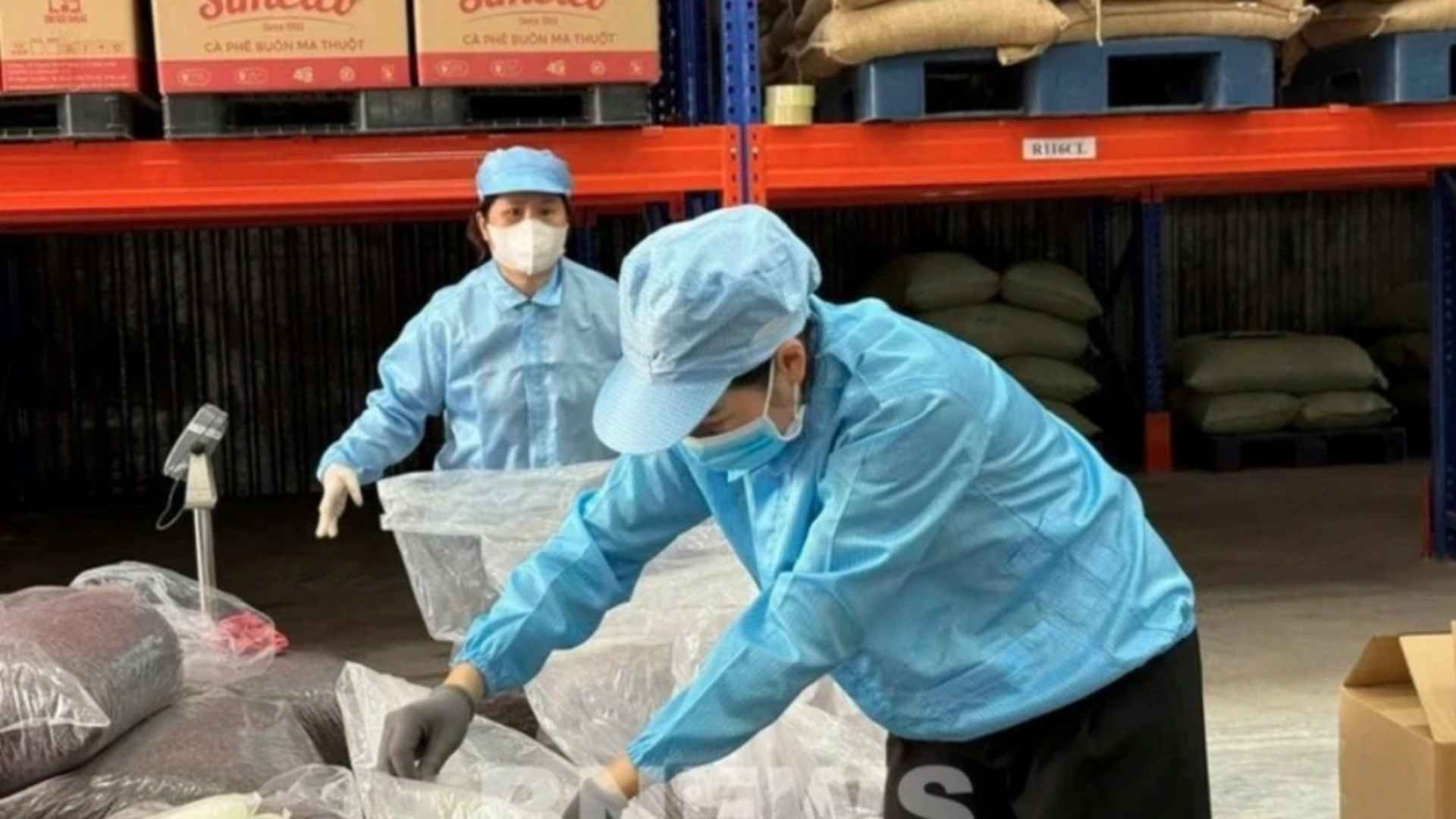
Intimex Group is widely regarded as one of Vietnam’s leading exporters of green coffee beans. The company operates several processing and warehousing facilities across the Central Highlands, allowing it to source coffee directly from major growing areas such as Đắk Lắk, Gia Lai, and Đắk Nông. Intimex has strong, long-term relationships with international buyers and a well-developed sourcing network, making it highly reliable for large-volume coffee procurement.
Contact information:
- Headquarters: 61 Nguyen Van Giai, Tan Dinh Ward, Ho Chi Minh City
- Website: www.vinacafebienhoa.com
- Tel: +84 28 3820 8052
-
Online B2B platforms
Online sourcing platforms allow importers to compare suppliers, review product specifications, and request quotations quickly. These platforms provide broad access to verified exporters and reduce the time needed for initial supplier screening.
Recommended B2B sourcing platforms:
- Alibaba: A global B2B marketplace with numerous Vietnamese suppliers offering green beans, roasted coffee, and instant coffee. Key features include supplier verification tiers, product comparison tools, and secure trade assurance services.
- VinaSources: A Vietnam-focused B2B sourcing platform connecting buyers with pre-vetted manufacturers and export-ready product catalogs. It offers quality control support, verified supplier profiles, and logistics coordination to simplify the sourcing process.
- Tradewheel: An international B2B marketplace featuring Vietnam-based suppliers of Robusta, Arabica, and specialty coffee. Buyers can compare listings, request quotes, and communicate directly through built-in sourcing tools.
-
Visit trade shows
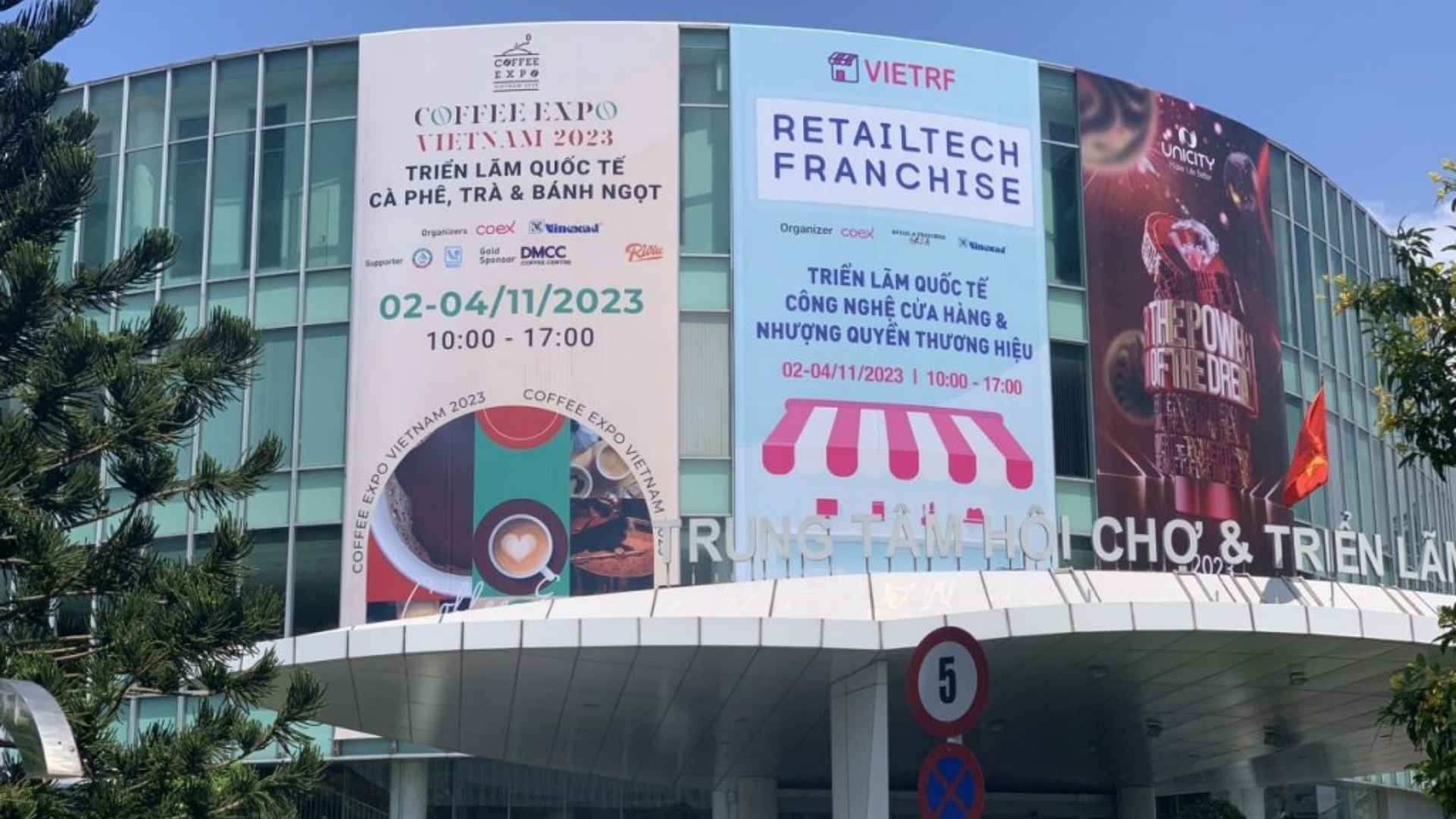
Trade fairs provide direct access to manufacturers, exporters, and industry associations. These events allow buyers to conduct cupping sessions, inspect products, and negotiate in person.
Coffee Expo Vietnam: The event focuses on green beans, roasted coffee, coffee machinery, packaging solutions, and supply chain services. It brings together producers, equipment suppliers, and international buyers in one location, creating a valuable opportunity for sourcing, product evaluation, and building long-term partnerships.
Its upcoming event in 2026:
- Date: 29 October 2026 – 31 October 2026 (10:00–17:00)
- Venue: SECC, 799 Nguyen Van Linh Street, Tan My Ward, Ho Chi Minh City
Vietnam Foodexpo (Hanoi): Organized by the Ministry of Industry and Trade, Vietnam Foodexpo is one of the country’s largest food exhibitions and regularly features leading coffee exporters and processors.
Its upcoming event in 2026:
- Date: 08 – 11 April 2026
- Venue: Vietnam Exhibition Center (VEC), Đong Anh District, Hanoi
Cafe Show Vietnam: Cafe Show Vietnam focuses on specialty coffee, roasting technology, brewing equipment, and café industry solutions. The event attracts specialty coffee brands, roasters, baristas, and equipment manufacturers, giving buyers direct access to both commercial and high-end coffee segments within one centralized sourcing environment.
- Date: 16 – 18 April 2026
- Venue: Hall A, Saigon Exhibition and Convention Center (SECC), Ho Chi Minh City
Below is a comparison table of coffee sourcing methods:
| # | Sourcing method | Pros | Cons |
| 1 | Direct factories |
|
|
| 2 | Online B2B platforms |
|
|
| 3 | Trade shows |
|
|
How to import coffee beans from Vietnam
Importing coffee beans from Vietnam can be a smooth and rewarding process once you understand the key steps involved.
Let’s take a closer look at how you can manage the process effectively.
-
Verify supplier credentials
Your first step should always be supplier verification. You may check company registration documents, export licenses, and compliance records to ensure they operate legally and professionally.
It is advisable to request references from past clients or ask for shipping records to confirm the supplier’s experience with international markets. A quick tip you can try is reviewing third-party audit reports or certification documents, which often provide insight into production practices, compliance levels, and product quality.
-
Inspect samples
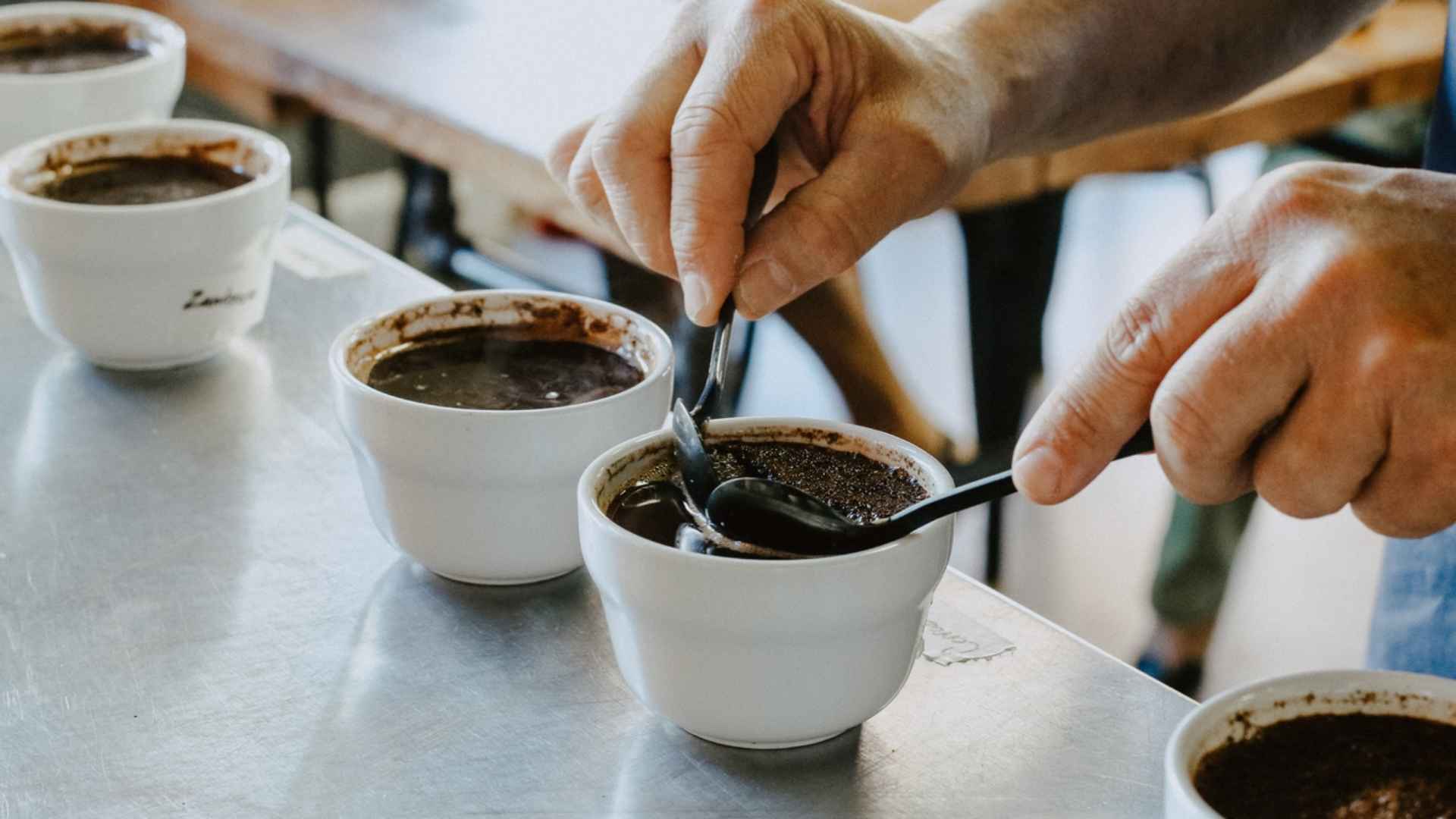
Before placing a bulk order, ask for samples. Sampling allows you to examine bean size, moisture level, aroma, and defect rate.
Additionally, comparing samples from multiple suppliers helps you verify consistency, detect any quality variations, and ensure that the product meets your specifications.
-
Haggle price
So, it is useful to compare quotations from multiple exporters and ask for detailed breakdowns of what is included in the cost.
You may also inquire about discounts for bulk orders or repeated shipments. In many cases, suppliers are willing to offer better terms if you can commit to a long-term purchasing plan.
-
Make a contract
Once pricing and product specifications are agreed upon, the next step is drafting a clear agreement that outlines obligations and expectations.
Your contract should specify:
- Bean type, grade, and processing method
- Moisture level and defect tolerance
- Packaging requirements
- Incoterms (FOB, CIF, or others)
- Payment terms and banking details
- Inspection procedures
- Delivery timelines and shipping methods
It is wise to include a clause for dispute resolution and a clearly defined process for handling non-conforming goods. These provisions allow you to manage risk and avoid misunderstandings during shipment or delivery.
-
Quality control and certification
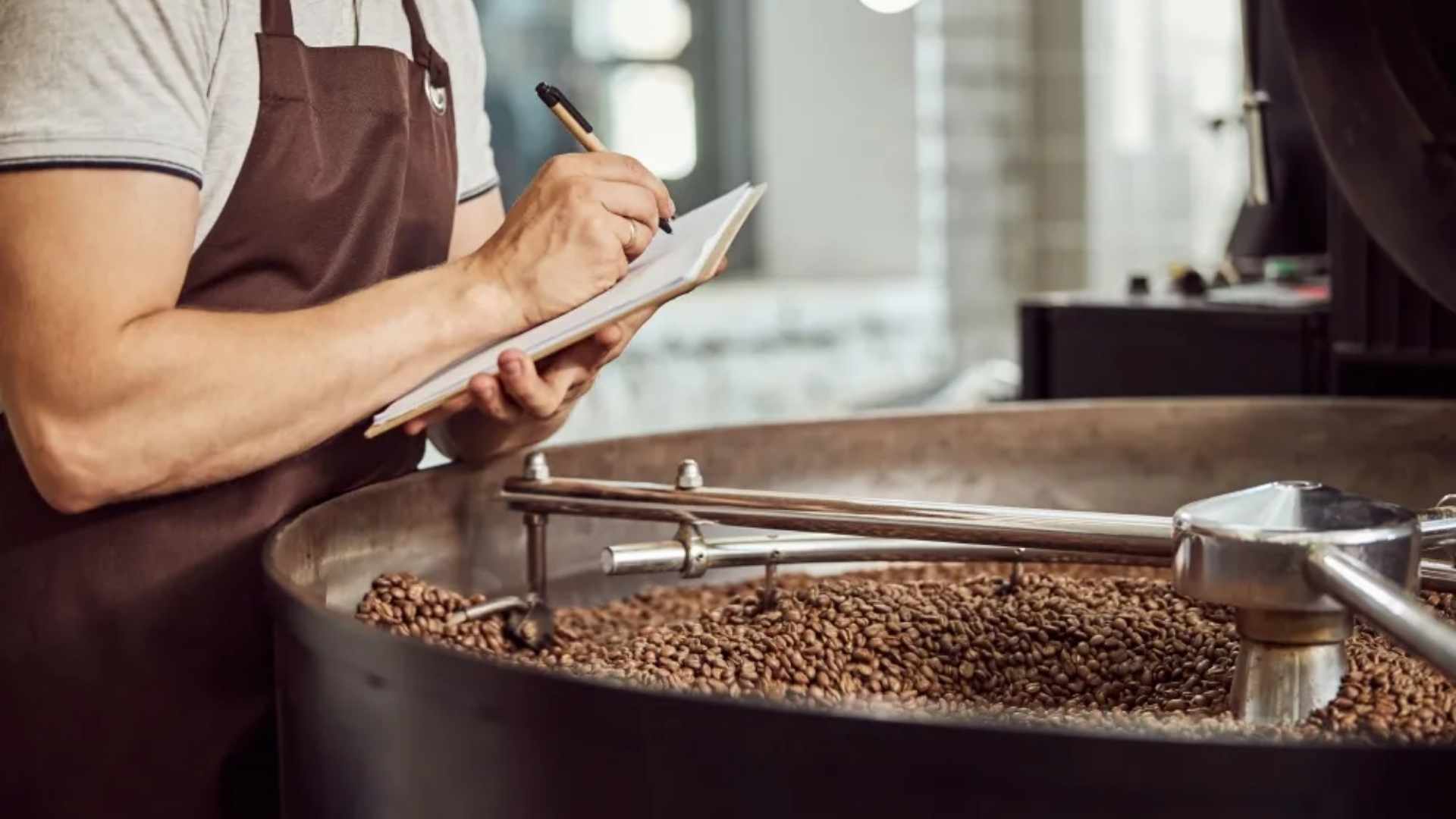
Maintaining quality is one of the most important aspects of importing coffee beans from Vietnam. Many importers use third-party inspection services to check moisture content, bean uniformity, and defects before the shipment leaves the factory.
In addition, certifications also play an important role in ensuring compliance with food safety and sustainability standards. You should request supplier certifications, including:
- Fair Trade Certification ensures farmers receive a fair and stable price for their coffee, supporting ethical supply chains.
- Rainforest Alliance Certification confirms sustainable farming practices that protect ecosystems and promote community well-being.
- HACCP (Hazard Analysis Critical Control Point) verifies that food safety standards are followed during processing, handling, and packaging.
These certifications can help you build credibility and meet the compliance requirements of international markets.
-
Handle customs clearance
When you import coffee from Vietnam, customs clearance can be straightforward if the required documents are prepared correctly. You will typically need:
- Commercial invoice
- Packing list
- Certificate of origin
- Phytosanitary certificate
- Bill of lading or airway bill
Import regulations vary by country, so you may wish to consult a customs broker who can guide you through tariff codes, phytosanitary requirements, and any special import conditions. Accurate documentation reduces the risk of delays, penalties, or additional inspections at the port of entry.
-
Shipping and logistics
When arranging logistics, choose shipping terms that match your needs. Common options include:
- Sea Freight: The most cost-effective method for large volumes of coffee, suitable for bulk shipments and long-distance trade.
- Air Freight: Faster but more expensive, ideal for small, urgent, or high-value specialty coffee orders.
These options allow you to balance cost, speed, and shipment size depending on your procurement strategy.
-
Properly store for maximum freshness
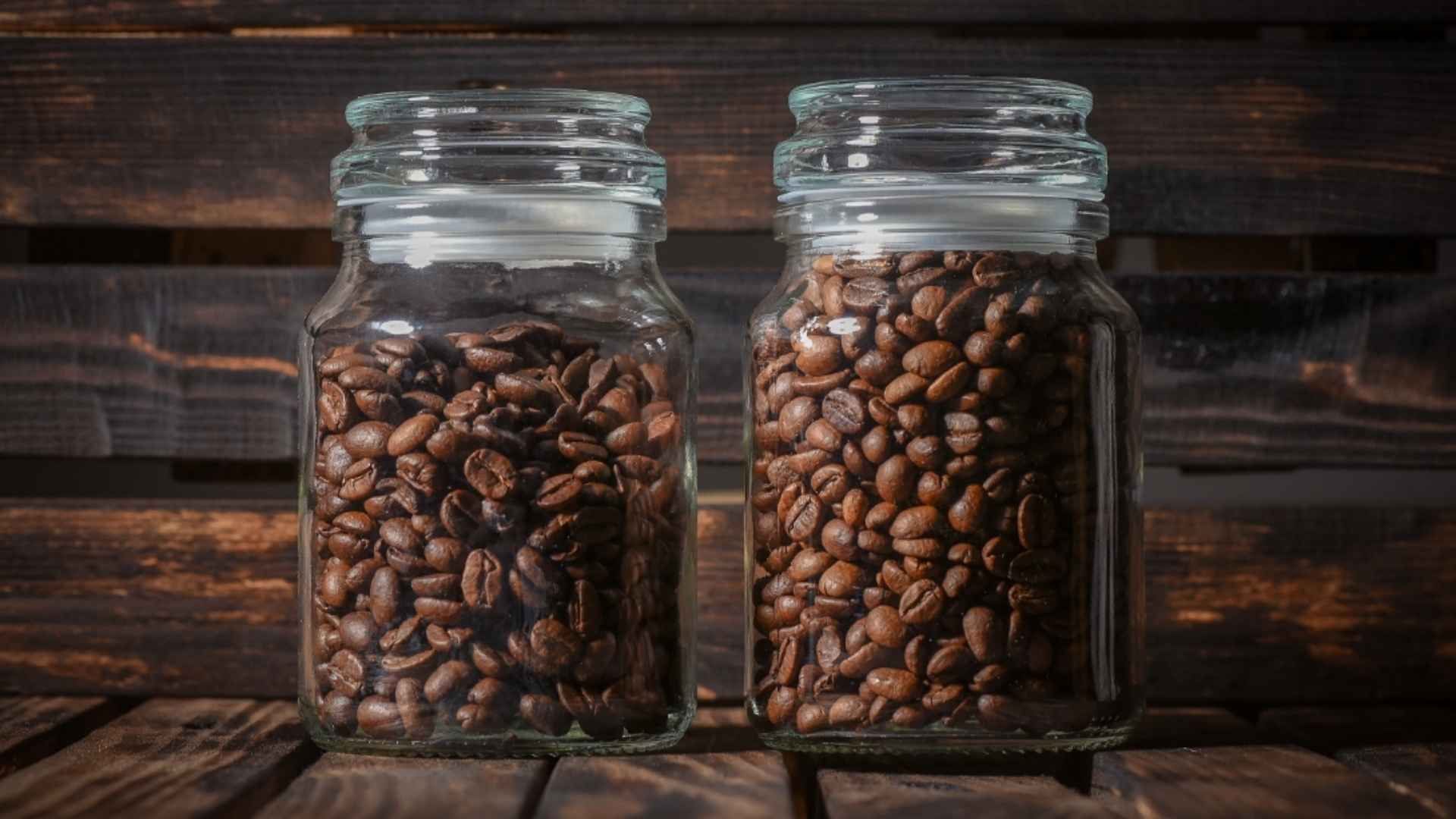
After the coffee beans arrive, proper storage is essential for preserving their flavor. You can extend shelf life and maintain cup quality by following several practical guidelines:
- Air-tight Containers: Always store coffee beans in air-tight containers to protect beans from oxygen exposure and prevent flavor loss.
- Ideal Temperature: Store beans in a cool environment between 15 and 20°C (59-68°F) to slow oxidation.
- Humidity Control: Keep humidity levels below 60% to prevent mold and keep moisture levels stable.
Partner with VinaSources for Importing High-Quality Coffee
Sourcing reliable coffee suppliers in Vietnam can be time-consuming without the right approach.
VinaSources is a dedicated platform that connects you directly with a verified network of trusted Vietnamese coffee suppliers.
With years of experience in cross-border e-commerce, we have successfully supported thousands of international buyers to source high-quality products from Vietnam efficiently and securely.
All you need to do is browse the Coffee Beans Catalog to find the coffee beans you need, or simply provide us with the details of your required coffee type, quantity, and specifications. Our team will then help you connect directly with suppliers that best match your requirements.
By partnering with VinaSources, you save time, reduce sourcing risks, and gain consistent access to premium Vietnamese coffee tailored to your business.
Reach out to our team today through the quotation form or contact customer support at hotline 1900 4356 to build successful partnerships with top Vietnamese coffee suppliers.